

Agricultural Colleges in Ontario: Top Innovations for 2026
“Ontario agricultural colleges aim to introduce 30+ innovative courses in sustainable farming practices by 2026.”
Summary: Agricultural Colleges in Ontario – Shaping the Future of Farming and Agribusiness in 2025
Ontario, the most populous province in Canada, continues to serve as a vital hub for agriculture, forestry, and sustainable natural resource management. As the sector evolves to address pressing challenges — from climate change and global food security to rapid technological innovation — agricultural colleges in Ontario play a critical role in driving innovation, advancing research, and shaping tomorrow’s leaders for rural and urban economies.
In 2026 and beyond, these colleges stand at the forefront of agri-education and innovation, blending modern science, technology, and practical training to secure Ontario’s competitive edge in the global agricultural landscape.
Ontario’s agricultural colleges are investing heavily in digital technologies and climate-smart agriculture to address the future of agri-business, natural resource management, and food systems.



The Core Role and Importance of Agricultural Colleges in Ontario
Ontario’s agricultural colleges serve as specialized centers for education, research, and extension services. They offer a variety of diploma, undergraduate, and postgraduate programs focusing on a range of disciplines including crop science, animal husbandry, agri-food technology, soil management, and agroforestry.
By combining theoretical knowledge with hands-on experience, these institutions equip students with the skills necessary to thrive in modern farming environments that increasingly rely on data analytics, precision agriculture, and sustainable practices. Their role as catalysts for innovation is critical in driving Ontario’s competitive edge in North America and beyond.
For agriculture students — look for colleges that integrate tech like AI, GIS, and remote sensing into their curriculum: these skills deliver a stronger competitive edge for 2026’s entrepreneurial & research roles.

“Over 60% of agri-education programs in Ontario now include modules on climate-resilient technologies and precision agriculture.”
Leading Institutions & Programs Innovating Ontario’s Future
Among the leading providers of agricultural education in Ontario, the University of Guelph’s Ontario Agricultural College (OAC) is widely recognized for its comprehensive programs covering agriculture, environmental sciences, food science, and rural development. OAC’s initiatives integrate biotechnology, crop genetics, livestock improvement, and climate-resilient farming methods, firmly reflecting the pressing needs of 2025 and beyond.
In addition, Fleming College and Fanshawe College offer respected diplomas and applied degrees in agriculture, environmental management, and natural resources. Their programs focus on practical training in forage crop management, greenhouse operations, soil conservation, and agroforestry. Ontario’s network is further extended by emerging and regional colleges adapting to the future needs of Canada’s agricultural sector.
Key Benefits for Students & Rural Economies
- ✔ Skilled graduates: Well-equipped for both production and agri-research.
- 📊 Data insight: Exposure to advanced analytics and farm management tools ensures job readiness.
- 💡 Innovation: Students participate in real-world research projects.
- 🌱 Sustainable practices: Strong emphasis on climate adaptation and soil/water stewardship.
- 🌍 Global edge: Programs are shaped by international trends in food/agro-science.

Innovation in Curriculum and Training at Agricultural Colleges in Ontario
By 2026, Ontario agricultural colleges have redefined their curriculum to match global demands and local challenges. Integration of artificial intelligence (AI), drones, geographic information systems (GIS), and remote sensing ensures that students are trained in modern precision farming techniques.
The shift towards climate resilience, sustainability, and technological change is evident in:
- 🔬 Advanced soil health restoration courses (covering organic, regenerative, and carbon farming)
- 🌾 Precision agriculture practices using AI and drones (for yield mapping and smart input use)
- 🛰 Use of satellite tech & geospatial data for climate monitoring, especially in water management and food security planning
- 🌿 Programs on biodiversity preservation (for ecosystem and agroforestry studies)
- 📈 Agri-entrepreneurship training (covering digital markets and blockchain traceability for transparency)
Ontario’s agricultural colleges are increasingly part of local and global food systems, offering skilled graduates, agri-tech research, and agri-businesses ready for new investment. Sustainability and agri-innovation are strategic priorities for 2026.

Visual List: Technology-Driven Education Features
- AI and Machine Learning for real-time farm data analysis
- GIS and Remote Sensing Laboratories
- Blockchain-centric Agri-Traceability Modules
- Real-time Environmental Monitoring Projects
- Drone-based Field Training
Next-Generation Technology & Precision Agriculture Integration
In the current agricultural landscape of Ontario, agricultural colleges are helping students understand and apply next-gen technologies such as:
- Real-time crop health & soil condition monitoring with satellite imagery & sensors
- AI-powered advisory systems for pest/disease management and weather prediction
- Blockchain traceability for food supply verification & trust (see Farmonaut Traceability Solution)
- Precision planting & irrigation scheduling with actionable farm data
- Modern resource management tools designed for efficiency, cost savings, and environmental compliance
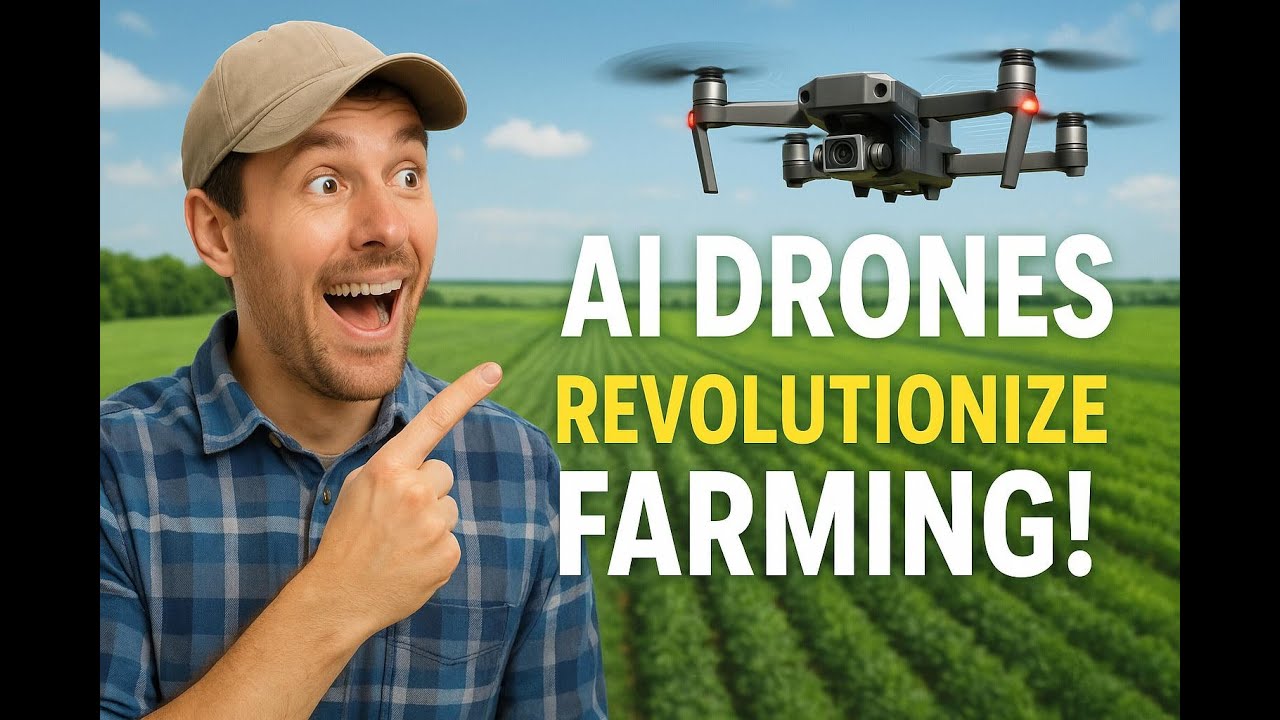
Many students underestimate the importance of digital agricultural literacy. By 2026, failing to gain competence in AI, precision farming, and blockchain could limit job prospects and impact innovation capability.

Visual List: 2026 Technology Pillars in Ontario Colleges
- 🛰 Satellite Monitoring: Widespread in crop and natural resource management
- 🤖 AI-Driven Analytics: For yield prediction, pests, and soil health
- ⛓ Blockchain Traceability: Integrated into food supply chain modules (see product traceability solutions)
- 🚜 Fleet & Resource Optimization: Leveraging platforms like Farmonaut’s Fleet Management for logistics efficiency
- 💡 Environmental Impact Monitoring: Embedded in curriculum for resource and compliance management
Outreach, Extension Services, and Industry Collaboration
Agricultural colleges in Ontario play a vital role not only in the classroom but through outreach and extension services. They ensure:
- Knowledge transfer to farmers, agribusinesses, and policy advisors
- Continuous upskilling through workshops, vocational training, and practical diplomas
- Applied research: Derived from real-world trials and farm-based collaborations
- Responsive programs: Adaptive curriculum reflecting current and future environmental, market, and climate challenges
Carbon Footprinting by Farmonaut offers actionable data and educational modules for environmental impact tracking in curriculum and farm management planning.
More than 60% of Ontario’s agricultural curriculum is now shaped by climate-resilient agriculture, water conservation, and biotechnological innovation.
Comparison Table of Top Agricultural Colleges and Their 2026 Innovations
| College Name | Location | Notable Innovation/Technology (2026) | Area of Impact | Est. Student Enrollment | Partnerships (Industry/Research) |
|---|---|---|---|---|---|
| University of Guelph (OAC) | Guelph, Ontario | Satellite-integrated crop monitoring, AI-based agri-analytics, and blockchain traceability | Climate adaptation, resource efficiency, agri-education | 4,800+ | 35+ (industry/research) |
| Fleming College (School of Environmental & Natural Resource Sciences) | Lindsay, Ontario | Drone-based precision agriculture training, integrated GIS labs, climate-smart forestry modules | Climate adaptation, forestry, practical skills | 1,200+ | 15+ |
| Fanshawe College | London/Southern Ontario | Agri-food processing technology, farm-to-market digital platforms, sustainable energy systems | Resource efficiency, agri-business, rural economies | 1,000+ | 12+ |
| Ridgetown Campus (University of Guelph) | Ridgetown, Ontario | Livestock genomics, regenerative crop systems, digital weather stations integration | Genetics, livestock, rural extension | 600+ | 8+ |
| Algonquin College (Agri-Food & Environment) | Ottawa, Ontario | Urban agriculture innovation labs, IoT-integrated greenhouse modules, water efficiency programs | Smart farming, urban food security, water management | 850+ | 10+ |
Supporting Innovation: Resources, Initiatives, and Opportunities in Agribusiness
Ontario’s agricultural colleges work as incubators of innovation — driving research into climate adaptation, water management, and sustainable agroforestry. Across programs, students benefit from:
- Cross-institutional knowledge sharing (involvement in real-time research initiatives)
- Exposure to industry-grade technologies (including integration of Farmonaut’s real-time monitoring and advisory solutions via API and apps)
- Entrepreneur support, offering pathways in verticals like agri-food tech and sustainability strategy (Read about large-scale farm management)
- Career-ready analytics training for agro-business roles and rural economic development
- Initiatives addressing environmental sustainability, such as curriculum-aligned carbon footprint monitoring projects

Top 5 Strategic Advantages of Studying in Ontario’s Agricultural Colleges
- 💼 Strong Job Placement via industry-geared diplomas & hands-on experience
- 🧬 Access to Evolutionary Research in food science and biotechnology
- 🧑🌾 Community & Rural Development through real-world extension services
- 🔗 Networking Opportunities in agriculture, natural resources, and agribusiness
- 🌐 Readiness for Global Ag Challenges — curricula reflect worldwide trends

Many agribusiness students in Ontario can access funding or credit through satellite-verified documentation (like Farmonaut’s crop loan & insurance solutions). This drives inclusion and innovation across farming communities.
Addressing Challenges and Shaping the Future of Ontario’s Agriculture
Despite being at the forefront of global agri-education, Ontario’s colleges still navigate several key challenges:
- ⚠ Youth engagement: Overcoming the urban bias and attracting next-generation students to agricultural careers
- ⚠ Integrating technology at scale: Ensuring every program — from diploma to postgraduate — includes practical digital agriculture modules
- ⚠ Climate change adaptation: Updating curricula fast enough to match unpredictable climate conditions and food security risks
- ⚠ Maintaining competitive edge: Staying ahead of rapid innovations in biotechnology, sustainability, and digital management
- ⚠ Resource allocation: Balancing financial and physical resources to guarantee program flexibility and rural outreach
Ontario’s agricultural colleges respond with:
- Expanding outreach to urban and remote communities
- Promoting digital and climate-smart farming careers as high-impact, entrepreneurial, and technologically advanced
- Engaging students using real-time apps and data portals (such as Farmonaut’s ecosystem)
- Modular program design — allowing rapid updates and interdisciplinary studies aligned with the evolving sector
Callout: What Does the Future Hold?
As digital transformation accelerates, Ontario’s agricultural colleges are poised to lead not just in Canada, but on the global stage — driving food security, sustainable economies, and rural revitalization well into 2030.
How Farmonaut Empowers Ontario Agricultural Colleges
As the technological landscape evolves, we at Farmonaut are proud to make satellite-driven insights, AI-based advisory, and environmental monitoring accessible and affordable to Ontario’s educational sector. Our tools enable students, instructors, and future agri-leaders to:
- Monitor crop health, soil conditions, and resource usage with real-time satellite imagery and analytics
- Test and apply AI-driven strategies for climate adaptation and crop yield improvement
- Develop blockchain-enabled traceability solutions for transparent agri-food supply chains
- Simulate environmental impact models using high-precision carbon-footprinting (Learn more)
- Integrate real-time data for curriculum alignment with the needs of the industry, policy development, and sustainable management
Our subscription-based model offers flexible, scalable integration for individual users, colleges, and government agencies — discover more in the pricing table above.
Agricultural education in Ontario gains a competitive edge when powered by actionable insights, ensuring both traditional and future-forward practices become more impactful, resilient, and innovation-driven.
Frequently Asked Questions: Agricultural Colleges in Ontario & Tech Innovation
What makes Ontario’s agricultural colleges unique compared to other provinces?
Ontario’s agricultural colleges are renowned for integrating advanced technology, like AI, remote sensing, and satellite analytics, into their curriculum. This equips students with both practical farming skills and digital literacy, delivering a unique competitive edge for addressing climate, food, and resource challenges.
Which skills are most in demand for agricultural students in 2026?
Skills in precision agriculture, data analytics, environmental impact assessment, blockchain traceability, and climate-smart farming are increasingly in demand. Dynamic problem-solving and an openness to continuous learning are also crucial.
How are agricultural colleges addressing climate change?
By embedding climate adaptation strategies, carbon farming, water management, and biodiversity modules into their courses—all built upon the latest research and real-time monitoring tools.
Why should students choose diploma or postgraduate studies in Ontario?
Ontario offers a diverse range of programs, hands-on industry placements, modern technology labs, and opportunities for entrepreneurship — making it ideal for those seeking leadership roles in agriculture, resource management, and agribusiness.
Can students access Farmonaut tools as part of their education?
Yes, Farmonaut’s web/mobile apps and APIs are designed for flexibility, enabling faculty and students to integrate satellite insights and environmental analytics into their coursework or research projects. See our platform or explore developer docs for institutional integration.
Conclusion: Agricultural Colleges Fuel Ontario’s Sustainable Future
As we look toward 2026 and beyond, the agricultural colleges in Ontario remain foundational to shaping the future — not only of the province’s farming and rural economies but also of the worldwide food and agri-tech sector. By driving innovation, integrating advanced technologies, and constantly evolving curricula, these institutions ensure Ontario stands at the forefront of sustainable agriculture, resource management, and climate resilience.
Whether you’re a student, farmer, policy-maker, or agri-entrepreneur, Ontario’s agricultural college system is your gateway to comprehensive knowledge, actionable skills, and pioneering solutions designed for the complexities of the future. With support from technology providers like us at Farmonaut, the roadmap for a smarter, more secure, and thriving food landscape has never been more robust.
Take the next step in sustainable, innovation-driven agriculture — explore educational, research, and AI-powered agribusiness opportunities across Ontario’s colleges today!

 SP Farms
 Indosistim Teknologi
 Suminter India Organics
 Liquify Digital
 CU Foods
 BeyondTech Global
 Rouge VC
 AgroGreen Dynamics
 AgroRisk
 Oath Inc
 Reddane Farming
 Esri North East Africa
 Cresol
 MDCV UK
 Zerella Group
 Etech Consulting Madagascar
 Vestlandsforsking
 Delicio
