

Montreal Urban Agriculture: Vertical Farming Insights 2026
“By 2026, Montreal’s vertical farms are projected to supply 15% of the city’s leafy greens, up from 6% in 2023.”
Urban Agriculture Montreal: A Thriving Model for 2025 and Beyond
Montreal urban agriculture is rapidly evolving, shaping the way city dwellers access fresh local produce, improve food security, and drive sustainability within metropolitan environments.
With initiatives focused on vertical farming, rooftop gardens, community plots, and integrated agroforestry, Montreal agriculture is thriving as a robust and diverse ecosystem.
This article offers detailed insights into the practical developments, key trends, and future directions of urban agriculture Montreal, with a specific focus on vertical farming Montreal as we advance through 2025 and into 2026.
“Montreal’s urban agriculture initiatives aim to reduce food transport emissions by 22% by 2026 through local vertical farming expansion.”
Montreal Urban Agriculture 2026: Scene & Evolution
Since 2020, urban agriculture Montreal has expanded, cultivating a dynamic ecosystem that blends sustainability, local food systems, and innovative approaches within the unique geographies and neighborhoods of the city.
Supported by municipal planning, provincial programs, and a keen public interest in fresh local food, Montreal has become a model city for urban agriculture—particularly in vertical farming, rooftop greening, and agroecological practices.
- ✔ Robust, community-rooted urban agriculture models that nurture local food security
- ✔ Adoption of advanced technology—from smart lighting and automated irrigation to solar energy and heat recovery—for reduced environmental impact
- ✔ Partnerships among residents, researchers, and schools fostering education and innovation
- ✔ Supportive policy frameworks that recognize the social, economic, and ecological value of city farming
- ✔ A diversified portfolio of projects including vertical farming pilots, greenhouse gardens, and extended season crops
Montreal’s deliberate integration of vertical farming with rooftop gardens and community plots positions the city as a global leader in urban agriculture models focused on both innovation and food resilience.
Key Drivers: Climate, Policy, and Innovation Shaping Montreal Agriculture
What sets Montreal urban agriculture apart is its creative response to local challenges. Cold winters, short growing seasons, and variable urban soils have spurred remarkable innovation:
- 📊 Climate Adaptation: Short growing windows in Montreal push projects to adopt season extension techniques like insulated greenhouses, vertical racks with LED lighting, and mobile farms within warehouses.
- ✔ Municipal & Policy Support: Progressive city planning supports zoning changes, rooftop agriculture, and incentives for reduced carbon footprinting, rainwater harvesting, soil remediation, and energy-saving retrofits.
- ⚠ Soil Quality Management: Given historical contamination risks, many gardens and farms use raised beds, clean imported soil, and onsite composting to ensure healthy and safe urban production.
- ✔ Community Engagement: Montreal’s strong social fabric and broad public interest translate into active resident participation in projects—from community gardens to school-led programs.
- 📊 Technology Uptake: Pilots in LED lighting, AI-controlled irrigation, solar and heat recovery integration are rapidly increasing energy efficiency and yield per square meter, reducing reliance on external food supply chains.
Investor Note:
Montreal’s strong growth in vertical farming, supported by government incentives and advanced monitoring technologies, presents new economic opportunities for tech providers, farm operators, and investors focused on sustainable food systems.
Where Urban Farming Thrives in Montreal: Focus on Vertical Farming
1. Rooftop, Indoor, and Warehouse Vertical Farming Montreal
Vertical farming Montreal is leading the way with high-density, year-round production systems in industrial and commercial districts.
Rooftop greenhouses, indoor hydroponics, and multilevel racks take advantage of unused vertical space, advanced lighting, precise climate controls, and closed-loop irrigation systems.
Solar integration and heat recovery are increasingly integral to urban farm design, driving resource efficiency and carbon footprint reduction.

2. Greenhouses, School Partnerships, and Community Gardens
- ✔ Greenhouses extend growing seasons and facilitate educational programming in local schools, producing fresh food for cafeterias and food banks.
- ✔ Community gardens are becoming innovation hubs for soil health, composting, and agroecological practices, often supported by municipal grants.
- ✔ Soil remediation is actively pursued in spaces with historical contamination, using raised beds and intensive composting to restore soil health.
3. Market Gardens and Peri-Urban Agroforestry Pilots
Along the urban-rural fringe, market gardens and agroforestry pilots are experimenting with diverse crop selection and integrated pest management.
Plots in former industrial zones and vacant lots are now restored and supplying fresh produce to local eateries and seasonal markets.
4. Controlled-Environment Agriculture (CEA) and Technology
Montreal is positioned at the forefront of CEA adoption. Advanced systems regulate all growing conditions to maximize yield and minimize risks, supporting the city’s food supply chain resilience.
- ✔ LED-based multi-spectral lighting for optimal plant growth and energy savings
- ✔ AI-driven climate control and irrigation systems
- ✔ Precise, closed-loop nutrient delivery for hydroponic and aeroponic production
- 📊 Data-driven monitoring for pest, water, and energy management
- ✔ Waste reduction and reuse strategies integrated into operations
Integrate real-time satellite monitoring for your urban farm with tools like Farmonaut to track crop health, manage resources, and plan interventions efficiently.
Explore the Agro-Admin App for Large Scale Farm Management for AI guided decisions.
Comparison Table: Urban Agriculture Methods in Montreal (2025-2026)
| Agriculture Method | Estimated Montreal Area Coverage (ha, 2025) | Estimated Yield (tons/year) | Resource Efficiency (water use per kg) | Avg Installation Cost ($/sq.m) | Main Sustainability Benefit |
|---|---|---|---|---|---|
| Vertical Farming | 12 | 8,500 | 2-3 liters | $200–$350 | Reduced food miles & emissions; year-round supply |
| Rooftop Gardens | 18 | 3,200 | 20–30 liters | $60–$120 | Urban cooling, stormwater capture |
| Community Gardens | 55 | 1,600 | 35–50 liters | $25–$65 | Community health & engagement |
| Hydroponics | 8 | 2,900 | 4-6 liters | $150–$220 | Pesticide-free, efficient water use |
| Traditional Soil-Based Urban Farms | 35 | 2,800 | 55–70 liters | $10–$30 | Soil health & biodiversity |
- 📊 Vertical farming Montreal: The most water and space-efficient, higher upfront cost offset by sustainability and climate-controlled production.
- ✔ Rooftop gardens: Excellent for city cooling, intermediate resource efficiency and accessible for retrofitting existing buildings.
- ✔ Community gardens: Drive social benefits and food literacy but are lower in resource efficiency and total yield.
- 📊 Hydroponics: Efficient use of space and nutrients, ideal for urban warehouses or vacant industrial buildings.
- ✔ Traditional soil-based farms: Essential for agroecological diversity; best suited to peri-urban or remediated soils.

Economic and Social Impacts: Urban Agriculture Montreal in Action
Economic Opportunity and Local Food Sovereignty
Vertical and urban farming innovations in Montreal are designed to reduce dependency on external supply chains, cutting transport emissions and boosting local job creation in farming, technology, and food processing.
Montreal agriculture contributes to the local economy by supplying fresh produce directly to city dwellers, restaurants, and markets, fueling a circular food system.
- ✔ New high-tech jobs in farm operations, greenhouse management, research, and sustainability consulting
- ✔ Strengthening local businesses and food markets
- 📊 Increased food literacy and community engagement, particularly through school and neighborhood programs
- ✔ Enhanced resilience in the face of supply chain disruptions
- ⚠ Limitation: Upfront capital costs for new vertical farming installations
Common Mistake:
Underestimating the ongoing operational costs in urban farming—always account for energy, water, and technology maintenance in your business model.



Year-round urban production in Montreal is projected to create at least 840 full-time jobs dedicated to farm operations, research, and education by the end of 2026.
Environmental Considerations and Sustainability Best Practices in Agriculture Montreal
1. Soil Remediation, Health Management & Raised Beds
- ✔ Rigorous soil testing and remediation protocols protect against urban contamination risks
- ✔ Raised beds, biochar amendments, and clean compost inputs are the norm for safe food production
- ⚠ Old industrial zones require continuous monitoring for heavy metals and other legacy pollutants
Optimize sustainability efforts and compliance with Farmonaut’s carbon footprinting tools—ideal for vertical farms reducing urban food emissions.
2. Water Use, Conservation, & Rainwater Harvesting
- ✔ Water reuse and closed-loop irrigation are standard in vertical and hydroponic farms, drastically reducing urban water consumption
- ✔ Rooftop capture and rainwater harvesting integrated into city farming designs
- 📊 Hydroponic vertical systems use up to 90% less water compared to traditional soil-based plots per kilogram of produce
— Farmers and agronomists in Montreal can integrate Farmonaut’s satellite-powered water management analytics for precision irrigation and efficiency improvement.
(API Developer Docs)
3. Energy Efficiency, Solar Integration, & Heat Recovery
- ✔ Solar panels and energy-efficient LED lighting enable net-zero energy targets
- ✔ Heat recovery from adjacent commercial and industrial zones powers greenhouses and hydroponic operations
- ✔ Demand management supports grid stability and aligns with Montreal’s aggressive carbon reduction goals
By utilizing smart energy design and waste recapture, vertical farming Montreal is on track to lead global cities in climate-positive urban agriculture by 2026.
Urban farm expansion is occasionally limited by high installation costs and dependence on advanced technology—smart planning and resource sharing are critical for long-term viability.
Policy and Planning: Montreal’s Strategic Framework for Sustainable Urban Agriculture
- ✔ Municipal policy and zoning flexibility designate rooftops and select vacant lots for agriculture and green infrastructure
- ✔ Support for micro-hedgerows, pollinator corridors, and biodiversity improvement through city planning directives
- 📊 Federal and provincial grants incentivize innovative projects focused on soil improvement, energy savings, and food access
- ✔ Partnerships with research centers and universities drive rapid technology transfer and practice adoption
- ✔ Community-driven planning ensures that urban farming initiatives align with neighborhood needs and social fabric
Planning and policy support are foundational to the continued success of Montreal’s urban agriculture scene, offering a blueprint for integrating vertical farming and agroecology into city development for years to come.
Looking Ahead: Montreal Urban Agriculture in 2026 and Beyond
The coming years bring fresh opportunities and new horizons for urban agriculture Montreal:
- 🌱 Scalable Vertical Farming Pilots: Rapid expansion of vertical farming will enable local supply of at least 15% of city-grown leafy greens by 2026.
- 🌞 Renewable Energy and Digitalization: Farms will increase reliance on solar and digital monitoring, optimizing both yield and carbon reductions.
- 📈 Integrated Farm Networks: More collaborative approaches between city farms, distribution systems, and educational hubs.
- 🛰 Satellite and AI Integration: Real-time satellite analytics, AI-based advisory, and blockchain traceability will enable smarter management and transparency.
- 🍎 Community-Led Food Programs: Expansion in neighborhood-based initiatives and agroforestry to bolster urban food security and resilience.
Montreal’s vertical and hydroponic farms can enhance consumer trust and regulatory reporting by activating Farmonaut’s traceability solutions—trace every batch from seeding to delivery!
Montreal’s steady urban population growth combined with a progressive food strategy creates consistent, long-term demand for technology-powered farming solutions and smart farm management platforms.
Satellite-Driven Insights for Urban Farming: Farmonaut’s Role
As urban agriculture Montreal matures, the strategic use of data and technology takes center stage.
We at Farmonaut are committed to delivering satellite-based monitoring and analytics to empower urban farms of all sizes—helping them optimize
crop selection, monitor soil health, maximize resource efficiency, and ensure climate resilience.
Our platform provides:
- ✔ Vegetation health analytics (NDVI) for real-time crop management
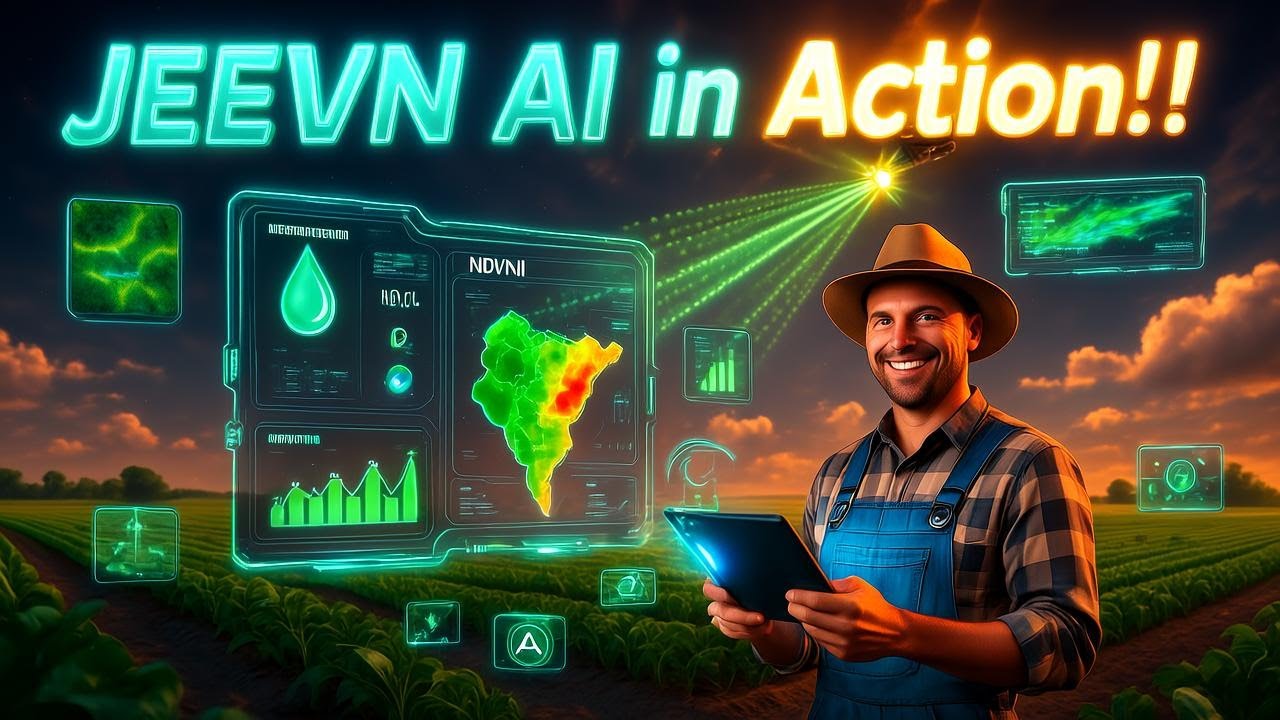
- ✔ AI-powered advisory systems (Jeevn) for weather, strategy, and yield maximization
- ✔ Blockchain-based traceability to verify every stage of urban food production
- ✔ Resource management tools for water, nutrients, and energy usage tracking
- ✔ Environmental impact monitoring to ensure sustainability standards
- 🌍 Agro-Admin App: Scale and manage multiple urban farm sites seamlessly
- 🚜 Fleet Management: Optimize logistics, monitor farm vehicles, and reduce operational costs in city-wide food logistics
- 🍃 Crop, Plantation & Forest Advisory: AI-powered forecasting for crop rotation and biodiversity enhancement
- 💳 Crop Loan and Insurance: Strengthen access to financing with our satellite-based verification for urban farms and agri-cooperatives

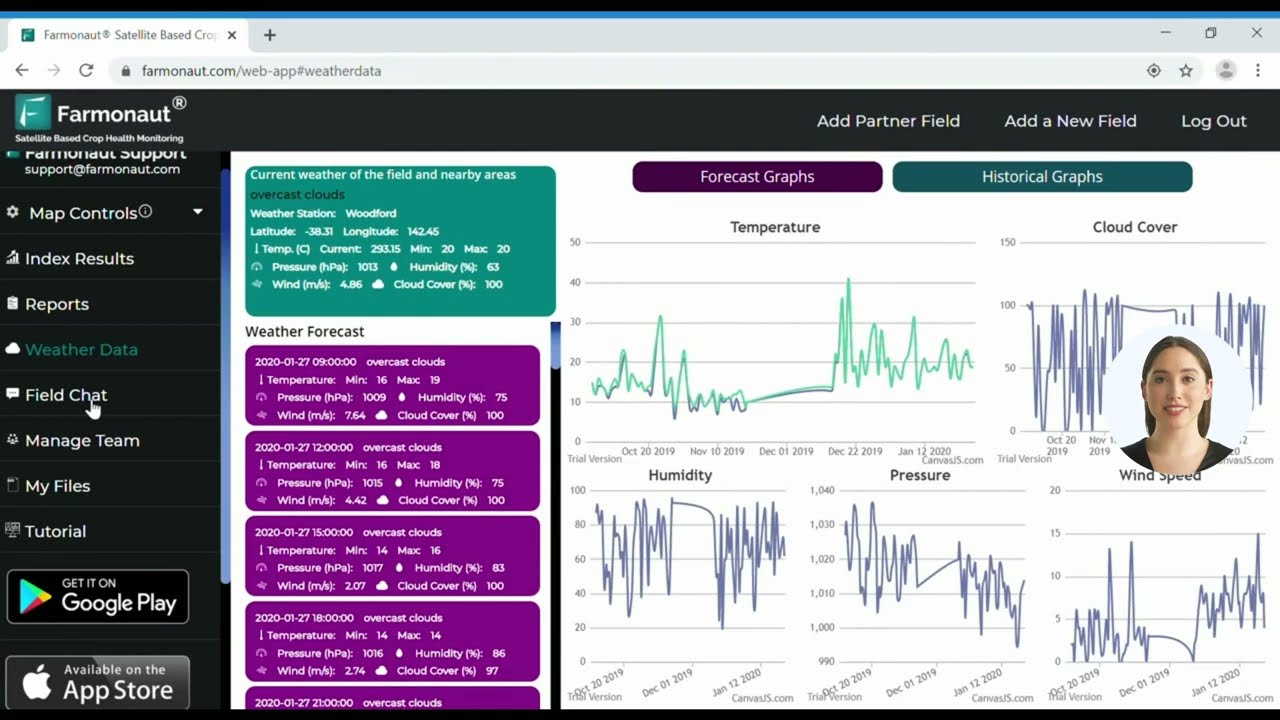
Try the Farmonaut Web App for in-depth satellite analytics and smart farm decision support.
Explore Farmonaut’s flexible subscription plans―accessible for individuals, enterprises, and public institutions―to scale your Montreal urban agriculture monitoring and farm management needs as you grow.
Frequently Asked Questions (FAQs) – Montreal Urban Agriculture & Vertical Farming 2026
1. What makes Montreal Urban Agriculture unique in 2026?
Montreal’s approach is rooted in dense neighborhoods, a strong public interest in local food, supportive municipal planning, and integration of technology such as vertical farming, precision irrigation, and climate controls. Unique city zoning and active policy encourage innovation and resilience in food ecosystems.
2. How does vertical farming Montreal impact the local supply chain?
Vertical farming Montreal enables efficient, year-round local production, reducing food miles, transport emissions, and external supply dependencies. By 2026, vertical farms supply a significant share (15%) of leafy greens consumed in the city.
3. What are the top sustainability benefits of urban agriculture Montreal?
- ✔ Reduced carbon emissions from minimized transportation
- ✔ Improved water and energy efficiency in food production
- ✔ Enhanced soil health and city biodiversity through integrated green infrastructure
- ✔ Community-driven food security and educational programming
4. What risks should urban farm projects in Montreal consider?
Projects should address high capital investment, complex technology maintenance, ongoing energy management, and urban soil contamination risks, especially when developing new sites in former industrial zones.
5. How can satellite technology improve urban agriculture practices?
Satellite technology enables remote crop health monitoring, stress detection, water and carbon management, and operational optimization across dispersed urban farming sites. We at Farmonaut provide affordable, real-time analytics, support crop traceability, and streamline compliance for modern city farms.
Conclusion: Montreal Urban Agriculture 2026—Defining Resilient and Sustainable Food Futures
By 2026, urban agriculture Montreal and vertical farming Montreal set the standard for climate-smart, resource-efficient, and community-integrated food production models in North America.
The city’s focus on leveraging every layer of its ecosystem—from advanced technology and policy support to neighborhood-level engagement—cements its place at the global forefront of urban food system resilience.
As more cities seek to reduce emissions, shorten supply chains, and empower local communities, they can learn from Montreal’s agricultural dimension—where innovation, policy, and citizen engagement converge for a sustainable future.
We at Farmonaut are dedicated to supporting this transformation, ensuring that satellite insights, AI advice, and blockchain traceability empower urban farms, local authorities, and agri-entrepreneurs as they cultivate the next generation of thriving, regenerative city food systems.
Discussion
Questions, corrections or field experience? Share them below. First-time comments are reviewed before they appear, and your email is never published.
No comments yet. Be the first to add a question or your experience.

 Sayaji Group
 eKGIS
 Mostas Tech
 Native Seeds
 Andex
 FCF India
 Unifrutti Gulf
 Deluxe Conseil
 TVS Electronics
 BW Pipelines
 WICO
 Chimera Innovation
 SkyHarvest
 Polaris Digitech

 Licence holder · Niger · Gold










