

Agriculture Inventory Management System for Smart Farming: Maximizing Yield, Traceability & Compliance in 2025 and Beyond
“In 2025, smart inventory systems can reduce farm input wastage by up to 30% through real-time tracking and analytics.”
“Over 60% of modern farms will use equipment rental platforms, streamlining machinery access and boosting operational efficiency.”
Introduction: Future-Ready Agriculture Inventory Management
As we advance into 2026 and beyond, agriculture is experiencing a seismic shift. Farms—from family plots to extensive agribusinesses and cooperatives—are embracing digital transformation to optimize their operations, reduce waste, and enhance sustainability.
At the heart of this revolution is the agriculture inventory management system (AIMS). Integrated systems stretch beyond traditional record-keeping, now providing holistic management for seeds, fertilizers, pesticides, feed, equipment parts, and harvested commodities. The result? Greater yield, sharper traceability, and assured compliance with evolving global standards.
- ✔ Agriculture inventory management system empowers farms to efficiently manage stock across regions, suppliers, and contractors
- 📊 Equipment rental solutions minimize capital usage while increasing fleet utilization
- ⚡ Delivery management ensures field-to-fork traceability and cold-chain integrity in perishable logistics
- 🔐 Information governance enables robust data-driven decisions across farms and forestry ecosystems
- 💡 Integrated reporting and analytics facilitate compliance and reduce waste
Why Is This Important?
For modern agriculture operations, inventory doesn’t just mean what’s in storage—it means knowing exactly what you have, where you have it, and when you need it.
Precision, traceability, and sustainability are now fundamental for:
- Adhering to regulatory compliance
- Optimizing costs and resource allocation
- Maintaining food safety standards and recalls protocols
- Supporting climate-smart and sustainable agriculture practices

The Rise of the Agriculture Inventory Management System (AIMS): Powering Smart Farms in 2026
The evolution of inventory control—from basic ledgers to real-time, cloud-based platforms—positions the agriculture inventory management system as a core engine for modern farming and forestry management. By 2026, it’s essential for thriving in the face of uncertain weather patterns and volatile supply chains.
Key Features of a Tailored Agriculture Inventory Management System
- Real-time stock visibility: Interactive dashboards provide clarity on on-hand, in-transit, reserved, and expired stock at every storage site—from field-side silos to regional warehouses.
- Batch and lot traceability:
- Track inputs—including seed, fertilizer, and pesticide—by supplier, batch number, application date, and crop type
- Enable rapid recall alerts and support organic and sustainable certification standards
- Demand forecasting: Harness historical data, weather signals, and market patterns to forecast input needs, thus reducing overstocking and protecting cash flow.
- FIFO/LIFO & expiry controls: Automated alerts help you prevent usage of expired inputs, ensuring safety and compliance with evolving regulatory standards.
- Mobile data capture:
- Field crews scan barcodes/QR codes onsite, recording usage and application—reducing manual errors in accounting
- Multi-site and multi-user access: Centralize inventory controls across cooperatives, contractors, and remote farm plots with role-based permissions.
- Compliance and reporting: Generate robust traceability reports, sustainability metrics, and regulatory documents such as fertilizer and pesticide use reports.
Benefits for Farms and Agribusinesses
- ✔ Boosts crop yield by always having the right inputs at the right time
- ⏳ Reduces waste via better rotation and shelf-life controls
- 🔍 Ensures batch-level traceability for organic or sustainable certifications
- 📈 Lowers cost through demand-driven stock allocation
- 🔖 Streamlines compliance with instant access to regulatory information
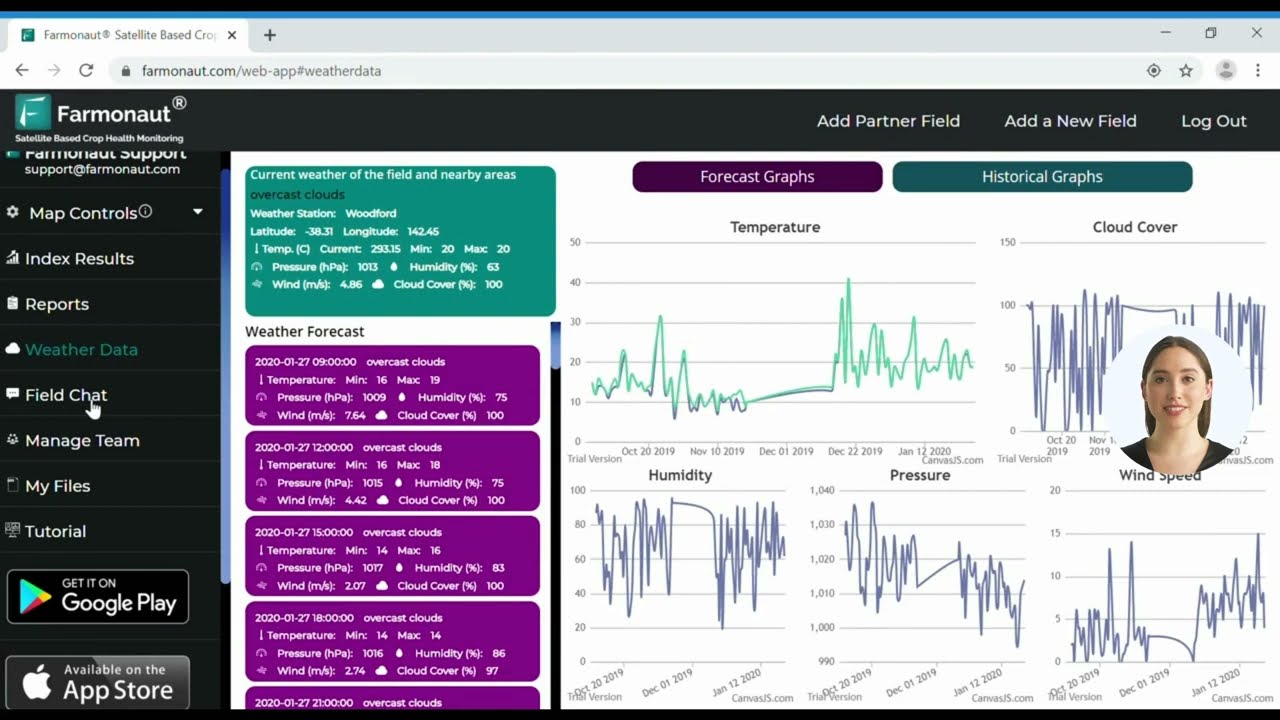
🌾 Visual List: What Can Be Tracked with an Advanced AIMS?
- Seeds: Lot numbers, suppliers, delivery dates, field usage
- Fertilizers and pesticides: Type, batch, application date, operator, compliance status
- Feed for livestock: Quantities inbound/outbound, supplier tracking
- Equipment parts: Stock and locations, ordering frequency, planned maintenance
- Commodities and harvest outputs: Batch/grading, storage site, expiry, shipment history
Farmonaut delivers end-to-end blockchain-based traceability to ensure transparency, anti-counterfeiting, and trust in supply chains.
Explore our traceability solutions.

Agriculture Equipment Rental Management System (AERMS): Reducing Capital, Maximizing Utilization
As equipment costs rise and machinery becomes increasingly sophisticated, the agriculture equipment rental management system (AERMS) provides a strategic path for both small and large farms to manage assets efficiently. In 2026, over 60% of farms will leverage rental platforms to minimize capex and improve service density during planting or harvest season surges.
- Asset lifecycle management: Track purchase dates, maintenance schedules, hour meters, and useful life.
- Rental contracts & pricing:
- Custom terms—hourly, daily, or seasonal with automated invoicing
- Discounts for long-term rentals and penalties for late returns
- Preventive maintenance scheduling: Calendar or usage-based alerts reduce breakdowns; support fleet safety and efficient workflows.
- Utilization analytics: Identify underutilized equipment for redeployment or sharing networks—increase income via rentals, reduce idle capital.
- Safety & compliance features: Attach inspection checklists, operator certifications, and incident logs to every machine.
- Mobile workflows: Crews log usage, submit maintenance requests, and check fleet status on the move.
Key Benefits
- 🔧 Streamlined service and maintenance management
- 🧮 Real-time asset status and location tracking
- 📊 Cost benchmarking and depreciation analysis
- 🔐 Risk-reduction through safety and certification controls
- 🔄 Boosts productivity and helps scale up or down equipment as needed

Farmonaut’s fleet management tools optimize vehicle and equipment logistics, reduce maintenance costs, and enhance safety across agricultural sites.
Discover more in our fleet management solutions.
🔁 Visual List: Equipment Rental Lifecycle Steps
- 🔎 Asset Search: Browse available machinery in AERMS database
- 📝 Rental Contract Creation: Book, e-sign, and automate pricing
- 📦 Delivery/Deployment: Transport asset to field
- ⏲️ Usage Monitoring: Track operation hours and maintenance
- ♻️ Return & Service: Schedule return, repairs, or rerouting
Agriculture Delivery Management System (ADMS): Mastering Farm-to-Market Logistics
As cold-chain and time-sensitive logistics become critical in 2026, the agriculture delivery management system (ADMS) is vital for fields, warehouses, and regional distributors to ensure food safety, real-time tracking, and effective route optimization.
Key Features and Advantages
- Cold-chain & temperature tracking: Real-time sensor monitoring in transport vehicles; instant alerts for temperature excursions
- Route optimization algorithms: Plan for traffic, deadlines, and harvest windows—reducing transport times and spoilage
- Digital proof of delivery: Signatures, timestamps, and geotagging power full traceability
- Carrier and fleet management: Centralize all carrier contracts, manage performance, and streamline billing
- Inventory allocation: Ensure orders are filled from the optimal storage site, reducing stockouts
With smart ADMS, farmers and agribusinesses can tightly control perishable product delivery, meeting food safety standards and evolving market expectations.
- 🚚 Automated dispatching and logistics
- ✔ Minimized spoilage and fuel costs via route optimization
- 📦 Seamless warehouse-to-market integration
- 🔍 Enhanced traceability for farm-to-fork assurance
- 📄 Centralized carrier contracts and billing

Agriculture Information Management System (AIMS): Knowledge & Data Governance for Precision Farming
As farming ecosystems become more data-reliant, a robust agriculture information management system is essential for real-time decision support, regulatory reporting, and strategic planning.
Key Features
- Data integration: Aggregates sensor, drone, satellite imagery, laboratory results, and ERP records for a single source of truth
- Agronomic recommendations: AI-driven advisory for fertilizer, irrigation, and pest management using soil, weather, and crop data
- Data governance and security: Advanced role-based access, full data lineage, and compliance with regional standards
- Custom dashboards: Generate yield maps, financial analytics, and cost-to-serve reports—critical for grant or policy reporting
Example: If a region expects early monsoons, AIMS cross-references historical weather patterns and soil moisture data to recommend efficient planting schedules and input use.
- 🌱 Boosts crop productivity using integrated scientific recommendations
- 🔒 Enables secure information governance across stakeholders
- 📉 Reduces costs and manual errors through smart data capture
- 🌐 Supports regional, national, and international compliance
- 🔎 Visualizes farm performance with powerful analytics dashboards
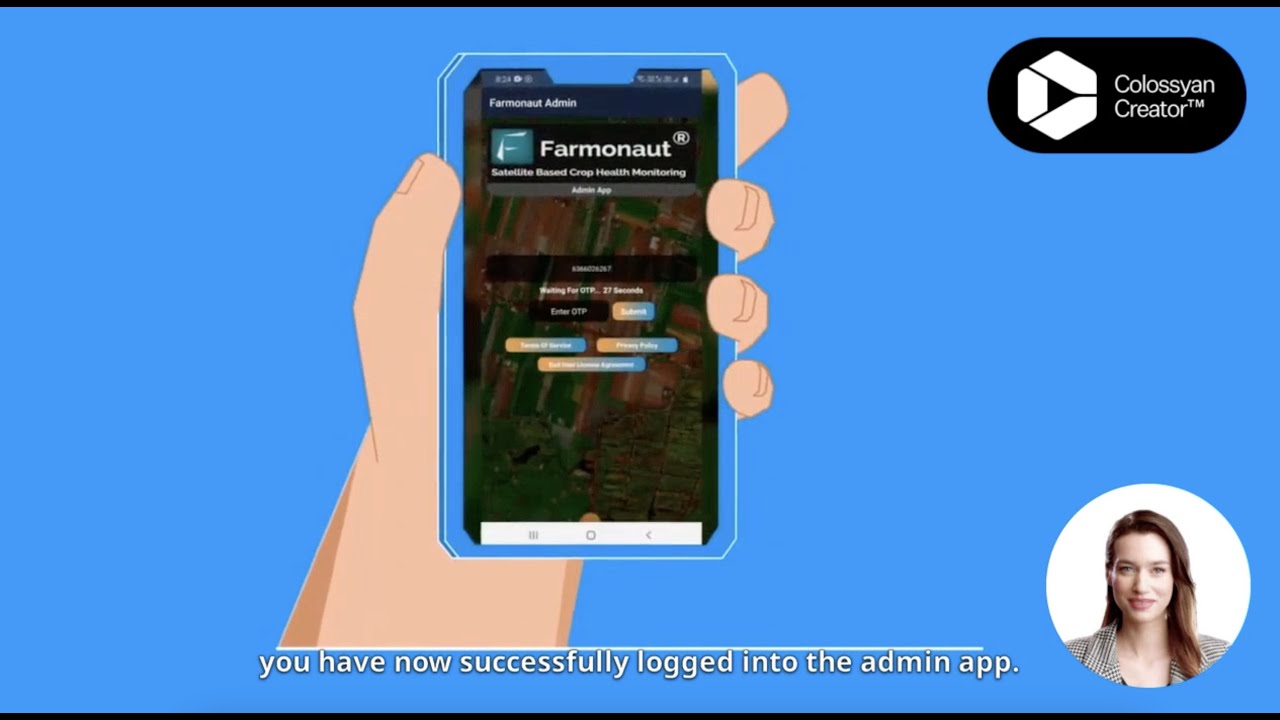
Manage your farming operations, teams, and analytics from a single unified dashboard using the Farmonaut Agro Admin App.
Learn more about large scale farm management solutions.

In 2026, the integration of real-time satellite imagery and AI analytics in information management systems is enabling farms to anticipate input needs, optimize irrigation, and actively prevent yield loss before it happens.
Agriculture Used Inventory Sale (AUIS): Circular Economy for Farming Tools & Inputs
As sustainability gains global traction, efficient agriculture used inventory sale (AUIS) platforms help farms and cooperatives liquidate surplus and refurbished assets—be they equipment, inputs, or parts.
Key Features of Modern AUIS Solutions
- Trusted digital marketplaces: Listings by verified sellers, enforced with condition and certification documentation
- Refurbishment workflows: Standardized processes for testing, repairing, and certifying used assets
- Risk management: Transparent salvage value and depreciation tracking ensures accurate asset accounting
- Financing & trade-ins: Programs for asset upgrades, reducing waste and optimizing capital allocation
- ♻️ Promotes circularity and reduces resource waste
- 💲 Makes high-quality equipment affordable for smaller farms
- 🔐 Certifications enhance trust in used assets
- 📄 Facilitates regulatory compliance and sustainability reporting
- 🚀 Enables rapid scaling of agribusinesses with low upfront investment
“In 2025, smart inventory systems can reduce farm input wastage by up to 30% through real-time tracking and analytics.”
“Over 60% of modern farms will use equipment rental platforms, streamlining machinery access and boosting operational efficiency.”
When integrating your agriculture inventory management system, ensure batch numbers and expiry dates are always scanned at receipt and use. This supports full traceability and reduces compliance risk in audits.
Overlooking preventive maintenance scheduling in equipment rental management often leads to breakdowns during peak harvest. Always automate maintenance alerts in your AERMS for seamless operations.
Integrated farm management platforms with advanced data governance and traceability are becoming the gold standard for ESG-aligned agricultural investments in 2026.
Farms operating across multiple locations and regions must enforce role-based data access controls to protect sensitive information and streamline regulatory reporting.
In 2026, centralized analytics from inventory, rental, and delivery management systems are helping agricultural cooperatives negotiate better with suppliers and distribute inputs at optimal times.
Comparative Table: Integrated Farm Management Systems at a Glance
The following table highlights how inventory management, equipment rental, and delivery solutions drive productivity, compliance, and strategic value in modern agriculture.
| Solution | Key Features | Estimated Yield Improvement (%) | Estimated Cost Savings (%) | Traceability Level | Compliance Support |
|---|---|---|---|---|---|
| Inventory Management | Real-time tracking, batch/lot traceability, expiry controls, automated alerts, digital compliance | 12–18% | 22–32% | High | Yes |
| Equipment Rental | Lifecycle tracking, preventive maintenance, usage analytics, flexible contracts, digital certifications | 9–14% | 20–28% | Medium | Yes |
| Delivery Management | Cold-chain tracking, route optimization, proof of delivery, real-time fleet management | 6–10% | 15–23% | High | Yes |
Farmonaut Subscription Options
Ready to integrate satellite intelligence, AI, and blockchain traceability into your farm, cooperative, or agribusiness? Explore our flexible Farmonaut subscriptions for web, mobile, and API access.
Farmonaut Apps, APIs, and Smart Farming Resources



-
Farmonaut APIs provide seamless access to satellite-driven analytics for developers and businesses in agriculture, mining, and infrastructure.
API access |
Developer docs -
Interested in monitoring your carbon impact? Use Farmonaut’s
carbon footprint monitoring tools for sustainability and regulatory compliance across agriculture and mining. -
For crop loans and agricultural insurance validation, Farmonaut offers
satellite-based verification to reduce fraud and increase access to financing. -
Managing large estates, cooperatives, or forest plantations? Our comprehensive
forest and plantation advisory solutions harness predictive analytics for optimum results.

FAQ: Agriculture Inventory & Smart Farming Systems
What is an agriculture inventory management system and how does it benefit farms?
An agriculture inventory management system (AIMS) centralizes and digitizes all input, equipment, and output data—enabling real-time visibility, automatic alerts for expired items, and batch-level traceability. This reduces input wastage, enhances compliance, simplifies audits, and maximizes crop yield and profit.
Why is traceability vital in agriculture in 2026?
Traceability means you can track every input and output by batch, date, supplier, and application—making rapid recalls possible, supporting food safety, and ensuring compliance with organic or sustainable standards.
How do equipment rental systems support smart farming?
Equipment rental management systems allow farms to access advanced machinery as needed, track service life and maintenance, reduce capital investment, and boost overall efficiency. They support flexible contracts and transparent usage analytics.
What is the role of ADMS in modern agricultural logistics?
Agriculture Delivery Management Systems (ADMS) optimize delivery logistics—using real-time temperature monitoring, route optimization, and digital proof-of-delivery to minimize spoilage, lower costs, and ensure traceability from field to market.
How can I use Farmonaut’s solutions for regulatory reporting or sustainability?
Farmonaut’s platform provides AI analytics, satellite-derived reports, data-driven dashboards, and blockchain-backed traceability. These tools support compliance with regional and international standards and enable robust sustainability metrics for reporting and decision-making.
Conclusion: Towards Resilient, Sustainable, and Data-Driven Agriculture
The future of agriculture lies in integrated data, intelligent systems, and sustainable practices. The agriculture inventory management system, alongside equipment rental, delivery, and information management solutions, creates cohesiveness across supply chains, empowers cooperatives, and drives regional and global compliance.
Inventory data usually lives in a wider system, and an overview of farm database management systems explains how the pieces fit.
Ours at Farmonaut is a mission to make satellite-driven and AI-powered solutions accessible to every farmer, cooperative, and agribusiness. We enable predictive analytics, real-time monitoring, blockchain traceability, and resource management that are mobile, secure, and scalable.
- ✔ Optimizing inventory, equipment, and delivery in 2026 empowers you to meet tomorrow’s challenges—today.
- 🌍 Join the next generation of data-driven, compliant, and sustainable farms with Farmonaut.
- 📊 Utilize the power of AI, blockchain, and satellite imagery for transformative results.
Discussion
Questions, corrections or field experience? Share them below. First-time comments are reviewed before they appear, and your email is never published.
No comments yet. Be the first to add a question or your experience.

 ITC
ITC Dirks Bros Farms
 Red August Group
 Farm Inc
 WeMe Global
 Agrotoken
 Blue BearX
 Insignito
 Croptimum
 DnCubed
 Field Capacity
 Indosistim Teknologi
 Liquify Digital
 CU Foods
 BeyondTech Global
 Rouge VC
 AgroGreen Dynamics
 Licence holder · Niger · Gold










