

Table of Contents
- Introduction: Smart Agriculture Technology Advancements 2026
- AgriTech Trivia
- A New Era: The Core Trend of Integrated Smart Systems
- Precision Sensing and Data Fusion: The Frontier of Modern Agriculture
- Drone Imagery, Satellite Insights, and Remote Crop & Forestry Monitoring
- Autonomous Equipment & Robotics: Transforming the Field
- Advancements of Spraying Technology in Agriculture
- Variable Rate Technology (VRT) and Precision Applications
- Smart Irrigation: Water Efficiency for the Future
- Farmonaut: Delivering Satellite-Powered Solutions Across Sectors
- Digital Agronomy Platforms: From Data to Decisions
- Environmental Stewardship, Monitoring, and Regulatory Alignment
- Comparative Feature & Impact Table: Smart Agriculture Technologies
- Key Insights, Pro Tips, and Investor Notes
- Quick Bullet Points and Visual Lists
- FAQ: Smart Agriculture Technology Advancements
- Looking Ahead: Resilient Agri‑forestry & Mining Value Chains
Current News: Smart Agriculture Technology Advancements 2026
As we cross into 2026, smart agriculture technology advancements continue to redefine how farmers, forestry managers, and mining stakeholders approach resource management. Fueled by data-driven insights, automation, and sustainable stewardship, the year 2025 saw explosive growth in innovative tools and integrated platforms—reshaping not only farming, but also buffering into forestry and land rehabilitation services.
From precision sensing offering real-time soil health data, to autonomous equipment reducing labor bottlenecks, and breakthrough spraying technologies slashing chemical loads—all contribute to higher yields, reduced inputs, and improved ecological outcomes. Advances in digital agronomy platforms and satellite imagery seamlessly link decisions across every stage of production.
In this in-depth report, we analyze the current news about advancements in smart agriculture technology, focusing on the leading trends, innovations, and actionable takeaways for 2025–2026. Whether you’re a farmer, ag-innovation investor, environmental consultant, or engaged citizen, discover how these smart technologies are boosting productivity, enabling sustainability, and future-proofing agriculture, forestry, and mining landscapes.
AgriTech Trivia
A New Era: The Core Trend of Integrated Smart Systems
At the core of current news about advancements in smart agriculture technology for 2026 is an integrated system approach that combines sensors, connectivity, autonomy, and analytics to optimize every stage of farm, forestry, and related production. Rather than piecemeal solutions, the trend is clear: a modular tech stack feeding cloud-based platforms, all guided by AI-powered prescriptions for spraying, irrigation, fertilization, and harvest.
- Combining wireless sensors, satellite data, and machine learning into cohesive, actionable recommendations
- Boosting yields & reducing environmental impact via precision applications and real-time monitoring
- Spillover benefits for forestry management, mining land rehabilitation, and buffer‑zone monitoring
- Unified management and platforms for tracking fleets, regulatory reporting, and environmental stewardship

Precision Sensing and Data Fusion: The Frontier of Modern Agriculture
Among the agriculture technology advancements 2025 leading the way, precision sensing and data fusion stand at the forefront. Modern farms and forest projects rely on sensor networks and advanced telemetry to understand micro-variations in soil, moisture, temperature, nutrient levels, and pH—often in real time.
- Wireless soil sensors: Continuously monitor moisture, salinity, nutrient levels, and temperature.
- Data fusion: Integrates sensor network measurements with satellite or carbon monitoring imagery.
- Predictive analytics: Alert farmers to emerging crop stress or disease, enabling adaptive responses.
- Automation: Enables real-time adjustments of irrigation, fertilization, and pesticide schedules based on live data.
This technology is equally vital in forestry—where remote sensing and LiDAR facilitate timber inventory, growth modeling, and reforestation planning, supporting more sustainable cycles and habitat management.

Drone Imagery, Satellite Insights, and Remote Crop & Forestry Monitoring
The current news about advancements in smart agriculture technology is brimming with breakthroughs in drone imagery, remote sensing, and satellite-based analytics. Combined with AI-driven platforms, these technologies enable precise monitoring not just at the field level, but across entire landscapes—including forestry and mining rehabilitation.
- Drone surveys deliver ultra-high-res imagery for crop health, pest outbreaks, and canopy analysis; ideal for spot-checks and variable-rate treatments.
- Satellite monitoring offers scalable, time-series analysis for everything from vegetation health indices (NDVI and carbon monitoring) to soil moisture trends and land management.
- LiDAR and hyperspectral sensors now enable accurate forest biomass and habitat monitoring, supporting sustainable harvest cycles and reforestation planning.

The synergy across remote sensing, AI analytics, and field hardware ensures that sensing, management, and intervention are always context-aware and precisely targeted.
Autonomous Equipment & Robotics: Transforming the Field
Among the breakout farming equipment technology advancements for 2025–2026, autonomy is king. New generations of self-driving tractors, robotic harvesters, and 4D field robots are not only reducing labor bottlenecks but delivering unmatched precision, consistency, and safety across diverse crops and terrains.
- Self-driving tractors: Use GNSS, RTK, and sensor-based navigation for planting, tillage, and harvesting with centimeter accuracy.
- Robotic harvesters: Employ machine vision and robotic arms to pick fruit/vegetables without bruising, extend harvest windows, and adapt to labor shortages.
- 4D field robots: Make dynamic adjustments to row spacing, spray schedules, and monitor micro-zones, combining edge sensing with AI-driven prescriptions.
- Remote fleet management: Enables monitoring and route optimization to reduce downtime and improve fuel efficiency.
These autonomous systems offer consistent field performance and reduce operator risk—key advantages for both large- and small-scale operations. Fleet management and analytics (as seen in platforms like Farmonaut’s Fleet Management) now enable actionable insights for route planning and machinery health—cutting costs and driving productivity.

Advancements of Spraying Technology in Agriculture
The most standout area in smart farming technology news is arguably spraying technology. Driven by AI and machine vision, intelligent spray systems now adjust droplet size, spray pressure, and nozzle type on the fly—targeting weeds while minimizing off-target chemical use.
Adopting advanced sprayers with machine vision can reduce herbicide use by up to 85%, delivering both operational savings and environmental benefits.
- AI-driven weed detection: Sprayers distinguish crops from weeds, applying site-specific herbicides with lower chemical loads.
- Nozzle-type automation: System dynamically changes spray patterns and droplet sizes for best canopy coverage or minimal drift.
- Spray validation analytics: Integrated with regulatory platforms for compliance and traceability (traceability solutions).
- Remote calibration: Spraying rigs auto-calibrate based on field conditions, weather data, and crop growth stages.
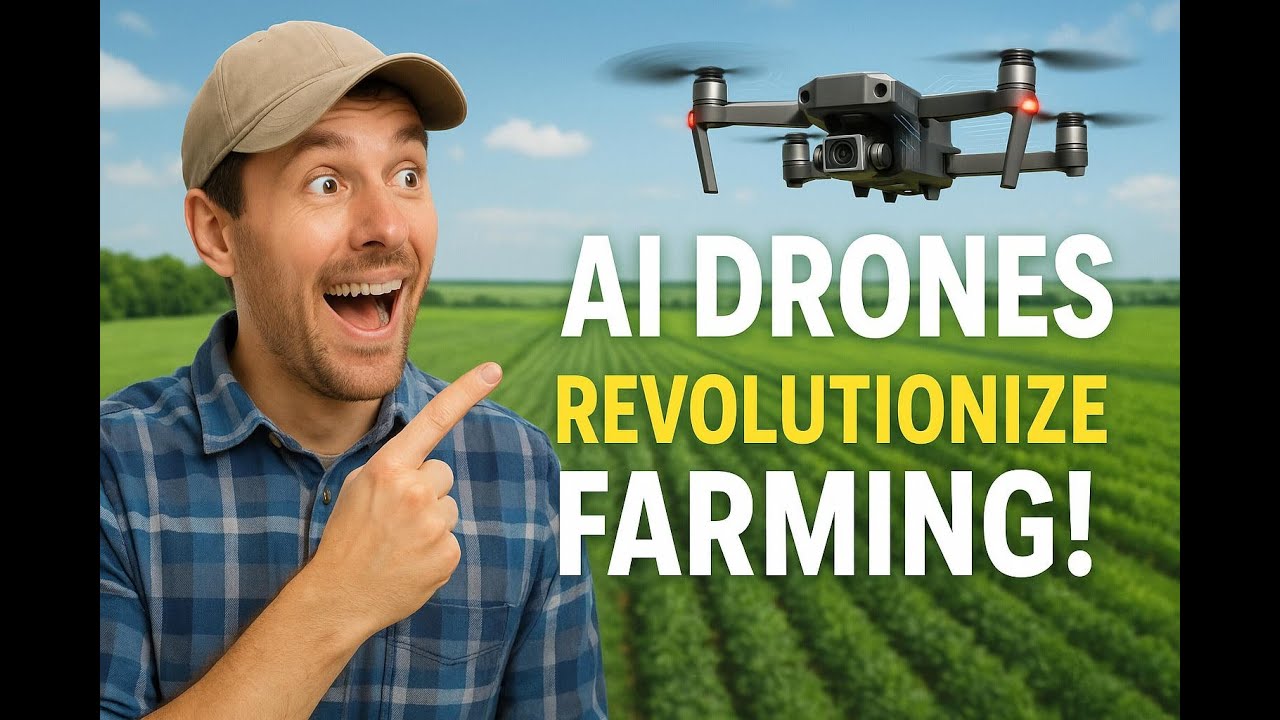
From field robots deploying micronutrients to AI-driven drone spraying—these technologies embody the drive for higher efficiency, better safety, and sustainable chemical stewardship in modern agriculture.
Variable Rate Technology (VRT) and Precision Applications
Variable-rate technology (VRT) remains central to agriculture technology advancements 2025 and beyond. By blending field-specific soil maps, weather forecasts, and crop growth models, VRT platforms deliver targeted application of fertilizer, herbicides, and irrigation.
- Nutrient delivery: VRT applies the right dose of fertilizer or micronutrients in each micro-zone—reducing waste and boosting plant vigor.
- Site-specific spraying: Tailors spray schedules to area-level weed or pest pressure, optimizing chemical use.
- Precision reforestation: In forestry, VRT aids silvicultural treatments (spacing, thinning, fertilizer application), improving tree growth rates and sustainability.
- Data-powered schedules: AI-generated scheduling handles not only inputs but irrigation and foliar spraying based on real-time crop status.
Modern VRT is now interoperable with farm management APIs, empowering farmers and land managers to customize and automate their precision interventions.
Smart Irrigation: Water Efficiency for the Future
As climate extremes increasingly threaten food and forestry production, smart irrigation is a leading enabler for resilience in 2026. Across arid and semi-arid regions, sensor-driven, automated irrigation systems cut water waste while optimizing moisture for every zone.
- Soil moisture sensors and crop water stress indicators trigger precise water delivery only where and when it’s needed.
- Subsurface drip and precision furrow systems reduce evaporation loss and limit weed growth.
- Remote irrigation management via cloud platforms—farmers adjust schedules from anywhere for maximum resource efficiency.
- In mining reclamation projects, automated irrigation accelerates land rehabilitation and native habitat regeneration.
Predictive analytics and satellite imagery help optimize irrigation schedules, supporting record water savings and robust crop growth even in water-stressed environments.
Farmonaut: Delivering Satellite-Powered Solutions Across Sectors
As a pioneering satellite technology company, we at Farmonaut deliver advanced, satellite-based solutions for agriculture, mining, infrastructure, and related projects through web, mobile, and API. Our mission is to make affordable, data-driven insights the norm—enabling every farm, forestry, or land management project to thrive.
- Real-time monitoring: Our platform leverages multispectral satellite imagery for continuous tracking of crop health, mining activity, and infrastructure integrity.
- AI-based advisory: The Jeevn AI system provides recommendations and weather forecasts tailored to each site’s data, boosting performance and resource use.
- Blockchain-enabled traceability:
Our traceability solutions assure supply chain transparency for agriculture and mining. - Environmental impact dashboards: Advanced modules track carbon footprints, helping meet sustainability goals and compliance.
- Fleet and resource management: Logistics and operation management tools reduce costs and improve machine/equipment utilization.




Whether you’re running a large-scale crop, plantation, forest, or land rehabilitation project, our large-scale management platform brings all your site data, scheduling, advisory, and reporting into one secure dashboard—driving higher yields and improved stewardship across sectors.
- API access: Integrate Farmonaut data with your own ERP or analytics platforms via Farmonaut API and developer documentation for truly customized solutions.
- Flexible subscriptions: Choose the plan that fits your organization’s needs from our affordable, monthly tiers (see pricing below).

Digital Agronomy Platforms: From Data to Decisions
End-to-end digital agronomy platforms represent one of the most profound advancements in smart farming technology news. By consolidating data streams from sensors, drones, satellites, weather services, and machinery analytics, these platforms generate actionable recommendations and yield forecasts.
- Map-based prescription plans for irrigation, fertilization, and spraying—exactly tailored to field heterogeneity
- Risk forecasting and alerts for weather threats, pest outbreaks, or supply chain disruption
- Yield mapping and trend analysis for portfolio management and financial risk mitigation
- API interoperability for seamless integration with farm ERP, machinery, and certification systems
These platforms are indispensable for regulatory compliance, traceability, and environmental stewardship. Farmonaut’s integration options allow users to link live satellite, weather, and management data, so decisions are always made with the most current information.
Environmental Stewardship, Monitoring, and Regulatory Alignment
Heightened regulatory requirements and consumer expectations in 2026 demand robust environmental monitoring and transparent stewardship practices. Technology is now at the heart of ESG compliance and risk management in agriculture, forestry, and mining support services.
- Environmental packs combine soil, water, and air sensor data—documenting environmental impact, identifying risks, and enabling quicker mitigation.
- Automated regulatory reporting: Platform-generated logs of agrochemical application, water use, and habitat preservation streamline compliance.
- Blockchain-based traceability ensures product authenticity and chain-of-custody—all the way to the consumer using solutions like: Traceability.
- Risk dashboards highlight emerging threats to yield, food safety, or environmental health—enabling proactive interventions.
- Land rehabilitation support and buffer-zone monitoring (especially for mining-adjacent projects) ensure rapid revegetation and long-term land stewardship.
These combined elements drive a more resilient, transparent, and sustainable agri-food-forestry value chain—a core expectation for investors, governments, and consumers in the modern agricultural economy.
Comparative Feature & Impact Table: Smart Agriculture Technologies
| Technology | Function/Feature | Estimated Widespread Adoption Year | Estimated Yield Improvement (%) | Estimated Cost Savings (%) | Sustainability Impact |
|---|---|---|---|---|---|
| Precision Irrigation | Automated, sensor-driven water management | 2025 | 10–35% | 15–40% | 70% water savings, drought resilience |
| Drone Spraying | Targeted, AI-driven application of agrochemicals | 2025 | 8–24% | 20–40% | 85% less herbicide, reduced drift |
| Farm Management Platforms | Decision support from sensors, weather, and imagery | 2025 | 12–30% | 15–30% | Data-driven, scalable management |
| VRT (Variable Rate Tech) | Automated, site-specific resource applications | 2025–2026 | 6–25% | 10–25% | Minimized runoff, reduced input waste |
| Autonomous Robotics | Driverless tractors, 4D field robots | 2025–2027 | 12–18% | 20–30% | Labor safety, operational efficiency |
| Satellite-Based Monitoring | Crop, forestry, and mining support/rehabilitation | 2025 | 10–28% | 15–25% | Improved planning & ecosystem restoration |
Key Insights, Pro Tips, and Investor Notes
Sustainable tech adoption is driving profitability through smart input use and reduced waste.
Integrating site-specific VRT prescriptions with remote satellite analytics unlocks 2–3× ROI compared to uniform practices.
Overlooking sensor calibration leads to unreliable data and missed site anomalies. Regular QA is essential.
Failure to document input use and traceability can delay regulatory approvals and restrict premium market access.
AI/agri-automation sectors are showing compound annual growth rates over 12% through 2026, with surging capital in satellite & digital agronomy platforms.
Quick Bullet Points and Visual Lists
- ✔ Precision Irrigation reduces water waste while boosting yields
- 📊 AI & Satellite Data drive faster decision-making for crop/forestry management
- ⚠ Regulatory risk increases for unmonitored agrochemical use
- 🚜 Autonomous field machinery increases operational safety and consistency
- 👩🌾 Farmers using digital platforms report doubling of actionable insights in season
🌟 Top 4 Advantages of Smart Agriculture Technology
- Resource Efficiency: Targeted input use, optimized for each square meter of land
- Real-Time Monitoring: Always up-to-date visibility via sensors, drones, and satellites
- Operational Safety: Reduced labor risk with autonomous tractors, sprayers, and harvesters
- Environmental Stewardship: Compliance with best practices, sustainable cycles, and reduced emissions
🔍 Where Smart Systems Deliver Results (2025–2026)
- Field Crops: Maize, wheat, soy, and oilseed farms—integrating VRT, smart irrigation, and analytics
- Forestry: Sustainable timber inventory, planning, and habitat restoration using LiDAR/remote sensing
- Land Rehabilitation: Mining or buffer zones monitored by AI-powered satellite and sensor packs
- Vegetable Production: AI drone spraying, precision scheduling, and fleet management/telematics
FAQ: Smart Agriculture Technology Advancements
Q1: What is the main trend in agriculture technology advancements for 2025–2026?
A: The leading trend is a modular, integrated system approach—combining sensors, connectivity, AI analytics, and autonomous machinery to optimize irrigation, input use, and production across farming, forestry, and restoration.
Q2: What are the top benefits of drone and satellite-based monitoring on farms?
A: These enable real-time tracking of crop health, soil moisture, and pest threats, supporting precision VRT treatments, better yield forecasting, and rapid response to issues.
Q3: How does smart spraying technology reduce environmental impact?
A: Modern sprayers use AI/machine vision to target weeds or pests directly, minimizing off-target chemical use and limiting drift/waste. This supports both regulatory compliance and ecosystem health.
Q4: What role do digital agronomy platforms play in risk management?
A: These platforms consolidate sensor and satellite data into actionable dashboards, issue early warnings on adverse weather or pest outbreaks, and simplify regulatory reporting, traceability, and financial decision-making.
Q5: Where can I access advanced satellite monitoring tools for my own farm or mining project?
A: Farmonaut’s real-time satellite, AI and blockchain-powered advisory platform is available via web & mobile apps; integrated API allows for custom data solutions across sectors.
Looking Ahead: Resilient Agri‑forestry & Mining Value Chains
The convergence of precision sensing, autonomous equipment, and data-driven platforms is driving a profound shift in the global landscape of agriculture and allied sectors. As our industry strides into 2026 and beyond:
- Integrated system approaches are the norm: blending sensor networks, autonomous machines, and AI-powered analytics across every production stage
- Smart irrigation, VRT, and advanced spraying ensure higher yields and input efficiency—while enabling sustainable stewardship even under climate stress
- Digital agronomy platforms empower precision farming and rapid, data-driven decisions for agriculture, forestry, and mining rehabilitation
- Environmental monitoring and traceability keep operations compliant, sustainable, and trusted—meeting consumer, market, and regulatory demands
We at Farmonaut are committed to making advanced, real-time satellite insights accessible and affordable—empowering businesses, farmers, and governments worldwide to thrive in a data-driven, sustainable future.
Ready to unlock the benefits of smart agriculture technology advancements for your next crop, forestry, or rehabilitation project? Get started today:
Together, let’s reshape agriculture, forestry, and land management through data, stewardship, and innovation—into 2026 and beyond.

 Gator Blueberries
 Liquify Digital
 Ascentya
 CU Foods
 BeyondTech Global
 Rouge VC
 AgroGreen Dynamics
 AgroRisk
 Oath Inc
 Reddane Farming
 Esri North East Africa
 Cresol
 Atur Kuliner
 MDCV UK
 Zerella Group
 Etech Consulting Madagascar
 Vestlandsforsking
 Delicio
 WB Dev
 Sama Premium
 Prochecker
 Tres Valles
 LACOS Geoinformation
