

Agriculture in Delaware: 7 Key Facts for 2026
“By 2026, over 80% of Delaware farms are projected to adopt precision agriculture technologies for crop management.”
“Delaware cultivates more than 40 diverse crop varieties, integrating sustainable practices and tech-driven innovation by 2025.”
Table of Contents
- Summary: Tradition Meets Innovation in Delaware Agriculture
- 1. Delaware’s Diverse Crop Profile & Production Centers
- 2. Livestock & Dairy: The Vital Complement to Crop Operations
- 3. Nursery & Horticulture: Economic Engines Anchored in Innovation
- 4. Precision Tech & Sustainable Practices: Delaware’s Innovation Edge
- 5. Market Access, Local Food & the Delaware Farmers Market Network
- 6. Land Stewardship, Policy, & Agricultural Education
- 7. Challenges, Opportunities & The Future Farming Landscape
- Comparative Overview Table: Farming Innovations in 2026
- Farmonaut: Pioneering Satellite Technology in Agriculture
- Key Insights & Pro Tips
- Top Benefits and Visual Data Insights
- FAQ: Delaware Agriculture in 2026
Summary: Tradition Meets Innovation in Delaware Agriculture
Delaware’s agricultural landscape stands as a compelling case study in the evolution of modern American farming. Agriculture in Delaware seamlessly blends tradition—rooted in family farms and staple commodities—with rapid adoption of precision agriculture and sustainable practices. The state remains a formidable powerhouse, characterized by a diverse crop profile, robust nursery and ornamentals economy, and innovative livestock and dairy operations. All of this occurs against a backdrop of agritourism growth, data-driven market strategies, and forward-thinking stewardship that ensure Delaware farmers are ready for 2025 and well beyond.
In this definitive guide, we break down the seven essential facts you need to know about agriculture in Delaware as we approach 2026—spotlighting the delaware agriculture facts that matter, the key innovations taking root, and the pragmatic path to sustainable growth for the First State.
1. Delaware’s Diverse Crop Profile & Production Centers
A. Crop Diversity: The Backbone of Delaware Agriculture
One of the defining characteristics of farming in Delaware is its striking diverse crop profile. By 2026, the state is cultivating more than forty distinct crops, from staple commodities to high-value specialty fruits and vegetables.
- 🍑 Peaches, 🍏 apples, 🫐 blueberries, 🍓 strawberries—all flourish in microclimates along the fertile Delmarva Peninsula.
- 🌽 Grain crops (corn, soybeans, wheat, and barley) remain important staples, sustaining both local consumption and livestock feed supply chains.
- 🥦 Vegetable crops thrive, including sweet corn, lima beans, snap beans, cucumbers, squash, and tomatoes. These contribute to both commercial processing and Delaware farmers market offerings.
B. Geographical Hubs: Sussex & Kent Counties
Sussex County anchors much of the state’s fruit and vegetable production, benefitting from sandy, well-drained soils and favorable weather. This region is a magnet for regional wholesalers, distributors, and retailers. Meanwhile, Kent County delivers both staple row crops and specialty produce, playing a pivotal role in Delaware’s food supply chains.
C. From Tobacco to Heritage and U-Pick Operations
While tobacco, once a dominant crop, has declined, heritage grains and heirloom vegetables are making a comeback—catering to agritourism and the thriving local food market. U-pick fruit operations bring consumers to the farm, supporting rural economies.
D. The Nursery Sector and Containerized Production
In addition to crops, Delaware’s nursery sector is a standout, with specialty ornamentals, evergreens, and containerized plants feeding a high-value market for retailers and landscapers across the Mid-Atlantic.

2. Livestock & Dairy: The Vital Complement to Crop Operations
A. Poultry: Historic and Economic Powerhouse
No discussion of delaware agriculture facts is complete without emphasis on poultry production. The region’s legacy as a broiler chicken hub is supported by integration with the broader grain supply chains.
- 🐔 Poultry (broilers & layers)— the anchor of animal agriculture, contributing both income and employment across the state.
- 🐄 Dairy operations—facing cost and market pressures but sustaining through small-scale, family-run herds and grazing programs.
- 🐖 Hogs and 🐄 beef cattle—complementing crop farms and supporting diversification strategies.
B. Integrated Livestock & Crop Systems
Farms in Delaware often combine crop production with animal agriculture—a holistic system that allows:
- Manure management to enrich soil health
- Efficient use of cover crops for both feed and erosion control
- Reduced external feed costs

3. Nursery & Horticulture: Economic Engines Anchored in Innovation
A. The Nursery Sector: A Standout in Growth & Resilience
The nursery and ornamentals sector of agriculture in Delaware is among the fastest growing, with robust demand for:
- 🌲 Containerized trees and evergreens
- 🌳 Deciduous and flowering ornamentals
- 🌱 Landscape plants targeting retailers, landscapers, and wholesale distributors
Favorable soils and moderate climate create ideal conditions, allowing year-round production for select hardy species and seasonal surges during spring and fall.
B. Evergreen Income Streams: Wholesale & Distribution
In 2026, nursery products remain a resilient income stream through established wholesalers and distributors. This contributes to Delaware’s reputation as a robust landscape supply center for the broader region.
C. The Link to Conservation and Biodiversity
Nurseries also play a role in conservation, supplying native trees and plants for waterway buffer zones and habitat restoration programs.
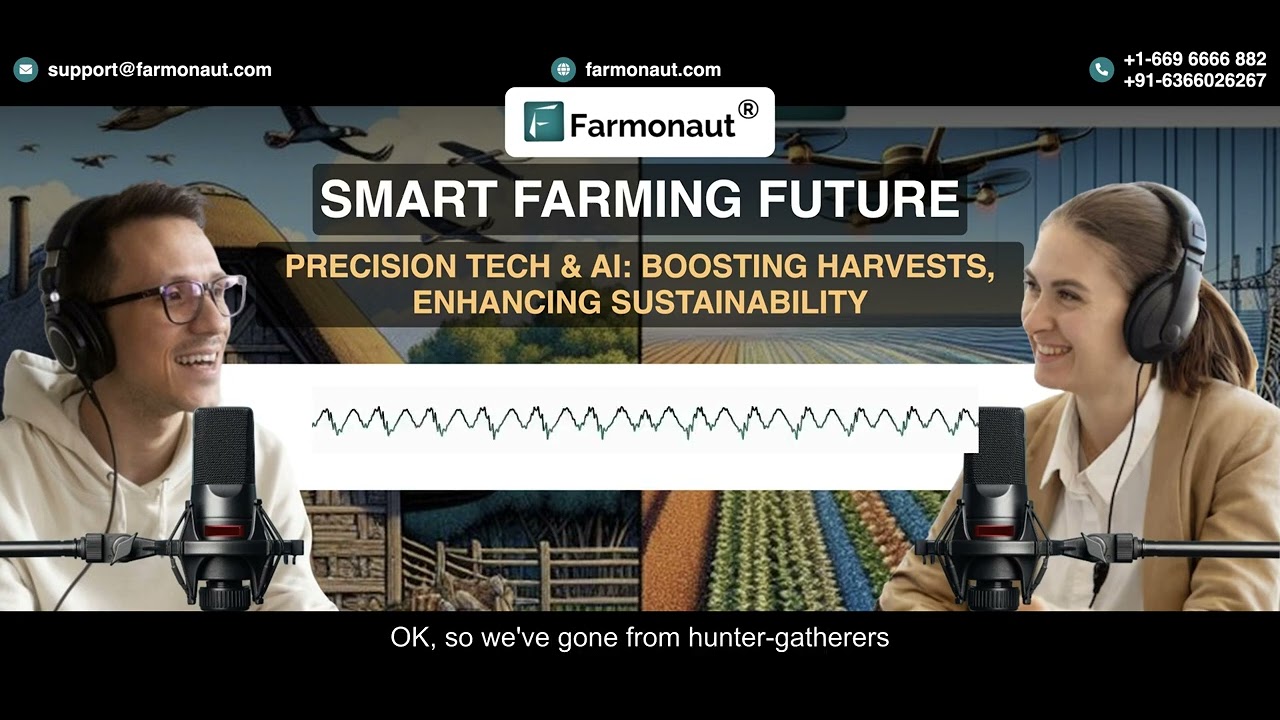
4. Precision Tech & Sustainable Practices: Delaware’s Innovation Edge
A. Embracing Precision Agriculture
Rapid adoption of precision agriculture is among the most transformative delaware agriculture facts for 2026. Tools and technologies embraced by farmers include:
- 🌡️ Soil sensors for real-time soil health and moisture monitoring
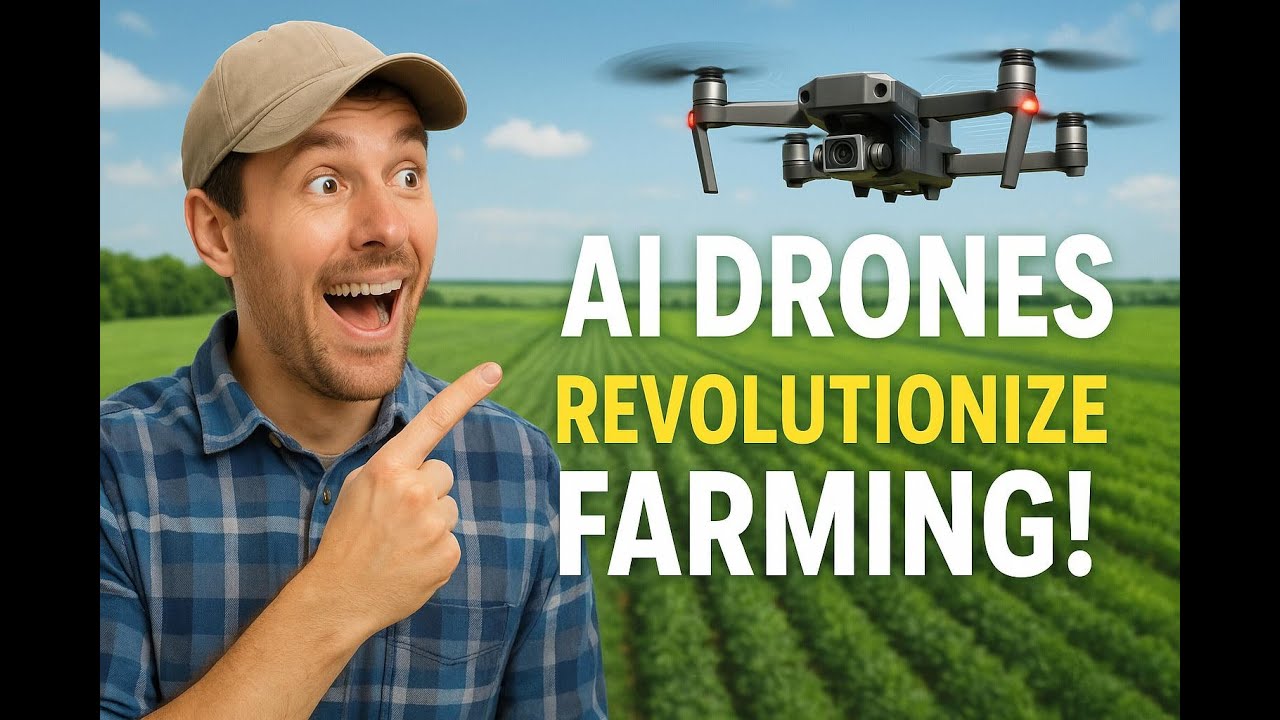
- 🤖 Drone monitoring for early detection of crop stress, pests, and nutrient deficiencies
- 💧 Variable-rate irrigation and drip systems to optimize water use and reduce waste
- 🌦️ Weather analytics platforms for data-driven planning
- 🌱 Integrated pest management (IPM) to minimize chemical input and protect waterways

B. Data-Driven Water & Energy Management
Faced with variable rainfall and seasonal drought pressures, Delaware farmers lead the way in smart water management:
- On-farm renewable energy (solar arrays on barn roofs and field edges) reduce operating costs.
- AI-driven advisory tools (get details on large farm & field management solutions) empower managers to efficiently plan irrigation and fertilizer application.
C. Technology in Action: Soil & Water Monitoring
Satellite-based tools (ex: NDVI, NDWI) and IoT remote sensors provide actionable, real-time information about soil, crop vigor, and water availability, reducing risk and maximizing yields.
5. Market Access, Local Food & the Delaware Farmers Market Network
A. Nearness to Major Metro Markets
Delaware’s farms have a built-in advantage with proximity to population centers like Philadelphia and Washington, D.C.. By 2025 and beyond, this fuels strong demand for fresh, local produce—amplified by:
- Shorter supply chains and better pricing power
- Vibrant Delaware Farmers Market networks
- Farm-to-table partnerships with area institutions and restaurants
B. Farmers Markets: Fresh, Resilient, Localized
With dozens of delaware farmers market locations, direct sales thrive, benefiting both growers and consumers. This supports:
- Income diversification for farms
- Community-supported agriculture (CSA) subscription models
- More resilient crop portfolios and sales channels
C. Digitizing the Local Food Revolution
Modern farmers utilize traceability tools (learn more about product traceability) and even AI-driven market analysis to track crop trends, market prices, and optimize production planning.

6. Land Stewardship, Policy, & Agricultural Education
A. Conservation Programs & Soil Health Initiatives
Delaware is recognized for its proactive policies in soil conservation, biodiversity, and waterway protection. Key programs include:
- 💧 Buffer zones along streams and rivers to filter runoff
- 🍃 Hedgerows and pollinator strips for wildlife
- 🌱 Cost-share programs for cover cropping, equipment upgrades, and conservation tech
B. Extension Services & Non-Profit Support
Land grant institutions, extension agents, and ag-oriented non-profits empower Delaware farmers with education in crop diversification, market planning, succession planning, and more.
C. Stakeholder Participation & Forward-Looking Policy
Farmers, researchers, and policy makers collaborate on data-based recommendations for land management—supported by remote monitoring and predictive analytics.

7. Challenges, Opportunities & The Future Farming Landscape
A. Navigating Weather, Markets & Input Pressures
Farming in Delaware remains vulnerable to:
- ⚠️ Weather variability—from unpredictable rainfall to heat and extreme events
- 📊 Rising input costs—including fertilizer, Ag chemicals, and energy
- 📦 Market fluctuations—local, regional, and global
B. Embracing Technology & Diversification
To meet these challenges, Delaware’s farmers are increasingly leveraging:
- 🚜 Technology—satellite data, automation, and blockchain (see carbon footprinting solutions, and fleet management tools for ag logistics)
- 🧀 Value-added products—from artisan cheeses to preserved fruits
- 🗺️ Agritourism and direct-to-consumer models
C. Reducing Risk Through Cooperative Strategies
Regional co-ops and community supported agriculture (CSA) buffer against market swings and help distribute pricing power among small and medium-sized producers.

Comparative Overview Table: Farming Innovations in Delaware (2026)
| Precision Technology Used | Sustainable Practice | Est. Adoption Rate (%) | Main Crop(s) Affected | Predicted Yield Increase (%) |
|---|---|---|---|---|
| Drone Monitoring | Targeted scouting, precision spray | 56% | Corn, Soybeans, Vegetables | 7–12% |
| Soil Health Sensors | Real-time soil & irrigation management | 68% | Row Crops, Nursery Stock | 8–15% |
| Automated Irrigation | Drip irrigation & water optimization | 61% | Blueberries, Strawberries, Ornamentals | 10–20% |
| Satellite NDVI Analysis | Crop health & early disease warning | 54% | All major field & fruit crops | 7–10% |
| AI/Blockchain Traceability | Product traceability & supply chain transparency | 42% | Fruits, Vegetables, Dairy | 3–7% |
| Integrated Pest Management (IPM) | Reduce chemical inputs, enhance pollinator safety | 70% | Fruits, Ornamentals, Vegetables | 5–10% |
| On-Farm Renewable Energy | Solar arrays for barns & irrigation pumps | 29% | All (operational cost savings) | — |
Farmonaut: Pioneering Satellite Technology in Agriculture
As satellite technology and AI redefine precision agriculture around the globe, we at Farmonaut are proud to deliver advanced, affordable monitoring solutions for
soil health, crop vigor, irrigation needs, and resource management to farms of every size—including Delaware’s dynamic agricultural sector.
- 📡 Multispectral Satellite Monitoring: Real-time NDVI, crop health, and field analytics
- 🤖 AI-Driven Advisory Systems (Jeevn AI): Customized weather alerts, problem diagnosis, and yield optimization
- 🔗 Blockchain Traceability: Verify supply chains and meet transparency demands (learn more about traceability benefits)
- 🌏 Environmental Impact Tools: Track and reduce farm carbon footprints (see carbon footprinting solution)
- 🚜 Fleet Management: Optimize logistics, reduce costs, and enhance resource safety (get fleet management details)
- 🛰️ API Access: Integrate satellite data directly with your systems (API info & API developer docs)
Our platform is accessible via web, Android, and iOS apps, as well as secure APIs for seamless integration.
Top Benefits and Visual Data Insights
- ✔ Precision Ag Drives ROI: Satellite monitoring & drones boost productivity by up to 15% in key crops.
- 📊 Diversification Works: Farms producing both crops & livestock report higher income stability.
- ⚠ Risk: Weather volatility remains a challenge; data-driven management is essential.
- 🔥 High Adoption: By 2026, over 80% of Delaware’s farms use at least one form of precision technology.
- ✨ Local Food is Booming: Farm-direct, CSA, and farmers markets play a vital role in supporting regional supply chains.
Visual List: Delaware’s Ag Innovation Hotspots
- Sussex County: Leading in specialty fruit, poultry, and nursery production
- Kent County: Center for diverse vegetable rotation and family-run dairy
- Statewide: Rapid expansion of precision irrigation and sustainable practices
Visual List: What Sets Delaware Apart?
- 🔎 Focus on traceability and supply chain transparency
- 🌊 Intensive soil & water conservation programs
- 📈 Emphasis on agritourism and local food access
- 💡 Early adoption of satellite-based fleet & resource management
- 🛰 Integration of AI and remote sensing in midsize and small farms
FAQ: Delaware Agriculture in 2026
What are the top crops grown in Delaware?
The state is known for more than 40 crops, with major commodities including corn, soybeans, wheat, and barley. High-value crops like peaches, apples, blueberries, strawberries, and various vegetables are also key. Nursery stock and ornamentals form a significant portion of the production profile.
How significant is livestock, especially poultry, to Delaware’s agriculture?
Poultry is a major economic engine and has historic roots in the region. Livestock, including dairy, beef, and hogs, complement crop operations and promote diversification.
What makes Delaware agriculture a leader in innovation?
The rapid adoption of precision agriculture, use of soil and weather sensors, automated irrigation, satellite analytics, blockchain traceability, and sustainable land management practices set it apart as a national leader.
How do farmers in Delaware manage climate and market challenges?
By leveraging technology, diversifying crops and revenues, participating in cooperatives and CSA models, and utilizing risk management tools, Delaware farmers build resilience against market volatility and weather extremes.
How does Farmonaut support Delaware agriculture?
We offer affordable, real-time satellite crop monitoring, AI-based advisory systems, blockchain-based traceability, and resource management tools—all accessible via web, Android, and iOS apps, as well as API integration, empowering Delaware farmers with actionable insights.
Conclusion: Agriculture in Delaware—A Compelling Future
The story of agriculture in Delaware for 2026 is one of adaptability, innovation, and resilient community spirit. From diverse crops nurtured in fertile microclimates to data-driven nursery and horticulture practices, from time-tested livestock integration to the most advanced precision tech and soil health initiatives, Delaware stands at the cutting edge of American agriculture.
With sustainability and profit no longer mutually exclusive, and with powerful satellite and AI-driven tools now democratized for small, medium, and large-scale farms, the First State’s agricultural sector remains a beacon of progress—the perfect case study for what’s possible when tradition and innovation merge.
Ready to transform your ag operations with satellite-driven insights? Start your journey with Farmonaut’s platform, available for web and mobile:



For API integration and developer documentation, see our API portal and developer docs.
Interested in carbon reduction, crop insurance, traceability, or logistics solutions?
- Farmonaut Carbon Footprinting
- Crop Loan & Insurance Verification
- Fleet Management
- Blockchain Traceability
Agriculture in Delaware in 2026 is more than just planting and harvest: it’s a living, data-driven system—one that honors its roots while growing a smarter, more resilient, and more sustainable future.
Discussion
Questions, corrections or field experience? Share them below. First-time comments are reviewed before they appear, and your email is never published.
No comments yet. Be the first to add a question or your experience.

 AgroStar
 Native Seeds
 Andex
Andex FCF India
 Unifrutti Gulf
 Deluxe Conseil
 TVS Electronics
 BW Pipelines
 WICO
WICO Gen Chayat
 Chimera Innovation
 SkyHarvest
 Polaris Digitech
 Teledarbas
 Wild Oak Farm
