

Why Is China Buying U.S. Farmland? Key Facts & Impacts
“In 2021, Chinese investors owned over 352,000 acres of U.S. farmland, a 20-fold increase since 2010.”
“Foreign entities control nearly 3% of all U.S. agricultural land, raising questions about water access and sustainable management.”
Introduction
The question “why is China buying U.S. farmland?” has become a focal point in national and global agricultural discussions. Ownership of America’s farmland is being reshaped as foreign buyers—most notably, Chinese entities—intensify their interest in rural land. These trends sit at the intersection of agriculture, national security, and global sustainability, with downstream implications for water access, food production, supply chains, and stewardship of natural resources.
This comprehensive analysis dives deep into the core concern: Is China buying American farmland simply as an investment, or are there nuanced regional and global implications around the way land is managed, how water resources are accessed, and which crops are prioritized? As we navigate the data and policy, we address both the practical outcomes for farmers and the wider impacts for agricultural communities and ecosystems.
Key Insight: Why is China Buying U.S. Farmland?
Chinese investments in U.S. farmland have expanded to secure food supply resiliency, gain water rights, and diversify agribusiness portfolios, even as these actions prompt legislative scrutiny and calls for transparent land-use policies.
Context & History: When Did China Start Buying Farmland in the United States?
Understanding when did China start buying farmland in the United States provides vital context for today’s debate. Historically, foreign buyers have been present in the U.S. farmland market for decades, with initial investments from neighboring countries like Canada and European entities. It was only after 2010 that Chinese ownership began to draw headlines, particularly following China’s increasing focus on food supply, biosecurity, and agricultural technology transfers.
Since then, Chinese investors have rapidly increased their holdings—growing more than 20-fold from 2010 to 2021. Much of this growth is tied to acquisitions in large-scale agribusinesses, purchase of land near critical water resources or processing plants, and joint ventures in crop production, particularly grains, oilseeds, and specialty commodities.
Why Is China Buying U.S. Farmland? — Motivation & Investment Calculus
The fundamental question — “why is China buying U.S. farmland?” — is driven by a unique blend of agricultural, economic, supply chain, and national security motives.
- ✔ Supply Chain Resilience: Ensuring continuous access to food supply, especially specialty crops, grains, and proteins, as global trade networks face disruptions.
- ✔ Water Rights: Buying farmland with irrigation & surface water rights to secure agricultural production in both wet and arid regions.
- ✔ Technology Transfer: Gaining exposure to precision agriculture, U.S.-developed technologies, and management practices.
- ✔ Investment Diversification: Spreading risk by holding hard assets outside volatile domestic markets, including in rural land.
- ✔ Market Access: Chinese companies can streamline exports back home, while sometimes gaining influence over U.S. domestic supply chains.
Other global buyers also acquire farmland for similar reasons: food security, investment returns, regional production pivots, and climate adaptation. But the scale and pace of Chinese investment sets it apart—fueling both commerce and security-driven debate.
Investor Note
For global investors, U.S. farmland offers steady returns, backed by efficient agricultural supply chains. However, shifts in ownership may be subject to heightened policy scrutiny, especially when infrastructure or water resources are involved.
How Are These Acquisitions Structured?
Acquisitions can occur via:
- 🔹 Direct land purchases by Chinese state-owned or private entities
- 🔹 Investment through U.S.-based subsidiaries or shell companies (sometimes to comply with zoning or regulatory standards)
- 🔹 Joint ventures with American farmers or agribusiness corporations
- 🔹 Procurement of controlling stakes in agricultural companies with significant land assets (e.g., pork processing, grain handling)
How Foreign Ownership Influences U.S. Farmland
Foreign ownership, including Chinese buyers, affects more than just property records. There are practical implications across:
- Land Use Decisions: Will producers shift to different crop choices that favor global markets over local ones?
- Water Access: How will competition for irrigation and surface water resources unfold, particularly in water-stressed regions?
- Labor Dynamics: Do new operations tap into local labor networks or introduce different management models?
- Environmental Stewardship: Are sustainable practices prioritized, or is soil health at risk?
Environmental Stewardship Highlight
Effective stewardship means more than compliance. It involves investment in soil health, water efficiency, and habitat protection, so foreign buyers must prioritize long-term sustainability benchmarks aligned with local rural and regional priorities.
U.S. Land Zoning and Standards for Foreign Investors
All international or outside investors must still meet local and regional zoning, environmental, and safety standards. This regulatory context limits some risks—but only when enforced transparently.

How Does Foreign Ownership Affect Local Producers?
- ● Leasing Patterns: Shifts in lease lengths can disrupt planting cycles and risk management strategies for American farmers.
- ● Access to Infrastructure: Foreign capital can improve shared storage, irrigation infrastructure, and grain elevators, but may also create exclusive networks.
- ● Technology and Knowledge: There is potential for positive spillover of new precision agriculture tools and large-scale conservation efforts.

Water Access and the Role in Farmland Purchasing
Water—surface and groundwater—often sits at the center of farmland acquisition discussions. Both foreign and domestic buyers evaluate water access as a primary pillar within the investment calculus:
- ✔ Irrigation Rights: Arid regions such as California’s Central Valley or West Texas draw particular interest due to their extensive irrigation networks and precious water rights.
- ✔ Water Infrastructure Improvements: New investment can lead to more efficient irrigation systems, but concerns emerge over prioritization and equitable long-term management.
- ✔ Competition During Dry Seasons: There’s often worry about competing uses during drought or dry seasons, especially for crop rotations and pastures.

Environmental Water Stewardship
Modern farming—whether under foreign or local ownership—hinges on efficient, resilient water use. Precision moisture management, drought-resistant crop planning, and sustainable water networks can elevate farm productivity, supporting both food supply and rural economies.
Common Mistake
Assuming all foreign farmland purchases threaten water access is misleading. Not all international buyers prioritize water-intensive crop models; many invest in modernization and irrigation efficiency, though transparency is crucial.
Land Management & Impact on Agricultural Practices
Farmland management defines the future of soil health, biodiversity, and food supply. When foreign ownership shifts occur, the overarching model for fieldwork, crop choices, and resource stewardship is often rooted in local labor networks and regionally adapted crops.
- ✔ Farm Operations: Most foreign buyers rely on local labor and farm advisory services, leveraging regional knowledge.
- ✔ Soil Conservation: Land tenure shifts can influence whether investors prioritize soil maintenance, erosion controls, or even carbon-farming measures.
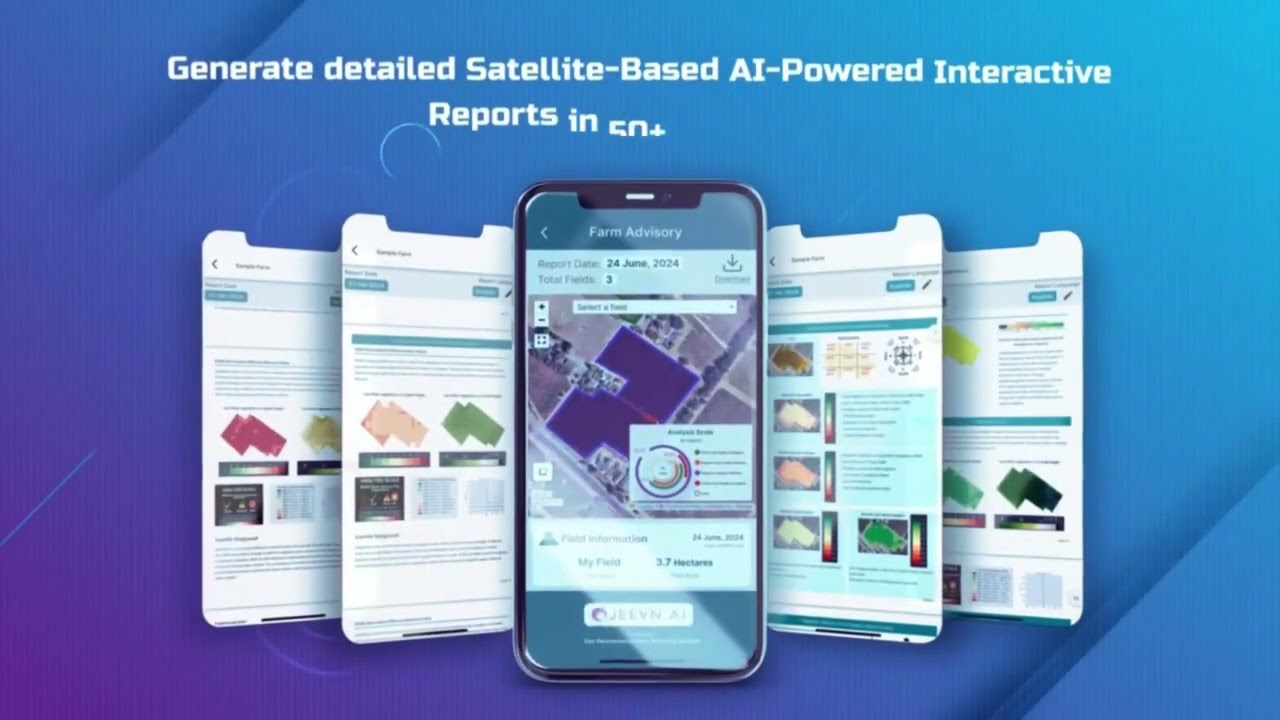
- ✔ Management Technologies: Advances in satellite monitoring, AI-driven precision tools, and carbon footprint monitoring offer both opportunity and accountability to assess land use outcomes.
- ✔ Extension Services: The success of any new ownership model depends on the integration of local expertise and open access to extension education.
Pro Tip
For growers and managers, leveraging real-time satellite monitoring is key for precision agriculture—whether tracking soil moisture, crop health, or resource use. Integrating AI-based advisory systems can bridge the gap between ownership shifts and hands-on farm management.
Labor Dynamics Under Foreign Ownership
Foreign ownership does not necessarily disrupt local farm labor networks. Most largescale agricultural operations continue employing regional workforces, maintaining continuity in crop production and field management.

Callout: Data Insight
Analysis reveals that many international landholders rely on regionally adapted management strategies—combining local knowledge, precision monitoring, and targeted investments into infrastructure and irrigation improvements.
Supply Chains, Market Dynamics & Farmer Perspectives
Foreign farmland investment significantly influences U.S. supply chains:
- ✔ Processing Facilities: New ownership can bring upgrades or expansion of grain elevators, oilseed processors, and distribution centers, improving local market access.
- 📊 Contract Farming Expansion: Chinese-backed ventures may offer American producers entry into global supply networks, stabilizing demand for certain crops.
- ⚠ Lease Structure Risks: Changes in tenure length can disrupt field-level planning and succession strategies, particularly in transitional farm economies.
- ✔ Market Volatility: External shocks (trade wars, tariffs, or export restrictions) may be amplified when ownership is concentrated among international investors.
⭐ For U.S. farmers: The main concern revolves around continuity of production and ensuring that new ownership aligns stewardship and operational investment with local agricultural goals.
Regulation, Governance & Sustainability Priorities
— Keeping Farmland Aligned with Long-Term Rural Interests
The regulatory environment for foreign ownership of U.S. farmland is shaped at the federal, state, and sometimes local levels:
- ● Reporting & Transparency: Buyers (including Chinese entities) must report holdings through forms such as the AFIDA (Agricultural Foreign Investment Disclosure Act).
- ● Land-Use Restrictions: Several states restrict or monitor how foreign investors acquire land near military installations, strategic waterway, or critical infrastructure.
- ● Zoning and Environmental Review: Zoning authorities and environmental boards ensure that operations meet water, soil, and safety standards.
- ● Successor Planning: Regulatory clarity helps prevent sudden shocks to succession planning or loss of biodiversity/habitat protections.



Farmonaut’s app platform brings satellite monitoring, crop health analytics, and resource management to farmers, businesses, and governments — supporting sustainable decisions in U.S. farmland, regardless of ownership.
Sustainability Remains Central
- ● Soil and Water Health: Regulatory guidelines emphasize protecting arable soils, surface and groundwater, and minimizing erosion.
- ● Biodiversity & Rural Development: Maintaining wildlife corridors, pastures, and agroforestry initiatives is key.
- ● Socio-Economic Resilience: Policies aim for investment benefit without undermining local communities or domestic food supply resilience.
Trivia
Did you know? In several states, up to 45% of all foreign farmland investment is concentrated near major river basins and food exporting regions, where water access is fiercely protected.
Comparative Analysis Table: Foreign Ownership of U.S. Farmland
| Country of Landowner | Estimated Acreage Owned (Millions of Acres) |
% of Total Foreign-Owned U.S. Farmland |
Primary Purpose of Acquisition | Estimated Water Usage Impact | Sustainable Practice Indicators |
|---|---|---|---|---|---|
| China | 0.35 | ~0.8% | Investment, Food Supply, Water Access | Medium (Focused in key aquifer & river basin zones) | Medium—improved precision, variable reporting |
| Canada | 4.7 | 29% | Agriculture, Agribusiness, Energy | Low—concentrated in northern border states | High—adoption of sustainable practices |
| Netherlands | 0.85 | 5% | Agribusiness, Investment | Medium—greenhouse and horticulture focus | High—focus on innovative farming |
| Italy | 0.56 | 3% | Vineyards, Horticulture | Low—limited regional impact | Medium |
| Germany | 0.46 | 2.5% | Food Processing, Investment | Low | Medium |
| United Kingdom | 0.44 | 2.3% | Investment | Low | Medium |
| All Others | 8.3 | 57.4% | Diverse: Agriculture, Sovereign Wealth, Energy | Variable | Variable |
Key Statistic
China controls less than 1% of total foreign-owned U.S. farmland, yet generates outsized debate because of strategic locations and water/processing access.
Farmonaut Technologies & the Role in Sustainable Farm Management
Land stewardship and management in the context of shifting ownership can be empowered by advanced satellite-driven technologies. At Farmonaut, we provide robust tools for governments, farmers, and agribusinesses to monitor, analyze, and ensure responsible land use.
- ✔ Crop Health Monitoring: Using multispectral satellite imagery, we deliver NDVI and other indices to identify soil health, moisture levels, and stress events, ensuring continuous productivity in any ownership regime.
- ✔ Real-Time Advisory: Our Jeevn AI system offers customized advisories for crop protection, irrigation scheduling, and weather alerts, benefitting both local and international farm managers.
- ✔ Blockchain Traceability: We facilitate end-to-end transparency across supply chains using blockchain, building trust in food origin, production practices, and trade.
- ✔ Fleet Management: Advanced tools for fleet & resource management help optimize farm logistics, reduce inefficiency, and protect soil/ infrastructure during operational shifts.
Our solutions ensure that stewardship remains central — scalable for smallholders, rural communities, and international agriculture corporations alike.
Check out how satellite data supports crop loans and insurance:
Learn more about Farmonaut Crop Loan & Insurance solutions here.
For large-scale, multi-farm management, explore our admin app:
Farmonaut Large-Scale Farm Management System
Interested in API integrations for real-time field data?
Get started with our API: Farmonaut API Documentation | Developer docs
- ✅ Real-Time Monitoring: Track crop health for timely interventions
- 🌾 Soil Moisture Analytics: Optimize irrigation & prevent wasteful use
- ⚡ AI-Based Advisory: Respond instantly to stress or disease
- 🔗 Blockchain Traceability: Guarantee food & resource authenticity
- 🔥 Resource Management: Detect inefficiency or misuse in equipment, fuel, and field logistics
- 📈 Scalable Solutions: For both smallholders & large agriculture enterprises
- 🚜 Operational Continuity: De-risk farm handover during ownership changes
- 🔒 Data Security: Your field and management data is protected with blockchain infrastructure
- 💡 Sustainability Benchmarks: Ensure compliance with soil health, water, and biodiversity standards
- 🌎 Global Reach: Serve farmers and agribusinesses worldwide with satellite access
Key Takeaways
✔ Land management usually remains tied to local operations and crop expertise, though governance and investment decisions can shift priorities.
✔ Regulated, transparent investment—aligned with soil health, water conservation, and rural development—offers benefits for both domestic producers and global supply chains.
✔ Modern technologies (like satellite monitoring and AI-advisory) empower all stakeholders to protect productivity, biodiversity, and long-term sustainability.
FAQ — Why Is China Buying U.S. Farmland & What Are the Impacts?
A: China’s holdings—while growing rapidly over the last decade—still represent less than 1% of all foreign-owned U.S. farmland. Canada, the Netherlands, and several EU countries own more acreage. However, the high-profile nature of Chinese investments (and their locations) drive much of the public attention.
A: Concerns stem from proximity to strategic water resources, food processing infrastructure, and (occasionally) military facilities. Lawmakers scrutinize if land could be used to influence food supply, water management, or disrupt local markets. Regulation and transparency requirements mitigate many of these risks.
A: Foreign and domestic buyers both prioritize secure access to surface/groundwater in key agricultural areas. However, water rights remain tightly regulated at the state and basin level, and infrastructure investments are usually scrutinized to protect downstream users and rural communities.
A: Yes. Market demand and investment objectives can prompt a shift toward high-value export crops or row crops suited to buyers’ home markets. Still, most operations retain deep ties to local crop rotations and consult with ag extension services for optimal planning.
A: Platforms like Farmonaut provide real-time crop health, irrigation analytics, AI-based advisory systems, and blockchain traceability—empowering both regulatory oversight and local stewardship, regardless of landowner nationality.
Conclusion
The debate around why is China buying U.S. farmland intertwines economic, environmental, and national security issues. What is clear is that foreign ownership—including by Chinese entities—will remain in the spotlight as America’s agricultural landscape evolves. The core concern for everyone, from farmers to industry observers, is how to translate investment into positive, sustainable outcomes for food production, rural communities, water stewardship, and biodiversity protection.
Through transparent policy, cutting-edge management technologies like those offered by us at Farmonaut, and a commitment to shared stewardship, it is possible to balance global investment with regional priorities—ensuring a robust, resilient future for U.S. farmland and the communities it sustains.
Discussion
Questions, corrections or field experience? Share them below. First-time comments are reviewed before they appear, and your email is never published.
No comments yet. Be the first to add a question or your experience.

 CU Foods
 BeyondTech Global
 Consulthink Global
 Rouge VC
 Yutz Automation
 AgroGreen Dynamics
 AgroRisk
 Oath Inc
 Reddane Farming
 Esri North East Africa
 Cresol
 Atur Kuliner
 MDCV UK
 Zerella Group
 Etech Consulting Madagascar
 Vestlandsforsking
 Delicio
 WB Dev
 Sama Premium
 Prochecker
 Tres Valles
 LACOS Geoinformation
 Magrifly
 LatConnect 60

 Exploration consultancy · South Africa · Gold
 Licence holder · Niger · Gold










