

Farming in China: 7 Powerful Innovations in Rice Farming
Table of Contents
- Introduction: Farming in China and Rice’s Role
- Rice Farming in China: Practice, Policy, and Opportunity
- 7 Powerful Innovations in Chinese Rice Farming
- 1. Digital Advisory Tools
- 2. Precision Soil Management
- 3. Smart Irrigation Systems
- 4. Remote Sensing Applications
- 5. Improved Rice Varieties
- 6. Automation & Mechanization
- 7. Sustainable Pest Control
- Comparative Innovations Table
- Integrating Sustainability & Environmental Impact
- Policy, Market, and Extension Services
- Key Challenges and Emerging Opportunities
- Farmonaut’s Role in China’s Rice Farming Ecosystem
- Farmonaut Subscription Plans
- FAQ: Rice Farming in China
- Conclusion
Introduction: Farming in China and Rice’s Role
Rice cultivation is at the heart of farming in China, not only laying the foundation for local food security but also shaping rural economies, traditional practices, and national policies. As the world’s largest rice producer, China navigates a vast and varied agricultural landscape, from the humid subtropics of the south to the temperate eastern plains. Here, advanced agricultural systems meet centuries-old wisdom—creating a unique blend that defines the country’s approach to rice farming.
This comprehensive overview explores the cutting-edge innovations transforming rice production throughout China, with a special focus on how modern technology, enhanced soil and water management practices, and sustainable solutions are increasingly shaping rural livelihoods and the broader food supply.
- 🌾 China’s rice farming sustains over 1.4 billion people—crucial for global food security!
- 📈 Adoption of digital tools and precision farming is rising—over 30,000 advisory platforms support growers.
- 🌱 Integrated environmental practices are helping to preserve biodiversity and reduce emissions.
- 💧 New water-saving irrigation has cut water use by up to 50%.
- 🛰️ Remote sensing and AI provide real-time crop monitoring for better yield and resource management.
Rice Farming in China: Practice, Policy, and Opportunity
Rice farming in China is not just an agricultural endeavor—it’s a complex tapestry interwoven with policy directives, market influences, and the regional conditions of a vast country. The country boasts an extensive portion of the world’s rice paddies, thanks to its varied agro-ecologies—from monsoon-fed fields in the southeast to irrigated dryland plots in the north—supporting multiple systems that together maintain a considerable portion of global rice production.
Key Agronomic Practices in Rice Cultivation
At the center of rice cultivation are deliberate practices honed over decades:
- 🌿 Water control: Fields are intentionally kept flooded during early growth stages to suppress weeds and support tillering, then carefully drained in preparation for harvest.
- 🌱 Seed selection: High-yielding varieties, developed through public and private breeding programs, are chosen to suit local conditions—photoperiod, temperature ranges, and soil textures.
- ⏳ Crop sequence: Ratoon cropping and double-cropping systems optimize land use, spreading labor and market risk.
- 💡 Precision farming: Increasingly, digital advisory tools allow farmers to monitor soil moisture, nutrient status, pest pressures, and more, enabling targeted fertilizer and pesticide use that reduces environmental impact while maximizing productivity and yields.
Soil Fertility, Nutrient Management, and Sustainability
Persistent nutrient demands—especially phosphorus and potassium—and the nutrient-depleting nature of continuous cropping push for integrated nutrient management. Farmers optimize fertility by blending organic amendments (like residues and green manures) with mineral fertilizer. This not only sustains rice yields but preserves soil health and provides a pathway for sustainable production.
Market Forces, Policy, and Farmer Support
- 🛡️ Government programs impact seed adoption, pest control, fertilizer use, and investment in irrigation/drainage.
- 🤝 Extension services and cooperatives negotiate input costs, share best practices, and coordinate collective marketing—crucial for the success of smallholder farmers.
- 💼 Risk management: Crop insurance and disaster relief buffer rural livelihoods from climate variability and pressure from pests or weather extremes.
7 Powerful Innovations in Rice Farming in China
Let’s dive into the seven key innovations driving the future of rice farming in China. These breakthroughs span from digital advisory tools to water-smart irrigation systems and sustainable pest control—offering a comprehensive overview of how modern practice meets opportunity in the world’s most critical rice-producing nation.
1. Digital Advisory Tools: Guiding Modern Rice Farming
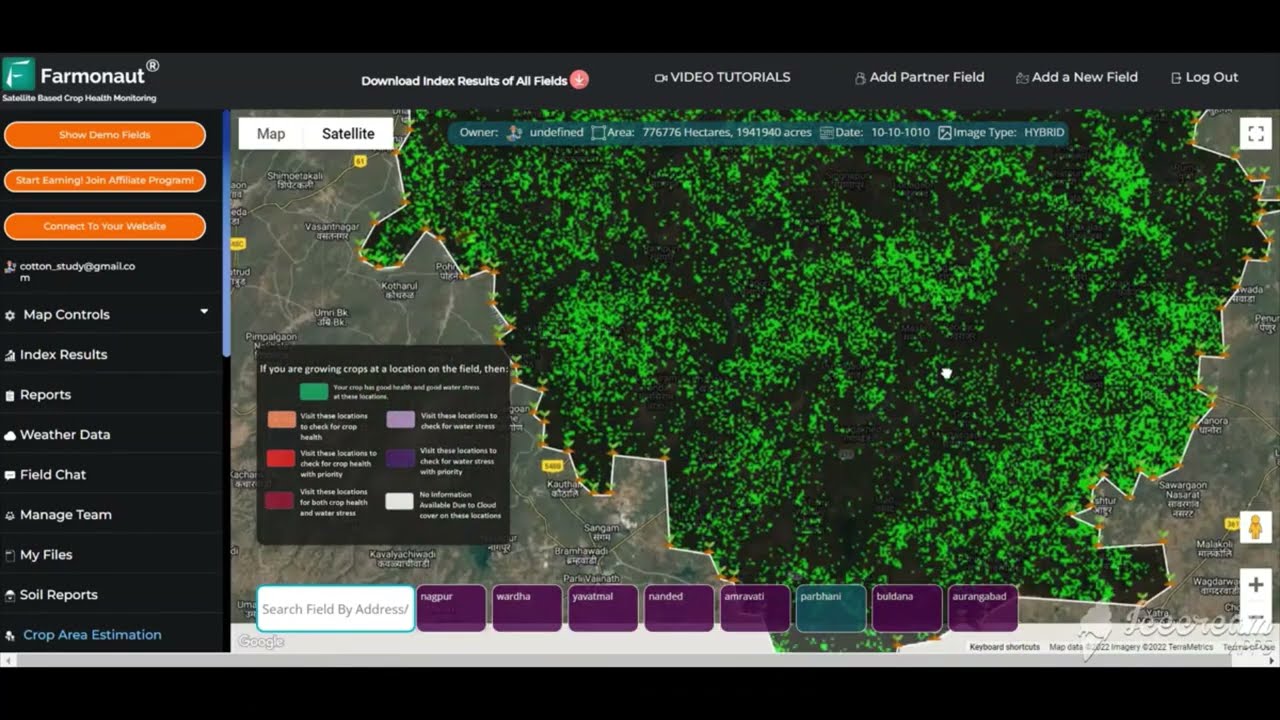
The digitization of Chinese agriculture has given rise to over 30,000 digital advisory platforms dedicated to farming in China. These services harness satellite imagery, AI, farm management apps, and blockchain traceability to aid growers with real-time monitoring and decision support—transforming traditional practice into a data-driven system.
- 🔗 Blockchain traceability in agriculture ensures transparent food supply chains from paddy to market—critical for authenticity and export compliance in the evolving global landscape.
- 🚀 Real-time forecasting and AI-based advisory tools identify crop growth anomalies, irrigation needs, and pest risks through mobile/web/app APIs, boosting operational efficiency across rice systems.
- 📲 Mobile-based management apps empower even the smallest rural producers to access up-to-date input recommendations, record-keeping, and farm-cooperative coordination.
- ✔ Key benefit: Data-driven advice increases productivity and reduces input waste
- 📊 Data insight: Advisory tools can lift yields by 8–20%, according to multiple academic studies
- 💡 Decision making: Real-time risk warnings enhance resilience against climate variability and pests
- 📱 Accessibility: Easy-to-adopt for rural communities via mobile devices
- 🌐 Scalability: Works for individual farmers, cooperatives, and regional authorities



2. Precision Soil Management: Maximizing Health & Fertility
The movement towards precision soil management is vital in tackling the critical challenges of fertility depletion, continuous cropping, and heavy inputs na demands in rice farming in China. Technologies now allow farmers to monitor soil nutrient status at the field-level, apply integrated blends of amendments (including green manures and crop residues), and precisely calibrate fertilizer for each field section.
- 🚜 Precision soil mapping uses satellite and multispectral data to guide timing and volume of inputs—minimizing phosphorus and potassium losses and improving yields sustainably.
- 🌿 Blending residues and organics: Incorporating green manures sustains long-term fertility and soil health—an increasingly popular approach to sustainable rice farming and environmental conservation.
- 🔄 Continuous monitoring allows farmers to adjust management swiftly, responding to changing weather, crop growth phases, and market demands.

- 🌱 Soil health is the backbone of resilient, climate-adapted rice farming systems.
- ⚠ Risk: Overreliance on synthetic fertilizers without ongoing monitoring increases depletion and environmental impact.
For advanced soil and crop environmental impact monitoring, Farmonaut’s Carbon Footprinting Solution offers actionable data for compliance and sustainability reporting, aligning modern farming with conservation goals.
Developers, researchers, and agri-businesses seeking to integrate soil status, crop health, and weather analytics — access Farmonaut’s Satellite API and Developer Docs for seamless integration.
3. Smart Irrigation Systems: Reducing Water Use & Enhancing Yields
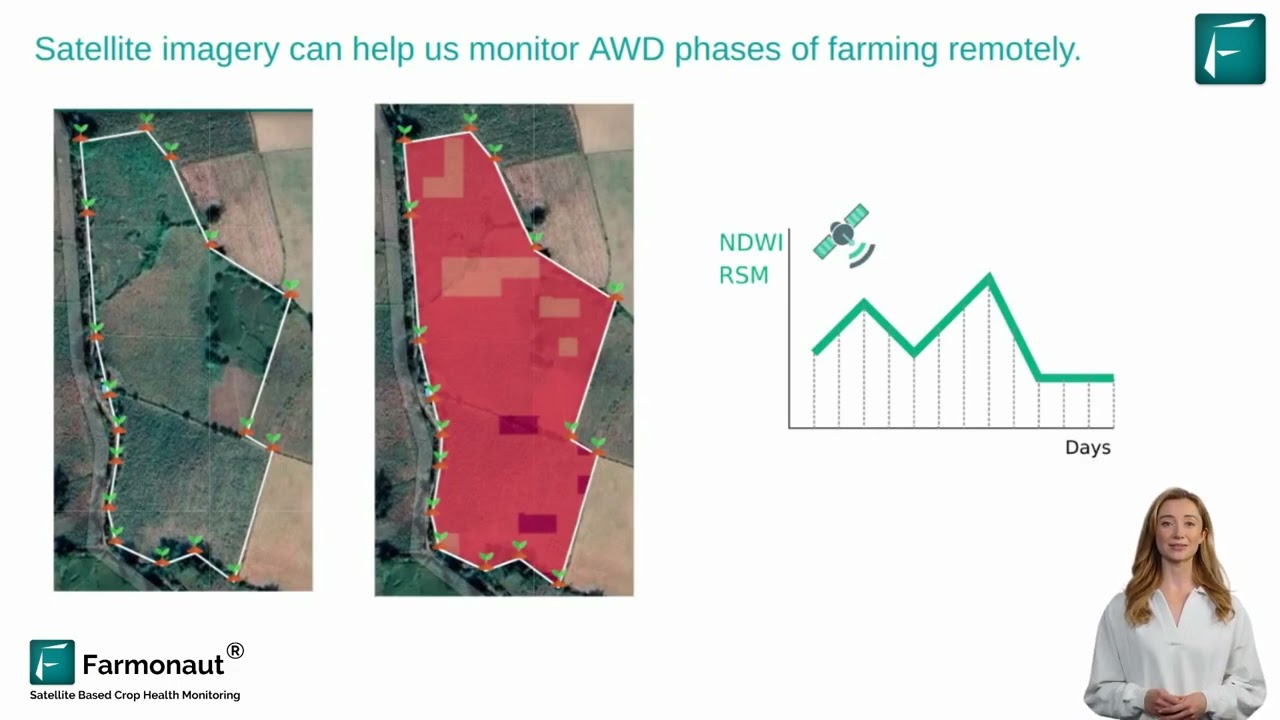
Effective water management is central to rice’s success in humid subtropics and temperate plains across China. Historically, rice paddies depended on continuous flooding, but modern water-saving techniques—like Alternate Wetting and Drying (AWD)—are changing the game by reducing irrigation water usage by up to half, while even preserving yields and lowering greenhouse gas emissions.
- 💧 Smart irrigation control via IoT and satellite analytics ensures each development stage receives optimal water, preventing both flood stress and unnecessary losses.
- 🚰 Field-specific scheduling: Systems now monitor soil moisture in real-time to time drainage and reflooding, supporting better tillering and weed suppression with less water.
- 🌎 Water-saving irrigation aligns with national conservation programs and environmental targets for reduced methane output from paddied rice ecosystems.
- ✔ Key benefit: Up to 50% reduction in irrigation water use
- 🌱 Yield protection: Smart irrigation maintains or improves productivity
- 🌏 Environmental impact: Fewer emissions and reduced water stress on rural communities
4. Remote Sensing Applications: Real-Time Field Intelligence
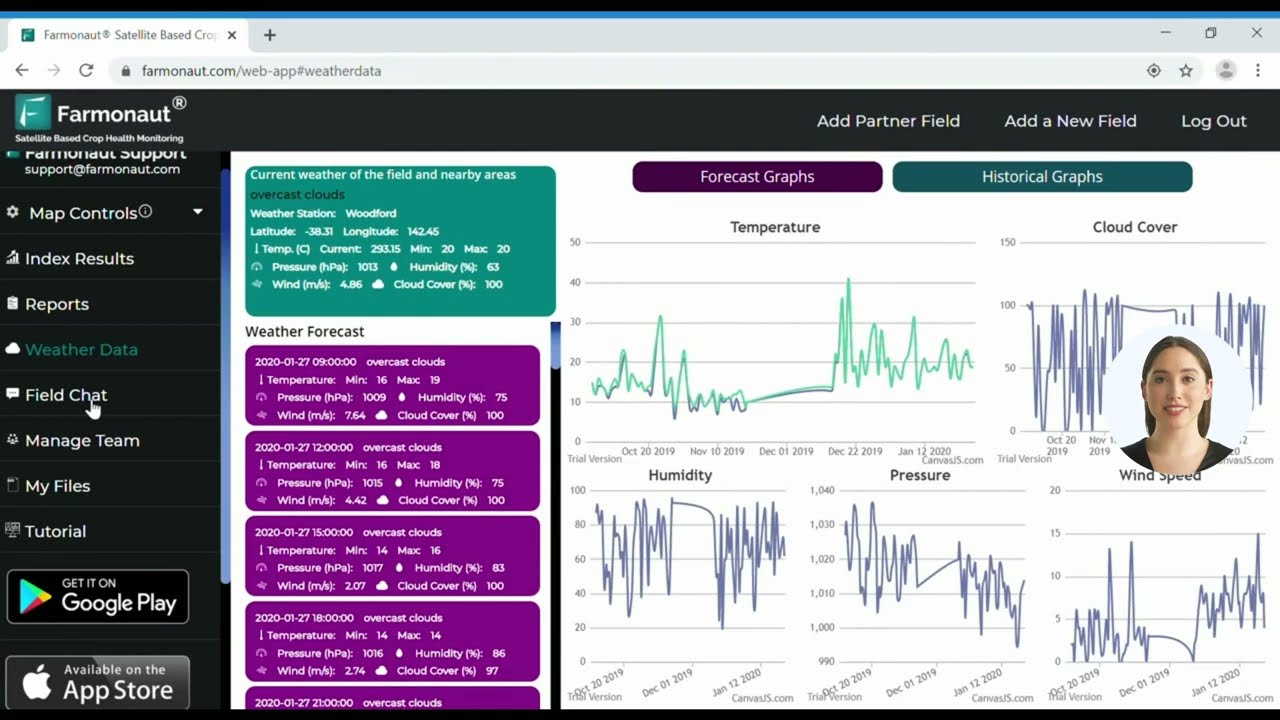
Remote sensing—especially satellite-based monitoring—has ushered in a new era for rice farming in China. Farmers, cooperatives, and policy makers use high-res imagery (NDVI, NDWI, and beyond) to track vegetation health, field moisture, crop sequences, and spot early signs of pest or weather stress before yield is at risk.
- 🛰️ Crop stress detection is easier than ever: Satellite indices pinpoint stressed zones for timely intervention—enabling productivity maximization and input efficiency.
- 📏 Crop area estimation solutions help with planning, marketing, and nationwide food security analysis.
- 🌤️ Weather-based analytics link real-time meteorological data with field-level decisions—minimizing loss from sudden variability and supporting extension advisories.
- 🔄 Year-round monitoring boosts environmental stewardship and tracks the outcome of sustainable farming programs.

5. Improved Rice Varieties: Genetic Advances and Adaptability
Genetic innovation is one of the cornerstones of modern rice farming in China. Through coordinated public and private breeding programs, researchers have developed rice strains that are high-yielding, disease-resistant, and adapted to specific regional ranges in temperature, soil texture, and photoperiod. These varieties allow for the optimization of land management and ensure reliable food production despite climate pressures.
- 🌾 Hybrid rice adoption has revolutionized China’s output; many fields now sow hybrids for superior grain count and resilience.
- 🚜 Stress-tolerant varieties have been released to fight heat, cold, drought, and even salinity—expanding the suitability of paddied rice to more landscapes.
- 🌿 Disease and pest resistance decreases pesticide dependency, lowering costs and reducing environmental impacts.
- 🔎 Tailored seed selection is supported by digital platforms (like Farmonaut’s Jeevn AI advisory), integrating weather, soil, and growth data to recommend optimal varieties for local microclimates.

6. Automation & Mechanization: Reducing Labor & Raising Efficiency
With ongoing rural-urban migration and a shift in the rural labor market, rice farming in China depends more on mechanization and automated solutions. These advances streamline key processes—land preparation, sowing, transplanting, fertilizing, and harvesting—and help tackle the challenge of aging rural workforces and land fragmentation.
- 🚜 Automated tractors and field robots enable efficient, timely land management—even on smallholder plots consolidated via cooperatives or land-readiness programs.
- 🌾 Mechanized planters and smart harvesters reduce the drudgery and cost of rural labor, freeing up households to pursue value-added opportunities and modernization.
- 🔗 For large-scale management, Farmonaut’s large scale farm and fleet management tools enable centralized monitoring and scheduling—improving logistics for inputs, irrigation, and harvest.
- 🕹️ AI-driven monitoring coordinates operations, sends predictive warnings, and supports resource optimization.

- ✔ Key benefit: Mechanization lowers operational costs and boosts precision across the harvest cycle
- 🧑🌾 Labor saving: Fewer workers needed per plot = improved rural livelihoods
- 🔗 Farmonaut Fleet Management = streamlined logistics for machines, vehicles, and on-the-go resource deployment in rice production systems.
7. Sustainable Pest Control: Balancing Yields and Ecosystem Health
- 🦗 IPM approaches blend biocontrols (predators & beneficial insects) with minimal, targeted pesticide applications.
- 📲 Digital pest pressure monitoring allows for eco-friendly and cost-effective interventions at the earliest sign of trouble.
- 🌳 Hedgerow and wetland conservation next to fields helps preserve beneficial species and natural pest suppression.
- 🦠 Disease-resistant varieties and organic residue management further reduce the need for chemical controls.
Integrated and digital-first pest management is now the preferred—and most profitable—approach.
Comparative Innovations Table: Advanced Rice Farming Practices in China
| Innovation/Technology | Description | Estimated Adoption Rate (%) | Estimated Yield Improvement (%) | Environmental Impact |
|---|---|---|---|---|
| Digital Advisory Tools | AI, satellite, & mobile solutions for real-time crop, soil, and pest monitoring | 40–60% | 8–20% | Lower resource waste, reduced chemical runoff |
| Precision Soil Management | Soil mapping, nutrient status, & field-specific input calibration | 30–40% | 12–18% | Enhanced soil health, minimized overfertilization |
| Smart Irrigation Systems | AWD, IoT moisture sensors, & targeted field flooding/drainage | 25–35% | 5–12% | Water savings up to 50%, less methane emission |
| Remote Sensing Applications | Satellite-based NDVI/NDWI for monitoring and area estimation | 45–65% | 7–15% | Supports early intervention, resource efficiency |
| Improved Rice Varieties | Hybrid, disease-resistant, and climate-adapted strains | 70–85% | 15–30% | Lower input use, biodiversity protection |
| Automation & Mechanization | Tractors, planters, combine harvesters, drones for field tasks | 35–55% | 8–20% | Less labor demand, reduced soil compaction |
| Sustainable Pest Control | IPM, biocontrols, digital surveillance, and minimal pesticide use | 50–70% | 5–12% | Minimal chemical residue, ecosystem conservation |
Integrating Sustainability and Environmental Stewardship
A key feature of modern rice farming in China is the integration of climate-smart practices with traditional agricultural methods. National and regional policy initiatives incentivize:
- 💧 Alternate Wetting & Drying: Water savings + lower methane emissions
- 🌳 Conservation of hedgerows & wetlands for natural pest control and biodiversity
- 🌎 Residue management & green manure incorporation to boost soil organic carbon and fertility
- 🌱 Carbon footprint monitoring for sustainable and climate-resilient farming (learn more)
- 🌾 Key practice: Ratoon cropping diversifies farm income and spreads labor
- 📊 Data Insight: Conservation increases system resilience and improves ecosystem services
- ⚠ Limitation: Not all rice landscapes can easily adopt AWD or residue retention
- ✅ Opportunity: Farmer-led extension efforts and digital advisory tools speed up adoption
- 🌱Soil carbon sequestration aligns with global climate targets.
- 💧Water-saving irrigation cuts both water use and emissions.
- 🦗IPM and biocontrol preserve local biodiversity.
Role of Policy, Market, and Extension Services
The policy environment in farming in China remains dynamic, with national and regional programs influencing crop selection, fertilizer management, and sustainable land use. Government subsidies support the adoption of high-yielding varieties, data-driven irrigation control, and environmental conservation. Extension services play a vital role in rural outreach and digital tool adoption:
- 🤝 Farmer cooperatives offset land fragmentation by consolidating plots for shared irrigation and harvest logistics.
- 💼 Microcredit and insurance enable growers to invest in modern inputs and weather risk more effectively. Farmonaut’s satellite-based crop insurance verification streamlines processes and reduces fraud.
- 🧑🏫 Extension workers coordinate farmer training, technology transfer, and feedback channels for policy-makers.
- 🌆 Rural-urban interfaces drive diversification of income and value-added rice products, further bolstering rural economies.
Key Challenges and Emerging Opportunities in Rice Farming in China
- ✖Land fragmentation in some provinces limits mechanization and resource management.
- ✅Opportunity: Cooperative models and digital tools enable efficiency gains and extension access.
- ⚠Risks from climate variability (floods, droughts) impact yields and livelihoods.
- 🔎Precision monitoring and risk insurance mitigate vulnerability and drive resilience.
- 📍 Regional disparities: Some Western and Northern regions lag in digital adoption—targeted policy and local extension are needed.
- 💡 Future prospects: Growth in blockchain, AI advisory systems, and traceability will further boost food security and rural prosperity.
Farmonaut’s Role: Empowering Digital Rice Farming in China
At Farmonaut, we are committed to making advanced, satellite-driven insights both affordable and accessible for every stakeholder in rice farming in China. Our integrated Android, iOS, web app, and API solutions provide:
- 🛰️ Real-time crop and soil monitoring using high-res satellite imagery (NDVI, NDWI, and more) for precision agriculture success
- ⚙️ Fleet and large scale farm management tools, optimizing logistics, resource deployment, and machinery use across rural regions
- 📲 AI-based Jeevn advisory for tailored recommendations: in-season strategies, weather forecasts, and actionable alerts
- 🌿 Environmental impact monitoring for compliance with China’s growing sustainability and conservation ambitions
- 🔗 Blockchain-powered traceability for food security, rural trust, and supply chain transparency
- 🔓 Open API access for digital agri-businesses, researchers, and policy-makers building their own advisory and management platforms (see API)
With Farmonaut, any size farm or regional bureau can rapidly scale cutting-edge digital solutions for improved productivity, environmental compliance, and national food security—supporting the next leap in rice farming in China.
Farmonaut Subscription Plans
To make advanced satellite solutions accessible across all scales, Farmonaut offers flexible, cost-effective subscription models for individual farmers, cooperatives, businesses, researchers, and government agencies.
For details, platform features, or to get started with API integration, visit Farmonaut registration or review our API documentation here.
Farmonaut’s modular, subscription-based approach makes state-of-the-art, satellite-powered, and climate-smart farming solutions available—fostering transformation at both the rural grassroots and policy level in China’s agricultural landscape.
FAQ: Rice Farming in China — Modern Practice, Policy & Opportunity
-
What is driving modernization in rice farming in China?
Increasingly, a combination of digital advisory platforms, remote sensing, improved rice varieties, government support, and a shift towards sustainable, conservation-driven practices is transforming traditional farming in China’s rice heartlands. -
How do digital advisory tools help Chinese rice farmers?
These platforms analyze satellite, weather, and growth data to deliver real-time, field-specific advice—improving input use, reducing risk, enhancing yields, and providing insurance or market linkage. -
What is Alternate Wetting and Drying (AWD) in rice farming?
AWD is a smart irrigation technique that cycles between flooding and drying rice paddies, reducing water use by up to 50%, lowering methane emissions, and maintaining yield stability. -
What sustainable solutions are most widely adopted?
Integrated Nutrient Management (organic blends and green manures), IPM for pests, water-saving irrigation systems, and the use of improved, resilient rice varieties are the leading sustainable innovations. -
How does land policy affect rice productivity in China?
Land fragmentation can hinder mechanization and resource management, but cooperative models and digital mapping help consolidate plots and optimize input use for higher productivity. -
What role do extension services play?
Extension agents and platforms support farmer training, coordinate advisory feedback, and drive adoption of new technologies—especially in under-served rural regions. -
Can Farmonaut help small or fragmented farms?
Yes—our platform provides scalable, modular solutions for even the smallest plots, with features like fleet/resource management, growth monitoring, precision advisory, and blockchain-powered traceability.
Conclusion: Charting the Future of Rice Farming in China
Rice farming in China is entering a new era, powered by digital innovation, sustainable practices, and comprehensive policy support. As soil and water management, climate resilience, and real-time digital advisory systems become the norm, rural communities are positioned to increase yields, secure food for a nation, and preserve the country’s ecological riches for generations.
The pathway outlined here—from advanced remote sensing and blockchain traceability to sustainable pest management and robust extension networks—signals broader opportunities across China’s agricultural landscape. Whether you’re a policymaker, cooperative, or individual producer, harnessing these comprehensive innovations is the key to thriving in twenty-first-century rice cultivation.
For farmers and agri-professionals alike, the intersection of practice, policy, and innovative technology offers a blueprint for success—preserving the heart of China’s rural economies while leading in global food security and sustainable development. We invite you to explore all that satellite-driven, AI-powered solutions can do; Farmonaut is here to help you power your next harvest.
Discussion
Questions, corrections or field experience? Share them below. First-time comments are reviewed before they appear, and your email is never published.
No comments yet. Be the first to add a question or your experience.

 Andex
 AgroRangers
 FCF India
 Unifrutti Gulf
 Deluxe Conseil
 TVS Electronics
 BW Pipelines
 WICO
 Gen Chayat
 Chimera Innovation
 SkyHarvest
 Polaris Digitech
 Teledarbas
 Wild Oak Farm
 SFX

 Licence holder · Niger · Gold










