

Agriculture Sector in Ethiopia: 7 Key Trends Powering Growth
Introduction: The Backbone of Ethiopia’s Economy
Ethiopia agriculture is not just a sector—it is the heartbeat of the nation’s economy, culture, and livelihood. Employing about 62% of workers in 2023 (World Bank) and contributing about 35% of GDP in 2024 (World Bank), Ethiopian agriculture is foundational to food security, exports, and poverty reduction. The agricultural sector in Ethiopia is predominantly characterized by smallholder farming, deeply rooted in traditional practices yet facing rapid change due to technological advances and environmental challenges.
The country’s diverse agroecological zones nurture an array of crops: coffee, cereals, pulses, and oilseeds, among others. While coffee stands out as a cultural and economic staple, the impressive array of agricultural products and efforts to address challenges facing Ethiopian farmers—from climate change to infrastructure—are shaping both the sector’s present and its future. Our exploration highlights seven key trends currently powering the sector’s growth, resilience, and transformation.



Explore Farmonaut’s Satellite and Weather Data API |
Developer Docs

Ethiopia’s Main Agricultural Products at a Glance
Ethiopian agriculture rests on a few staple grains, one big export crop and a very large livestock herd. The figures below come from USDA’s Addis Ababa post and Ethiopian export data.
| Product | Latest figure | Source |
|---|---|---|
| Maize (corn) | 10.5 million tonnes forecast, 2026/27 | USDA FAS |
| Wheat | 7.0 million tonnes forecast, 2026/27 | USDA FAS |
| Sorghum | 4.1 million tonnes forecast, 2026/27 | USDA FAS |
| Coffee | 11.6 million 60-kg bags forecast, 2025/26 | USDA FAS |
| Coffee exports | US$2.65 billion earned in fiscal 2024/25, a record | Global Coffee Report |
Teff, the grain used for injera, is grown mainly for home use rather than export. Besides coffee, the main farm exports are oilseeds such as sesame, pulses, cut flowers, khat, live animals, and hides and skins (Britannica). Ethiopia is believed to hold Africa’s largest livestock population (FAO).
Agriculture made up about 35% of GDP in 2024 (World Bank) and about 62% of jobs in 2023 (World Bank, ILO estimate). Under the Ten-Year Development Plan, the Ministry of Agriculture has prioritised wheat, soybeans, sesame, avocado, poultry, milk and red meat (US International Trade Administration).
Trend 1: Dominance of Smallholder Farming in Ethiopia
Smallholder households do most of the country’s farming, making smallholder farming Ethiopia the bedrock of agricultural production and rural livelihood. This sector supplies the country’s staple foods and exports, influencing everything from food security to economic growth and societal stability.
- Land Holdings: Most smallholders operate on less than two hectares of land, cultivating crops like maize, sorghum, teff, and coffee.
- Production Practices: Traditional farming techniques remain prevalent, but the adoption of new inputs and digital solutions is on the rise.
- Role in National Food Security: Smallholder farmers are central to Ethiopia’s ability to feed its rapidly growing population.
- Community Networks: Cooperative organizations and local institutions often provide support, knowledge exchange, and access to basic resources.
However, challenges such as land degradation, limited access to modern inputs, and vulnerability to climatic threats mean smallholders require sustained support and innovation to thrive.
Agriculture employed about 62% of Ethiopia’s workforce in 2023 (World Bank).
Trend 2: Coffee and Key Crop Production Fueled by Ethiopia’s Agroecological Zones
Ethiopia’s agroecological zones are among the most diverse in Africa, supporting a wide array of agricultural products that significantly bolster the economy: from Ethiopian coffee production to cereals, pulses, and oilseeds.
-
Coffee:
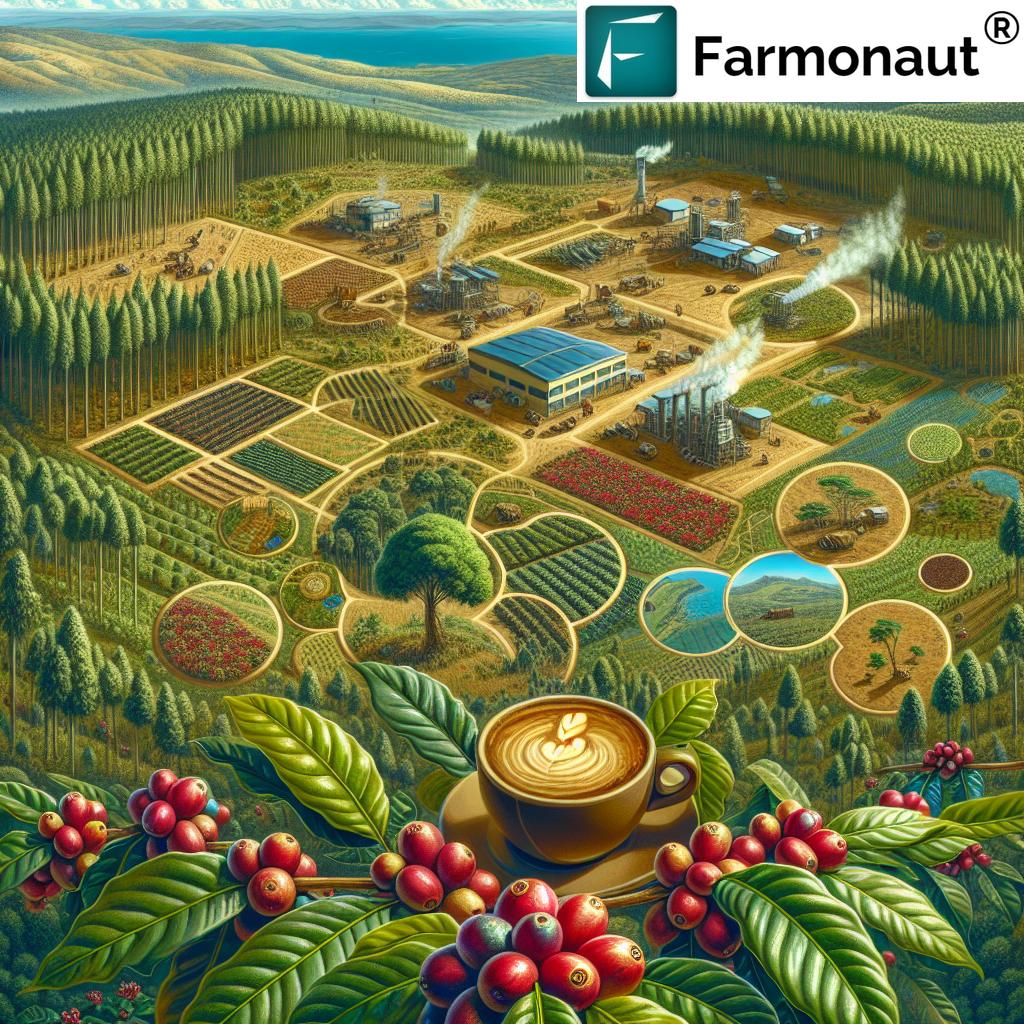
- Ethiopia is Africa’s top coffee producer; USDA forecasts 2025/26 output at 11.6 million 60-kg bags (USDA FAS).
- Cultural significance: Coffee is deeply entwined with Ethiopian tradition. Millions of rural households depend on coffee for part of their income.
- Exports: Coffee is the main foreign-exchange earner; exports brought in a record US$2.65 billion in fiscal 2024/25 (Global Coffee Report).
-
Cereals & Pulses:
- Maize (10.5 million tonnes), wheat (7.0 million tonnes) and sorghum (4.1 million tonnes) are the major staples, per USDA 2026/27 forecasts (USDA FAS).
- Cereals account for the largest share of land under cultivation and are critical for national food security.
-
Oilseeds & Pulses:
- Pulses and oilseeds are important for crop rotation, soil health, and export earnings.
The interplay of natural resources, traditional knowledge, and expanding market access positions Ethiopia as an agricultural powerhouse with huge growth prospects—and substantial climate risk vulnerability.
Trend 3: The Critical Role of Livestock in Ethiopia’s Economy
Ethiopia possesses the largest livestock population in Africa, an integral asset for the country’s rural communities and an important contributor to the GDP:
- Livestock species: Cattle, sheep, goats, poultry, and camels are reared across all agroecological zones for milk, meat, hides, draught power, and manure.
- Economic significance: The livestock sector underpins livelihoods, supports crop farming, and enables diverse income streams for smallholder families.
- Exports: Hides, skins, and live animals account for a significant share of Ethiopia agricultural exports.
- Sustainable practices: Integrative farming and rotational grazing are key to maintaining productivity, yet there is increased pressure due to population growth and land competition.
Development initiatives to improve livestock breeds, nutrition, animal health, and market access remain high priorities for sustainable growth and resilience.

Trend 4: Climate Change, Land Degradation, and Environmental Threats
The subject of climate change and agriculture in Ethiopia is central to the sector’s sustainability. Ethiopian agriculture is highly vulnerable to:
- Recurrent Droughts: Erratic rainfall patterns and prolonged dry spells threaten crop yields and livestock productivity, risking food security.
- Soil Erosion & Land Degradation: Unsustainable land management, deforestation, and overgrazing are accelerating land degradation, reducing arable land for cultivation.
- Deforestation: After centuries of forest clearing, the impact of deforestation in Ethiopia is profound—affecting biodiversity, rainfall patterns, and community resilience (source).
- Threats to Church Forests: Small, ancient church forests serve as vital seed banks and biodiversity havens but are under threat from agricultural encroachment.
Combined, these environmental threats impede productivity and threaten the livelihoods of millions. Addressing these challenges with sustainable land management and climate adaptation strategies is critical for the future of Ethiopian agriculture.
Farmonaut’s Carbon Footprinting solutions empower agribusinesses and policy-makers to track and manage emissions, supporting efforts to reduce agriculture’s environmental impact and promoting sustainable agriculture in Ethiopia.
Trend 5: Infrastructure, Inputs, and Technology Driving Growth
Modernizing the agricultural sector in Ethiopia requires improved infrastructure, quality inputs, and technological innovation:
- Rural infrastructure: Deficiencies in rural road networks, irrigation systems, and storage facilities are ongoing bottlenecks limiting value chain efficiency and market access.
- Access to inputs: High costs and limited availability of seeds, fertilizers, and equipment impede adoption of better yield-enhancing practices.
- Agro-industrial parks Ethiopia: The development of agro-industrial parks is an ambitious step to process raw agricultural products, create new jobs, drive investment, and boost exports.
- Digital tools and smart farming: Satellite solutions, AI-powered advisory, and resource management technology—such as those from Farmonaut—are transforming how Ethiopian farmers optimize crops, manage land, and access financial services.
Farmonaut’s Large-Scale Farm Management App is designed for both individual farmers and agribusinesses, enabling insights from satellite data and AI into crop health, irrigation, and resource allocation for enhanced productivity.
Trend 6: Policy Reforms and Government Initiatives
The Ethiopian government acknowledges the importance of the sector and has enacted a suite of policies and programs aimed at boosting agricultural productivity, resilience, and sustainability:
-
Growth and Transformation Plan II (2015/16–2019/20), followed by the Ten-Year Development Plan for 2021–2030 (trade.gov):
- Focuses on transforming Ethiopia into a middle-income country, with agriculture as a central driver.
- Emphasizes mechanization, irrigation expansion, and value addition.
-
Agro-Industrial Parks:
- Intended to create integrated value chains, increase exports, formalize jobs, and stimulate rural development.
-
Climate Resilience Strategies – SCALA Program:
- Designed to support adaptation to climate change through sustainable land use, resource management, and risk reduction.
-
Financial Inclusion & Investment:
- Efforts to channel investment and credit into agricultural value chains are promoting modernization and innovation.
Combined, these initiatives underscore a sustained commitment to unlocking the sector’s potential and reducing rural poverty.
For streamlined loan processing, weather insurance, and reducing risk for both lenders and farmers, Farmonaut offers satellite-based crop loan and insurance verification, supporting financial inclusion in the agriculture ecosystem.
Trend 7: Sustainable Agriculture & Future Outlook
As we look ahead, sustainable agriculture in Ethiopia and resilience will be paramount for achieving food security, economic growth, and environmental stewardship. Key drivers of the future include:
- Climate Adaptation: Investing in resilient crops, water conservation, and climate-smart practices to buffer against environmental shocks.
- Infrastructure Development: Rural roads, irrigation systems, and cold storage facilities will unlock higher productivity and reduce post-harvest losses.
- Financial Services and Inclusion: Better access to loans, insurance, and digital payment platforms is fostering entrepreneurship and innovation among Ethiopian farmers.
- Sustainable Land Management: Conservation measures, improved grazing systems, and forest protection are essential for maintaining soil fertility and ecological balance.
- Technology Adoption: Digital agriculture tools (including AI, blockchain, and remote sensing) will empower farmers, drive transparency, and make precision farming affordable.
Farmonaut Product Traceability solutions use blockchain to ensure end-to-end transparency for agricultural exports, supporting brand reputation and opening new global markets.
With strategic investment, sound policies, and a commitment to sustainability, Ethiopia’s agricultural sector will continue to be a critical driver of growth and poverty reduction for decades ahead.
Key Crop Production and Economic Impact Overview
Data from FAO, Ethiopian trade sources, and sector estimates. Crop shares and revenues approximate; values may vary by year.
How Farmonaut Empowers Modern Ethiopian Agriculture
Bringing precision technology to the heart of Ethiopia’s agricultural transformation, Farmonaut stands out with satellite-based crop health monitoring, AI advisory, blockchain-powered traceability, resource management, and carbon footprint tracking:
-
Satellite-Based Crop Health Monitoring:
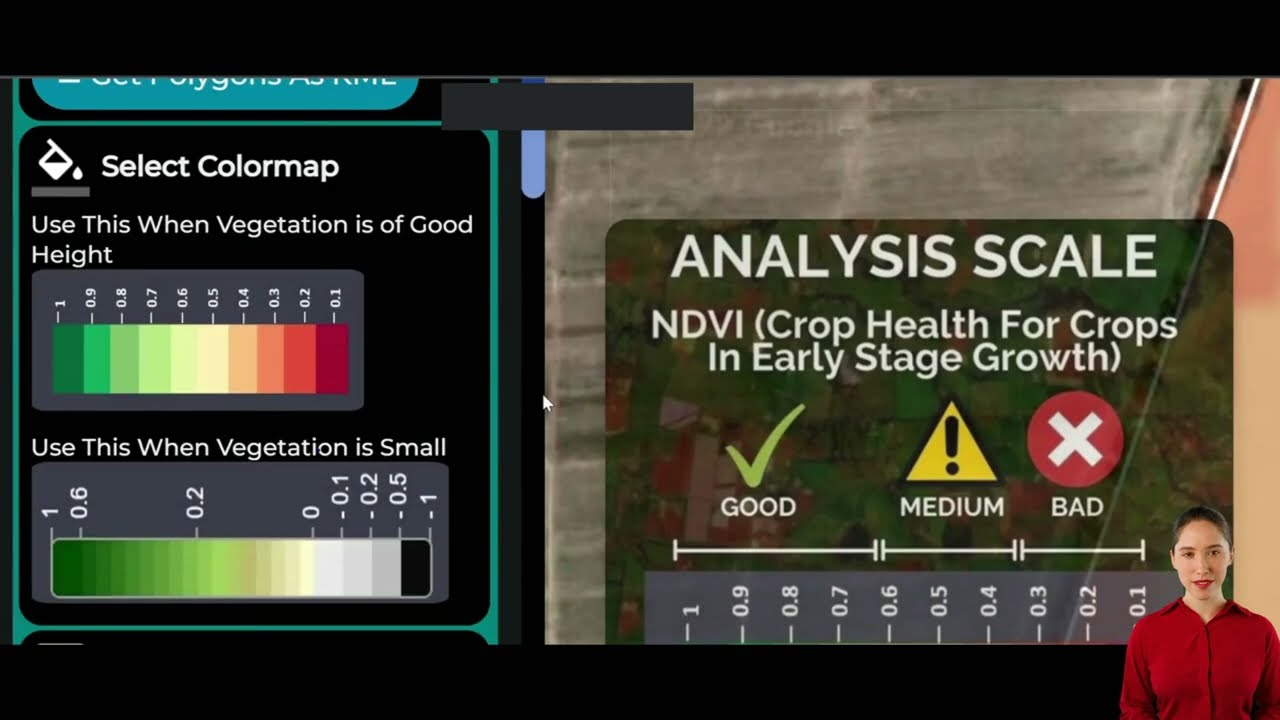
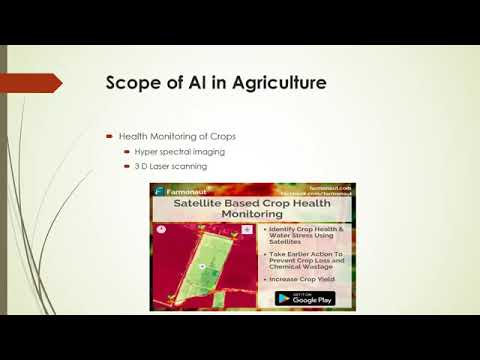
Farmonaut provides actionable insights into crop health using real-time multispectral satellite imagery. Farmers access NDVI, soil moisture, and more, directly on their phone or browser—improving irrigation and fertilizer decisions to optimize yields and resource efficiency. -
AI Advisory with Jeevn:
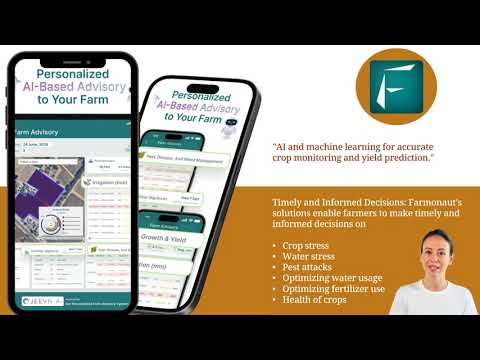
Personalized, expert crop management advice and weather forecasts, tailored to the Ethiopian growing context, help anticipate challenges and enhance sector productivity. -
Blockchain-Based Traceability:
Farmonaut’s traceability tools (learn more about traceability) let Ethiopian farmers assure international buyers of product origin and safety—vital for boosting value and opening new export markets. -
Fleet, Resource & Forest Management:
Manage agricultural logistics efficiently and monitor resources, including fleet management for agribusinesses and forest advisory for ecosystem health. -
Carbon Footprinting:
Track and reduce emissions in line with climate policy goals, both at the farm and enterprise scale (see carbon impact services).
Farmonaut’s mission is to make precision agriculture affordable and accessible—supporting everyone, from smallholder farmers to government agencies and corporate supply chains. With easy sign-up, API integration, and comprehensive app support, Ethiopian agriculture is better equipped than ever to face future challenges and seize new opportunities.
Discover scalable subscription options for every farm:
Start your journey towards smarter, sustainable farming in Ethiopia with Farmonaut today!
FAQs About Ethiopia’s Agriculture Sector
1. What are the main crops grown in Ethiopia?
Ethiopia’s major crops include coffee (Ethiopian coffee production is world-renowned), teff, maize, wheat, sorghum, pulses, and oilseeds. Diverse agroecological conditions support a broad array of products for local consumption and export.
2. How does agriculture contribute to the Ethiopian economy?
It contributed about 35% of GDP in 2024 (World Bank) and about 62% of jobs, and coffee is the largest single export earner (Britannica). Agriculture is integral for both economic development and rural livelihoods.
3. What challenges are Ethiopian farmers facing?
Major challenges facing Ethiopian farmers include climate change (drought and erratic weather), land degradation, poor access to modern inputs, limited rural infrastructure, and post-harvest losses.
4. What sustainable initiatives are underway?
Key initiatives range from improved irrigation and conservation agriculture to agro-industrial park investments, climate adaptation strategies (like SCALA), and technology adoption via satellite monitoring and AI advisory tools.
5. How does Farmonaut support Ethiopian agriculture?
Farmonaut empowers Ethiopian farmers, agribusinesses, and government agencies with satellite-based crop monitoring, AI advice, blockchain traceability, and carbon footprint tools—enabling sustainable, data-driven farm management and transparent supply chains.
6. Where can I access Farmonaut?
Farmonaut is available via Android, iOS, web/browser app, and API—designed for ease of use and scalability.
The agriculture sector in Ethiopia is on the brink of a new era. Join us in shaping a future that is more robust, sustainable, and prosperous for all.
Discussion
Questions, corrections or field experience? Share them below. First-time comments are reviewed before they appear, and your email is never published.
No comments yet. Be the first to add a question or your experience.

 BeyondTech Global
 Consulthink Global
 Rouge VC
 Yutz Automation
 AgroGreen Dynamics
 AgroRisk
 Oath Inc
 Reddane Farming
 Esri North East Africa
 Cresol
 Atur Kuliner
 MDCV UK
 Zerella Group
 Etech Consulting Madagascar
 Vestlandsforsking
 Delicio
 WB Dev
 Sama Premium
 Prochecker
 Tres Valles
 LACOS Geoinformation
 Magrifly
 LatConnect 60
