

10 Agriculture Career Options & Agribusiness in Ghana: Top Opportunities for 2025 & Beyond
“By 2025, Ghana’s agribusiness sector is projected to create over 150,000 new jobs in key agricultural fields.”
Ghana’s Agriculture & Agribusiness Sector: The Backbone of the Economy
Agriculture remains the backbone of Ghana’s economy, employing nearly half the population and contributing significantly to the country’s GDP. With advancements in technology, strong government interventions, and increasing international investments, Ghana’s agriculture sector is evolving rapidly. As we approach 2026 and beyond, the landscape presents new, promising opportunities in agribusiness for both young professionals and experienced entrepreneurs.
- ✔ GDP Contribution: Agriculture is a principal pillar, influencing food security and export revenues.
- 📊 Data insight: Key crops like cocoa, palm oil, and cashew continue to dominate both domestic and international markets.
- ⚠ Risk / Limitation: Smallholder farmers, who form the majority, still face hurdles like soil degradation and cold storage inadequacies.
Key Insight Box
The drive towards modern agribusiness in Ghana is marked by demand for skilled professionals equipped with knowledge in biotechnology, digital data analysis, sustainable practices, and export-oriented production.

10 Career Opportunities in Agriculture & Agribusiness in Ghana for 2025
As we anticipate changes in rural economies and increased mechanization, 10 career opportunities in agriculture are poised to shape Ghana’s future in 2026 and beyond. These agriculture career options blend career stability with new, technology-driven roles, catering to local and export market needs.
1. Agronomist / Crop Scientist
Agronomists are critical specialists who innovate to improve crop yields, pest resistance, and sustainable farming techniques. Their expertise supports Ghana’s push towards food security and export crop development, including cocoa and palm oil. Agronomists often work in government agencies, private farms, or research institutions implementing precision agriculture and climate-smart farming.
- ✔ Key benefit: Enables farm systems to become more resilient and productive
- 📊 Data insight: Agronomists leveraging satellite data and AI analytics can increase yields by up to 20%.

2. Agricultural Extension Officer
Extension officers serve as the crucial bridge between research institutions and smallholder farmers. In Ghana, extension officers disseminate knowledge on improved farming methods, pest management, and post-harvest handling. Opportunities exist within governmental departments and NGOs championing rural agricultural development and knowledge transfer.
- ✔ Professional growth: Develop skills in teaching, communication, and rural technology adoption.
- ⚠ Common mistake: Overlooking the need for digital advisory tools that improve outreach efficiency.
Explore Farmonaut API for delivering field-based, satellite-driven advisories directly to Ghanaian farmers. See our API Developer Docs.
3. Agribusiness Entrepreneur
The agribusiness domain in Ghana spans from input supply (seeds, fertilizers, machinery) to food processing, cold chain logistics, and marketing. In 2026, opportunities abound in setting up agro-processing ventures (e.g., transforming cassava into gari or palm oil for export), operating retail agro-input stores, or managing commercial storage facilities. Entrepreneurs can leverage new blockchain traceability systems to enhance transparency and credibility of Ghanaian agricultural products.
- ✔ High growth sector: Local consumption and global demand make Ghana’s agribusiness scene lucrative.
- ⚠ Risk: Failure to invest in storage and digital traceability can hinder export market access.

4. Agricultural Engineer
As Ghana advances irrigation and mechanization, agricultural engineers design, develop, and maintain farm machinery and infrastructure. These professionals implement tailored large-scale farm management systems to optimize efficiency and reduce labor costs, especially for crops like cassava, rice, and maize.
- ✔ Innovation: Localized irrigation and mechanization tools boost productivity for various crop systems.
- 📊 Data Insight: Automation and digital equipment monitoring cut farm input costs by at least 15%.

5. Soil and Plant Scientist
Soil scientists address soil degradation challenges across Ghana’s diverse agro-ecological zones. Their research and advisory role supports sustainable land management, helping farms select suitable fertilization methods and improve crop output. High demand for such specialists remains, especially as Ghana prioritizes precision soil data for commercial farms.
- ✔ Eco-friendly practices: Drive adoption of conservation agriculture and sustainable fertilizer usage.
6. Agroforestry Specialist
As Ghana focuses on climate adaptation, agroforestry specialists design and implement systems that integrate trees, crops, and sometimes livestock. These roles are vital to reforestation and rural income diversification, combining ecology with practical farming techniques for improved resilience.
- ✔ Climate-smart: Agroforestry improves biodiversity and enhances farmer incomes sustainably.
- 🌳 Enhanced soil fertility
- 🌾 Increased crop yields under mixed systems
- 💧 Better water/humidity retention
- 🐄 Livestock shade and improved pasture
- 🌱 Carbon sequestration for climate mitigation
“Sustainable farming roles in Ghana have grown by 32% in the past three years, signaling rapid industry transformation.”
7. Farm Manager / Agribusiness Manager
Agribusiness managers and farm managers oversee large-scale farms or agri-enterprises. Their role involves production planning, financial oversight, human resource management, and marketing. With emerging commercial and contract farming models in Ghana, skilled managers ensure operational efficiency across the agriculture value chain.
- ✔ Key role: Ensures profitability, compliance, and optimal production strategies for farms and agribusiness enterprises.
- ⚠ Investor Note: In 2025, investors will prioritize managers with digital literacy and supply chain experience.
8. Food Security Analyst / Policy Advisor
Food security analysts assess risks in food production, advise on resilient strategies, and help shape public policy. In Ghana, such experts support government and international agencies in building robust supply chains and food emergency preparedness programs. The impact of climate change on Ghana’s food systems underscores the rising demand for these specialist roles.
- ✔ Strategic Impact: Shape national policies, direct investments, and guide public-private interventions for sustainable nutrition security.
- 📊 Data Insight: Robust policy analysis can cut post-harvest losses by up to 25%.

9. Agricultural Data Analyst
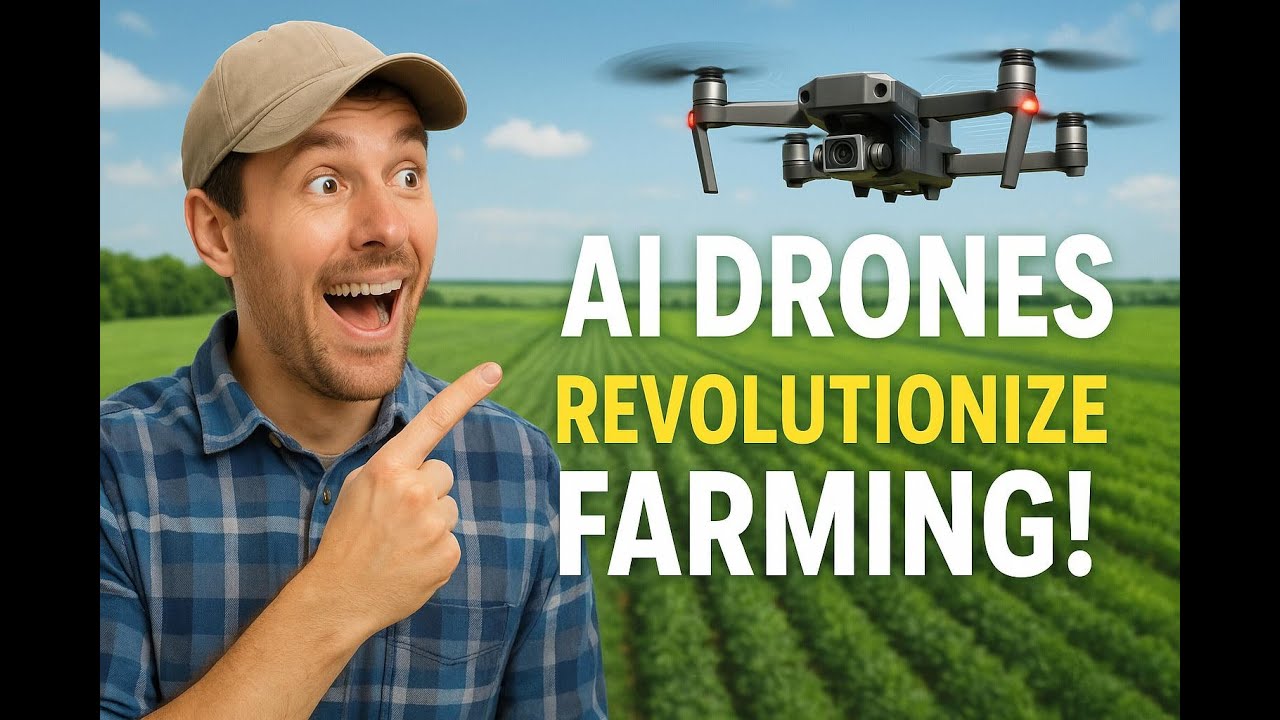
With the digital transformation of agriculture, data analysts play a pivotal role, analyzing big data from drones, sensors, and satellites to help optimize Ghanaian farms. They use AI tools to predict crop yields, monitor soil health, and recommend market-based strategies for maximizing profitability and efficiency.
- ✔ Modern Edge: Harness data science to drive evidence-based agricultural practices and smart resource use.
10. Organic Farming Specialist
The demand for organic food products, both within Ghana and for export markets, is rising sharply. Organic farming specialists develop protocols for organic crop and livestock production, oversee certification processes, and implement marketing strategies to meet international organic standards.
- ✔ Global Demand: Organic and fair trade markets open new business avenues for Ghanaian farmers and processors.
- ⚠ Common Mistake: Overlooking certification and export compliance can restrict access to premium markets.
Top 10 Agriculture Careers in Ghana (2025): Roles, Skills & Salary Estimates
| Career Option | Brief Description | Required Qualifications/Skills | Estimated Avg Salary (GHS/Year) | Industry Outlook (2025) |
|---|---|---|---|---|
| Agronomist / Crop Scientist | Improves crop yields, pest resistance, and soil health for optimized farming systems. | BSc/MSc Agronomy, crop science, data analytics, field research | ₵46,000–₵110,000 | Growing |
| Agricultural Extension Officer | Transfers improved practices and technology to smallholder farmers. | BSc Agric/Extension, communication, digital literacy | ₵35,000–₵64,000 | Growing |
| Agribusiness Entrepreneur | Leads agri-enterprise in processing, inputs, logistics, or exports. | Business/Entrepreneurship, supply chain, finance, marketing | Varies widely (₵40,000–₵500,000+ potential) | Highly Competitive |
| Agricultural Engineer | Designs farm machinery, irrigation, and infrastructure. | BSc/MSc Agricultural Engineering, mechanics, CAD, project management | ₵60,000–₵135,000 | Growing |
| Soil & Plant Scientist | Analyzes and manages soil for sustainability and productivity. | BSc/MSc Soil Science, field/lab research, GIS tools | ₵38,000–₵90,000 | Growing |
| Agroforestry Specialist | Integrates trees and crops/livestock for economic & environmental gains. | BSc/MSc Agroforestry, ecology, extension, implementation skills | ₵38,000–₵92,000 | Growing |
| Farm / Agribusiness Manager | Leads farm enterprises with strategic, operational, and financial management. | Degree in Agric/Bus. Admin, leadership, market strategy, HRM | ₵55,000–₵150,000 | Growing |
| Food Security Analyst / Policy Advisor | Studies trends & advises policy for food resilience & nutrition security. | Masters in Agric Policy/Economics, analytics, policy writing | ₵72,000–₵160,000 | Growing |
| Agricultural Data Analyst | Analyzes field, weather & supply chain data for strategic decisions. | Data science, GIS, Python/R, AI/ML, agriculture expertise | ₵54,000–₵135,000 | Growing |
| Organic Farming Specialist | Guides organic crop/livestock production, certification, & export compliance. | Agroecology, standards/certification, market development | ₵39,000–₵100,000 | Growing |



Emerging Industry Trends & Agribusiness Opportunities in Ghana (2025+)
The next decade will see Ghana’s agriculture sector shaped by a blend of technology, sustainability, and new business models. Agribusiness opportunities in Ghana are expanding, especially in:
- ✔ Agro-processing industries: Adding value to local raw materials for higher profitability.
- ✔ Cold storage and logistics: Efficiently storing and transporting crops, reducing post-harvest losses by up to 40%.
- ✔ Input supply enterprises: Providing certified seeds, crop protection, fertilizers, and machinery to local farmers.
- ✔ Export crop production: Leveraging demand for cocoa, cashew, shea nuts, and more.
- ✔ Digital agriculture platforms: Delivering advisory services, finance, and market access via mobile/web.
Investor Note Box
Technologies facilitating carbon footprinting & traceability (learn more) are now key requirements in Ghana’s export markets and should be prioritized in all scaling agribusiness ventures.

- 🚚 Fleet management for agri-logistics (see Fleet Management Solutions)
- 🌐 Blockchain for transparency (Traceability Product)
- 📱 Digital extension services for remote farmer support
- 🛰️ Remote sensing & satellite-based crop insurance (Crop Loan & Insurance)
- 🌱 Resource management with AI-powered analytics
The Role of Digital Agriculture & Satellite Technology: Reimagining Careers
Cutting-edge digital agriculture tools are transforming how farmers and agribusinesses operate in Ghana. At Farmonaut, we empower users with satellite-driven insights covering crop monitoring, soil analysis, resource tracking, and environmental compliance.
- ✔ Real-time crop monitoring: NDVI-based satellite imagery helps optimize resource use and preemptively tackle pest or disease outbreaks.
- ✔ Blockchain traceability: Establishes transparent, fraud-proof supply chains for local and export markets.
- ✔ Carbon footprint monitoring: Provides data for regulatory compliance, essential for modern agribusiness and eco-labeling.
- ✔ AI-based advisory: Tailored recommendations for every phase—sowing, fertilization, irrigation—supporting both smallholders and commercial managers.
Pro Tip:
Digital literacy and an understanding of AI and satellite-based solutions are increasingly important for career progression in Ghana’s agriculture sector. Check out our Agro Admin App for managing farms of all sizes effectively from your device.

Stay updated on satellite and AI tools—skills in remote sensing, data analytics, and blockchain verification will put you at the forefront of agriculture career options in Ghana for 2026 and beyond.
Common Mistake Box
Failing to verify farm traceability and carbon footprints is a major barrier for Ghanaian exports to premium global markets. Modernize your agribusiness today with secure, data-backed solutions.
Strategies for Launching & Advancing Your Agriculture Career in Ghana
- ✔ Obtain practical training: Internships and on-field projects add critical experience.
- ✔ Embrace digital skills: Acquire expertise in data analytics, satellite platforms, and mobile farm management apps.
- ✔ Follow market trends: Stay updated on export requirements and traceability expectations in cocoa, cashew, and palm oil sectors.
- ✔ Network widely: Connect with industry stakeholders at regional agriculture expos and online agribusiness communities.
- ✔ Pursue certifications: Organic, fair trade, and sustainable farming certifications enhance employability and market access.
Highlight Box: Important for Geospatial & Tech-Savvy Audiences
Careers intersecting with geospatial technology and satellite analytics—such as agricultural data analyst, farm mapping specialist, and supply chain manager—are among the fastest-growing roles in Ghana’s agribusiness landscape for 2025–2026.
With this momentum, our Agro Admin App enables you to visualize and manage large-scale farms using satellite imagery—fueling your business or research with precision, efficiency, and scale.
Frequently Asked Questions: Agriculture Career Options & Agribusiness Opportunities in Ghana
Q1. What agriculture careers are in highest demand for 2026?
Agronomist, agricultural data analyst, extension officer, agribusiness manager, and agroforestry specialist are forecasted to be in highest demand, driven by technological advancement, the need for food security, and Ghana’s export ambitions.
Q2. Is digital literacy required for modern agriculture roles in Ghana?
Yes, digital skills are increasingly vital. Knowledge of data analytics, satellite monitoring, and mobile platforms can accelerate career growth and unlock new agribusiness opportunities.
Q3. How does Farmonaut support Ghanaian farmers, experts, and agribusiness owners?
We provide affordable, satellite-driven solutions for crop monitoring, resource management, traceability, and blockchain validation—enabling users to make better decisions, comply with global standards, and scale operations efficiently.
Explore our web/mobile app.
Q4. What are the critical skills for working in agribusiness in Ghana?
Candidates need a blend of agricultural sciences, business management, digital/data analytics, communication, and a deep understanding of modern export and certification systems.
Q5. Where can I learn more about satellite-supported farm management in Ghana?
Visit our carbon footprinting and fleet management product pages for detailed insights tailored to Ghana’s agricultural context.
Resources & How to Get Started: Next Steps for Ghana’s Future Agribusiness Leaders
- 🚀 Explore career paths: Research top agriculture degrees at Ghanaian universities and technical institutes.
- 📈 Stay informed: Follow Ghana’s Ministry of Food and Agriculture for sector news, government programs, and funding opportunities.
- 🤝 Get practical: Pursue internships or apprenticeships in commercial farms, research organizations, or agribusiness enterprises.
- 🛰️ Experience technology: Try out our Farmonaut web/mobile apps for satellite-based farm management.
- 🔗 Discover agribusiness financing: Learn how digital verification systems support access to crop loans & insurance in Ghana.
Conclusion: Shaping Your Future in Ghana’s Agriculture Sector
Ghana’s agriculture and agribusiness sector is at a turning point—evolving rapidly due to technology, sustainability mandates, and shifting global trends. The 10 career opportunities in agriculture outlined here are designed to help you explore, adapt, and excel in one of the most resilient industries within the Ghanaian economy. From agronomists and digital analysts to agribusiness entrepreneurs and organic farming specialists, the potential for profitable, impactful careers remains stronger than ever.
At Farmonaut, we champion affordable, satellite-powered solutions that empower Ghana’s farmers, agribusiness leaders, researchers, and government agencies with actionable data, transparency, and sustainability insights. The future of agriculture in Ghana is digital, sustainable, and brimming with new opportunities for the next generation of professionals.
Are you ready to take your career or business to the next level in Ghana’s agriculture sector?
Start by building your knowledge, embracing technology, and connecting with forward-thinking platforms like Farmonaut—the bridge between traditional know-how and next-generation farm management.
The most promising agriculture career options in Ghana for 2025–2026 will merge field expertise with digital fluency and a commitment to sustainability. Chart your course now—opportunity awaits!
Discussion
Questions, corrections or field experience? Share them below. First-time comments are reviewed before they appear, and your email is never published.
No comments yet. Be the first to add a question or your experience.

 Deepak Fertilisers & Petrochemicals
 Sapoznick Farms
 Agrotoken
 Blue BearX
 Insignito
 Croptimum
 DnCubed
 Field Capacity
 Indosistim Teknologi
 Liquify Digital
 CU Foods
 BeyondTech Global
 Rouge VC
 AgroGreen Dynamics
 AgroRisk
 Oath Inc
 Reddane Farming
 Esri North East Africa
