

5 Agriculture Jobs 2025: Top Agricultural Jobs, Skills & Tech Trends Shaping the Future
“By 2025, data analysts in agriculture are expected to see a 30% rise in job demand due to agri-tech innovations.”



Agriculture Jobs 2025: The Future-Oriented Outlook
The agriculture sector is undergoing a significant transformation as we approach 2025. With the global population continuing to grow and climate change posing new challenges to food security, the demand for innovative, skilled professionals is at an all-time high. 5 agricultural jobs in 2025 represent a blend of emerging technology, sustainability initiatives, and a renewed focus on efficient production systems.
This article explores five key agricultural jobs poised to grow rapidly, highlighting top skills, industry trends, and the importance of these roles in shaping a more sustainable future. We will delve into how advancements like data analytics, AI, IoT, precision farming, and blockchain are revolutionizing traditional farming practices, and discuss how professionals can prepare for a successful career in the evolving agriculture industry.
Why Agriculture Top Jobs Are Crucial for 2025 & Beyond
- ✔ Population Surge: With the global population expected to exceed 8.5 billion by 2030, scalable, efficient food production is imperative for societal stability.
- 📊 Climate Challenges: Climate change increases the risk of crop failures and shifts in arable land, making adaptable professionals indispensable.
- ⚠ Resource Constraints: Water scarcity, soil degradation, and environmental regulations require data-driven decision-making in agriculture.
- 💡 Technological Advancements: The adoption of technology (satellites, AI, drones, and IoT) is redefining day-to-day farming operations and workforce skills.
- 🌱 Sustainability Goals: Governments and consumers are increasingly prioritizing sustainable, transparent supply chains in agriculture and food industries.
Comparative Job Overview Table: Agriculture Jobs 2025
| Job Title | Core Responsibilities | Estimated Median Salary (2025, USD) | Required Skills (Top 2-3) | Projected Demand (2025) | Tech/Innovation Focus |
|---|---|---|---|---|---|
| Precision Agriculture Specialist | Analyze data from drones, satellites, and sensors to optimize crop yields and resource efficiency. | $83,000 | Data Analytics, GIS, Drone Operation | High | Precision Agriculture, Remote Sensing |
| Agronomist | Develop and implement sustainable crop management systems; advise on soil, pest, and disease management. | $78,500 | Soil Chemistry, Pest/Disease Management, Communication | Growing | Crop Science, Sustainability, Climate Adaptation |
| Agricultural Engineer | Design, develop, and maintain farm machinery and automation systems; implement smart and renewable tech. | $85,000 | Engineering, Robotics, Renewable Energy | High | Automation, Robotics, Energy-Efficient Design |
| Farm Management Consultant | Guide farms in strategic planning, technology adoption, and compliance with sustainability standards. | $92,000 | Business/Agri-Economics, Data Interpretation, Planning | Growing | Smart Farm Operations, Tech Integration |
| Soil Scientist | Analyze soil and ecosystem health; contribute to sustainable soil management and carbon sequestration. | $74,000 | Soil Chemistry, GIS, Research | High | Soil Health, Carbon Farming, Remote Sensing |
“Over 60% of emerging agriculture jobs in 2025 will require advanced skills in precision farming and smart technology use.”
1. Precision Agriculture Specialist: Revolutionizing Modern Farming
Precision Agriculture Specialists are at the forefront of the technological revolution in agriculture. Their role is to leverage data analytics, GIS, drone technology, and IoT devices to monitor and enhance farm productivity. These professionals analyze soil data, weather patterns, and crop health information—all crucial to maximizing yields and minimizing resource wastage.
- ✔ Key Skills: Data analysis, GIS operation, drone operation, agronomy, and familiarity with agricultural software.
- 💡 Impact: Improving decision-making, optimizing fertilizer/water use, and reducing environmental impact.
- 📊 Core Technologies: Remote sensing, AI-based interpretation, and real-time data platforms for monitoring crop and resource health.
- 🌱 Resource Management: Precision Agriculture Specialists play a pivotal role in implementing techniques that conserve water, fertilizers, and energy.

Precision Agriculture is expected to reduce input costs by up to 35% and increase yields by more than 20% on optimized farms. This efficiency not only enhances profitability but also strengthens sustainable farming practices and food security worldwide.
How Technology Drives the Specialist’s Role
- ✔ Drone Monitoring for crop and soil vitality assessment.
- 📊 Satellite Imagery utilization for large-scale field mapping and prediction of yield variations.
- 💹 Internet of Things (IoT) device connection—from soil sensors to smart irrigation systems—for real-time resource tracking.
With agriculture jobs 2025 focusing strongly on data utilization and technological integration, Precision Agriculture Specialists will be essential to farms striving for sustainability, higher yields, and compliance with environmental footprint monitoring and reporting requirements.
2. Agronomist: The Science of Sustainable Crops
An Agronomist blends the science of crop production and soil management to drive sustainable farming practices. The agronomist’s role is increasingly critical as global food systems seek higher yields with less environmental damage.
- ✔ Key Skills: Plant biology, soil chemistry, pest and disease management, research, farmer communication.
- 🌍 Environmental Impact: Developing climate-resilient crops and organic farming methods to withstand shifting weather patterns.
- 🧬 Crop Genetics: Advising breeding for high-quality, disease-resistant, drought-tolerant crops.
- 🙌 Collaboration: Working directly with farmers to implement best management practices, leading to higher crop quality and resilient agricultural systems.

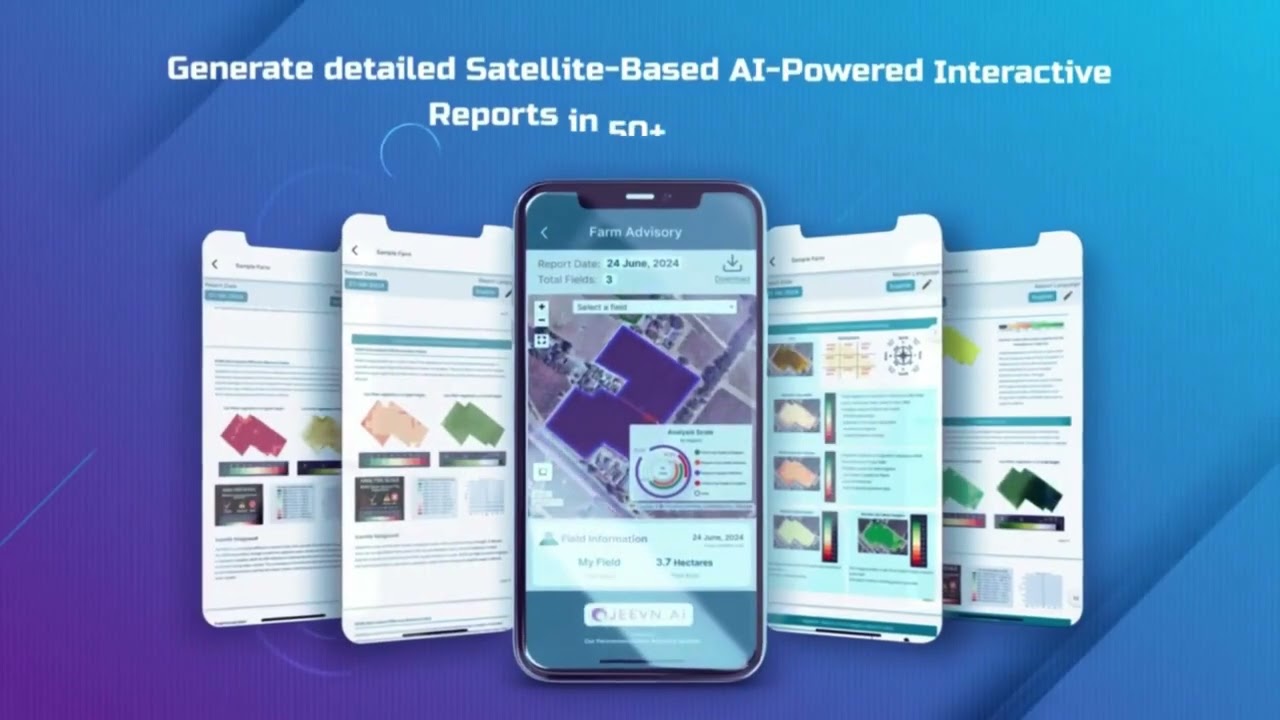
Agronomists with advanced GIS and data analytics skills will be much more valuable to farms leveraging technologies like Farmonaut’s satellite crop monitoring for precision pest management and soil health assessment.
Key Focus Areas in Agronomy for 2025
- ✔ Soil Analysis: Detailed monitoring for nutrient balance and erosion risks.
- 📊 Climate Adaptation: Guiding the transition to climate-smart agriculture.
- ⚠ Pest/Disease Management: Developing integrated strategies (IPM) for minimal chemical input and environmental protection.
The Agronomist’s bridging of research and practical application is instrumental in overcoming today’s agricultural challenges. Their expertise supports sustainability, resilience in food systems, and compliance with stricter environmental regulations.
Many farms still overlook soil testing and fail to adapt to smart farming best practices. Agronomists should emphasize regular monitoring using modern large-scale farm management tools to maximize yield and minimize resource waste.
3. Agricultural Engineer: Innovating Sustainable Farm Infrastructure
A Agricultural Engineer merges mechanical, electrical, and environmental engineering with agricultural needs, designing and maintaining machinery, automated systems, and renewable energy solutions. As farm operations grow increasingly complex in 2025, engineers will be essential in integrating robotics and remote monitoring.
- ✔ Key Skills: Mechanical/electrical engineering, robotics, renewable energy knowledge, system design, complex problem-solving.
- 🤖 Automation: Design and implement autonomous machinery (tractors, harvesters) and smart irrigation systems.
- 💡 Energy Solutions: Develop solar-powered pumps, wind turbines, and energy-efficient building techniques to lower costs and carbon footprint.
The market for robotics and automation in agriculture is projected to surpass $15 billion USD by 2026. Engineers specializing in smart systems, drones, and renewable energy solutions will notice high employability and entrepreneurship opportunities in this domain.
2025 Trends in Agri-Engineering
- ✔ Smart Machinery: GPS-guided tractors, AI-driven monitoring vehicles, and real-time telematics for predictive maintenance.
- ⚡ Energy Transition: Rapid adoption of solar and alternative energies to comply with carbon reduction and reporting standards.
Agricultural Engineers are fundamental to implementing precision, sustainability, and operational efficiency on farms worldwide. Their work ensures regulatory compliance, supports smart automation, and amplifies climate resilience in food production.

4. Farm Management Consultant: Catalysts for Sustainable Success
In an era of rapid transformation and increasing complexity in farming operations, Farm Management Consultants have become essential. Their focus is on advising agricultural businesses for optimal operations management, smart technology adoption, and financial sustainability.
- ✔ Key Skills: Agricultural economics, business management, data interpretation, communication, strategic planning.
- 👨💼 Operational Guidance: Consultants assist farmers with resource allocation, financial planning, compliance, and new technology integration.
- 🌎 Environmental Standards: Supporting clients in adhering to global & local sustainability mandates.
- 📈 Market Analysis: Identifying profitable crops, guiding clients on market trends and risk management.

Consultants fluent in interpreting satellite-derived agricultural data are increasingly relied upon for farm resource optimization and verifying compliance with blockchain-enabled traceability in food supply chains.
Farm Management Consultant Use Cases (2025)
- ✔ Data-Driven Decision Making: Leveraging apps and satellite data for strategic operations and efficient resource management.
- 📊 Compliance Support: Guiding farms through carbon reporting, traceability, and sustainable certification processes.
- 💼 Financial Resilience: Advising on crop loan and insurance verification using remote monitoring.

Consultants who stay updated with AI-driven advisory systems (like Farmonaut’s Jeevn) will provide actionable, real-time field insights, attracting modern farming enterprises seeking an operational edge.
5. Soil Scientist: Foundations of Food Security & Sustainable Growth
The role of a Soil Scientist underpins future agricultural productivity and environmental health. These professionals assess, analyze, and develop methods to improve soil quality, address degradation, and implement carbon sequestration—critical as challenges like erosion and biodiversity loss mount.
- ✔ Key Skills: Soil chemistry, environmental science, lab skills, GIS, and advisory capabilities.
- 🌱 Soil Health Monitoring: Ongoing assessment using remote sensing, satellite imagery, and lab data.
- 🚨 Climate Mitigation: Identifying and recommending agricultural practices that enhance carbon storage in soils.
The focus on soil regeneration, carbon farming, and environmental stewardship will drive an increased demand for Soil Scientists—both in direct agricultural roles and in consultancy for infrastructure, mining, and environmental monitoring sectors.
The Expanding Scope of Soil Science Careers
- ✔ Monitoring Degradation: Identifying risks and proposing remediation for erosion, salinization, and pollution.
- 📊 Carbon & Nutrient Mapping: Supporting food system sustainability and compliance with carbon footprint reporting standards.
- ⚙ Advisory & Extension: Educating farmers and agri-businesses on regenerative and climate-hardy practices.
With soil fertility declining globally, certified Soil Scientists with both digital and field skills are being sought after for food security projects, large-scale farm consulting, and environmental monitoring assignments worldwide.
Top Skills & Trends Shaping Agricultural Careers in 2025
- 📊 Digital/Data Proficiency
- 🔬 Soil & Plant Science
- 🛰 Satellite Remote Sensing
- 🤝 Communication & Advisory Skills
- 🤖 Automation & Robotics Engineering
- 🌱 Sustainability & Environmental Planning
The 2025 agricultural job market places high value on professionals with strong digital skills—from data analysis and GIS software to AI-driven agronomy platforms and real-time decision tools.
Bullet List: 5 Facts on Agricultural Jobs & Industry Trends
- ✔ The vast majority of agricultural top jobs in 2025 will require a blend of traditional knowledge and advanced technology proficiency.
- 📊 Data analytics is the fastest-growing skillset, underpinning precision farming, supply chain traceability, and advisory services.
- ⚠ Soft skills like communication, strategic planning, and interdisciplinary teamwork are now listed as “essential” across job boards.
- 💹 Blockchain-based traceability and carbon footprinting are becoming mainstream requirements for agriculture professionals worldwide.
- 🌍 Remote monitoring and digital advisory apps are making farm operations more efficient and reducing the urban-rural knowledge gap.
The Role of Technology & Sustainability in Agriculture
Technology is at the heart of the transformation shaping agriculture top jobs in 2025 and beyond. The integration of AI, remote sensing, IoT, blockchain, and big data analytics is enabling:
- 🌐 Real-time, Farm-Wide Monitoring
- 🧠 Smart, Predictive Analytics
- 🔗 Blockchain-Enabled Data Integrity
- ⚡ Automation for Resource Optimization
- 🌱 Environment & Sustainability Monitoring
Sustainability is not just a trend—it’s a fundamental goal driving industry-wide change, unlocking new career paths and rewarding professionals who combine scientific knowledge with passion for the planet.
Key Callouts, Bullet Points & Visual Highlights
Focusing exclusively on technical data while overlooking direct farmer engagement can undermine adoption of new systems. Modern jobs demand strong communication and change management skills as well as technical expertise.
Leverage Farmonaut’s API for satellite-based crop and soil data to build advanced digital tools and advisory apps—see the developer docs here to get started.
Diversification into fleet management and multi-site agricultural fleet tracking brings significant operational savings—especially for large-scale farms and mining operations planning for the future.
Farmonaut: Data & Technology Empowering Modern Agriculture
At Farmonaut, we’re committed to democratizing access to satellite-driven data and AI tools for agriculture, mining, and infrastructure sectors globally. Our platform delivers real-time monitoring, actionable advisory systems, blockchain-based traceability, and robust resource management. Through cost-effective digital solutions, we enable farmers and businesses worldwide to thrive in a rapidly evolving industry.
- ✔ Value Proposition: Affordable, scalable solutions for users of all sizes.
- 📊 Product Use Case: Carbon footprinting with satellite insights enables evidence-based carbon reporting and compliance for eco-focused farms and mines.
- 🔗 Traceability: Blockchain traceability secures agricultural supply chains and enhances consumer trust.
- 🚜 Agriculture Fleet: Fleet management provides operational agility, lowers fuel and maintenance costs, and helps scale modern agricultural enterprises.
- 🌱 Large-Scale Operations: Farm management tools for large farms make strategic planning and resource allocation simple and data-driven.
FAQs: Agriculture Jobs 2025 & Futurist Insights
- 1. What are the top 5 agricultural jobs for 2025?
- The 5 agricultural jobs most in demand for 2025 are: Precision Agriculture Specialist, Agronomist, Agricultural Engineer, Farm Management Consultant, and Soil Scientist. Each of these roles blends technology, data, and sustainability strategies for modern agriculture.
- 2. Which skills will I need for future careers in agriculture?
- In addition to classic agronomy and engineering skills, future roles emphasize data analytics, GIS, remote sensing, programming/automation, advisory, and environmental science. Soft skills like communication and planning are also increasingly required.
- 3. What technological advancements should I be aware of?
- AI tools for crop and weather prediction, drones, satellite-based monitoring, IoT devices for real-time data collection, and blockchain for transparent supply chains—these are critical in modern agriculture jobs 2025 and beyond.
- 4. How is climate change affecting agriculture jobs?
- Climate change drives demand for professionals specializing in sustainable farming, resource-efficient management, and carbon footprint tracking. Adapting to erratic weather, soil degradation, and shifting regulatory requirements is now core to most roles.
- 5. Where can I access satellite-driven agricultural data and tools?
- We at Farmonaut offer cost-effective satellite-driven solutions and APIs for agricultural professionals, consultants, and developers. Access our app here and developer APIs here.
Conclusion: Future-Proofing Agriculture Careers With Data, Technology & Sustainability
The 5 agricultural jobs set to define 2025 are changing rapidly—driven by technological advancements, global sustainability mandates, and the pressing need for increased food production. Careers for Precision Agriculture Specialists, Agronomists, Agricultural Engineers, Farm Management Consultants, and Soil Scientists offer significant personal and societal impact.
As new roles emerge, skills in data analytics, precision systems, environmental management, and interdisciplinary collaboration will become ever more valued. Those interested in pursuing a career in agriculture should blend their passion for science and sustainability with an openness to technology and lifelong learning.
The future of agriculture is fast-evolving and full of opportunity; becoming part of it means playing an instrumental role in feeding our world, supporting climate resilience, and creating economic growth in both rural and urban centers.
Discussion
Questions, corrections or field experience? Share them below. First-time comments are reviewed before they appear, and your email is never published.
No comments yet. Be the first to add a question or your experience.

 M11 Agri
 Sapoznick Farms
 Agrotoken
 Blue BearX
 Insignito
 Croptimum
 DnCubed
 Field Capacity
 Indosistim Teknologi
 Liquify Digital
 CU Foods
 BeyondTech Global
 Rouge VC
 AgroGreen Dynamics
 AgroRisk
 Oath Inc
 Reddane Farming
 Esri North East Africa
 Licence holder · Niger · Gold










