

Agriculture Employment: Opportunities & Challenges 2026
Summary: Agriculture Employment in 2025: Navigating Opportunities and Challenges
Agriculture remains the critical backbone of many global economies, securing food and livelihoods for millions. As we look toward 2025 and beyond, agriculture employment is experiencing transformative trends—technological evolution, sustainability imperatives, and shifting workforce dynamics—that demand new strategies, skills, and inclusive approaches. Understanding the current landscape and anticipating what lies ahead is vital for those invested in the sector’s growth and resilience.
“By 2025, agriculture could generate 20% more tech-focused jobs due to rising automation and data-driven practices.”
Table of Contents
- Current Trends in Agriculture Employment: Setting the Stage for 2026
- Technological Impact & Skill Transformation in Agriculture
- Sustainability, Climate Change & Employment
- Inclusion, Gender & Social Dimensions in Agriculture Employment
- Comparative Trends Table: Agriculture Employment by Segment 2025–2026
- Key Opportunities & Emerging Roles by 2026
- Major Challenges: Navigating Transitions in Agriculture Employment
- Future Outlook: Navigating the Path Forward
- Useful Resources for Modern Agriculture Employment: Farmonaut Solutions
- FAQs: Agriculture Employment – 2025, 2026 & Beyond
“The next generation of agriculture employment requires adaptive skills, digital literacy, and sustainability awareness—not just traditional farming know-how.”
Current Trends in Agriculture Employment: Setting the Stage for 2026
The agriculture employment landscape remains fundamental—globally, it still employs a significant portion of the workforce, especially in developing nations where up to 40–50% of all employment stems from agriculture in 2025. Despite ongoing urbanization, industrial growth, and shifting economic paradigms, farming continues as the primary source of income and livelihoods for millions, particularly across rural areas.
- ✔ Critical component of food security for many economies.
- 📊 40-50% workforce in developing nations directly tied to agriculture employment.
- ⚠ Rural-urban migration poses notable challenges for sustaining traditional agriculture employment.
- ✔ Diverse roles: from subsistence farming to large-scale commercial operations, including cultivation, livestock rearing, agro-processing, and farm management.
- ✔ Sustainable practices and technological integration are rapidly shaping the agriculture sector in 2025 and 2026.
But as the sector faces transformative changes, new opportunities and challenges constantly emerge—driven largely by technological advancements, increased environmental pressures, and evolving social dynamics. Understanding these developments is essential to effectively address and shape the future of agriculture employment.

- 🌾 Traditional farming: Continues as a vital rural job provider, but faces mechanization pressures.
- 🤖 Agri-tech adoption: Increases demand for digital skills, precision agriculture, and remote monitoring tech.
- 🌱 Sustainability roles: Rise of climate-smart agriculture, regenerative practices, and conservation employment.
- 👩🔬 Research & analysis: Growing need for experts in soil, crop, and data science for decision support.
- ⚖ Inclusion: Empowering women and marginalized groups within the agricultural workforce.
Monitor sectoral trends and reassess your skills every 18 months to stay competitive in the evolving agriculture employment market.
Technological Impact & Skill Transformation in Agriculture
A notable shift influencing agriculture employment in 2025 and 2026 is the growing integration of digital technology and mechanization. The rise of precision tools, drones, AI-based monitoring systems, and automated machinery has ushered in both opportunities and challenges.
Manual tasks are declining, replaced by roles that require digital literacy, data analysis, and a strong understanding of equipment management. As these systems become embedded in daily operations, reskilling is not just an asset—it’s a necessity for the existing workforce.

Education and training programs have become essential to address the “skills gap.” We see a dual challenge:
- Reskilling: Helping existing agricultural workers upgrade their technical, data, and management skills as technology evolves.
- Attracting younger generations: Younger demographics, traditionally hesitant to pursue farming due to perceived instability and labor-intensive nature, now find more appeal in tech-driven, innovative opportunities.
With governments and private sector investment, workforce transformation is accelerating. Digital literacy, data analytics, equipment servicing, and agri-tech expertise will sit at the top of future employment requirements.
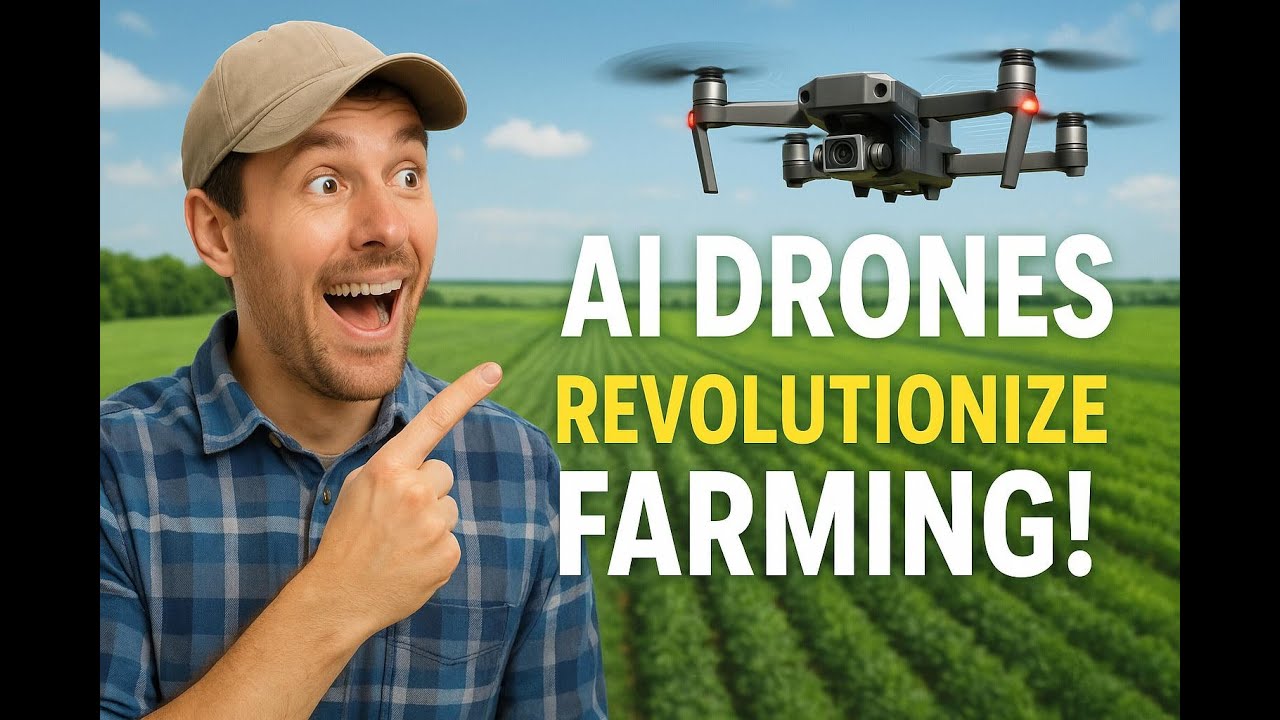
Investment into smart agriculture education (AI, drones, IoT) directly increases rural productivity and brings down long-term operating costs.
- 🔍 Skill demands: Data-driven roles, predictive analytics, climate science, equipment operation
- 🛰 Tech adoption: Satellite-based resource management, drone crop monitoring, automated fleet tracking
- 📚 Training: Ongoing digital upskilling, safety, environmental compliance, and social inclusion modules
- 💡 Opportunities for education: Certification programs, industry partnerships, remote learning platforms
- 💼 New roles: Agri-technologists, data managers, satellite imagery specialists, sustainability officers
The impact of technology stretches across all agriculture employment segments. From digital field assessments to integration of AI-based monitoring systems, and from implementing blockchain-based traceability to managing carbon footprint, the transformation is profound. For more on how digital tools like satellite-based monitoring and AI advisory systems are revolutionizing agriculture, explore Farmonaut’s platform, delivering actionable insights and resource management capabilities in real-time.



Assuming technology will replace all rural jobs; in reality, it reshapes roles and creates new employment opportunities for reskilled workers and tech-savvy youth.
Sustainability, Climate Change & Employment
The challenge of sustainable food production is intertwined with climate change, as erratic weather, soil degradation, and water scarcity threaten both farming viability and workforce stability. The adoption of sustainable practices—from organic production to conservation agriculture and regenerative models—has become essential for agricultural longevity and job creation.
Many roles require manual interventions alongside tech support, especially in implementing climate-smart solutions, agroforestry, and environmental monitoring. Employment opportunities are growing in resource management, environmental data analysis, and carbon accounting, with a premium on skills that blend traditional farming with scientific innovation.
“Sustainability initiatives may fuel a 15% increase in demand for skilled professionals by 2026 in the agriculture sector.”
Farm management is evolving fast—tools such as carbon footprint monitoring and blockchain-based product traceability (both offered through Farmonaut) provide transparency, help optimize resource use, and ensure compliance with sustainability regulations. This not only addresses environmental challenges but opens new avenues for rural employment and value chain upgrading.
- 🌱 Regenerative agriculture: Employs more workers per hectare than monoculture farming, creating resilient job networks.
- 🌏 Climate adaptation: New jobs in forecasting, monitoring systems, and resilience planning.
- 🔗 Traceability expertise: Roles in recording, validating, and auditing sustainable processes.
- 🌳 Agroforestry & conservation: Specialized jobs in planting, monitoring, and biodiversity stewardship.
- ⚡ Data-driven sustainability: Employment linked to environmental compliance, carbon credits, and digital resource mapping.

Comparative Trends Table: Agriculture Employment by Segment 2025–2026
| Employment Segment | 2025 Estimated Employment (%) | 2026 Projected Employment (%) | Key Opportunities | Major Challenges |
|---|---|---|---|---|
| Traditional Farming | 44% | 41% | Remote support roles, organic transition work, hybrid practice adoption | Aging workforce, declining youth interest, adaptation to technology |
| Agri-Tech | 21% | 25% | Precision farming, AI & drone operations, data analytics, satellite imagery analysis | Skills gap, high upfront tech investment, training access |
| Sustainable Agriculture | 18% | 20% | Carbon accounting, conservation management, regenerative project oversight | Compliance complexity, climate risk, need for blended skills |
| Farm Management | 10% | 11% | Integrated digital management, remote sensing, logistics/fleet optimization | Complex tech ecosystem, privacy/data issues, training needs |
| Agro-Processing & Support Services | 7% | 8% | Supply chain management, product traceability, export market compliance | Supply volatility, traceability integration, regulatory shifts |
Inclusion, Gender & Social Dimensions in Agriculture Employment
In recent years, gender equality and social inclusion have become essential to shaping the future of agriculture employment. Women represent a significant segment—yet challenges persist around equitable access to resources, technology, and leadership roles. Policies and incentives now focus on empowering women farmers, facilitating microfinance, and promoting entrepreneurial projects within agriculture, particularly in rural areas.
Such programs do more than just diversify employment—they underpin sustainable community development, ensure resilient livelihoods, and help mitigate workforce shortages. Women’s cooperatives and targeted training create influential ripple effects, positioning agriculture as a more attractive career path for the next generation.
- ✔ Inclusive policies boost productivity, reduce poverty, and strengthen social fabric in agriculture employment.
- ⚖ Women’s leadership improves decision-making and drives innovation across the value chain.
- 🌍 Marginalized communities gain access to education, land, and technology—expanding employment diversity in the sector.
- 📝 Continuous training in digital skills and sustainability for all workforce segments supports equitable growth.
- 🏆 Social enterprises create new roles focused on local food security, nutrition, and value addition for underserved populations.
Expanding gender and social inclusion in agriculture employment improves resilience and drives sustainable outcomes for communities worldwide.
Key Opportunities & Emerging Roles by 2026
The 2026 agriculture employment landscape will offer new roles at the intersection of technology, sustainability, and community development. Here are the top opportunities and high-growth roles across the sector:
- 🤖 Agri-tech specialists: From drone pilots to AI analysts, digital field data managers, and IoT equipment technicians.
- 🛰 Remote sensing professionals: Satellite imagery interpreters, resource managers, and environmental data scientists.
- 🌱 Sustainability officers: Experts tracking carbon footprints, leading regenerative agriculture transitions, ensuring eco-compliance.
- 👩🎓 Education and training facilitators: Promoting inclusive digital upskilling, climate adaptation, and sustainable best practices.
- 🏆 Community inclusion leaders: Champions for gender equity, rural entrepreneurship, and social enterprise innovation.
Platforms like Farmonaut (large-scale farm management) empower users with real-time satellite monitoring, AI-based crop advisory, resource/fleet management, and blockchain traceability—essential tools for future-facing employment. Farmonaut’s APIs (API | Developer Docs) also allow seamless integration for greater operational efficiency and scalability within businesses.
Major Challenges: Navigating Transitions in Agriculture Employment
Yet, as agriculture employment evolves, it faces notable challenges that must be strategically addressed for resilient growth:
- 📉 Labor shortages: Due to ongoing rural-urban migration and aging workforce in traditional sectors.
- 🌪 Market volatility: Fluctuating commodity prices and unpredictable trade dynamics impact job stability.
- 🔧 Skills gap: Rapid rise in digital technologies outpaces workforce adaptation in rural and developing areas.
- 🌡 Environmental risks: Climate change threatens crops, farm operations, and employment patterns year-to-year.
- 💸 Access to credit/insurance: Financial barriers impede modernization, especially for smallholders. Farmonaut’s crop loan and insurance verification tools provide affordable risk assessment and streamline financing.
Target certified training, satellite-based monitoring, and blockchain-based traceability to future-proof your agriculture employment prospects.
Future Outlook: Navigating the Path Forward
Looking ahead to 2026 and beyond, agriculture employment will require an agile, hybrid approach that balances technological innovation with social inclusion and environmental stewardship. Policymakers, business leaders, and communities must invest in rural infrastructure, education, and protection frameworks to foster lasting, equitable job growth.
- 🔗 Integration of AI, satellite monitoring, and blockchain improves decision-making and efficiency.
- 🌍 Expanded roles in sustainability, environmental monitoring, and traceability diversify rural job markets worldwide.
- 📚 Inclusive education ensures young workers and marginalized populations enter the sector with valuable skills.
- 💡 Transparent management assembles trust across supply chains, enabling higher-value market access and credibility.
- ⚖ Balancing innovation and tradition underpins robust, resilient, and future-ready agriculture employment models.
Satellite-driven resource management solutions empower large-scale agriculture, geospatial, and mining enterprises to reduce operational costs and meet environmental standards.
Farmonaut: Accessible Satellite Subscription for Every Scale
Whether you’re a farmer, agri-business, or rural institution, Farmonaut makes real-time satellite insights affordable and scalable. See our flexible subscription plans below:
Flexible subscription options—ideal for scaling up as operational complexity grows.
Useful Resources for Modern Agriculture Employment: Farmonaut Solutions
Navigating the modern agriculture employment landscape is easier with digital tools and actionable data. Here are resources and solutions from Farmonaut to support inclusive, sustainable, and efficient agricultural operations:
- 🌍 Carbon Footprinting: Quantify, monitor, and reduce your farm’s environmental impact—critical for future job profiles in sustainability and compliance management.
- 🎯 Product Traceability: Blockchain-powered tracking builds trust in supply chains and opens up new markets; roles in auditing and digital compliance are increasing rapidly.
- 🛡 Crop Loan & Insurance: Reliable, satellite-backed assessments streamline insurance and credit for rural and developing economies—vital for modern finance jobs.
- ⛟ Fleet Management: Maximize logistics and reduce cost with real-time vehicle usage data—jobs in logistics coordination and asset management are on the rise.
- 🚜 Large Scale Farm Management: Satellite-driven decision support, real-time analysis and planning for agricultural operations at every scale.
Leverage Farmonaut’s API and platform integrations for seamless, real-time operational oversight—API here and developer docs here.
FAQs: Agriculture Employment – 2025, 2026 & Beyond
What are the biggest opportunities for agriculture employment between 2025 and 2026?
Major opportunities lie in agri-tech—AI, drones, satellite monitoring—as well as sustainability roles (carbon accounting, regenerative practices), supply chain traceability, and inclusive farm management. Digital innovation is creating new job categories beyond traditional farming.
What skills will be most in demand for agricultural workers in 2026?
Top skill sets include digital literacy, data analysis, AI/equipment management, environmental compliance, sustainability, and inclusive leadership. Blending traditional know-how with modern technology is essential.
How can women and marginalized groups benefit from the changing agricultural employment landscape?
Targeted training, inclusive policies, and support for cooperatives and entrepreneurship are opening new roles for women and underrepresented groups. Increased access to education, technology, and finance makes agriculture employment more accessible and rewarding.
How do platforms like Farmonaut support future-ready agriculture employment?
Farmonaut delivers affordable, real-time satellite insights, management tools, AI-based advisory, and blockchain traceability—empowering users to optimize operations, improve sustainability, and gain a competitive edge in future job markets.
Where can I find training and digital upskilling for modern agriculture roles?
Seek out digital certification courses, government/NGO training programs, agri-tech company resources (like Farmonaut), and community colleges focusing on sustainable and technical agriculture practices.
The agriculture employment sector in 2026 and beyond will thrive when innovation, inclusion, and resilience are woven into every job, business, and rural community initiative—delivering on food security, prosperity, and sustainability for millions worldwide.
Are you ready to navigate the opportunities & challenges of 2026 agriculture employment?
Adopt new skills, champion sustainability, and embrace digital innovation. The future of food, security, and rural economies depends on it.
Discussion
Questions, corrections or field experience? Share them below. First-time comments are reviewed before they appear, and your email is never published.
No comments yet. Be the first to add a question or your experience.

 Andex
Andex AgroRangers
 FCF India
 Unifrutti Gulf
 Deluxe Conseil
 TVS Electronics
 BW Pipelines
 WICO
WICO Gen Chayat
 Chimera Innovation
 SkyHarvest
 Polaris Digitech
 Teledarbas
 Wild Oak Farm
 SFX
SFX
