

Dairy Farms in Kenya: Top 7 Trends Shaping 2025 Success
“Over 70% of Kenya’s smallholder farmers contribute to the nation’s dairy supply, driving industry transformation.”
Overview of Dairy Farming in Kenya
Dairy farms in Kenya continue to be a vital pillar of the agricultural economy. The sector stands out by contributing significantly to food security, employment, and rural development. With its favorable conditions in agro-climatic zones, Kenya manages to support a fast-growing local market and implements increasing government and private sector support. In 2025, the industry continues to evolve, presenting new opportunities and challenges—all of which will shape its future trajectory.
Dairy farming in Kenya is predominantly comprised of smallholder farmers who account for approximately 80% of total milk production. These farmers typically keep two to five cows, mainly indigenous breeds like the East African Zebu or improved crossbreeds designed to enhance yield and resistance to disease. Additionally, commercial farms exist, mostly near urban centers, and contribute substantially to national production through the use of advanced management systems and technology.



Key Focus Areas: Dairy Farms in Kenya, Trends, Technology, Feed Management, Market Systems, Breeds, Productivity
Dairy Farms in Kenya: Top 7 Trends in 2025
The following seven trends are shaping the success of dairy farming in Kenya for 2025 and beyond:
- Technology Adoption: Digital platforms, mobile services, satellite monitoring, AI advisory, and automation in dairy production.
- Sustainable Feed Management: Improved fodder crops, silage, rotational grazing, and innovative preservation techniques.
- Breeds & Genetics: Advanced artificial insemination, high-yielding exotic and crossbreeds, and genetic quality enhancement.
- Climate-Smart Practices: Water harvesting, resilient crop choice, strategies against drought and climate variability.
- Market System Modernization: Formalization of milk marketing, digital payments, value addition, and fair pricing mechanisms.
- Infrastructure & Cold Chain Development: Investment in bulk milk centers, refrigeration infrastructure, and transportation improvements.
- Policy Support & Private Investment: Government incentives, private sector expansion, and strategic development frameworks.
“By 2025, digital market platforms in Kenya’s dairy sector are projected to increase rural incomes by 15%.”
Trends Comparison Table: Dairy Farms in Kenya (2025)
| Trend Name | Description | Estimated 2025 Impact | Current Challenges | Notable Innovations or Solutions |
|---|---|---|---|---|
| Technology Adoption | Digital apps, remote satellite monitoring, AI advisories & automation in dairy operations | Boost in productivity by 15% and cost reduction by 8% | Limited digital literacy, initial investment costs | Mobile apps, Farmonaut’s satellite advisory, digital payment and info systems |
| Sustainable Feed Management | Integrated feed cropping, silage tech, rotational grazing, and preservation | Increase in milk yield by 12%, reduced feed shortages by 20% | Seasonal shortages, quality inconsistency, high feed costs | Improved Napier grass, crop residue use, climate-resilient feed systems |
| Breeds & Genetics | Use of artificial insemination and exotic/crossbreed upgrades | Herd productivity up by 14%, improved disease resistance | Limited extension service, high insemination costs | Affordable AI programs, mobile breeding extension, record-keeping |
| Climate-Smart Practices | Water harvesting, resilient crops and adaptive grazing | Reduced losses from drought by 18% | Low access to water tech, inadequate climate info | Rainwater tanks, smart weather advisories, diversified cropping |
| Market System Modernization | Digital marketing systems, formal milk collection, value add products | Rural incomes up by 15%, post-harvest losses down by 10% | Informal market dominance, price volatility | Bulk centers, e-payment systems, co-op digitalization |
| Infrastructure & Cold Chain | Bulk collection, refrigeration, efficient transport | Raw milk quality boost by 12%, market reach expansion | High infrastructure costs, power unreliability | Solar chillers, decentralized collection, cold fleet logistics |
| Policy & Private Investment | Government incentives, new financing tools, private sector growth | Credit access up by 17%, private investment up by 20% | Policy implementation lag, low awareness of investment tools | Subsidies, satellite-based loan verification, investment in extension |
Technology Adoption: Digital Evolution in Kenyan Dairying
The adoption of technology is revolutionizing dairy farms in Kenya. By 2025, mobile and web platforms empower farmers with extension services, up-to-date market information, and instant payments, dramatically reducing transaction costs and smoothing access to market systems. Digital apps provide vital advisory services on herd management, feed optimization, and disease prevention.
- Mobile phones: Ongoing penetration means nearly every smallholder has a direct line to market information and financial innovations.
- Satellite remote sensing: Precision monitoring of crops, pasture productivity, and water availability for planning.
- AI-powered advisory: Predicts optimal breeding, detects disease risks, and guides fodder allocation.
- Digital extension: Offers video, SMS, and WhatsApp support.
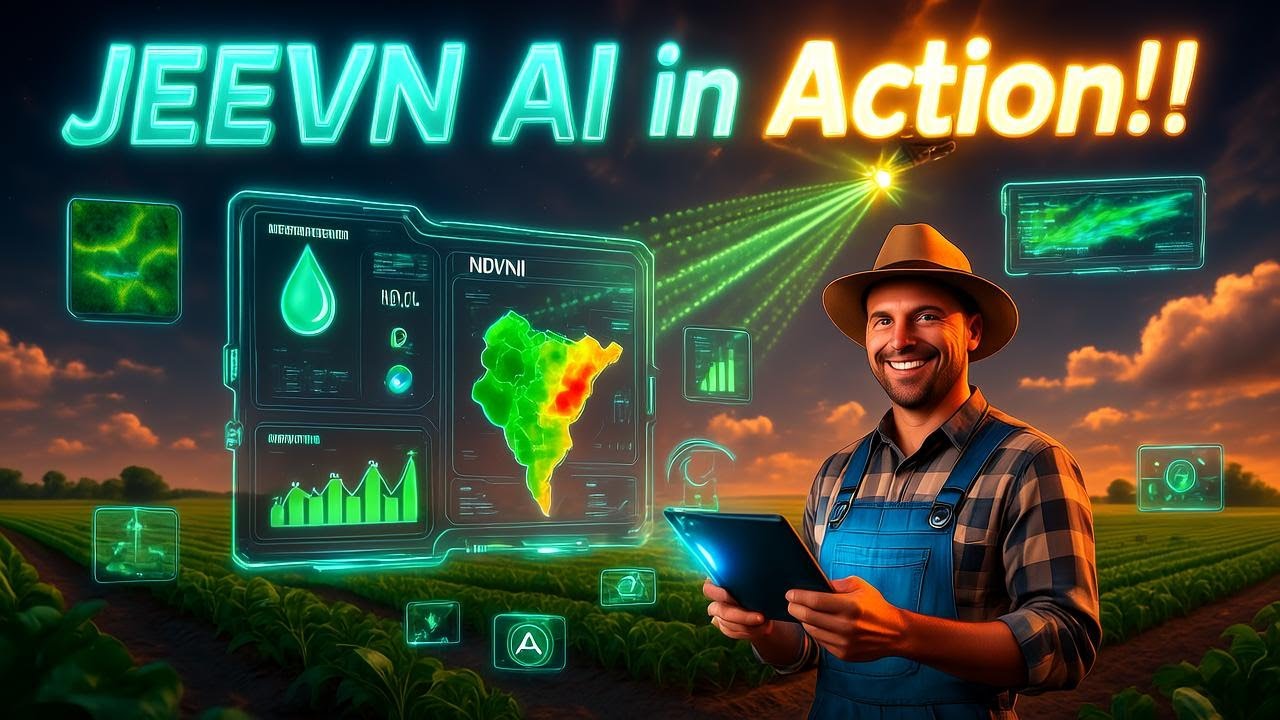
Farmonaut offers advanced, satellite-backed monitoring for the country’s agricultural sector. Our large-scale farm management solution lets users instantly track crop health, monitor NDVI (Normalized Difference Vegetation Index), and receive real-time insights for resource efficiency. This is a powerful tool for agribusinesses and dairy operators seeking smarter, more sustainable management of their feed and pastures.
Investments in technology reduce labor costs, detect early disease outbreaks, and streamline milk production. While challenges such as digital literacy remain, training and inclusive design are overcoming barriers, opening up opportunities for millions of farmers.

Sustainable Feed Management and Fodder Innovation
Feed quality and availability are critical factors impacting the productivity of dairy farms in Kenya. By 2025, rising input costs, seasonal shortages, and climate variability continue to challenge farmers. Innovation in fodder crops—such as improved Napier grass—as well as silage and preservation techniques, are helping to combat these threats.
- Growing fodder crops: Napier grass, Brachiaria, desmodium, and other quality grasses are being widely adopted.
- Silage & hay: Techniques for feed preservation allow farmers to store high-nutrition fodder for dry spells.
- Rotational grazing: Enhances land use, allowing pasture recovery and reducing overgrazing.
- Integration with crop cycles: Use of crop residues and strategic timing supports feed security year-round.

Farmonaut’s real-time crop satellite monitoring through its carbon footprinting solution provides critical data on pasture health, optimal harvest times, and rotational grazing patterns for maximum efficiency. These insights help farmers balance the growth and consumption cycles on their land, promoting strong milk yields in both dry and wet seasons.
Feed improvement is further driven by:
- Genetically improved grass varieties
- Intercropping fodder legumes for added protein
- Soil testing and nutritional management using AI-based advisories
Breeds, Genetics, and Artificial Insemination in Dairy Farms in Kenya
To ensure the future trajectory of Kenya’s dairy sector remains upward, focus is intensifying on genetic improvement. Farmers increasingly employ artificial insemination (AI) to introduce exotic breeds such as Friesians and Ayrshires. These strategies enhance milk yield, resistance to disease, and overall herd quality.
- AI services are now more widespread, with digital booking and remote support from veterinary extension teams.
- Rich database management helps select the right breed matches and monitor animal health.
- Crossbreeds between indigenous (e.g., East African Zebu) and higher-yielding exotics combine local resilience with productivity.
Continued genetic progress, combined with sound management, increases productivity and longevity of herds, especially where veterinary services and extension outreach keep disease outbreaks in check.
Example: In regions near urban centers like Nairobi, Nakuru, and Eldoret, commercial farms using data-driven herd management and advanced breeding register milk outputs 30–50% above the national average, demonstrating the value of genetic improvement and modern techniques.
Climate-Smart Practices and Water Security
Climate remains a major variable affecting dairy farms in Kenya. Erratic rainfall, repeated droughts, and increasing weather extremes put milk production at risk. In response, climate-smart agricultural practices are seeing wider adoption:
- Water harvesting systems: Rooftop rainwater tanks, small community dams, and affordable irrigation.
- Drought-tolerant forage species: Like Brachiaria grass and hybrid Napier for resilience against dry spells.
- Rotational grazing management: Adjusting pasture rest periods according to rainfall patterns.
- AI-based weather forecasts: Inform critical farming decisions on when to plant or conserve fodder.
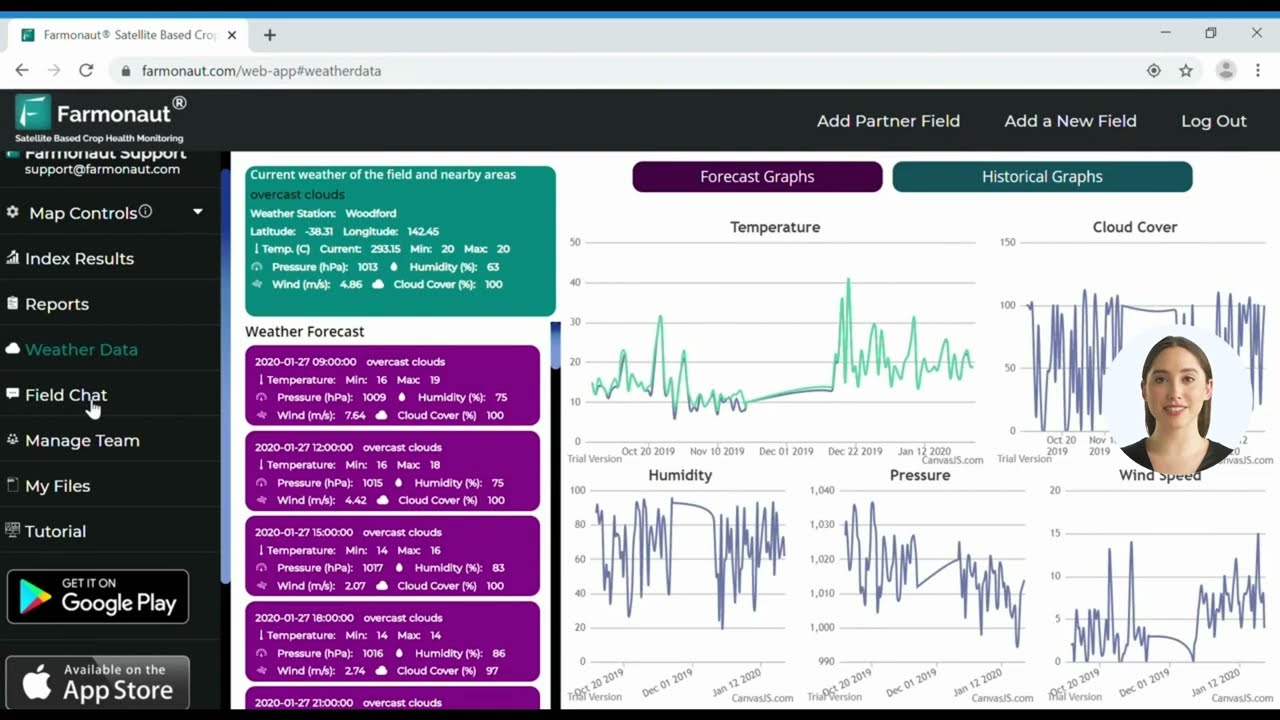
Farmonaut’s Jeevn AI-advisory system delivers accurate weather data and tailored recommendations for water management, crop plantation and forest advisory, and resource allocation, supporting risk mitigation strategies and sustainable productivity.

Market System Modernization and Value Addition
The modernization of the market system is vital for dairy farms in Kenya as we head into 2025. Bulk milk collection centers reduce spoilage and ensure quality control. Digitization and enhanced traceability mean fair prices and secure payments for farmers.
- Mobile payment platforms and digital marketplace applications offer direct access to buyers and cooperatives.
- Value addition in processing: Increasing production of yogurt, cheese, butter, and ghee delivers higher returns and creates employment in rural and urban centers.
- Blockchain-enabled traceability systems assure buyers of hygiene and authenticity, supporting market growth.
- Milk quality testing: Portable devices allow regular on-farm checks, reinforcing buyer trust.
Formalization of milk marketing is key to reducing losses from informal market channels and supporting the sector’s rapid evolution.

Infrastructure and Cold Chain Development
Effective infrastructure is essential for dairy production in Kenya. Cold chain systems ensure milk remains safe, fresh, and of high quality from farm to market. By 2025, investment in decentralized milk collection centers, solar-powered refrigeration, and reliable transport networks has begun to bridge critical gaps.
- Bulk chillers at cooperative and private centers reduce spoilage.
- Cold fleet logistics: Specialized vehicles maintain the cold chain for both urban and rural deliveries.
- Renewable energy adoption: Solar chillers counter unreliable grid power, especially in off-grid rural zones.
- Infrastructure for value addition: Processing facilities closer to production hubs minimize transport times and raise overall sector efficiency.
These upgrades support enhanced fleet management tools for transport optimization, ultimately reducing operational costs and product losses.
Policy Support, Private Investment and Strategic Partnerships
As the sector evolves, government policies and private investment are increasingly influential in shaping the next era of dairy farming in Kenya.
- Incentives and subsidies: Government programs lower barriers for buying equipment, investing in improved breeds, and building infrastructure.
- Improved extension services: Investments in veterinary care, training, and information systems support smallholders and commercial operations alike.
- Affordable credit: Satellite-based loan verification systems reduce fraud and speed access to financing.
- Private sector involvement: Expansion of processing facilities and supply chain logistics companies amplifies opportunities for innovation and employment.
Improved regulation and policy frameworks ensure food safety, animal health, and market fairness, supporting stable growth.

Farmonaut: Satellite Solutions for Kenya’s Dairy Sector
Farmonaut delivers advanced technology and data-driven solutions tailored for Kenya’s dairy sector. We focus on affordable satellite monitoring, AI advisories, and blockchain-based traceability to empower farmers, businesses, and government with actionable insights.
- Satellite-Based Monitoring: Multispectral imagery tracks pasture health, soil conditions, forage crops, and resource management for sustainable production.
- Jeevn AI Advisory: Real-time, farm-specific advice on weather, productivity, water use, and best practices for extension and decision-making.
- Blockchain Traceability: Transparent tracking of milk from farm to processing, confirming quality and supporting direct market access.
- Fleet Management: Optimize dairy transport and cold chain for reduced operational costs and enhanced market reach.
- Environmental Impact: Carbon footprint analytics with carbon footprinting tools help promote sustainable practices and regulatory compliance.
- Financing Access: Satellite-based verification systems for crop loans and insurance lower risks for agricultural finance in the dairy sector.
Accessible via: Web Platform | Android App | iOS App | Direct API (API Docs)
Challenges Facing Dairy Farms in Kenya in 2025
Despite high potential, dairy farms in Kenya are constrained by persistent and emerging challenges:
- High input costs: Fertilizer, feed, veterinary care, and infrastructure remain expensive, especially for smallholder farmers.
- Disease outbreaks: Mastitis, East Coast fever, and tick-borne illnesses hinder productivity and raise mortality.
- Infrastructure gaps: Weak cold chain in remote regions causes up to 20% raw milk losses.
- Climate variability: Erratic rainfall, drought, and rising temperatures reduce both pasture yields and water resources.
- Land fragmentation: Subdivided parcels due to generational inheritance restrict pasture size, lowering productivity and scalability.
- Limited access to credit: Many farmers cannot invest in better breeds, feed, and infrastructure due to loan insecurity and risk aversion from lenders.
- Extension service limitations: Gaps in training and veterinary outreach lead to mismanagement and delayed disease response.
Addressing these challenges requires continuous policy innovation, better access to digital advisory, and expanded infrastructure.
Future Outlook and Opportunities
Looking ahead, Kenya’s dairy sector is on a trajectory of steady growth—driven by demographic expansion, rapid urbanization, and rising milk consumption. The government’s continued role, particularly through subsidies and infrastructural development, is critical.
- Enhanced extension services and AI-powered digital platforms will improve farmer competence, herd health, and farm planning.
- Private investment is expected to drive expansion in processing, packaging, logistics, and value add products, creating more rural employment opportunities.
- Sustainable, climate-resilient practices will be central to sector survival—water harvesting, improved forages, carbon tracking, and efficiency analytics will gain prominence.
- Partnerships between research institutions, government, private sector, and farmers will accelerate innovation and expand knowledge transfer.
- Formalization and modernization of dairy marketing will further enhance incomes and product quality, especially as export opportunities increase.
The transition towards digital transformation, combined with climate-smart and sustainable agricultural management, ensures that dairy farms in Kenya will remain a critical engine for food security and economic development well beyond 2025.
FAQs on Dairy Farming in Kenya
What are the primary breeds used in dairy farms in Kenya?
Dairy farms in Kenya utilize both indigenous breeds like East African Zebu and improved crossbreeds, especially Friesians and Ayrshires, to ensure high yield and disease resistance suitable for regional conditions.
How are mobile and digital technologies influencing dairy farming in 2025?
These technologies provide real-time market access, facilitate extension services, enable digital payments, and support precision monitoring of feed and water—all boosting productivity, reducing costs, and enhancing market integration.
What is the typical farm size for smallholder dairy producers in Kenya?
Most smallholders keep between two to five cows, occupying modest landholdings and using rotational grazing and fodder cropping to optimize production.
What are the major challenges facing the sector?
Key issues include high input costs, limited extension and veterinary outreach, disease outbreaks, inadequate infrastructure, and the effects of climate change such as drought and water shortages.
How can satellite technology like Farmonaut support Kenya’s dairy sector?
Satellite monitoring provides data on vegetation health, crop cycles, water resources, and soil, while AI advisories and traceability solutions streamline management, cut costs, and enable better planning for improved productivity and sustainability.
Conclusion
Dairy farms in Kenya remain the backbone of national agricultural achievement and food security, providing livelihoods to millions and boosting rural and urban economies alike. By 2025, the sector is transforming, with digital technology, sustainable feed management, improved breeds, climate-adaptive practices, and advanced market systems propelling it towards higher efficiency and resilience. While significant challenges persist, the outlook is bright for those ready to embrace innovation and adapt to change.
Farmonaut is committed to making advanced, satellite-driven insights affordable and accessible—empowering every layer of the dairy value chain, from field to market, with the best in agricultural resource management, traceability, and AI-powered planning. Download our Android App, iOS App, use our web platform, or explore our extensive API options for seamless integration and decision support in your dairy business!
Discussion
Questions, corrections or field experience? Share them below. First-time comments are reviewed before they appear, and your email is never published.
No comments yet. Be the first to add a question or your experience.

 Reddane Farming
 Esri North East Africa
 Farmer Amigo
 Cresol
 Atur Kuliner
 MDCV UK
 Zerella Group
 Etech Consulting Madagascar
 Vestlandsforsking
 Agritein
 Delicio
 WB Dev
 Sama Premium
 Prochecker
 Tres Valles
 LACOS Geoinformation
 Magrifly
 LatConnect 60
 Blickwinkel
 Agricultural Credit Policy Council
 Exploration consultancy · South Africa · Gold
 Licence holder · Niger · Gold
 Licence holder · Nigeria · Gold + lithium










