

Egypt Arable Land vs Agri Land: Africa Arable Land Tips for a Sustainable 2026 & Beyond
“Egypt’s arable land is only about 3% of its total area, yet it supports over 100 million people.”
“Africa holds 60% of the world’s uncultivated arable land, but faces major water scarcity and sustainability challenges.”
Introduction: Context of Egypt Arable Land & Africa Arable Land
When we think of Egypt, the iconic Nile River instantly comes to mind—a waterway that has shaped civilizations for millennia. Yet in 2026, the future of Egypt arable land and its agricultural productivity is critically affected by rapid population growth, environmental challenges, and the finite nature of its cultivable land. Understanding the differences between agricultural land vs arable land is now more essential than ever to ensure food security and sustainable development for Egypt and the broader african continent.
Egypt is a microcosm of africa arable land issues: a country with limited arable land, facing climate pressures, water scarcity, and the urgent need for innovations in land and resource management. This scenario resonates across entire regions, as africa arable land availability and its sustainable use are vital for economic development, rural livelihoods, and future food security well into 2026.
Defining Arable Land Versus Agricultural Land in Egypt & Africa
Before analyzing the current state and future prospects of Egypt arable land and africa arable land, it’s critical to understand the distinctions between two fundamental terms: arable land and agricultural land.
- Arable Land: Land that is specifically capable of being ploughed and used to grow crops. This means land that is suitable for the production of annual crops—think wheat, maize, and vegetables.
- Agricultural Land: A broader category. It includes arable land but also covers permanent cropland (such as orchards, vineyards), and permanent pasture (grasslands for grazing animals). Thus, while all arable land is agricultural land, not all agricultural land is arable.
This distinction is critical in a country like Egypt, where the majority of agricultural land lies along the Nile River valley and delta, limiting how much land can truly be intensively cultivated. The unique context of Egypt and much of Africa has profound implications for challenges and opportunities in sustainable agriculture, water management, and food security.

Egypt vs Africa: Arable and Agricultural Land Overview (Comparative Table)
To fully contextualize the “Egypt arable land, agricultural land vs arable land, and africa arable land” debate, let’s compare Egypt and different regions of Africa on crucial metrics:
| Country/Region | Estimated Arable Land (Million Ha) | Estimated Agricultural Land (Million Ha) | % of Total Land Arable | Main Sustainability Challenges | Water Management Solutions | Innovations for 2026 |
|---|---|---|---|---|---|---|
| Egypt | ~3.3 | ~3.7 | ~3.5% | Water scarcity, soil salinity, land degradation, urban encroachment | Nile river irrigation, drip irrigation, wastewater reuse | Precision agriculture, desert reclamation, satellite monitoring |
| North Africa | ~35 | ~47 | ~7% | Desertification, limited rainfall, salinity, overgrazing | Large dam systems, groundwater extraction, conservation agriculture | Agroforestry, drought-resistant crops, digital apps, remote sensing |
| Sub-Saharan Africa | ~240 | ~706 | ~10% | Low irrigation, soil fertility loss, land fragmentation, drought | Rainwater harvesting, solar irrigation, integrated watershed projects | Mobile extension services, AI-driven advisory, climate-smart practices |
| Africa (Total) | ~278 | ~753 | ~8.6% | Infrastructure gaps, investment bottlenecks, climate risk, tenure insecurity | Regional river basin management, policy harmonization | Land digitization, blockchain traceability, regional weather prediction |
Note: Values are best-estimate approximations for 2025-2026, to illustrate regional differences and support informed decision making for “Egypt arable land” and “Africa arable land”.

Challenges Facing Egypt’s Arable Land in 2026
Despite its profound historical reverence for agriculture, Egypt remains a country defined by unique and pressing challenges concerning its arable land availability and sustainable use. Let’s explore the key constraints and factors that shape Egypt’s agricultural future:
- Extremely Limited Arable Land: Only about 3.5% of Egypt’s total area is considered arable. The rest is mostly arid desert, making agricultural expansion costly and difficult without substantial investment.
- Dependence on the Nile River: Egypt’s primary arable areas lie along the Nile Valley and Delta. This narrow fertile strip is vital but also highly vulnerable to water quantity and quality issues.
- Population Pressure: Egypt’s rapidly growing population—projected to surpass 110 million by 2026—places formidable pressure on limited arable land for food security and housing, compounding urban encroachment.
- Climate Change and Upstream Water Usage: Increased water withdrawals by upstream Nile Basin countries plus global climate shifts threaten Egypt’s irrigation future and cultivable land.
- Soil Salinity and Degradation: Improper irrigation and use of low-quality water lead to salinity intrusion, waterlogging, and degradation of Egypt’s limited arable soils.
- Urban Expansion: Expansion of Cairo and other urban centers directly reduces arable land along the Nile, as land is converted for housing and industry.
Combined, these factors make Egypt arable land one of the most precious and contested resources in the country—a scenario growing more urgent each year.
Water Management & Irrigation: Critical for Sustainability
In the context of arable land in Egypt and africa, water management is both a challenge and an opportunity for 2026 and beyond. Egypt’s agricultural water demand is almost exclusively met by the Nile River, intensifying competition over every drop as upstream countries grow and climate variability increases.
- Nile Irrigation Systems: The country relies on vast canal networks drawing from the Nile. However, aging infrastructure, inefficient use, and losses due to evaporation or leakage make improvement essential. Modernization—like piped and lined canals—can reduce loss and raise overall water use efficiency.
- Drip and Precision Irrigation: Drip irrigation systems and new precision irrigation levers direct water only where needed, reducing waste and combating issues like waterlogging and salinity—crucial for maximizing productivity on limited arable land.
- Wastewater Reuse: Treated wastewater represents a source for expanding irrigation, especially in less sensitive crops. Egypt’s investment in this area is becoming more significant to address water limitations.
- Integrated Soil and Water Management: Proper balance between irrigation, soil amendments (e.g., gypsum, organic matter), and drainage systems can preserve soil fertility and keep lands productive year after year.
In this way, water management goes hand-in-hand with the quest for increased food security and sustainable practices on egypt arable land in 2026 and beyond.
Reclamation Projects & Desert Expansion in Egypt
Given the severe constraints on expanded cultivation in Egypt’s traditional Nile corridor, national strategy has long included ambitious land reclamation projects—efforts to convert arid desert into productive arable land. Key initiatives include:
- New Valley Project: A massive venture channeling Nile water to reclaimed desert areas in the Western Desert, aiming to add hundreds of thousands of hectares to Egypt’s arable area.
- Toshka Project and Sinai Development: Irrigation canals extend deep into the desert, creating new agricultural zones. However, success depends on technical and cost challenges, soil suitability, and water availability.
- Modern Irrigation Technologies: Many new lands rely on drip, sprinkler, and precision irrigation systems to overcome water scarcity and preserve soil fertility in marginal conditions.
Despite successes, such projects face constraints: high costs, limited water resources, and soil salinity risk after reclamation. Nevertheless, they remain essential for preserving existing agricultural land and expanding Egypt’s limited arable area.

Egypt Arable Land within the Broader African Context
The story of Egypt arable land is not isolated—it resonates across much of Africa. The continent harbors an estimated 60% of the world’s uncultivated arable land, yet faces formidable barriers to its productive use. Key factors shaping “africa arable land” include:
- Low Agricultural Investment: Infrastructure deficits (roads, storage), limited irrigation, and lack of modern machinery restrict expansion and productivity gains.
- Soil Fertility Issues: Over-cultivation, deforestation, and insufficient fertilizer use lead to declining soil fertility in major regions.
- Land Tenure and Fragmentation: Many African farmers operate on small, fragmented plots, hindering large-scale efficient farming.
- Climatic Variability: Sub-Saharan Africa faces more erratic rainfall and periodic drought than Egypt, complicating long-term planning and food security.
- Regional Water Resource Competition: River basins like the Nile, Niger, and Congo cross national boundaries, making cooperation indispensable but challenging.
Despite these challenges, opportunities abound: innovations in integrated land management, digital technologies, regional water agreements (such as the Nile Basin Initiative), and policy reform are gradually unlocking africa arable land potential—for Egypt and the continent.
“Egypt’s arable land is only about 3% of its total area, yet it supports over 100 million people.”
“Africa holds 60% of the world’s uncultivated arable land, but faces major water scarcity and sustainability challenges.”
Innovations & Technologies Shaping Egyptian and African Agriculture in 2026
Technological innovation is at the forefront of addressing the critical and pressing constraints of arable land in Egypt and africa as a continent. The following trends and tools are revolutionizing how land is managed, productivity maximized, and sustainability preserved:
- Precision Agriculture: Satellite monitoring, drones, and sensors enable farmers across Egypt and Africa to use data-driven insights for optimal irrigation, fertilizer use, and pest management—improving yields on limited arable land.
- Soil and Crop Health Analysis: Soil sensors and satellite imagery help identify areas under stress, monitor nutrient levels, and recommend targeted interventions to boost land fertility.
- Urban and Vertical Farming: In Egypt’s crowded cities, vertical farming and hydroponics are being adopted, increasing food security and reducing dependency on scarce rural arable land.
- Climate-Smart Crops: Research into drought-tolerant and salt-resistant varieties allows farmers to adapt to water constraints and soil degradation, maintaining productivity in arid areas.
- Blockchain Traceability and Supply Chain Innovations: Blockchain-based traceability solutions offer supply chain transparency. Through tools like those offered by Farmonaut, producers and buyers can verify product origin, quality, and environmental impact at every stage.
- Satellite-Driven Advisory Platforms: Real-time platforms provide weather, irrigation, and crop management recommendations, aiding farmers in making better decisions even in remote or fragmented areas.
These technologies are increasingly affordable and accessible. For instance, Farmonaut provides large scale farm management tools, advanced carbon footprinting analysis for sustainable practices, and API-based data integration for any size of agricultural operation.

Sustainable Practices for Maximizing Africa Arable Land
The challenge of sustainable land management is not unique to Egypt—it’s a continent-wide priority. Across Africa, maximizing the potential of uncultivated arable land and maintaining the productivity of existing agricultural land means integrating a host of environmentally sound practices:
- Conservation Agriculture: Techniques such as reduced tillage, cover cropping, and crop rotation preserve soil structure and fertility while minimizing erosion.
- Agroforestry: Integrating trees with crops and livestock enhances biodiversity, stabilizes soil, and increases resilience to drought.
- Integrated Soil Fertility Management: Combining organic manures, compost, and minimal chemical fertilizers to restore and sustain soil health.
- Climate Smart & Regenerative Approaches: Technologies and cropping systems designed to boost both productivity and environmental outcomes, including carbon footprinting tools to track and minimize emissions from agricultural operations.
- Regional Cooperation and Integrated Basin Management: African countries are increasingly uniting to share water, data, and best practices—for instance, through the Nile Basin Initiative.
The future of egypt arable land and africa arable land squarely depends on the uptake of sustainable, integrated practices and cutting-edge technologies to balance food security with environmental stewardship.
How We at Farmonaut Empower Land Productivity with Satellite Technologies
At Farmonaut, we understand the vital importance of making data-driven, affordable, and accessible solutions available to all stakeholders in Egypt, Africa, and across the globe. Here’s how our advanced technologies support sustainable land management, agricultural productivity, and environmental stewardship:
- Satellite-Based Monitoring: We leverage multispectral imagery to track crop health (NDVI), soil moisture, vegetation changes, and stress—giving farmers, agribusinesses, and governments actionable insights into the true state of their arable and agricultural land.
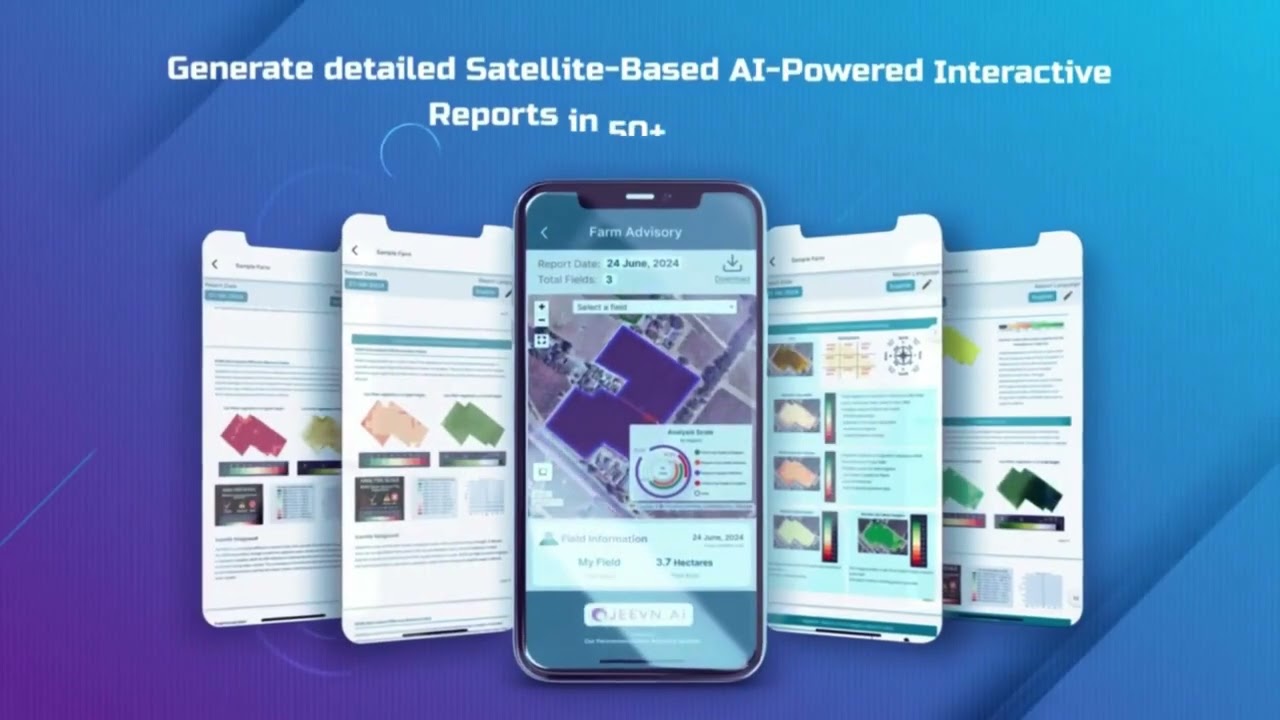
- Jeevn AI Advisory System: Our real-time AI-based advisory draws on satellite and climate data to provide personalized recommendations for irrigation, fertilizer, and field operations—optimizing productivity and minimizing waste.
- Blockchain-Based Traceability: Through integrated traceability solutions, we enhance transparency throughout the agricultural supply chain, fortifying food security and consumer trust.
- Fleet and Resource Management: We offer powerful fleet tracking and operational efficiency tools, supporting logistics for agricultural and mining operations, and reducing environmental impact.
- Environmental Impact Monitoring: We enable businesses to monitor and minimize carbon footprints, comply with regulations, and promote sustainable practices through our environmental impact modules.
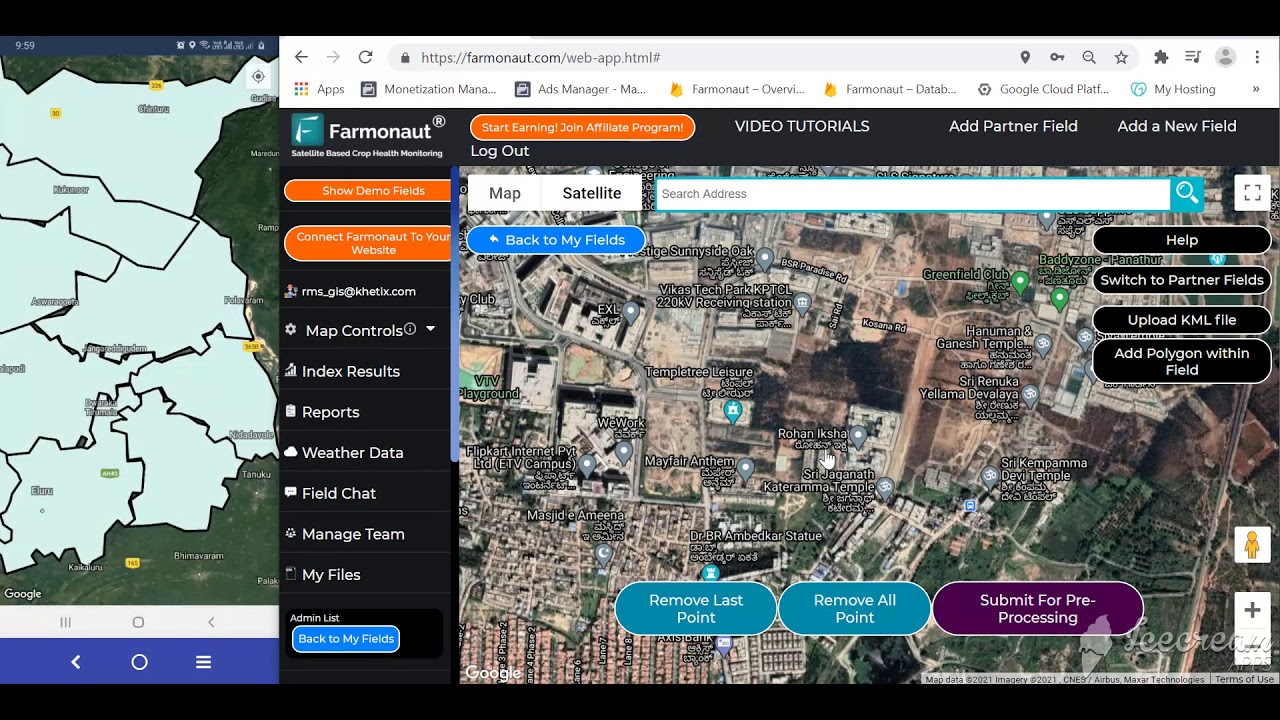
Our satellite-driven platform is accessible via Android, iOS, browser apps, and API:



To integrate our satellite data and insights directly into your systems, businesses and developers can access our flexible API platform and check detailed API developer documentation here.
For large enterprises or governmental management of egypt arable land, our Large Scale Farm Management Suite offers advanced mapping, administrative, and remote monitoring capabilities.
We also empower sustainable development through carbon footprint monitoring and satellite-based verification for crop loans and insurance—improving access to finance and sustainability for all stakeholders.
Opportunities and Future Outlook: Egypt and Africa Arable Land in 2026
Looking to the future, egypt arable land and africa arable land present both tremendous opportunities and ongoing challenges for 2026 and beyond. Here are emerging trends and key prospects:
- Maximizing Productivity on Existing Land: Through precision agriculture, better water management, and sustainable practices, Egypt can get more out of its limited arable area while preserving environmental quality.
- Reclaiming Marginal Areas: Advances in irrigation, soil treatment, and crop breeding will help bring more desert land into productive use cautiously and cost-effectively.
- Digital and Satellite Innovations: Scaling up use of platforms like Farmonaut’s can democratize access to real-time data for smallholders and large farms across Egypt, North Africa, and the African continent.
- Regional Water Cooperation: Collaborative transboundary initiatives—such as the Nile Basin Initiative and pan-African policy forums—are essential for tackling shared water scarcity and climate risk.
- Carbon-Smart and Resilient Farming: Focus on practices that sequester carbon, minimize emissions, and restore degraded land will underpin Africa’s contribution to global environmental goals.
- Urban Agriculture Expansion: Egypt’s and Africa’s expanding cities present huge opportunities for vertical farms, hydroponics, and new supply chains, reducing pressure on traditional arable land.
The next decade is pivotal: with continued investment, coordinated policy, adoption of modern technologies, and regional cooperation, egypt arable land and africa arable land can drive both food security and sustainable prosperity.
Farmonaut Advanced Solutions: Links and Resources
Explore satellite-backed agritech tools to maximize the value of every hectare of arable and agricultural land in Egypt and Africa:
- Carbon Footprinting: Want to monitor or reduce your farm’s greenhouse gas emissions? Leverage detailed, satellite-driven carbon footprinting analytics to make your agribusiness more climate-smart and meet global sustainability requirements.
- Traceability: Ensure end-to-end transparency in your supply chain and reassure customers about your products’ origin and quality—powered by robust blockchain and AI.
- Crop Loan & Insurance: Accelerate loan approvals and insurance claims with reliable, satellite-based verification of crop acreage and damages—ideal for smallholders and financial providers.
- Fleet Management: Optimize fleet logistics and reduce operational costs for agricultural, infrastructure, or mining operations.
- Large Scale Farm Management: Access powerful mapping, analysis, and administrative tools for efficiently managing expansive farmland or national land resources.
- Crop Plantation & Forest Advisory: Receive precise, AI-based guidance on crop rotation, afforestation, and eco-restoration projects, tailored for Africa arable and agricultural land conditions.
Try our web and mobile solutions by downloading the Farmonaut app for Android or iOS.
FAQs: Egypt Arable Land, Africa Agricultural Land, and Sustainable Land Use
-
What’s the difference between arable land and agricultural land?
Arable land is land capable of being ploughed and used to grow annual crops. Agricultural land is a broader term—it includes arable land as well as permanent croplands (orchards, vineyards) and permanent pasture for grazing. Not all agricultural land is arable, but all arable land is by definition agricultural land.
-
Why does Egypt have so little arable land compared to other African countries?
Over 95% of Egypt is desert; only a narrow strip along the Nile River and Delta is fertile and suitable for annual crop cultivation. Egypt’s arable land is only about 3.5% of its total land area, among the lowest globally.
-
What are the main sustainability challenges for Egypt’s arable land?
Egypt faces water scarcity (dependence on the Nile), urban encroachment, soil salinity and waterlogging, land degradation due to improper irrigation, and upstream pressures from other Nile Basin countries.
-
How much uncultivated arable land does Africa have?
Africa holds approximately 60% of the global uncultivated arable land. However, much of it remains underutilized due to infrastructure, water, investment, and management barriers.
-
What innovations can improve arable land productivity in Africa and Egypt?
Precision agriculture (satellite, drone, sensor data), modern irrigation, climate-smart and regenerative practices, integrated soil fertility management, and digital platforms (such as those provided by Farmonaut) are advancing productivity and sustainability for both Egypt and the African continent.
-
How are Farmonaut’s solutions relevant to Egypt arable land and Africa arable land?
We offer satellite-based crop, soil, and environmental monitoring, AI-powered advisory tools, traceability, and resource management—all crucial for maximizing yields, preserving arable land quality, and supporting policy and investment decisions.
-
Can technologies really help overcome Egypt’s water and land limitations?
Yes—through precision irrigation, drip systems, wastewater reuse, and real-time monitoring, many constraints can be managed, raising yields and sustaining arable land even as pressures intensify.
-
Where can I access Farmonaut’s satellite solutions?
Farmonaut Web App
| Android
| iOS
and our satellite API for integration.
Conclusion: Maximizing Sustainability & Productivity on Egypt Arable Land
Egypt’s arable land remains one of the world’s most limited and strategically important agricultural resources. The clear distinction between arable and agricultural land—and the urgent constraints facing both—highlight the necessity of innovative, sustainable, and technology-driven approaches for the coming years. Egypt’s experience is deeply relevant across Africa, as nations share a common imperative: maximize food security and productivity without sacrificing environmental integrity.
Looking ahead to 2026 and beyond, coordinated investment, policy reform, advanced technologies like those offered by Farmonaut, and integrated sustainable practices will shape the resilient, prosperous, and environmentally conscious agricultural systems needed to feed growing populations, protect fragile resources, and empower rural communities across Egypt and Africa.
Stay informed, empowered, and connected to the future of smart, sustainable agriculture:
- Explore Farmonaut’s Large Scale Farm Management Tools
- Track Your Farm’s Carbon Footprint
- Read about Blockchain-based Traceability
- Download the Farmonaut app for Android or iOS
For updates, satellite insights, and agricultural innovations, subscribe to our solutions above and join global efforts to build resilient, sustainable land use for all.
Discussion
Questions, corrections or field experience? Share them below. First-time comments are reviewed before they appear, and your email is never published.
No comments yet. Be the first to add a question or your experience.

 AgriSavant
 Kubota
 FFBS
FFBS Jontra
 Kalustyan
 Tucor
Tucor Geno
Geno Hayleys Agriculture
 Linx Agritech
 Adinet
 Save Your Soils
 Grandstream Algérie
 XOS Realty
 Geospatial Lab Africa
 Licence holder · Niger · Gold










