

Nile River Irrigation: Agriculture Drip Irrigation Lines—2025 Revolution & Yield Boosts
“Nile River drip irrigation increases water efficiency by up to 60% compared to traditional flood methods in 2025.”
Overview: The Lifeblood of Northeastern Africa’s Agriculture
Nile River irrigation is the foundation of agricultural productivity in northeastern Africa, notably in Egypt and Sudan. As the primary freshwater source in this arid region, the river underpins the lives and economic stability of millions who rely on its flow for survival. Traditional irrigation lines have long allowed farmers to convert the desert into rich farmland, but with increasing populations and shifting climate patterns, new challenges threaten sustainability.
In 2025, the integration of modern drip irrigation systems has become a game changer for farming communities along the Nile. Advanced drip technologies—delivering water directly to crop roots in controlled quantities—are revolutionizing agriculture, boosting crop yields, conserving precious Nile waters, and optimizing resource use.
This comprehensive guide delves into the evolution of Nile River irrigation, the transformative impact of agriculture drip irrigation lines, and the technology’s benefits for Nile basin countries in 2025 and beyond.
The Challenge: Traditional Irrigation and Water Scarcity Along the Nile
Countries such as Egypt and Sudan have historically achieved agricultural output using surface irrigation methods—like basin and furrow irrigation—that depend on diverting Nile river water through channels and canals. While effective in the past for covering large areas, these traditional irrigation lines suffer from significant inefficiencies, including:
- High water losses due to evaporation, runoff, and deep percolation
- Excessive labor demands to monitor and maintain canals
- Salinization and soil health issues from uncontrolled irrigation and aging infrastructure
- Poor maintenance leading to seepage and inefficiencies in water delivery
Given the unpredictable variability in rainfall, rapid urbanization, increasing demand from industry, and climate-change-related droughts, efficient water use has become paramount. The potential for increased productivity is limited by these outdated methods, putting at risk the livelihoods of millions who depend on the river’s lifeblood.

2025: The Evolution—Advanced Drip Irrigation Technology Along the Nile
Advanced drip irrigation—or precision irrigation—is transforming the agricultural landscape of the Nile Basin. This technology addresses the critical challenges posed by traditional irrigation lines and scarce water resources. By delivering water directly to plant root zones in carefully controlled quantities, drip irrigation:
- Minimizes evaporation, runoff, and water wastage
- Reduces deep percolation losses
- Enables automation and real-time adjustment through sensors, pumps, and control units
- Optimizes water use efficiency by matching scheduling with crop-specific requirements and prevailing weather conditions
In 2025, innovations in drip irrigation systems include:
- Solar-powered irrigation pumps for energy efficiency and off-grid operation in rural regions
- Low-cost soil moisture and weather sensors providing data for automated control units
- AI and satellite-based monitoring platforms—for example, Farmonaut—enabling real-time crop health and resource tracking
These advanced systems not only conserve precious Nile water but also dramatically increase crop yields and improve soil health.

Benefits of Drip Irrigation vs. Traditional Irrigation in Nile Agriculture (2025 Estimates)
To appreciate the scope of the drip irrigation revolution, compare the quantifiable advantages over alternative methods in the Nile basin:
| Irrigation Type | Water Usage (Liters/ha/season) | Crop Yield Increase (%) | Labor Requirement (Hours/ha) | Initial Cost (USD/ha) | Maintenance Frequency (per season) | Estimated ROI (%) |
|---|---|---|---|---|---|---|
| Drip Irrigation System (2025) | 4,000,000 | 30–45 | 35 | 1,500–2,200 | 2 | 130–180 |
| Traditional Surface Irrigation (2025) | 10,000,000 | Baseline | 80 | 800–1,200 | 4 | 65–85 |
| Sprinkler Irrigation (Secondary Option) | 6,000,000 | 15–22 | 55 | 1,300–1,800 | 3 | 95–110 |
Note: These are estimated values—final results depend on crop, soil type, local climate, and technology used.
How Modern Drip Irrigation Systems Work Along the Nile
Key Components of Advanced Drip Systems
Modern agriculture drip irrigation lines comprise a network of pipelines laid out either on the soil surface or just below it. Key elements include:
- Mainline and sub-mains—channels carrying water from primary sources (Nile river canals or wells)
- Drip laterals—tubing/hoses running alongside crops with evenly spaced emitters
- Emitters (drippers)—devices that apply water at a slow, uniform rate directly at a crop’s root zone
- Filters and regulators—to prevent clogging and ensure precise delivery
- Automated control units—often solar-powered and integrated with moisture sensors and weather stations for scheduling and monitoring

Smart Scheduling & Precision: Matching Water to Crop Needs
A primary advantage of drip irrigation is its ability to match application rates with crop water requirements and prevailing weather. In 2025, innovations enable:
- Moisture and weather sensors alerting when to adjust irrigation based on real crop needs (minimizing overwatering and runoff)
- Automated units switching pumps and valves on/off with precision
- Data-driven decisions that prevent water wastage and reduce labor
This approach is especially critical in Nile basin regions where climate variability makes efficient water use and sustainability paramount.

Water Quality, Maintenance, and Lifespan
Reliability depends on maintenance of infrastructure. Nile basin farmers must filter river water (which may contain sediments) to prevent clogging. Regular checks, cleaning emitters, and monitoring for leaks are essential to maintain system efficiency.

Solar-driven pumps and automated controls further reduce labor demands and the risk of human error, while lowering energy costs.

Integration with Traditional Irrigation Lines: Bridging Past and Future
The transition to drip irrigation along the Nile is often accomplished by integrating advanced drip lines into the existing infrastructure of canals and surface irrigation channels. The strategy centers on:
- Retrofitting traditional canals with inlets that divert water into drip systems
- Using control units and scheduling software to optimize delivery for each field’s requirements
- Preserving historic canal routes while dramatically increasing efficiency and reducing water use
In Egypt and Sudan, government incentives support the replacement or renovation of outdated surface irrigation with modern drip networks. International policy initiatives and financing schemes further help smallholder farmers access this transformative technology.
Sustainable Implementation, Challenges, and Policy Support
Barriers to Widespread Adoption Among Farmers Along the Nile
Despite robust benefits, several challenges continue to affect the widespread adoption of drip irrigation:
- High initial investment costs for equipment and installation—offset by long-term ROI
- Gaps in technical knowledge regarding system maintenance and repair
- Problems with aging infrastructure in getting water from main canals into drip-compatible networks
- Logistics, such as the availability of filters and replacement parts
Government and NGO Policy Support & Investments
- Training and capacity-building programs help farmers in Egypt and Sudan learn maintenance and scheduling
- Micro-financing and subsidy schemes lower entry barriers for smallholder farmers
- Modernization of canals and channels to support integration with digitalized drip systems
- Public investments in infrastructure upgrades to reduce losses caused by leakages and evaporation
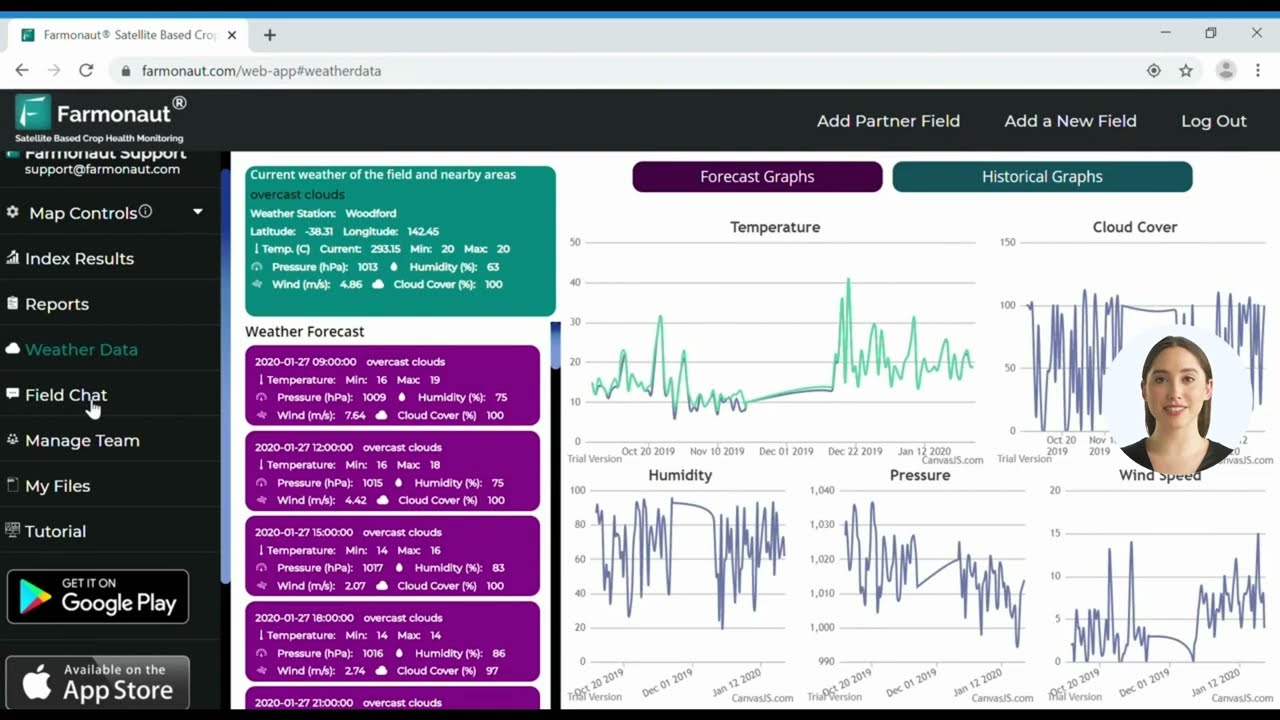
The Role of Satellite-Based Decision Support Systems
With climate variability and changing rainfall patterns, accurate data is essential for farmers to make informed decisions. This is where satellite-based technologies—like Farmonaut—support Nile basin agriculture. These facilitate:
- Real-time monitoring of crop health, soil moisture, and irrigation effectiveness
- Data-driven advisory for optimal irrigation scheduling
- Detection of anomalies in water flow and possible maintenance issues
- Carbon footprint tracking and reporting for sustainability
Explore satellite-based environmental monitoring and sustainable agriculture metrics on the Farmonaut Carbon Footprinting portal.
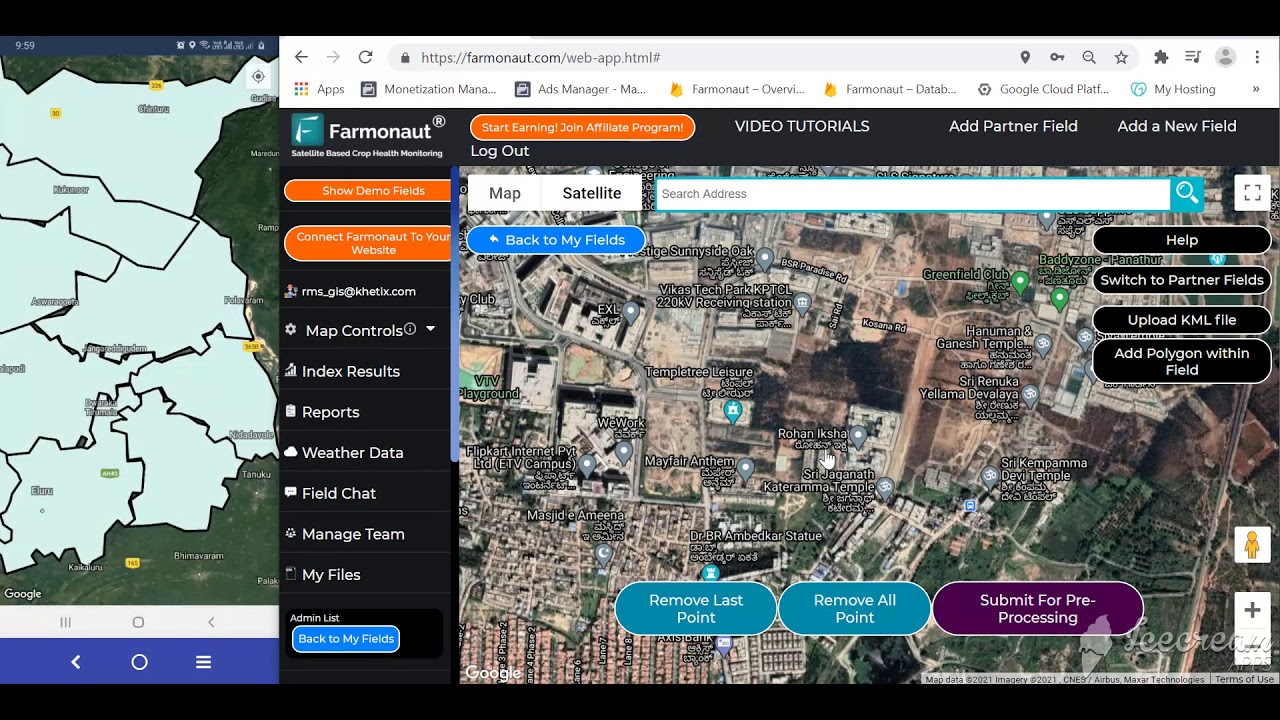
Satellite Solutions for Precision Agriculture: Farmonaut
We at Farmonaut recognize the urgency of sustainable water management and resource optimization in Nile river irrigation schemes and modern drip applications. Our platform empowers individual farmers, agribusinesses, and government agencies to maximize the benefits of drip irrigation through:
- Satellite-based crop monitoring using high-resolution imagery for NDVI (vegetation health) and soil moisture assessment
- AI-powered advisory systems (“Jeevn AI”) delivering personalized insights and recommendations for irrigation scheduling
- Blockchain-based traceability to verify supply chain integrity in agricultural exports
- API and developer tools for integrating real-time satellite data into precision farming apps
- Fleet and resource management tools available for logistics optimization in large-scale farm operations
Our satellite insights support precision irrigation, maximize water productivity, and help track environmental and economic impacts across the Nile Basin.
Crop Plantation, Forest Advisory & Sustainability
For riverside plantations and larger forestry projects in Egypt, Sudan, and beyond, our smart advisory tools provide actionable updates and risk maps. Explore our crop plantation and forest advisory solutions here.
Leverage Farmonaut’s large-scale monitoring for agro-enterprise management and institutional users:
Large Scale Farm Management Platform
“Advanced drip systems along the Nile River can boost crop yields by approximately 40% for Egyptian farmers.”
The Future: Nile Agriculture in 2026 and Beyond—Sustainable Productivity, Resilience, and Food Security
The revolution in Nile river irrigation depends increasingly on the mainstream adoption of precision drip irrigation technologies. For the countries of Egypt and Sudan, as well as neighboring Nile basin regions, this means:
- Water demand reduction becoming entrenched as a cultural and economic priority
- Optimized use of existing irrigation lines—making the most of every drop of the precious river
- Integration of satellite monitoring in automated systems helps track crop health, control interventions, and forecast weather or disease risks
- Adapting to climate variability with flexible, responsive, and data-driven irrigation management
- Supporting food security through sustainable yield growth, labor reduction, and advanced resource management
The future viability of Nile agriculture depends on continuous investment—not only in technology and infrastructure but also in training, maintenance, and policy innovation. As we move into 2026 and beyond, partnerships between government, private, and scientific sectors will be crucial in ensuring that the Nile River remains a stable, thriving source of life for millions in northeastern Africa and an example for arid regions worldwide.
Frequently Asked Questions – Nile River Irrigation & Drip Technology
What is Nile river irrigation, and why is it important for Egypt and Sudan?
Nile river irrigation refers to using the river’s water to irrigate farmland—critical in the arid, dry climates of Egypt and Sudan. It ensures food security, employment, and economic stability for millions living along the basin.
What are the main disadvantages of traditional irrigation lines?
They lose large volumes of water due to evaporation, runoff, and percolation. Maintenance is labor-intensive, and old infrastructure may cause further loss and soil salinization.
How does drip irrigation differ from traditional surface irrigation?
Drip irrigation delivers water directly to the plant root zone in controlled quantities, sharply reducing losses and increasing crop yields while minimizing labor and resource usage.
Are advanced drip systems expensive to install?
They have higher initial costs than surface methods, but these are offset by labor savings, improved yield, water savings, and longer-term ROI. Funding and subsidies are available in many Nile basin regions.
Can smallholders benefit from Farmonaut’s satellite monitoring?
Yes. Our platform is scalable and affordable, enabling precision insights—from irrigation scheduling to crop loan and insurance verification—even for small farms across northeastern Africa.
What environmental benefits does drip irrigation deliver?
Major water savings, less land degradation, better soil health, lower carbon footprint, and reduced risk of salinity and erosion in Nile valley farmlands.
Farmonaut Subscription Options
Want to monitor your Nile basin farm or manage large-scale irrigation innovation from anywhere?
Choose from affordable Farmonaut satellite technology subscriptions to access crop, soil, and environmental data for smarter, water-efficient agriculture.
Get Started: Useful Links, Downloads, and Resources
-

Farmonaut Web App
– Monitor Nile river irrigation and crops remotely from your browser with satellite-powered analytics.
-

Farmonaut Android App
– Leverage on-the-go crop and irrigation insights for Egyptian and Sudanese farms.
-

Farmonaut iOS App
-
Access Farmonaut API
|
View Developer Docs
– Integrate live water, soil, and crop monitoring into your Nile basin irrigation platforms or mobile apps.
Ready to join the Nile’s agricultural revolution in 2026 and beyond?
Embrace advanced drip irrigation lines, leverage satellite-based decision support, and empower sustainable yields—today.
Discussion
Questions, corrections or field experience? Share them below. First-time comments are reviewed before they appear, and your email is never published.
No comments yet. Be the first to add a question or your experience.

 FFBS
FFBS Jontra
 Yaduka Agrotech
 Kalustyan
 Tucor
Tucor Geno
Geno Hayleys Agriculture
 Linx Agritech
 Adinet
 Save Your Soils
 Grandstream Algérie
 XOS Realty
 Geospatial Lab Africa
 Agro La Gándara
 HIPSAC
 ZOL Zimbabwe
 Juligerm
 Licence holder · Niger · Gold










