

“Over 60% of Ghana’s farmers face unpredictable rainfall, threatening sustainable crop yields each year.”
Table of Contents
- Introduction
- Ghana’s Agricultural Context: At a Critical Crossroads
- Comparative Issues and Solutions Table
- Top 7 Key Problems Facing Agriculture in Ghana
- Integrated Solutions for Sustainable Farming Success
- How Farmonaut Supports Ghana’s Agriculture
- FAQs: Problems Facing Agriculture in Ghana
- Summary & Key Takeaways
- Farmonaut Subscriptions & App Links
Problems Facing Agriculture in Ghana: Top 7 Key Issues
Ghana’s agricultural sector sits at a critical crossroads. As the nation strives to balance traditional farming practices with the demands of modernization, farmers across Ghana face multifaceted challenges. From unpredictable climate and diminishing soil fertility to hurdles in accessing credit and markets, these problems don’t just affect crop yields—they ripple across rural livelihoods and national development.
In this blog, we’ll explore the top 7 problems facing agriculture in Ghana, their sustainability impacts, root causes, and practical solutions. Whether you’re a policymaker, an investor, or a farmer seeking to improve productivity and build resilience, this comprehensive overview addresses the complexities spanning climate, policy, infrastructure, and social inclusion. We’ll also demonstrate how satellite-driven platforms like Farmonaut offer powerful, affordable solutions to empower smallholders and stakeholders throughout Ghana’s agricultural value chain.
But first, let’s understand why the challenges in the Ghanaian context are so pressing today.
Ghana’s Agricultural Context: At a Critical Crossroads
Agriculture remains the backbone of Ghana’s economy, employing nearly half the workforce and supplying the majority of food for a rapidly growing population. Yet, despite its importance, the sector is beset by problems faced by farmers in agriculture that span environmental, infrastructural, and socioeconomic dimensions:
- ✔ Climate variability deeply affects planting calendars and yields.
- ⚠ Access to affordable, quality inputs is limited for many smallholders.
- 📊 Rising costs for fertilizers, seeds, and mechanization hinder agricultural investment and productivity.
- 📉 Extension services and market linkages often fail to reach the most vulnerable farmers, including women and youth.
- 🔄 Post-harvest losses and value chain inefficiencies erode farm incomes.
Ghana’s place at this crossroads results from several converging trends:
- Growing domestic demand for nutritious foods and diverse Ghana agriculture products.
- Global pressures to improve export competitiveness while meeting sustainability and certification requirements.
- Policy transitions aiming to modernize the agricultural sector for national development and food security.
Addressing the challenges in Ghana’s agriculture requires integrated approaches—balancing increased production with environmental sustainability, social inclusion, and transparent value chains.
Comparative Issues and Solutions Table
| Key Problem | Estimated Impact (Percentage of Farmers Affected) | Environmental/Sustainability Impact | Suggested Solution |
|---|---|---|---|
| Climate variability (rainfall, droughts, flooding) | ~60% | Soil erosion, depletion, loss of biodiversity, increasing emissions | Climate-smart agriculture, improved irrigation infrastructure, resilient varieties |
| Limited access to quality inputs and credit | ~70% | Reduced yields, overuse of poor-quality fertilizers, soil degradation | Credit facilities, input subsidies, group purchasing, fintech solutions |
| Poor extension and information flow | ~45% | Low adoption of sustainable practices, pest/disease spread, overuse of chemicals | Strengthen extension services, digital advisory tools, support for women/youth |
| High post-harvest losses, value chain gaps | ~35% | Food waste, reduced farm income, inefficiency increases environmental burden | Invest in storage facilities, cold chains, aggregation centers, mechanization |
| Unclear land tenure, poor environmental stewardship | ~40% | Land degradation, deforestation, reduced ecosystem services | Land reforms, tenure security, agroforestry, soil fertility incentives |
| Policy, market access, and governance hurdles | ~30% | Delayed innovations, interrupted supply chains, market exclusion | Market infrastructure, clear policies, digital traceability, certification support |
| Gender dynamics/social inclusion barriers | ~50% (women/youth) | Lost productivity, rural poverty, missed innovation | Empower women and youth, gender-responsive extension, skills training |
Top 7 Key Problems Facing Agriculture in Ghana
Delving deeper, let’s investigate the major problems facing agriculture in Ghana—with insights on causes, impacts, and the path toward sustainable solutions:
1. Climate-Related Challenges Dominate the Farming Landscape
It’s no surprise that climate and weather variability dominate the landscape of agricultural challenges in Ghana. As global temperatures rise, the pattern and predictability of rainfall is increasingly uneven—resulting in prolonged dry spells, unexpected downpours, and devastating floods. These conditions disrupt traditional planting calendars, delay sowing, and threaten optimal harvest times.
- ⚠ Unpredictable rainfall affects over 60% of Ghana’s farmers annually.
- 📊 Soil fertility is diminishing across regions, worsened by continuous cropping, exposed hillsides, and weak soil management practices.
- 💧 Irrigation infrastructure remains inadequate, leaving farming households heavily dependent on seasonal rains.
- 🔥 Heat stress and pest pressure are intensifying as average daytime temperatures rise, threatening a wide variety of staple crops.
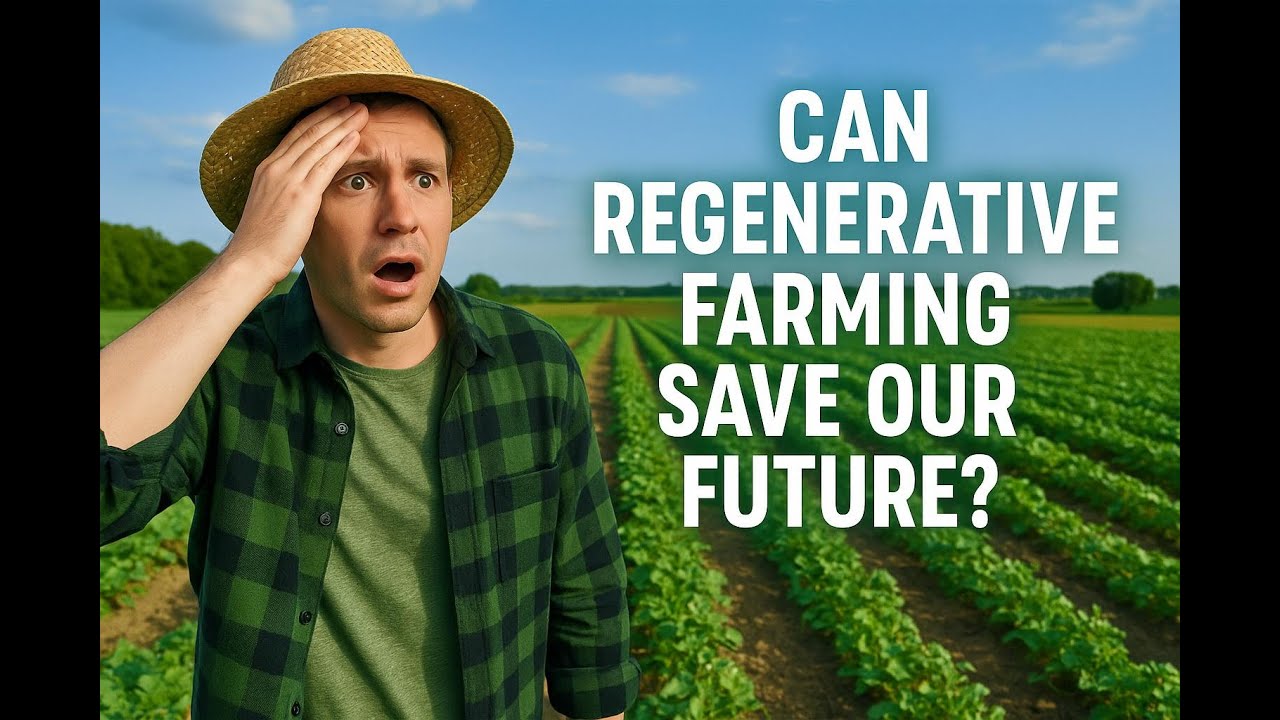
The problems faced by farmers in agriculture due to climate are not just about immediate yields. Extreme weather feeds into a negative cycle: with poor yields reducing incomes needed for next year’s inputs, and ongoing soil erosion and depletion further undermining long-term sustainability. In this context, building resilience means investing in adaptive agronomic practices, improved infrastructure, and environmental stewardship.
Regions like the Northern Region and Upper East, where dry spells and drought events are more frequent, consistently report higher losses and food insecurity risks.
- Key Impact: Disrupts planting calendars, threatens harvest, reduces yields.
- Sustainability Solution: Climate-smart agriculture, more reliable small-scale irrigation, adoption of drought- and heat-tolerant crop varieties, and environmental monitoring.
Our Farmonaut team leverages satellite technology with advanced AI to help track rainfall, assess drought risk, and monitor changing soil health in near real-time, so that interventions can be timely and precise. Explore carbon footprinting tools for measuring your environmental impact in Ghana’s farm communities.
2. Access to Inputs and Credit: The Persistent Bottleneck
The challenge of obtaining affordable, quality agriculture inputs remains a universal bottleneck for Ghana’s farmers. Quality seeds, fertilizers, and agrochemicals are essential for boosting crop performance and productivity—but high costs, supply shortages, and weak distribution chains mean that only around 10% of Ghanaian farmers have reliable access to these critical resources.
- 💸 High prices for certified seeds and fertilizers increase the risk for farmers, who may already be operating at the margins of profitability.
- ⏳ Limited mechanization leaves labor-intensive tasks—like weeding and harvest—slow and costly.
- 💳 Credit constraints: Many smallholders lack collateral or face high interest rates, making it difficult to invest in farm improvements.
- 🔄 Informal lenders often charge exorbitant rates, deepening debt and reliance on low-quality or insufficient inputs.

Farmers can leverage digital platforms and group purchasing models to increase bargaining power for inputs—while harnessing satellite-based verification (like Farmonaut’s APIs: API access) to unlock better loan and insurance terms. Learn more on our Crop Loan and Insurance page.
The problem facing agriculture here is compounded by systemic supply and financial challenges:
- Delayed or disrupted delivery of subsidized inputs.
- Market volatility affecting pricing for both inputs and farm produce.
- Lack of access to credit worsens cycles of low investment and yield stagnation.
3. Extension Services and Information Flow Remain Inadequate
Access to timely, accurate agronomic information is a central challenge in the Ghanaian context. Many farmers, particularly women and youth, lack local extension support or experience inconsistent, sporadic advising. This leaves knowledge gaps regarding:
- 💡 Modern farming techniques and best practices
- 🦠 Pest and disease detection and management
- 🌱 Market opportunities and pricing trends
- ✔ Access to certified seeds and fertilizers
Low extension coverage breeds misinformation, slow adoption of improved technology, and results in unsustainable soil and pest management. Regional disparities often place women and youth at a particular disadvantage, further perpetuating inequalities across the agricultural value chain.
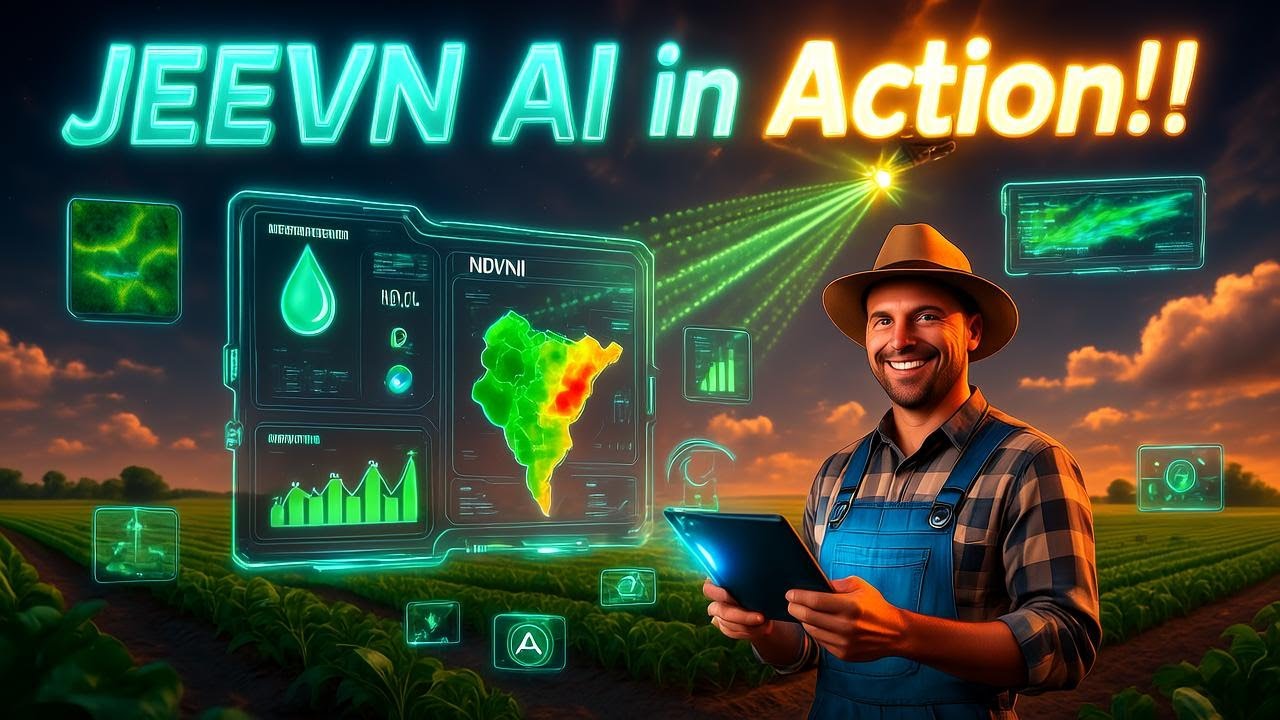
We, at Farmonaut, recognize the transformative power of digital and AI-powered extension tools, like our Jeevn AI Advisory System, to bridge knowledge and accessibility gaps for Ghana’s rural and peri-urban farmers.
Benefits of Digital Extension:
- Region-specific advice reduces risk of blanket recommendations.
- Transparency in input sourcing & market information.
- Rapid alerting on weather and pest/disease outbreaks.
- Affordable advisory access for smallholder farmers.
Challenges Still Faced:
- Coverage gaps for women/youth farmers.
- Social barriers to knowledge dissemination.
- Lack of traceable, certified inputs in many regions.
Sole reliance on traditional knowledge or informal advice can backfire under current climate and market volatility. Structured, tech-driven extension is key.
4. Post-Harvest Losses & Value Chain Inefficiencies Undermine Farm Incomes
Despite Ghana’s agricultural abundance, a significant portion of crops are lost or have their value reduced before even reaching market—owing to weak post-harvest infrastructure, handling, and processing.
- 📦 Inadequate storage facilities (granaries, cold storage) leave produce vulnerable to spoilage, mold, and pests.
- 🚚 Lack of affordable, reliable transportation means delays and losses, especially in remote rural regions.
- ⚡ Unreliable electricity impedes the use of mechanized sorting and refrigeration.
- 🔗 Fragmented supply chains empower middlemen and reduce the farmer’s share of final market value.

- Key Impact: Up to 35% loss on harvested produce, especially for perishable Ghana agriculture products like fruits, vegetables, and roots.
- Sustainability Solution: Invest in storage, cold chains, aggregation centers, and value addition. Foster real-time supply chain monitoring for more transparency.
The market for agriculture logistics, cold storage, and value addition in Ghana is poised for growth—creating high-impact opportunities for agri-businesses and technology providers.
Farmonaut’s blockchain-based traceability systems help build trust and transparency in Ghana’s agricultural value chains, reducing inefficiencies and preventing fraud.
“Only 10% of Ghanaian farmers have reliable access to quality seeds and fertilizers for sustainable agriculture.”
5. Land Tenure and Environmental Stewardship: The Foundation of Sustainability
Unclear land tenure arrangements, communal inheritance, and land fragmentation remain a barrier to long-term agricultural investment in Ghana. Farmers are less likely to invest in soil health, irrigation, agroforestry, or conservation measures when tenure is insecure or unclear.
- 🌳 Deforestation and loss of fallow lands impact soil fertility and microclimates.
- 📉 Continuous cropping and erosion on exposed hillsides further degrade land resources.
- ⇅ Limited incentives for long-term stewardship result in depleted soils and reduced ecosystem services.
- 💡 Agroforestry training and support remains inadequate.
Addressing these agriculture problems faced by farmers requires policy reforms, clearer land rights documentation, and substantial incentives for sustainable land management. Cover crops, agroforestry, effective erosion control, and community-based stewardship all depend on training and security of tenure.
How to Enhance Environmental Stewardship:
- Agroforestry adoption and indigenous reforestation.
- Securing land titles and formal documentation.
- Promoting community-led soil health programs.
- Structured training for crop rotation and erosion control.
Combining land tenure security with climate-smart incentives unlocks environmental restoration and higher productivity for a resilient future.
6. Governance, Policy Alignment, and Market Access
The role of policy, governance, and market access can make or break the growth of Ghana’s agriculture. Inconsistent policies, bureaucratic delays, and underinvestment in rural market infrastructure weaken the flow of both products and information.
- ❗ Delayed certification, export, and quality control procedures limit global market access for Ghana agriculture products.
- 🚧 Poor procurement and infrastructure planning in rural areas increase costs for both inputs and sales.
- 💰 Public procurement policies lack efficiency and traceability, often failing to reach smallholder farmers in practice.
- 🌐 Meeting export certifications is expensive and difficult for many small producers.

The challenge of market access is exacerbated for smallholders and for marginalized groups: many cannot meet the requirements or afford certification. A lack of real-time, transparent market information forces them to accept poor prices.
Farmonaut’s blockchain-based product traceability solution lends Ghanaian exporters and buyers a way to verify both product quality and origin—opening up high-value, certified global market opportunities.
- Efficiency Enhancement: Digital procurement and verified logistics can reduce costs, improve transparency, and ensure farmers capture a larger share of market value.

7. Gender Dynamics and Social Inclusion: Making Agriculture Equitable
Across Ghana, women and youth form the majority of agricultural labor but face unique, systemic obstacles:
- ♀️ Women farmers are five times less likely to have secure access to land, credit, or extension support.
- 👦 Youth are underrepresented in training and scalable agri-enterprises, threatening succession and innovation.
- 🚫 Social barriers persist in knowledge and resource distribution—limiting overall sector productivity.
- Empowerment Priority: Gender-responsive training, credit schemes, and extension services are proven to raise productivity and create inclusive agricultural growth.
- Long-Term Impact: Engaging youth in agri-tech fosters innovation, sustainability, and food security for the next generation.
Closing gender and youth gaps in Ghana’s agriculture could increase national income by up to 30%, reduce rural poverty, and yield major advances towards sustainable development.
Integrated Solutions for Sustainable Farming Success in Ghana
No single solution will overcome the problems facing agriculture in Ghana. Sustainable progress demands that we integrate climate resilience, affordable inputs, robust extension, and social inclusion throughout all reforms and investments. Here are core strategies that deliver sustainable value:
- ✔ Invest in climate-smart irrigation—protects against rainfall volatility and allows double cropping.
- ✔ Strengthen supply chains for high-quality inputs—group purchasing, digital procurement, and logistics platforms reduce input costs and improve reach.
- 📲 Scale digital extension, traceability, and advisory—bridge knowledge and efficiency gaps, with focus on inclusivity for women and youth.
- ⭐ Upgrade storage, aggregation, and processing facilities—reduces post-harvest losses and enables value addition.
- 💡 Empower farmer associations and clusters—collective bargaining and learning unlock productivity and resilience to market shocks.
Satellite and AI tools enable early warning and real-time diagnostics for Ghana’s farmland—saving costs, improving targeted interventions, and streamlining insurance and financing verification.
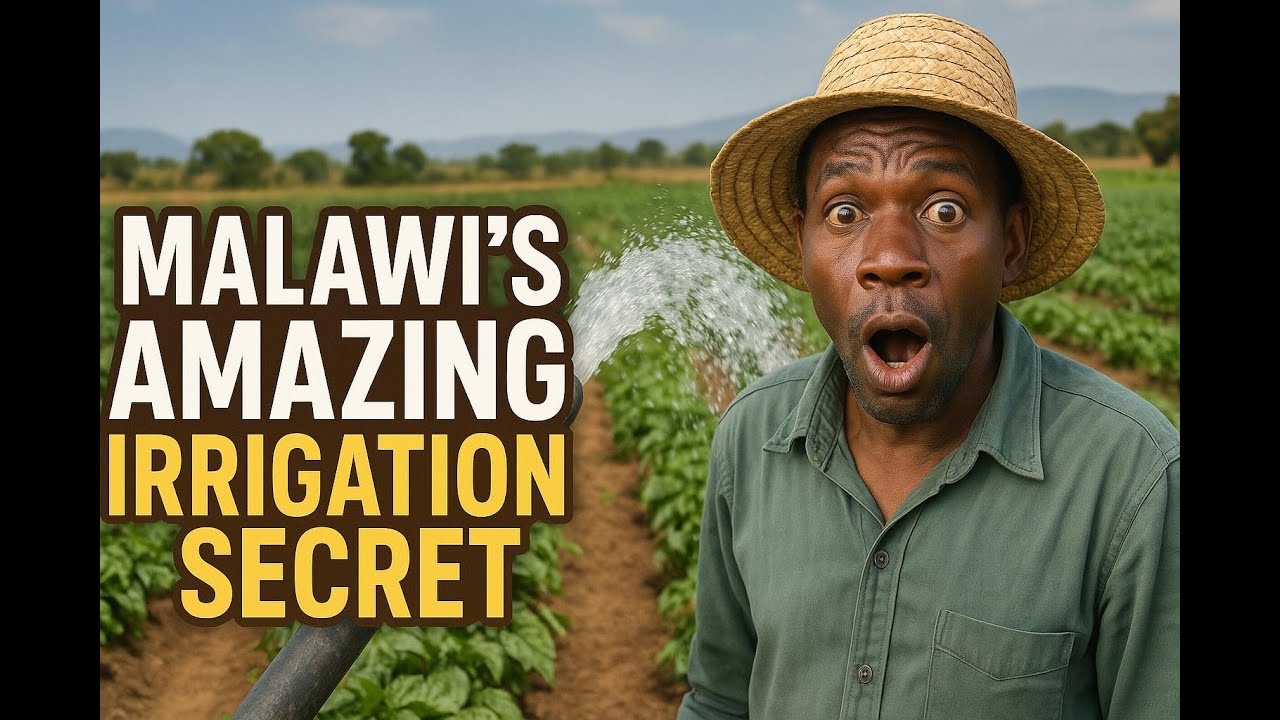
5 Key Principles for Success:
- Climate adaptation & smart water management
- Affordable financing and input traceability
- Gender and youth inclusion in all programs
- Transparent supply chain and market integration
- Continual extension and tech-driven training
Unlock the power of satellite technology by downloading our Farmonaut App or by exploring our Fleet Management tools for efficient logistics and resource allocation in Ghanaian agriculture.
How Farmonaut Supports Ghana’s Agriculture
Farmonaut empowers Ghana’s farmers, agribusinesses, and supporters with affordable satellite, AI, and blockchain-powered solutions designed to:
- 📡 Monitor crop health and soil status—via NDVI, NDWI, and real-time vegetation analysis, accessible on Android, iOS, or browser app.
- 🌍 Deliver AI-based, region-specific agricultural advisories—helping your farm adapt to climate, improve management, and boost yields.
- 🔗 Ensure blockchain-based traceability—demonstrates the quality and provenance of Ghana agriculture products for local and export markets.
- 🚜 Enable remote resource, fleet, and large-scale farm management—maximizing operational efficiency and reducing labor and fuel costs.
- 🌳 Support environmental compliance and sustainability tracking—with dedicated carbon footprint analysis and impact monitoring.
In addition, our subscription-based services and APIs enable integration into local fintech, weather, and farm management apps—making advanced data and satellite monitoring truly accessible and scalable across Ghana’s agricultural sector. Learn more in our API Developer Docs.



FAQs: Problems Facing Agriculture in Ghana
What are the biggest challenges faced by farmers in Ghana today?
The main problems facing agriculture in Ghana include climate variability, limited access to affordable and quality inputs, inadequate extension and information flow, high post-harvest losses, issues with land tenure, poor market access, and persistent gender and inclusion barriers.
How does poor access to credit affect farmers?
Without sufficient or affordable credit, many farmers cannot purchase improved seeds, fertilizers, or mechanized equipment—stunting productivity and long-term investment in their farms.
Are there solutions to post-harvest losses for key Ghanaian crops?
Yes. Improving storage facilities, cold chain logistics, processing centers, and using traceability technology helps reduce losses and ensures higher returns and food safety for Ghana agriculture products.
What role can technology like Farmonaut play for Ghana’s farmers?
Farmonaut delivers satellite-based monitoring, AI-powered advisories, and blockchain traceability—empowering farmers, agribusinesses, and governments with affordable, real-time data for better decision-making, transparency, and sustainability.
How can Ghana improve environmental sustainability in agriculture?
By promoting agroforestry, erosion control, improved soil management, and climate-resilient strategies, alongside secure land tenure and incentives for sustainable land management, Ghana can drive long-term productivity and resilience.
Summary & Key Takeaways
The agricultural sector in Ghana is at a pivotal moment, balancing tradition and innovation amidst intensifying climate, economic, and social challenges. We have seen that problems facing agriculture in Ghana are complex—spanning everything from climate unpredictability and input shortages to policy misalignment, post-harvest losses, and issues of equity for women and youth.
Solving these problems faced by farmers in agriculture requires integrated action on several fronts:
- Investing in climate-smart farming, irrigation, and soil health for long-term resilience.
- Building affordable, efficient supply chains and input access via collective bargaining and digital platforms.
- Promoting strong extension, technical training, and digital advisory solutions for highly tailored support.
- Ensuring gender and youth inclusion at every level, unlocking new talent and productivity.
- Utilizing satellite, AI, and blockchain technologies, like those we offer through Farmonaut, to enhance monitoring, transparency, resource efficiency, and market confidence.
Our collective success in Ghanaian agriculture will be driven by collaboration, innovation, and ongoing investment—in infrastructure, knowledge, and sustainable policy. Now is the time for Ghanaian stakeholders to prioritize solutions rooted in both environmental sustainability and social inclusion.
Farmonaut Subscriptions & App Links
Ready to unlock the power of satellite and AI-driven agriculture in Ghana? Join Farmonaut’s growing community by subscribing below or downloading our app:
For affordable, scalable subscriptions, check out our pricing below:
Discussion
Questions, corrections or field experience? Share them below. First-time comments are reviewed before they appear, and your email is never published.
No comments yet. Be the first to add a question or your experience.

 KJBN Labs
 SFX
SFX BACF Africa
 Doodlakine
 Exurbia Geospatial
 FieldZero
 Indico Company
 Kubota
 FFBS
FFBS Jontra
 Tucor
Tucor
