

7 Sectors of Agriculture in Ghana: Key Trends & 2026 Outlook
Introduction: Agriculture’s Cornerstone Role in Ghana’s Economy
Agriculture remains the backbone of Ghana’s economy and social development, shaping the livelihoods of millions and sustaining the nation’s food security. As we navigate through 2025 toward 2026, the agriculture sector in Ghana is experiencing dynamic changes and opportunities, while facing persistent and emerging challenges. By appreciating the diverse seven sectors of agriculture, we can better understand how each contributes to the nation’s economic growth and sustainable development.
This article explores the “7 sectors of agriculture” within Ghana, offering focused insight into current trends, sectoral challenges, sustainable practices, and the future outlook towards 2026. Whether you’re involved in food production, policy, agribusiness, or simply curious about the sector’s role in Ghana, our comprehensive overview will inform and inspire you.
Ghana’s rich agricultural landscape is deeply embedded in the nation’s culture and is a principal driver of food security, employment, and national development.
The 7 Sectors of Agriculture: Defining the Backbone of Ghana’s Economy
The agriculture sector in Ghana mirrors the global structure of modern agriculture, comprising seven principal sectors. Each plays a critical role—not just in producing food and products but in supporting livelihoods, sustaining the environment, and driving economic growth. Below, we detail each of these sectors, their activities, and their specific relevance to Ghana’s development.
1. Crop Production: The Backbone of Food Systems
- ✔ Sector: Crop Production
- 🌾 Key activities: Field cultivation of staples like maize, rice, cassava, wheat, and cash crops such as cocoa, cotton, coffee.
- 📊 2024 Estimated GDP Contribution: 12-13%
- ⚠ Current Challenges: Climate change, pests, low mechanization, post-harvest losses.
A large portion of Ghana’s agricultural production occurs in this sector, with the cultivation of crops like maize, rice, yams, and plantains ensuring domestic food security. Cocoa, as a principal cash crop, is a major foreign exchange earner. The sector sustains local communities and feeds the nation’s population.
2. Animal Husbandry (Livestock): A Major Source of Nutrition and Income
- 🐄 Livestock: Includes cattle, sheep, goats, pigs, poultry
- 🧀 Outputs: Dairy, eggs, meat, leather
- 🌐 Employment: Engages rural households and supports secondary industries
Livestock farming involves raising different animals and contributes significantly to rural income and diversification of agriculture. Traditional practices dominate, but increasing demand for meat and dairy is spurring modernization and commercialization.
3. Forestry: Managing Natural Resources for the Economy & Environment
- 🌳 Managed Products: Timber, fuelwood, bamboo, non-timber products
- 🌍 Role: Vital for carbon sequestration, ecological balance, and rural livelihoods.
- 💡 Sustainability: Under pressure from illegal logging—sustainable management is critical.
Forestry in Ghana provides essential raw materials and non-timber forest products. Managed forests are integral to environmental health, carbon capture, and the promotion of sustainable practices.
4. Fisheries and Aquaculture: Vital Protein and Economic Stability
- 🐟 Fisheries: Includes marine, inland, and aquaculture (fish farms) for tilapia, catfish, and shrimps
- ⚖ Nutrition: Essential animal protein for many households
- 💸 Opportunities: Has strong growth prospects if sustainable practices are adopted
Fisheries and aquaculture collectively provide significant employment and support rural communities, making this sector essential for both nutrition and income in Ghana.
5. Horticulture: Diversification and Value for the Global Market
- 🍍 Main Outputs: Fruits (e.g., pineapples, mangoes, citrus), vegetables (tomatoes, peppers), flowers
- 🌱 Key Trends: Rising export demand, use of improved seedlings, climate-smart practices
Horticulture is rapidly expanding due to growing urbanization and changing consumer preferences. Its role in dietary enhancement, health, and foreign exchange is increasing annually.
6. Agro-Processing and Value Addition: Unlocking Economic Potential
- 🏭 Products: Chocolate, cassava flour, palm oil, tomato paste, dairy products
- 🔄 Value Chains: Enhances shelf life, market value, and farmer income
- 💡 Current Trends: SME growth, investment in processing facilities, reduction in post-harvest losses
Agro-processing is essential for transforming raw crops into consumables, contributing to GDP and strengthening food security by reducing losses and improving incomes.
7. Agricultural Services: Driving Innovation and Productivity
- 🧑💻 Inputs: Seed supply, fertilizer distribution, pest management, machinery rental
- 🌐 Technology: Mobile apps, extension services, digital platforms
- 📢 Role: Improves sector productivity by supporting primary producers and value chain actors
Services such as input supply, advisory, extension, and digital monitoring are rapidly transforming the agriculture sector in Ghana. This sector is vital for technology adoption and sustainable agricultural systems.
Investing in sustainable agricultural services can significantly boost mechanization and digital transformation across all 7 sectors of agriculture in Ghana.



Agriculture Sector in Ghana: 2025-2026 Perspective
As the largest employer in the country, the agriculture sector in Ghana is deeply embedded in the nation’s culture and economy. The sector contributes about 18-20% to national GDP, and remains essential for food security, employment, and rural development, especially as Ghana’s population grows.
Key crops—notably cocoa, as the world’s second-largest producer—remain cornerstones of export revenue, while staples like maize, yam, cassava, and plantain underpin domestic food systems. Recent decades have seen the sector modernizing, but smallholder farmers (80% using less than 2 hectares) still dominate production.

Principal Sub-Sectors & Economic Significance
- ✔ Cocoa: Ghana’s principal agricultural export (over 800,000 tonnes/year as of 2025)
- ✔ Staple Crops: Maize, yams, cassava, and rice dominate domestic consumption
- ✔ Livestock & Fisheries: Provide vital protein and support rural incomes
- ✔ Forestry: Supplies timber, boosts rural employment, supports environmental balance
- ✔ Horticulture: Fastest growing export sub-sector due to fruit and vegetable demand
- Over 40% of Ghana’s workforce is involved in agriculture, with at least 2 in every 5 jobs located in rural areas.
- Smallholder-centric production: 4 out of 5 Ghanaian farmers manage less than 2 hectares of land.
- 🌾 Crop Production
- 🐄 Livestock
- 🐟 Fisheries/Aquaculture
- 🌳 Forestry
- 🍍 Horticulture
- 🏭 Agro-processing
- 🧑💻 Agribusiness Services
The structure of these agriculture sectors in Ghana provides a broad foundation for sustainable development, yet also brings sector-specific and cross-cutting challenges. Let’s compare their characteristics and prospects for 2026.
Comparative Overview Table: Ghana’s Seven Agriculture Sectors & 2026 Growth Outlook
| Sector Name | 2024 Estimated Contribution to GDP (%) | Major Crops/Outputs | Key Current Trends (2024) | Challenges | 2026 Growth Outlook |
|---|---|---|---|---|---|
| Crop Production | 13% | Maize, rice, cassava, yams, cocoa, cotton | Mechanization, climate-smart practices | Climate change, post-harvest loss | Steady growth with digital & climate adaptation; stable export revenues |
| Livestock | 3% | Cattle, goats, sheep, pigs, poultry, dairy | Improved breeds, better veterinary services | Disease management, feed cost | Accelerated productivity; possible 8%+ output rise |
| Fisheries & Aquaculture | 4% | Fish (tilapia, catfish, shrimps), aquatic produce | Expansion in aquaculture, feed innovation | Overfishing, environmental degradation | Strong growth with sustainable investment |
| Forestry | 2% | Timber, fuelwood, non-timber products | Reforestation, carbon initiatives | Illegal logging, policy enforcement | Moderate growth; improved environmental compliance |
| Horticulture | 2% | Fruits, vegetables, flowers | Export demand, new seed varieties | Logistics, quality standards | Projected 12% export growth (2026+) |
| Agro-processing & Value Addition | 4% | Processed foods, cocoa/chocolate, oils | Factory growth, value-chain upgrades | Technology access, capital scarcity | Significant; SME-led expansion |
| Agricultural Services | ~1% | Inputs, advisory, digital tools | Mobile services, mechanization | Extension reach, digital literacy | High growth; critical for sector transformation |
Growing sub-sectors, such as horticulture and agro-processing, offer high-potential investment opportunities—especially as Ghana aligns with global sustainability standards and export growth accelerates towards 2026.
Current Sector Trends, Innovations & Opportunities (2025 & Beyond)
The current trends in the agriculture sector in Ghana reflect a rapidly evolving landscape, with technological integration, climate adaptation, and gender and youth inclusion driving transformation.
Key 2025 Trends Across the 7 Sectors of Agriculture in Ghana:
- ✔ Mechanization & Modern Inputs: Tractors, threshers, and improved seeds are reducing labor and raising productivity.
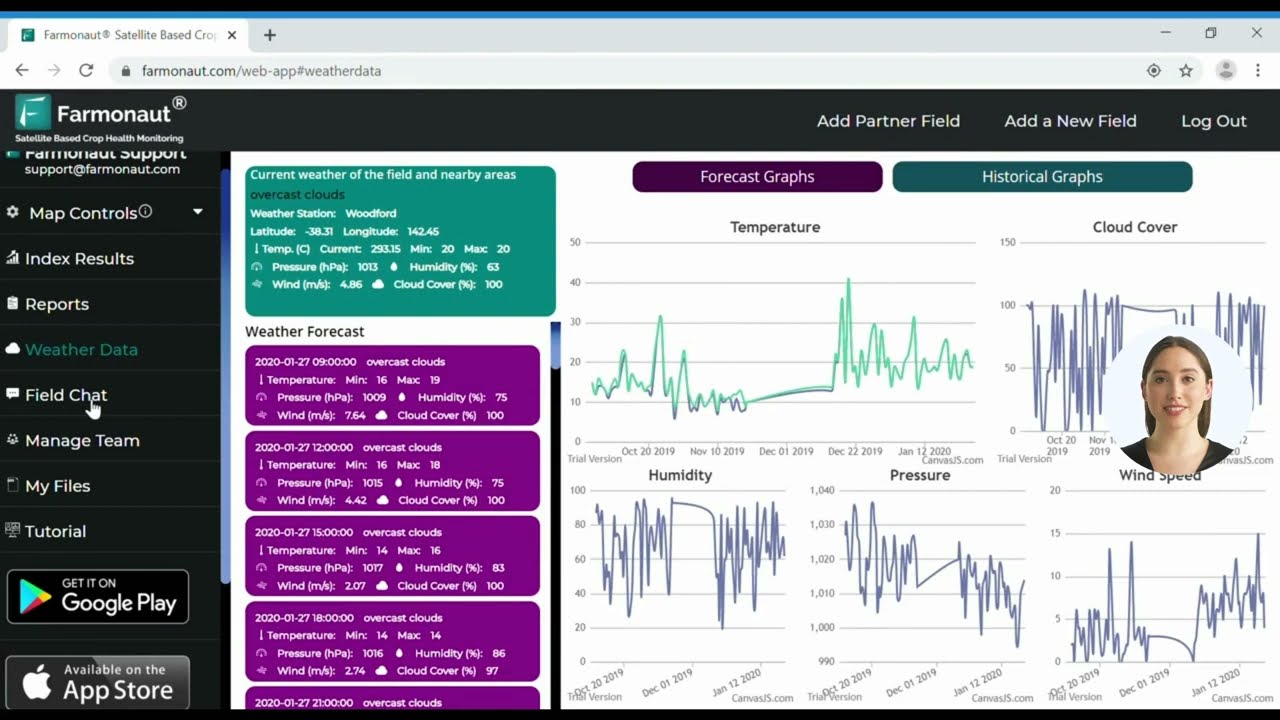
- ✔ Digital Agriculture: Mobile apps, satellite-based monitoring, market price info platforms, and APIs for real-time monitoring are transforming the field.
- ✔ Sustainable Practices: Conservation agriculture, precision irrigation, and carbon footprint monitoring are gaining ground.
- ✔ Agro-processing Expansion: Investments in local processing reduce post-harvest losses and improve value chains.
- ✔ Youth Engagement: Agribusiness incubators and digital upskilling are drawing youth back into agriculture.

🌱 Innovations Driving the 2026 Growth Outlook
- Satellite Technology & AI: Real-time crop monitoring, land suitability analysis, and yield prediction enable farmers to plan smarter and adapt to climate change.
- Blockchain-Based Traceability: Ensuring product authenticity builds global trust—vital for export markets. Learn more about traceability solutions for Ghanaian agribusinesses.
- Resource Management Tools: Fleet management and logistics tracking applications enhance farming efficiency.
- Weather Forecasting & Advisory: Apps deliver location-tailored weather and market info for better agricultural decision-making.
- Financial & Insurance Services: Satellite-based loan and insurance verification, such as satellite crop loan support, reduce risk and expand rural finance.
Ghana witnessed a 38% rise in the use of digital extension services and mobile-based weather advisories in agriculture between 2022 and 2025. This trend is expected to outpace traditional extension approaches by 2026.

- 📶 Mobile Advisory
- 🌍 Remote Sensing
- 🔗 Blockchain Traceability
- ⚡ AI Analysis

The Key Challenges Facing the Agriculture Sector in Ghana (2024-2026)
Despite a dynamic landscape, Ghana’s agriculture sector continues to face significant hurdles:
- ⚠ Inadequate Infrastructure: Limited rural roads, grain storage, and cold chains restrict market access and increase post-harvest losses.
- ⚠ Climate Change: Erratic rainfall, droughts, and floods threaten yields and rural community stability.
- ⚠ Lack of Access to Finance: High collateral demands and weak rural banking limit technology adoption and expansion for smallholders.
- ⚠ Extension Services Gaps: Not all farmers benefit from modern advisory or inputs—especially women and youth.
- ⚠ Global Commodity Volatility: Cocoa and timber exports are sensitive to price shocks on the world market.
Underestimating the vital impact of climate variability on all 7 sectors of agriculture. Forward-thinking farmers integrate climate adaptation strategies into their practices.
Building resilient agriculture systems requires policies that address these challenges while supporting inclusive growth and sustainability across every sub-sector.
Sustainable Development: Pathways Forward (2026 and Beyond)
The vitality of the agriculture sector in Ghana hinges on robust policies, investment, and adoption of sustainable practices:
- ✔ Promote Smart Irrigation & Climate-Resilient Crops: Encourage innovation for water management and drought-proof crop varieties.
- ✔ Expand Digital Platforms: Wider use of AI, blockchain traceability, and remote monitoring for higher productivity and transparency—see large-scale farm management tools.
- ✔ Strengthen Farmer Cooperatives: Improving negotiation power and facilitating information/distribution flow.
- ✔ Investment in Agro-Processing: Reduce post-harvest losses and add value to local crops.
- ✔ Climate Action: Invest in reforestation and carbon farming programs while protecting biodiversity. Explore crop plantation and forest advisory for sustainable forestry management.
Satellite technologies now offer real-time tracking of carbon footprints and resource use in Ghana’s agriculture sector, helping align with global sustainability metrics in 2026 and beyond.

Farmonaut Insight: Next-Gen Satellite Tools for Agriculture Sector in Ghana
At Farmonaut, we are committed to helping agribusinesses, governments, and farmers unlock the full potential of the agriculture sector through affordable, accessible, satellite-driven solutions. Our smart platform blends satellite imagery, AI, and blockchain to:
- ✔ Monitor crop health using NDVI, soil, and water indices for timely interventions in crop production.
- ✔ Detect land-use change and environmental risks for forestry and livestock areas.
- ✔ Provide real-time weather + tailored advisory via Jeevn AI to support farmers and agribusinesses.
- ✔ Enable blockchain-based traceability for secure, globally trusted supply chains.
- ✔ Track carbon emissions and promote sustainable practices in alignment with Ghana’s climate action goals.
Explore Farmonaut’s API suite and developer docs to integrate satellite insights into your agri-solutions: API Documentation.

Whether optimizing crop management, sustaining rural incomes, or meeting international food standards, Farmonaut’s platform is designed for scalability—from smallholder farmers to policymakers.

FAQ: Ghana’s 7 Agriculture Sectors Answered
Q1: What are the main agriculture sectors in Ghana?
A: The main sectors are Crop Production, Livestock (Animal Husbandry), Fisheries & Aquaculture, Forestry, Horticulture, Agro-processing & Value Addition, and Agricultural Services.
Q2: Which crops are most important for Ghana’s exports?
A: Cocoa is the principal export crop, with rising importance seen in horticultural exports like pineapple, mango, and processed foods.
Q3: What technologies are transforming Ghanaian agriculture in 2026?
A: Key technologies include mechanization, digital advisory apps, satellite-based monitoring, blockchain traceability, and AI-driven analytics—delivered via providers such as Farmonaut.
Q4: What are the biggest challenges for sustainable sector growth?
A: Major challenges include infrastructure deficits, climate change, finance/insurance barriers, low adoption of modern practices, and exposure to world market volatility.
Q5: How can Ghana achieve a resilient agricultural future?
A: By investing in sustainable intensification, digitalization, inclusive finance, and value addition—supported by climate-smart and gender/youth-focused policies.
- 🌱Seven principal agriculture sectors collectively drive Ghana’s economy and food security.
- 🚜Mechanization and digitalization are transforming traditional agriculture practices and boosting productivity nationwide.
- 📊Commodity volatility and climate change remain critical sectoral challenges into 2026.
- 🥭Horticulture exports are projected to grow by 12% by 2026, underscoring global demand for fresh produce.
- 🛰️Providers like Farmonaut are making satellite insights affordable and accessible, paving the way for smarter, more sustainable agriculture in Ghana.
Conclusion: The Future of Ghana’s Seven Agriculture Sectors
Each of the 7 sectors of agriculture in Ghana—crop production, livestock, forestry, fisheries & aquaculture, horticulture, agro-processing, and agricultural services—is essential to the country’s food security, employment, and sustainable growth. As we approach 2026, embracing digitalization, improving infrastructure, scaling sustainable practices, and innovative policies will be critical to unleashing Ghana’s full agriculture potential.
Farmonaut’s suite of satellite, AI, and blockchain solutions positions us to support Ghana’s journey—enabling smart decision-making for farmers, agribusinesses, and policymakers, and driving sustainable agricultural development now and into the future.
The resilience, innovation, and adaptability of the agriculture sector in Ghana will ensure it remains a cornerstone for generations to come—fostering prosperity and food security for all.
Discussion
Questions, corrections or field experience? Share them below. First-time comments are reviewed before they appear, and your email is never published.
No comments yet. Be the first to add a question or your experience.

 Andex
Andex AgroRangers
 FCF India
 Unifrutti Gulf
 Deluxe Conseil
 TVS Electronics
 BW Pipelines
 WICO
WICO Gen Chayat
 Chimera Innovation
 SkyHarvest
 Polaris Digitech
 Teledarbas
 Wild Oak Farm
 SFX
SFX
 Licence holder · Niger · Gold










