

Tulip Tree & African Tulip: 7 Key Benefits 2026
Summary: The Tulip Tree and Its Importance in Forestry and Agriculture in 2025 and Beyond
“Tulip trees sequester up to 48 pounds of CO2 per year, aiding climate resilience in sustainable forestry.”
Introduction: The Tulip Tree and African Tulip’s Growing Importance in 2026
The tulip tree (Liriodendron tulipifera) and its striking counterpart, the African tulip tree (Spathodea campanulata), are among the most valuable tree species in contemporary forestry, agroforestry, and environmental management. As focus sharpens on sustainable land use and ecological restoration leading into 2026, these trees play increasingly pivotal roles due to their fast growth, diverse benefits, and exceptional adaptability in varied climates. Their majestic leaves, vibrant flowers, high-quality timber, and ecological impact make them essential in efforts to combat climate change, support biodiversity, and strengthen sustainable agriculture systems globally.

In this comprehensive analysis, we unveil the 7 key benefits of the tulip tree, tulip poplar tree, and African tulip tree for 2026—highlighting their contributions to agroforestry, forestry, ecological resilience, and sustainability. With global priorities shifting towards renewable resources, carbon sequestration, and climate-smart agriculture, understanding these valuable trees will be critical for landowners, environmental planners, and farmers across North America, Africa, Asia, and Latin America.



Access Farmonaut’s API or view our Developer Docs for seamless satellite-data integration—ideal for anyone monitoring agroforestry, crop health, or timber landscapes.
Tulip Tree, Tulip Poplar, and African Tulip: Botanical & Geographic Overview
The tulip tree (often interchangeably called tulip poplar tree or yellow poplar, though not a true poplar) is native to eastern North America. It is scientifically known as Liriodendron tulipifera. This species is considered a keystone hardwood due to its ecological and economic importance. Its distinctive lobed leaves resemble a tulip or cat face, and its large, tulip-shaped flowers feature striking greenish-yellow petals with orange-mottled centers.
- Region: Eastern US, from southern Canada to northern Florida and west to Missouri. Flourishes in moist, well-drained soils but tolerates a range of conditions.
- Height: Among the tallest hardwoods in North America, often reaching heights of 35–50 meters (115–160 feet) within decades.
- Leaves: Uniquely lobed, bright green, turning golden yellow in autumn—critical for local ecosystems and soil enrichment.
- Wood: Pale, straight-grained, used for furniture, veneer, plywood, and paper pulp.
The African tulip tree (Spathodea campanulata), meanwhile, dominates tropical landscapes across Africa, Southeast Asia, and Latin America:
- Region: Native to equatorial Africa but widely planted in tropical and subtropical regions as an ornamental and shade tree. Common along roadsides, in parks, and on farms for windbreaks.
- Height: Typically 7–25 meters (23–82 feet).
- Leaves: Large, dark green, compound, providing deep canopy shade.
- Flowers: Renowned for bright, orange-red clusters, attracting pollinators and providing landscape beauty.
- Wood: Used locally for tools, light furniture, and charcoal, though less commercially significant than tulip poplar.
While both are fast-growing species, their roles diverge across ecosystems. The tulip poplar is a mainstay of timber production and afforestation in America, while the African tulip is more associated with soil enrichment, shade, and ornamental value in Africa, Asia, and Latin America.

7 Key Benefits of Tulip Tree & African Tulip for 2026
Both the tulip tree and African tulip display a remarkable range of benefits within forestry, agroforestry, and sustainable land management. As we look to maximize agricultural and environmental value, these benefits have become increasingly significant.
-
1. Carbon Sequestration for Climate Mitigation
- Tulip trees are known for their rapid growth and large biomass, making them specialized “carbon sinks.” Mature tulip trees can sequester up to 48 pounds of CO2 per year, directly supporting carbon-negative forestry practices.
- African tulip trees are also high carbon capturers due to their canopy size and growth rate—making them invaluable in tropical reforestation projects in Africa, Asia, and Latin America.
-
This benefit is crucial for countries and industries making carbon footprint monitoring a central part of their management strategies.
Learn more about our satellite-based carbon footprinting for forestry and agriculture—a game-changer for sustainability initiatives.
-
2. Soil Enrichment and Health Improvement
- Tulip tree leaf litter decomposes rapidly, adding essential organic matter and nutrients to soil.
-
African tulip tree leaves and roots are especially effective in boosting soil fertility. Research shows well-planted African tulip groves can increase agroforestry crop yields by 15% through natural soil enrichment properties.
“African tulip trees can boost agroforestry crop yields by 15% due to their soil enrichment properties.”
- Enriched soil promotes greater plant health, crop output, and ecosystem stability—key for agriculture in nutrient-depleted or degraded landscapes.
-
3. Pollinator Support and Flowering Biodiversity
- The distinctive tulip-shaped flowers of tulip poplar are nectar-rich and appear in late spring, supporting bees, butterflies, and other pollinators in native North American forests.
- The african tulip tree—famed for its spectacular, bright-orange blossoms—also serves as a magnet for pollinators year-round in tropical agroecosystems.
- Increased pollinator presence boosts not only the trees’ own reproduction but leads to greater fruit and seed yields in neighboring agroforestry crops.
-
4. Drought Resistance & Climate Change Adaptability
- Both the tulip tree and african tulip exhibit exceptional adaptability to varied soil and climate types.
- The tulip poplar tree, though best in moist soils, tolerates dry conditions once established—making it suitable for reforestation of degraded, vulnerable land.
- African tulip thrives in tropical and subtropical regions, tolerates heat and erratic rainfall—perfect for climate-resilient agroforestry in Africa and beyond.
- This resilience is invaluable as climate change increases environmental unpredictability worldwide.
-
5. High Timber Yield and Renewable Resource Value
- Tulip poplar wood is prized for its lightness, workability, and fine grain—making it a staple for furniture, plywood, veneer, and pulp industries.
- Its fast growth yields higher timber volumes in shorter cycles compared to most native hardwoods in North America. This is vital for renewable timber production as demand for sustainable building materials grows.
- African tulip produces lighter wood, used locally in furniture or as fuel, but its major timber value is supporting localized economies where fast wood production is needed.
- Discover plantation and forest advisory insights with Farmonaut’s specialized tools: Crop Plantation & Forest Advisory.
-
6. Agroforestry Suitability, Land Productivity, and Farmer Benefits
- Tulip poplars integrate well with agricultural species, providing partial shade, windbreaks, and soil stabilization.
- African tulip trees are often planted as buffer rows or in mixed agroforestry systems—protecting crops from wind, reducing erosion, and supporting microclimate management.
- These trees help farmers increase overall land productivity, diversify outputs, and improve system resilience.
- Agroforestry traceability is key for premium markets—see Farmonaut’s Product Traceability solution for full transparency and market trust.
-
7. Biodiversity Enhancement & Ecological Restoration
- Native poplars support a vast array of insects, birds, and mammals through their leafy canopies and seasonal, nectar-rich flowers.
- African tulip, while sometimes invasive if unmanaged, can rehabilitate degraded land—boosting habitat complexity and soil structure in plantations when responsibly established.
- Enriched ecosystems mean better pest control, functional food webs, and long-term resilience—all vital for future-proofing agricultural landscapes.
- Optimize large-scale biodiversity mapping with Farmonaut’s Large Scale Farm Management app.

Comparative Benefits Table: Tulip Tree, Tulip Poplar & African Tulip Tree (2026)
To help visualize the unique and shared advantages of these vital tree species for agroforestry, sustainability, and forestry in 2026, see the comprehensive comparison below. This table includes estimated values and qualitative rankings, supporting practical decision-making for project planners and farmers alike.
| Key Benefit | Tulip Tree (Liriodendron tulipifera) |
Tulip Poplar (North American “Yellow Poplar”) |
African Tulip Tree (Spathodea campanulata) |
|---|---|---|---|
| Carbon Sequestration | Up to 22 kg/year (48 lbs); High | Up to 22 kg/year (48 lbs); High | Estimated 12–19 kg/year; High in tropics |
| Soil Enrichment | Medium; fast-decomposing leaf litter enhances soil | Medium; extensive root zone improves soil structure | High; boosts crop yield by 10–15%, improves fertility |
| Pollinator Support | High; attracts bees, butterflies | High; supports native pollinators | High; nectar-rich flowers, vital for tropical pollinators |
| Drought Tolerance | Medium-High once established | Medium-High; suitable for varied climates | High; thrives in erratic rainfall, heat |
| Timber Yield | 8–12 m³/hectare/year; very high for a hardwood | 8–12 m³/hectare/year | 2–5 m³/hectare/year; moderate (light wood) |
| Agroforestry Suitability | High; compatible with many systems | High; used in tree-crop integration | High; windbreak, shade, barrier, soil builder |
| Biodiversity Enhancement | High; supports insects, birds, mammals | High; keystone species in East US forests | Medium-High when managed; caution re: invasiveness |
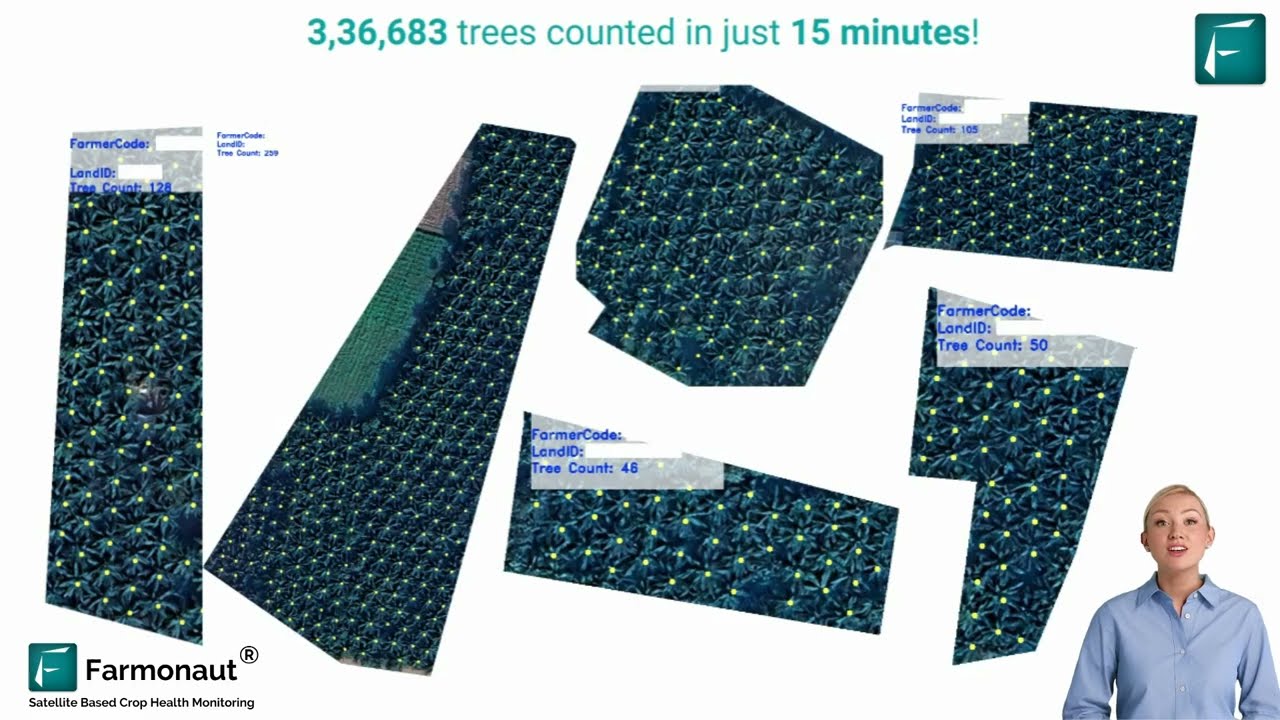
The Tulip Tree and African Tulip Tree in Forestry & Agroforestry (2026)
Tulip Poplar: The Keystone of North American Forestry
The tulip poplar is a powerhouse of forestry in eastern North America. Its fast growth rate, straight trunk, and long, branch-free bole make it a lucrative crop for sequential or continuous timber production. With timber yield rates as high as 12 m³/hectare/year, it outcompetes most native hardwoods in terms of economic return and harvest intervals.
- Uses: Widely used for veneer, plywood, lumber, and pulpwood—in high demand for renewable building materials in modern, eco-conscious construction.
- Reforestation & Afforestation: The species thrives in both reforestation of clear-cuts and afforestation on previously unwooded lands, thanks to its adaptability and rapid establishment.
- Soil Stabilization: Extensive root systems contribute to soil stabilization, safeguarding vulnerable slopes and watersheds.
- Agroforestry Integration: Tulip poplar trees can be intercropped with row crops, providing partial shading, erosion management, and windbreak roles in mixed farming systems.
African Tulip Tree: Agroforestry Champion for Africa, Asia, and Latin America
The African tulip shines in tropical and subtropical regions as an agroforestry asset—improving soil fertility, offering essential shade, and acting as an accessible source of light wood for rural households. Its ability to increase yields in companion crops (like coffee, cacao, bananas) is especially valued in resource-constrained smallholder systems.
- Windbreaks & Shade: Frequently planted along roadsides, field borders, and among crops to protect from wind, sun, and erosion.
- Ornamental & Horticultural Purposes: Its brightly colored flowers provide important habitat for local pollinators and add diversity to landscaping in urban and rural areas.
- Managed Invasiveness: Proper management prevents its spread into natural habitats, allowing farmers to benefit without ecological risk.
- Soil Enhancement: Deep roots break up soil hardpans and recycle nutrients, improving long-term productivity.

Environmental and Ecological Value: Tulip Tree & African Tulip in 2026
The ecological impact of these trees extends beyond timber and farming, embedding them as vital elements of modern, environmentally conscious landscapes:
- Climate Mitigation: Tulip trees and african tulip trees capture carbon quickly, offsetting emissions from agricultural and urban expansion.
- Biodiversity Reservoirs: The diversity of insects, birds, and mammals supported by their flowers and leaves is a foundation for resilient food webs.
- Soil & Water Conservation: Their canopies and root systems regulate soil moisture, improving drought resistance and stabilizing water cycles.
- Habitat Restoration: Fast-growing, shade-providing trees are used in landscape recovery projects to rewild damaged lands or former monoculture plots.

Satellite Technology, Sustainability & Tulip Trees: Farmonaut Insights
At Farmonaut, we recognize that harnessing the benefits of the tulip tree, tulip poplar, and african tulip tree demands a data-driven, integrated approach to agroforestry management, forestry, and environmental sustainability. Our advanced platform makes satellite monitoring and AI-based advisory accessible—empowering informed decisions for all types of land managers.
- Satellite-Based Monitoring: Leverage multispectral imagery to monitor tree growth, foliage health, soil quality, and timber yield—essential for sustainable forestry and agriculture.
- Jeevn AI Advisory: Receive real-time advice and climate-smart strategies for managing diverse agroforestry systems and maximizing the value of tulip trees in 2026.
-
Blockchain Traceability: Enhance market access and supply chain sustainability for agroforestry goods with end-to-end traceability of timber and tree-derived products.
Discover more: Farmonaut Product Traceability
- Environmental Impact Tracking: Monitor carbon sequestration, soil health, and biodiversity changes at farm or regional levels—ideal for large-scale forest and agroforestry management.
-
Fleet & Resource Management: Track and optimize all field and forest operations for cost and carbon efficiency.
See Farmonaut’s Fleet Management tools.

Satellite-based crop loan and insurance eligibility is available for farmers and forest managers seeking financial support with transparent, verified management of tulip tree, african tulip tree, and other high-value assets.
Management, Challenges & Sustainable Practices for Tulip Trees
- Pest & Disease Vulnerability: Tulip trees can be affected by tulip tree scale, aphids, and cankers. Integrated pest management (IPM), genetic research, and regular health monitoring via satellite platforms such as Farmonaut can help maintain stand vitality.
- Invasiveness of African Tulip: Without responsible management, african tulip can outcompete native species—especially in Pacific islands, northern Australia, and some Asian areas. Limit its use to managed agroforestry plots and avoid planting near natural forests.
- Site Selection: Ensure soil and climate are appropriate—tulip poplar needs deep, well-drained soils; african tulip tolerates variable conditions but prefers warmth and moisture.
- Periodic Thinning: Overly dense stands of poplar or african tulip can reduce productivity and health. Scheduled thinning improves light penetration and fosters healthy, rapid growth.
- Biodiversity Planning: Integrate a mix of native species to bolster ecological stability and systems resilience.
With proper management and modern satellite-based advisory systems, these challenges are quite manageable. Sustainable use of tulip tree and african tulip is key to transforming degraded landscapes and advancing eco-friendly agriculture, forestry, and environmental restoration in 2026.
Farmonaut Subscriptions: Affordable Access to Advanced Agroforestry Solutions
Frequently Asked Questions: Tulip Tree & African Tulip in 2026
What is the tulip tree best known for?
In 2026, the tulip tree (Liriodendron tulipifera) remains best known for its distinctive, lobed leaves and tulip-shaped flowers, as well as its fast growth and high-value, renewable timber production in sustainable forestry and environmental management.
Is the african tulip tree invasive?
Yes, in some tropical regions the African tulip tree (Spathodea campanulata) can become invasive if uncontrolled. Managed planting in agroforestry and on farms ensures its benefits (soil enrichment, shade, pollinator support) outweigh its risks to native species.
How do tulip trees boost agroforestry productivity?
Tulip trees integrate as windbreaks, shade providers, and soil stabilizers. African tulip tree, in particular, is noted for raising companion crop yields (like bananas and cacao) by 10–15% due to soil improvement and microclimate stabilization.
Are tulip poplar trees suitable for my reforestation project in North America?
If your site has deep, well-drained soils and a moderate to humid climate, tulip poplar is an excellent, fast-growing candidate for both timber and ecological restoration. Always monitor for pests and diseases using modern advisory solutions.
What are some modern tools for managing tulip trees in agroforestry?
Satellite and AI-driven platforms such as Farmonaut provide multispectral crop/tree health monitoring, soil moisture insights, environmental impact mapping, and operational management—optimizing every step of agroforestry and forestry management for tulip trees.
What are the main challenges in growing these trees?
Tulip trees can be susceptible to pests and diseases, while African tulip may become invasive if not managed. Responsible planning, site selection, thinning, pest monitoring, and regular observation with IT tools help mitigate most risks.
Conclusion: The Tulip Tree and African Tulip—Keystone Assets for Green Landscapes in 2026
As the world pivots toward sustainable forestry, carbon management, and climate-resilient agriculture, the tulip tree, tulip poplar, and African tulip tree stand out as multi-functional species ready to help the next generation of farmers, land planners, and environmental stewards. Their role in:
- Sequestering carbon,
- Enhancing soil health and crop yields,
- Supporting pollinators and biodiversity,
- Producing renewable, high-quality timber,
- And restoring vulnerable landscapes
remains unparalleled.
While careful management is essential, the tools for sustainable, data-driven agroforestry are rapidly evolving. Using state-of-the-art satellite technology—like the services and insights we provide at Farmonaut—supports smarter, more integrated, and eco-conscious agriculture on every continent.
From the humid forests of eastern America to the vibrant farms of Africa, Asia, and Latin America, the tulip tree and its relatives are poised to take center stage in a greener, more resilient 2026 and beyond.

 BeyondTech Global
 Consulthink Global
 Rouge VC
 Yutz Automation
 AgroGreen Dynamics
 AgroRisk
 Oath Inc
 Reddane Farming
 Esri North East Africa
 Cresol
 Atur Kuliner
 MDCV UK
 Zerella Group
 Etech Consulting Madagascar
 Vestlandsforsking
 Delicio
 WB Dev
 Sama Premium
 Prochecker
 Tres Valles
 LACOS Geoinformation
 Magrifly
 LatConnect 60
