

Cobalt and Lithium Mining in 2026: Powering a Greener Future
“In 2026, global lithium demand for EV batteries is projected to exceed 1 million tons, driving sustainable mining innovation.”
Table of Contents
- 1. Introduction: Cobalt and Lithium Mining — Pillars of the Green Economy in 2025–2026
- 2. Strategic Importance of Cobalt & Lithium in the Modern Economy
- 3. Global Mining Landscape, Distribution, and Challenges
- 4. Estimated Sustainability Metrics of Cobalt vs. Lithium Mining in 2025–2026
- 5. Innovations & Sustainability: Shaping the Future of Extraction
- 6. Ethical, Responsible Sourcing and Supply Chain Transparency
- 7. Technologies & Digital Tools: AI, Satellites, and Farmonaut
- 8. Global Outlook for 2026 and Beyond
- 9. Sustainable Growth, EV Batteries, and the Circular Economy
- 10. How Farmonaut Empowers a Sustainable Mining Industry
- 11. FAQ: Cobalt, Lithium, and the Green Future
Introduction: Cobalt and Lithium Mining — Pillars of the Emerging Green Economy in 2025–2026
Cobalt and lithium mining are now recognized as pillars of the emerging green economy, underpinning the transition away from fossil fuels in 2025–2026 and transforming energy, battery, and EV production worldwide. As governments enforce stricter emissions regulations and consumers demand environmental responsibility, the presence of strategically important minerals like cobalt and lithium is more critical than ever.
From lithium cobalt mining operations in Australia, Chile, and Argentina, to cobalt mining in the Democratic Republic of Congo (DRC), industry practices, responsible extraction, and sustainable technologies are shaping the future of energy storage, electric vehicles, and green manufacturing.
This comprehensive guide explores how sustainable cobalt and lithium mining will continue to enable the global shift to renewable energy and advanced technologies—focusing on ethical, environmental, and sustainable practices that will define the future in 2025, 2026, and beyond.
“Over 60% of the world’s cobalt in 2025 will come from ethical, certified mines supporting green energy transitions.”
Strategic Importance of Cobalt & Lithium in the Modern Economy
Cobalt and lithium are essential raw materials, especially in the production of lithium-ion batteries—the core power source behind electric cars, smartphones, grid-scale storage systems, and advanced electronics.
- Lithium: Prized for its high energy density, lightweight chemical properties, and efficiency in rapid charging and energy storage systems.
- Cobalt: While less abundant, cobalt is critical for ensuring battery stability, longevity, and reducing overheating risks, ultimately enabling safer performance over the battery lifecycle.
This strategic nexus between lithium cobalt mining and battery innovation is the foundation of the current green revolution—powering everything from grid-level energy storage to everyday electronics and globally accelerating the transition away from fossil fuels.

Key Roles of Cobalt and Lithium in 2026 and Beyond
- Batteries & Energy Storage: Forming the core of lithium-ion batteries for electric vehicles (EVs), renewable energy storage, and advanced electronics
- EV Manufacturing: Enabling rapid adoption of electric mobility by providing batteries with high-density, rapid charging capabilities and long lifespans
- Renewable Integration: Assisting power grids to efficiently absorb wind and solar energy—crucial for decarbonizing energy systems
- Advanced Electronics: Powering smartphones, laptops, and smart devices globally
- Enabling Circular Economy: Easy to reclaim and recycle from spent batteries, supporting closed-loop material flows and reduced mining pressure in the future
Thanks to surging global demand and technological advances, lithium cobalt mining operations have witnessed an exponential surge, directly translating to intensified mining activity in regions rich in these natural resources. These minerals have become the fuel of the 21st-century green economy.

Statistics: The Demand and Market Surge
- Battery production is expected to require over 1 million tons of lithium and hundreds of thousands of tons of cobalt globally each year by 2026
- EV (electric vehicle) sales and renewable storage will consume a majority share of new lithium and cobalt mined
- Governments in key regions, including the EU, U.S., Australia, and China, incentivize the shift with emission and resource-use regulations
The importance of these minerals will continue to grow as the world pursues aggressive climate goals and future-proofs its energy infrastructure.
Global Mining Landscape, Distribution, and Challenges
Cobalt: Concentration, Challenges, and Ethical Sourcing
- Cobalt mining is largely concentrated in the Democratic Republic of Congo (DRC), which alone accounts for roughly 70% of global cobalt production.
- The DRC’s vast reserves place it at the supply chain’s center, but create significant ethical, geopolitical, and environmental challenges:
- Labor exploitation and unsafe mining conditions are common in parts of the region
- Child labor and a lack of worker protections are long-standing, unresolved concerns
- Environmental issues: From forest clearance and habitat loss to toxic runoff into water systems
- Geopolitical volatility and supply chain risks can impact global markets
The international community and mining companies are responding with heightened requirements for transparency, responsible sourcing, and regulatory compliance in the cobalt industry, especially in the DRC.

Lithium: Geographical Distribution and Environmental Concerns
- Lithium mining is more geographically dispersed—with Australia, Chile, Argentina, and China as primary contributors to global reserves.
- Extraction methods differ:
- Brine operations in the “Lithium Triangle” of Argentina-Chile-Bolivia extract lithium from underground saltwater aquifers.
- Hard rock spodumene mining, notably in Australia, involves physically mining mineral deposits.
- Environmental impacts include:
- Significant water usage and risks of water table depletion or contamination
- Habitat disturbance and landscape alteration
- Concerns over chemical waste management and pollution control
- Growing global scrutiny means ethical mining practices and environmental management now play a crucial role in industry reputation.
The lithium cobalt mining sector is at a critical juncture: Sustainability and transparency are as important as production volumes.
Estimated Sustainability Metrics of Cobalt vs. Lithium Mining in 2025–2026
As the world transitions towards sustainable energy systems, understanding how cobalt mining and lithium mining compare on key sustainability metrics helps drive environmental responsibility and informs policy decisions.
| Indicator | Cobalt Mining (Estimated Data) | Lithium Mining (Estimated Data) |
|---|---|---|
| Carbon Footprint per Ton | 4.5–5.0 tons CO₂e | 2.5–3.0 tons CO₂e |
| Water Usage per Ton | 700–1,200 m³ | 1,500–2,000 m³ (brine); 800–1,000 m³ (hard rock, Australia) |
| Land Impact Area (per 10,000t/year) | 8–12 hectares | 12–22 hectares (brine); 7–10 hectares (hard rock, Australia) |
| Ethically Sourced Output (%) | 60–65% (certified, DRC) | >90% (regulated mining, Australia/Chile) |
| Estimated Recycling Rate (%) | 18–22% | 6–10% |
| Regulatory Compliance Index* | 60–75 /100 | 80–90 /100 |
* Estimates based on current global mining regulations and certification program compliance.
The above data highlights the need for continual environmental innovation, ethical sourcing, and advanced recycling initiatives as both industries carry unique sustainability challenges and opportunities.
Innovations & Sustainability: Shaping the Future of Extraction
In 2026, leading cobalt and lithium mining companies are rapidly evolving to meet stringent sustainability and ethical benchmarks—driven by international regulations, market demands, and environmental responsibilities.
Key Technological & Operational Innovations
-
Direct Lithium Extraction (DLE):
- Uses advanced chemical technologies to extract lithium from brines without evaporation ponds.
- Enables reduced water consumption and significantly shorter processing times.
- Increases lithium recovery rates while lowering land and environmental impact.
-
Battery Recycling:
- Cobalt mining and lithium battery recycling focuses on recovering valuable minerals from spent batteries, reducing the pressure on primary mining and supporting a circular economy.
- Efficient separation and high recovery rates have made recycling a significant contributor to global cobalt and lithium supply chains.
-
Green Processing Methods:
- Reducing reliance on toxic reagents and transitioning to closed-loop water systems.
- Adopting renewable energy sources for mining operations, thereby lowering the carbon footprint per ton of mineral produced.
-
Remote Sensing & Satellite Monitoring:
- Mining sites leverage satellite imagery to monitor environmental impact, land degradation, and real-time compliance with ecological standards.
- Supports more efficient resource management and environmental auditing.

Impact of Industry Standards and Certifications
- Leading organizations and initiatives, such as the Initiative for Responsible Mining Assurance (IRMA) and OECD’s Due Diligence Guidance, are strengthening monitoring and ensuring best practices for responsible cobalt and lithium mining worldwide.
- Certifications and supply chain verification aim to eliminate child labor, improve worker safety, and prevent environmental damages.
- Public demand for transparency in sourcing is rapidly influencing corporate procurement decisions, ensuring industry accountability and trust in green technologies.
The industry’s future lies in the large-scale adoption of innovations, reduced water usage, emissions management, and increased recycling rates—all essential for sustainable growth.
Ethical, Responsible Sourcing and Supply Chain Transparency
Ethical supply chains are now at the forefront of cobalt and lithium mining, shaping international market access and ensuring compliance with consumer expectations for green, sustainable products.
How Companies Address Ethical and Environmental Concerns
- Blockchain Traceability Solutions: Many mining companies now use blockchain to provide end-to-end traceability for cobalt and lithium supplies. This delivers a tamper-proof record of origin, processing, and certification for each batch of mineral—bolstering trust and transparency.
- Labor and Human Rights: International scrutiny means mining operations are increasingly subject to worker welfare audits, child labor prevention, and community engagement programs—especially in regions like the DRC.
- Regulatory Compliance: New policies such as the EU’s Battery Regulation require manufacturers to ensure minerals used in batteries meet ethical and environmental standards, further encouraging responsible sourcing worldwide.
Interested in how traceable supply chains transform mining and battery production? Discover Farmonaut’s Blockchain-Powered Traceability to enhance transparency for responsible mining and bulk commodities.
Evolving Audit and Verification Practices
- Independent auditing by third parties and digital certifications (including real-time satellite validation) have become more prevalent to assure material origin and compliance.
- These new practices empower manufacturers and governments to make responsible sourcing decisions, which in turn assure consumers their electronics, cars, and devices support sustainable practices.
Technologies & Digital Tools: AI, Satellites, and Farmonaut
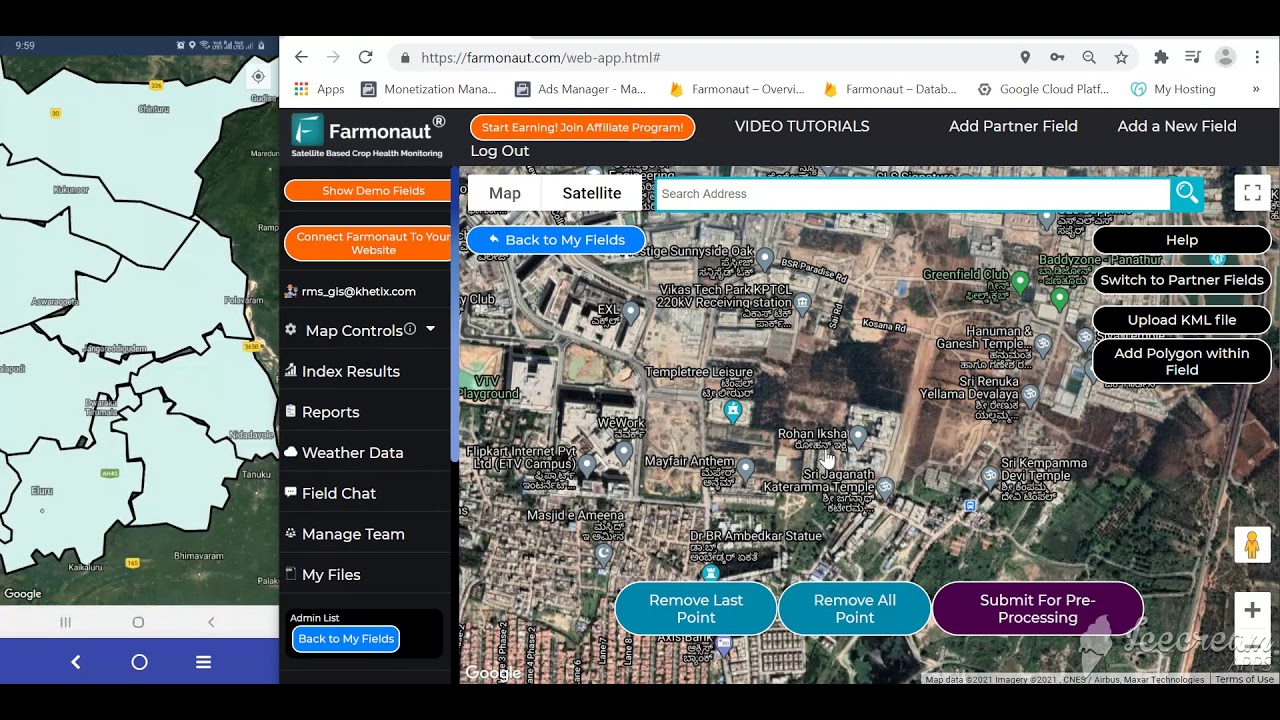
Digital transformation is revolutionizing all aspects of lithium cobalt mining. Satellite imagery, artificial intelligence (AI), and data analytics now play pivotal roles in monitoring, optimizing, and enforcing environmental, ethical, and operational standards across regions from Australia to the DRC.
Satellite-Based Monitoring and Advisory Systems
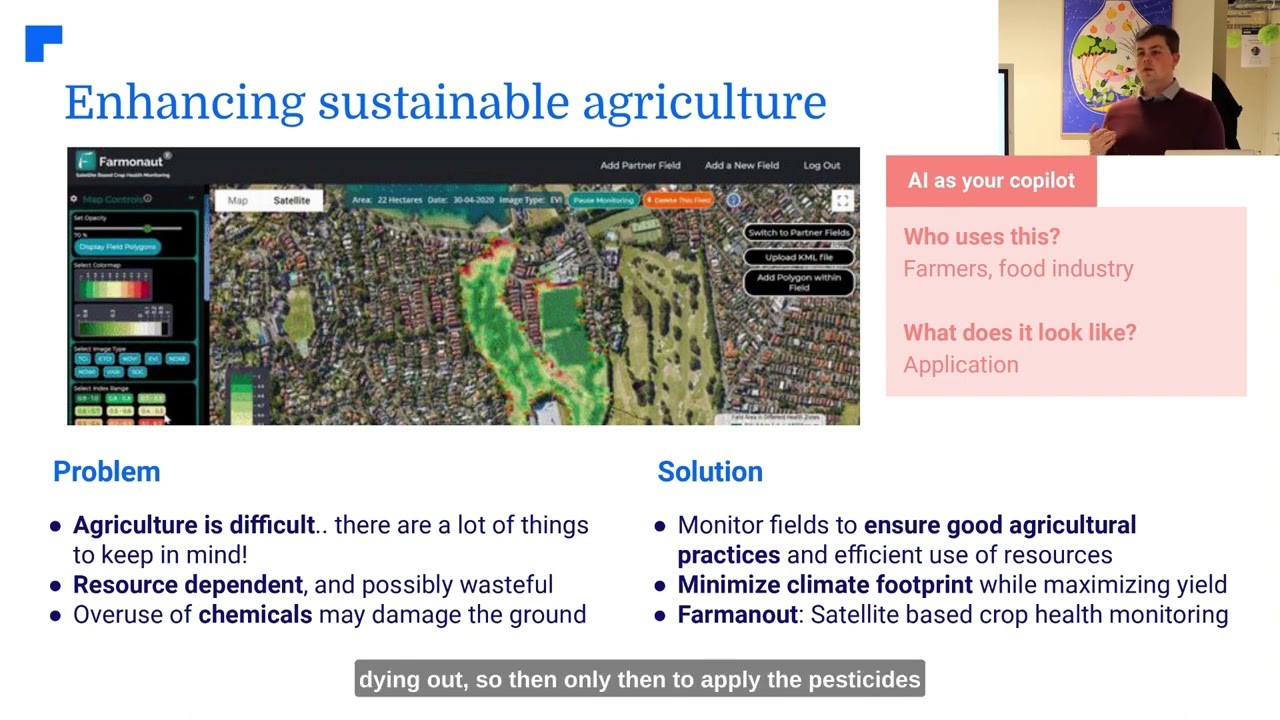
- Platforms like Farmonaut use multispectral satellite imagery to monitor site operations, vegetation health, water use, and emissions from mining sites at scale, enabling prompt detection of irregularities and environmental impacts.
- Real-time environmental data supports mining companies, businesses, and government regulators to proactively manage land impact, resource use, and regulatory compliance.
AI-powered platforms analyze data to detect ecological risks, inefficient extraction, unsafe working conditions, and signs of exploitation—empowering more responsible mining.

Digital Resource Management and Operation Optimization
- Software tools and API-based solutions enable mining operators and governments to optimize fleet operations, reduce emissions, manage resource use, and demonstrate compliance with international standards.
- These capabilities are crucial at a time of exponential surges in demand for battery minerals and scrutiny over environmental impacts.
Interested in integrating satellite data and intelligent infrastructure management directly into mining workflows? Explore the Farmonaut API and review the API Developer Documentation.



For businesses seeking optimized logistics and reduced emissions in mining, explore Farmonaut Fleet & Resource Management Tools—track vehicles, machinery, and resources to boost efficiency and safety.
Global Outlook for 2026 and Beyond: Supply, Sustainability, and Socio-Economic Impact
As global cobalt and lithium mining activity continues to soar in 2026, future success hinges on nurturing a delicate balance—meeting enormous demand for strategic materials while advancing sustainability, worker safety, and equitable economic benefits worldwide.
- EVs and battery demand: By 2026, estimated annual requirements will approach 1.5 million tons of lithium and half a million tons of cobalt globally.
- Supply chain diversification: Mining operations in Australia, Canada, Chile, and Europe are expanding to reduce monopoly risks and ensure security of supply for international markets.
- Sustainability commitments: Zero-deforestation pledges, emissions reduction targets, and waste management mandates are now standard for most companies extracting these minerals.
- Regulatory landscape: New international frameworks hold mining parties accountable for transparency, social impact, and environmental stewardship.
- Circular economy integration: New battery designs prioritize recycling and facilitate closed-loop material flow to reduce virgin mineral dependency over the long term.
Sustainable Growth, EV Batteries, and the Circular Economy
The next frontier in lithium cobalt mining is maximizing recycled materials and designing products—especially EV batteries—for easy disassembly and recovery.
How Recycling Shapes the Market
- Battery Recycling: Technologies that extract cobalt and lithium directly from old batteries represent a key solution to both supply shortfalls and waste reduction. This is a cornerstone for a circular, green economy.
- Eco-Innovation in Battery Design: Engineers increasingly design battery cells with future recyclability in mind—making them easier to disassemble, reconstruct, and upcycle into new batteries or other electronics.
- Market Dynamics: Recycled cobalt already provides 20% of annual supply, with projections for continued growth as countries adopt stricter end-of-life battery regulations.

Battery manufacturers and EV brands now search for recycled, certified materials to lower their environmental impact and sustain industry momentum.
How Farmonaut Empowers a Sustainable Mining Industry
At Farmonaut, we recognize the unique challenges and opportunities faced in the cobalt and lithium mining sector as the world accelerates its shift to a green economy. Our satellite-driven solutions deliver real-time monitoring, resource optimization, sustainability assurance, and traceability throughout the mining lifecycle.
- Satellite Monitoring: Our platform leverages advanced satellite imagery and analytics to help mining operators, businesses, and governments worldwide monitor environmental impacts, vegetation health, and resource extraction in real-time—supporting fact-based decision-making and compliance.
- AI-Driven Advisory: The Jeevn AI system delivers insights and forecasts for sustainable mining practices, environmental risk management, and operational optimization for companies and government oversight bodies.
- Blockchain Traceability: Our traceability framework allows responsible sourcing and proof-of-origin for minerals, empowering mining operators to access international markets and prove ethical standards.
- Environmental Impact Tracking: Our Carbon Footprinting Services help the mining industry monitor, benchmark, and report carbon outputs, supporting partners to align with global climate targets.
- Fleet & Resource Management: Mining operators use our fleet management tools to optimize logistics, lower operational costs, and minimize environmental impact in challenging terrains.
Through these innovations, our mission is to make satellite-driven insights affordable and accessible—enabling mining companies, businesses, and regulators to drive sustainability in the critical minerals sector worldwide.
Looking to streamline mining insurance or resource-backed loans? Learn how satellite-based verification can minimize risk and fraud: See our Mining Loan & Insurance Verification Platform.
FAQ: Cobalt, Lithium, and the Green Future
What is cobalt and lithium mining, and why is it crucial in 2026?
Cobalt and lithium mining refers to the extraction and processing of critical minerals used mainly in battery manufacturing and energy storage. Their availability underpins electric mobility, renewable energy integration, and advanced electronics—making them essential for a sustainable economy and technology transition in 2026 and beyond.
Why are ethical and sustainable practices important in the mining industry?
Unethical practices, such as child labor, unsafe working conditions, and environmental damage, undermine both social welfare and industry reputation. Sustainable, responsible mining ensures minerals are sourced fairly, safely, and with minimal ecological impact, maintaining the trust of governments, businesses, and consumers.
How do new technologies support sustainability in mining?
Advancements such as direct lithium extraction, remote sensing, satellite monitoring, AI-powered advisories, and blockchain traceability make mining more efficient, transparent, and environmentally responsible—reducing resource wastage and enforcing best practices.
Can recycled batteries help reduce mining pressure?
Yes. Recycling batteries allows for the recovery of lithium, cobalt, and other valuable minerals, reducing reliance on primary mining and supporting a closed-loop, circular economy, which is vital for sustainable industry growth.
What regions hold the largest reserves of cobalt and lithium?
Cobalt reserves are primarily concentrated in the Democratic Republic of Congo (DRC), while lithium is mined primarily in Australia, Chile, Argentina, and China. Diversifying supply sources is a prominent strategy among corporate and national buyers.
How does Farmonaut contribute to sustainable mining?
At Farmonaut, we offer accessible satellite-driven monitoring, environmental impact tracking, AI advisories, and blockchain traceability. Our platform empowers mining companies, governments, and financial institutions to enforce sustainability, optimize operations, and maintain global compliance.
Eager to drive sustainable cobalt and lithium mining in 2026 and beyond?
Start using Farmonaut’s Large Scale Mining & Monitoring Platform for advanced, efficient, and responsible operations.
Summary: Cobalt and Lithium Mining Remain Pillars of the Emerging Green Economy in 2025–2026
As the global economy accelerates away from fossil fuels, cobalt and lithium mining industries remain at the forefront of the sustainable energy revolution. From responsible extraction in the DRC and Australia to next-generation recycling and digital monitoring, their pivotal role in battery production, energy storage, EVs, and electronics grows ever more strategic.
Ethical, transparent, and environmentally conscious industry practices will define the future of mineral supply chains underpinning the modern green economy. Through continuous innovation and digital advancements, both mining companies and solutions providers like us at Farmonaut are enabling a future where sustainability and technology go hand in hand.
Cobalt and lithium mining are truly the pillars that will power a greener future for the world—today, in 2025, and for generations to come.
Discussion
Questions, corrections or field experience? Share them below. First-time comments are reviewed before they appear, and your email is never published.
No comments yet. Be the first to add a question or your experience.

 Riverside Resources Limited
 Congo Mining Solutions
 Mining SARL
 SenGold Invest SAS
 Sania Corporation
 Sean Mining Limited
 NTS Group (Pty) Ltd
 Mine4Africa
 Lithspo Minerals Limited
 Tintina Mining Group
 Dalgety Minerals Pty Ltd
 Vortex Minerals Pty Ltd
 Faith At Work (Pty) Ltd
 Geotech Mining Solutions plc
 Vulcan International Limited
 Kidepo Associates
 GKY Mining
 Alkimy SARL
 Double A Trading
 Licence holder · Nigeria · Gold + lithium










