

Agmarknet API Access: Crop Prices & Market Data India (2026 Guide)
Focus Keyword: Agmarknet API Access
“Over 3,000 Indian markets upload real-time crop prices via Agmarknet API, revolutionizing agricultural data accessibility across the nation.”
Table of Contents
- 1. Introduction: The New Digital Landscape of Indian Agriculture
- 2. Understanding Agmarknet API: Revolutionizing Crop Price Data in India
- 3. Importance of Agmarknet API Access for Farmers & Stakeholders
- 4. Core Benefits: Real-Time Agmarknet API Crop Prices India
- 5. How Does Agmarknet API Market Price Data India Work?
- 6. Sample Crop Price Data from Agmarknet API
- 7. Digital Tools and Applications Leveraging Agmarknet API
- 8. Role for Policymakers, Agribusinesses & Research in 2026
- 9. How We at Farmonaut Harness and Integrate API Data
- 10. Upcoming Innovations: Crop Price Forecasting, AI, and Blockchain
- 11. Key Challenges and Data Quality Gaps
- 12. Frequently Asked Questions
- 13. Conclusion: The Road Ahead for India’s Agri-Data Revolution
1. Introduction: The New Digital Landscape of Indian Agriculture
India’s agricultural sector is undergoing a profound digital transition. As of 2026, the adoption of real-time data platforms and API-driven solutions is no longer a novelty but a necessity. Market transparency, digital agriculture tools, and the proliferation of smartphones have empowered over 150 million farmers, traders, and policymakers. At the epicenter of this transformation lies the Agmarknet API—a national gateway for seamless crop prices and market data access, spanning across over 3,000 Indian mandis (regulated agricultural markets).
What sets India apart in 2026 is not just increased internet penetration in rural India, but the government’s commitment via the Directorate of Marketing and Inspection under the Ministry of Agriculture & Farmers Welfare to create open, reliable, and actionable information systems.

2. Understanding Agmarknet API: Revolutionizing Crop Price Data in India
Agmarknet (Agricultural Marketing Information Network) is a flagship digital infrastructure project managed by the Directorate of Marketing and Inspection and maintained by the Ministry of Agriculture & Farmers Welfare. Its API, a robust Application Programming Interface, allows developers, businesses, researchers, and policy stakeholders to access updated, authoritative, and verified crop prices directly from a central, near real-time database.
- Gateway for Market Data: Easy, seamless access to wholesale prices, arrival numbers, and trends across thousands of Indian mandis.
- Includes data on vegetables, cereals, pulses, spices, fruits, and hundreds of other commodities.
- Covers over 3,000 regulated markets nationwide, with more than 2 million new price records monthly (see trivia).
- Supports regular updates for both historical and current pricing data.
Agmarknet API Market Price Data India – Quick Overview
- ✔ Access verified, consistent, and official market price data India within minutes of upload from local mandis.
- 📊 Enables in-depth trend analysis, market comparisons, and price forecasting.
- ⚡ Facilitates time-sensitive decision-making for farmers, traders, and agritech platforms.
- 🌐 Powers digital agriculture ecosystems, mobile apps, and advisory services.
- 🔄 Automates and streamlines traditional manual market survey methods.

3. Importance of Agmarknet API Access for Farmers & Stakeholders
The importance of Agmarknet API access cannot be overstated for India’s rural and urban stakeholders. Whether you are a smallholder farmer looking to maximize income, a trader seeking to identify price fluctuations, an agritech innovator developing crop advisory apps, or a policymaker monitoring market volatility, API-driven market intelligence unlocks unprecedented value.
Integrate Agmarknet API with satellite-based analytics (like Farmonaut’s platform) to get a holistic view—combine real-time price data with weather, soil, and yield forecasts to optimize every stage of the agricultural value chain.
How Does Agmarknet API Empower Agricultural Stakeholders?
- 🌱 Farmers gain real-time transparency on crop prices, arrival numbers, and sales options to avoid distress selling and optimize market selection.
- 🚚 Traders & Agribusinesses leverage API data for supply chain optimization, procurement decisions, and pricing strategies based on dynamic trends.
- 💡 Agritech companies use verified data streams to build next-gen platforms that reduce information asymmetry and promote better farmer outcomes.
- 🏛️ Policy Formulators and official agencies rely on aggregated crop price and arrival data to shape MSP policies, subsidies, and infrastructure investments.
- 🔬 Researchers analyze historical pricing trends and market behavior to support macroeconomic modeling across India’s agriculture sector.
Direct API access to reliable crop prices and market trends for smarter selling.
Strategic inventory and supply chain planning based on near real-time price data.
Development of intelligent advisory apps and services powered by verified market data.
Informed policy formulation, subsidy design, and market intervention strategies.

4. Core Benefits: Real-Time Agmarknet API Crop Prices India
Let us examine the core benefits of Agmarknet API crop prices India which are directly contributing to income stability, market efficiency, and agricultural innovation in 2026 and beyond.
- ✔ Real-Time Market Prices: Up-to-the-minute price data helps farmers avoid distress sales and negotiate better deals in the marketplace.
- ✔ Market Transparency: Reduced data asymmetry across markets nationwide—farmers and traders trust the data for transactional credibility.
- ✔ Comparative Analysis: Farmers can compare current and historical prices across different mandis, optimizing market selection based on reliable information.
- ✔ Enhance Supply Chain: Agribusinesses and exporters align their buying, storage, and logistics plans with dynamic, data-driven demand and supply signals.
- ✔ Efficient Policy Design: Policymakers use aggregate mandi data to formulate responsive procurement, MSP, and food security strategies.
- 📉 Reduces Losses: Market-aware crop sales improve incomes, reduce wastage.
- 📶 Rural Empowerment: Digital tools reach even the remotest farmers, bridging information gaps.
- 🔗 Platform Agnosticism: API integration is compatible with Android, iOS, and web apps.
- 📧 Automated Alerts: Farmers receive instant crop price notifications on mobile devices.
- 🔓 Open Data Ecosystem: Foundation for agritech innovation, predictive models, and sustainable development.




The Agmarknet API is a critical component fueling agri-fintech, insurtech, and commodities trading platforms in 2026. Strong data accessibility lays the foundation for India’s expanding agri-investment ecosystem.
5. How Does Agmarknet API Market Price Data India Work?
Agmarknet API market price data India is a result of ground-level process innovation and robust digital infrastructure. Let’s break down the process and what makes this data both authoritative and actionable:
- Data Collection at Mandi Level:
- Regulated market staff record daily arrivals and prices for all key commodities sold in their jurisdiction.
- Prices include minimum, maximum, and modal rates, alongside arrival quantities.
- Data Upload to Central System:
- Mandi staff directly input records into the Agmarknet web portal.
- Data is verified by officials for accuracy and consistency.
- Over 2 million price records processed monthly, ensuring a continually updated feed.
- Real-Time API Access:
- Registered API users (developers, businesses, government bodies) access the data directly using RESTful API endpoints.
- Data includes crop name, market location, date, minimum/max/modal prices, and arrival details.
- Integration with Applications:
- The data is formatted, filtered, and visualized in dashboards, mobile apps, SMS services, and digital advisories—for mass consumption and strategic planning.
Unlike traditional aggregator methods, Agmarknet API provides official, government-maintained price updates without delays or third-party distortion.
Want to build with Agmarknet API? Check out the Farmonaut API Portal and our Developer Documentation for quick onboarding, real-time data retrieval, and sample code!
“Agmarknet API processes more than 2 million price records monthly, fueling tech-driven innovation in Indian agri-markets.”
6. Sample Crop Price Data from Agmarknet API
To illustrate how the Agmarknet API delivers reliable, real-time crop prices and market data, here is a sample table featuring popular crops from different Indian markets. These are indicative estimates and not actual live prices.
| Crop Name | Market Location | Date | Minimum Price (INR/quintal) |
Maximum Price (INR/quintal) |
Modal Price (INR/quintal) |
|---|---|---|---|---|---|
| Wheat | Karnal (Haryana) | 2026-04-15 | 2,100 | 2,240 | 2,180 |
| Rice (Paddy) | Krishna (Andhra Pradesh) | 2026-04-15 | 1,950 | 2,120 | 2,030 |
| Tomato | Kolar (Karnataka) | 2026-04-14 | 850 | 1,250 | 1,050 |
| Onion | Lasalgaon (Maharashtra) | 2026-04-13 | 1,120 | 1,450 | 1,280 |
| Chickpea (Gram) | Sagar (Madhya Pradesh) | 2026-04-12 | 4,500 | 4,850 | 4,675 |
| Potato | Agra (Uttar Pradesh) | 2026-04-11 | 900 | 1,120 | 1,030 |
| Banana | Nashik (Maharashtra) | 2026-04-10 | 1,350 | 1,610 | 1,510 |
*All prices are in INR per quintal and are for illustration only. Live data is continuously available via Agmarknet API.
Ignoring price trends over time can be costly. Always check both current and historical prices through the Agmarknet API for the most strategic sales timing.
7. Digital Tools and Applications Leveraging Agmarknet API
The availability of Agmarknet API access in 2026 has catalyzed a wave of new digital agriculture applications, which integrate crop prices, market data, weather, and satellite analytics. Here are popular tools and use cases benefiting from seamless API integration:
- Crop Price Alert Apps:
- Farmers receive push notifications when tomato, wheat, or onion prices peak in neighbouring districts.
- Prevents distress sales during low market cycles.
- Mandi Comparison Platforms:
- Farmers compare real-time prices of their crop across nearby mandis and plan logistics accordingly.
- Group Selling and Rural Cooperatives:
- Village-level groups aggregate produce and use API data to negotiate better rates and reduce commission overheads.
- Smart Advisory Apps:
- Integrate Agmarknet API data with satellite and AI analytics for holistic crop, price, and weather advisory.
- Examples include integration with resource management or pest risk forecasting systems.
- Wholesale and Exporters’ Dashboards:
- Professional traders analyze supply-demand trends and optimize procurement from high-yield/low-price locations.
8. Role for Policymakers, Agribusinesses & Research in 2026
The integration of Agmarknet API market price data India is having a tangible impact on national policy and corporate strategy:
- Data-Driven MSP Policy: Governments monitor mandi uploads and arrival patterns to fine-tune Minimum Support Prices and purchase policies.
- Market Intervention Planning: Automated monitoring of price crashes or spikes prompts rapid government intervention—reducing volatility and protecting farmer income stability.
- Agri Exporters and Large Retail: Use real-time arrival and price signals to optimize imports, exports, and local procurement, maximizing both efficiency and returns.
- Insurance and Credit Risk Analytics: Monitoring sudden market shocks, crop cycles, and price anomalies helps financiers and insurers manage risk portfolios more effectively.
- Research & Analytics: Economists and data scientists leverage years of granular pricing records to analyze trends, predict future market behavior, and assess the impact of policy decisions.
Real-time Agmarknet API data is shaping the new generation of evidence-based policymaking in Indian agriculture, enabling swift, targeted support for market disruptions and farmer welfare.
9. How We at Farmonaut Harness and Integrate API Data
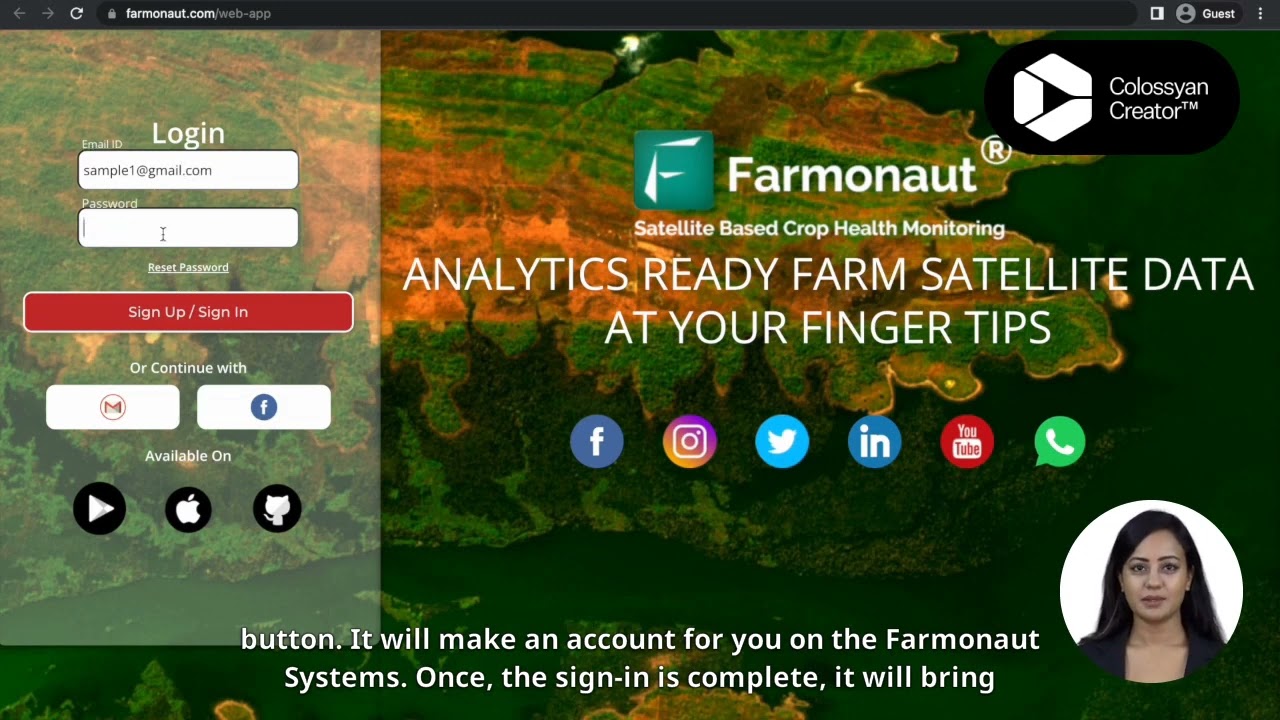
At Farmonaut, we recognize the crucial value of authoritative, real-time price signals in agricultural decision-making. Our platform leverages Agmarknet API crop prices India—integrating them with our advanced satellite-based crop monitoring, AI advisories, and blockchain traceability solutions, enabling a 360° data ecosystem for our users.
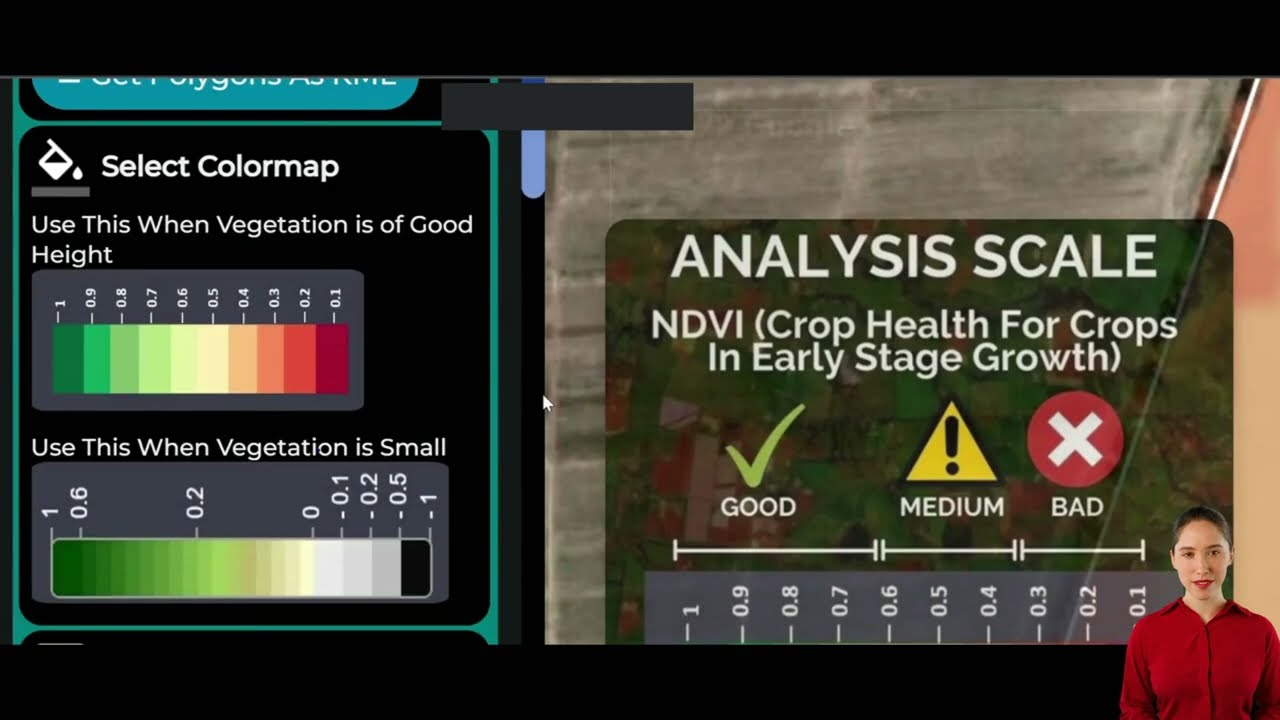
- Satellite + API Synergy: We overlay verified Agmarknet market prices on satellite-derived yield, soil, and weather maps so that users make data-driven choices from crop planning to harvest and sales.
- Real-Time Advisory: Our Jeevn AI engine factors in live market price trends, offering users customized, location-based advisories for both productivity and profitability.
- Traceability & Transparency: By leveraging the power of blockchain, our traceability solutions (learn more) provide end-to-end transparency in agri-supply chains, ensuring authentic data at every stage from farm to consumer.
- Subscription and API Integration: Users, agribusinesses, and developers can utilize our various packages, available via web or mobile, to access actionable intelligence, including API access for custom solutions. View API product details or explore the developer documentation for getting started.
Additionally, our satellite-based verification facilitates loan and insurance risk reduction for financial institutions, while large-scale farm management is empowered with remote sensing and actionable insights (see use cases).
To further enhance environmental sustainability, our carbon footprint monitoring tracks emission outputs in the agricultural sector, helping enterprises and governments adopt greener, more responsible operations.

10. Upcoming Innovations: Crop Price Forecasting, AI, and Blockchain
As we look to 2026 and beyond, the integration of Agmarknet API crop prices India with advanced technologies is accelerating the next wave of agricultural breakthroughs. Here’s how:
- AI/ML-Driven Price Prediction:
- Combining Agmarknet API’s historical records with weather, crop, and logistics data using AI models allows for short- and long-term price forecasts.
- Farmers will no longer have to sell crops reactively; instead, they can anticipate trends, store strategically, and choose optimal selling times.
- Blockchain-Based Market Authenticity:
- Every price record, transaction, and commodity movement can be authenticated and tracked, ensuring no tampering, price rigging, or fraud in the agri-marketing process.
- This fosters trust among consumers, producers, and financial institutions.
- Holistic Digital Agriculture Ecosystems:
- APIs serve as a foundational resource for platforms that combine satellite insights, market data, weather alerts, fleet management (explore tool), and environmental impact tracking.
- This ensures seamless, strategic decision-making from farm to fork.
- Personalized Advisory and Resource Optimization:
- Layers of geospatial and market data provide context-specific recommendations to every farmer, regardless of location or scale.
- Enables smarter irrigation, harvest scheduling, and logistics based on both price and yield predictions.
- Carbon and Sustainability Reporting:
- Integrating crop price data with carbon footprint analysis means end-to-end visibility into the financial and environmental metrics of agricultural operations.
In the coming years, platforms that can correlate yield risks, weather anomalies, and market price forecasts will drive the next era of productivity and profitability in the Indian agricultural sector.

11. Key Challenges and Data Quality Gaps
Despite immense progress, the Agmarknet API and similar digital agriculture solutions face notable challenges and data quality gaps:
- Inconsistent Data Quality in Some Markets: Variability in reporting standards, data entry errors, or delayed uploads can impact decision-making accuracy.
- Gaps in Digital Literacy: Many smallholder and marginal farmers remain unfamiliar with app or API-driven technology, limiting the reach and effectiveness of data-driven advisory.
- Patchy Internet Connectivity: Internet and mobile network challenges in remote rural areas can hinder real-time data access and market participation.
- API Adoption Lag: Some sectors or institutions may be slow to embrace digital market information, retaining traditional methods that are less efficient and less transparent.
- Niche Needs Not Yet Addressed: Specialized user demands—such as integration of quality certification, logistics costs, or full-stack traceability—may require further development.
Enhanced training programs, robust data validation, and investment in rural digital infrastructure are pivotal for maximizing the impact of Agmarknet API and building a culture of information-driven agriculture in India.
- ✔ Consistent data entry checks in local mandis to improve reliability
- ✔ Rural digital literacy camps to familiarize smallholders with technology
- ✔ Public-private support for network expansion in remote agricultural zones
- ✔ Regular feedback channels for users to report errors or suggest improvements
- ✔ Advanced AI models to cross-check and detect pricing anomalies automatically
12. Frequently Asked Questions: Agmarknet API Access
Q1: What is Agmarknet API and how is it different from other market price sources?
Agmarknet API is the official application programming interface provided by India’s Directorate of Marketing and Inspection. Unlike third-party aggregators, it offers direct, real-time, government-verified crop price and arrival data from over 3,000 regulated markets (mandis)—making it the most authoritative and consistent source.
Q2: Who can use Agmarknet API crop prices India data?
The API is intended for use by all agricultural sector stakeholders—farmers, traders, agribusinesses, government departments, research institutions, application/platform developers, and even financial and insurance companies.
Q3: How do I integrate Agmarknet API data into my software or digital advisory?
Developers can enroll for API access and use the provided endpoints to retrieve and process crop price, arrival, and trend data. See Farmonaut’s API portal and our developer documentation for step-by-step examples.
Q4: What devices or platforms support Agmarknet API access?
The API is platform-agnostic. It can be integrated into Android, iOS, and web applications as well as SMS-based services, dashboards, and advanced advisory systems.
Q5: How does real-time crop price access help Indian farmers?
Real-time Agmarknet API crop prices India empowers farmers to avoid distress sales, negotiate better deals, plan optimal shipping/sale timing, and even change future cropping patterns in line with dynamic demand signals.
Q6: Does Agmarknet API provide quality or logistics data along with prices?
In 2026, the core API focuses on price and arrival data. Further integration of quality parameters, storage, and logistics information is an area of active development in digital agriculture platforms.
Q7: How is Farmonaut different from a traditional online marketplace or regulatory body?
Farmonaut is a satellite technology company that integrates market data, satellite imagery, blockchain, and AI-driven advisory systems for agriculture and allied sectors. We do not sell farm equipment or act as a marketplace or regulatory body, but empower all stakeholders with affordable, actionable data-driven solutions.
13. Conclusion: The Road Ahead for India’s Agri-Data Revolution
Agmarknet API access, market price data India, and crop prices API tools are set to transform the Indian agricultural landscape further in 2026 and beyond. With government commitment, rising digital literacy, expanding internet penetration, and ongoing innovation in the agritech sector, farmers now have unprecedented access to market intelligence.
For agricultural businesses, policymakers, and technology providers, leveraging these APIs delivers more than just data—it ensures resilience, transparency, and competitive advantages in a rapidly evolving rural market. When this data is layered with AI-driven analytics, blockchain-traceable supply chains, and satellite insights (as enabled by services like Farmonaut), every link in the value chain becomes smarter, greener, and more efficient.
The road ahead demands continued investment in digital agriculture infrastructure, user education, and development of new, user-centric tools. By tapping into the evolving capabilities of Agmarknet API—and bridging remaining data quality or access gaps—India’s agri-sector stands more empowered and resilient than ever before. The future is open, digital, and informed.
Discussion
Questions, corrections or field experience? Share them below. First-time comments are reviewed before they appear, and your email is never published.
No comments yet. Be the first to add a question or your experience.

 Sampurn AgriConnect
 FCF India
 Unifrutti Gulf
 Deluxe Conseil
 TVS Electronics
 BW Pipelines
 WICO
WICO Gen Chayat
 Chimera Innovation
 SkyHarvest
 Polaris Digitech
 Teledarbas
 Wild Oak Farm
 SFX
SFX Doodlakine
