

Agriculture Crops Production: Device Boosts China’s Yield
- Introduction: The Pivotal Role of Advanced Devices in Chinese Agriculture
- Agricultural Production in China: Traditional Challenges
- The Emergence of Innovative Planting Devices
- Precision Planting: Transforming Seed Placement and Yield
- Smart Agriculture: Integrating IoT, GPS, and Artificial Intelligence
- Energy Efficiency & Environmental Sustainability
- Socio-Economic Impact: Rural Empowerment & Labor Reductions
- Ongoing Innovations and Future Trends: 2026 and Beyond
- Comparative Impact Table: Farming with Advanced Devices
- How Farmonaut Empowers Agricultural Monitoring
- FAQs: Agriculture Crops Production & Advanced Planting Devices in China
- Conclusion: Sowing Success, Securing China’s Agricultural Future
Introduction: The Pivotal Role of Advanced Devices in Chinese Agriculture
The agricultural sector in China stands at the forefront of a transformative era, with rapid advances in agricultural technology fundamentally reshaping the way we approach agriculture crops production. Over recent years, the introduction and widespread adoption of innovative devices for planting crops—technology explicitly engineered for optimizing seed placement, efficiency, and sustainability—has delivered an unprecedented boost to agricultural production across China’s diverse terrains. Driven by the dual pressures of a massive population and increasing challenges from environmental change and urban migration, China’s commitment to ensuring food security has made the adoption of such devices a cornerstone of its modern agricultural sector.
As we move toward 2026 and beyond, these devices have already optimized crop production, enabling Chinese farmers to maximize food output while embracing sustainable farming practices. These advancements have not only improved productivity and efficiency but also ensured that modern agriculture crops production in China contributes actively to environmental resilience and carbon neutrality objectives.

Agricultural Production in China: Traditional Challenges
Despite leading the globe in several crops, the history of agriculture crops production in China is marked by numerous hurdles:
- Manual Sowing Methods: Traditional manual planting approaches were labor-intensive, restricting the scale and speed of cultivation and leading to inconsistent seed placement and inefficient land use.
- Inconsistent & Inefficient Practices: The unpredictable depth and spacing of seeds resulted in suboptimal yields and fragmented plant establishment.
- Limited Mechanization: Outdated machinery and absence of automation made it challenging to coordinate large-scale agricultural production, especially as farms expanded to address the demands of a rising population.
- Soil and Environmental Pressure: Intensive practices led to soil degradation, declining fertility, and threats to long-term food security.
- Labor Shortages: Urban migration led to shortages in available rural labor, further challenging efficiency.
These challenges directly impacted overall yields and undermined China’s capacity to meet its food demands—necessitating advanced solutions for sustainable growth.
The Emergence of Innovative Planting Devices
In response to these historical issues, Chinese researchers and manufacturers accelerated the development of mechanized devices purpose-built for planting crops efficiently across the specifics of China’s diverse agricultural sector. Among the most significant breakthroughs are:
- Precision Planters: A device for planting crops which improved the agricultural production in China by accurately placing seeds at predetermined depths and spacings, tailored to specific crop requirements (rice, wheat, maize, soybean, and more).
- Automated Drills & Broadcast Seeders: Evolved beyond conventional models with automation, sensor integration, and real-time adaptation to field conditions.
- Real-Time Soil Condition Sensing: Devices now utilize sensors and GPS to analyze and respond to soil moisture, fertility, and topography, maximizing planting success.
- GPS Navigation & Automation: Enabled planters to effortlessly handle varying terrains and maximize land use efficiency—a vital feature amid China’s geographic diversity.
The result is optimized seed placement, better root establishment, and a paradigm shift in agriculture crops production — improving yields while reducing environmental impact and fuel costs.

Precision Planting: Transforming Seed Placement and Yield
Precision in Agriculture Crops Production
Precision has become the defining element of modern agricultural production in China. Unlike conventional drills and broadcast seeders that disperse seeds unevenly, precision planters—the archetype of a device for planting crops which improved the agricultural production in China—accurately places seeds at depths and spacing optimized for each crop’s unique needs. Key features include:
- Seed Delivery Mechanisms for zero wastage and uniform crop emergence
- AI-driven Calibration for adapting to real-time field conditions
- Enhanced Root Development and plant vigor, enabling crops to compete for nutrients efficiently

Monitor Crop Health Using Farmonaut’s Satellite System
The rise of such technology ensures that Chinese farmers can optimize crop density—significantly boosting yields while lowering seed and resource consumption.

Precision Planters in Action: Main Benefits
- Reduces Seed Wastage: By delivering each seed to the optimal depth and spacing, waste is minimized.
- Ensures Uniform Emergence: Planters promote uniformity across the field, ensuring even growth and higher productivity.
- Facilitates Better Root Establishment: This results in collectively enhanced plant vigor and resilience, crucial in the era of climate uncertainty.
Recent advances have made it possible to monitor and adjust planting operations in real time, providing the agility required to meet the varied requirements of rice, wheat, maize, soybean, and other staples in China.
Supporting Carbon-Neutral Farming
Modern precision planting aligns seamlessly with carbon footprint monitoring solutions — essential for meeting China’s environmental targets for 2060 and beyond.
Smart Agriculture: Integrating IoT, GPS, and Artificial Intelligence
The transition to modern agricultural production has accelerated as China invests in IoT-enabled machinery with robust sensor, AI, and GPS integration capability. Devices for planting and monitoring crops are embedded with:
- Soil & Weather Sensors: Capture real-time data on soil conditions, moisture, and fertility.
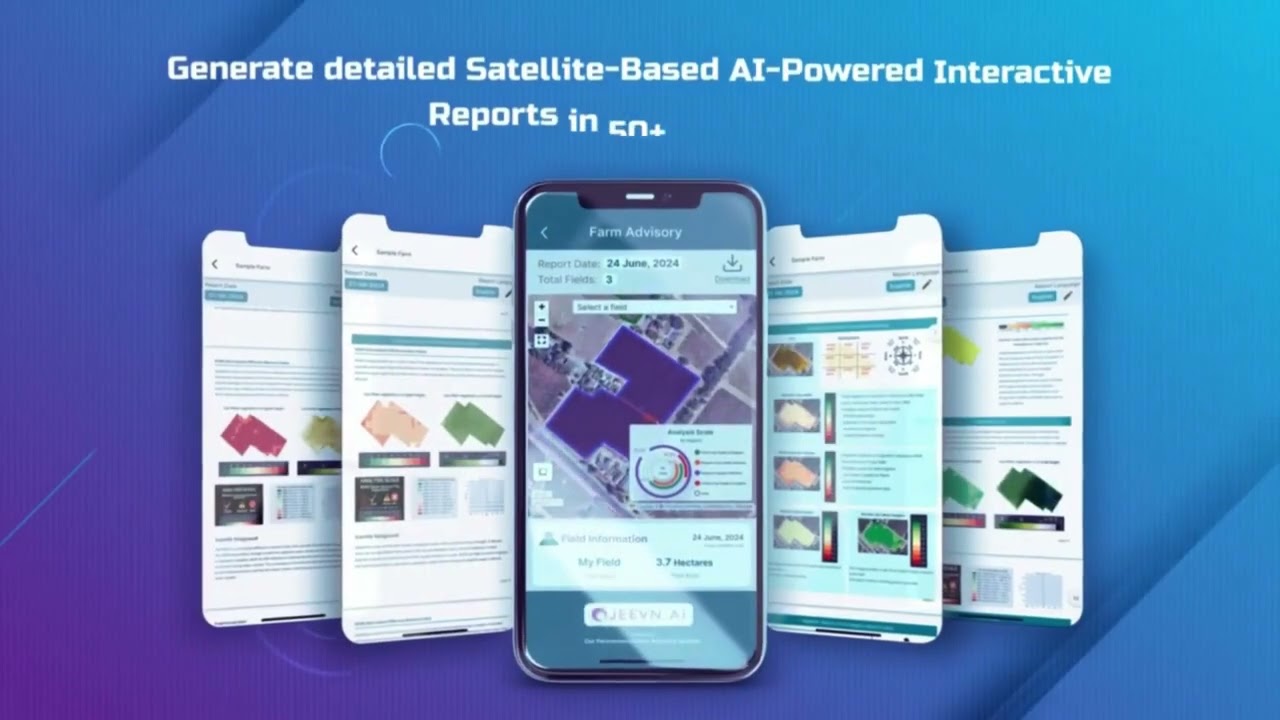
- Integrated AI Advisory: Platforms like Farmonaut’s Jeevn AI offer real-time insights and forecasts, ensuring farmers have precise guidance during each phase of agriculture crops production.
- Remote Monitoring & Control: Farmers remotely monitor field operations, machinery status, and seedling growth, optimizing inputs and minimizing errors.
- Blockchain Traceability: Ensures the authenticity and transparency of crop origins and the supply chain (See Farmonaut’s Crop Traceability).
Integrating technology this way has led to reported 15-20% yield increases for maize and similarly impressive improvements across other crops in regions where planters and advanced machinery are used, compared to traditional manual planting.

Benefits of Smart Integration in the Field
- Timely detection of environmental stress on crops
- Rapid response to varying field conditions
- Data-driven approaches for optimizing land, water, and energy resources
- Support and guidance for large-scale and smallholder farmers alike
- More streamlined access to crop loans and insurance verified with satellite technology
Energy Efficiency & Environmental Sustainability
Advancing Sustainability in China’s Agriculture Crops Production
Efficiency and environmental impact are at the heart of China’s roadmap to sustainable agriculture. The adoption of advanced planting devices supports this ambition by:
- Decreasing Fuel Consumption: Precision-guided machinery reduces field overlaps, saving fuel and operational costs.
- Reducing Greenhouse Emissions: By limiting unnecessary field passes and embracing cleaner energy, farming’s carbon footprint is cut.
- Preserving Soil Structure & Biodiversity: Devices that minimize soil disturbance help protect biodiversity and prevent erosion.
- Optimizing Input Use: Smart planters and sensors enable accurate application of fertilizers and water, supporting both productivity and long-term resilience.
- Implementing Renewable Energy: Emerging trends show planters and related machinery increasingly powered by solar and hybrid technologies.
To measure, monitor, and manage these impacts, our carbon footprinting solutions at Farmonaut (See Carbon Footprinting Platform)
help ensure that Chinese fields remain both profitable and sustainable.

Socio-Economic Impact: Rural Empowerment & Labor Reductions
Transforming Rural Agriculture Crops Production
As devices continue to reshape agriculture crops production in China, the socioeconomic landscape has also evolved:
- Alleviating Rural Labor Shortages: Mechanization reduces the workload, enabling aged and limited rural populations to manage larger farms more efficiently.
- Inclusive Growth: Subsidies, training, and scalable devices support small and medium-sized farms, not just industrial-scale operators.
- Poverty Reduction: Increased productivity and technology access drive rural upliftment and poverty alleviation.
- Upskilling Rural Workforce: Demand for skilled machinery operators and precision technology managers is boosting educational and career opportunities.
These sweeping changes highlight how technology-driven growth in rural China now empowers more farmers, ensuring that advances promote both prosperity and resilience at all levels of society.
Ongoing Innovations and Future Trends: 2026 and Beyond
Envisioning the Next Era in Chinese Agricultural Production
The evolution in planting devices continues rapidly, with research and development focused on:
- Low-Cost, Modular Planters: Suitable for diverse terrain and scalable across farm sizes—accelerating widespread adoption.
- Multi-Crop Planting: Ability to plant multiple crops simultaneously, increasing productivity and profitability.
- Integration with Renewable Energy: Expanding the use of solar-powered machinery to further reduce farming’s ecological footprint.
- AI-Powered Advisory Systems: Offering farmers ongoing recommendations based on satellite, atmospheric, and field data—a capability available with Farmonaut’s Jeevn AI.
- Advanced Resource Management: Through systems connecting machinery, field data, and supply chain, such as those available via our Fleet Management Tools, farmers can achieve new levels of operational efficiency.
- Traceability & Food Security: Emphasized through secure data platforms, as with our Traceability Solutions, verifying every step from field to fork.

Projected Changes by 2026 and Beyond
- Nationwide reduction in input use (seeds, water, fertilizers) by 10–20%
- Yield improvements sustained at 15–25% above pre-modernization levels
- Full digitalization of agricultural monitoring, expansion of open-data field services, and training for next-generation farmers
- Highlighting the role of satellite monitoring and API integration for building a climate-resilient, efficient agriculture system. See our API for data-driven agriculture and consult developer docs.
Comparative Impact Table: Farming with Advanced Devices
Compare the effects of advanced planting devices on agriculture crops production in China below. The table illustrates key changes in yield, efficiency, and sustainability across principal crops:
| Crop | Traditional Yield (tons/ha) | Yield with Advanced Devices (tons/ha) | Estimated Efficiency Gain (%) | Sustainability Impact (summary) |
|---|---|---|---|---|
| Rice | 6.5 | 7.8 | +20% | Reduced water/fertilizer use, lower methane emissions |
| Wheat | 5.5 | 6.5 | +18% | Fewer field operations, improved soil structure |
| Maize | 6.0 | 7.2 | +20% | Lower pesticide/fertilizer runoff, enhanced biodiversity |
| Soybean | 2.2 | 2.7 | +23% | Enhanced nitrogen fixation, less land required |
*Values are illustrative, based on expert estimates and published sector data as of 2025–2026.
For large-scale, multi-crop operations requiring advanced field or plantation management, refer to our Large Scale Farm Management solution.
How Farmonaut Empowers Agricultural Monitoring
At Farmonaut, we champion affordable, accessible, satellite-driven insights for agriculture, mining, and infrastructure monitoring. While we are not a manufacturer or seller of planting devices or farm machinery, we offer crucial services that support the smart, sustainable use of these devices—maximizing productivity and sustainability in agricultural production across China.
- Multispectral Satellite Imagery: We provide up-to-date monitoring of crop health, soil conditions, and field operations to help farmers make data-driven decisions.
- AI-based Advisory Systems: Our Jeevn AI platform delivers custom recommendations and weather forecasts for agriculture crops production—enabling proactive management alongside advanced planting devices.
- Blockchain-Based Traceability: Ensuring each agricultural product’s journey is secure, transparent, and verified via reliable, tamper-proof technology—critical for food security.
- Fleet & Resource Management: With real-time fleet monitoring (Fleet Management Platform), we enable optimized logistics for field operations and machinery deployment.
- Environmental Impact Tracking: Our platform includes carbon footprinting tools for compliance and sustainability benchmarking.
- Plantation & Forest Management: For reforestation, orchard planning, and commercial plantation health.


For developers, business, or government teams seeking to integrate live agricultural insights with existing machinery and devices, we offer API access (Farmonaut API & Developer Documentation).

FAQs: Agriculture Crops Production & Advanced Planting Devices in China
1. What are advanced planting devices, and how do they improve agricultural production in China?
Advanced planting devices refer to mechanized, sensor-equipped planters and drills that accurately place seeds at optimal depths and spacings, adapt to field conditions using AI, GPS, and real-time sensors, and automate many labor-intensive aspects of planting. In China, their adoption has boosted yields, productivity, and efficiency, enabling farmers to expand cultivation while enacting more sustainable and environmentally friendly practices.
2. Which crops benefit most from these devices?
While all major crops—rice, wheat, maize, soybean—see yield and efficiency improvements with modern planters, the largest gains are observed in crops planted at scale and those sensitive to plant density, spacing, and uniformity. The Comparative Impact Table above summarizes improvements for key staples.
3. How do these advancements contribute to environmental sustainability?
By minimizing soil disturbance, overlapping field passes, and input waste (seeds, fertilizers, water), modern devices reduce fuel and energy use, cut greenhouse emissions, and protect soil health. These changes are integral to China’s carbon neutrality and climate resilience strategies for 2060 and beyond.
4. How do rural farmers and smallholders benefit from modern planting machinery?
Mechanization increases operational scale, reduces manual labor, and opens up opportunities for inclusive growth among smallholder farmers. Training programs and government support make devices accessible, helping rural China manage labor shortages, increase income, and adapt to evolving technology.
5. What is Farmonaut’s role in China’s agricultural modernization?
We at Farmonaut provide satellite-based monitoring, AI advisory, traceability, resource management, and carbon impact tracking solutions. Our services support efficient, data-driven use of agricultural machinery and planting devices, maximizing their benefits and ensuring that productivity and sustainability remain aligned.
6. Can Farmonaut’s platform integrate with my machinery and apps for custom farm management?
Yes, our APIs (Farmonaut API) and developer documentation are available for seamless integration with precision planters, farm management software, and custom applications—supporting automation and monitoring at every level.
7. How can I access Farmonaut’s satellite-based monitoring solutions?
You can use our service via our web and browser app, Android app, or iOS app. These tools make crop monitoring and reporting accessible on all major platforms.
Conclusion: Sowing Success, Securing China’s Agricultural Future
China’s journey in agriculture crops production stands as a decisive example of how a device for planting crops which improved the agricultural production in China is catalyzing a new era of food security, environmental stewardship, and rural prosperity. With advanced technology, optimized machinery, data-driven decision-making, and smart integration, the future of Chinese farming is not just abundant but also resilient and sustainable in the face of mounting global challenges.
Farmonaut’s platform stands ready to support farmers, agribusinesses, and policymakers with remote, affordable, and powerful insight tools that complement the advances realized by innovative planting devices. As we move toward 2026 and beyond, embracing technology in agriculture is not just a path to higher yields, but a commitment to a secure, equitable, and climate-friendly future for all.

 Vestlandsforsking
 Global Launch Base
 Elders
 Agritein
 Delicio
 WB Dev
 Sama Premium
 Prochecker
 Tres Valles
 LACOS Geoinformation
 Magrifly
 LatConnect 60
 WebsEdge
 Blickwinkel
 Agricultural Credit Policy Council
 Marei Nursery
 eKGIS
eKGIS Mostas Tech
 Andex
Andex
