

Agriculture in Delhi: 7 Game-Changing Trends for 2026
“By 2025, Delhi’s urban farms are projected to increase by 40%, revolutionizing local food production.”
Current Agriculture Scenario in Delhi
Agriculture in Delhi, the national capital territory of India, is often perceived as overshadowed by the bustling metropolis dominated by trade, services, and industry. However, the agricultural fabric continues to hold a significant place even as the city evolves rapidly into a megacity.
Delhi’s farming sector primarily consists of peri-urban agriculture, where agricultural activities surround the core urban areas. Despite limited land availability and increased urbanization, thousands of Delhi farmers cultivate vegetables, fruits, cereals, and flowers to supply the city’s large population with fresh produce.
Approximately 5% of Delhi’s geographic area is still dedicated to agricultural activities, sustaining a vibrant local food economy amidst rapid urban expansion.
Key Elements of Delhi’s Agricultural Landscape
- Farm locations: Most agriculture in Delhi occurs in the peri-urban belt, primarily in areas like Narela, Najafgarh, and the Yamuna riverbed zones.
- Crops grown: The common crops include wheat, rice, bajra, maize, and a range of vegetables such as tomatoes, cucumbers, and leafy greens.
- Floriculture: Many small & vibrant farmers cultivate marigolds and roses, contributing to Delhi’s markets for festivals and events.
- Supply chain proximity: With Delhi’s location, farmers benefit from reduced transportation costs and better price realizations compared to rural counterparts.
- ✔ Key benefit: Fast farm-to-table delivery supports food freshness and consumer confidence.
- 📊 Data insight: Delhi’s peri-urban agriculture supplies about 40% of the city’s vegetables throughout the year.
- ⚠ Risk or Limitation: Shrinking land due to real estate and infrastructure development threatens traditional farming spaces.
- 🌱 Sustainability: Urban agriculture also helps manage urban microclimates and carbon sequestration.
- 🕒 Time-sensitive: The extent of agricultural land is expected to decrease further unless sustainable initiatives are strengthened by 2026.

Challenges Facing Agriculture in Delhi
Despite its advantages, agriculture in Delhi is under mounting pressure from a web of urban and environmental factors.
Let’s explore the main challenges shaping the Delhi agricultural scenario in 2025–2026:
1. Urbanization and Land Pressure
- Urban expansion: Rapid construction of residential and commercial infrastructure has substantially reduced cultivable land.
- Land use change: Real estate expansion fragments farms and pushes many small farmers to seek alternative or more intensive farming methods.
- Inheritance patterns: Traditional inheritance leads to highly fragmented land holdings, limiting the scope for mechanization and scalable agricultural activities.
Many urban farmers underestimate the regulatory hurdles associated with converting land for agricultural use within city limits.
Proactively engage with policy frameworks to avoid penalties.
2. Water Scarcity & Groundwater Depletion
- Resource crunch: Delhi’s agriculture traditionally relies on groundwater and canals, but these are under severe stress.
- Patterns of over-extraction: Groundwater tables have continuously reduced due to over-extraction and erratic rainfall.
- Climate change: Increasingly unpredictable monsoon patterns further threaten water availability for irrigation.
3. Pollution and Soil Degradation
- Urban pollution: Exposure to urban air, water, and soil pollution presents a unique set of health and environmental challenges.
- Heavy metals and chemicals: Detectable levels in farm soil compromise crop quality and food safety.
- Chemical dependence: Lack of organic input adoption and heavy fertilizer use affects soil health and water quality further.
Adopt satellite-based soil monitoring to track contamination and tailor recovery strategies for sustainable farming. Explore Farmonaut’s Carbon Footprinting module to monitor carbon emissions and encourage healthier ecosystem practices.
4. Fragmented Land Holdings
- Inheritance, population density, and land ceiling laws result in small, scattered holdings.
- This fragmentation creates operational inefficiencies and complicates the adoption of technology.
5. Infrastructure, Market Access & Technology Gaps
- Insufficient post-harvest infrastructure and market linkages diminish the profitability of urban farming in Delhi.
- Low digital literacy sometimes hinders tech adoption, despite increasing IoT integration options.
Urban agri-tech investments in Delhi are expected to grow by over 40% by 2026—look for startups integrating sensor-driven analytics and climate-smart advisory into urban farms.
Emerging Opportunities and Innovations
Delicate though the state of agriculture in Delhi may be, it is also vibrant and dynamic, opening up opportunities for sustainable transformation:
- Vertical farming and rooftop gardening cultivate more food on less land
- Smart, data-driven agriculture leverages technologies like remote sensors, AI, and IoT
- Policy initiatives are promoting urban agriculture & local market linkages
- Organic farming and composting close the nutrient loop, reducing chemical dependencies
Delhi is emerging as a model for urban, sustainable, and tech-driven agriculture in India despite real challenges tied to urbanization, climate, and infrastructure.
“Over 60% of Delhi’s new agriculture initiatives in 2026 will integrate advanced hydroponic technology.”
The adoption of hydroponic, vertical, and IoT-powered agriculture practices will dramatically reshape both productivity and sustainability of city farmers in Delhi.

Agriculture in Delhi: 7 Game-Changing Trends for 2026
As we approach 2026, agriculture in Delhi is being revolutionized by seven major trends, each powered by advanced technologies, innovative practices, and forward-looking policies. Let’s deep-dive into each, exploring how they’ll drive sustainable agriculture, improve food security, and foster climate resilience in India’s national capital territory.
1. Vertical Farming and Urban Agriculture
Facing limited land and urbanization pressures, Delhi’s farmers are moving upwards—literally. The rise of vertical farming allows multiple layers of crops in tight urban spaces, including rooftops and terraces.
Key crops: Leafy greens, tomatoes, cucumbers, microgreens, and herbs grow quickly and efficiently in these systems.
- ✔ Key Benefit: Up to 90% water savings compared to field farming, reduced transportation emissions, and pesticide-free crops.
- 📊 Data Insight: LED lighting, recyclable substrates, and smart irrigation make urban farming a sustainable, year-round enterprise.
Smart hydroponic solutions—where soil is replaced with nutrient-rich water—are also spreading rapidly across delhi, giving rise to a new generation of urban agricultural entrepreneurs.
2. Smart Farming, IoT, and Precision Agriculture
Through the integration of IoT sensors, drones, and AI-powered devices, Delhi’s agriculture is leaping forward toward real-time, data-driven decision-making.
- ✔ Key Benefit: Automated monitoring of soil moisture, nutrient status, and crop health results in tailored irrigation and fertilization—maximizing yields while minimizing costs and environmental impacts.
- 📊 Data Insight: IoT-integrated farms can boost productivity by up to 25% compared to traditional systems.
Through Farmonaut’s satellite and AI capabilities, users can access smart agriculture advisory and large-scale farm management platforms—enabling remote diagnostics, fleet management, and automated resource optimization.
3. Government Policy Support and Urban Initiatives
The Delhi government and allied agencies have been promoting sustainable urban farming by launching farmer training programs, startup incubators, and city-wide procurement schemes.
Notable initiatives include direct farmer-to-consumer markets in busy neighborhoods, subsidy policies for organic farming, rooftop gardening, and climate-resilient greenhouse projects.
- ✔ Key Benefit: Streamlined market access and financial incentives help farmers maintain profitable urban operations.
- 📊 Data Insight: By 2026, more than 60% of new Delhi agri-startups are expected to be supported via government-led incubators and grants.
- 🌐 Opportunity: Policy-driven schemes prioritize digital traceability of produce —learn more about Farmonaut’s Blockchain Traceability Tool.
- ⚠ Risk or Limitation: Fragmented land and bureaucracy can pose hurdles for rapid upscaling.
4. Climate-Resilient Crop Varieties
Constantly shifting climate patterns and increased weather extremes are driving the adoption of drought-resistant, fast-maturing crop varieties. Delhi’s agricultural research institutions now focus on crops like improved bajra, rice, and maize hybrids optimized for urban and peri-urban microclimates.
Benefits: These varieties ensure food security and income stability for farmers despite water shortages and unpredictable rainfall.
- ✔ Key Benefit: Better resilience to temperature extremes, reduced water needs, and lower risk of crop failure.
- 📊 Data Insight: Crops adapted for Delhi’s urban conditions show up to 30% higher survival rates in adverse seasons.
5. Waste-to-Compost and Organic Soil Enhancement
The shift from chemical farming to circular, organic models is accelerating in Delhi. Models that use city-generated organic waste to produce rich compost are now mainstream in urban neighborhoods and peri-urban belts.
This not only reduces landfill burden but also improves soil health and helps farmers lower reliance on synthetic fertilizers.
- ✔ Key Benefit: Closed-loop nutrient cycles, healthier soil, cleaner cities.
- 📊 Data Insight: Up to 20% of urban food waste could be recycled as natural compost by 2026, feeding back into local farms.

6. Blockchain Traceability in Food Supply Chains
Food safety, authenticity, and transparency have become urgent concerns within city dietary trends. Urban consumers want to know exactly where their vegetables and fruits come from.
Blockchain-based traceability offers the ability to follow every crop batch—from field, through logistics, to market shelf—ensuring data integrity and trust in the food supply.
- ✔ Key Benefit: Boosting consumer confidence and reducing the risk of food fraud.
- 📊 Data Insight: Projections indicate over 50% of Delhi’s produce markets will include transparent, digital traceability solutions by 2026.
Explore how transparent, blockchain-supported solutions work with Farmonaut’s Product Traceability System.
7. Satellite-Based Financial Inclusion & Insurance
Access to credit and crop insurance remains a challenge for fragmented, peri-urban farmers. That’s changing with satellite-based verification for agri-loans and insurance.
Remote monitoring of farm conditions, crop growth, and resource use enables banks to offer tailored financial support with lower risk of fraud and delays.
- ✔ Key Benefit: Faster, more inclusive access to crop loans and insurance for urban and peri-urban farmers.
For those seeking reliable risk assessment and insurance validation, check Farmonaut’s Crop Loan & Insurance Verification.
Urban farmers looking to scale operations should explore multi-crop insurance and carbon-credit programs leveraging satellite data for seamless compliance.
Trend Impact & Adoption Timeline Table
Technology & Farmonaut: Shaping Urban Agriculture in Delhi
The future of agriculture in Delhi is intrinsically tied to the integration of advanced technologies, such as satellite imagery, remote sensing, machine learning, and blockchain. These innovations improve decision-making, efficiency, and resilience. As a pioneering satellite technology company, we at Farmonaut empower stakeholders across agriculture, mining, and infrastructure through real-time data, AI-based insights, and digital traceability.
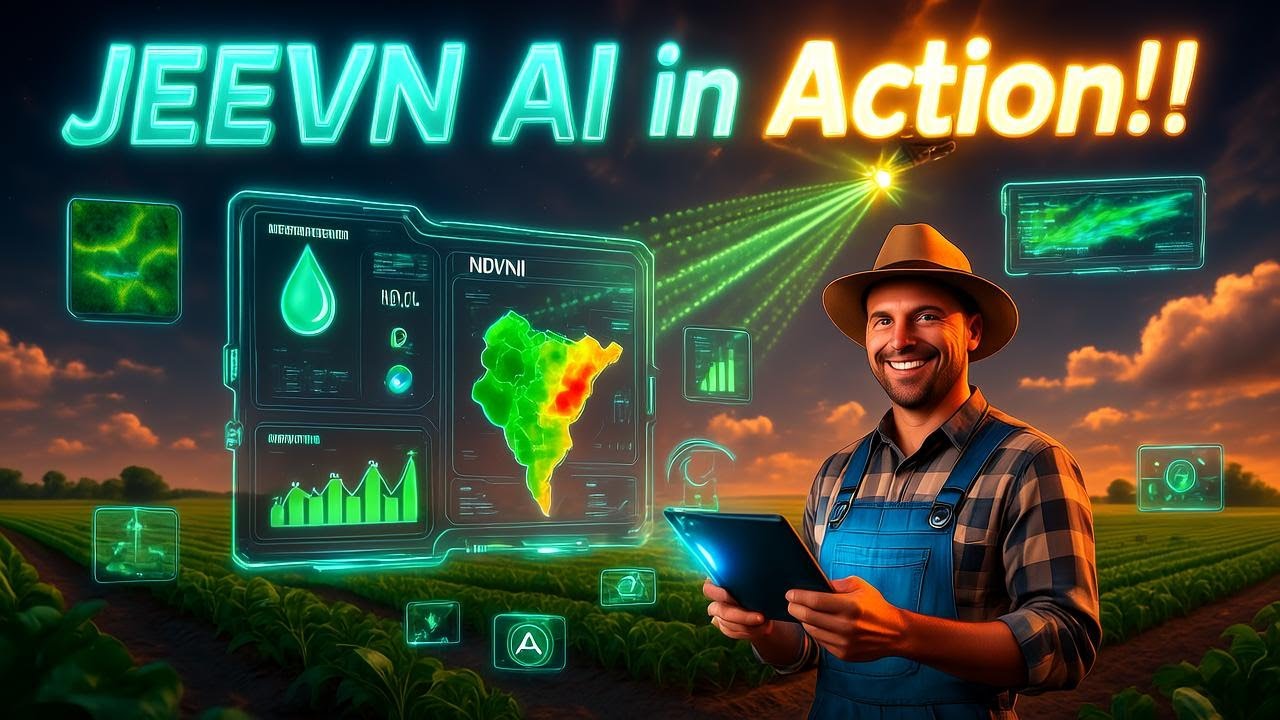
- 🚀 Rapid Response: Our Jeevn AI Advisory System provides real-time updates on weather, pests, and crop health.
- 🔄 Scalability: With our cross-platform apps (Android, iOS, web), both small and large-scale operations can seamlessly grow.
- 🔗 Transparency: Our blockchain-based product traceability addresses urban food safety and market trust.
- 💡 Sustainability: Our carbon footprinting features enable users to measure, manage, and reduce emissions.
- 💸 Financial Smartness: By providing satellite-verified crop loan and insurance support, we streamline credit access and claims.
Farmonaut is committed to making affordable, data-driven agricultural insights available to all types of producers and agri-businesses in Delhi and beyond.

Get Started With Farmonaut:



Developers can enrich their own agri, mining, or climate-related apps by integrating satellite and weather APIs from Farmonaut.
Explore the API endpoints or check our
API Developer Documentation for custom solutions.
Our Subscription Plans
Visual List: 5 Smart Farm Innovations in Delhi
- 🌾 Satellite-based Crop Monitoring – Visualizes crop health and growth throughout seasons
- 🔬 AI-driven Pest & Disease Alerts – Ensures early intervention
- 🌍 Soil Health & Carbon Assessment – Tracks and improves urban farm sustainability
- 📦 Blockchain Food Traceability – Secures every product’s journey to market
- 🛠 Fleet and Resource Management – Monitors farm machinery and logistics for urban farms
Visual List: Top Policy & Adoption Strategies for Urban Agriculture
- 🔖 Subsidized Start-Up Schemes – Lowering entry barriers for new urban farms
- 🏙 Rooftop and Vertical Farming Incentives – Promoting year-round city food gardens
- 📊 Market Linkage Programs – Direct-to-consumer networks in city neighborhoods
- 🌱 Organic Certification Drives – Boosting trust and premium price realization
- 🧑💻 Digital Literacy and IoT Skill Training – Empowering urban and peri-urban growers
Delhi’s rapid urbanization is turning agri-tech and food security into high-growth investment sectors for the next decade. Blockchain produce traceability and IoT-powered city farming demand special attention.
Key Prospects for Urban Farmers in Delhi
- ✔ High-value crops: Urban farms can focus on premium or rare vegetables for premium markets.
- 📊 Circular systems: Recycling city food waste as compost maximizes resource efficiency and reduces pollution.
- ⚠ Digital tools: Tech-enabled data analytics can bridge knowledge and input gaps.
- 🌱 Policy support: Stay updated on the latest subsidy, grant, and incentive schemes for urban farmers.
- 🏙 Scalability: Modular farm models empower city entrepreneurs to expand as demand grows.
Neglecting traceability may limit market entry for urban producers. Ensure transparent and reliable digital records for all produce, especially as consumer awareness and regulatory scrutiny rise.
- Urbanization and infrastructure pressures have greatly reduced available land for traditional farming within Delhi.
- Climate change, water scarcity, and pollution threaten yields and food health, requiring quick adaptation.
- However, vertical farming, smart tech, and government-backed initiatives are turning the city into a testbed for sustainable, profitable urban agriculture models.
- Advanced technology providers like Farmonaut deliver the digital tools, traceability, and advisory solutions necessary for future-ready urban farms.
- With proactive, collaborative action, Delhi can emerge as a model for healthy, resilient, and efficient urban agriculture in India and the world.
Frequently Asked Questions (FAQ): Agriculture in Delhi
Q1: Can agriculture in Delhi remain viable despite rapid urbanization?
Yes, by adopting vertical farming, hydroponic systems, and smart IoT monitoring, peri-urban and rooftop farmers can yield high-value produce with limited land resources. Policy initiatives and new technologies enable continued profitability and food supply resilience inside the city.
Q2: How can farmers in Delhi address water scarcity?
Integrating drip irrigation, hydroponics, rainwater harvesting, and satellite-guided water usage (NDWI) can dramatically reduce water consumption. Farmonaut’s solutions allow for remote water monitoring and optimization for individual plots.
Q3: What are the most promising crops for urban farms in Delhi?
Short-cycle vegetables (like tomatoes, lettuces), leafy greens, microgreens, and specialty herbs are ideal due to fast yields, market demand, and higher price realization. Floriculture (roses, marigolds) also remains lucrative for small-scale city farmers.
Q4: How does blockchain benefit agricultural traceability in Delhi?
Blockchain solutions create a permanent, transparent record of every batch’s journey. This fosters food safety, combats fraud, and meets strict regulatory and consumer demands—useful for both local and export markets.
Q5: What role does Farmonaut play for Delhi’s urban and peri-urban agriculture?
We provide actionable insights via satellite and AI tools for crop health, resource management, traceability, and loan or insurance validation—empowering farmers, agri businesses, and institutions to adapt and thrive.
Resources & Useful Links
- Farmonaut Web & Mobile Applications – For smart crop monitoring, soil insights, and farm management.
- Farmonaut API – Integrate agricultural satellite data in your digital ecosystem.
- Developer Docs – Full documentation and guides for custom integration.
- Blockchain Product Traceability – Ensure food authenticity in Delhi’s urban markets.
- Carbon & Soil Health Tracking – Measure and reduce environmental impact.
- Crop Loan and Insurance Verification – Digital validation of farm credit and crop claims.
- Agro Admin App – For large-scale farm and urban agriculture management.
Success in Delhi’s agricultural future lies in embracing a fusion of tradition and transformation: integrating IoT, smart farming, blockchain traceability, government policies, climate-resilient crops, and circular bioeconomy solutions to sustain a robust food system in the heart of India’s capital city.
Discussion
Questions, corrections or field experience? Share them below. First-time comments are reviewed before they appear, and your email is never published.
No comments yet. Be the first to add a question or your experience.

 Rashail Infotech
 Unifrutti Gulf
 Deluxe Conseil
 TVS Electronics
 BW Pipelines
 WICO
WICO Gen Chayat
 Chimera Innovation
 SkyHarvest
 Polaris Digitech
 Teledarbas
 Wild Oak Farm
 SFX
SFX Doodlakine
 Exurbia Geospatial
 Licence holder · Niger · Gold










