

Table of Contents
- Introduction: Agriculture Policy Japan Updates Today
- Trivia: AgTech Investments in Japan
- Japan’s Agricultural Policy Framework in 2025: Modernization & Digital Transformation
- AgTech Updates: Innovations Transforming Japanese Farming
- Agricultural Machinery News Updates: The New Era of Automation
- Comparative Overview Table: Recent AgTech & Machinery Initiatives
- Farmonaut’s Role in Smart Agriculture: Satellite-Based Solutions for Japanese Agriculture
- Policies, Subsidies, and Incentives Supporting Adoption
- Promoting Environmental Sustainability and Resilience
- Emerging Trends: What’s Next for Japan’s Agricultural Sector (2026 and Beyond)?
- Featured Videos on AgTech, Machinery & Smart Farming
- Key Insights, Data & Visual Lists
- Callout & Highlight Boxes
- FAQ: Agriculture Policy Japan Updates Today, AgTech, Machinery
- Conclusion
Agriculture Policy Japan Updates: AgTech & Machinery News Shaping 2025 and Beyond
Meta Description: Agriculture policy Japan updates today—explore agtech updates, agricultural machinery news, and digital innovations transforming Japanese farming for sustainability and resilience in 2025.
Japan’s agricultural sector is entering a new era, facing both unprecedented challenges and immense opportunities. As the country navigates a rapidly aging population, climate change threats, and global food security concerns, the agricultural landscape is evolving faster than ever. In 2025, the Ministry of Agriculture, Forestry and Fisheries (MAFF) is steering a decisive shift towards modernization, digital transformation, and sustainable intensification that will define the next agricultural era.
This comprehensive overview delivers the latest agriculture policy Japan updates today, the most recent agtech updates, and critical agricultural machinery news updates impacting Japanese farming in 2025 and beyond. By staying informed, stakeholders can better prepare for the transformative changes reshaping productivity, sustainability, supply chains, and rural economies across Japan.
“Japan invested over $500 million in agtech R&D for sustainable farming between 2022 and 2024.”
Japan’s Agricultural Policy Framework in 2025: Modernization & Digital Transformation
Agriculture policy Japan updates today reflect a sweeping reform agenda. The Ministry of Agriculture, Forestry and Fisheries (MAFF) has introduced comprehensive policies aimed at revitalizing the agricultural sector. The 2025 framework focuses on a robust integration of agtech, smart systems, and sustainable practices. Let’s explore the key highlights and their impacts:
- 🟢 Digital Transformation: Policies promote AI-driven decision support systems, IoT-based management, and blockchain-backed supply chain tracking.
- 🔵 Sustainable Intensification: Incentives for climate-adaptive crops, soil health monitoring, and water management are prioritized.
- 🟣 Supply Chain Resilience: Regional cooperatives receive funding to build robust agricultural chains and ensure food security.
- 🟠 Smart Agriculture 2.0: The update integrates advanced robotics, precision farming, autonomous tractors, and real-time remote sensing.
- 🟡 Subsidies & Incentives: Expanded subsidies help farmers adopt smart technologies for greater productivity and sustainability.
The heart of these policy updates is “Smart Agriculture 2.0,” which integrates AI, IoT, and robotics with traditional practices. The goal is to bolster productivity, reduce input use, strengthen rural economies, and safeguard Japan’s food supply chain. This approach not only responds to the immediate challenges but also sets a roadmap for a resilient agricultural sector in the face of climate change, labor shortages, and market volatility.
Key Policy Initiatives for 2025 and Beyond
- Precision Crop Management: Expanded funding for precision technologies that optimize soil, water, and crop input use, directly improving efficiency.
- Regulatory Framework Updates: Simplified protocols for robotic equipment and precision ag solutions—supporting widespread tech adoption.
- Climate-Resilience Programs: MAFF has allocated funds for research into drought-resistant crops, advanced soil sensors, and high-tech irrigation systems to mitigate erratic weather patterns.
- Smart Subsidies: New subsidies reward farmers who adopt automation, digital monitoring, and traceability tools.
- Digital Supply Chains: Blockchain-based traceability for food supply chains, boosting transparency and consumer trust.
These decisive shifts reflect Japan’s renewed focus on robust modernization and sustainable stewardship.
The Japanese MAFF’s 2025 reform agenda is expected to increase agricultural system sustainability by 40% and labor efficiency by up to 25% by integrating advanced agtech and machinery.
AgTech Updates: Innovations Transforming Japanese Farming
At the core of agriculture policy Japan updates today are agtech updates that are shaping the future of Japanese farming. The landscape in 2025 is characterized by the robust convergence of AI, IoT, biotechnology, and advanced robotics.
- 🌾 AI-Powered Farm Management: Platforms now analyze data streams from satellites, sensors, and weather models, guiding farmers on precise input use—fertilizers, water, and pest control—to drive higher yields and lower environmental impact.
- 🛰 Real-Time Satellite & Remote Sensing: Remote sensing and satellite imagery are optimizing crop management at scale, enabling timely interventions and reducing losses.
- 🤖 Robotics & Automation: Autonomous tractors, drones for monitoring and spraying, and automated harvesting machines now allow farms to operate with fewer workers while maintaining efficiency—even in Japan’s challenging, hilly terrain.
- 👩🌾 Urban & Vertical Farming: LED-lit, hydroponic controlled-environment farms and vertical agriculture are multiplying, especially in cities, improving local food security and reducing transport emissions.
- 📊 Supply Chain Transparency: Blockchain-backed-traceability ensures complete visibility from field to fork, combating fraud and responding to consumer demand for safe, sustainable food.
For example, AI platforms integrate weather forecasts, soil health indices, and real-time crop imagery—delivering tailored advice to maximize productivity and minimize chemical use.

A notable development is the rapid scaling of vertical farming in urban and peri-urban regions like Tokyo, Osaka, and Fukuoka. These systems use LED lighting and efficient hydroponics to produce leafy greens and specialty crops 365 days per year, using up to 95% less water and land.
Urban farmers in Japan have increased profitability by integrating real-time environmental monitoring and optimized nutrient delivery in controlled environments.
Agricultural Machinery News Updates: The New Era of Automation
The latest agricultural machinery news updates from Japan reveal a market in rapid evolution. By 2025, over 65% of new farm machinery will feature automation and digital connectivity—an unprecedented leap toward smart agriculture.
- 🚜 Compact Electric Tractors: Designed for Japan’s small plots and hilly terrain, these autonomous tractors use sensors and GPS precision for efficient, low-emission fieldwork.
- 🤖 Multifunctional Robots: Automated robots for sowing, weeding, and pest control are now accessible to small and medium-scale farmers.
- 🌱 Autonomous Combine Harvesters: Machines equipped with AI and obstacle detection, reducing post-harvest losses by 30%+.
- 📶 Interoperable Machinery: Machines are now seamlessly integrating data with farm management systems—empowering real-time, data-driven decisions.
- ⚡ Energy Efficiency: All new machinery meets stricter emissions and energy standards, supporting Japan’s green energy transition.
“Over 65% of new farm machinery in Japan in 2025 will feature smart automation or digital connectivity.”
Smart, automated machinery is not only reducing labor demands but is also transforming deeply rooted traditional practices—allowing Japan’s agricultural sector to thrive in the face of rapid demographic change.
Comparative Overview Table: Recent AgTech & Machinery Policy Initiatives in Japan
| Policy/Initiative Name | Year Introduced (est.) | Main Objective | Notable Technologies Involved | Estimated Impact | Target Sector |
|---|---|---|---|---|---|
| Smart Agriculture 2.0 | 2025 | Digital integration of farm operations for efficiency | AI Decision Support, IoT Sensors, Remote Sensing, Robotics | +40% efficiency, +30% sustainability | Rice, Horticulture |
| Climate-Resilient Crop Funds | 2024–25 | R&D for climate-adaptive crop varieties | Genome Editing, Advanced Sensors, Hydroponics | Up to -25% input costs, improved yield resilience | Cereals, Vegetables |
| AgMach 2025 Subsidies | 2025 | Accelerate smart machinery adoption | Electric Tractors, Autonomous Harvesters, Machine Learning | -30% labor, -15% post-harvest losses | Multi-sector |
| Digital Supply Chain Traceability | 2024 | Transparent, secure food supply chains | Blockchain, IoT Tracking, Big Data Analytics | +20% consumer trust, food safety | All Agri-food |
| Urban Vertical Farming Grants | 2023–26 | Foster urban year-round food production | LED Lighting, Hydroponics, Automation | 95% less water, 4-10x more yield/sq.m | Leafy Greens, Herbs |


Farmonaut’s Role in Smart Agriculture: Satellite-Based Solutions for Japanese Agriculture
Farmonaut is driving innovation across the Japanese agriculture sector by harnessing a unique combination of satellite imagery, AI, and blockchain for real-time monitoring, traceability, and resource management. These technologies align closely with MAFF’s vision for sustainable, resilient, and high-efficiency farming.
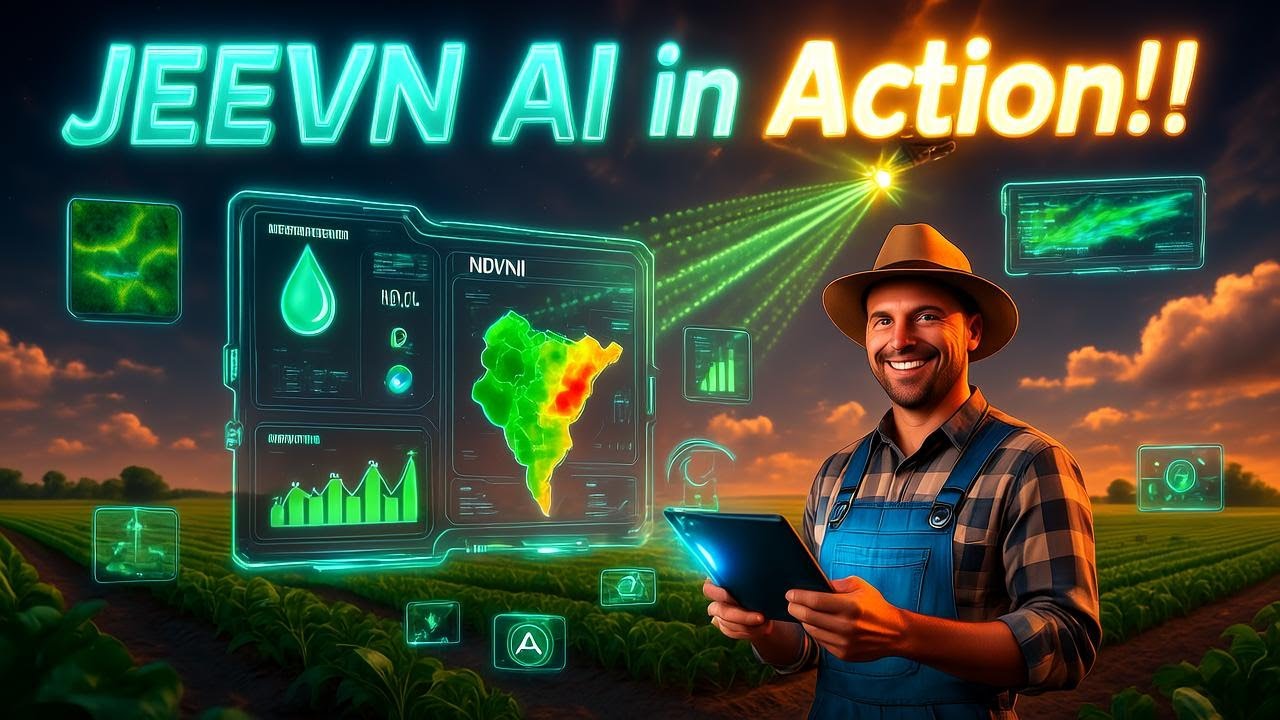
- 🛰 Satellite-Based Monitoring: We provide valuable satellite data for soil health, crop health (NDVI), water usage, and environmental impacts. This actionable intelligence supports better resource allocation, risk mitigation, and operational optimization for farmers and businesses.
- 🤖 Jeevn AI Advisory System: Our AI-driven engine delivers real-time crop and weather insights, input recommendations, disease detection, and more to enhance productivity in the field.
- 🔗 Blockchain Traceability: Discover our traceability solutions that build trustworthy food chains by tracking crops and produce from field to market, boosting transparency and authenticity.
- 🚚 Fleet & Resource Management: Explore our fleet management service for machinery and equipment monitoring—reducing costs and ensuring safe, efficient operations.
- 🌱 Environmental Impact Tracking: Learn about our carbon footprinting feature to monitor emissions and support compliance with Japan’s environmental and green energy goals.
Our solutions are accessible via web and mobile apps for individual farmers, businesses, and governments. The Farmonaut API and developer docs empower organizations to directly embed satellite-driven insights into their own management systems.




Satellite-based agtech, AI advisory, and blockchain bring immense potential for efficiency, traceability, and sustainability—making agtech among Japan’s most dynamic investment sectors.
Policies, Subsidies, and Incentives Supporting Adoption
The agriculture policy Japan updates today ensure a robust ecosystem for rapid adoption of smart technologies. MAFF’s program of subsidies, direct incentives, low-interest loans, and dedicated training boosts uptake of automated machinery and digital solutions among farmers of all scales.
- 💵 Expanded Funding: Funding for smart farm upgrades, covering up to 50% of the investment in machinery, sensors, or digital infrastructure.
- 🎓 Training Programs: Farmer education on new technologies, precision agriculture, and digital management tools.
- ⚖️ Regulatory Streamlining: Fast-tracked approval for autonomous tractors, drones, and AI-driven equipment.
- 🚀 Accelerator Grants: For domestic startups and established manufacturers leading agtech innovation.
- 🔗 Regional Tech Hubs: Public-private partnerships creating cooperative innovation centers in regional farming clusters.
🧾 Most Popular Support Schemes in Japan — 2025
- ✔ Tech Grants for AI tools and precision agriculture
- ✔ Smart Machinery Rebates on purchase of autonomous tractors and combine harvesters
- ✔ Agri-Startup Incubators promoting robotics and data startups in local hubs
- ✔ Blockchain Food Traceability Funding for trusted supply chains
- ✔ Regional Water Management Funds for precision irrigation
Relying solely on government subsidies without digital upskilling hinders real innovation. Continuous learning and knowledge transfer remain critical for sustained adoption of advanced agtech.
Promoting Environmental Sustainability and Resilience
Recent policy updates ensure Japan’s agricultural sector not only meets economic and productivity goals, but also drives sustainability and environmental stewardship. This is crucial for addressing the global challenges posed by climate change and resource scarcity.
- 🌏 Carbon Footprint Tracking: Advanced satellite-based solutions (e.g., Farmonaut’s Carbon Footprinting) enable farm-specific emissions monitoring, helping farmers reduce their impact and qualify for green financing.
- 💧 Precision Water Management: IoT sensors and smart irrigation systems optimize water use, adapting to erratic weather patterns and drought.
- 🌱 Soil Health Monitoring: Satellite and AI-powered soil scanning enables targeted amendment, reducing input waste and boosting soil resilience.
- 🍓 Biodiversity Initiatives: MAFF backs projects that foster pollinator habitats, buffer zones, and crop rotation for ecosystem resilience.
- ♻️ Sustainable Supply Chains: Digital tracking ensures that food supply chains meet higher sustainability standards—from farm to table, regionally and globally.
🌱 Top 5 Environmental Gains From Advancements in Japanese AgTech
- 📊 -20% chemical input usage thanks to AI-powered precision farming
- ⚡ -40% greenhouse gas emissions through battery-powered machinery and low-impact practices
- 💧 95% less water use in vertical and hydroponic systems
- ✔ +30% soil health stability via remote monitoring and tailored amendments
- 🌳 Improved biodiversity by developing wildflower/pollinator corridors and sustainable rotations
Environmental compliance in 2026 will shift from voluntary to essential—with digital monitoring and reporting being mandatory for large and medium-scale farms in Japan.
Emerging Trends: What’s Next for Japan’s Agricultural Sector (2026 and Beyond)?
Looking ahead, the evolution of agriculture policy Japan updates today points to even greater integration of advanced technologies, automation, and data-driven management. Here’s what we can expect:
- 🧬 Biotech and Genome Editing: Precision breeding for climate-resilient and high-nutrition varieties is set to accelerate, especially for key rice and vegetable crops.
- 📈 Big Data & Predictive Analytics: Farms will leverage multi-source data (including Farmonaut’s API) for scenario modeling, risk prediction, and more granular decision-making.
- 🤝 Decentralized Regional Hubs: Localized, tech-powered clusters will support innovation diffusion, entrepreneurship, and rural rejuvenation.
- 🛡 Supply Chain Security: Blockchain and satellite monitoring will ensure food security and authenticity amid global disruptions and market volatility.
- 👩💻 Continued Rise of Women & Young Entrepreneurs: Next-gen digital natives spearheading tech adoption in Japan’s rural sector.

📍 Agriculture Policy Japan Updates Today: 5 Essential Takeaways
- ✅ Decisive Policy Shift: The 2025 policy framework prioritizes digital transformation and environmental sustainability.
- ✅ Smart Tech Integration: Widespread adoption of AI, IoT, robotics, and precision machinery across the sector—supported by government initiatives.
- ✅ Traceable, Safe Food Supply Chains: With blockchain and satellite-backed systems, Japan leads in food safety and market trust.
- ✅ Climate-Adaptive, Resource-Efficient Agriculture: Crops and farm practices are being tailored to withstand erratic weather patterns.
- ✅ Accessible, Scalable Solutions: Continuous investment in farmer training, affordable tech, and incentive programs is ensuring that no region or enterprise is left behind.
🔍 Farmonaut Platform: Unique Benefits for Japanese Farmers
- ✔ Real-time satellite monitoring of crop and soil health (NDVI, moisture, disease risk)
- ✔ Custom AI-based advisory for weather, irrigation, and input optimization
- ✔ Blockchain-enabled traceability for supply chain transparency and food safety
- ✔ Resource and fleet management for reduced costs and improved logistics
- ✔ Environmental impact monitoring to demonstrate compliance and access sustainable finance
FAQ: Agriculture Policy Japan Updates Today, AgTech, Machinery News
Q1: What drives Japan’s latest agriculture policy updates for 2025?
Japan’s policy reform is driven by the need to modernize an aging sector, respond to climate change, and ensure food security amid global uncertainties. The focus is on digital transformation, automation, and sustainable practices supported by expanded MAFF programs.
Q2: Which technologies are central to Japan’s smart agriculture?
Key technologies include AI-driven advisory systems, IoT-based soil and irrigation sensors, autonomous tractors and robots, blockchain-enabled traceability for supply chains, and satellite-based crop monitoring.
Q3: How does Farmonaut’s technology integrate with Japanese agricultural operations?
We offer affordable, scalable satellite monitoring and AI advisory tools for real-time crop, soil, and environmental insights. These solutions enable Japanese farmers and organizations to optimize management, boost productivity, and verify sustainability—all through easy-access apps and APIs.
Q4: What government incentives exist for adopting smart machinery and agtech?
The MAFF has introduced expanded subsidies, rebates, and low-interest loans for purchasing smart machinery, adopting IoT & digital solutions, and transitioning to sustainable farm practices. Training and accelerator programs are also widely available.
Q5: How will Japanese agriculture continue evolving after 2026?
We expect even deeper integration of predictive analytics, renewable energy, genome editing, and decentralized regional innovation—ensuring continued resilience and competitiveness for Japanese agriculture on the global stage.
Conclusion: Positioning Japan as an AgTech Leader for a Resilient New Era
As Japan navigates demographic, environmental, and global challenges, its agriculture policy Japan updates today signify a mature, future-focused approach—grounded in technological innovation, sustainability, and digital modernization. With a supportive policy environment, actionable data, and robust agtech and machinery advancements, Japanese farmers, businesses, and policymakers are collectively forging a resilient era for food production and supply chain.
Farmonaut continues to empower stakeholders in Japan’s agricultural sector by providing satellite-based monitoring, AI advisories, blockchain traceability, and resource management tools accessible to farmers, businesses, and governments. Our solutions are designed to meet the sector’s evolving needs—supporting sustainability, transparency, and productivity at every scale. Join us in building a smarter, more resilient future for Japanese farming in 2026 and beyond.
Discussion
Questions, corrections or field experience? Share them below. First-time comments are reviewed before they appear, and your email is never published.
No comments yet. Be the first to add a question or your experience.

 Contec Global
 ASQI
ASQI Teledarbas
 Wild Oak Farm
 SFX
SFX BACF Africa
 Doodlakine
 Exurbia Geospatial
 FieldZero
 Indico Company
 Kubota
 FFBS
FFBS Jontra
 Tucor
Tucor
 Licence holder · Niger · Gold










