

Table of Contents
- Introduction
- Key Trivia
- The Importance of Agriculture Slope Management
- What are Agricultural Slides?
- Key Challenges on Agricultural Slopes
- Agriculture Slope & Slides: 7 Strategies for 2026
- Comparison Table of Slope Management Strategies
- Technological Innovations for Sustainable Slope Farming
- Policy and Community Involvement
- Farmonaut: Empowering Slope & Slide Management for 2026
- Frequently Asked Questions
- Conclusion: Slope Success in 2026 and Beyond
- Farmonaut Subscription Options
Agriculture Slope & Slides: 7 Strategies for 2026
In the face of rising global food demand and continuing shrinkage of arable land, farming communities and stakeholders are increasingly turning to sloped terrains—especially hilly and mountainous regions—for sustainable crop production. While slope agriculture offers the opportunity to expand food production in previously underused areas, it brings with it a unique and critical set of challenges, especially regarding soil erosion, water runoff, and the risks of agriculture slides and landslides.
Understanding and managing agricultural slopes effectively is essential for sustainability, food security, and rural livelihoods in 2026 and beyond. This comprehensive guide explores cutting-edge, practical strategies for preventing erosion, strengthening soil health, controlling runoff, and reducing the risk of slides and landslides on hilly terrain.



“Over 75% of global farmland erosion occurs on slopes, making sustainable management crucial by 2026.”
The Importance of Agriculture Slope Management
Many developing countries and mountainous regions rely heavily on agriculture carried out on slopes. These areas often utilize terrace farming, agroforestry, and contour plowing—time-tested traditional methods that have sustained human civilization for centuries. When well-managed, agriculture on slopes can contribute significantly to food security, biodiversity, and rural livelihoods.
- ✔ Slope agriculture enables utilization of land otherwise unsuitable for flatland farming
- ⚠ Steep slopes are naturally prone to gravity-driven soil loss and erosion
- ✔ Supports rural economies by allowing communities to remain and work in their native hills
- ✔ Improves crop diversity through adoption of multiple, microclimate-based cropping strategies
- ⚠ Requires careful management to prevent land degradation and infrastructure loss
However, the rewards of expanding arable production in these hilly terrains are closely linked to effective management, sustainable practices, and innovative technology.

What are Agricultural Slides?
Agricultural slides refer to the mass movement of soil and rocks downslope, especially in sloped farming areas. These movements are often triggered or worsened by agricultural activities, such as overgrazing, deforestation, improper tillage, and inadequate ground cover. The risks associated with agricultural slides have intensified in the context of climate change—with increasingly frequent heavy rainfall events leading to soil saturation and sudden slope failure.
Consequences of agriculture slides include:
- 🌱 Loss of fertile topsoil and reduced soil health
- 🚧 Damage to farm infrastructure such as roads, terraces, or irrigation canals
- ⚠ Threat to human settlements and downstream ecosystems
- 🌊 Increased runoff, sedimentation, and water management issues downstream
- ⛔ Unanticipated crop loss and economic setbacks
Key Challenges on Agricultural Slopes
Managing agricultural slopes in mountainous regions involves addressing complex challenges from both natural processes and human activities:
- Soil Erosion: Runoff water accelerates soil erosion on slopes, washing away nutrient-rich topsoil essential for crop growth.
- Water Management Issues: Poor drainage on slopes can lead to waterlogging in some areas, while other sections face drought stress from excessive runoff loss.
- Limited Mechanization: Uneven terrain hinders conventional farm machinery, increasing labor intensity and cost.
- Risk of Landslides: Vegetation removal, overexploitation, and destabilization of slopes increase landslide susceptibility, leading to crop loss and soil degradation.
- Nutrient Depletion: Repeated erosion and leaching deplete essential nutrients, threatening long-term soil fertility.
- Infrastructure Damage: Landslides and slides can destroy irrigation systems, terracing, and even rural settlements, affecting food security and rural livelihoods.
- ✔ Soil loss = Yield decline
- 🌊 Poor runoff management = Infrastructure risk
- ⚠ Unmanaged slopes = Higher landslide risk
- 🛑 Deforestation = Increased erosion & slides
- 💡 Sustainable strategies = Long-term productivity & security

Agriculture Slope & Slides: 7 Strategies for 2026
Harnessing the full potential of sloped lands requires a blend of traditional methods and modern innovations. Here’s a breakdown of the most effective agriculture slope management strategies for 2026:
“Implementing cover crops reduces soil loss on hilly farms by up to 58% according to recent studies.”
1. Terracing
Terracing involves sculpting the slope into step-like, flat platforms. This classic but highly effective technique reduces runoff speed, improves water infiltration, and minimizes erosion. Modern terracing often incorporates contour trenches, check dams, and rock walls for further stabilizing the soil.
- 🌱 Key benefit: Slows gravity-driven water, prevents rapid loss of surface soil
- ⌛ Drawback: Initial construction can be labor intensive; maintenance is vital
- 🟢 Use case: Perfect for mountainous regions where arable land is scarce
2. Contour Farming
Contour farming refers to plowing and planting crops along the natural contours of the slope—not up and down. This reduces runoff by creating physical barriers that slow water movement, allowing more time for infiltration and reducing the risk of erosion and slides.
- ✔ Key benefit: Reduces soil loss, conserves moisture, supports root stability
- ⚠ Risk: Must be adapted to local rainfall patterns and slope gradients

3. Agroforestry & Vegetative Barriers
Agroforestry and vegetative barriers involve integrating trees, shrubs, and grasses with traditional cropping systems on slope edges and throughout the farm. The root systems of these perennials bind the soil, reduce surface runoff, and support biodiversity. Live barriers, like Napier grass or vetiver strips, form resilient natural walls that protect against soil degradation and slides.
- 🌳 Key benefit: Long-term soil stability, shade, windbreak, and extra farm products (wood, fruit)
- 🌏 Extra: Boosts biodiversity and supports ecosystem health
- Increases organic matter on the slope
- Reduces surface runoff and heavy rainfall impact
- Enhances infiltration, supporting soil moisture retention

4. Cover Crops and Mulching
The use of cover crops—like legumes, grasses, and quick-growing groundcovers—in conjunction with organic mulching (straw, leaves, compost) shields the soil surface from heavy raindrops, reduces evaporation, and increases the organic matter content. Cover crops continue the food web below ground, supporting soil health and microbial diversity.
- 🍃 Key benefit: Rapid improvement of soil structure, prevents crusting/compaction, retained moisture
- 📈 Data insight: Up to 58% reduction in soil loss seen in conservation studies on hilly farms
Explore Farmonaut’s Carbon Footprinting service, which helps farmers and businesses track their soil carbon improvements via AI-driven satellite and field data for regulatory compliance and market value.

5. Improved Drainage Systems
Proper drainage is essential on sloped terrain to prevent waterlogging, surface saturation, and ultimately, slides. Installing surface and subsurface drainage systems—such as grassed waterways, open ditches, or perforated pipes—diverts excess water without causing downstream erosion problems.
- 💧 Key benefit: Reduces landslide risk by preventing oversaturation
- ⚙️ Pro tip: Combine with contour-planted vegetative strips for optimal water control
For remote monitoring and risk analysis of drainage issues—leverage Farmonaut’s AI-powered advisory and real-time moisture monitoring tools for precision response, available via API access and developer documentation.
6. Soil Conservation Structures
Mechanical soil conservation structures like gabions (rock-filled wire baskets), retaining walls, stone bunds, and check dams offer physical support to slopes prone to sliding. Such structures are ideal for steep slopes and critical points where erosion or slides have occurred repeatedly.
- 🪨 Key benefit: Instant risk mitigation for vulnerable spots and steep embankments
- ⚠ Risk or limitation: High initial cost and periodic maintenance needed
Regular mapping with satellite imagery helps monitor structure integrity and emerging risks in vulnerable areas.

7. Precision Management & Monitoring
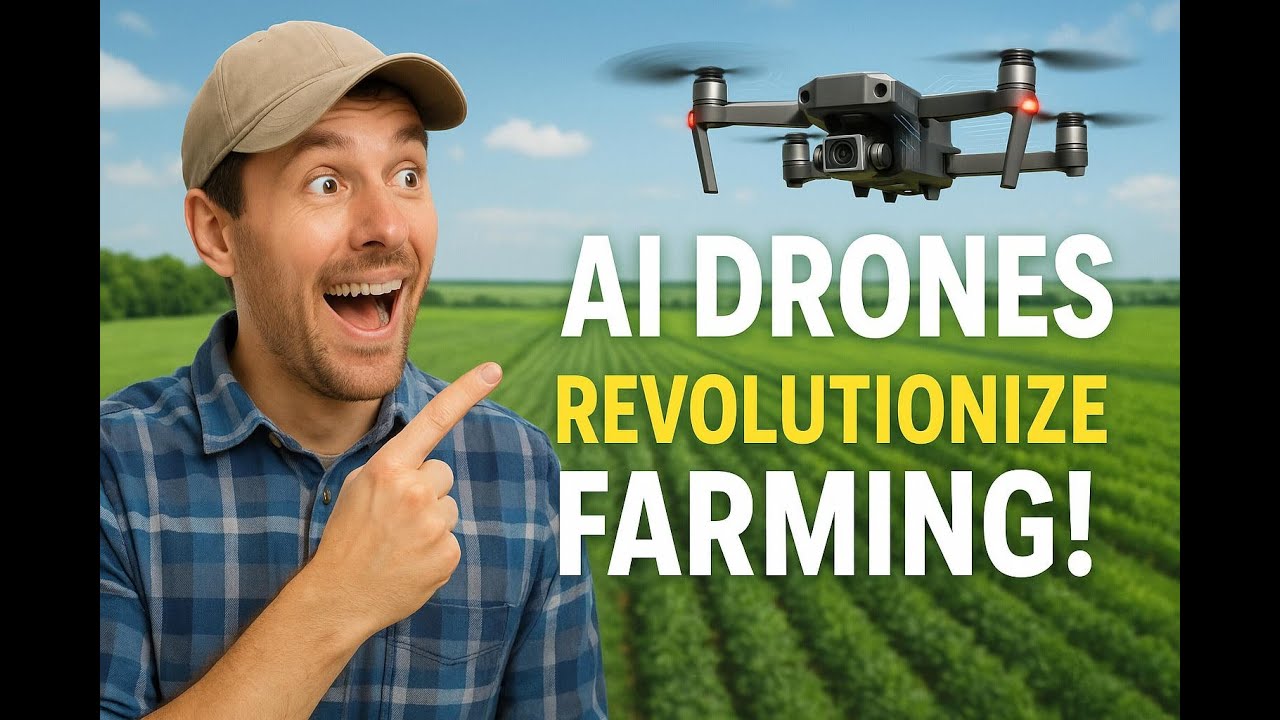
Precision agriculture technologies—such as real-time satellite monitoring, soil sensors, drones, and AI-driven analysis—enable farmers and land managers to detect early warning signals of slope instability, water saturation, and crop stress. These tools help prioritize interventions and reduce unnecessary input costs.
- 🛰️ Key benefit: Scale risk assessment cost-effectively across remote, challenging terrain
- ⚙️ Example: Use Farmonaut’s satellite insight platform to receive NDVI-based vegetation health alerts and manage large, sloped farms via Farmonaut Large-scale Farm Management

Comparison Table of Slope Management Strategies
| Strategy Name | Description | Estimated Erosion Reduction (%) | Approx. Cost (USD/ha) | Impact on Soil Health | Runoff Management Effectiveness | Sustainability Score (1-5) |
|---|---|---|---|---|---|---|
| Terracing | Flat platforms cut along the slope with physical barriers | 65–80% | 1,200–5,000 | High | High | 5 |
| Contour Farming | Plowing and planting along contour lines | 35–50% | 100–500 | Medium | Medium | 4 |
| Agroforestry & Vegetative Barriers | Integrating trees, shrubs, grasses for soil stability | 45–70% | 200–900 | High | Medium–High | 5 |
| Cover Crops & Mulching | Live ground cover and organic mulches to protect soil | 35–58% | 120–600 | High | Medium | 5 |
| Improved Drainage Systems | Surface/subsurface channels, ditches, pipes for water diversion | 30–55% | 400–1,800 | Medium | High | 4 |
| Soil Conservation Structures | Physical structures like gabions, bunds, retaining walls | 50–90% | 1,500–8,000 | Low–Medium | High | 3 |
| Precision Monitoring | Satellite, sensors, and AI for real-time diagnosis | Varies (Optimizes other methods) | 80–450 | High | High | 5 |
Technological Innovations for Sustainable Slope Farming
2026 marks an era where farmers and land managers increasingly depend on advanced technology to address agriculture slope and agriculture slides risks with greater precision and cost-effectiveness. Innovations span:
- 🛰️ Satellite imaging: Monitors vegetation, slope changes, soil moisture and early warning
- 🤖 AI-based insights: Platform-generated strategies for managing crops and risk
- 🌱 Biotechnological cover crops: Deep-rooted plants designed for high slope stabilization and organic matter inputs
- 💧 Soil moisture and runoff sensors: Real-time, area-specific monitoring of saturation and drainage issues
- ⛓️ Blockchain traceability: Ensures transparent supply chains and resource security
Farmonaut’s satellite-driven platform uniquely integrates these innovations, offering:
- 🌎 Affordable NDVI, soil moisture & terrain analysis, accessible via web & mobile app
- 🔗 Blockchain-based traceability for farm and supply chain security on hilly or remote farms
- 🌳 Expert AI-driven forest, plantation & crop advisory
Policy and Community Involvement
No slope management strategy can succeed at landscape scale without enabling policy frameworks and community engagement:
- 📜 Policy: Secure land tenure & incentivize soil conservation through grants, training, & compliance monitoring
- 👥 Community Watershed Management: Foster shared responsibility across catchments to maintain slope stability and manage shared runoff systems
- 📈 Technology outreach: Expand access to satellite/AI technology among small and remote rural growers
- 🗺️ Disaster response: Prepare and rapidly disseminate early warning and advisory for high-risk slope regions
Farmonaut directly supports governments, cooperatives, and rural communities with affordable, scalable remote monitoring platforms and right-sized training. This brings cutting-edge tools within reach of those most affected by slope agriculture risks.
Farmonaut: Empowering Slope & Slide Management for 2026
As advocates of sustainable agriculture slope management, we at Farmonaut offer satellite-based solutions designed explicitly for hilly and mountainous regions worldwide.
- 🌍 Accessible Data: Multispectral satellite imagery analyzes soil health, crop vigor, slope risk, and water status even in the world’s most remote regions
- 🤖 AI Advisory: Real-time insights on erosion, drainage, crop status, tailored to your unique slope profile—via Jeevn AI
- 🔗 Blockchain Traceability: Verifies the supply chain of farm produce and plantations on difficult terrains ensuring food security and trust
- ⏰ Resource Optimization: From moisture monitoring to input guidance, our platform helps maximize production on each hectare of challenging terrain
- 📱 Mobile, API & Web Access: Use the platform in the field, on the go, or integrate insights seamlessly into your existing management systems. Try our Large-Scale Farm Management module
- 💳 Flexible Subscription: Affordable access for individual farmers, commercial agribusinesses, and government agencies. See pricing below.
Frequently Asked Questions: Agriculture Slope & Slides
1. Why is agriculture on slopes important?
It expands arable land into hilly and mountainous regions, supporting food security, rural livelihoods, and biodiversity where horizontal land is limited.
2. What are the biggest risks of farming on slopes?
Soil erosion, agriculture slides, water runoff, nutrient depletion, and infrastructure damage are top threats if slopes are managed poorly.
3. Can traditional farming methods help prevent landslides?
Yes. Terracing, contour plowing, agroforestry, and cover cropping have all been shown to stabilize slopes and reduce risk when combined with modern science.
4. How does Farmonaut support slope agriculture?
We provide satellite imagery, AI-advisory, and resource management tools for precise monitoring of soil, crop health, slope stability, and environmental risk, making effective slope management affordable and scalable.
5. Which product/modules suit my hilly farm best?
For individual fields, our AI-driven Crop Plantation & Forest Advisory is ideal. For estate-scale operations, try Large-Scale Farm Management. For transparency and proof-of-origin in high-value crops, consider Blockchain Traceability.
6. Is technology necessary for slope farming?
While not mandatory, modern technologies greatly improve the accuracy, speed, and cost-effectiveness of managing slope risks and maximizing productivity in 2026.
Conclusion: Slope Success in 2026 and Beyond
Efficient management of agricultural slopes is pivotal for expanding arable land sustainably and safeguarding food production in the world’s hills and mountain regions. By integrating traditional knowledge with modern satellite and AI solutions, the risk of agriculture slides can be minimized, soils and livelihoods can be preserved, and a bold new era of sustainable farming in 2026 and beyond can be realized.
- ✔ Implement terracing, contour farming, and vegetative barriers where appropriate
- ✔ Protect and enrich soil with cover crops and mulching
- ✔ Invest in drainage and mechanical conservation structures for high-risk zones
- ✔ Leverage precision monitoring and AI advisory for every slope
- ✔ Engage in community-centric, policy-supported management for long-term security and resilience
Ignoring small signs of soil movement and runoff channels—early action prevents expensive disasters later.
Farmonaut Subscription Options
Access AI-driven precision monitoring, NDVI, soil, and crop management tools from any slope, anywhere—with flexible subscription plans suited to farms big and small.
Slope management and real-time slide risk reduction are top priorities in rural development, agriculture, and geospatial technology sectors for 2026—driven by food demand, climate change, and infrastructure protection.
Discussion
Questions, corrections or field experience? Share them below. First-time comments are reviewed before they appear, and your email is never published.
No comments yet. Be the first to add a question or your experience.

 Adinet
 Save Your Soils
 YelloSkye
 GalaxEye Space
 Grandstream Algérie
 XOS Realty
 Geospatial Lab Africa
 Agro La Gándara
 HIPSAC
 ZOL Zimbabwe
 Juligerm
 AdBio
AdBio MISE Maroc
 NWNS
NWNS Red August Group
 Farm Inc
 WeMe Global
 Agrotoken
 Blue BearX
 Insignito
 Licence holder · Niger · Gold
 Licence holder · Nigeria · Gold + lithium










