

Agritech Indonesia: 7 Powerful Innovations Boosting Farming
“Indonesia’s agritech sector grew by 30% in 2023, accelerating adoption of precision agriculture nationwide.”
“Urban farming in Indonesia increased vegetable yields by up to 40% in major cities since 2020.”
Agritech Indonesia: Transforming Indonesia Farming for a Resilient Future
Agritech Indonesia has emerged as a transformative force, redefining how crops are grown, managed, and brought to market across the archipelago. By integrating digital tools, sensors, data analytics, automation, and innovative models, agritech optimizes every step of the agricultural value chain—from seed to harvest to sale. This immense technological movement is emphasizing sustainability, resilience, and inclusivity, supporting both rural farmers and city producers, while driving Indonesia’s transition to a robust and inclusive food ecosystem.
But how is agritech reshaping Indonesia farming at its core? Through a blend of advanced sensing, data-driven insights, and locally adapted technologies, Indonesia is improving food production, reducing waste, enhancing market access for smallholders, and supporting sustainable farming practices. From precision agriculture solutions and IoT-powered monitoring networks to blockchain traceability systems, these innovations are catalyzing a new era in the country’s agri-food sectors.
Companies building many of these tools are compared in leading agritech solution providers.
In this comprehensive guide, we’ll explore the 7 most powerful agritech innovations revolutionizing Indonesian agriculture—examining technology, impact, adoption, and opportunities for all stakeholders. We’ll deep-dive into the mechanisms, outcomes, and future trends that are shaping a sustainable agricultural landscape.
Key Insight
Precision agriculture Indonesia leverages sensors, drones, and satellite data to enable field-level input optimization, achieving higher yields while conserving resources and protecting biodiversity.
7 Powerful Agritech Innovations in Indonesia
- Precision Agriculture Platforms: Field-level crop optimization through advanced data, sensors, and analytics.
- Urban Farming Modules: Vertical and rooftop systems increasing food production in cities.
- IoT Sensing Networks: Real-time monitoring of soil, water, and climate parameters.
- Drone-Based Monitoring & Imaging: Aerial data for improved management of vast fields and forests.
- Hydroponics & Aquaponics Systems: Soilless, water-efficient crop production for urban and rural settings.
- Digital Platforms & Marketplaces: Connecting farmers to buyers, advisors, and financial services.
- Blockchain-Based Traceability: Securing and verifying food value chains for export and domestic markets.
Investor Note
Indonesia’s agritech market is projected to exceed $5 billion by 2027, driven by exponential growth in sensing networks, digital advisory services, and traceability platforms. Urban farming Indonesia and precision agriculture Indonesia offer robust investment opportunities.
Comparison Table: 7 Agritech Innovations in Indonesia
| Innovation/Technology Name | Purpose/Function | Estimated Adoption Rate (%) | Est. Yield Improvement (%) | Example Implementation | Sustainability Impact |
|---|---|---|---|---|---|
| Precision Agriculture | Optimizes input use with sensors, data, & remote monitoring | 31% | 15–30% | Java, Sumatra rice fields | High water/soil conservation |
| Urban Farming Modules | Boosts city food production via vertical & rooftop farms | 23% | 25–40% | Jakarta, Surabaya rooftops | Reduces food miles, cuts emissions |
| IoT Sensing Networks | Continuous monitoring of soil, moisture, nutrient, & pest status | 28% | 12–19% | Bali greenhouse farms | Minimizes inputs, improves resilience |
| Drone-Based Monitoring | Fast & granular crop, forest, & land imaging | 18% | 10–18% | Central Java plantations | Prevents illegal logging, monitors reforestation |
| Hydroponics & Aquaponics | Soilless, water-smart urban & rural food systems | 12% | 22–38% | Yogyakarta urban farms | Up to 90% water savings |
| Digital Platforms | Market access, extension, advisory, & finance for farmers | 34% | 12–22% | National agromarket apps | Supports inclusivity & transparency |
| Blockchain-Based Traceability | End-to-end tracking for food safety & quality assurance | 8% | 5–9% | Sumatra coffee exporters | Builds consumer trust, enables exports |
Precision Agriculture Indonesia: Smart Resource Management
Precision agriculture Indonesia stands as a cornerstone within agritech Indonesia, redefining how inputs are tailored and managed at the field level. This movement integrates advanced sensors, networks, and data analytics for real-time insights into soil status, moisture, nutrient distribution, and pest pressure.
How It Works
- ✔ Soil Sensors: Monitor key indicators including soil moisture, nutrient levels, pH, and temperature, enabling variable rate application by zone.
- 📊 Satellite Imagery: Provides a macro view of field health, capturing changes in vegetation, pest hotspots, and microclimates.
- ⚠ Variable Rate Applicators: Automate the delivery of water, fertilizers, and agrochemicals, reducing waste and cost.
- ✔ Weather Integration: Geographic information systems combine hyperlocal weather data, allowing for timely interventions and more precise harvest planning.
- 📊 Drone & Imaging Networks: Supply high-resolution data for mapping, status assessment, and intervention planning.
These tools support smallholders and commercial farms in Java, Sumatra, Bali, and across Indonesia’s landscapes, conserving resources, protecting biodiversity, and reducing environmental impact. Decision models consider field granularity and support targeted input application—meaning farmers can optimize their harvest and reduce costs.

Key Benefits of Precision Agriculture Indonesia
- ✔ Up to 30% yield increase in staples like rice and corn in test regions
- ✔ 25% reduction in chemical input through targeted spraying
- ✔ Optimized use of water, protecting critical river basins and water tables
- ✔ Enhanced traceability and transparency for food safety and export compliance
- ✔ Better resource management across vast and diverse agricultural landscapes
Pro Tip
Integrating satellite data with in-field sensing optimizes not just yields but also enables real-time carbon footprinting for regulatory compliance and market advantage.
Explore how satellite-based carbon footprinting works!
Urban Farming Indonesia: Sustainable Food in the Heart of Cities
Urban farming Indonesia and vertical farming have emerged as transformative urban food solutions, accelerating production closer to communities, consumers, and key markets. In megacities like Jakarta, Surabaya, and Bandung—where urban density, abandoned lots, and rooftops abound—these new farming systems are making food production viable in previously non-arable spaces.
Core Urban Farming Models
- Rooftop Gardens: Utilizing building tops for leafy greens, tomatoes, and herbs.
- Vertical Farms: Multi-level growing in indoor, controlled environments, powered by LED lighting.
- Abandoned Lot Conversion: Turning underused urban land into productive green spaces for fruits and vegetables.
- Hydroponic Containers: Mobile and modular solutions that allow year-round cultivation of popular crops.
Less Land Needed
Year-Round Production
Shorter Supply Chains
Reduced Water Use
Urban farms in Indonesia leverage hydroponics, aeroponics, and controlled environments—along with IoT sensors and automation—to control light, temperature, humidity, and nutrient delivery. The results? Yield boosts of up to 40% for leafy greens and a solid, reliable source of healthy food for urban communities.

Data-Driven Urban Farming: What Makes It So Successful?
IoT Sensing: Real-Time Crop Status
Automation: Lighting/Watering Efficiency
AI-Driven Recommendations
Common Mistake
Failing to calibrate sensors for indoor or rooftop environments in urban farming Indonesia can lead to suboptimal light, humidity, or nutrient cycles. Always adapt control models for your specific urban spaces!
IoT Sensing Networks: Real-Time, Data-Driven Crop Science
Agricultural optimization increasingly depends on continuous, real-time surveillance of critical field and environmental factors. Here, IoT sensing networks empower Indonesia’s farmers by making granular data accessible, actionable, and affordable.
Examples of IoT Use:
- ✔ Soil Moisture Sensors: Alert farmers to irrigation needs, reducing water waste and promoting healthy roots.
- ✔ Nutrient Monitoring: Allows for timely fertilizer application tailored to crop demand zones.
- ✔ Pest & Disease Alerts: Early detection of anomalies or pest pressure saves crops and reduces reliance on agrochemicals.
- ✔ Climate Stations: Collect localized weather data, predicting droughts or heavy rainfall events before they impact yields.
These systems not only optimize input timing and reduce operational risk but also improve farm management across small and large farms. The movement is well underway in Indonesia, especially within greenhouse zones and progressive rice or horticulture producers.

Market Insight
Integrating IoT sensors with digital platforms increases adoption among smallholders in precision agriculture Indonesia, enabling even remote or rural producers to benefit from real-time data streams.
Drones & Imaging: Transforming Indonesian Landscapes
Indonesia’s diverse landscapes—from lowland rice fields to mountainous orchards and forestry plantations—require granular, frequent monitoring for optimal management. Drone-based imaging and remote sensing fill this gap, providing a bird’s-eye view and detailed maps for farmers and land managers.
Key Functions and Models:
- ✔ Crop Monitoring: Health mapping, identifying stress hotspots before they impact harvest yields.
- 📊 Pest & Disease Detection: Spot outbreaks and enable targeted, timely interventions—reducing chemical usage.
- ✔ Topographical Surveying: Create precise field maps for smarter input management and planting strategies.
- ⚠ Forest Canopy & Timber Tracking: Support forestry conservation and agroforestry planning using aerial imagery.
- ✔ Land Use Management: Monitor reclamation activities in mining-adjacent zones—helping restore productivity and biodiversity.
Drone and satellite-based solutions—especially when paired with field sensors—give Indonesian producers unprecedented ability to visualize, intervene, and improve at every step.

Service Note
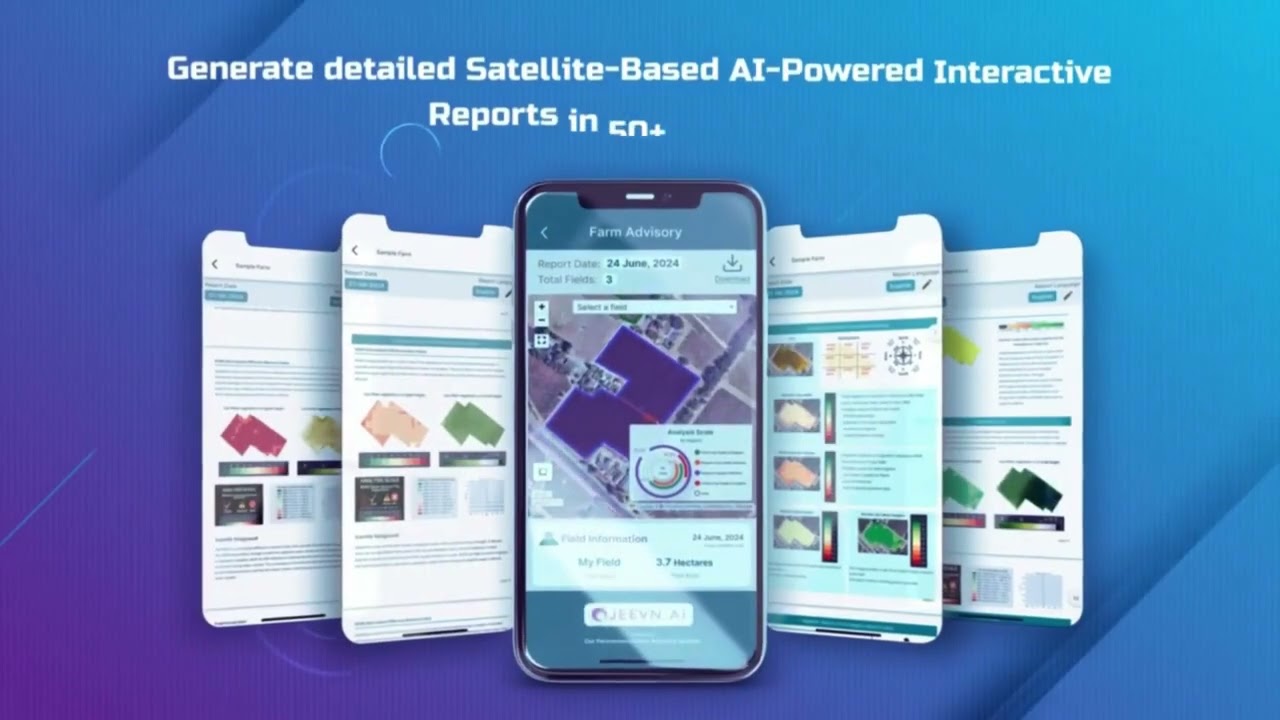
Our satellite monitoring platform provides Java-based farmers and land managers AI-powered, real-time updates on field health, pest pressure, and yield forecasts via Android, iOS, and web. Access tailored insights for every hectare—Try Farmonaut’s web app now!

Hydroponics & Aquaponics: Water-Smart Food Production Models
Hydroponics and aquaponics are at the forefront of sustainable, soilless food systems throughout Indonesia. These methods are especially impactful in urban farming Indonesia, where productive green spaces are established with minimal water, land, and external fertilizers.
Why Soilless Farming?
- ✔ 90% reduction in water usage compared to conventional farming
- ✔ Elimination of soil-borne pests and diseases—supporting rapid crop cycles
- ✔ Achieve higher yields—especially for salad greens, herbs, cucumbers, and tomatoes
- ✔ Builds local supply in cities and regions with degraded or non-arable soils
These soilless systems shorten supply chains, making food production more climate-resilient, predictable, and profitable—while offering consumer transparency, safe food, and lower post-harvest losses.
Digital Platforms: Empowering Farmers Market Indonesia
Digitalization is a game-changer for farmers market Indonesia—empowering rural and urban producers, enabling transparent trade, market intelligence, and providing equitable access to finance, logistics, and consumers. These platforms link farmers with buyers, markets, and advisory services, streamlining the path from field to table.
What Digital Platforms Provide
- ✔ Marketplaces for direct sales and contract farming, differentiated by crop, quality, and region
- ✔ On-demand agronomist advice through chatbots, apps, or AI-driven advisory systems
- ✔ Mobile-accessible credit scoring, crop insurance, loan assessment, and financial inclusion tools
- ✔ Real-time pricing data, procurement trends, and risk alerts for smarter planning
- ✔ Digital extension services, broadcasting weather, pest, and planting guidance in the farmer’s native language
Use powerful advisory platforms for crop plantation & forest management guidance, available on your phone or device—See Farmonaut’s plantation advisory features.


API Developer Docs
Data Insight
Digital platforms improve traceability, input efficiency, and market connection for more than 1 million Indonesian farmers, reducing post-harvest losses by up to 22% in integrated value chains.
Blockchain-Based Traceability: Transparency from Farm to Table
Ensuring food safety, quality, and provenance is increasingly crucial for Indonesia’s domestic and export markets. Blockchain-based traceability platforms are reshaping how produce, livestock, and agro-products are brought to market indonesia, empowering both farmers and consumers.
- ✔ Immutable Supply Chain Records for every input and step from seed to sale
- ✔ Verified Certifications (organic, fair-trade, origin, etc.) to comply with export and premium standards
- ✔ Fraud and Tampering Prevention, protecting both farmers and buyers
- ✔ Consumer Trust through transparent information at point-of-sale
- ✔ Loan and Insurance Verification for secure, timely farm credit and insurance processes
Blockchain is increasingly adopted by Indonesian exporters—especially in coffee, tea, spice, and aquaculture supply chains, where visibility and trust are imperative.
Want to see how blockchain traceability elevates food safety? Explore our blockchain traceability tools.
Forestry & Agroforestry: Agritech Impact Beyond Crops
The application of agritech in Indonesia extends far beyond field crops—impacting vast areas of forests, timber plantations, and mining-reclaimed land. Remote sensing, drones, and AI models are driving transparency, compliance, and restoration across forestry and agroforestry sectors.
Key Applications in the Sector
- ✔ Illegal Logging Detection: Identify and respond to unauthorized activities in real time
- ✔ Canopy Monitoring: Track timber growth, health, and harvest readiness within set quotas for sustainability
- ✔ Reforestation Mapping: Assess young tree establishment and restoration progress at landscape scale
- ✔ Mining Land Optimization: Enable reclamation, biodiversity recovery, and conversion for productive or conservation uses post-extraction
- ✔ Ecosystem Services Accounting: Quantify carbon sequestration, soil restoration, and emission reduction for regulatory and market incentives
The impact? Improved forest management, higher-value timber, and more effective stewardship of natural capital—positioning Indonesia at the forefront of sustainable land use.
“Indonesia’s agritech sector grew by 30% in 2023, accelerating adoption of precision agriculture nationwide.”
“Urban farming in Indonesia increased vegetable yields by up to 40% in major cities since 2020.”
Sustainability Bonus
Adopting agritech solutions for forestry, reforestation, and mining reclamation unlocks new revenue via verified carbon credits, ecosystem service payments, and biodiversity certifications.
Farmonaut’s Satellite-Powered Solutions in Indonesia
At Farmonaut, we leverage a powerful blend of satellite imagery, artificial intelligence, blockchain, and machine learning to deliver next-generation agritech services for agriculture, mining, and allied sectors across Indonesia. Our mission is to make advanced, affordable satellite-driven insights available to all users—from smallholders to large businesses, governments, and financial institutions.
What Sets Farmonaut Apart
- ✔ Real-Time Crop Health Monitoring: Access NDVI, soil moisture, and crop status directly from your phone or web dashboard.
- 📊 Jeevn AI Advisory System: Personalized, AI-powered recommendations for resource optimization and risk reduction.
- ✔ Blockchain-Based Traceability: Secure, end-to-end verification for trusted food, forestry, and mining value chains.
- ✔ Environmental Impact Monitoring: Measure and report carbon emissions, helping meet sustainability, regulatory, or investor requirements.
- ✔ Fleet & Resource Management: Smart logistics and vehicle use for agricultural and mining operations.
Accessible via Android, iOS, Web, and API—our platform fits every user, every scale, and every value chain. Whether you’re looking to optimize fields, monitor reforestation, comply with sustainability standards, or access digital finance, we’re here to help Indonesian agriculture thrive.

Explore premium solutions for crop loan and insurance verification using remote sensing:
See our crop finance and insurance monitoring features
Quick Start!
Start using our satellite platform instantly—no special equipment required.
Challenge & Opportunity: Building a Sustainable Agritech Indonesia
Current Challenges
- ⚠ Infrastructure Gaps: Limited broadband connectivity in remote regions restricts full-scale digital adoption.
- ⚠ Digital Literacy: Training farmers and cooperatives on new technologies is essential for inclusivity and resilience.
- ⚠ Data Privacy & Security: Safeguarding data flows and digital identities is paramount in a rapidly digitalizing sector.
- ⚠ Scalable Financing Models: Bridging the gap for smallholders to invest in agritech infrastructure and IoT tools.
- ⚠ Policy Alignment: Ongoing support through government frameworks, incentives, and public-private initiatives.
Opportunities for Growth
- ✔ AI & Machine Learning will deliver smarter, faster, and more personalized recommendations and operations.
- ✔ Expansion of Digital Marketplaces will empower more Indonesian producers to access buyers directly and reduce reliance on intermediaries.
- ✔ Regenerative & Climate-Smart Agriculture models will ensure yields and farmer livelihoods are protected amidst climate volatility.
- ✔ Scaling Sustainable Forestry and agroforestry models will unlock conservation finance and green jobs.
- ✔ Broader Inclusion of women, youth, and indigenous communities for genuinely inclusive growth across sectors.
Frequently Asked Questions (FAQ)
1. What is the meaning of “agritech Indonesia”?
Agritech Indonesia refers to the ongoing integration of advanced technology, digital tools, automation, data analytics, and sustainability models in Indonesian agriculture, food, forestry, and related sectors. This includes precision agriculture, IoT sensing, blockchain traceability, data-driven marketplaces, and satellite-powered monitoring to optimize production, market access, and value chain transparency.
2. How does precision agriculture Indonesia help smallholders?
Precision agriculture empowers smallholders by enabling them to monitor their fields for soil moisture, nutrient levels, pest pressure, and weather—delivering tailored input use, reducing costs, and increasing yields. Through mobile, affordable data, more Indonesian farmers can access and benefit from advanced agritech.
3. Is urban farming Indonesia sustainable and profitable?
Yes! Urban farming Indonesia leverages hydroponics, vertical farming, and controlled environment agriculture to boost yields, reduce resource use, and create green jobs in cities. It’s both highly sustainable (using up to 90% less water) and, with the right market connections, can be profitable due to shorter supply chains and year-round production.
4. How is blockchain traceability used in Indonesian farming?
Blockchain-based traceability secures, verifies, and transparently records every step (seed, input, harvest, logistics) in the value chain. This ensures food safety, eliminates fraud, and meets export/legal standards—especially for key crops like coffee, tea, and specialty produce.
5. Where can I try Farmonaut’s tools and solutions?
You can access our satellite and AI-powered platform via web, Android app, or iOS app. API and advanced features for integration are available for businesses, developers, and government users.
Conclusion: The Future of Agritech Indonesia
Indonesia’s transformation toward data-driven, sustainable, and inclusive agriculture is accelerating through targeted investments in precision farming, urban food systems, IoT networks, digital platforms, and value chain transparency. These powerful agritech innovations are connecting producers, consumers, and markets across the country, empowering communities to improve yields, livelihoods, and stewardship of natural resources—while making Indonesia a true leader in global food resilience.
For every stakeholder—whether grower, advisor, policymaker, or end consumer—the time to embrace, invest in, and build capacity within agritech Indonesia has never been more important. With the right digital tools, analytics, and sustainable practices, Indonesia’s farming sectors will thrive for generations to come.

 Dextrago
 Kubota
 FFBS
FFBS Jontra
 Kalustyan
 Tucor
Tucor Geno
Geno Hayleys Agriculture
 Linx Agritech
 Adinet
 Save Your Soils
 Grandstream Algérie
 XOS Realty
 Geospatial Lab Africa
