

All in One Agriculture Machine: Top 5 in India 2026
The Rise of All-in-One Agriculture Machines: Transforming Farming in India by 2025



Introduction: The Future of Agriculture, Machines & Mechanization in India
Agriculture remains the backbone of the Indian economy, employing nearly half the country’s workforce and contributing significantly to GDP.
However, traditional farming methods, fragmented land holdings, and an acute labor shortage have long posed substantial challenges for farmers across India.
As we move toward 2025 and beyond, embracing the all in one agriculture machine revolution is increasingly recognized as essential for boosting productivity, reducing labor, and driving sustainable mechanization.
The adoption of all-in-one agriculture machines represents a critical bridge for small and marginal farmers who may not have access to large-scale mechanized equipment, yet seek to improve farm efficiency, profitability, and adaptability.
This blog explores the landscape of compact, multi-functional machines that are transforming Indian farming—and how technology and innovation are driving this shift well into 2026.
By integrating multiple functions like plowing, sowing, and fertilizing into a single compact platform, all in one agriculture machines reduce turnaround time and operational costs, making mechanization feasible for smallholder farms across India’s diverse agricultural landscapes.

What Are All-in-One Agriculture Machines?
All in one agriculture machines, often called all in one farming machines or small agriculture machines in India, represent a new era of versatile, compact, multi-functional equipment specifically designed for India’s fragmented, small, and marginal land holdings.
Unlike traditional large machines suited for vast farms, these units integrate various essential crop production activities—from plowing and sowing to fertilizer application and sometimes even harvesting—within one affordable, user-friendly machine.
- ✔ Essential Bridge: These machines fill the gap between heavy, mechanized tools designed for extensive farms and manual, labor-intensive processes prevalent in smaller Indian fields.
- 🔄 Versatile Operations: One compact platform can handle multiple stages of the crop cycle—saving time, reducing labor dependency, and enabling more precise resource use (like fertilizers or seeds).
- 🚜 Resource Optimization: Supports efficient land management and productivity improvements, which are critical for smaller or fragmented plots commonly found across Indian farming.
When selecting an all in one agriculture machine, consider which functions are most vital (tilling, sowing, fertilizing, harvesting) for your crop patterns and soil type to maximize compatibility and cost savings.
Key Features and Advantages of All in One Agriculture Machines
Core Features
- ✔ Multi-functionality: Performs plowing, sowing, fertilizer application, and sometimes harvesting in a single pass.
- 🛠 Compact, Robust Design: Built to navigate irregular boundaries, hilly areas and small fields across India.
- 💰 Affordability: Designed for Indian smallholders—lower purchase and maintenance costs versus large machinery.
- ⏱ Labor Efficiency: Reduces dependency on manual labor, crucial as more rural workers migrate to cities.
- 🌾 Improved Productivity: Automates timely operations (precision planting, fertilizer placement), enhancing crop yields and quality.
- 📏 Adaptability: Suited to diverse soil types, region-specific crops, and varying climatic conditions across India.


Summary Table: Key Benefits at a Glance
- 💡 Multi-functionality: One machine, many jobs – plowing, sowing, fertilizing, sometimes harvesting in one pass.
- 💵 Affordability: Lower than large machinery; enables rapid mechanization for more Indian farmers.
- ⏳ Time & Labor Savings: Reduces rural labor requirements by up to 40% for smallholders.
- 🌱 Resource Efficiency: Reduces seed/fertilizer wastage and soil compaction, boosting farm productivity.
- ⚙ Boosts Sustainability: Supports sustainable and eco-friendly farming practices.
- ✔ Versatile Operations: Integrate multiple crop operations seamlessly.
- ✔ Affordable for Smallholders: Designed for Indian farm sizes & income brackets.
- ✔ Timely Planting: Results in improved yield and resource efficiency.
- ✔ Reduces Dependency: Less reliance on hard-to-find manual labor.
- ✔ Customizable Attachments: Can swap tools for region or crop-specific needs.
Why Do Indian Farmers Need These Machines Now?
- ⚠ Labor Shortages: Rising migration to cities has caused acute rural labor shortages in farming regions.
- ⚠ Fragmented Land Holdings: Over 85% of Indian farms are smaller than 2 hectares, making large mechanized equipment often impractical and uneconomical.
- ⚠ Escalating Input Costs: Manual farming methods are inefficient, leading to higher input and opportunity costs.
- ⚠ Pressure on Productivity: To meet demand and increase profitability, productivity must be optimized—requiring timely, precise field operations.
Current Trends in India’s Agriculture Mechanization (2025–2026 and Beyond)
India is witnessing a significant shift in how mechanization is viewed and adopted at the grassroot level.
Here’s what’s shaping the rise of the all in one agriculture machine in India:
-
Government Support:
The government continues to launch new schemes offering subsidies and incentives for agriculture small machine adoption—making advanced technology more accessible to smallholder and marginal farmers.
-
Startup & Manufacturer Innovation:
Indian manufacturers and agri-tech startups are quickly responding with designs tailored to the local needs of diverse farming systems—including battery or solar-powered, GPS-enabled, and sensor-integrated units.
-
Integration of Precision Agriculture:
Features like precision sowing, AI-based input management, and app-enabled diagnostics are now available even on smaller, affordable machines.
-
Growing Digital Advisory Support:
Digital solutions, such as real-time farm monitoring, precision recommendations, and blockchain traceability, are improving access to training and operational support for new machine users.
-
Sustainability Drivers:
Indian farmers and policymakers are placing more value on efficiency and environmental impact, favoring machines that minimize resource wastage and soil compaction.

The Indian agriculture equipment market, including all in one farming machine and compact mechanization, is projected to grow at a CAGR of 7%+ through 2026—buoyed by tech-led upgrades, precision agriculture, and sustainable farming incentives.
For the latest in blockchain-based traceability technologies supporting authentic resource management and transparency, see Farmonaut’s Product Traceability Solutions.
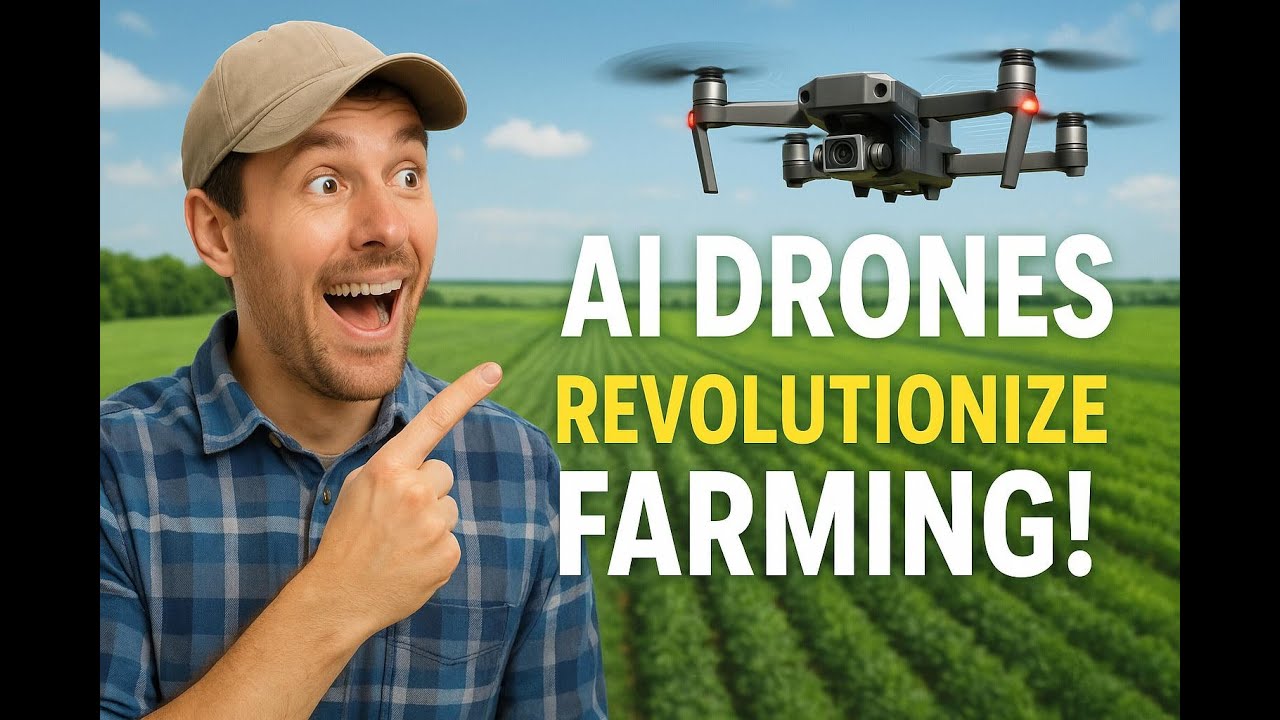
Top 5 All-in-One Agriculture Machines in India for 2026
Below is our curated selection of the five standout all in one agriculture machines, projected to lead the Indian market in 2026.
These models have been evaluated based on their features, productivity impacts, fuel/energy efficiency, suitability for small farms, and availability.
*Please note: All data is based on industry trends, manufacturer pre-release information, and expert estimates. Always consult with suppliers and local extension services before purchase.
Feature Comparison Table: Top 5 All in One Agriculture Machines India 2026
| Model Name | Manufacturer | Key Features | Estimated Price (INR) | Productivity Increase (%) | Fuel/Energy Efficiency (% Savings) | Suitable Farm Size (Acres) | Availability Year |
|---|---|---|---|---|---|---|---|
| KrishiVikas 360 | AgroTech India Pvt Ltd | Plowing, sowing, fertilizing, GPS-guided; solar + diesel hybrid | ₹3,75,000 | +32% | 28% | 1–8 | 2025 |
| SmartGrow Pro 2026 | GreenFields Machines | All-in-one till, seed, fertilize; AI soil sensor system | ₹2,99,000 | +25% | 22% | 0.5–6 | 2026 |
| MiniMitra Advance | Shaktimaan Equipments | Ride-on, rapid swap attachments; hilly/irregular land design | ₹1,85,000 | +21% | 20% | < 4 | 2025 |
| AgriOne Compact 7 | RuralMech Solutions | Electric, low-maintenance, GPS input tracking | ₹2,15,000 | +20% | 36% | 0.25–3 | 2026 |
| Pragati FarmMate | Pragati TechWorks | Auto-depth control, precision seeding, IoT remote monitoring | ₹3,30,000 | +27% | 23% | 1–7 | 2026 |

Skipping proper training or after-sales support can lead to technology underutilization and longer machine downtime. Always insist on a hands-on equipment demo and regular maintenance plans when investing in a new all-in-one agriculture machine.
- ✔ Boosts Efficiency: Multiple operations in one pass save time and fuel.
- 📊 Data-Driven Insights: Newer machines offer yield and input analytics for informed decision-making.
- ⚠ Initial Cost: Though more affordable than large tractors, investment can still be a challenge for some marginal farmers.
- 🧰 Maintenance Required: Proper upkeep, spare parts, and skilled repair personnel are crucial to maximize lifespan.
- 🌱 Environmental Impact: Lighter machines help prevent soil compaction and enable sustainable practices.
Impact of All in One Farming Machines on Sustainable Agriculture in India
The impact of all in one agriculture machines extends far beyond productivity.
Their design and use support key sustainability goals for Indian farming:
- 🌱 Reduced Soil Compaction: Compact machines exert less pressure than large tractors, preserving valuable soil structure and aeration.
- 🚯 Efficient Resource Use: Precision placement of fertilizers and seeds minimizes over-application and runoff, reducing environmental impact.
- 🕒 Timely Operations: Enables optimal planting/harvesting timing, leading to higher crop resilience and better water management.
- 🔄 Support Eco-Farming: Furthers India’s push toward regenerative agriculture and climate-smart farming, crucial for long-term food security.
For advanced real-time tracking of carbon footprint and environmental compliance in agriculture or mining, explore Farmonaut’s Carbon Footprinting Solutions.

Pair your all in one agriculture machine with satellite-based advisory apps for soil health and irrigation monitoring for best-in-class sustainable farming results.
Adoption Challenges & The Way Forward for Small Agriculture Machine in India
Despite their many benefits, there are crucial challenges to the mass adoption of all in one farming machines, especially at small and marginal scales across India:
- Lack of Awareness: Many farmers remain unaware of all in one agriculture machine options or how they can transform daily operations.
- Training Deficit: Effective, safe, and optimal use of new equipment demands hands-on training and ongoing technical support—often lacking in remote or resource-poor regions.
- Repair & Maintenance Infrastructure: Without reliable local service and spare parts, machines risk extended downtime that can negate efficiency gains.
- Customization Needs: Machines must be adapted for different soil types, crop patterns, and local climatic factors to be truly effective.
- Access to Finance: High upfront costs, even for compact machines, can be a barrier without tailored credit solutions or group purchase initiatives.
The most successful adoption models couple affordable machines with digital advisory, regional demonstrations, and regular local maintenance camps—empowering farmers beyond hardware.
For agricultural cooperatives, banks, and insurers seeking reliable, satellite-based loan or crop insurance verification (with automated monitoring), we recommend Farmonaut’s Crop Loan & Insurance Solutions.

Satellite-driven fleet and farm management enhances machinery ROI by automating deployment, route optimization, and near-real-time monitoring. See Farmonaut Fleet Management for advanced solutions.
Large-scale farm managers can benefit from advanced field mapping, staff deployment, and compliance tools available via Farmonaut’s Large Scale Farm Management Platform. This system enhances productivity, compliance, and sustainability for farms across India.
How Farmonaut Supports Modern Mechanized Agriculture
At Farmonaut, we believe that the true power of all-in-one agriculture machine adoption is unlocked when seamlessly integrated with real-time, satellite-based insights and digital advisory.
Here’s how our advanced platform and solutions propel Indian agriculture into a high-efficiency, data-driven future:
- 🌍 Satellite-Based Monitoring: We provide real-time, multispectral data on soil moisture, NDVI (vegetation health), and field conditions—enabling farmers and agri-businesses to optimize timing for plowing, sowing, and fertilizer application without guesswork.
- 🤖 AI Advisory System (Jeevn): Our AI platform delivers hyper-local weather, cropping, and operational tips to maximize machine productivity, reduce unplanned downtime, and support timely decision making.
- 🔗 Blockchain Traceability: With our blockchain-based solutions, supply chains—especially for contract and organic farming—can monitor inputs, field activities, and harvests with full transparency.
- 🛰️ Fleet & Resource Management: We help agri-enterprises and equipment owners deploy and track machines efficiently, optimize routes, control fuel costs, and minimize environmental impact.
- 🌿 Environmental Impact Monitoring: Our platform enables tracking of carbon footprint and other sustainability indicators (see Carbon Footprinting Solutions), supporting compliance and eco-certifications.
Our services are available via Android, iOS, and web platforms—with full API access (Farmonaut API; advanced documentation at Developer Docs).
Whether you’re a smallholder, service provider, or a corporate farm, our tools enable scalable insights and affordable digital transformation toward higher productivity, resource optimization, and sustainability.
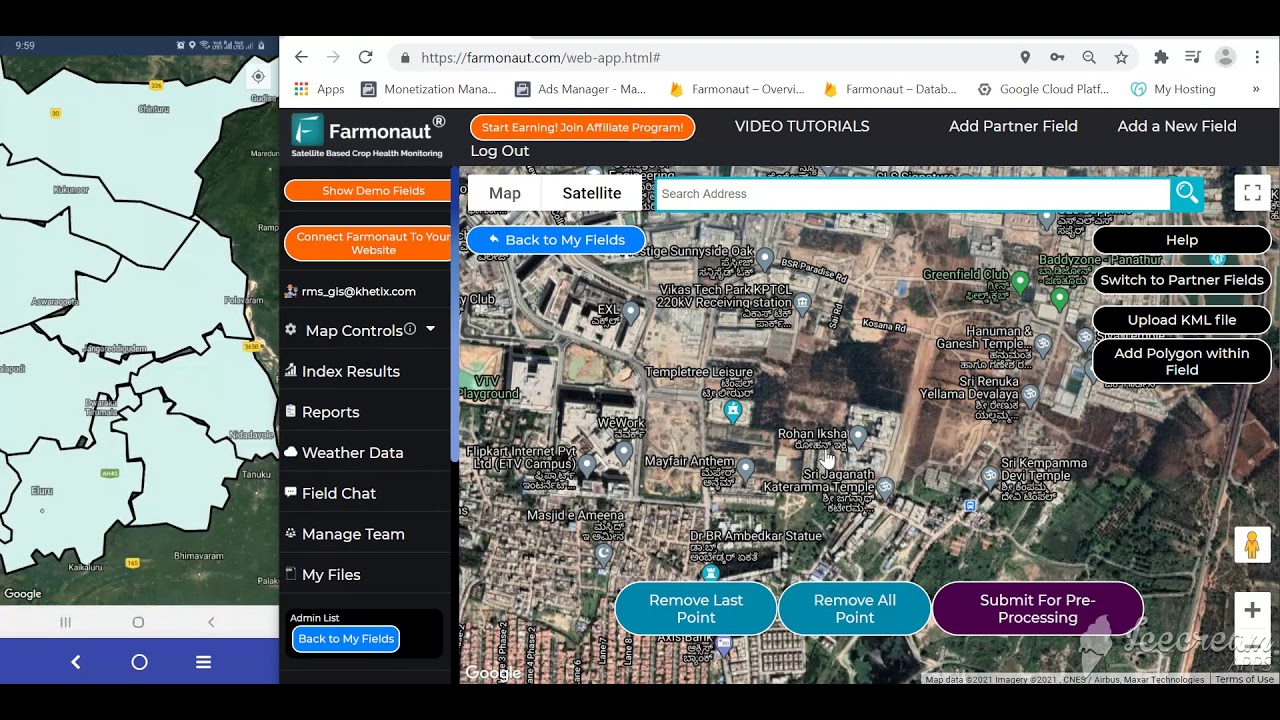
Explore Farmonaut Subscriptions for Best-in-Class Satellite Agri Support
Frequently Asked Questions: All in One Agriculture Machines in India (2026)
Q1. What is an all-in-one agriculture machine, and how is it different from a regular tractor?
An all-in-one agriculture machine integrates multiple essential operations—like plowing, sowing, and fertilizing—into a single platform. Unlike regular tractors, which often require separate implements or attachments for each activity, these machines streamline all functions, offering greater efficiency for small or fragmented Indian farms.
Q2. Are these machines suitable for India’s smallholder and marginal farmers?
Yes, most all in one farming machines are designed for the typical Indian farm, which is less than 2 hectares. Their compact form, affordability, and ability to operate in areas with irregular field boundaries make them highly beneficial for smallholders.
Q3. How much can these machines improve productivity and reduce labor costs?
Industry studies report up to 40% reduction in labor requirements and average productivity increases of 20–30%, especially when combined with digital advisory.
Q4. How does Farmonaut contribute to the mechanization of Indian agriculture?
We at Farmonaut empower digital, satellite-powered monitoring and AI-advisory systems that help farmers get the most out of their equipment, manage resources efficiently, and achieve sustainable crop production. Our platform supports better decision-making, traceability, environmental tracking, and operational scalability.
Q5. Where can I find financing or group-buying schemes for these machines?
The Indian government and various agribusinesses offer subsidies, easy loans, or equipment-sharing options via FPOs (Farmer Producer Organizations). For hassle-free, satellite-based verification of loan or insurance eligibility, check out Farmonaut’s Crop Loan & Insurance Services.
Conclusion: The Road Ahead for Indian Agriculture and Mechanization
By 2026, the adoption of all in one agriculture machines will be a defining milestone in the modernization and transformation of Indian farming. These versatile, compact, and affordable machines empower small and marginal farmers, dramatically increasing productivity, reducing labor dependency, and enabling a shift toward sustainable mechanization.
Paired with digital technologies—like those available via Farmonaut—India’s agricultural sector is poised to bridge the gap between centuries-old methods and future-ready practices, meeting the demands of food security, environmental stewardship, and rural prosperity.
We encourage all stakeholders—farmers, cooperatives, entrepreneurs, investors, and policy-makers—to embrace the future of farming with all-in-one machines and advanced digital support, ensuring resilient and resource-efficient farms across the country.
Ready to transform your farm? Try Farmonaut’s advanced solutions today.

 AdBio
AdBio MISE Maroc
 Drift-Sense
 NWNS
NWNS Hydenmet
 Red August Group
 Farm Inc
 WeMe Global
 Agrotoken
 Blue BearX
 Insignito
 Croptimum
 DnCubed
 Field Capacity
 Indosistim Teknologi
 Liquify Digital
 CU Foods
 BeyondTech Global
