

Table of Contents
- Introduction: The Evolution & Importance of All Farming Tools
- Farming Tools Revolution: Top 7 Agricultural Farming Tools for 2026
- Comparison Table of Top 7 Modern Farming Tools (2026)
- Category 1: Hand Tools – Enduring Relevance in Modern Agriculture
- Category 2: Mechanical Tools & Equipment – Powering Medium & Large Farms
- Category 3: Irrigation Tools – Efficient Water Management for Sustainability
- Category 4: Soil & Crop Monitoring Tools – Data-Driven Precision Farming
- Category 5: Post-Harvest Tools – Reducing Loss and Enhancing Quality
- Future Directions: The Next Era of Agricultural Farming Tools
- Our Focus: How Farmonaut Empowers Agriculture with Satellite Technology
- Farmonaut Subscription Pricing
- Frequently Asked Questions (FAQ) – All Agricultural Tools 2026
- Conclusion
“In 2025, 7 advanced farming tools are projected to increase crop productivity by up to 30% globally.”
All Farming Tools: Top 7 Agricultural Farming Tools 2026
The landscape of agriculture is fast evolving as we approach 2026, with agricultural farming tools at the heart of this transformation. The need for sustainability, increased productivity, and improved labor efficiency has never been greater, driven by the mounting challenges of climate change, water scarcity, and global population growth. Today, all farming tools—from traditional hand implements to advanced mechanized equipment and AI-driven sensors—remain critical for modern farmers striving to feed the world, conserve resources, and ensure farm profitability.
In this comprehensive guide, we’ll explore the evolution and future direction of all agricultural tools, comparing the top 7 farming tools for 2026. We’ll highlight how modern technology is reshaping farming operations—integrating sustainability, boosting efficiency, reducing manual labor, and maximizing crop yield.
Farming Tools Revolution: Top 7 Agricultural Farming Tools for 2026
The journey of agricultural farming tools has come a long way from simple implements like hoes, sickles, and plows. Each innovation has been a response to critical challenges faced by farmers—from labor shortages to the need to reduce chemical usage and adapt to changing weather patterns.
In 2026, the top agricultural tools span five key categories: hand tools, mechanical/motorized tools, irrigation tools, soil & crop monitoring solutions, and post-harvest equipment. Emerging technologies and sustainable practices are deeply embedded in every new advancement, offering vast improvements in accuracy, resource management, and environmental impact.

Comparison Table of Top 7 Modern Farming Tools (2026)
To help you quickly compare the latest agricultural farming tools, here’s a detailed table covering their main functions, price range, technology highlights, efficiency improvements, and sustainability benefits.
| Tool Name | Main Function | Estimated Price Range (USD) | Technology Highlight | Estimated Efficiency Gain (%) | Sustainability Benefit |
|---|---|---|---|---|---|
| Ergonomic Hand Tools (Hoes, Spades, Rakes) | Manual tasks: weeding, soil preparation, planting, harvesting | $10 – $65 | Ergonomic designs, durable materials | 10–15% | Increased tool lifespan, reduced labor strain, zero emissions |
| Precision Seeder-Planters | Accurate seed sowing & optimal seed spacing | $2,000 – $11,000 | Sensor-guided, GPS-enabled automation | 35–50% | Reduced seed wastage, efficient land use |
| Smart Tractors | Soil tilling, plowing, sowing, fertilizing | $21,000 – $115,000+ | AI/GPS auto-steering, IoT connectivity | 40–55% | Lower fuel use (if electric), optimized inputs, reduced emissions |
| Drip & Automated Sprinkler Irrigation Kits | Irrigation: controlled water delivery to crops | $150 – $7,500 | Moisture sensors, app automation, solar pumps | 20–50% | Up to 70% water savings, reduced runoff |
| Drone-based Farm Monitoring | Crop health, soil status, pest/disease detection | $1,800 – $12,000 | Multispectral cameras, AI image analysis | 20–35% | Targeted interventions, reduced chemical sprays |
| Post-Harvest Threshers & Sorting Machines | Grain separation, sorting and storage prep | $700 – $15,000 | Automated, AI-powered grading | 12–28% | Less post-harvest loss, reduced spoilage |
| Mobile Soil & Nutrient Analyzers | On-the-spot soil & nutrient testing | $550 – $4,800 | Portable sensors, digital reporting | 15–35% | Accurate fertilizer application, reduced chemical runoff |
“Modern sensor-driven seeders can reduce seeding time by 40% compared to traditional methods by 2026.”

Category 1: Hand Tools – Enduring Relevance in Modern Agriculture
Hand tools are the roots of all agricultural farming tools, and despite technological advances, they remain indispensable—especially for smallholder farmers and precise farm tasks. Implements like hoes, spades, rakes, and sickles play a critical role in weeding, seedbed preparation, planting, and harvesting. Advances in design, such as ergonomic grips and durable materials (e.g., high-tensile steel, composite handles), have made these tools easier to handle, more comfortable for manual labor, and longer-lasting.
- Modern ergonomic hand tools reduce strain on workers, facilitating longer working hours with less fatigue.
- Durable blades and rust-resistant metals ensure that implements last for years, even in challenging field conditions.
- Specialized small implements deliver precision for delicate or high-value crops.
For many farms—especially where mechanical equipment is unaffordable—these agricultural tools are critical for daily tasks, from soil preparation to final harvesting.
Category 2: Mechanical Tools & Equipment – Powering Medium & Large Farms
The transformation of farming accelerated with the rise of mechanical tools and motorized equipment. In 2026, these machines are not only stronger and faster—they’re smarter. Tractors, tillers, seed drills, and harvesters have become the backbone of medium to large-scale farm operations.
Sophisticated technologies such as GPS-guidance, auto-steering, IoT sensors, and integrated AI systems are now standard in modern farming equipment. By deploying precision farming with these machines, we enable the right inputs (seeds, water, fertilizer) to be delivered at the right place and time, maximizing yield and minimizing waste as well as environmental impact.
- Smart tractors can till and sow with near-perfect straightness, reducing overlap and input overuse.
- GPS-enabled seeders and planters substantially reduce seed wastage and improve crop spacing.
- Sensor-based harvesters detect optimal ripeness and ensure minimum loss during harvesting.
High-tech mechanical farming tools dramatically increase efficiency, reduce manual labor needs, and allow farmers to manage larger acreage with improved resource allocation.
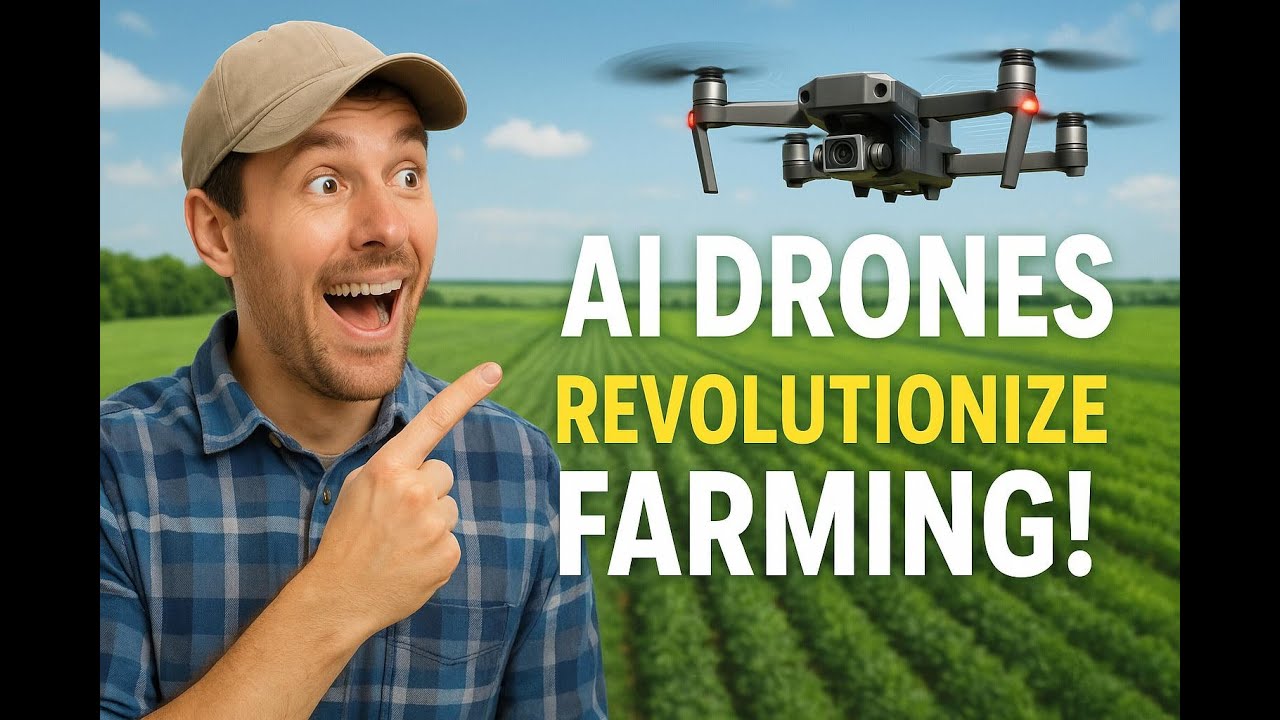
Category 3: Irrigation Tools – Efficient Water Management for Sustainability
With global water scarcity concerns escalating, irrigation tools are more vital than ever. In 2026, advanced irrigation kits like drip systems, automated sprinkler systems, and solar-powered water pumps directly support sustainable water use. Onboard moisture sensors and intelligent controls optimize water delivery to plant roots, reducing runoff and evaporation, and ultimately conserving water resources.
- Drip irrigation kits deliver water at low pressure, ensuring only the root zones are moistened—resulting in up to 70% water savings compared to conventional methods.
- Automated sprinkler systems—equipped with IoT control and mobile app interface—allow for scheduling based on real-time weather and soil moisture data.
- Smart sensor kits can instantly inform farmers of dry spots or leaks, reducing waste and ensuring optimal water usage.
Automated irrigation farming tools not only address sustainability, they also boost productivity by preventing both over-watering and under-irrigation, strengthening soil health and encouraging robust crop growth.
Category 4: Soil & Crop Monitoring Tools – Data-Driven Precision Farming
Modern soil and crop monitoring tools have become indispensable for precision agriculture. In 2026, farmers rely on sensors, mobile soil analyzers, and agricultural drones to detect pest pressure, nutrient deficiencies, and moisture levels in real time.
- Soil testing kits instantly analyze pH, nutrient content, and microbial health, guiding targeted fertilizer application for optimal growth and reduced chemical usage.
- Drones equipped with multispectral cameras provide a bird’s-eye view of crop growth, quickly identifying stress, disease outbreaks, or pest infestations.
- Portable moisture sensors inform when and where to irrigate, optimizing water use.
These advanced monitoring tools drive resource efficiency and maximize yields by enabling farmers to take action at the right place, right time, and with the right input.
Category 5: Post-Harvest Tools – Reducing Loss and Enhancing Quality
Post-harvest loss is a major challenge in agriculture. In 2026, tools including automated threshers, grading machines, and mobile cold storage units are critical to reducing loss and ensuring crop quality from field to market.
- Automated threshers separate grain with higher speed and less physical labor, minimizing waste.
- Sorting and grading machines powered by AI algorithms help farmers get better market prices by automatic quality categorization.
- Mobile cold storage units equipped with remote temperature monitoring help preserved harvested crops, reducing spoilage.
These tools are especially valuable in regions where increased temperature and humidity hasten spoilage. Improved post-harvest processing is thus central to boosting overall farm profitability and reducing food waste.
Future Directions: The Next Era of Agricultural Farming Tools
The coming years will continue ushering in advanced technologies that make all agricultural tools smarter and more accessible:
- AI-powered robots will autonomously perform weeding, fertilizing, and even manual harvesting on experimental farms.
- Fully electric tractors and implements are set to become mainstream, further reducing carbon emissions and fossil fuel dependency.
- IoT and cloud-based platforms, like those powered by satellite technology, will facilitate resource management at scale—optimizing usage across multiple operations and locations.
- Customized tools for specific soil types, regional climate, and unique crop requirements will further enhance productivity and sustainability.
Major challenges remain—particularly around making these advanced agricultural tools affordable and accessible to smallholder and resource-limited farmers. Broad training, financial incentives, and easy access to maintenance support are critical to ensure widespread adoption of next-generation farming solutions.



Explore Farmonaut’s convenient mobile and web app for real-time crop, soil, and farm health monitoring using satellite-powered technology and AI-based advisory.


Our Focus: How Farmonaut Empowers Agriculture with Satellite Technology
At Farmonaut, we are dedicated to bringing innovative solutions to agriculture by harnessing satellite technology, AI-powered analytics, and blockchain-based transparency. Our platform enables farmers, businesses, and governments to directly monitor crop health, assess soil conditions, and manage natural resources through real-time data.
- With satellite-based monitoring, we deliver precise information about vegetation status (NDVI), soil moisture, field boundaries, and environmental impact.
- Our Jeevn AI Advisory System fuses real-time weather forecasts and satellite imaging to provide actionable strategies that enhance productivity and reduce risks for farms of any size.
- Through blockchain-based traceability (learn more), we ensure supply chain integrity, building consumer trust and reducing fraud for agri-businesses.
- Our fleet and resource management tools (see details) empower large-scale operators to optimize vehicle usage, monitor field machinery, and reduce operational costs.
- We also help measure carbon emissions in agriculture via Farmonaut Carbon Footprinting—providing real-time carbon accounting for sustainable farm planning.
- For end-to-end farm and plantation advice at any scale, check our large scale farm management app.
- Financial institutions and farmers benefit from satellite-based crop loan and insurance products that streamline processes with satellite verification.
-
For custom integration or developer needs, explore our
satellite API and detailed
API developer documentation.
Farmonaut’s platform remains scalable, affordable, and easy to use—making leading-edge agricultural farm management accessible across the globe.
Farmonaut Subscription Pricing
Ready to unlock advanced agricultural insights and management? Choose from flexible Farmonaut subscription plans—ideal for individual users, businesses, and government entities:
Frequently Asked Questions (FAQ) – All Agricultural Tools 2026
What are the most critical agricultural farming tools for 2026?
The most critical tools include ergonomic hand implements, smart tractors, GPS-guided seeders, advanced irrigation kits, soil/crop sensors, drones, and post-harvest processors. Each tool is designed to increase farm productivity, reduce resource use, and support sustainable practices in both small-scale and large-scale agriculture.
How does modern technology improve traditional hand tools?
Ergonomic design and durable materials in hand tools reduce labor strain and extend tool life. Innovations reduce manual effort, increase precision in weeding and planting tasks, and maintain critical soil health.
What role does data and AI play in modern farming?
Data-driven platforms use satellite, drone, and sensor inputs to monitor field conditions. AI-driven advisories empower farmers to make timely decisions on irrigation, fertilization, and pest management, maximizing yields and reducing waste.
How do irrigation tools help conserve water?
Smart irrigation systems use moisture sensors and automated controls to deliver water only where needed, drastically reducing runoff and evaporation. Drip irrigation and solar-powered pumps offer up to 70% water savings.
Why is post-harvest technology vital?
Reducing post-harvest losses directly impacts farm profitability and food security. Automated threshers, AI-powered sorting machines, and mobile cold storage units preserve crop quality and reduce spoilage.
Can smallholder farmers access advanced farming tools?
While affordability remains a challenge, many newer devices are being designed with scalability and cost-effectiveness in mind. Education, training, subsidies, and innovative business models are improving access for small and resource-limited farms.
How does Farmonaut help support sustainable farming?
We offer satellite-powered insights, AI advisories, and blockchain traceability. These tools enhance operational efficiency, conserve resources like water and soil nutrients, and promote sustainability across all farm sizes.
Conclusion
As agriculture continues to evolve in 2026, agricultural farming tools—from traditional hand implements to cutting-edge, sensor-laden machines—remain fundamental to achieving sustainable productivity. They bridge the gap between resource limitations, labor efficiency, and the world’s food security needs.
Embracing technological advances, such as those available via Farmonaut’s satellite-powered solutions, empowers farmers to meet the unique challenges of climate change, water scarcity, and population growth. The future promises greater integration of automation, AI, and sustainable practices—all designed to make agriculture more resilient, profitable, and eco-friendly.
By investing in the right all farming tools and leveraging the advanced resources at our disposal, the farming sector stands poised to maximize efficiency, reduce impact on the environment, and deliver abundant, high-quality food for generations to come.
Discussion
Questions, corrections or field experience? Share them below. First-time comments are reviewed before they appear, and your email is never published.
No comments yet. Be the first to add a question or your experience.

 John Deere
 Progenseed
 SkyHarvest
 Polaris Digitech
 Teledarbas
 Wild Oak Farm
 SFX
SFX BACF Africa
 Doodlakine
 Exurbia Geospatial
 FieldZero
 Indico Company
 Kubota
 Licence holder · Niger · Gold










