

Climate Change Philippines 2025: Key Impacts & Solutions
Introduction: A Critical Examination of Climate Change Impacts in the Philippines 2025
Climate change impacts in the Philippines 2025 have reached an unprecedented intensity, putting the agriculture sector at the forefront of the nation’s struggle against environmental transformations. Our beautiful archipelago, geographically positioned on the Pacific typhoon belt and characterized by a predominantly tropical climate, is among the world’s most vulnerable countries to climate variability and extremes.
By 2025, the intersection of rising temperatures, unpredictable rainfall patterns, and extreme weather events is causing disruption at every level: from shifting agro-climatic zones and declining food security, to mounting threats to rural livelihoods and the nation’s socioeconomic fabric.
In this in-depth examination, we explore:
- How climate change impacts in the Philippines 2025 are altering temperatures, rainfall, and extreme events
- The specific effects on agriculture and rural communities
- Adaptation strategies, from government initiatives to satellite-driven solutions from Farmonaut
- Data-driven recommendations for future resilience and food security



Rising Temperatures & Shifting Agro-Climatic Zones
One of the most significant climate change impacts in the Philippines 2025 is the steady increase in average temperatures across Luzon, Visayas, and Mindanao. Recent projections by regional climate models indicate a rise of approximately 1.2°C compared to pre-industrial levels, consistent with global warming trends and particularly pronounced within the Philippine archipelago.
1. Agricultural Productivity: The Dual Threat of Heat Stress and Shifting Zones
Higher temperatures directly translate to altered agro-climatic zones, compelling Filipino farmers to adapt both cropping calendars and crop choices. In lowland areas, staple crops like rice and corn are facing:
- Reduced yield due to shorter growth cycles and heat stress
- Increased prevalence of pests (e.g., brown planthopper) and crop diseases
- Need for alternative, more heat-tolerant crops
For example, in Nueva Ecija and Central Luzon, warmer climates and extended breeding seasons have triggered a surge in brown planthopper infestations, further exacerbating yield losses.
Agro-climatic shifts also require farmers to:
- Adapt cropping calendars to new climate patterns
- Consider alternative crops better suited to new, warmer conditions
- Rely on accurate regional and local climate models for decision-making
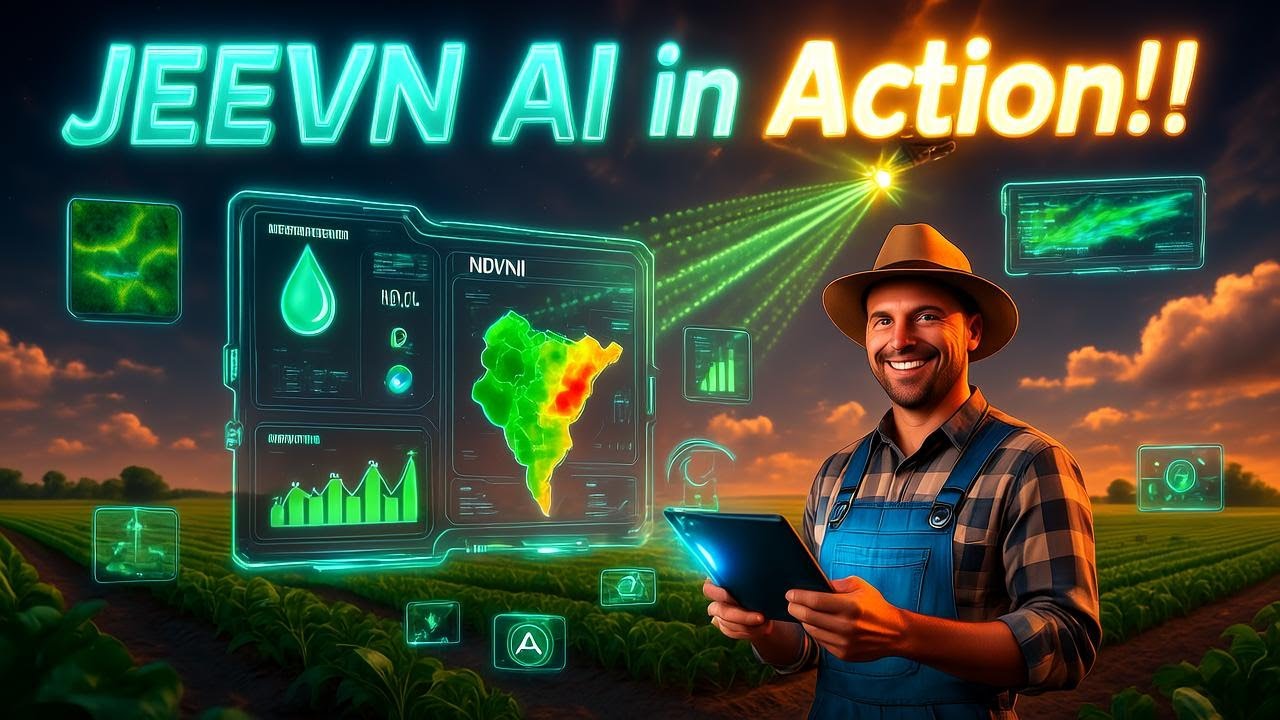
Farmonaut’s real-time NDVI (Normalized Difference Vegetation Index) and soil monitoring via multispectral satellite imagery empower stakeholders to track crop growth phases, heat stress, and identify areas at risk of pest/disease outbreaks. Our platform can assist Filipino farmers and agribusinesses to better schedule planting, adapt to warmer temperatures, and prevent avoidable crop losses.
2. Rice and Corn: The Heart of the Crisis
In 2025, rice—the most vital Philippine staple—is experiencing declines up to 10% in yield due to increased daytime temperatures and erratic rainfall. Similarly, corn production areas across Mindanao and northern Luzon are at risk due to compounded heat and drought stress. The preference for certain varieties in warmer climates is reshaping the seed market and research landscape nationwide.
3. Growing Pest & Disease Incidence
Warming conditions have notably favored the prevalence of pests and diseases:
- Brown planthopper infestations in rice paddies, especially in lowland areas
- Rice tungro virus and bacterial leaf blight outbreaks
- Fall armyworm invasions in corn crops
Extended breeding seasons for pests, resulting from higher temperatures, escalate management costs and productivity risks.
4. Farmonaut Insight: Crop Health & Pest Monitoring
With our satellite-driven Large Scale Farm Management platform, agricultural decision-makers can receive automated alerts for declining crop vigor, indications of pest infestation, and early warnings for stress zones—supporting targeted interventions and efficient resource management at scale.

Altered Rainfall Patterns and Water Stress
Another defining climate change impact Philippines 2025 is the increasing variability and unpredictability in traditional monsoon rainfall patterns. Once reliable rainfall cycles have become erratic, alternating between prolonged dry spells and intense, concentrated downpours.
1. Challenges in Irrigation & Crop Water Requirements
Agricultural irrigation management has never been more challenging:
- Prolonged dry periods threaten water availability at critical crop growth stages
- Intense rainfall events cause flooding, soil erosion and nutrient leaching
- Disrupted irrigation cycles increase risk of crop failure and undermine investments in inputs
Upland farming communities from the Cordilleras to Mindanao’s highlands report rising crop losses from both drought and floods, highlighting the climate’s increasing volatility.
Explore how NDWI-based satellite insights from our Farm Management Tools help identify drought-affected fields, optimize irrigation cycles, and plan emergency water allocation for the most vulnerable zones.

2. Soil Erosion, Flooding & Increased Crop Failure Risk
Intense rainfall and flooding, especially in mountainous terrains, result in:
- Accelerated soil erosion and loss of fertile topsoil
- Physical damage to crops and irrigation infrastructure
- Nutrient depletion and increased investment required for soil rehabilitation
- Increased frequency of crop failure events
Downstream communities, such as those in Pampanga delta or Davao del Norte, are particularly exposed to flash flooding and catastrophic crop losses.
3. Rainwater Harvesting and Next-Generation Irrigation
Faced with drought and water scarcity, adaptation strategies are moving toward:
- Rainwater harvesting systems that collect and store precipitation for dry periods
- Climate-resilient irrigation infrastructure that enables flexible water allocation
- Data-driven water use efficiency practices integrating weather forecasting and field-level satellite monitoring
The shift towards climate-resilient agriculture in the Philippines by 2025 is not a luxury—it’s a necessity.
Increased Frequency of Extreme Weather Events
In the climate change philippines 2025 context, the frequency and intensity of extreme weather events are trending upward. The Philippines, already among the world’s most storm-exposed nations, faces new forms and scales of risk:
1. Typhoons, Flash Floods & Landslides
Stronger typhoons (with higher wind speeds and more rainfall) are directly tied to warming ocean temperatures, as reinforced by climate models. In the 2025 typhoon season:
- More agricultural lands—particularly rice paddies—have been devastated by record-breaking storms
- Flash floods and landslides in mountainous regions threaten upland farming communities and rural roads
- Crop supply chains, particularly in Central Visayas and Eastern Mindanao, suffer regular disruption, driving food price spikes
2. Socioeconomic Impacts on Farmers & Rural Livelihoods
Extreme weather events in the climate change impacts in the Philippines 2025 disproportionately affect vulnerable rural populations:
- Livelihood insecurity for smallholders and seasonal farm workers due to unpredictable incomes
- Food insecurity and malnutrition following crop failures
- Migration pressures on cities as rural families relocate after disasters
Increased crop insurance and satellite-based loan verification tools are critical so Filipino farmers can invest in adaptation without the constant fear of losing everything to a single typhoon.

3. Why Are Extreme Events Increasing?
The Philippines’ position in the Pacific “typhoon belt”—where the world’s warmest oceans fuel ever-stronger storms—means typhoons, floods, and droughts will remain the “new normal” for agriculture unless climate mitigation and resilience are escalated.
- Ocean warming increases typhoon energy
- Erratic temperature and rainfall patterns increase the likelihood of both prolonged droughts and flash floods
- Sea-level rise amplifies coastal risk
Recent years have also seen the re-emergence of El Niño and La Niña events—each causing weather extremes with far-reaching agricultural impacts across Luzon, Visayas, and Mindanao.

Socioeconomic Implications for Rural Communities
The implications of climate change impact Philippines 2025 reach beyond direct crop damage. They infiltrate society’s very fabric, especially among:
- Rural farming communities reliant on rainfed agriculture
- Indigenous groups in upland and vulnerable regions
- Urban centers impacted by rural-to-urban migration and food supply disruptions
1. Food Security Challenges
With staple crops like rice and corn threatened by rising temperatures, erratic rainfall, and storm damage, the risk of food insecurity is acute. The 2025 climate scenario features:
- Frequent price spikes for rice, corn, and vegetables post-typhoon
- Increasing nutritional deficiencies among children in disaster-prone rural barangays
- Reliance on imports—exposing the Philippines to international supply chain risk
2. Rural Livelihoods: Escalating Vulnerability
Smallholder farmers, forming the backbone of Philippine agriculture, are bearing the brunt of:
- Crop failure with severe income shocks
- Costly replanting and rehabilitation
- Investment requirements for climate-resilient infrastructure and crop varieties
- Displacement following major disasters—leading to urban slum growth
3. Migration: A Growing Urban Challenge
Migration from rural to urban centers—often triggered by agricultural collapse following
- Metros like Manila, Cebu, and Davao face population surges after storm seasons
- Pressure rises on urban infrastructure, health, and social services
The solution lies in strengthening the resilience of rural areas, supporting economic diversification, and integrating climate adaptation across all levels of society.

Adaptation Strategies and Policy Response
To confront climate change impacts in the Philippines 2025, adaptation has become the guiding principle for policy and agricultural practice. The Philippine government is intensifying efforts to build resilience through:
1. Climate-Resilient Crop Varieties & Diversification
The shift toward drought-tolerant, flood-resistant and early-maturing varieties is essential. Agricultural R&D in the Philippines emphasizes:
- Rice varieties with improved resistance to heat and submergence
- Corn hybrids suited for drier, warmer zones
- Crop diversification—planting root crops, legumes, and vegetables better adapted to new climate patterns
2. Improved Agrometeorological and Early Warning Services
Satellite-driven weather forecasting, early warning systems, and field-level climate advisories play pivotal roles in enabling timely decisions by farmers and agribusinesses. Farmonaut’s Jeevn AI Advisory System delivers customized insights and remote alerts, equipping stakeholders to respond promptly to weather threats and optimize resource use.

3. Climate-Smart and Precision Agriculture
Adoption of integrated approaches such as conservation tillage, efficient irrigation, and satellite-guided input application supports resource conservation while boosting farm profitability.
- Precision tools reduce losses, optimize pesticide and fertilizer input, and help combat both heat and water stress
- Blockchain traceability tools, like those available through our Product Traceability solution, ensure transparency and trust across the food supply chain
- Environmental monitoring via satellite supports long-term planning for both farming and agribusiness
4. Integrated Watershed and Soil Conservation
Protecting watersheds, improving soil conservation, and investing in long-term natural resource management are critical for sustaining agricultural productivity in the face of severe and recurrent climate challenges.
5. Diversified Livelihoods and Social Protection
Supporting on-farm diversification, fisheries, value-added processing, and non-farm employment are key strategies for reducing the vulnerability of rural populations. Satellite-based fleet management tools—such as those in our Fleet Management module—can further optimize operations and logistics for rural enterprises.
6. Policy Enforcement and Localized Implementation
Stronger enforcement of environmental laws, improved land-use planning, and community-driven adaptation projects are paramount. Success hinges on collaboration between government institutions, local leaders, and the farming community itself.
Farmonaut: Satellite-Driven Adaptation in Philippine Agriculture
We at Farmonaut offer satellite technology that empowers Filipino farmers, agribusinesses, and government to confront the risks of climate change impacts in the Philippines 2025 with real-time, actionable intelligence:
- Satellite-Based Monitoring: Track crop health, soil condition, vegetation cover, and water stress across farm fields with cost-effective, high-frequency data.
- AI Advisory (Jeevn): Access smart recommendations, weather forecasts, and adaptive cropping strategies based on regional climate data.
- Product Traceability: Leverage blockchain to ensure transparent, secure tracking from field to fork, building trust in the Philippine food sector. (Read about traceability here.)
- Crop Loan and Insurance: Use satellite-confirmed monitoring to simplify crop insurance and loan processing, reducing risk and approval times for farmers. (Learn more about our crop loan and insurance solutions.)
- Environmental Impact Tracking: Monitor carbon footprint and resource use for compliance and sustainability goals. (Explore our carbon footprinting platform.)
- Fleet Management: Optimize rural logistics and farm equipment deployment—boosting efficiency in times of climate stress. (Fleet management explained here.)
The scalability and affordability of our platform—via web, Android, iOS, and API—means that both large-scale agribusiness and individual Filipino farmers can access climate adaptation tools once reserved for the privileged few.
Developers: Integrate our data insights directly into your agri-software with our API (Developer Docs).
For flexible subscription options and immediate access to Farmonaut satellite services, see our pricing table below:
Overview Table: Climate Change Impact & Adaptation in Philippine Agriculture (2025)
| Agricultural Impact | Estimated 2025 Change | Climate Driver | Suggested Adaptation Strategy |
|---|---|---|---|
| Rice Yield Decline | ↓ 10% average yield | Rising temperatures, erratic rainfall | Plant drought-tolerant and heat-resistant varieties; adjust cropping calendar |
| Corn Crop Failure | Losses up to 12% in drought years | Prolonged dry spells, extreme events | Switch to early-maturing hybrids; irrigate efficiently |
| Pest Incidence (Rice Brown Planthopper) | ↑ 15% more frequent outbreaks | Warmer temperatures, extended breeding seasons | Integrated Pest Management; satellite-based monitoring for early warning |
| Increased Irrigation Need | ↑ 25% irrigation demand during dry spells | Altered rainfall patterns, droughts | Rainwater harvesting; climate-smart irrigation infrastructure |
| Soil Erosion & Nutrient Loss | ↑ 30% higher erosion in flood-prone areas | Intense rainfall, flash floods | Soil conservation measures; reforestation; riparian buffers |
| Crop Damage from Typhoons | Billions in losses each strong event | Tropical cyclones, stronger weather events | Disaster risk insurance; diversification; robust crop shelters |
| Disrupted Farming Supply Chains | Frequent shortfalls, price spikes | Extreme weather events | Supply chain traceability; local storage; flexible markets |
FAQ: Climate Change Impact Philippines 2025
1. What are the main climate change impacts in the Philippines 2025?
The main impacts include rising temperatures (approx. 1.2°C increase), irregular and intense rainfall, more frequent and severe extreme weather events (such as typhoons and floods), shifting agro-climatic zones, greater pest and disease outbreaks, soil erosion, water stress, and ultimately, reduced crop yields especially for rice and corn.
2. Why is the Philippine agriculture sector particularly vulnerable?
The sector is vulnerable due to its geographic location on the Pacific typhoon belt, heavy reliance on rainfed agriculture, smallholder-dominated farming, exposure to sea-level rise, and generally low adaptation capacity—making it exposed to both chronic and acute climate shocks.
3. How does climate change affect rice and corn production?
Rising temperatures accelerate crop growth cycles but reduce grain filling, leading to lower yields. Erratic rainfall disrupts irrigation, increasing risks of drought or flooding. Greater pest and disease pressure further reduces productivity, with rice yields projected to drop by up to 10% and corn failure reaching 12% in affected areas.
4. What adaptation strategies are most effective for 2025?
Effective strategies include planting climate-resilient (drought/flood-tolerant) crop varieties, adjusting cropping calendars, adopting integrated pest management, investing in rainwater harvesting or smart irrigation, using real-time satellite and weather data, and ensuring environmental conservation of soil and watersheds.
5. How do satellite and AI technologies like Farmonaut’s help?
Farmonaut provides satellite imagery, NDVI and soil moisture analytics, AI-driven advisories, and real-time monitoring of crop health and environmental conditions. These tools help Filipino farmers and agribusinesses track climate risks, optimize input use, access insurance, verify loans, and adapt more proactively to rapid weather and climate shifts.
6. What is the role of policy and the Philippine government in adaptation?
The government is intensifying efforts by supporting R&D in climate-resilient crops, improving forecasting and early warning systems, enforcing environmental law, and facilitating access to insurance, credit, and supply chain traceability for farmers.
7. What are the consequences for food security and rural livelihoods?
Consequences include increased levels of hunger and malnutrition due to food price spikes and supply shortfalls, rural migration and urban pressure, and a rising need for social protection and diversified rural economies in the face of persistent climate risk.
Conclusion: Building Resilience for 2025 and Beyond
As the year 2025 unfolds, climate change impacts in the Philippines 2025 represent a critical crossroad. Agriculture stands at the very core of this challenge, affecting food production, rural well-being, and national stability. Rising temperatures, erratic rainfall, and stronger weather events threaten to unravel decades of progress.
Yet, solutions are within reach. Adaptation strategies—rooted in science, policy, and satellite technology—offer hope for resilient farming, food security, and sustainable rural livelihoods. By integrating satellite monitoring and smart advisory tools from Farmonaut with government-led R&D, early warning systems, and environmental stewardship, we can turn climate vulnerability into resilience.
Resilience requires action across all fronts: in the field, in government, and in every community. By leveraging technology, data, and grassroots knowledge, the Philippines can ensure its crops, communities, and future generations not only survive but thrive in the face of climate change.
For data-driven climate adaptation in Philippine agriculture, choose Farmonaut: making affordable satellite-based solutions accessible for a sustainable future.
Discussion
Questions, corrections or field experience? Share them below. First-time comments are reviewed before they appear, and your email is never published.
No comments yet. Be the first to add a question or your experience.

 Indosistim Teknologi
 Suminter India Organics
 Crossprod
 Liquify Digital
 CU Foods
 BeyondTech Global
 Rouge VC
 AgroGreen Dynamics
 AgroRisk
 Oath Inc
 Reddane Farming
 Esri North East Africa
 Cresol
 MDCV UK
 Zerella Group
 Etech Consulting Madagascar
 Vestlandsforsking
 Delicio
 WB Dev
 Exploration consultancy · South Africa · Gold
 Licence holder · Niger · Gold










