

Current Scenario of Indian Agriculture 2025: Issues & Trends
“By 2025, over 60% of Indian farmers are expected to access digital advisory platforms for crop management.”
“India’s agri-tech market is projected to reach $24 billion by 2025, driven by rapid technology adoption.”
Table of Contents
- Summary: Current Scenario of Indian Agriculture in 2025
- Indian Agriculture in 2025: At a Crossroads
- Current Issues in Indian Agriculture 2025
- Current Trends in Agriculture 2025
- Comparative Table: Trends, Challenges & Innovations in 2025
- Role of Technology & Satellite Solutions in Indian Farming
- Current Union Agriculture Minister of India 2025
- Key Policy Reforms Shaping Indian Agriculture
- Sustainability & Climate-Smart Agriculture in 2025
- Market Dynamics, Access & Integration for Farmers
- FPOs, Contract Farming & Blockchain for Transparency
- The Road Ahead: 2025 & Beyond
- Farmonaut: Empowering Indian Agriculture with Satellite Innovation
- FAQ: Indian Agriculture 2025 – Issues & Trends
- Conclusion: Towards a Resilient Future
Summary: Current Scenario of Indian Agriculture in 2025
The current scenario of Indian agriculture 2025 is marked by significant transformations, persistent challenges, and promising new trends. As the backbone of the Indian economy, agriculture remains vital—employing nearly half of the country’s workforce and underpinning food security and economic stability. However, despite remarkable progress in technology, policy reforms, and market expansion, the sector continues to face complex issues. These include climate change, resource constraints, supply chain volatility, and the urgent demand for sustainable practices. The integration of innovative technology, digital solutions, and government support is creating new opportunities and driving a gradual transformation toward resilient, profitable, and climate-smart farming.
Indian Agriculture in 2025: At a Crossroads of Transformation
The current scenario of Indian agriculture 2025 stands at a decisive crossroads. Driven by evolving economic dynamics, technological innovations, and market demand, the sector is experiencing:
- Significant transformations in farming practices, shifting from traditional manual methods to technology-driven systems.
- A strong push towards digital and data-driven agriculture—with precision farming, satellite monitoring, and AI-based solutions at the forefront.
- Greater policy focus on sustainability, rural livelihoods, and income stability for Indian farmers.
- Rapid changes in consumer demand and global market patterns, challenging Indian agriculture to adapt quickly.
The crossroads we see in 2025 are characterized by both opportunity and risk. While new tools for enhancing crop yields, conserving resources, and improving market access are within reach, deep-seated challenges—such as water scarcity, soil degradation, and climate-induced disruptions—demand urgent action to safeguard India’s agricultural future.
Current Issues in Indian Agriculture 2025: Persistent and Emerging Challenges
Examining the current issues in Indian agriculture 2025, we find several persistent and emerging obstacles that continue to impact farmers, farm incomes, and rural dynamics across India:
1. Climate Change: A Critical Concern
- Climate variability remains a huge challenge. Shifting monsoon patterns, frequent droughts, and episodes of unseasonal rainfall have disrupted traditional cropping cycles.
- Crop yields and farm incomes are adversely affected, compelling the adoption of resilient practices and climate-smart farming.
2. Soil Degradation and Resource Management
- Excessive reliance on chemical fertilizers and continuous mono-cropping have led to soil health degradation.
- There is a growing urgency for integrated nutrient management and the adoption of organic farming practices to restore declining soil fertility.
3. Water Scarcity and Irrigation Inefficiencies
- Water scarcity continues to challenge farmers in major agricultural states, including Maharashtra, Karnataka, and Tamil Nadu.
- Groundwater depletion and inefficient irrigation systems threaten the sustainability of irrigated farming.
- Technologies like drip and micro-irrigation are crucial for water conservation and long-term resilience.
4. Market Volatility and Income Instability
- Market volatility remains a source of farmer distress. Smallholders often lack access to remunerative markets and fall victim to supply chain inefficiencies.
- Despite the expansion of the e-NAM (National Agriculture Market), comprehensive integration of small and marginal farmers into organized supply chains is not yet universal.
5. Fragmented Land Holdings and Low Mechanization
- Fragmentation of land holdings restricts economies of scale and reduces prospects for mechanization and commercial growth.
6. Persistent Farmer Distress and Indebtedness
- Many farmers continue to struggle with debt and low profitability, compelling the government to introduce several initiatives aimed at financial inclusion, crop insurance, and income stabilization.
Current Trends in Agriculture 2025: Towards Innovation & Digital Transformation
The current trends in agriculture 2025 revolve around technology, sustainability, and integration with global markets. Noteworthy trends include:
1. Rapid Technological Adoption
- Widespread use of IoT devices, precision farming tools, drones, and satellite imagery for improved crop management and productivity.
- Access to digital advisory services and real-time weather and market data is becoming standard for progressive farmers, particularly in digitally connected rural areas.

2. Push Towards Sustainable Farming
- Organic and natural farming methods are increasingly favored, with government incentives and growing consumer demand for chemical-free produce driving expansion.
- Growth of bio-fertilizers, bio-pesticides, and stress-tolerant seed technology helps to address soil health and environmental concerns.
3. Farmer Producer Organizations (FPOs) & Collective Bargaining
- Emergence of FPOs empowers smallholders through collective action, improved market access, and better bargaining power.
4. Blockchain Integration and Digital Traceability
- Blockchain-based traceability solutions are gaining traction—ensuring transparency in supply chains and increasing consumer trust.
5. Rise of Agri-Tech Startups & AI-based Advisory
- Proliferation of agri-tech startups focused on resource management, satellite monitoring, and artificial intelligence for advisory services.

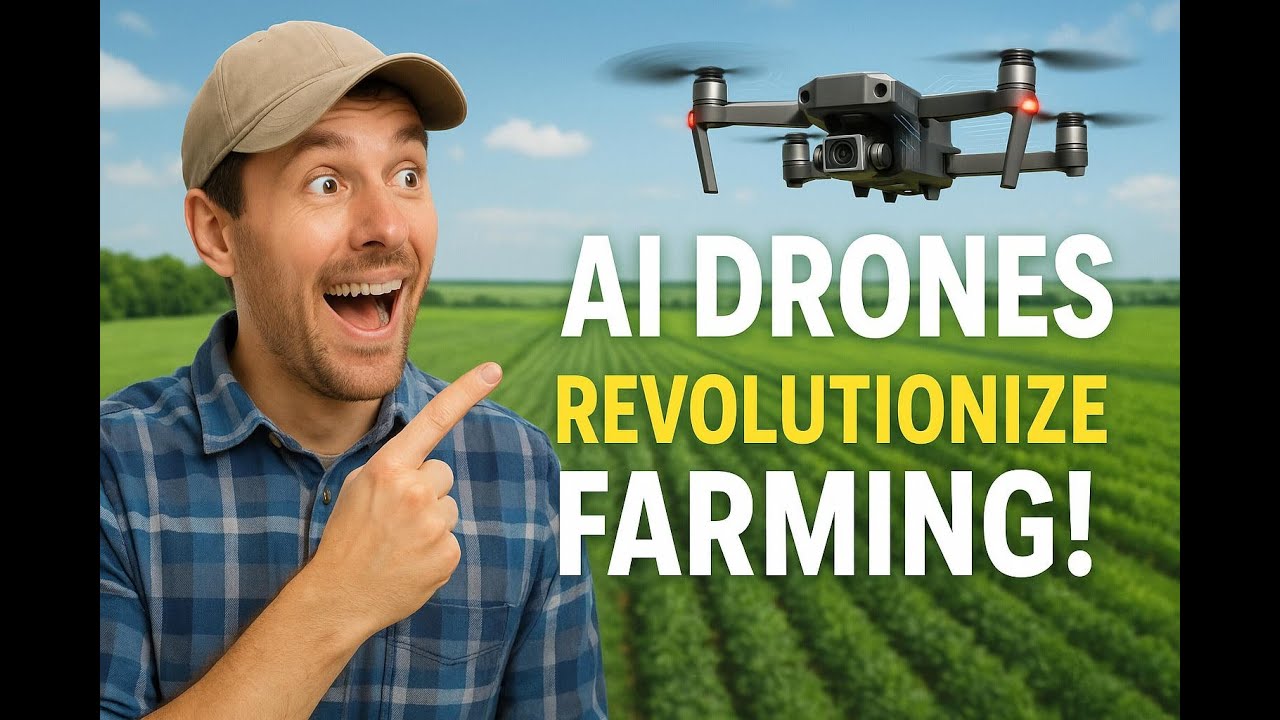
Comparative Table: Key Trends, Challenges & Innovations in Indian Agriculture 2025
| Issue / Trend | Estimated 2025 Impact / Value | Technological Innovation / Policy Response | Potential Outcome for Farmers |
|---|---|---|---|
| Water Scarcity | Over 53 million hectares affected with declining ground water levels | Micro-irrigation, satellite remote sensing, drip irrigation | Improved water use efficiency, sustained yields, reduced input costs |
| Labor Shortage | 25% increase in labor costs, farm mechanization rates remain low | Precision agri-tech, drones, automation, digital farm management | Lower labor dependency, higher efficiency, cost savings |
| Declining Soil Health | Over 120 million hectares affected; yield declines of 10-20% | Soil health monitoring, organic amendments, bio-fertilizers | Enhanced productivity, improved long-term sustainability |
| Climate Variability | Yield loss up to 30% in drought-prone regions, frequent crop failures | Weather prediction AI, climate-resilient seeds, insurance schemes | Income stability, climate adaptation, reduced risk |
| Market Volatility | 30% fluctuation in prices for key crops | e-NAM, blockchain-based traceability, contract farming | Better price realization, greater transparency, reduced distress sales |
| Supply Chain Inefficiencies | Post-harvest losses up to 18% yearly |
IoT supply chain tech, FPOs, real-time logistics monitoring, fleet management platforms |
Timelier market access, reduced wastage, enhanced incomes |
| Farmer Distress | 20% of rural households vulnerable | Satellite-verified crop insurance & loans, DBT support | Financial security, improved risk coverage, greater credit access |
| Consumer Sustainability Demand | 15% CAGR in organic/natural foods market | Adoption of carbon footprint monitoring, organic certification traceability | Diversified incomes, premium markets, higher trust |
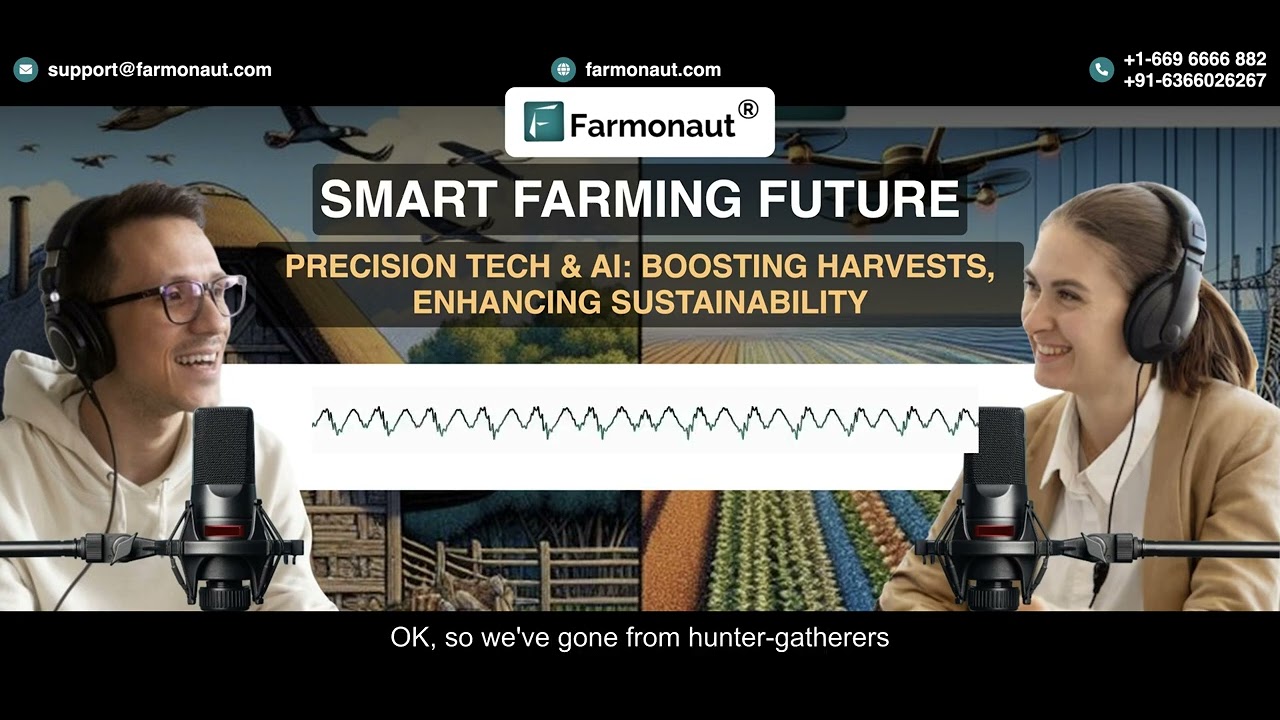
“By 2025, over 60% of Indian farmers are expected to access digital advisory platforms for crop management.”
Role of Technology & Satellite Solutions in Indian Farming
1. Satellite Monitoring for Real-Time Insights
Satellite-based technologies provide valuable insights into crop health, soil conditions, irrigation needs, and disease detection. Platforms leveraging multispectral imagery and real-time analytics allow farmers to make data-driven decisions for improved yields and sustainability.
Advanced solutions empower users to monitor extensive farmlands efficiently, minimize input waste, and identify issues before they escalate—helping Indian agriculture adapt to changing climatic patterns and resource constraints.

Farmonaut’s large scale farm management solution is designed to deliver actionable, cost-effective insights for individual farmers and agribusinesses—enabling smart monitoring and operational efficiency via the web and mobile app. Ideal for optimizing operations, conserving resources, and aligning with sustainability goals.
Current Union Agriculture Minister of India 2025: Shri Rajesh Kumar Singh
As of 2025, the current Union Agriculture Minister of India is Shri Rajesh Kumar Singh. His tenure is recognized for a firm commitment towards:
- Modernizing Indian agriculture through digital transformation and advanced technological adoption.
- Leading the implementation of the “Digital Agriculture Mission,” with the vision to connect all Indian farmers digitally by 2030.
- Focusing on increasing farmer incomes through diversification, improved agri-credit, and enhanced resilience to climate change.
- Expanding landmark schemes like PM-Kisan Samman Nidhi and prioritizing rural digital infrastructure and public-private innovation.
- Advocating for greater integration with allied sectors such as animal husbandry and fisheries.
The ministry’s dynamic leadership is crucial in shaping the current scenario of Indian agriculture 2025, ensuring that policy and practice go hand-in-hand.
Key Policy Reforms Shaping Indian Agriculture in 2025
Policy reforms are a cornerstone feature in the current scenario of Indian agriculture 2025. Over the last decade, several government initiatives have been designed to address resource management, market access, farmer incomes, and technology integration:
1. Digital Agriculture Mission
- Aimed at full digital integration of Indian farmers by 2030—empowering rural livelihoods and streamlining policy delivery.
2. Direct Benefit Transfer (DBT) Schemes
- Enhancing financial inclusion by connecting direct cash transfers (such as under PM-Kisan Samman Nidhi) to millions of farmer bank accounts for income support and insurance premia.
3. Investment in Agri Infrastructure
- Massive public and private investment in cold chains, warehouses, digital logistics, and rural transport to support market access for farmers.
4. Emphasis on Credit Access and Crop Insurance
- Major push for crop loans, insurance coverage, and streamlined claim processes—many supported with digital and satellite-based verification solutions.
Farmonaut’s satellite-powered crop insurance verification eases claim processes and improves access to agricultural financing—benefiting not only farmers but also lending institutions by reducing risk and improving transparency.
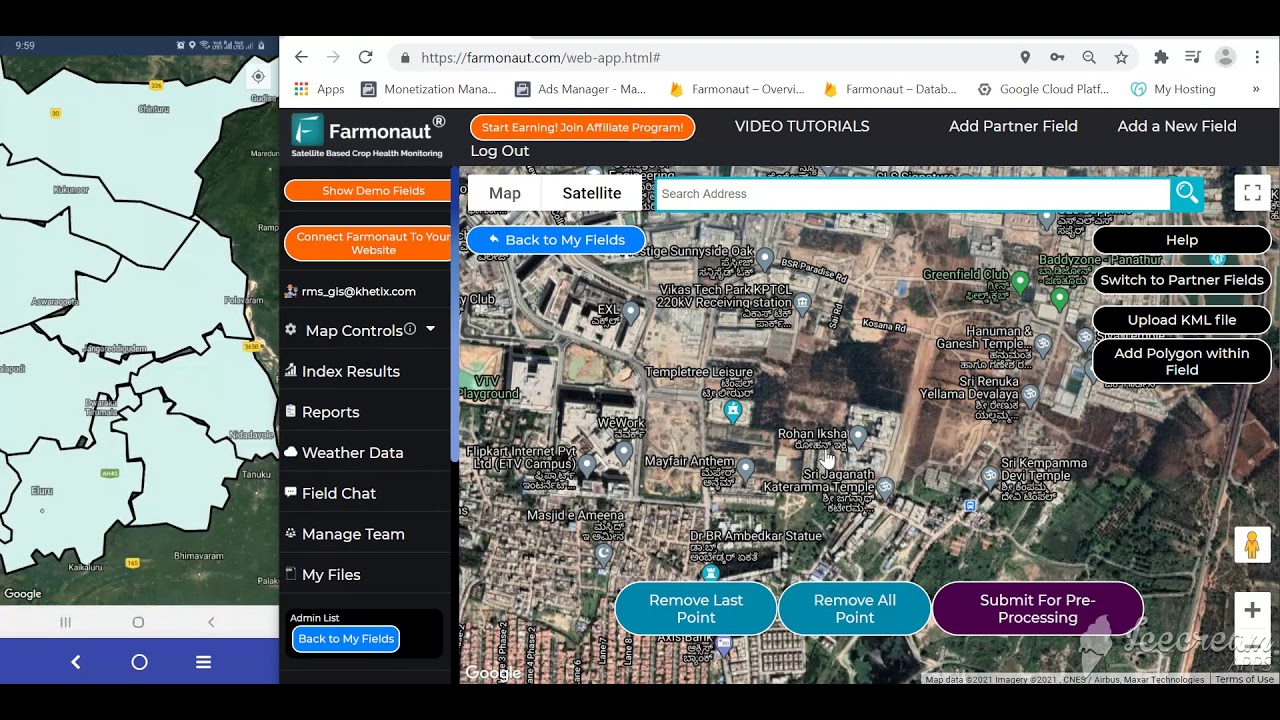
Try Farmonaut’s mobile and web solutions for field-level monitoring, satellite advisories, and resource management:



For businesses and developers: Access Farmonaut’s Satellite Data API | Explore the Farmonaut Satellite API Developer Docs here.
Sustainability & Climate-Smart Agriculture in 2025
1. Climate-Smart Practices and Carbon Tracking
- Increasing farmer awareness and adoption of climate-resilient crop varieties, renewable energy, and regenerative practices.
- Widespread carbon footprint monitoring and reduction efforts—driven by both policy and consumer sustainability demand. Farmonaut’s carbon footprinting platform provides actionable satellite insights for emission management and compliance.

2. Organic Agriculture and Traceability
- The upsurge in organic and natural farming is complemented by the integration of blockchain-enabled traceability solutions for certification, supply chain transparency, and consumer trust.
Market Dynamics, Access & Integration for Indian Farmers in 2025
1. Digital Marketplaces & e-NAM Evolution
- The expansion of the National Agriculture Market (e-NAM) and proliferation of digital marketplaces are opening up greater opportunities for direct farm-to-market linkages and enhanced price discovery for farmers.
- Real-time pricing, digital payments, and improved integration of remote and marginal producers continue to bridge territorial gaps.
2. Rise of Value-Added Agriculture
- Agri-processing, packaging, and on-farm value addition are seeing investments, with new market opportunities created by changing domestic and international demand.
3. Volatility and Resilience
- While price volatility and demand fluctuations remain a major concern, digitization and supply chain transparency offer safer, more stable markets for Indian produce.
FPOs, Contract Farming & Blockchain: Transparency in Indian Agriculture 2025
1. Farmer Producer Organizations (FPOs)
- FPOs help aggregate produce, negotiate better prices, access input and credit markets, and improve resilience to market shocks.
2. Contract Farming for Market Assurance
- Contractual agreements between agri-businesses and farmers provide assurance of buy-back, reduce price risk, and promote investments in higher-value crops.
3. Blockchain for Supply Chain Transparency
- Blockchain adoption for traceability, especially in premium and export markets, strengthens supply chain credentials and boosts consumer confidence.
- This technology enables end-to-end digital transparency for Indian agriculture products.
The Road Ahead: Envisioning Indian Agriculture in 2025 & Beyond
- The current scenario of Indian agriculture 2025 demonstrates both resilience and adaptability—but continued reforms, investment, and awareness-building are vital.
- Adoption of digital, AI, and satellite technologies will accelerate, enabling growth in both productivity and rural prosperity.
- Climate resilience and environmental sustainability will be central—aligning with global commitments and shifting consumer preferences.
- Innovations in credit, insurance, logistics, farm management, and resource use are paving the way for more secure, reliable, and profitable agriculture for the next generation of Indian farmers.
Farmonaut: Empowering Indian Agriculture with Satellite Innovation
As stakeholders in the journey towards Indian agriculture’s digital and sustainable transformation, we at Farmonaut are dedicated to providing advanced, affordable, and accessible satellite-driven solutions. Our platform enables:
- Real-time satellite monitoring for crop health, soil conditions, and rapid resource assessments.
- AI-powered advisory and predictive models for precision farming and risk reduction.
- Blockchain-based traceability to ensure transparent, trusted supply chains from farm to consumer.
- Environmental impact monitoring and carbon footprint management tools to support sustainability and regulatory compliance.
- Streamlined access to crop loans and insurance through robust satellite-based verification for enhanced financial security.
- Flexible, subscription-based services and developer APIs to serve individual farmers, agribusinesses, and government organizations across the sector.
By making cutting-edge technology affordable and easy to use, we’re proud to help Indian agriculture realize its true potential in 2025 and beyond.
FAQ: Indian Agriculture 2025 – Issues & Trends
-
What are the main issues in Indian agriculture in 2025?
The current issues in Indian agriculture 2025 include climate variability, water scarcity, soil degradation due to overuse of chemical fertilizers, market volatility, small landholdings, and farmer distress. Persistent challenges require technological, policy, and market-driven solutions.
-
Who is the current agriculture minister of India in 2025?
The current union agriculture minister of India 2025 is Shri Rajesh Kumar Singh, recognized for spearheading digital transformation and sustainable policy initiatives in Indian agriculture.
-
What technological trends are shaping Indian agriculture in 2025?
The current trends in agriculture 2025 include precision farming, IoT adoption, AI-driven advisories, satellite monitoring, blockchain for traceability, and the expansion of digital market access platforms.
-
How is sustainability being addressed in Indian agriculture?
There is greater emphasis on organic and natural farming, climate-resilient practices, carbon footprint monitoring, and eco-friendly certification—all supported by technological innovation and policy reform.
-
How can farmers access Farmonaut’s satellite-driven insights?
Farmers, agribusinesses, and other stakeholders can access Farmonaut’s solutions via web and mobile apps, or integrate services through the API. API documentation for developers is available online.
-
Which Farmonaut products are relevant for sustainability and compliance?
Farmonaut’s carbon footprinting solutions and blockchain-based product traceability help farmers and businesses monitor environmental impact and ensure compliance with sustainability standards.
Conclusion: Towards a Resilient Agricultural Future
The current scenario of Indian agriculture 2025 is one of rapid transformation and complex challenge—but also extraordinary opportunity. With proactive policy, technology-driven innovation, enhanced market integration, and multi-stakeholder engagement, Indian agriculture is poised for resilient, profitable, and sustainable growth.
As we move forward, effective governance, access to digital tools, and a continuous focus on farmer empowerment will remain crucial. It’s an era marked by hope, progress and the collective vision of a smarter, greener, and more equitable agricultural future for India.
For advanced, accessible satellite-driven agricultural solutions, explore Farmonaut’s tools and services today!
Explore Farmonaut carbon footprinting |
Farmonaut product traceability platform |
Farmonaut crop loan and insurance services


