

Desert Agriculture Saudi Arabia: Top 7 Farming Trends Transforming the Arid Landscape
Saudi Arabia’s desert landscapes have become a proving ground for modern desert agriculture, where innovation in irrigation, crop selection, and land stewardship is reshaping the country’s farming and food security narrative. Amidst arid climates, scarce freshwater resources, and expansive deserts, the agricultural sector in Saudi Arabia has evolved from traditional oases to high-tech, water-efficient systems supporting commercial farming, forestry initiatives, and rural livelihoods.
“Saudi Arabia uses over 1,000 center-pivot irrigation systems to farm in arid desert regions.”
Table of Contents
- Introduction: The Promise and Challenge of Desert Agriculture Saudi Arabia
- Top 7 Farming Trends in Desert Agriculture Saudi Arabia
- Comparison Table: Top 7 Farming Trends in Saudi Arabia
- Saudi Arabia Agriculture Market: Growth, Challenges, and Opportunities
- Innovation & High-Tech Solutions Reshaping Farming in Saudi Arabia
- Water-Smart Irrigation: The Heart of Saudi Dryland Farming
- Climate-Resilient Crop Selection and Advanced Cultivars
- Protected Cultivation, Greenhouses, and Microclimate Control
- Forestry Initiatives, Agroforestry & Landscape Resilience
- Market Readiness, Export Focus, and Premium Produce
- Satellite-Based Agricultural Support: Farmonaut Technologies
- Policy, Employment, and the Future of Agriculture Jobs in Saudi Arabia
- FAQ: Desert Agriculture Saudi Arabia
- Conclusion: A Resilient Agricultural Sector in the Desert



Introduction: The Promise and Challenge of Desert Agriculture Saudi Arabia
Farming in Saudi Arabia is undergoing a profound transformation, propelled by cutting-edge technologies and a strategic approach to utilize arid landscapes for productive agriculture. The minister of agriculture Saudi Arabia has emphasized sustainable growth, water-efficient solutions, and food security, aiming for a future where even the most challenging desert regions become fertile grounds for agricultural innovation.
In this comprehensive guide, we explore the top 7 farming trends driving the desert agriculture revolution across Saudi Arabia. From optimized irrigation and climate-smart crops to scalable, tech-driven monitoring solutions, Saudi Arabia has rapidly moved from traditional oases to a landscape festooned with greenhouses, agroforestry projects, and export-ready production systems. Whether you’re interested in joining the dynamic agriculture jobs in Saudi Arabia market, investing in precision technology, or understanding the holistic market narrative, this blog offers a detailed, fact-based examination of how innovation is currently reshaping the Saudi farming sector.
Desert agriculture Saudi Arabia strategically blends water-saving technologies, advanced crop genetics, and robust market strategies, making it an international model for food production in extreme climates.
Top 7 Farming Trends in Desert Agriculture Saudi Arabia
Let’s dive into the top 7 farming trends that are setting new benchmarks for arid-land farming and are closely interlinked with the goals of the Saudi Arabia agriculture market:
- Drip Irrigation Systems: Water-efficient, high-precision moisture delivery in sandy soils.
- Hydroponics: Soilless cultivation offering maximum resource control and year-round yields.
- Climate-Resilient Crops: Next-gen wheat, barley, date palms, and tomatoes bred for heat and drought.
- Solar-Powered Greenhouses: Sustainable, climate-protected cultivation with low energy footprint.
- Precision Agriculture: IoT, satellite data, and AI-driven field management empowering smart decisions.
- Saltwater Farming: Coastal and saline water-based innovation supporting food production in non-arable regions.
- Vertical Farming: Multi-level indoor farm systems that maximize limited land and water resources in urban and rural desert zones.
“Climate-resilient wheat varieties in Saudi Arabia yield up to 40% more than traditional crops in harsh conditions.”
Comparison Table of Top 7 Farming Trends in Desert Agriculture Saudi Arabia
| Trend Name | Description | Innovative Features | Estimated Adoption Rate (%) | Estimated Water Savings (%) | Key Benefits |
|---|---|---|---|---|---|
| Drip Irrigation | Delivers water directly to root zones, minimizing evaporation losses and maximizing water use in arid deserts. | Precision delivery, automation, soil moisture monitoring | 65% | 50–70% | Superior water efficiency, boosts yields in sandy soils, enables commercial farming in desert environments |
| Hydroponics | Soilless plant cultivation using nutrient-rich water solutions in protected environments. | Closed-loop systems, vertical stacks, year-round production | 20% | 80–90% | Minimizes soil constraints, high-density output,enabled premium vegetables/fruits export |
| Climate-Resilient Crops | Genetically advanced varieties bred for drought/heat/salinity tolerance (e.g. wheat, barley). | Drought resistance, rapid maturity, high-yield cultivars | 40% | 30–40% | Ensures food security, reduces failure risk in marginal regions, supports national staples |
| Solar-Powered Greenhouses | High-tech controlled environments powered by solar energy for optimum growing windows. | Solar panels, automated climate control, shade nets | 18% | 60–85% | Reduces energy costs, shields crops from extreme temperatures, year-round high value produce |
| Precision Agriculture | Use of satellite, IoT, and AI for resource optimization, yield mapping, and field management. | Satellite/AI monitoring, variable-rate tech, automated irrigation | 36% | 40–60% | Maximizes resource use, minimizes fertilizer/pest losses, enhances sustainability |
| Saltwater Farming | Utilizes saline water sources for aquaculture and salt-tolerant crops in desert regions. | Brackish water irrigation, integrated aquaculture-crop systems | 8% | 55–70% | Enables production in previously unusable lands, supports rural diversification |
| Vertical Farming | Stacked indoor farms maximizing output per square meter in urban and rural settings. | LED grow lights, automated nutrient delivery, controlled environments | 5% | 80–95% | Ultra-high yield, year-round supply for domestic and premium export markets, minimizes land use |
- ✔ Drip irrigation boosts desert crop yields while slashing water use
- ✔ Hydroponics enables soil-free, year-round fruit & vegetable production in climatically protected environments
- ✔ Climate-resilient crops guarantee food security amidst harsh weather and resource scarcity
- ✔ Solar-powered greenhouses cut energy costs and shield crops from extreme heat, enabling commercial scaling
- ✔ Precision agriculture uses real-time data and AI for better decisions, reducing environmental footprint
Saudi Arabia Agriculture Market: Growth, Challenges, and Opportunities
Saudi Arabia’s agriculture market has evolved into a resilient, innovative sector with a focus on sustainable farming methods and the strategic use of desert land. Central to this growth is an emphasis on optimizing water use, updating soil management techniques, and producing high-value, export-ready crops and animal fodder.
- 📊 Staples prioritization: Local production of wheat, barley, and dates reduces reliance on imports
- 📊 Diversification: Expansion into vegetables, fruits, and aquaculture supports domestic demand and export competitiveness
- 📊 Quality standards: Compliance with international and national standards underpins market access for Saudi produce
- 📊 Resource constraints: Limited freshwater and arable land drive innovation, demanding ongoing research and development investments
- 📊 Employment demand: More skilled professionals are needed in rural regions for technology-driven, sustainable farming
Innovation & High-Tech Solutions Reshaping Farming in Saudi Arabia
At the heart of desert agriculture Saudi Arabia is a culture of continuous innovation. The government’s strong support for high-tech solutions, working closely with research institutions, has helped accelerate adoption of practices and systems that reduce losses, improve efficiency, and boost yields.
- ⚡ IoT Sensors: Wired and wireless field sensors bring real-time data on soil moisture, temperature, and plant stress levels, allowing for corrective action.
- ⚡ Satellite Imagery & AI: Technology like ours at Farmonaut supports farmers by providing bird’s-eye monitoring of crop health, analyzing nutrient cycling, detecting water stress, and forecasting pest threats.
(Learn more about Farmonaut’s capabilities) - ⚡ Blockchain Traceability: Ensures products from farm to market are verified, safe, and authentic. Check out our Traceability Solutions for transparency in the supply chain.
- ⚡ Automated Irrigation: Drip and micro systems, when paired with sensors and satellite monitoring, minimize resource wastage and prevent overwatering.
- ⚡ Protected Farming: Automated climate-control and shade-net systems extend production windows by shielding crops from Saudi Arabia’s extreme desert temperatures.

For actionable insights in Saudi desert fields, consider integrating real-time satellite and AI-based monitoring. Platforms like Farmonaut empower growers to optimize water, fertilizer, and pest control on the go.
Water-Smart Irrigation: The Heart of Saudi Dryland Farming
Water management remains the single largest challenge for farming in Saudi Arabia. With less than 2% of the country’s land arable and rainfall averaging below 100 mm annually in most regions, innovation for sustainability is paramount.
Drip Irrigation and Micro-Irrigation Systems
Desert farmers have widely adopted drip irrigation systems, which use a network of pipes, emitters, and timers to deliver water directly to plant roots. This minimizes both evaporation losses and runoff, and is often combined with mulching and shading techniques for further efficiency.
Key Benefits:
- 💧 Reduces water use by 50-70% compared to traditional methods
- 💧 Allows precise fertilizer/nutrient delivery for each crop
- 💧 Reduces soil salinity build-up; critical in arid zones with poor drainage
- 💧 Enables commercial-scale vegetable and fruit farming
Solar-Powered Water Pumps
To further lower operating costs and carbon footprints, solar pumps are increasingly used to irrigate remote fields or power greenhouse climate control. This combination provides clean, consistent energy, even in the most expansive deserts.
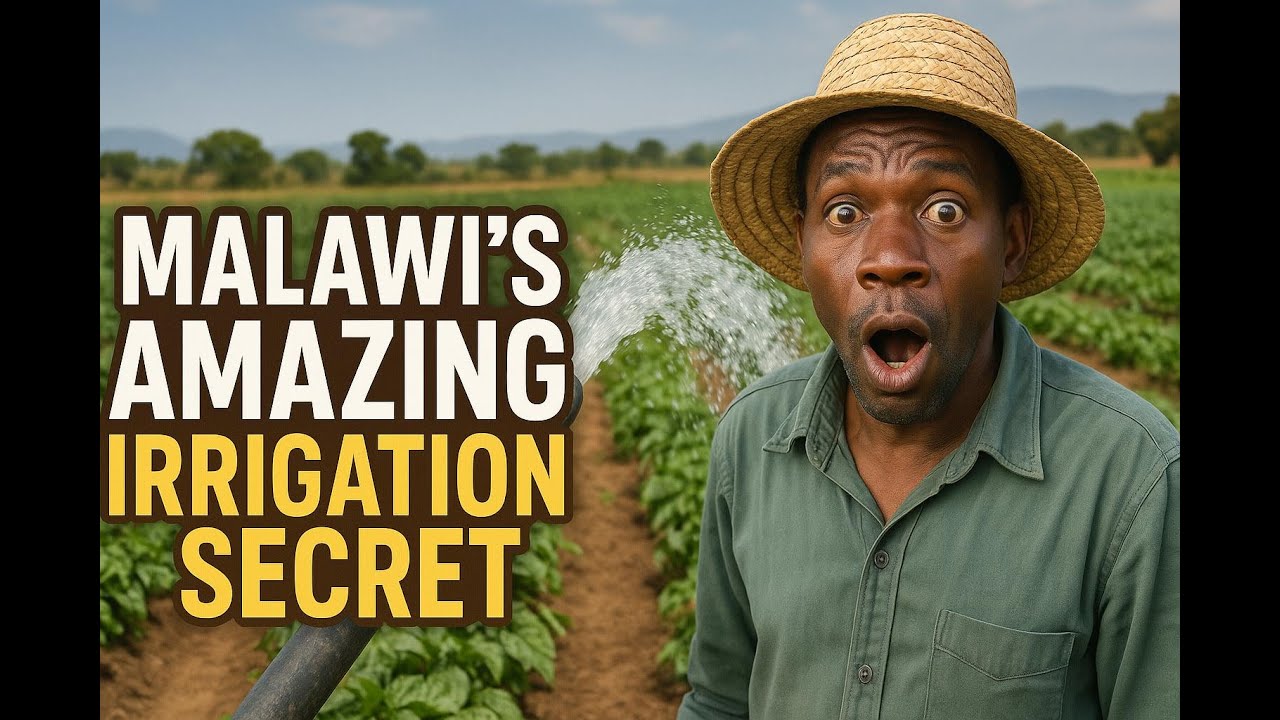
Solar-powered irrigation and controlled-environment farming are rapidly emerging investment niches in the Saudi agriculture sector, leveraging abundant sunlight for sustainable food production and reduced cost structures.
Moisture Monitoring & Environmental Tracking
Integration of soil-moisture sensors, NDVI-based satellite indices, and environmental monitoring tools allows farmers to:
- 🌡 Detect water stress before visual plant damage occurs
- 🌡 Minimize water waste by irrigating only when necessary
- 🌡 Track nutrient cycling and inform precise fertilizer regimes
- 🌡 Increase yield and improve farm sustainability
Farmonaut for Water Management
We at Farmonaut provide satellite-based NDWI (Normalized Difference Water Index) analytics, enabling real-time monitoring of field conditions, resource management, and detailed reporting for efficient irrigation.
Discover how water indices optimize farming: Farmonaut’s Carbon Footprinting & Water Management

Over-irrigating or failing to calibrate drip systems for local weather and soil moisture conditions can lead to waterlogging, salinization, or lost inputs. Always use sensor and AI tools for ongoing optimization.
Climate-Resilient Crop Selection and Advanced Cultivars
Selecting the right crop varieties is pivotal in desert farming regions. Saudi agri-research has prioritized drought-tolerant, salinity-resistant seeds, and rapid-maturing plants suitable for expansive deserts and water-scarce climates:
- 🌾 Wheat and Barley: Modern cultivars deliver up to 40% greater yield than traditional types in harsh, arid climates
- 🌳 Date Palms: Iconic to the region, date palm varieties are bred for heat, water scarcity, and disease resistance
- 🍅 Tomatoes and Peppers: Bred for greenhouse, hydroponic, and field conditions, capable of thriving in controlled and extreme environments
- 🌱 Forage Crops: Switchgrass, Rhodes grass, and alfalfa are essential for supporting animal husbandry systems
Climate-resilient crop selection supports the broader Saudi goal of reaching self-sufficiency in food staples, and prepares the sector for future climate uncertainty.
Ongoing Research & Partnerships
Advancements in seed breeding, crop rehabilitation techniques, and pest-resistant cultivars are continually supported by both public institutions and private initiatives. These efforts decrease environmental footprints and boost yields.
- 🌳 Agroforestry techniques integrate trees and crops for better microclimates
- 🦋 Biodiversity support increases natural pest resistance and pollinator activity
- 🌿 Soil-building species help rehabilitate marginal or degraded land

Protected Cultivation, Greenhouses, and Microclimate Control
Due to extreme temperature swings and limited rainfall, the adoption of protected agriculture—such as tech-enabled greenhouses, shade houses, and tunnel systems—has soared in Saudi Arabia. These environments provide shielded production, allowing for out-of-season growing and higher-quality premium crops.
- 🌱 Automated climate control keeps crops in optimal growth windows
- 🌡 Solar-powered ventilation and humidity control lowers energy bills
- 🌤 Shade nets and raised beds help manage humidity and prevent temperature shocks
- 🏆 High-value crops such as peppers, tomatoes, and cucumbers thrive in these environments

- 🏡 Fruit and vegetable production for both domestic supply and premium export
- 🏭 Seedling and nursery operations for rapid scaling of staple crops
- 📦 Export-ready packing and cold-chain logistics for international markets
- 🤖 AI climate control
- 🔋 Solar energy integration
- 🔔 Automated alerts for environmental stress
Forestry Initiatives, Agroforestry & Landscape Resilience in Arid Zones
Saudi Arabia’s desert agriculture is not limited to food crop cultivation alone. Forestry initiatives—from shelterbelts to green belt urban-projects—alongside agroforestry practices are remaking rural and peri-urban landscapes, combating both erosion and carbon emissions.
- 🌳 Multi-purpose shelterbelts and windbreaks stabilize soil, shield farms from sandstorms, and boost biodiversity
- 🍃 Native tree planting supports carbon sequestration and provides shade for crops and livestock
- 🌴 Integrated agroforestry systems mix tree crops, fruits, and food production, diversifying rural livelihoods and employment
- 🌱 Soil rehabilitation efforts transform marginal desert land into productive zones
- 🌏 Sustainable land stewardship ensures future generations benefit from current agricultural transformation

Agroforestry and forestry initiatives not only protect against wind and erosion but also create habitats for beneficial insects, birds, and native flora, thus enhancing the entire agricultural ecosystem’s resilience.
Market Readiness, Export Focus, and Premium Produce
A key pillar of the Saudi Arabia agriculture market is its strategic move toward self-sufficiency in food staples and readiness for premium export markets. Government incentives, regulatory support, and private investment converge to drive quality and traceability in the sector.
Cold-Chain Logistics and Traceability
Maintaining quality from farm to market is supported by:
- ❄️ Cold-storage facilities to preserve produce freshness and food safety
- 🔗 Blockchain traceability for both domestic and international buyers, ensuring source authenticity and compliance (Farmonaut Traceability Product)
- 📦 Packing innovations that extend shelf-life and reduce spoilage
Export-Oriented Crops
- 🥒 Premium greenhouse vegetables (e.g., tomatoes, cucumbers, peppers)
- 🍊 Citrus and fruits bred for sweetness and long shelf life
- 🌴 Dates: A global Saudi hallmark, now with advanced post-harvest treatment and packaging
- 🌾 Fodder for livestock export and integrated animal husbandry
With the expansion of protected and precision agriculture, Saudi Arabia is emerging as a supplier of premium, desert-grown produce—particularly dates, tomatoes, and greenhouse fruits—to Middle Eastern and European markets.
Satellite-Based Agricultural Support: Farmonaut Technologies Empower Saudi Vision
Satellite technology, real-time monitoring, and data analytics are accelerating the transformation of agriculture in Saudi Arabia’s deserts. We at Farmonaut are at the forefront of providing cost-effective, AI-powered solutions to support every stage of the farming process—critical in a sector where climate, water, and land have traditionally been limiting factors.
Our Satellite & AI Tools for Desert Agriculture
- 🛰 Satellite-Based Monitoring: Multispectral images highlight crop health, detect water/soil stress, and inform timely interventions for sustainable production (Large Scale Farm Management Solutions).
- 🤖 Jeevn AI Advisory: Real-time, location-specific crop, weather, and resource management guidance for farmers and enterprises.
- 🔐 Blockchain Traceability: Secure supply chain tracking for Saudi-grown produce — increasing trust for domestic and export markets.
- 📉 Fleet & Resource Management: Web and mobile tools help optimize logistics, reduce operating costs, and improve on-farm resource efficiency. Fleet Management Solutions
- 🌱 Environmental Impact Monitoring: Carbon and water footprint tracking to drive compliance and green initiatives. See Carbon Footprinting for agriculture.
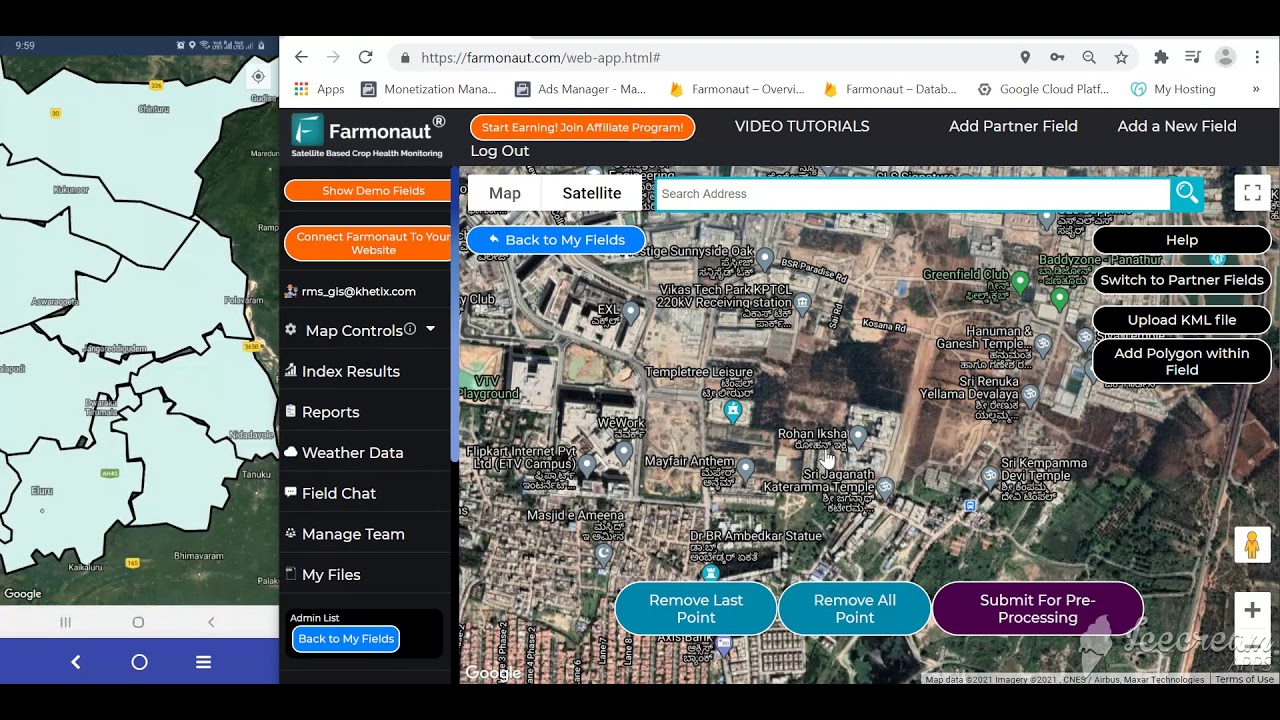
Accessible, Scalable & Cost-Effective
Farmonaut’s subscription-based services are available via mobile apps, web, and API (Farmonaut API Access). We also offer comprehensive API developer documentation for custom integration, supporting Saudi agriculture’s growing emphasis on digital transformation.
For plantation or agro-forestry planning, our Crop Plantation & Forest Advisory platform supports scalable, sustainable land-use planning for long-term resilience.
Farmonaut’s API & scalable app ecosystem enable rapid integration of satellite, AI, and resource management into existing agri-projects, enhancing data flow and field decision-making.
Policy, Employment, and the Future of Agriculture Jobs in Saudi Arabia
Jumpstarting the future of agriculture jobs in Saudi Arabia involves a coordinated government framework led by the minister of agriculture Saudi Arabia, alongside private agri-business investment, to build a more technologically advanced workforce. This expanding job market includes:
- 👨🌾 Skilled agronomists and crop consultants
- 🛠 Irrigation engineers and greenhouse techs
- 🧪 Nursery technicians and plant breeders
- 📊 Precision agriculture analysts and resource managers
- 🌍 Sustainable land use planners and agro-forestry experts
Public-private sector training programs and upskilling initiatives are focusing on rural youth, safe farming practices, and responsible water use. This drives both employment and capacity to embrace new technologies.
Support Mechanisms & Regulatory Incentives
- 📑 Crop insurance and financial schemes to encourage risk-taking and innovation (Crop Loan & Insurance Services)
- 💡 Investment incentives for technologies that demonstrate water efficiency or sustainable impact
- ☑️ Compliance frameworks for biosecurity, sustainable farming, and traceability to support domestic and export markets
Saudi Arabia’s comprehensive approach fosters a resilient, knowledge-based sector focused on diversification, modern technology, and human capital development.
The rise of smart farming in Saudi Arabia is generating new demand for digital-savvy professionals in resource management, data analysis, and climate-smart advisory roles. Consider upskilling in precision tech for future-ready employment!
FAQ: Desert Agriculture Saudi Arabia
Wheat, barley, dates, tomatoes, cucumbers, and forage grasses are widely grown—alongside expansion into hydroponic fruits and salt-tolerant species.
Drip irrigation delivers water and nutrients directly to plant roots, reducing evaporation and wastage. It’s ideal for maximizing productivity and minimizing environmental impact in sandy, dry soils.
Satellite technology enables remote monitoring of crop health, soil conditions, water status, and resource use, supporting sustainability, precision management, and higher yields.
Platforms like Farmonaut offer scalable satellite-based monitoring, advisory AI, environmental impact tracking, fleet management, and crop plantation planning—available via web, apps, and API integrations.
The sector’s expansion into precision, sustainable, and digital farming fields, coupled with skill training and technology adoption, is generating new opportunities for rural and urban workers alike.
Saudi Arabia’s desert agriculture, supported by high-tech solutions and careful water/nutrient management, is a global example of balancing food production with environmental responsibility.
Conclusion: A Resilient Agricultural Sector in the Desert
Desert agriculture Saudi Arabia is writing a bold new chapter in the global narrative of food production under arid, resource-constrained conditions. Through a strategic blend of water-smart irrigation, advanced crop selection, protected cultivation, technological innovation, agroforestry, and robust market frameworks, even the heart of the desert has become a proving ground for resilient, sustainable farming.
With the minister of agriculture Saudi Arabia steering regulatory incentives, public investments, and policy leadership, the sector is poised to not only meet domestic food security needs but to drive export growth and rural livelihoods. Digital tools such as our Farmonaut platform further deepen the capacity to monitor, optimize, and trace every aspect of the agricultural value chain.
From urban vertical farms and hydroponic greenhouses to forestry belts and climate-resilient staple food crops, Saudi Arabia demonstrates that with the right vision, technology, and stewardship, even the most challenging deserts can be reshaped into a landscape of abundance.
As we continue to witness revolutionary changes in the Saudi Arabia agriculture market, the opportunity grows for farmers, investors, technology developers, and policy makers to work together in building a sustainable, diversified, and prosperous future in these remarkable arid lands.
Discussion
Questions, corrections or field experience? Share them below. First-time comments are reviewed before they appear, and your email is never published.
No comments yet. Be the first to add a question or your experience.

 Croptimum
 Dalmia Bharat Sugar
 DnCubed
 Pistachio ST
 Field Capacity
 Indosistim Teknologi
 Liquify Digital
 CU Foods
 BeyondTech Global
 Rouge VC
 AgroGreen Dynamics
 AgroRisk
 Oath Inc
 Reddane Farming
 Esri North East Africa
 Cresol
 MDCV UK
 Etech Consulting Madagascar
 Vestlandsforsking
 Licence holder · Niger · Gold










