

Greenhouse Farming Solutions India: 2025 Agriculture
- Introduction: Revolutionizing Agriculture with Greenhouse Farming Solutions
- What is Greenhouse Farming?
- Importance & Benefits of Greenhouse Farming
- Technological Innovations in Greenhouse Farming Solutions (2025 Perspective)
- Comparative Table: Greenhouse Technologies & Impact in 2025
- Greenhouse Solutions for Agriculture, Farming, & Forestry
- Greenhouse Farming in India: Current Scenario and Outlook 2025
- Satellite Precision and Smart Farm Monitoring by Farmonaut
- Key Trends & The Future of Greenhouse Farming Solutions
- Farmonaut Platform: App, API & Subscription Links
- Frequently Asked Questions
- Conclusion: Building a Sustainable Agricultural Landscape
Greenhouse Farming Solutions: Revolutionizing Agriculture in 2025
The agricultural sector is entering a profound transformation, catalyzed by sustainability imperatives, an exploding population, climate pressures, and rapid technological advancements. Among the pioneering developments, greenhouse farming solutions stand out as a cornerstone for the future of food and crop production, particularly in a diverse landscape like India. As 2025 approaches, these solutions are set to redefine the very nature of agriculture, farming, and environmental management—promising higher yields, greater stability, and a tech-driven approach to resource efficiency.
But what is greenhouse farming and why is it pivotal for modern sustainable agriculture? This comprehensive guide delves into the essence of greenhouse farming, explores the latest technological advancements, and analyzes how greenhouse farming in India is evolving to address climate change, food security, and resource constraints while unlocking unprecedented productivity and quality gains. Whether you are a farmer, policymaker, agri-entrepreneur, or simply passionate about innovative solutions—this article offers an in-depth understanding of the expanding role of greenhouses farming in the agricultural landscape for 2025 and beyond.

What is Greenhouse Farming?
Greenhouse farming refers to the practice of cultivating crops within a specially designed structure, typically made from transparent materials such as glass, plastic film, or polycarbonate. Unlike open-field cultivation, agriculture in greenhouse takes place within a controlled environment, where we can precisely regulate light, temperature, humidity, CO₂ concentration, ventilation, and even photoperiod (length of day/night).
Scaling up usually starts with the frame itself, and an overview of commercial greenhouse structures compares the main designs used for food production. Growers investing in a structure like this may also want to understand what greenhouse insurance covers and roughly what it costs.
By creating these ideal environments, greenhouse farming solutions enable farmers to grow plants year-round, irrespective of prevailing external weather conditions. This means climatic challenges like erratic weather, drought, excessive rain, heatwaves, or cold snaps pose less risk to crop growth and harvest. Greenhouses farming provides a buffer against both biotic (pests, diseases) and abiotic (temperature, wind, precipitation) stresses, thus enhancing resilience and stability.
Common crops grown in greenhouses include:
- Vegetables: Tomatoes, cucumbers, bell peppers, lettuce, spinach
- Fruits: Strawberries, melons, exotic berries
- Flowers: Roses, gerberas, orchids, carnations
- Herbs: Basil, mint, coriander
- Medicinal and Aromatic Plants
This protected cultivation approach is also used for seedling nurseries, high-value crops, and even in forestry for sapling production.
Importance & Key Benefits of Greenhouse Farming Solutions
With India’s population projected to reach nearly 1.48 billion in 2025 and mounting environmental stresses from climate change, the need for sustainable methods for efficient food production is paramount. Greenhouse farming in India—and globally—offers transformative solutions for modern agriculture by unlocking multiple benefits:
Key Benefits of Greenhouses Farming & Protected Cultivation
- Significantly Higher Crop Yields: Optimized conditions inside greenhouses allow for up to 10-fold yields compared to open fields, especially for vegetables and flowers.
- Superior Produce Quality: Uniform size, color, taste, and nutritional profile due to stable growing parameters.
- Year-Round Production: Extended growing seasons or multiple harvests per year, including off-season cultivation.
- Efficient Use of Resources: Minimized water loss via drip irrigation. Lowered fertilizer and pesticide usage through targeted application.
- Climate Resilience: Protection from unpredictable weather, drought, and extreme temperatures; reduced crop loss due to environmental factors.
- Controlled Pest & Disease Management: Physical barriers reduce pest entry, enabling safer, lower residue produce, and less pesticide dependency.
- Profitability: Despite a higher initial investment, improved productivity and quality typically make greenhouse projects economically viable in the medium and long term.
- Diversification: Enables cultivation of exotic or high-value crops (e.g., colored capsicum, strawberries, Dutch roses) and even increases seed production for export.
- Reduced Environmental Footprint: Resource-efficient systems lead to less water use, nutrient runoff, and carbon emissions.
These features align greenhouse farming solutions with the UN Sustainable Development Goals for reducing hunger, promoting sustainable agriculture, and addressing climate change.

How Conditions are Controlled within Greenhouses
Greenhouses create a microclimate by using design features and technologies that enable control over critical growth factors:
- Temperature: Regulated by ventilation, shading, heating systems, and cooling pads.
- Light: Natural sunlight is maximized via orientation and glazing; LED grow lights supplement light during low sunshine periods.
- Humidity: Managed using misting or fogging systems and dehumidifiers to prevent diseases.
- CO₂ Levels: Monitored and often enriched to stimulate robust plant growth.
- Water & Nutrient Delivery: Systems such as drip irrigation and fertigation provide water and nutrients directly at the root zone.
Comparative Table: Technology Impact in Greenhouse Farming Solutions (India, 2025)
Below is a comparative analysis table showcasing leading greenhouse technologies, projected benefits, and their impact on sustainability and productivity in Indian agriculture for 2025:
| Greenhouse Technology | Estimated Crop Yield Increase (%) | Climatic Resilience Enhancement | Water Usage Reduction (%) | Projected Cost Savings (%) |
|---|---|---|---|---|
| Hydroponics | 20–40% | High | 85–90% | 15–30% |
| Automated Climate Control Systems | 15–30% | High | 20–25% | 15–25% |
| Drip Irrigation & Fertigation | 10–20% | Medium | 50–70% | 10–20% |
| Biodegradable Films (Mulches) | 8–15% | Medium | 30–40% | 8–12% |
| LED Grow Lighting | 12–25% | High | 10–15% | 12–18% |
| AI & Data-Driven Monitoring | 10–25% | High | 15–25% | 10–20% |
| Vertical Farming Integration | 30–50% (per m² area) | High | 60–80% | 20–35% |
| Solar & Renewable Energy Systems | — | Medium–High | — | 10–20% (energy costs) |
Note: These are industry-wide estimates based on current and emerging adoption in Indian greenhouse farming. Actual benefits vary by scale, crop selection, and management.
Technological Innovations in Greenhouse Farming Solutions: 2025 Perspective
The leap to 2025 sees greenhouse farming solutions propelled by cutting-edge technology, unprecedented in previous decades. These solutions are increasingly affordable, data-driven, and customized for Indian Farmers and global practitioners alike.
Key Technological Advancements (2025):
- Automated Climate Control: IoT sensors, automation, and AI maintain optimal temperature, humidity, CO2, and light conditions 24×7, eliminating human error and supporting large-scale, year-round cultivation.
- LED Grow Lighting: Energy-efficient LEDs (spectrum-tailored for specific crops) supplement sunlight, enable off-season or night-time growth, and improve efficiency (critical in areas with less natural light).
- Hydroponics & Soilless Systems: Water-based nutrient delivery (hydroponics, aeroponics, NFT) conserves water, increases density, speeds plant growth, and reduces disease risks.
- Vertical Greenhouse Integration: Multi-tier cultivation—using racks or shelves within greenhouses—maximizes yield per square meter, particularly relevant for urban and peri-urban India.
- AI & Data-Driven Management: Real-time environmental data, AI-powered prediction and advisory systems, and digital dashboards (such as those provided by us at Farmonaut) help in quick problem identification (diseases, stress, nutrition) and timely interventions.
- Renewable Energy Integration: Deployment of solar panels, wind, and biomass energy to lower operational carbon footprints and increase energy self-reliance.
- Advanced Water Recycling: Closed-loop systems capture and reuse water, vital for water-scarce Indian states.
- Blockchain Traceability: Ensures transparent tracking and validation from seed to shelf, helping farmers access premium markets and build consumer trust. (Learn more about our Blockhain Traceability Solutions).

Greenhouse Farming Solutions for Agriculture, Farming & Forestry
While most commonly associated with agricultural crop production, greenhouse farming solutions now play a vital role across broader domains—expanding into livestock farming, seedling propagation, forestry, and urban agriculture.
- Agriculture in Greenhouse:Indian greenhouses are used for high-value clad crops (capsicum, cherry tomatoes, cucumbers), exotic and off-season vegetables (broccoli, lettuce), floriculture, and fresh fruit like strawberries. This enables farmers to address market volatility.
- Farming Enhancements: Fodder production (e.g., barley, maize, sorghum, oats) in protected environments ensures round-the-year feed supply for dairy and livestock. Seedling nurseries under greenhouses help supply robust, disease-free plants for field transplantation.
- Forestry & Plantation: Greenhouses serve as nurseries for tree saplings (teak, eucalyptus, acacia, fruit trees), enhancing young plant survival before their transfer to forestry plantations—a key part of India’s afforestation drive.
- Urban & Rooftop Cultivation: Urban greenhouses on terraces and in peri-urban settings offer city-dwellers access to farm-fresh, residue-free produce.
This integrated approach makes greenhouse farming solutions critical not just for food security but also for circular economy, environmental management, and supply chain stability.
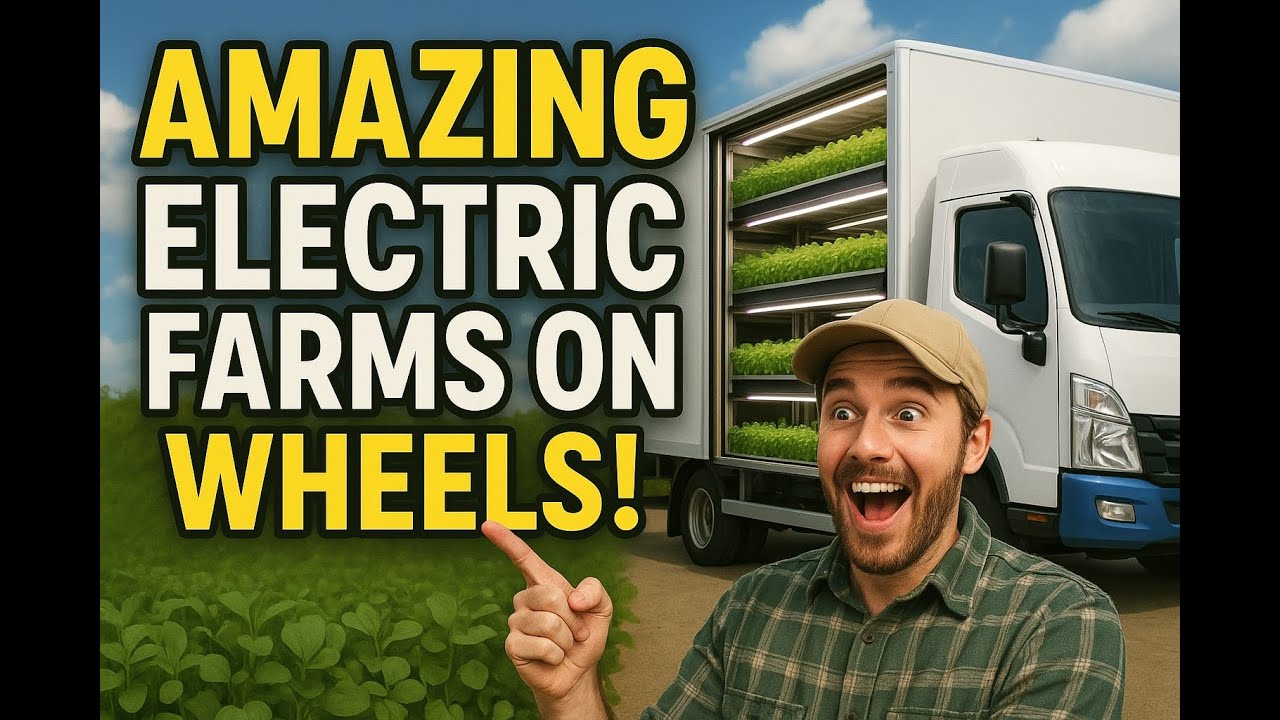
Greenhouse Farming in India: Current Scenario & Outlook for 2025
India’s unique climatic diversity and extensive rural workforce have traditionally made it a global agricultural powerhouse. Yet, given extreme weather variability, resource constraints, and increasing land stress, greenhouse farming has become crucial for future-proofing Indian agriculture.
Current Landscape (2024-2025):
- Major Greenhouse States: Maharashtra, Karnataka, Tamil Nadu, Himachal Pradesh, Gujarat, Rajasthan, and Kerala spearhead protected cultivation adoption.
- Crops & Diversification: Floriculture (roses, gerbera, gladiolus), high-value vegetables (tomato, cucumber, capsicum), off-season produce, and even exotic vegetables for hotels and export.
- Market-Driven Production: Agriculture in greenhouse reduces dependency on the erratic monsoon and enables strategic harvest timing based on market prices.
- Government Support: National Mission on Sustainable Agriculture (NMSA), National Horticulture Mission (NHM), and various state schemes provide up to 50% subsidy for greenhouse construction, training, and input supply.
- Indigenous Technology Development: Agri-tech startups and research institutes are developing customized, affordable, low-cost greenhouse models suited for small and marginal Indian farmers.
Challenges & Solutions:
- High Initial Investment: Despite operational profitability, many farmers struggle with setup costs. Increasing access to affordable credit, crop insurance, and government-backed loans is addressing this.
- Technical Know-How: Training on greenhouse management, pest control, and climate control is expanding through Centers of Excellence and digital platforms.
- Energy Management: Optimizing greenhouses with solar panels and renewable energy integration is lowering operational costs.
- Post-Harvest Infrastructure: Investments in cold storage and efficient logistics help preserve quality and reduce loss.
 Download Farmonaut Android App

Outlook for 2025 & Beyond:
- Expansion of Area: Projections suggest over 100,000 hectares under protected cultivation by 2025.
- Mainstream Technology Adoption: Over 60% of new Indian greenhouses are expected to use advanced climate automation, AI prediction, farm management platforms, and solar integration.
- Urban & Peri-Urban Growth: Small/medium-scale greenhouses on rooftops/urban spaces enable local supply and reduce transport emissions.
- Specialty & Superfood Segments: Increased greenhouse cultivation for exotic produce, microgreens, berries, and medicinal herbs targeting health-conscious consumers and export markets.
Farmers, policymakers, and agri-startups are collaborating to make greenhouses farming more accessible, affordable, and impactful for Indian villages and cities alike.
Our Fleet Management Platform offers seamless logistics and equipment tracking for Indian agribusinesses, making operational efficiency in large greenhouse projects a reality.

Satellite Precision & Smart Farm Monitoring by Farmonaut
At Farmonaut, we are dedicated to equipping Indian farmers and agribusinesses with affordable, enterprise-grade precision and decision-support tools. Greenhouse farming solutions in 2025 can leverage our satellite-driven crop health monitoring and AI advisories to achieve the highest possible productivity and sustainability metrics.
- Satellite Crop Health Monitoring: We provide NDVI, soil moisture, and crop stress analytics using field-scale satellite imagery. This reduces input wastage, enables targeted interventions, and delivers granular insights for greenhouse and open-field management.
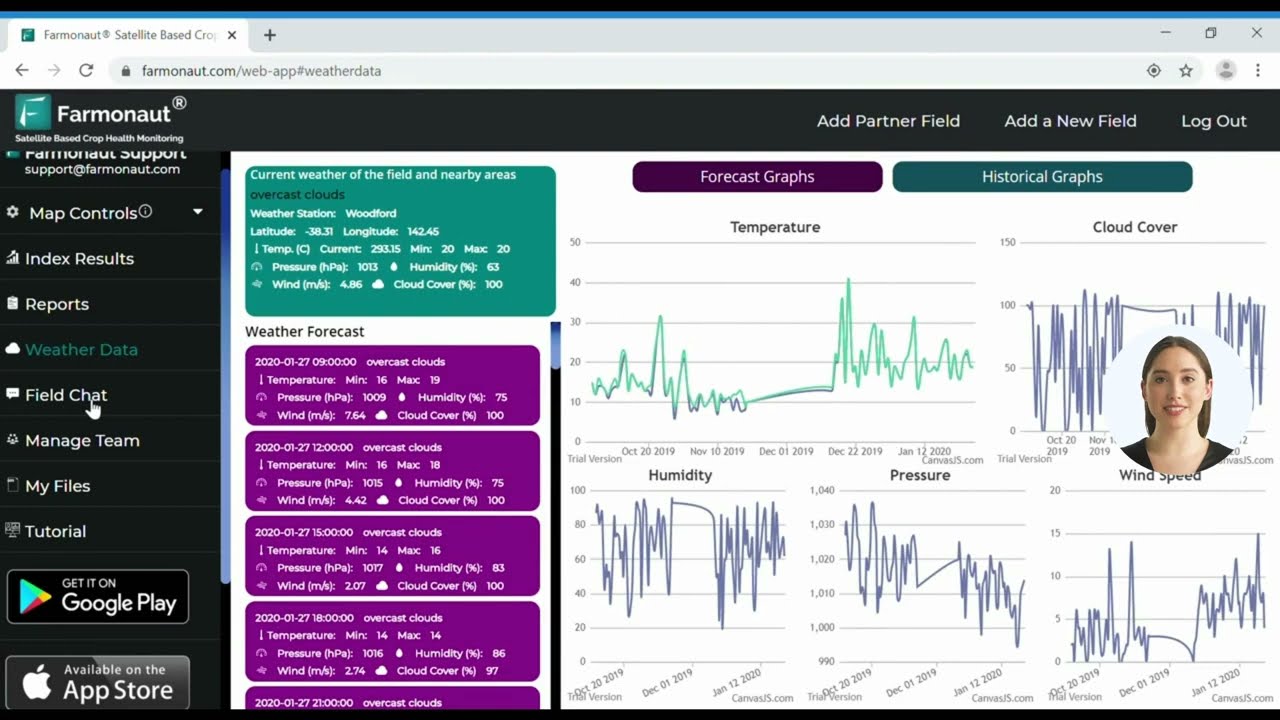
- AI-Based Advisory (Jeevn AI): Real-time data, weather forecasts, pest/disease alerts, and expert crop care suggestions to optimize each growing cycle. This is particularly useful for greenhouses farming, where conditions can change rapidly within a closed environment.
- Resource & Carbon Management: Our platform allows large greenhouse businesses and agribusinesses to track energy usage, carbon emissions, and sustainability KPIs—vital for compliance and future-proof operations (Learn about our Carbon Footprinting Solutions).
- Farm Automation and Large Scale Monitoring: Via web, mobile apps (Android & iOS), and APIs, users can monitor operations for thousands of hectares—ideal for national missions and commercial growers (See Large Scale Farm Management Features).
- API Access: Developers can access our API and Developer Docs to integrate precision agriculture data into third-party apps, agri-startup solutions, and institutional dashboards.
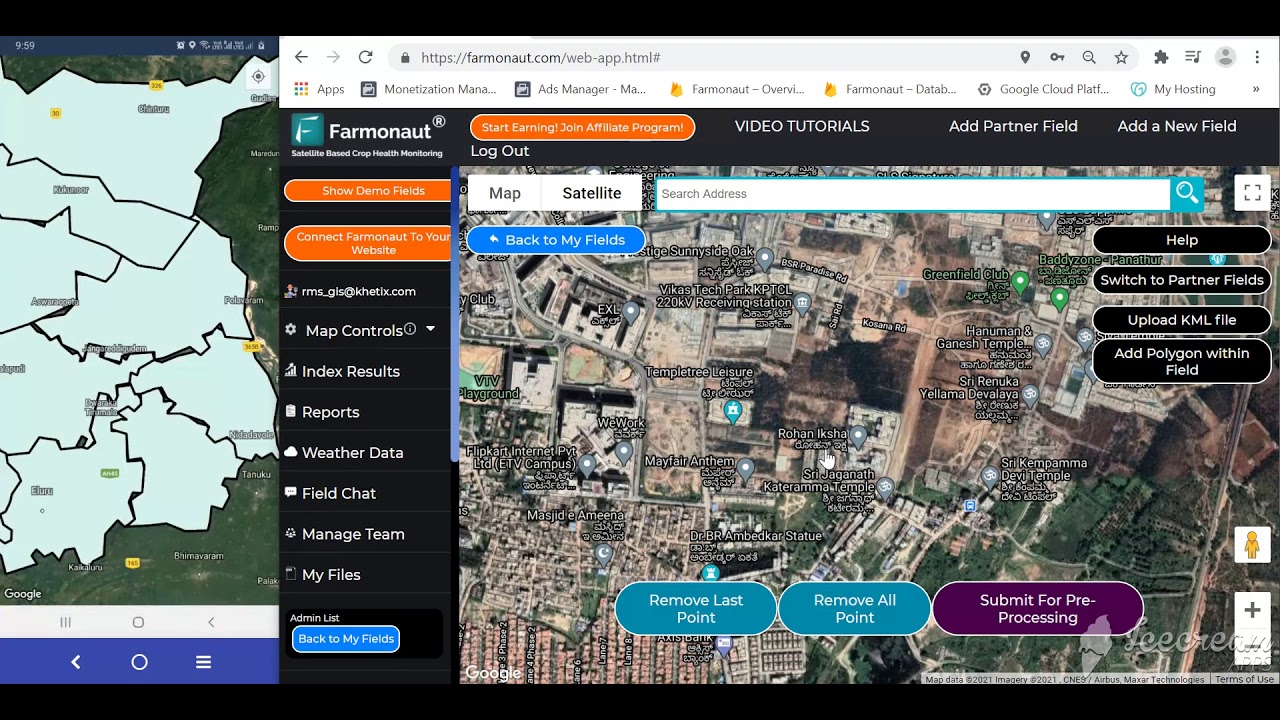
See how we are helping farmers keep records, analyze data, and boost resilience—with no hardware or enterprise cost barriers.
Explore our Satellite-Based Crop Loan and Insurance Verification Tools
By lowering the cost of advanced monitoring, we make greenhouse and field farming equally data-transparent and future-ready.
Key Trends & The Future of Greenhouse Farming Solutions
With food security, environmental sustainability, and resource optimization at the forefront of global concerns, greenhouse farming solutions will play an ever-expanding role through 2025 and beyond. Key trends shaping the future landscape of Indian and global agriculture include:
- Smart Farming Convergence: Satellite, IoT, drone, and greenhouse data streams converge into comprehensive farm management ecosystems with AI-driven advisories and blockchain traceability.
- Decentralized Mini-Greenhouses: Tailored, modular protected environments for smallholder farmers increase inclusivity—in both rural and urban areas.
- Serious Focus on Sustainability: Eco-friendly materials, on-site resource recycling, integration of renewables, and carbon-neutral operations become industry norms.
- Genetic Advancements: Increasing development and deployment of high-yield, stress-resistant crop varieties specifically bred for greenhouse conditions.
- Robust Policy Support: Government incentives, streamlined credit, and subsidies encourage not just infrastructure building, but also research and digital training for greenhouse management.
- Strengthened Market Linkages: Direct farm-to-market traceability and export support for greenhouse produce.
The convergence of these trends is set to revolutionize both commercial and smallholder agriculture in India, making climate-resilient, sustainable cultivation accessible to all.
See our Carbon Footprint Tracking Solutions to ensure compliance with evolving environmental norms.
Farmonaut Platform: App, API & Subscription Links
Access advanced, affordable farm management via Farmonaut:
- Farmonaut Web App – For real-time greenhouse and field monitoring from your browser.

- Farmonaut Android App
- Farmonaut iOS App

- Large-Scale Farm Management Platform
- Carbon Footprinting & Sustainability Module
- Product Traceability (Blockchain)
- Fleet & Resource Management Tools
- Crop Loan & Insurance Remote Verification
Frequently Asked Questions: Greenhouse Farming Solutions India 2025
What are the main advantages of greenhouse farming solutions over traditional open-field agriculture?
Greenhouse farming solutions allow for year-round, high-yield production; controlled microclimates; enhanced pest/disease management; reduced resource use; and greater crop quality and profitability.
Is greenhouse farming affordable for small and marginal Indian farmers?
Ongoing government subsidies, affordable financing, low-cost modular greenhouse models, and digital management platforms (such as those provided by us at Farmonaut) are rapidly democratizing access.
Which crops grow best in Indian greenhouses?
Tomatoes, capsicum, cucumber, strawberry, lettuce, exotic vegetables, cut flowers (roses, gerbera), medicinal herbs, and microgreens are highly suited to greenhouse cultivation.
What technological advancements are most important for greenhouse growers in 2025?
Automated climate control, LED lighting, hydroponic systems, satellite/AI monitoring, vertical integration, blockchain traceability, and renewable energy adoption.
How does Farmonaut support greenhouse farmers?
We offer satellite crop health analytics, AI-based advisory, carbon and resource management, blockchain traceability, and digital platforms for large-scale and smallholder monitoring—via web, mobile apps, and APIs.
Can greenhouse farming solutions help with climate change adaptation?
Yes, by providing resilience against erratic weather, ensuring reliable yields, and supporting resource efficiency and carbon tracking, greenhouses are a primary tool for climate adaptation in Indian and global agriculture.
Where can we learn more about Farmonaut’s precision agriculture solutions?
Visit our platform, download our mobile apps, or explore our API access and documentation.
Conclusion: Building a Resilient, Sustainable Agriculture for India’s Future
Greenhouse farming solutions are revolutionizing agriculture in India and worldwide. By enabling controlled, protected, and resource-efficient crop production, they directly address food security, climate adaptation, and sustainability challenges expected to intensify in 2025 and beyond. Advances in climate automation, AI monitoring, and precision resource management—pioneered by platforms such as ours at Farmonaut—are making greenhouse farming more affordable, scalable, and impactful for everyone from smallholder farmers to large-scale commercial operations.
In the coming years, the integration of digital technology, renewable energy, innovative business models, and strong policy support will steer Indian agriculture toward greater resilience and prosperity. Greenhouse farming, as an essential part of this ecosystem, will ensure stable incomes, nutritious food supplies, and responsible stewardship of our natural resources.
Are you ready to embrace the future of farming? Explore Farmonaut’s suite of affordable, high-impact solutions and join the agricultural revolution in 2025!

 Saraswati Agro
 Geno
Geno Hayleys Agriculture
 Linx Agritech
 Adinet
 Save Your Soils
 Grandstream Algérie
 XOS Realty
 Geospatial Lab Africa
 Agro La Gándara
 HIPSAC
 ZOL Zimbabwe
 Juligerm
 AdBio
AdBio MISE Maroc
 NWNS
NWNS
