

Indian Agriculture Current Status 2025: Innovations & Trends
“By 2025, over 60% of Indian farmers are expected to use mobile apps for agricultural information and market access.”
- Summary: Current Status of Agriculture in India 2025
- Indian Agriculture Trends: 2020 vs 2025
- Production and Productivity Trends
- Technological Integration (Focus Keyword)
- Government Policy and Initiatives Supporting Agriculture
- Climate Change & Environmental Management
- Challenges & Opportunities in Indian Agriculture 2025
- The Future of Indian Agriculture
- Farmonaut: Digital Solutions for Sustainable Growth
- FAQ: Indian Agriculture Status 2025
Summary: Current Status of Agriculture in India 2025
The current status of agriculture in India 2025 remains pivotal for both national food security and rural livelihoods. Indian agriculture stands as the cornerstone of the country’s economy, providing livelihood to nearly 60% of the population and contributing approximately 17-18% to the national GDP. In 2025, the sector reflects not only the legacy of the Green Revolution but also substantial technological transformations. Despite persistent challenges—ranging from climate change, water scarcity, and fragmented landholdings to infrastructure and post-harvest losses—the sector is witnessing a decisive shift toward innovation, sustainability, and inclusive growth.
With the steady adoption of precision technologies, smartphone apps, AI-driven solutions, advanced irrigation, and supportive government policies, the agriculture status India 2025 is more robust and forward-looking than ever before. Regional disparities remain, but efforts toward integration, resource efficiency, market access, and environmental management are shaping a new trajectory for Indian agriculture in the digital age.

Launch Farmonaut Precision Farming App
Indian Agriculture Trends: 2020 vs 2025
| Parameter | 2020 (Estimated) | 2025 (Estimated) | Innovation Impact |
|---|---|---|---|
| Precision Farming Adoption | ~12% | ~35% | Widespread digital & satellite tools, affordable platforms |
| Mobile App Usage by Farmers | ~29% | ~62% | AI-driven apps, instant market access, advisory at scale |
| Irrigation Coverage (% of Gross Cropped Area) | ~50% | ~62% | Smart irrigation, micro-irrigation, remote monitoring |
| Average Crop Yield (kg/ha, cereals) | 3,020 | 3,340 | Better seeds, precision management, real-time alerts |
| Tech Adoption Rate in Smallholders | Low (~9%) | Moderate (~28%) | App-based tools, easy access via mobile & subsidies |
| Government Agri-Tech Programs | Initiated | Scaled Nationwide | Integration with digital India, farm data platforms |
| Climate Smart Practices | Niche | Expanding | Wider adoption of water-saving, carbon tracking |
Production and Productivity Trends: Agriculture Status India 2025
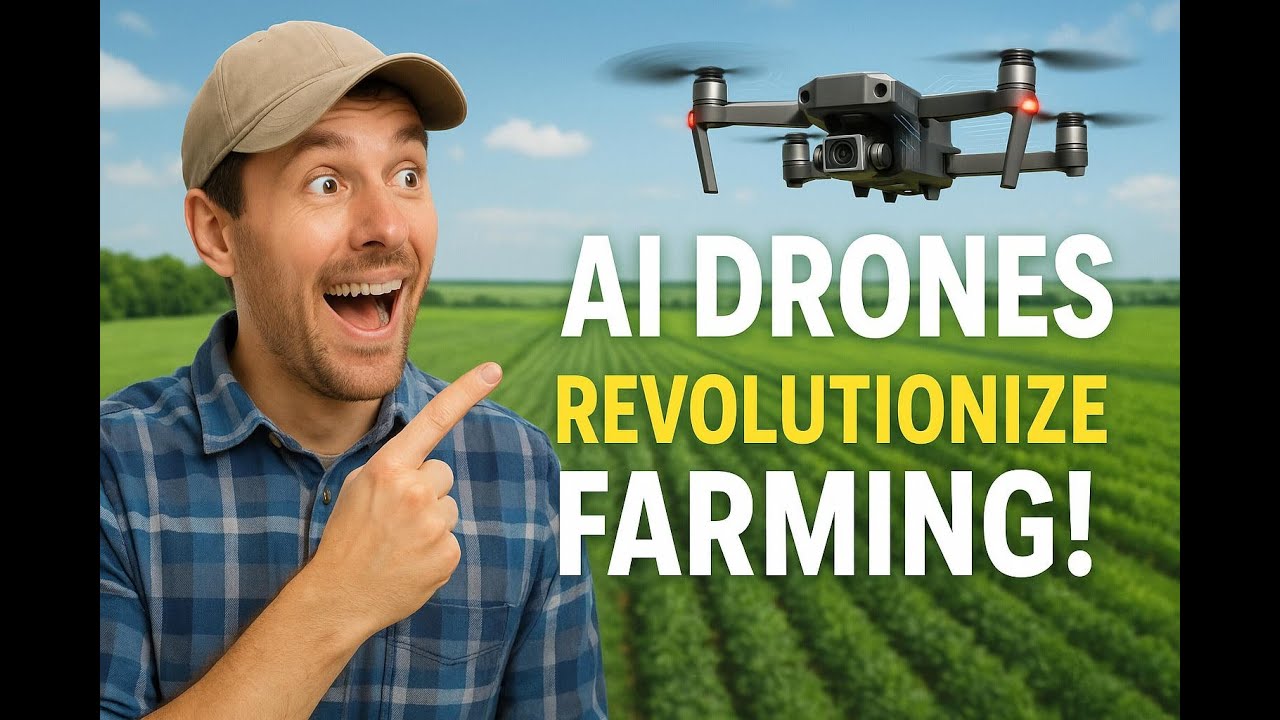
The current status of Indian agriculture 2025 shows consistent growth in both total production and per-hectare productivity. The trajectory is shaped by advances in seed technology, improved irrigation, and integrated pest management systems. After the Green Revolution laid a sturdy foundation, we have entered a new wave marked by precision agriculture and biotechnology—a transformation supported by data-driven solutions such as those provided by innovative platforms.
- High-yield variety seeds: Consistently used for staples like rice, wheat, and maize; yield increases, especially in Punjab and Haryana.
- Production diversification: Expansion into horticulture, fruits, vegetables, and floriculture is catering to emerging domestic and export markets.
- Regional disparities: Productivity varies widely across regions due to differences in soil quality, water availability, access to technology, and exposure to government programs.
Punjab, Haryana, and Andhra Pradesh lead with higher yields due to robust infrastructure, irrigation, adoption of new technologies, and continuous government support. In contrast, rain-dependent regions in central and eastern India continue to struggle with lower productivity due to persistent challenges in irrigation and climate variability.

Download Farmonaut for Android
Trends Reflecting Steady Growth in Indian Agriculture
- Stable increase in total crop output for staples (especially rice and wheat)
- Adoption of advanced farmer advisory tools leveraging AI, machine learning, and data analytics
- Expanded outreach of farmer producer organizations (FPOs)—offering economies of scale in input procurement and market access
- Gradual shift from subsistence farming to commercial orientation, aided by connected supply chains and value-added processing
In summary, current status of agriculture in India 2025 reflects both resilience and innovation, with future-ready segments emerging, yet significant performance gaps and infrastructure needs still exist in underdeveloped zones.

Technological Integration: Indian Agriculture Sector Current Status 2025
If there is a single force redefining the current status of Indian agriculture 2025, it is the accelerated adoption of technology across the agricultural value chain. This critical shift is driven by a combination of digital infrastructure, affordable smartphones, data access, and innovation platforms.
Top Technological Trends Shaping Agriculture in 2025
- Mobile Apps: More than 60% of farmers regularly use mobile apps for weather, market prices, pest alerts, and crop advisory. Services extend from sowing schedules to market price discovery and subsidies.
- Drones & Satellite Monitoring: Widespread deployment of drones (for real-time crop monitoring, mapping, pesticide spraying) and satellite-based farm management unlocks efficiency and resource optimization.
- AI & Machine Learning: Predictive analytics anticipate pest outbreaks, soil health issues, and climate risks—enabling precise, timely intervention.
- IoT-Enabled Irrigation: Smart irrigation systems connected via IoT optimize water use, reduce waste, and increase resilience against erratic rainfall and scarcity.
- Blockchain Traceability: Pilots and early adoption are strengthening farm-to-fork transparency, product authentication, and reducing market fraud.
The integration of digital technology is more than a trend—it marks a paradigm shift. The management of crop health, soil quality, irrigation, pest outbreaks, and market access is now guided by advanced analytics and data-driven insights.
Startups and technology providers offer powerful yet affordable tools. For example, the Farmonaut satellite-based platform empowers users to access carbon footprinting and blockchain-based traceability functions—helping track, verify, and optimize sustainability metrics on their own farms.
- Jeevn AI advisory: AI-powered, real-time crop & weather insights help optimize decision-making for every farmer, reducing risk and enhancing productivity.
- Crop Health Monitoring: Multispectral satellite imagery delivers early warnings on crop stress—enabling timely action on irrigation, fertilization, pest management, thus reducing losses and maximizing yield potential.
- Blockchain Traceability: The journey from farm to consumer is now more transparent, instilling trust between farmers, processors, and retailers.
Discover Farmonaut’s Blockchain Product Traceability for Agricultural Supply Chains
Benefit: Ensures authenticity, prevents fraud, and provides supply chain-wide transparency—vital for Indian and export markets in 2025 and beyond.
Role of Mobile and Data Platforms
- Mobile Penetration: Dominance of low-cost smartphones has democratized access to agricultural information.
- Government e-Marketplace Integration: Digital mandis and unified platforms ensure farmers from remote states in central, eastern, and hilly India can access national markets and get better prices for their produce.
- APIs for Developers: Open APIs (such as Farmonaut’s Satellite & Weather API) allow seamless integration of satellite data into third-party agricultural advisory systems.
Access Farmonaut’s API for Custom AgriTech Application Development

Conclusion: The prominent use of data and digital platforms across India is transforming not just large, but also smallholders’ farm management, ushering in a new era where the current status of agriculture in India 2025 is characterized by connectivity and precision.
“India’s agri-tech market is projected to reach $24 billion by 2025, driven by rapid technology adoption.”
Government Policy and Initiatives: Supporting Agriculture Status India 2025
Government policies remain foundational in shaping the current status of Indian agriculture 2025. Recognizing the sector’s pivotal role, the Indian government is proactive in reforms to address challenges related to prices, market integration, environmental management, rural infrastructure, and credit access.
- Minimum Support Price (MSP): Regularly updated MSP ensures farmers receive remunerative and predictable incomes, reducing risk from market volatility.
- Direct Cash Transfers: Programs like PM-Kisan provide timely financial relief, directly depositing subsidies to farmers’ accounts and motivate the continued advancement of productivity.
- Micro-Irrigation & Infrastructure: Extensive government-backed projects are steadily increasing coverage of sustainable irrigation solutions, vital for water-scarce states.
- Reforms in Market Integration: The linking of local mandis to national e-platforms decreases dependence on middlemen and improves farmer bargaining power—especially for small and marginal holders.
- Soil Health Card Scheme: Continued expansion helps farmers receive region-specific recommendations for fertilizer and nutrient management—optimizing costs and enhancing yields.
- Support for Farmer Producer Organizations (FPOs): Empowering smallholders to consolidate produce, reduce transaction costs, and access larger markets.
- Focus on Post-Harvest Infrastructure: Strategic funding for cold storages, food processing units, warehousing, logistics, and rural connectivity to reduce post-harvest losses.
Examples of Digital Policy Tools:
- Online agricultural market information portals and e-auction mechanisms.
- Integration with mobile-based direct benefit transfers for subsidy assurance.
Conclusion: These extensive programs and reforms are supported by a vision to ensure food security, improve farmer livelihoods, and make the sector globally competitive.
Climate Change & Environmental Management: Indian Agriculture Current Status 2025
Climate change is a formidable challenge, deeply influencing the current status of Indian agriculture 2025. The trajectory of the sector depends on adaptive and resilient strategies to tackle erratic rainfall patterns, rising temperatures, increased droughts, and unexpected floods, all becoming more frequent and severe.
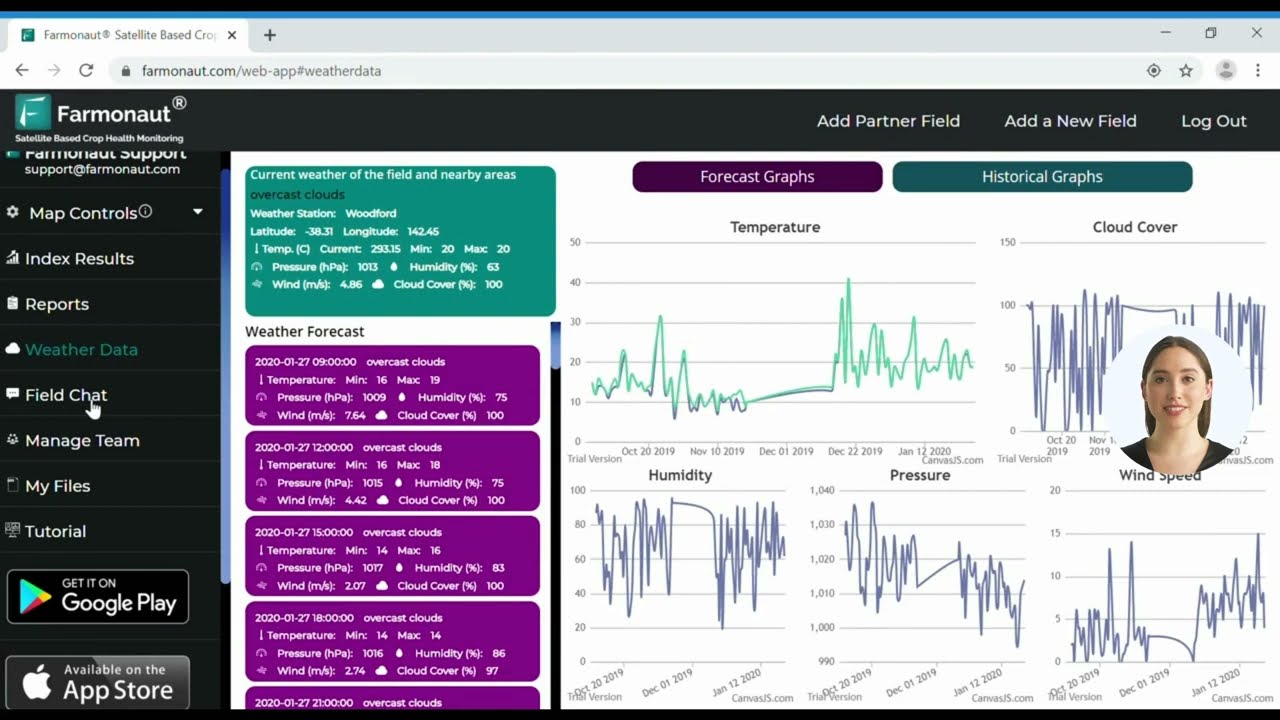
- Water-Saving Technologies: Drip irrigation, smart controllers, and moisture sensors promote water-use efficiency—reducing stress on scarce reserves, especially in arid states.
- Climate-Resilient Crop Varieties: Genetically improved seeds offer better tolerance to heat, drought, and flooding, securing stable yields even in challenging seasons.
- Pest and Disease Dynamics: Shifting temperature and humidity patterns increase outbreaks, but tech-enabled predictive alerts help minimize the spread and impact on crops.
Regional Variation: While adaptation is more advanced in Punjab and Andhra Pradesh, rainfed areas in central and eastern India continue to struggle with unreliable water, limited access to resources, and higher susceptibility to climate shocks.
Sustainable Agriculture Practices Gaining Ground
- Organic Farming: Driven by both domestic and export demand, organic practices are being supported by training, market development, and certification programs.
- Integrated Nutrient Management: Use of organic and inorganic sources to maintain soil health long-term, reducing chemical dependency and promoting environmental stewardship.
- Agroforestry and Crop Diversification: Multi-layered farming enhances ecosystem services, improves carbon sequestration, and increases resilience against market and climate shocks.
Explore Farmonaut’s Carbon Footprinting for Sustainable Farm Management
Benefit: Monitor and reduce greenhouse gas emissions, ensuring compliance with environmental regulations and catering to sustainability-conscious consumers.
Crop Residue Management & Reducing Stubble Burning
To tackle air pollution and soil degradation, government programs and digital monitoring tools incentivize safe residue management and alternative uses of stubble.
Challenges & Opportunities: Agriculture Status India 2025
The current status of agriculture in India 2025 features both enduring challenges and expanding opportunities.
Key Challenges
- Fragmented Landholdings & Small Sizes: Over 86% of Indian farmers are small/marginal, complicating the adoption of mechanization and efficiency-enhancing technologies.
- Rural Infrastructure Gaps: Limited storage, warehousing, road connectivity, and market access hinder post-harvest management.
- Credit & Insurance Accessibility: Smallholders, especially women and marginalized groups, face challenges getting timely and adequate finance.
- Post-Harvest Losses: Insufficient cold storages and efficient processing result in 20–30% loss in perishables annually.
- Climate Vulnerability: Unpredictable weather, erratic rainfall, and new pest patterns increase risk.
Opportunities & Pathways to Growth
- Value Addition & Agro-Processing: Investment in food processing unlocks better income for farmers and enhances export potential.
- Allied Sectors: Growth in dairy, poultry, and fisheries supports diversification—providing non-farm employment and reducing over-dependence on traditional cropping patterns.
- Skill Development: Training rural youth in digital, sustainable, and value-addition skills is creating a dynamic workforce prepared for an innovation-driven future.
- Expansion of Digital Platforms: Advanced monitoring and management platforms, such as those offered by Farmonaut, support affordable and scalable solutions for both individual farmers and agribusinesses.
See Farmonaut’s Large Scale Farm Management Solution for Commercial Farms
Benefit: Centralizes field operations, crop tracking, and decision support, empowering agribusinesses to operate efficiently at scale.

The Future of Indian Agriculture: Shaping a Resilient Trajectory
Looking ahead, the future of agriculture in India is defined by technology-driven, sustainable, and inclusive growth. The current status of agriculture in India 2025 is the springboard for a trajectory that will see greater automation, integration of AI, blockchains, precision meteorology, and digitally managed supply chains.
- Smart Farming: Increased reliance on digital platforms and sensors means decisions on irrigation, pest control, and fertilizer use will be increasingly data-driven.
- Sustainable Intensification: Higher yields with fewer inputs, emphasis on environmental stewardship, and focus on carbon neutrality.
- Digital Marketplaces: Farmers, even in remote states, will directly participate in national and export markets, reducing exploitation by intermediaries.
- Empowered Smallholders: Affordable precision tools, improved credit access and insurance, and FPO support will drive heightened productivity among small and marginal farmers.
The critical gaps to address remain: closing regional disparities, bridging infrastructure deficits, and ensuring technology adoption is widespread, not just limited to progressive regions. As the sector continues to evolve, data-driven solutions and multi-stakeholder collaboration—across government, innovators, and farmers—will underpin resilience, sustainability, and prosperity.
Learn About Farmonaut’s Solutions for Crop Loan and Insurance Verification
Benefit: Enables satellite-based verification, streamlining loan & insurance approvals and reducing fraud—vital for financial inclusivity.
Farmonaut: Digital Solutions for Sustainable Growth in Agriculture 2025
As a pioneering agricultural technology company, we at Farmonaut are committed to making precision agriculture affordable and accessible for farmers in India and worldwide. Our integrated, data-driven approach directly addresses many of the sector’s most pressing challenges in 2025.
What Services Do We Provide?
- Satellite-Based Crop Health Monitoring: Multispectral imaging reveals real-time vegetation health, soil moisture, pest signatures, helping plan irrigation, fertilization, and integrated pest management.
- Jeevn AI Advisory: Personalized, AI-powered advisories for crop management, weather risks, and resource optimization—delivered to every farmer’s mobile device.
- Blockchain Product Traceability: Complete, secure visibility from field to market enhances trust and guarantees supply chain transparency.
- Fleet & Resource Management: Farmers and agribusinesses efficiently manage logistics and machinery, reducing costs and maximizing safety.
- Carbon Footprint Tracking: Real-time emissions data empowers users to advance sustainability goals and comply with global regulations.
Our Value Proposition for the Indian Agriculture Sector in 2025
- Cost-Effective Precision: Unlocking advanced, satellite-powered farming insights without the need for costly, on-field hardware.
- Scalable Platform: Serving individual smallholders, large farmers, corporations, and governments alike—where users select and scale features as per their needs.
- Mobile & Browser Solutions: Accessible anywhere via Android, iOS, web app, and API for maximum convenience.
- Financial Access: By helping banks and insurers verify farm status remotely, we bring more affordable loans and insurance to rural communities.
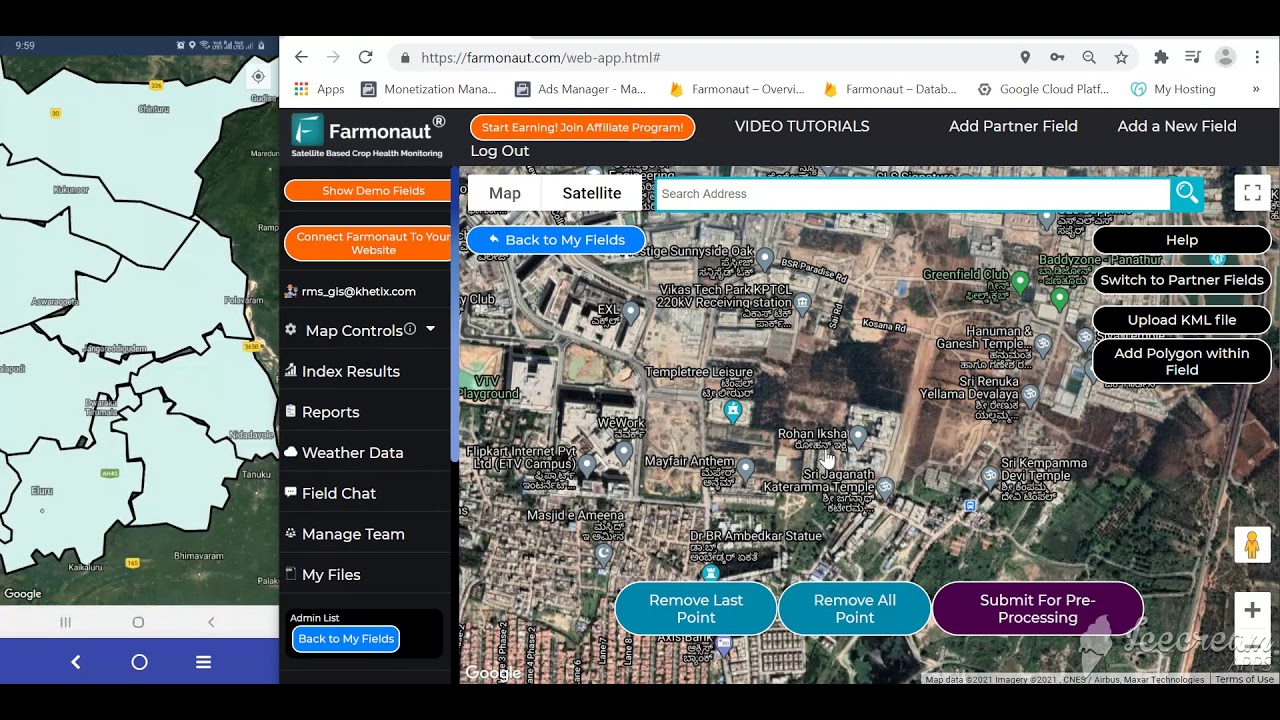
Try the Farmonaut Web App for Real-Time Agriculture Insights
Fleet Management: Efficiently Track & Control Farm Machinery
Benefit: Optimize field logistics, save fuel, and streamline agricultural operations at any scale.
Learn more about our end-to-end solutions:
- Crop & Plantation/Farm Advisory for evidence-based decision-making.
- Carbon Footprinting for sustainability tracking.
- Large Scale Farm Management for plantations and agribusinesses.
Download Farmonaut Android App

Download Farmonaut iOS App
FAQ: Indian Agriculture Status 2025
-
What is the current status of agriculture in India 2025?
The sector is in a phase of steady productivity growth, widespread tech adoption, and sustained government support. Challenges remain in infrastructure, climate change adaptation, and market access, but trends indicate a robust and future-ready transformation. -
What are the main technological innovations in Indian agriculture 2025?
Precision farming tools (satellite and drone monitoring), mobile apps, AI-based advisories, blockchain traceability, and IoT-enabled machinery are key innovations. -
How does Farmonaut contribute to Indian agriculture?
We provide satellite-based crop health monitoring, AI-driven advisory, blockchain traceability, and resource management tools—making advanced farm management accessible, affordable, and scalable for Indian farmers and agribusinesses. -
What major government policies support the agriculture sector in 2025?
Regularly updated MSP, expanded direct cash transfer schemes, policy-driven market integration, and promotion of micro-irrigation and FPOs are pivotal measures. -
How is sustainability addressed in Indian agriculture sector current status 2025?
There is a noticeable shift to climate-resilient crops, water-saving technologies, agroforestry, organic farming, and carbon footprinting—supported by greater consumer and regulatory emphasis on sustainable practices. -
What are the most pressing challenges for Indian farmers in 2025?
Fragmented landholdings, limited credit and insurance access, post-harvest losses, infrastructure gaps, and climate unpredictability are the key challenges—though technology is making notable inroads to address these.
Conclusion: Indian Agriculture’s Promising and Pivotal Future
The current status of agriculture in India 2025 is marked by a potent blend of challenges and possibilities. The sector remains a cornerstone—providing livelihood to nearly 60% of the population and a significant share of the GDP. Due to the decisive embrace of technological innovation, robust policy backing, and growing environmental consciousness, Indian agriculture is better equipped to face the future.
As digital platforms, data-driven insights, and sustainability models continue to evolve, all stakeholders—from smallholders in Punjab and Andhra Pradesh to agri-businesses and policymakers—have tangible opportunities to strengthen productivity, resilience, and inclusion. The successful navigation of persistent issues—such as climate adaptation, market access, and infrastructure modernization—will determine the pace and breadth of agricultural transformation, not only for 2025 but for decades to come.
With Farmonaut’s digital solutions, Indian farmers and the broader agricultural ecosystem can confidently embark on this promising trajectory—empowering both rural economies and national food systems.

 Elders
 Agritein
 Delicio
 Payagri
 WB Dev
 Sama Premium
 Prochecker
 Tres Valles
 LACOS Geoinformation
 Magrifly
 LatConnect 60
 WebsEdge
 Blickwinkel
 Agricultural Credit Policy Council
 Marei Nursery
 eKGIS
eKGIS Mostas Tech
 Andex
Andex FCF India
