

Agriculture and Climate Solutions: 2026 Innovations in Developing Countries
“In 2025, sustainable irrigation innovations are projected to boost water efficiency by up to 35% in developing countries.”
Table of Contents
- Summary: Advancements and Opportunities in 2025–2026
- Drivers and Trends Defining Agriculture and Climate Solutions in Developing Countries (2026)
- Sustainable Irrigation and Agricultural Water Pumping Innovations
- Pumping Technologies and “Agriculture Pumping Solutions Near Me”
- Video Insights: Global Perspective on Smart Agriculture Solutions
- Building Resilient Farming Systems: Advances Beyond Irrigation
- Comparative Innovations Table: Agriculture & Climate Solutions (2025–2026)
- Farmonaut’s Role: Satellite Insights for Modern Agricultural Management
- Policy, Finance, and “Agriculture Climate News October 2025”
- Rural Infrastructure, Capacity Gaps, and Remaining Challenges
- FAQ
- Conclusion: Charting a Sustainable Path for Agriculture and Climate Solutions in Developing Countries
Summary: Advancements and Opportunities in 2025–2026
Agriculture and climate solutions in developing countries have become essential as the world grapples with escalating climate impacts. In 2025 and moving into 2026, farmers, rural communities, and policy-makers face significant challenges, such as erratic weather patterns, water scarcity, soil degradation, and growing food insecurity. However, these challenges are spurring a wave of innovative, climate-smart technologies—especially in sustainable irrigation and agricultural pumping. With advanced sensor-driven water management, wider adoption of solar pumps, diversified cropping, and data-backed decision-making on the rise, agriculture in developing countries is evolving to be more resilient, efficient, and sustainable.
This blog explores the cutting-edge solutions shaping agriculture in developing countries by 2026, focusing on smart irrigation, energy-efficient water pumping, climate-resilient practice adoption, rural infrastructure upgrades, and policy developments. We include global perspectives—from sub-Saharan Africa to South Asia to Latin America—and spotlight how advanced data services, like satellite monitoring and AI-driven analytics, are empowering farming communities. If you seek actionable, up-to-date insights on agriculture and climate solutions in developing countries, you’re in the right place.
New solar irrigation pumps and smart sensors are becoming the cornerstone of climate adaptation, slashing water usage and maximizing crop yields for smallholder farmers across Africa and Asia.
Drivers and Trends Defining Agriculture and Climate Solutions in Developing Countries (2026)
The interplay between climate change and agriculture in developing regions is driving several pivotal trends:
- ✔ Rising Adoption of Smart Irrigation: Real-time data on soil moisture and water usage enables precise, data-driven decisions.
- ✔ Renewable-Powered Pumps: Solar and hybrid pumps reduce dependence on fossil fuels, cutting long-term costs and emissions.
- ✔ Integrated Mobile Applications: Apps support farmers with crop schedules, irrigation alerts, and input advice.
- ✔ Diversified, Resilient Crops: Drought-tolerant and climate-resilient varieties are seeing widespread adoption thanks to improved access and international research.
- ✔ Climate-Responsive Policy: 2025 brings new funding, insurance, and financing mechanisms linked to sustainable farm practices and technologies.
Why Are These Solutions So Critical for Developing Countries?
- 📊 Data Insight: By the end of 2026, up to 70% of smallholder farmers in regions like South Asia, East Africa, and Latin America may face water shortages without sustainable irrigation advancements.
- ⚠ Risk or Limitation: Many solutions require upfront investment and technical training—capacity building and policy support remain essential for widespread adoption.

Sustainable Irrigation and Agricultural Water Pumping Innovations
For many developing countries, irrigation breakthroughs are revolutionizing water management in agriculture. As seasonal rainfall patterns become less predictable, sustainable irrigation and innovative agriculture pumping solutions near me have emerged as lifelines for millions of vulnerable farmers.
- 💧 Climate Impacts Intensify: Erratic weather, droughts, and shifts in seasonal rainfall increase the urgency for reliable water solutions.
- 💡 Solar-Powered Irrigation: Harness abundant sunlight with solar pumps—now a cornerstone of sustainable farming in hot, sunny regions.
- 📱 Precision via Technology: Integrated smart sensors and mobile apps provide real-time soil moisture and irrigation data, optimizing schedules and minimizing waste.
For small-to-medium farmers, collaborating with localized distributors of solar pumps and using “agriculture pumping solutions near me” directories ensures quick access, installation, and after-sales support.
Historically, agriculture pumping often meant inefficient diesel or grid-powered pumps. These rudimentary methods were costly, unreliable, and damaging to both the environment and long-term farm profitability. The response in 2025–2026 is clear: widespread adoption of renewable-powered, locally available pumping systems—from stand-alone solar setups to energy-efficient hybrids.
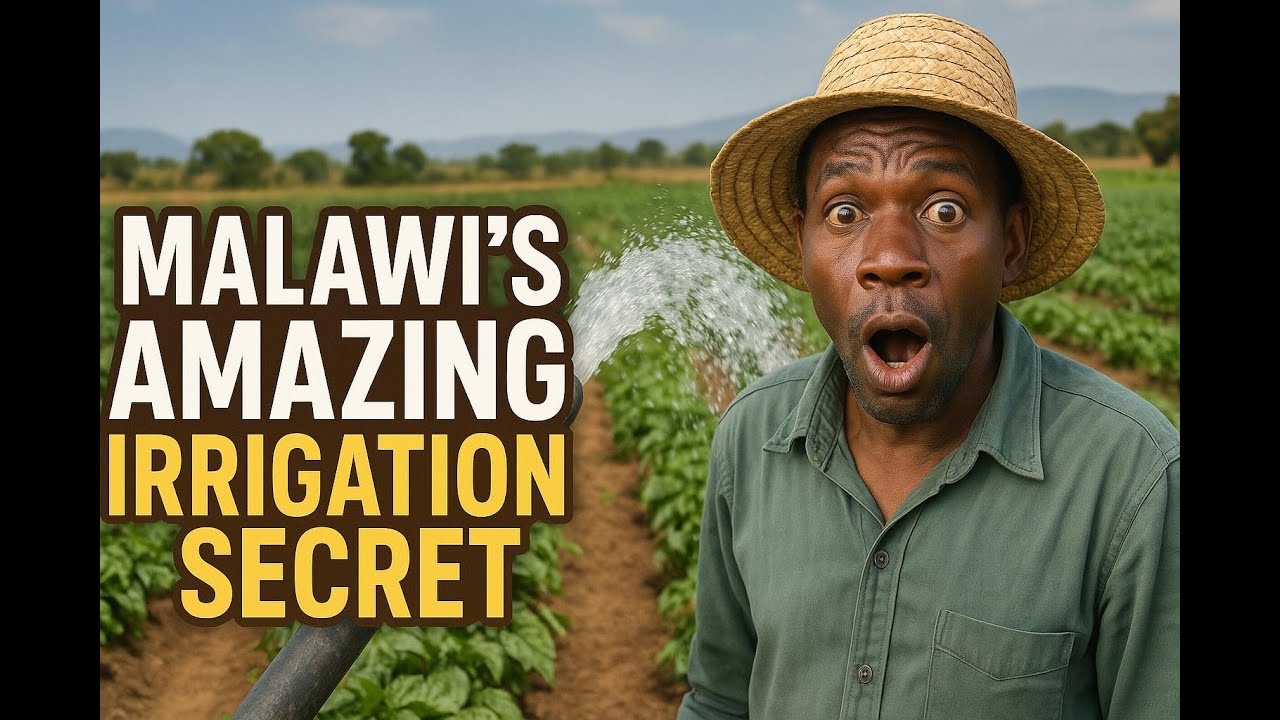
Key Features of Next-Gen Irrigation & Pumping Solutions
- Solar and Hybrid System Integration: Modern solar pumps can function off-grid, with hybrids providing energy flexibility—ensuring consistent supply even in regions with intermittent sunlight.
- Smart Water Management: New systems use AI-guided sensors for optimal water distribution, which saves costs and water (35%+ improved efficiency).
- Localized Distribution Networks: Farmers can now source agriculture pumping solutions near their village or town, with improved support for maintenance and training.

Sustainable Irrigation: Africa, Asia & Latin America in Focus
- ✔ Africa: Uptake of solar pumps in Kenya, Uganda, and Malawi is transforming access for smallholder maize, rice, and horticulture farmers.
- ✔ Asia: In India and Bangladesh, smart irrigation and groundwater monitoring steadily reduce over-extraction and boost productivity.
- ✔ Latin America: Regions like Peru and Brazil see expanded irrigation projects paired with AI-driven analytics to maximize export crop yields.

Benefits and Advantages
- 🌱 Reduced Water Waste: Tailored irrigation schedules via sensors keep water use at a minimum—and yields at a maximum.
- 🌞 Lower Emissions: Solar/hybrid pumps cut greenhouse gas emissions by replacing diesel or grid-based systems.
- 🛠 Easier Maintenance: Locally distributed technology and mobile-based diagnostics mean fewer breakdowns and quicker repairs.
- 💸 Lower Costs Over Time: Solar pumps pay off their upfront investment in 2–4 years through fuel and maintenance savings.
- 🤝 Community Empowerment: More equitable access for women and youth in agriculture, thanks to user-friendly and affordable solutions.

Neglecting periodic maintenance of solar irrigation pumps can reduce system lifespan and lower water efficiency. Set reminders in your farm management app or with trusted localized distributors for regular check-ups.
“Resilient farming systems may reduce climate-related crop losses by 28% across targeted regions by the end of 2026.”
Pumping Technologies and “Agriculture Pumping Solutions Near Me”
Access to locally-appropriate, energy-efficient pumps and sustainable irrigation is a major differentiator for smallholder and medium-sized farmers. The emergence of “agriculture pumping solutions near me” platforms connects rural communities to available, tailored, and maintainable equipment.
- ⚡ Direct Impact: Reduced dependence on grid electricity and diesel fuel through decentralized solar or hybrid pumping systems.
- 💸 Cost Control: Lower operational costs due to less fuel and fewer repairs.
- 🗺 Localized Support: Rural helpdesks, mobile apps, and distributor networks ensure prompt technical assistance and spare parts availability.
Sustainable irrigation and smart pumping are among the top three investment opportunities in agri-tech for 2025–2026. The need for climate resilience and the success of localized distribution models present strong returns, especially across Africa and South Asia.

Visual: Top Five Features of Smart Irrigation Pumps (2026)
- 🚀 Rapid installation via modular design
- 📱 App integration for real-time monitoring & alerts
- 🌞 Solar & hybrid energy flexibility for off-grid usage
- 🛠 Easy on-farm maintenance and spares management
- ♻ Environmentally friendly, reducing emissions & water waste
Video Insights: Global Perspective on Smart Agriculture Solutions
See how cutting-edge AI, NDWI, and satellite monitoring revolutionize precision agriculture, from water management to strategic crop planning.
Explore solutions and applications for smarter, more resilient farming practices:

Building Resilient Farming Systems: Advances Beyond Irrigation
Climate-smart agriculture in 2025–2026 goes beyond water and pumping technologies. Creating resilience to both slow and sudden climatic shifts requires a combined approach:
- Diversified crop selection with drought- and heat-tolerant seeds
- Soil health restoration with organic and cover cropping
- Agroforestry—integration of trees, crops, and sometimes livestock for carbon sequestration, microclimate buffering, and ecosystem restoration
- Advanced digital tools (AI, mobile, satellite) for crop and climate monitoring
- Blockchain traceability for climate-friendly supply chains
- 🌾 Assess risks using satellite-driven large-scale farm management platforms, which provide early warnings for weather, pests, and water scarcity.
- 🌳 Choose diversified, climate-resilient crops and tree species, adapting varieties to evolving climate patterns.
- 🧑🌾 Implement sustainable practices— such as minimum tillage, cover cropping, and optimized fertilizer use—to boost soil health and carbon content. Learn more about agricultural carbon footprinting.
- 🔗 Join climate-smart value chains with digital traceability, using blockchain-based product traceability solutions.
- 💡 Stay informed with regular satellite and weather-based advisory services, available via apps or the web.
Examples of Technologies and Approaches for Climate-Resilient Systems
- 🌱 Regenerative Agriculture: Practices focused on soil health, such as composting and no-till, restore nutrients and increase water retention.
- 🌾 GIS and Satellite-Based Monitoring: Accurate, field-level mapping supports targeted interventions for pests, disease, or irrigation gaps.
- 🔬 AI-Powered Decision Support: Mobile apps and cloud platforms synthesize climate, weather, and soil data for actionable insights.
- 🌳 Agroforestry: Interplanting trees stabilizes soils and introduces new income streams through timber, fruit, or nuts.
- 🛡 Climate Index Insurance: Satellite data enables better risk prediction and more affordable crop insurance for vulnerable farmers—learn more about crop loan and insurance verification via Farmonaut.
Comparative Innovations Table: Agriculture & Climate Solutions Evolving in Developing Countries (2025–2026)
| Solution Name | Innovation Type | Estimated Implementation Cost (USD) | Estimated Water/Energy Savings (%) | Climate Impact Potential | Applicability Region |
|---|---|---|---|---|---|
| Solar-Powered Irrigation Pumps | Irrigation, Pumping | $900–$2,700 per farm | 30–50% | High | Africa, Asia, Latin America |
| Hybrid (Solar+Biodiesel) Pump Systems | Pumping | $1,200–$3,500 per unit | 25–35% | Medium | Rural South Asia, Sub-Saharan Africa |
| SMART Soil Moisture Sensors & AI Platforms | Irrigation, Resilient Farming | $100–$400 per hectare | 25–40% | High | Global, all developing regions |
| Drip Irrigation with Integrated Mobile Apps | Irrigation | $1,000–$2,000 per hectare | 40–55% | High | Asia, Latin America, select Africa |
| Climate-Resilient Seed Varieties | Resilient Farming | $40–$120 per acre | 10–20% | Medium | Asia, Africa, Latin America |
| Agroforestry Integration | Resilient Farming | $200–$2,000 per unit area | 10–30% | High | Africa, Latin America, Asia |
| Blockchain Farm Traceability | Supply Chain, Resilient Farming | $500–$2,000 per project | 5–10% | Medium | Global |
| Weather & Crop Advisory Mobile Apps | Services, Resilient Farming | $0–$100 per user | 10–15% | Medium | Global, rural regions |
| AI-Based Fleet (Tractor) Management | Infrastructure, Resilient Farming | $500–$3,000 per operation | 15–25% | Medium | Asia, Africa, Latin America |
Compare solutions visually using our table: From solar irrigation pumps to blockchain traceability, assess cost, climate impact, and regional fit—find technologies that match your community’s needs!
Farmonaut’s Role: Satellite Insights for Modern Agricultural Management
As the agriculture and climate solutions in developing countries become increasingly data-centric, platforms like Farmonaut provide a transformational edge in monitoring, planning, and executing sustainable strategies at scale.
- 📡 Satellite-Based Crop Monitoring: Our technology supplies multispectral imagery and vegetation health analysis (NDVI) for rapid & accurate insight into crop and soil status.
- 🤖 AI-Powered Jeevn Advisory: Farmonaut’s proprietary AI interprets satellite data to deliver real-time field recommendations, climate advisories, and weather forecasts—all through our easy-to-use web & mobile applications.
- 🔗 Blockchain-Based Traceability: We enable secure, transparent product traceability—crucial for farmers pursuing international markets or seeking premiums for sustainable practices.
- 🌱 Environmental Impact Monitoring: Our solutions support carbon footprint measurement in agriculture, enabling evidence-based approaches to sustainability. Learn more on carbon tracking for agriculture.
- 🚜 Fleet and Resource Management: Optimize operator and machinery usage for large and small farms with farm fleet management services—improving logistics, safety, and cutting costs.
- 💰 Loan and Insurance: Satellite data verifies crop health and land area, simplifying access to crop loans and insurance.
Try Farmonaut for modern climate-smart agriculture management. Start here:



Integrate Farmonaut’s satellite data into your product, platform, or research via API: API Access | API Documentation
Visualize, monitor, and optimize your land—affordably, digitally, and at any scale with Farmonaut.
Policy, Finance, and Agriculture Climate News October 2025
- 🌍 International Climate Finance: Funding and insurance programs are expanding access to sustainable irrigation, resilient crop seeds, and risk transfer services for rural communities.
- 🏦 Innovative Insurance: Satellite-based insurance mechanisms lower farmer risk and encourage adoption of resilience-building technologies.
- 📝 Capacity Building: Governments and NGOs prioritize climate information services, extension training, and inclusive financing as per “agriculture climate news October 2025” updates.
- 🚜 Remote Monitoring and Verification: Satellite-based loan and insurance verification processes, such as those available from Farmonaut, streamline agricultural finance.
Inclusive policy frameworks and climate risk insurance are proving effective in accelerating climate-smart agri-tech adoption in low- and middle-income countries. Fun fact: Over a dozen countries introduced new subsidies for solar irrigation pumps in 2025!
Rural Infrastructure, Capacity Gaps, and Remaining Challenges
- 🚚 Improved Infrastructure: Expanding rural electrification, building all-weather roads, and cold storage reduce food loss and boost market incomes.
- 📢 Extension Services: Digital platforms and mobile apps accelerate knowledge transfer—reducing technical adoption barriers.
- 🧑🏫 Training & Inclusion: Continued investment in farmer education is crucial to make sure solutions reach the most vulnerable.
- 💵 Financial Accessibility: While many technologies offer rapid payback, initial costs are a hurdle without supportive financing mechanisms.
- ⏳ Ongoing Challenge: Fragmented supply chains and lack of localized expertise can still hamper technology performance and scaling.
FAQ: Agriculture and Climate Solutions in Developing Countries (2026)
- What are the most promising agriculture and climate solutions in developing countries?
- Sustainable irrigation solutions like solar-powered and hybrid pumps are at the forefront, combined with smart water management and sensor integration.
- Climate-resilient crop varieties, soil restoration practices, and agroforestry build long-term farming resilience.
- Digital tools—from mobile apps to satellite-based monitoring—accelerate decision-making and resource optimization.
- How can I find agriculture pumping solutions near me?
- Check local agricultural extension offices, peer farmer groups, and officially listed distributors of solar/hybrid pumps in your region. Many now provide interactive maps and digital directories.
- Consider platforms that offer full-service support including installation, maintenance, and training.
- What policy developments shaped agriculture climate news in October 2025?
- Expansion of climate financing, satellite-based insurance, and increased government support for renewable energy in farming top the list.
- Many regions also introduced new rules encouraging sustainable land and water management practices.
- How can Farmonaut help me manage resilience and sustainability?
- With real-time satellite data, AI-powered crop advisory, carbon and environmental impact monitoring, and blockchain-enabled traceability, Farmonaut’s platform supports sustainable agriculture management at every step.
- Is financing available for solar pumps and irrigation upgrades?
- Yes! Many banks, microfinance providers, and international development funds now offer subsidized loans and grants to help farmers adopt climate-smart technology.
Conclusion: Charting a Sustainable Path for Agriculture and Climate Solutions in Developing Countries
In summary, 2025–2026 marks a transformative era for agriculture and climate solutions in developing countries. The momentum is fueled by sustainable irrigation, smart pumping technologies, and holistic resilience-building farming systems. Continued policy support, capacity building, and infrastructure investments are crucial to ensure these solutions reach the world’s most vulnerable and smallest producers.
Future-focused organizations—like Farmonaut—bridge the gap between advanced satellite insights and on-the-ground agricultural realities, making climate-smart agriculture both affordable and actionable for everyone. If you’re a farmer, agri-business manager, policy leader, or ag-tech developer, now is the time to explore, adopt, and share the advances defining the future of agriculture and climate solutions in developing countries.
Explore Farmonaut to bring modern, data-driven agriculture solutions to your operation—today:
Let’s move forward—toward resilience, productivity, and sustainability for all.
Discussion
Questions, corrections or field experience? Share them below. First-time comments are reviewed before they appear, and your email is never published.
No comments yet. Be the first to add a question or your experience.

 Agro La Gándara
 Global Agrifood
 Cazlv
Cazlv HIPSAC
 ZOL Zimbabwe
 Juligerm
 AdBio
AdBio MISE Maroc
 NWNS
NWNS Red August Group
 Farm Inc
 WeMe Global
 Agrotoken
 Blue BearX
 Insignito
 Croptimum
 DnCubed
 Field Capacity
 Indosistim Teknologi
