

Kazakhstan Agricultural Products: 7 Key Trends Shaping 2026
Kazakhstan agricultural products are at the forefront of a dramatic transformation as we approach 2026. The nation’s vast steppe, arable richness, and strategic Eurasian location are propelling the agriculture sector through a crossroads—where age-old strengths grapple with mounting modernization pressures, climate adaptation, and regional competition. In this analytical deep dive, we explore the core trends driving Kazakhstan’s farming and food landscape forward, directly comparing them to Canada’s established agricultural model for fresh insights on sustainable development, market growth, and productivity advancements.
“In 2024, agriculture contributed nearly 5% to Kazakhstan’s GDP, highlighting its vital economic role.”
“Kazakhstan’s wheat exports rival Canada’s, ranking among the world’s top 10 wheat-exporting nations by volume.”
Table of Contents
- 1. Kazakhstan’s Agricultural Sector: 2024 Snapshot and the Rise Toward 2026
- 2. Seven Key Trends Shaping Kazakhstan Agricultural Products in 2026
- 3. Comparative Trend Analysis: Kazakhstan vs Canada (Table)
- 4. Climate, Soil Health & Sustainability Challenges
- 5. Modernization, Digitalization, and Precision Farming
- 6. Infrastructure, Logistics, and Export Market Dynamics
- 7. Sustainable Forestry and Mining-Adjacent Land Management
- 8. Policy, Rural Development & the Role of Digital Solutions
- 9. Frequently Asked Questions: Kazakhstan Agricultural Sector 2026
- 10. Conclusion: The Road Forward for Kazakhstan Agriculture
Kazakhstan’s Agricultural Sector: 2024 Snapshot and the Rise Toward 2026
In 2024, Kazakhstan’s agricultural sector stood as a vital pillar of the national economy. The kazakhstan agricultural products spectrum covers a wide range: from bulk grains like wheat and barley to significant volumes of oilseeds (sunflower, flax), pulses, meat, dairy, and increasingly, processed foods. Agriculture contributed nearly 5% to GDP, signifying a meaningful share of both labor and export earnings. This enduring strength is rooted in Kazakhstan’s vast arable steppe belt, which supports grain and oilseed production at scale and positions the country as a critical supplier on the global markets.
However, as we move toward 2026, Kazakhstan’s agricultural landscape is facing pronounced challenges. These include climate variability, input costs (such as seeds, fertilizers, and energy), post-harvest supply chain bottlenecks, and demands for value-added processing. The need to modernize—adopting digital tools, precision practices, and efficient management—has never been more acute, especially as Kazakhstan competes with major exporting nations such as Canada.




Seven Key Trends Shaping Kazakhstan Agricultural Products in 2026
As Kazakhstan stands at a pivotal crossroads in its agricultural journey, analyzing the seven core trends gives us a forward-looking map for stakeholders, investors, agri-producers, and policymakers who seek resilient, sustainable, and export-oriented growth. Here’s our expert breakdown:
- Transition Toward Higher-Value Production (Pulses, Oilseeds, Dairy, Meat, Processed Foods)
- Modernization Through Digital, Precision, and Data-Driven Agriculture
- Infrastructure Upgrades: Post-Harvest Processing, Storage, and Export Logistics
- Resilience to Climate Variability and Water Management Challenges
- Soil Health Recovery, Input Management, and Sustainable Land-Use
- Learning from Canada: Traceability, Biosecurity, Diversification
- Rural Diversification: Forestry, Agroforestry, & Mining-Linked Rehabilitation
- 🌾 Grain & Oilseed Leadership: Wheat, barley, and sunflowers anchor Kazakhstan’s output; strategic evolution underway.
- 🥩 Meat & Dairy Expansion: Livestock and dairy are drawing investment to meet regional and global demand.
- 🔗 Export Infrastructure: New rail, ports, and cold chains open up markets across Asia, the Middle East, and Europe.
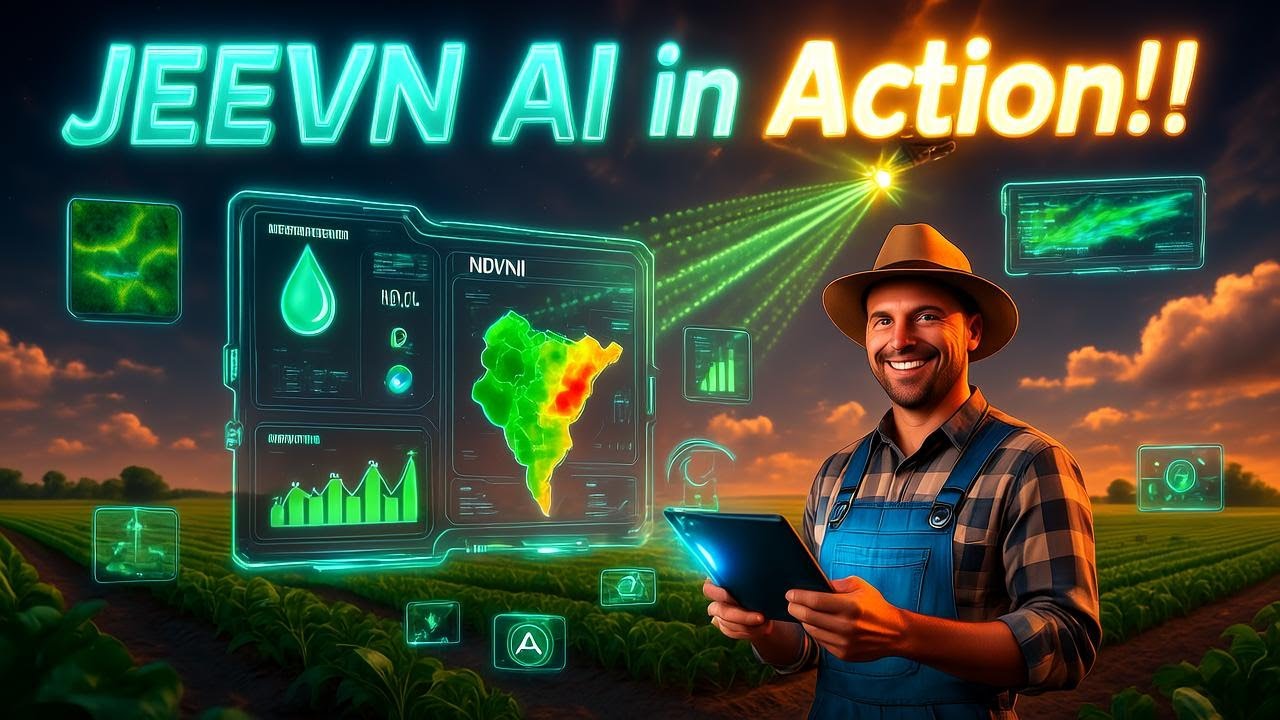
- 🛰️ Digital Precision Growth: Satellite, AI, and blockchain tools drive productivity, efficiency, and traceability.
- 🚜 Sustainable Land-Use: Forestry, afforestation, and rehabilitation of mining-affected zones diversify rural income.
Comparative Trend Analysis Table: Kazakhstan vs Canada in 2026
To understand where Kazakhstan agricultural products sector is headed, it’s crucial to benchmark progress and challenges against a relevant international reference. Canada—global agri-powerhouse widely admired for its precision farming, traceability, and sustainability—offers a rich comparative backdrop.
| Agricultural Product/Category | Kazakhstan: Est. 2024 GDP Share (%) | Kazakhstan: Modernization Status | Kazakhstan: 2026 Trend Forecast | Canada: 2026 Trend | Sustainability Insights |
|---|---|---|---|---|---|
| Wheat | ~1.8 | Advanced mechanization, digital pilot areas | Volume stable, quality upgrades, niche export growth | Steady; focus on traceability, premium markets | Precision irrigation, climate resilience, carbon farming |
| Barley | ~0.4 | Partially modernized | Slow growth, improved post-harvest handling | Stable, biotech adoption | Soil & water conservation, input reduction |
| Oilseeds (Sunflower, Flax, Rapeseed) | ~0.6 | Growing processing capacity | Processing boom, export market expansion | High-tech, diverse exports | Biofuel production, waste valorization |
| Meat (Beef, Poultry, Lamb) | ~0.9 | Significant investment, digital traceability pilots | Export push, quality, certification focus | Premiumization, animal health emphasis | Pasture rotation, health management |
| Dairy | ~0.7 | Modernized in select regions | Yield gains, new processing hubs | Automation, product diversification | Effluent management, energy efficiency |
| Pulses | ~0.3 | Emerging; digital risk analyses | Double-digit output growth | Stable; quality certification | Low carbon, climate-smart crop |
- 🌱 Soil Health Recovery: Adoption of carbon farming, crop rotation, and organic amendments.
- 🚰 Water Efficiency: Smart irrigation technologies reducing wastage.
- 🔒 Traceability: Blockchain-backed supply verification (see Farmonaut Traceability Solutions).
- 🔥 Climate-Smart Adaptation: Drought-resilient cultivars and early warning platforms.
- 🔌 Energy Conservation: Renewable-powered processing, green ammonia in fertilizers.
Climate, Soil Health, and Sustainability Challenges in Kazakh Agriculture
The kazakhstan agriculture problems in 2025 and beyond largely stem from climate variability, soil erosion, salinization, and a need for sustainable land management. Harsh winters (frost zones), periodic drought risk, and variable rainfall scuttle consistent yields and complicate farm planning. Water security has emerged as the number one concern in several productive regions.
Soil fertility, too, faces mounting pressures from intensive grain farming. Declining organic matter, erosion, and the risk of salinization limit long-term productivity unless countered with precision management. Here, adopting new generation AI tools, such as our own satellite- and AI-based solutions, can deliver ongoing, field-scale soil health monitoring and targeted recovery recommendations.
Integrate real-time satellite data and AI-based soil health advisory from platforms like Farmonaut to anticipate problem patches and proactively optimize for fertility, crop rotation, and carbon sequestration. Learn about affordable carbon footprinting for farmers.
- 🥇 Key Benefit: Soil monitoring empowers tailored fertilization and reduced input costs.
- 📊 Data Insight: ~15% yield swing linked to variable soil organic matter and drainage across steppe farmland.
- ⚠ Risk or Limitation: Ignoring early signals of soil degradation can halve productive lifespan of fields.
- 🖥️ Efficiency Gain: Remote satellite sensing allows for bi-weekly field diagnostics, even in vast and remote areas.
- 🪴 Sustainable Solution: Carbon farming and precision irrigation are emerging as the foremost climate resilience tools in the Kazakh context.
Modernization, Digitalization, and Precision Farming for 2026
If there’s one defining challenge and opportunity for Kazakhstan’s agricultural future, it’s modernization. The sector is shifting from bulk commodities toward upgraded, precision-managed, high-value production—mirroring, in many ways, Canada’s progress over the past decade.
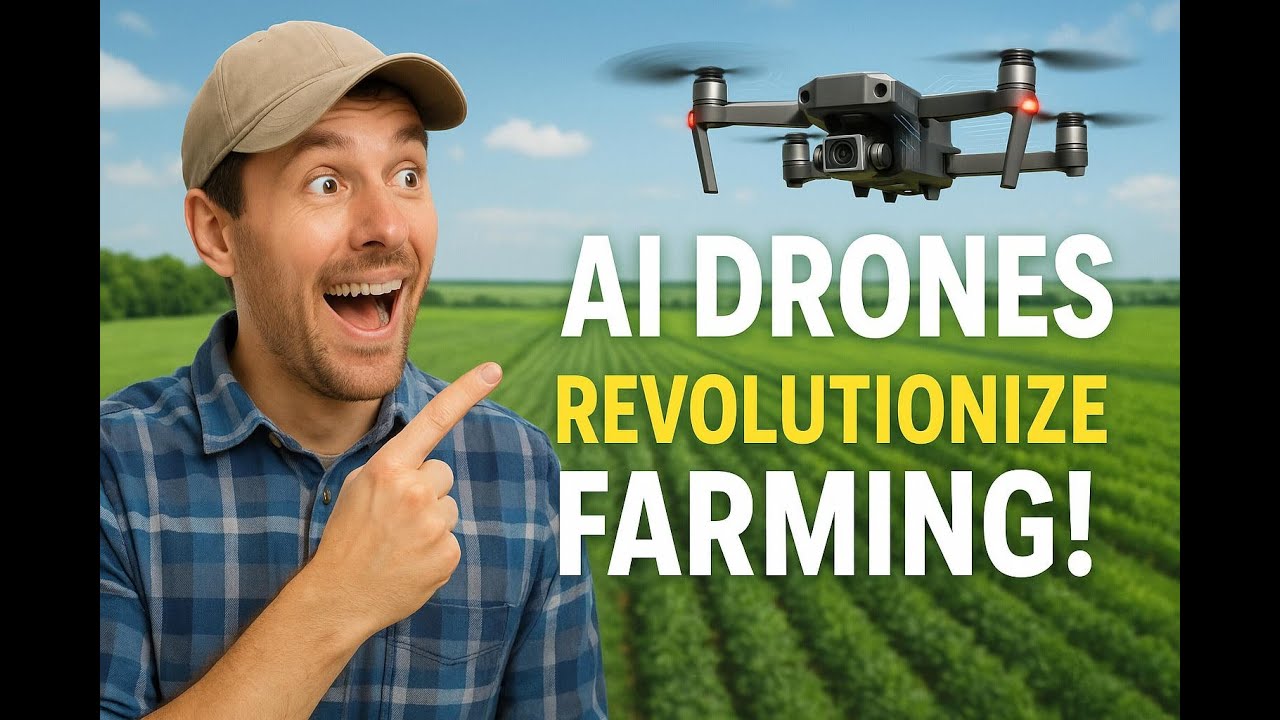
Digital transformation is accelerating across pilot regions, with adoption of precision farming, remote crop monitoring (such as NDVI/NDWI satellite tools), and AI-based risk analysis shaping new growth. We enable Kazakhstan’s agri-producers with real-time field diagnostics, blockchain-backed traceability, and resource optimization, all delivered via app and API.
Canada’s agricultural sector has long set a global benchmark for efficiency, diversified cropping, and robust supply chain management—emphasizing advanced input planning, cold-chain logistics, and AI-driven crop/livestock analytics. Key lessons for Kazakhstan include mandatory traceability, yield optimization using satellite data, and integrating digital weather and soil forecasts directly into farm planning.
Modernization isn’t only about adopting technologies—without staff training, digital literacy, and local adaptation, even state-of-the-art systems may not lead to full productivity gains. Invest in skills and local knowledge!

Infrastructure, Logistics, and Export Market Dynamics
Post-harvest and processing infrastructure remains both an obstacle and opportunity in Kazakhstan. Upgrading granaries, introducing advanced drying facilities, cold storage, and quality certification labs transforms raw output into higher-margin export products. In 2024-2025, logistical bottlenecks—especially for perishable dairy and meat—constrained full value-chain development.
Regional connectivity—in the form of new trans-shipment rail, port refurbishments, and cold-chain expansion—will allow Kazakhstan’s agricultural products to more reliably reach European, Asian, and Middle Eastern markets.
A crucial lesson from Canada agricultural products is mandatory traceability and advanced logistics integration. Canada’s end-to-end supply chain, including blockchain modules for traceability (see how Farmonaut traceability works), ensures international buyers receive fully certified, contamination-free products—an area where Kazakhstan is rapidly catching up.
- 🚚 Supply Chain Modernization: End-to-end monitoring from farm to border for export compliance.
- 🥛 Processing Revolution: Dairy/meat hubs in regional towns expand rural employment and value-add.
- ⏳ Bottleneck Reduction: Fast-track granary and drying depot investments to cut post-harvest losses.
- 🌐 Market Diversification: Strengthen regional trading links to buffer global price volatility.
- 💡 Smart Fleet Management: Digital fleet tools track vehicles, reduce fuel burns, and optimize delivery routes. Discover digital fleet solutions.
Sustainable Forestry, Land-Use, and Mining-Linked Rehabilitation
Another prong of agricultural modernization is the integration of forestry, sustainable land use, and restoration in mining-linked regions. Reforestation, afforestation, and non-timber forest product ventures act as income buffers for rural communities and help restore ecological balance.
Coordinated land-use planning in mining-adjacent zones enables rehabilitation, ecosystem restoration, and agroforestry deployment on previously disturbed lands. Satellite monitoring, AI-based planning, and community engagement support informed replanting decisions and long-term biodiversity.
For Kazakhstan, integrating lessons from Canada’s strict oversight over biosecurity, pasture rehabilitation, and carbon offset schemes can boost both environmental resilience and open new markets for certified, sustainable agricultural and forestry products.

Policy, Rural Development & Digital Solutions for Kazakhstan in 2026
The latest policy frameworks place a premium on diversification, digital tools, inclusion, and regional value chain development. Direct support and incentives for
- Precision agriculture adoption
- Resilient seed access and variety development
- Digital advisory and risk-sharing systems (drought, frost, and market swings)
- Smallholder and women-led farm support
- Rural finance, crop insurance, and satellite-based loan/insurance verification (explore satellite-enabled crop loan/insurance solutions)
These strategies are helping Kazakhstan adapt key elements from the Canadian framework—while tailoring for local tenure, climate, and yield realities.
Digital platforms, such as ours, now provide farmers with field-scale weather, crop planning, soil health, logistics, and satellite diagnostic insights—driving data-driven decisions, productivity gains, and value chain resilience. The pitch for 2026 is clear: harness digital, agrifood policy, and supporting infrastructure to unlock Kazakhstan’s full agri-potential.
Farmonaut subscription options for agri-businesses, cooperatives, and government:
“Kazakhstan’s wheat exports rival Canada’s, ranking among the world’s top 10 wheat-exporting nations by volume.”
- 📱 Mobile-First Agri Intelligence: Farmers access satellite, weather, and advisory tools via app.
- 🧠 AI-Based Risk Analysis: Dynamic pest, drought, and price forecasting.
- 📦 Supply Chain Transparency: Blockchain-based product authentication and compliance with export protocols.
- 🔍 Resource Optimization: Reduce costs by allocating water, fertilizer, and labor precisely where needed.
- 🌍 Global Trade Facilitation: Digital documentation, compliance, and market matching.
Platforms that lower barriers to satellite intelligence and blockchain traceability can notably increase access to rural credit and insurance—key for financing modernization in the Kazakh sector.
Manage vast farm portfolios, monitor resource usage, and optimize productivity for Kazakhstan’s large steppes via our large-scale farm management platform.
Frequently Asked Questions: Kazakhstan Agricultural Sector 2026
- Q: What are the primary agricultural products in Kazakhstan in 2026?
A: The key Kazakhstan agricultural products include wheat, barley, sunflowers, flax, pulses (lentils, chickpeas), dairy, meat (beef, poultry, lamb), and increasingly, processed food and oils for export markets. - Q: How significant is agriculture’s contribution to Kazakhstan’s GDP in 2024 and beyond?
A: In 2024, agriculture contributed nearly 5% to GDP. Though this share may marginally decrease due to industrial diversification, upgrading to higher-value products, and improved efficiency will keep the sector’s role vital in earnings and rural livelihoods. - Q: What are the top modernization priorities for Kazakhstan’s agriculture?
A: Priorities include: precision farming, sustainable irrigation, digital advisory adoption, traceability/hygiene protocols, and major investments in post-harvest infrastructure (storage, processing, logistics). - Q: How does Kazakhstan compare to Canada in agricultural exports?
A: Kazakhstan’s wheat exports now rival Canada’s in both volume and market influence; however, Canada leads in processed foods, traceability systems, diversified cropping, and premium value chains. Kazakhstan is rapidly closing this gap with its modernization drive. - Q: What support is available for farmers to adopt digital and precision technologies?
A: Numerous government incentives, public-private pilot programs, and affordable satellite-based platforms (like ours) are now available to equip farmers with field diagnostics, blockchain traceability, and supply chain management tools.
Conclusion: The Road Forward for Kazakhstan Agriculture
Kazakhstan’s agricultural sector stands poised for a transformation that will define its economic and food security trajectory for the coming decade. As we move into 2026 and beyond, a strategic blend of modernization, diversification, efficient post-harvest infrastructure, sustainable water and soil management, and global market orientation will enable Kazakhstan to retain and expand its competitive edge in agricultural exports—while improving the livelihoods and sustainability of its rural heartland.
Drawing insights from Canada, but adapting them to Kazakhstan’s unique climate, vast steppes, tenure structures, and risk profile, offers a roadmap for resilient, adaptive, and thriving agriculture. Whether you’re a farmer, agri-entrepreneur, policymaker, or an international investor, staying ahead in Kazakhstan’s fast-evolving agricultural landscape requires embracing digital, data-driven, and sustainability-centric strategies.
Ready to empower your agricultural business or operations with affordable, actionable satellite monitoring, carbon tracking, and resource management?
This comprehensive guide delivers an up-to-date, factual, and actionable overview of the Kazakhstan agricultural products sector, integrating focus keywords and structured for industry, investor, and policymaker clarity. Eager to learn more about traceability, carbon mitigation, digital supply chain, or sustainable agricultural modernization? Explore our platform for advanced solutions tailored for the challenges and opportunities of 2026 and beyond.
Discussion
Questions, corrections or field experience? Share them below. First-time comments are reviewed before they appear, and your email is never published.
No comments yet. Be the first to add a question or your experience.

 Agreeta Solutions
 Agricultural Credit Policy Council
 BayWa
BayWa MCSOD
MCSOD Marei Nursery
 eKGIS
eKGIS Mostas Tech
 Native Seeds
 Andex
Andex FCF India
 Unifrutti Gulf
 Deluxe Conseil
 TVS Electronics
 WICO
WICO Chimera Innovation
 SkyHarvest
 Licence holder · Niger · Gold
 Licence holder · Nigeria · Gold + lithium










