

Middle Eastern Agriculture: Key Facts & Challenges 2026
Table of Contents
- Introduction: Middle Eastern Agriculture Context
- Clarifying Truths and Common Myths
- Core Challenges of Middle Eastern Farming
- Comparative Challenges & Sustainable Solutions Table
- Enablers and Solutions for Resilient Farming
- The Desert Environment and Its Impact
- Regional Case Examples: Egypt, Saudi Arabia & The Levant
- Infrastructure, Mining, and Land Use Intersections
- Future Outlook: Paths Forward to 2030
- How Farmonaut Supports Middle Eastern Agricultural Sustainability
- FAQs: Middle Eastern Agriculture 2026
- Conclusion: Empowering Sustainable Growth
Introduction: Middle Eastern Agriculture Context
Middle Eastern agriculture stands at a critical crossroads as we approach 2026. Covering a region famous for vast deserts, sparse rainfall, and rapidly growing populations, food security remains a key concern for local economies and policymakers. The combination of arid and semi-arid environments means that modern farming here has always required resourcefulness, technological adaptation, and an ability to thrive under pressure.
The drive to achieve sustainability centers on secure access to water, improved irrigation infrastructure, soil health, and innovative solutions that reduce import dependence. Understanding the real landscape of eastern and agriculture—from the Nile Valley’s historic breadbasket to the oasis systems of Saudi Arabia—will guide us toward solutions that balance food production with climate, resource, and economic realities.
Clarifying Truths and Common Myths: What You Need to Know
When discussing middle eastern agriculture, a few common statements often arise. Let’s examine each to separate fact from fiction and so provide proper context for the region’s agricultural realities:
Which of the following statements about farming in the Middle East is true?
- “Most of the Middle East is well suited to agriculture.” False. In reality, most of the region is arid or semi-arid with extremely limited water resources and harsh climates not conducive to rain-fed agriculture.
- “The desert regions of Egypt are important agricultural centers.” Partially True—but Nuanced. Egypt’s main agricultural production is concentrated in the Nile Valley and Delta, with specialized crops and pastoral activities in oases and limited irrigated zones along desert fringes.
- “Much of Saudi Arabia is arable.” False. The vast majority of Saudi territory is desert; only a small fraction is irrigated and arable, mostly around oases and strategic agricultural corridors.
- “Many Middle Eastern regions have almost no arable land.” Largely True—with Caveats. Expansive areas lack fertile soil, but pockets of arable land exist where irrigation, favorable climate, and infrastructure permit agricultural activity.

Core Challenges of Middle Eastern Farming
As we look toward 2026, several interconnected challenges define agriculture across the Middle East:
- Water Scarcity:
- Surface and groundwater are extremely limited. The region receives low annual rainfall, and many countries already extract water beyond naturally replenishable levels.
- Irrigation is crucial for year-round agriculture, with water withdrawal rates among the highest in the world.
- Soil Degradation and Salinity:
- Soil salinity is a rising problem—caused by improper irrigation and lack of drainage—and a serious problem on irrigated land along the Nile, Tigris and Euphrates.
- Many soils suffer low organic matter and poor structure, demanding the use of amendments and careful crop selection.
- Climate Change Pressures:
- The Eastern Mediterranean and Middle East warmed by about 0.45°C per decade in 1981–2019, almost twice the global rate of 0.27°C (Zittis et al., Reviews of Geophysics).
- Rising temperatures, droughts, and unpredictable rainfall patterns add risk and threaten yields.
- Infrastructure Gaps:
- Water transmission systems, energy supplies for irrigation pumps, and post-harvest facilities are often inadequate, leading to losses and inefficiencies.
- Energy Costs and Dependency:
- Desalination and deep-well pumping are viable in some states, but are energy-intensive and costly to maintain at scale.
⚠ Major Obstacles at a Glance
- 🌵 Water Scarcity: Low rainfall and overdrawn aquifers threaten agricultural viability.
- 🧂 Soil Salinity: Salinization destroys soil productivity and limits crop choices.
- ☀️ Heat Stress: Extreme temperatures raise irrigation demand and reduce yields.
- ⚡ High Energy Costs: Desalination and groundwater pumping require significant energy inputs.
- 🚚 Insufficient Infrastructure: Transport, storage, and cold chain gaps trigger major post-harvest losses.
Comparative Challenges & Sustainable Solutions Table
A comparative look at the core agricultural challenges in the Middle East—and the sustainable solutions driving change:
🌱 Sustainable Levers for the Middle East
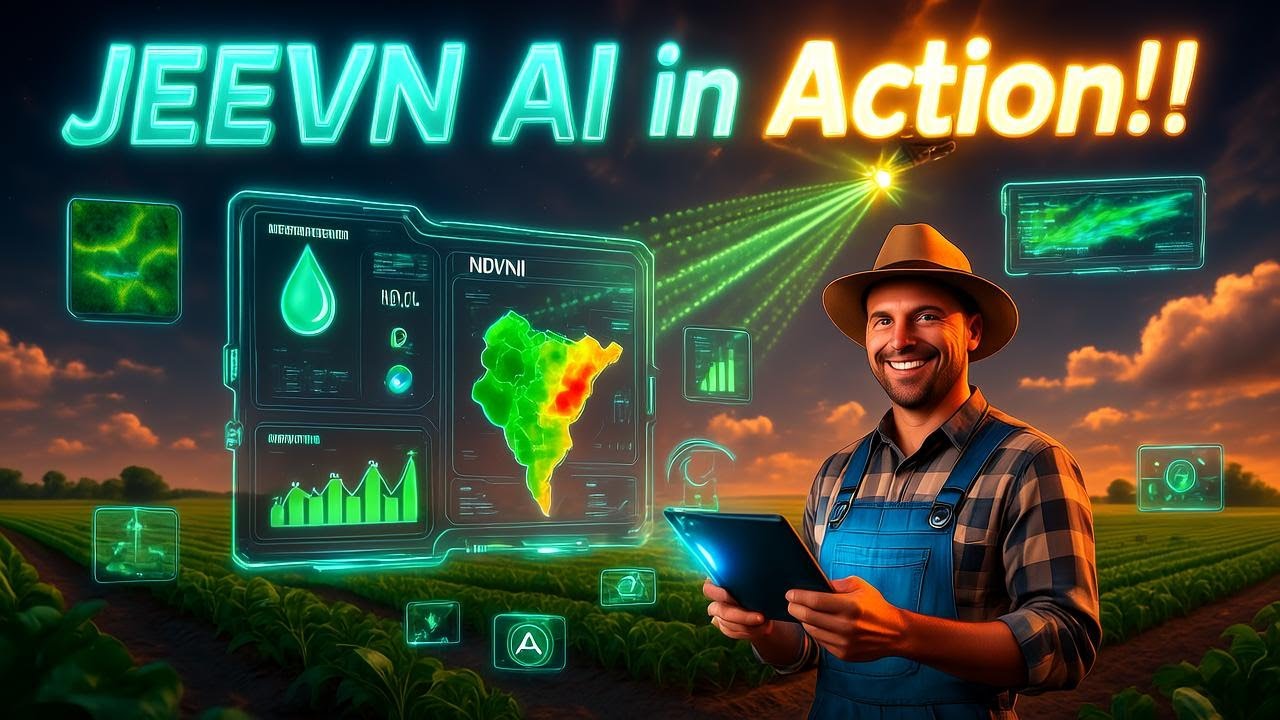
- 🛰 Satellite-based crop monitoring: Real-time insight for smart resource allocation
- 🚜 AI-powered advisory: Tailored agronomic tips for yield optimization
- 🔗 Blockchain traceability: Authenticated supply chains and market trust
- ⚡ Renewable energy integration: Lowering irrigation and pumping costs
- 🌾 Crop diversification: Risk reduction and resilience
Enablers and Solutions for Resilient Farming
Facing an array of formidable obstacles, agricultural resilience across the Middle East depends on adoption of proven enablers:
-
Water Security, Management & Governance
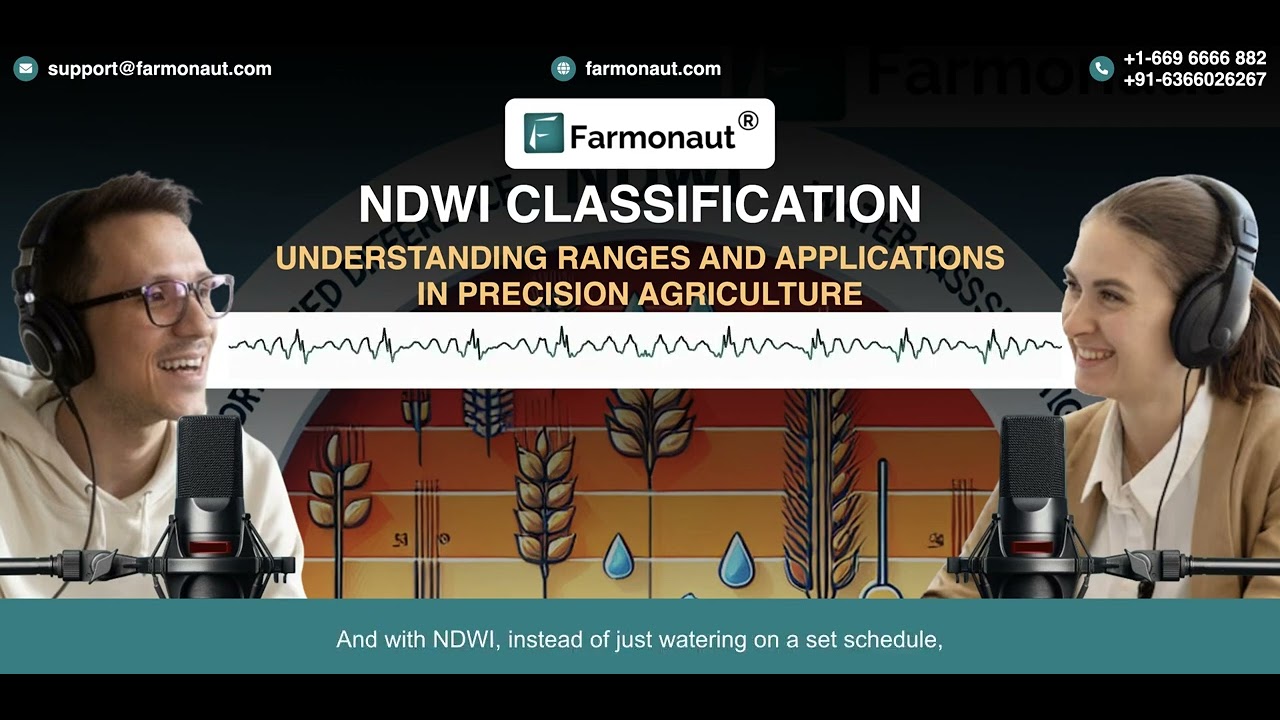
- Advanced metering, real-time satellite water stress maps, and sensor-based irrigation scheduling can reduce unnecessary consumption across large infrastructure projects.
- Transboundary water sharing–especially for the Nile Basin, Tigris-Euphrates, and Jordan River regions–requires coordinated policy for sustainable agricultural production.
-
Soil Health & Salinity Reduction
- Introducing organic amendments, green manures, and practicing minimal tillage helps restore organic matter.
- Soil testing and mapping (satellite-enabled) allow targeted salinity management and improved drainage system design.
-
Crop Selection & Diversification:
- Focus on drought-, heat-, and salinity-tolerant varieties, including indigenous grains, pulses, olives, date palms, and climate-resilient vegetables.
- Diversify cropping systems to reduce risk and boost nutrition security across value chains.
-
Protected and Precision Agriculture
- Implementing greenhouse cultivation, vertical farming, and hydroponics saves water and land while stabilizing year-round yields.
- Precision farming using satellite-GIS, remote sensing, and AI analytics optimizes inputs and mitigates pest pressures.
-
Infrastructure Uplift and Climate Adaptation
- Strategic investment in storage, transmission networks, pumps powered by solar/renewable energy delivers reliable irrigation and post-harvest preservation.
- Develop resilient logistics chains and support real-time decision making through digital advisory systems.
-
Policy, Finance, and Market Access
- Develop creative financing for smallholder farmers, risk insurance, and land tenure clarity to improve long-term investment confidence.
- Enhance value addition via processing hubs, cold chains, digital extensions, and local farmer cooperatives.
-
Environmental Sustainability and Biodiversity
- Preserve native flora and fauna; employ integrated pest management suited for arid ecologies to minimize adaptation-induced ecosystem pressures.
- Track and reduce carbon footprint of agricultural activities using satellite-based environmental impact monitoring tools.

✔ Digital AgTech: Key Benefits in Middle Eastern Farming
- 📊 Data insight: Satellite analytics pinpoint crop stress and water risks in real time
- 🚀 Yield optimization: AI-guided recommendations adjust inputs for best output
- 🔒 Transparency: Blockchain guarantees product origin, reducing fraud in value chains
- 📉 Resource saving: Precision irrigation and management lower costs and water losses
- 🌱 Sustainability: Supports climate-smart practices and environmental compliance



The Desert Environment and Its Impact
How does the desert environment affect farming in the Middle East? The reality is complex, and it shapes every aspect of farming, infrastructure, and land management in the region. Here’s how the unique desert context forces adaptation:
- Water Scarcity: Almost all production systems from Egypt’s oases to Saudi fields depend on irrigation, making efficient use of every drop essential.
- High Evapotranspiration: Heat and dryness mean crops lose water rapidly; shading, mulches, and tightly controlled irrigation are critical.
- Salinity and Soil Constraints: Most soils develop high salt content due to evaporating irrigation water, making salinity-tolerant crops and drainage critical.
- Poor Natural Soil Fertility: Reliance on mineral or organic amendments is a must to enable productive agriculture.
- Logistics and Energy Intensity: Isolated locations require reliable transport and strong energy infrastructure for water pumps, cold storage, and secure food value chains.
- Biodiversity and Pest Pressures: Pests and diseases are adapted to arid climates, requiring integrated, local pest management.

⚠ Top 5 Risks in Middle Eastern Desert Agriculture (2026)
- 🔥 Extremely High Temperatures: Rising crop losses and food spoilage risk without adaptation
- 💧 Rapid Aquifer Depletion: Unsustainable water use threatening future farming
- 🌪 Sudden Sandstorms/Dust Storms: Physical crop damage and increased pest pressure
- 🧑🌾 Farmer Vulnerability: Smallholders most exposed to droughts and infrastructure breakdowns
- 💸 Energy Supply Instability: Fossil energy shocks and unreliable grids increase cost and risk
Regional Case Examples: Egypt, Saudi Arabia & The Levant
Let’s localize the discussion, focusing on three subregions where the interplay of soil, water, climate, and infrastructure define agricultural realities.
Egypt: The Nile and Beyond
- The Nile Valley and Delta: Egypt’s fertile floodplains have served as the country’s agricultural core for millennia, supporting dense populations and complex irrigation systems.
- Desert Peripheries: While often touted as new “agricultural frontiers,” most desert projects around the Nile support specialized production: dates, irrigated cereals, vegetables in greenhouses, and pastoral activities in well-watered oases and along modern infrastructure corridors.
- Crop loan and insurance tools using satellite data reduce risk for Egyptian farmers and support sustainable investment in challenging environments.

Saudi Arabia: Oasis and Irrigation Realities
- Broad Terms: Predominantly desert; only a small fraction of total land area supports arable cropping thanks to high-investment irrigation and energyive groundwater extraction systems.
- Strategic Crops: Intensive but localized production of dates, alfalfa, vegetables, and strategic cereals in circular center-pivot fields.
- High Costs and Water Depletion: Present technology-driven, energy-intensive but fragile solutions that are transitioning toward more sustainable approaches as costs and groundwater risks rise.
- Large-scale farm management platforms optimize monitoring and planning in these complex, high-capital environments.
The Levant and Fertile Crescent
- Mixed Agro-Ecologies: Parts of Lebanon, Syria, Iraq, and the Jordan Valley remain key agricultural centers due to winter rainfall, microclimates, and historic irrigation systems.
- Soil Salinity & Drought Stress: Common along river corridors and in reclaimed drylands; high-value fruits and vegetables dominate, with pulses and cereals in broader rotations.
What crops are grown in the Middle East?
Farming in the region follows the water. The main crop zones are the Nile Valley and Delta, the Tigris-Euphrates basin in Iraq, the rain-fed hills of the Levant and Turkey, and irrigated oases and centre-pivot fields on the Arabian Peninsula.
- Dates: the signature crop of the hot, dry zones. Egypt is the world’s largest date producer, according to the FAO, with Iran and Saudi Arabia also major growers.
- Wheat and barley: grown on rain in the Levant and on irrigation in Egypt and Iraq. Saudi Arabia grew wheat on fossil groundwater for decades, then phased it out by 2016 to save water (USGS).
- Olives, citrus and vegetables: the backbone of Mediterranean-edge farming in the Levant, with tomatoes and cucumbers increasingly grown in greenhouses in the Gulf.
- Fodder: alfalfa and other feed crops for livestock, a heavy user of irrigation water.
Water sets the limits. Agriculture accounts for 83% of water withdrawals in the Middle East and North Africa, against a world average of 70%, according to the World Bank. The same report finds that the region’s more urbanised countries rely on imports for more than 80% of their cereal needs, while Egypt, Iraq, Iran, Morocco and Syria grow over half the cereal they need.
Infrastructure, Mining, and Land Use Intersections
A sustainable agricultural future for the Middle East cannot be separated from the region’s infrastructure, land rights, mining, and energy systems.
- Water Transmission and Storage Infrastructure: Reservoirs, aquifer recharge, modern canal rehabilitation, and reliable pump systems are risk mitigators for both agriculture and urban growth.
- Mining and Mineral Extraction: Can impact local water tables and soil quality—requiring coordinated management and traceability to balance resource use for both agriculture and minerals.
- Land Rights and Multiple Use: Arid land is often used for multiple purposes: grazing, forestry, mining, and irrigated farming. Land policy must resolve conflicts and encourage sustainable, benefit-sharing systems.
- Post-Harvest and Value Chains: Improved cold chains, storage, and processing facilities reduce food waste, increase value capture, and strengthen food security.
Future Outlook: Paths Forward to 2030
Achieving resilient, sustainable middle eastern agriculture by 2030 hinges on integrated action in several strategic areas:
- Regional Collaboration for Water Security: Shared river basins, like the Nile and Jordan, demand coordinated agreements, transparent governance, and joint infrastructure investment.
- Climate Adaptation and Technological Leapfrogging: Increasing reliance on proven, low-cost digital ag-tech—such as satellite crop monitoring and fleet management—will allow farmers to do more with less input and greater environmental safety.
- Green Infrastructure Investment: Shift toward renewable energy for pumping/irrigation, expanded protected agriculture, and improved processing/transport facilities.
- Policy and Financing Innovations: Empowering smallholders through access to real-time data, credit, and land rights clarifies investment horizons, attracts youth to agri-sector jobs, and offsets urban migration pressures.
- Biodiversity and Forest Resource Protection: Protecting remaining forest and rangeland resources will safeguard biodiversity, provide ecosystem services, and stabilize food production under shifting climates.
How Farmonaut Supports Middle Eastern Agricultural Sustainability
At Farmonaut, we are dedicated to empowering Middle Eastern agriculture with satellite-driven, data-centric tools that are affordable, scalable, and accessible to all stakeholders—farmers, agribusinesses, infrastructure developers, and public institutions.
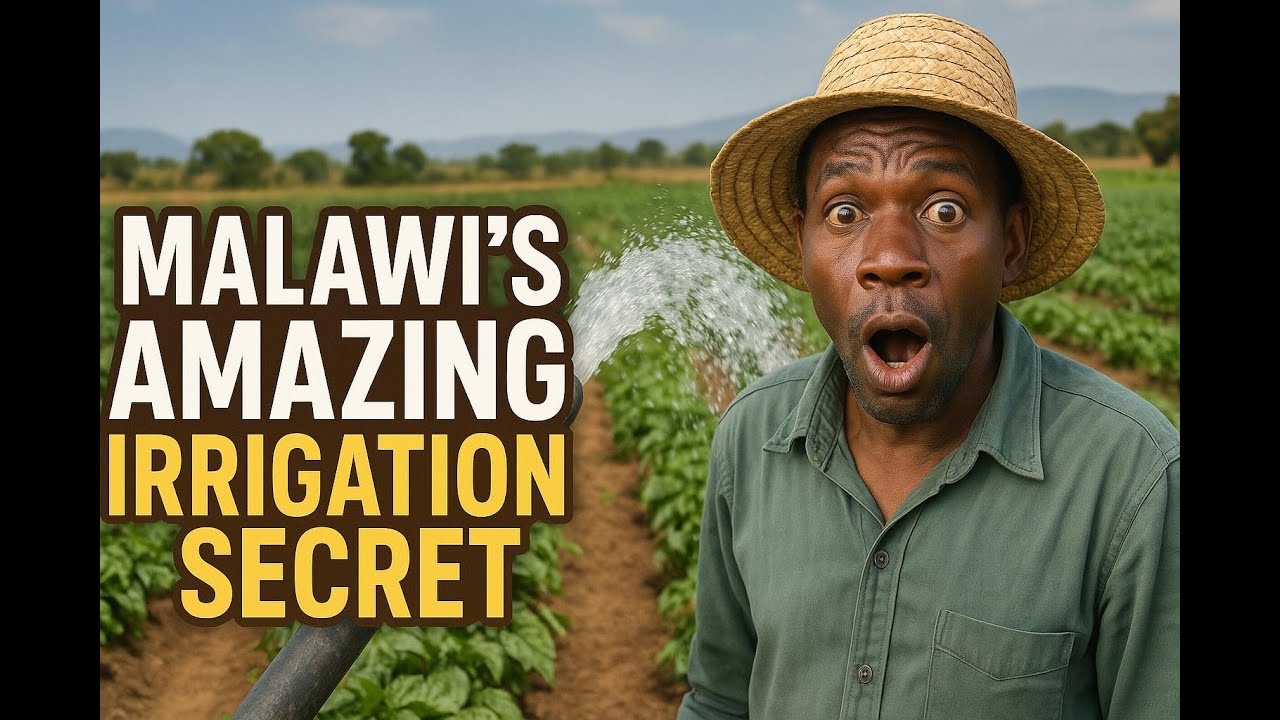
- Satellite-Based Monitoring: Our platform provides NDVI and multispectral analysis to assess vegetation health, soil moisture, and land change, keeping farms responsive to real environmental conditions.
- Jeevn AI Advisory: Users get real-time, AI-driven advisories on crop selection, irrigation scheduling, and weather risk, directly addressing core Middle Eastern challenges.
- Blockchain Traceability: We enable traceability of crops and mining resources, guaranteeing transparent value chains across diverse sectors.
- Resource Management: Our fleet/resource management tools reduce operational costs and maximize logistics efficiency—a must for harsh, energy-intensive environments.
- Environmental Compliance: With real-time carbon footprint tracking, enterprises and governments can set, monitor, and reach sustainability targets.
- Financing Supports: Banks and insurers leverage our platform for satellite-backed loan and insurance verification, opening up finance avenues for small and large producers alike.
Discover how our API streamlines the integration of real-time, geospatial insights directly into business operations for agriculture, mining, and infrastructure: Get the Farmonaut API
We invite all users to explore our digital platforms for field monitoring, weather analytics, and agronomic advisory—via Web App, Android, or iOS.
For plantation projects, reforestation, or climate-smart cropping, our digital forest/plantation advisory helps tailor site-specific strategies for resilient land management.
FAQs: Middle Eastern Agriculture 2026
Q1: Is most of the Middle East suitable for agriculture?
No, most of the region is either arid or semi-arid with limited water and poor soil fertility, so only select, managed lands are productive for crops.
Q2: How does the desert environment impact food production?
Extreme heat, low rainfall, and soil salinity make natural agricultural expansion difficult. Protected farming, advanced irrigation, and tolerance to extreme conditions are required.
Q3: What should be addressed to improve agriculture in the Middle East?
Key focus areas include sustainable water management, improved irrigation systems, soil rehabilitation, climate-resilient crops, infrastructure investment, and supportive policy frameworks.
Q4: Do mining and minerals extraction affect agriculture?
Yes, mining can draw down local water resources and degrade soils. Sustainable practices, environmental monitoring, and clear land policies are required for balance.
Q5: How can technology like Farmonaut help?
Satellite monitoring, AI-advisory, blockchain traceability, and digital resource management empower farmers, businesses, and governments to optimize water use, boost crop yields, and meet sustainability targets.
Conclusion: Empowering Sustainable Growth
As we look toward 2026 and beyond, middle eastern agriculture must be understood on its true terms: a region of extraordinary challenge and even greater potential. The path forward requires contextual, science-based investment in water security, soil and crop innovation, infrastructure resilience, and digital transformation. Past assumptions about “well suited” landscapes must give way to precise, technology-enabled, and environmentally responsible systems.
The solutions are here: satellite-driven insights, climate-smart farming techniques, and strengthened value chains—all supported by data transparency and policy innovation. By increasing resilience, protecting ecosystems, and enabling small and large producers, Middle Eastern agriculture can answer rising food demand and withstand climate volatility.
With Farmonaut’s scalable, affordable technology, businesses and governments across the Middle East can monitor resources, manage production, and enable sustainable growth—from Egypt’s Nile to remote Saudi oases and beyond.
Together, we can build a secure, resilient, and sustainable agricultural future for the Middle East.
Discussion
Questions, corrections or field experience? Share them below. First-time comments are reviewed before they appear, and your email is never published.
No comments yet. Be the first to add a question or your experience.

 Sama Premium
 Mahaswami
 Prochecker
 Tres Valles
 LACOS Geoinformation
 Pulsar Supernova
 Magrifly
 LatConnect 60
 WebsEdge
 Blickwinkel
 Agricultural Credit Policy Council
 MCSOD
MCSOD Marei Nursery
 eKGIS
eKGIS Mostas Tech
 Andex
Andex FCF India
 Unifrutti Gulf
 Deluxe Conseil
 Licence holder · Niger · Gold
 Licence holder · Nigeria · Gold + lithium










