

Rice Farming in Cambodia: 7 Steps to Sustainable Success
“Over 80% of Cambodia’s rural population relies on rice farming for their primary livelihood and food security.”
Introduction: The Central Role of Rice Farming in Cambodia
Rice farming in Cambodia is more than an agricultural activity: it anchors the nation’s cultural landscape, rural livelihoods, and household food security. This deeply rooted tradition spans centuries, evolving alongside Cambodia’s rivers, monsoon rhythms, and shifting market needs.
Most Cambodian farmers are smallholders operating family-owned plots within the vast lower Mekong basin. Over 80% of households in rural Cambodia depend heavily on rice for both consumption and income, making sustainable rice production pivotal to combating hunger, poverty, and economic uncertainty in the region.
Farmers cultivate primarily lowland wet-rice systems, using traditional methods reliant on seasonal rainfall, river-fed irrigation, and manual labor. However, as challenges such as climate variability, soil degradation, price fluctuations, and limited access to agricultural inputs intensify, the sector is embracing a blend of indigenous knowledge and modern sustainable practices.
- Keyword Focus: rice farming in cambodia, farming in cambodia, agriculture of cambodia, cambodia farming, sustainable rice cultivation
- This guide explores Cambodia’s journey in fostering sustainable rice farming — outlining a seven-step pathway to higher productivity, food security, rural prosperity, and climate resilience.
Key Insight
Rice is not just a crop in Cambodia—it is the backbone of food security, the source of income for millions, and a central thread in cultural identity. Sustainable rice farming practices are transforming the sector, ensuring Cambodia’s rice fields remain productive for generations to come.
“Sustainable irrigation methods can increase Cambodian rice yields by up to 30% while reducing water usage significantly.”
Rice Farming in Cambodia: 7 Essential Steps to Sustainable Success
This section offers a comprehensive exploration of each stage in the rice cultivation cycle in Cambodia, with a special emphasis on sustainable approaches that boost productivity and environmental stewardship.
Common Mistake
Many smallholders overlook soil health and water management, resulting in declining yields over time. Prioritizing sustainable inputs and eco-friendly irrigation is essential for long-term productivity.
Step 1: Land Preparation & Soil Management
The journey of rice farming in Cambodia begins with well-planned land preparation and soil management. The majority of Cambodian farmland relies on seasonal rainfall and river-supplied irrigation, so getting soil structure and water retention right is crucial.
Traditional Methods
- Manual ploughing with animal traction (mainly buffalo or oxen)
- Burning or clearing old crop residues, which can degrade soil fertility over time
- Poor nutrient cycling with limited addition of organic matter
Sustainable Practices
- Minimal tillage or no-till farming to reduce soil erosion
- Addition of compost, animal manure, and crop residues to restore soil organic matter
- Rotation with legumes or cover crops to improve soil fertility and structure
- Regular soil testing for nutrient balancing
Pro Tip
Incorporate organic matter during land preparation. This simple adjustment improves water retention and soil health, increasing resilience during drought and boosting yields by up to 15%!

Step 2: Seed Selection and Sowing
Next comes selecting the right seed varieties for local climate, pest and disease resistance, and grain quality.
In Cambodia, seed selection is pivotal: it impacts not just yield, but also the crop’s ability to withstand floods, drought, and soil-borne diseases.
- Traditional Approach: Saving seeds from previous seasons, risking declines in vigor and disease resistance.
- Modern Practice: Using improved, certified varieties promoted by agricultural extension services — these offer increased yield, higher tolerance to variable weather, and enhanced grain quality.
- Transplanting vs. Direct Seeding: While transplanting young seedlings into flooded paddies remains dominant, direct seeding is increasingly adopted for reduced labor and shorter cultivation windows.
Visual List: Seed Selection Essentials
- Disease resistance: Protects against major paddy diseases
- Drought/flood tolerance: Adapts to Cambodia’s unpredictable weather
- Short maturing cycles: Enables double-cropping in some regions

Step 3: Water Management & Irrigation Solutions
Water is pivotal in rice farming in Cambodia. Effective irrigation management is the greatest determinant of rice yield, stability, and resilience to drought.
Cambodia benefits from proximity to the Mekong River and a dense canal network, but seasonal variation and infrastructure gaps mean many farmers still rely on rain-fed paddies.
Common Water Management Methods:
- Flooded Paddies (Traditional): Labor and water-intensive; high methane emissions; susceptible to drought.
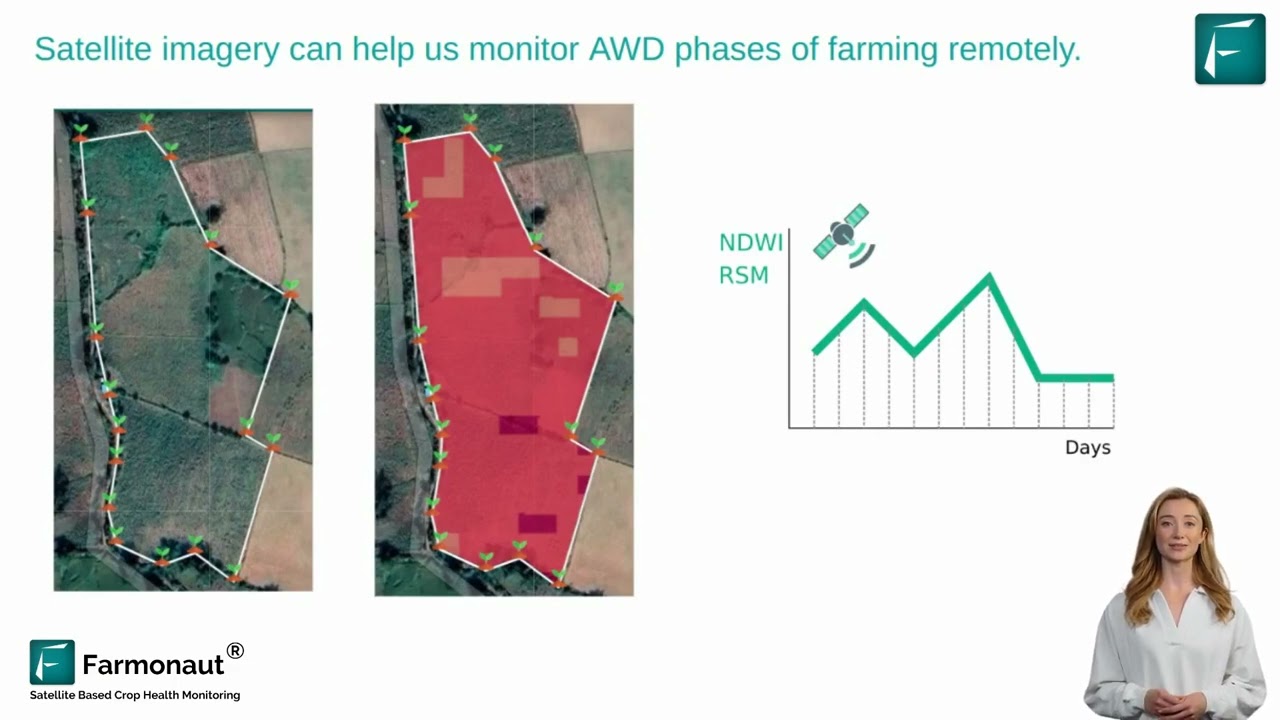
- Alternate Wetting and Drying (AWD): Promotes water conservation, reduces methane, and sustains high yields.
- Pumps & Reservoirs: Used for community-based double cropping and risk reduction, though sometimes limited by access to credit for upfront investment.
Improved irrigation, precise water timing, and drainage systems can reduce water use by 30%, bolster climate resilience, and allow double or triple cropping while improving nutrient uptake.
Visual List: Water-Saving Approaches
- AWD (Alternate Wetting & Drying): Reduces water consumption by up to 25%
- Community Irrigation Groups: Pooling resources for shared water access
- Reservoir Construction: Boosts dry-season rice production, reduces drought risk

Step 4: Integrated Pest & Weed Management
Protecting rice fields from pests, diseases, and invasive weeds is a central challenge. Traditional Cambodian methods typically rely on manual weeding or chemical pesticides—efficient, but often environmentally harmful if mismanaged.
Sustainable Integrated Pest Management (IPM):
- Regular field scouting and monitoring for early detection (using mobile apps or extension service support where possible)
- Leveraging biological controls—for instance, introducing natural predators of rice pests
- Rotating crops and planting trap crops to break pest life cycles
- Minimizing reliance on chemical herbicides/insecticides by combining timely weeding and water management
IPM helps to reduce input costs, promote environmental stewardship, and ensure compliance with export-market safety standards.

- Minimized chemical residues for safer grain quality
- Increased biodiversity within the farm system
- Improved resilience to weather and pest outbreaks
Step 5: Fertilization and Soil Fertility
Cambodian rice fields face risks of soil degradation, nutrient depletion, and declining productivity due to over-reliance on single crop cycles and limited access to balanced fertilizers.
Successful fertility management requires precise inputs—tailored to variety, soil condition, and weather.
- Traditional Practices: Use of animal manure (when available), ash, and minimal chemical fertilizers—often without soil or nutrient testing.
- Best Sustainable Practices:
- Integrated use of organic amendments (manure, compost, crop residues)
- Precision application of NPK (Nitrogen, Phosphorus, Potassium) based on soil tests
- Recycling nutrients with green manure crops and intercropping
By recalibrating fertilizer timing (to coincide with key growth stages) and combining organic and inorganic sources, farmers can increase yields, restore soil health, and reduce chemical input costs.
- +15% yield improvement with integrated nutrient management
- Soil health restoration boosts long-term productivity and reduces erosion risk
- Balanced fertilization cuts down on waste and runoff, protecting waterways

Step 6: Harvesting, Drying & Post-Harvest Handling
Once the rice grain reaches maturity, timely harvesting, drying, and storage become crucial for maintaining quality and reducing post-harvest losses. Cambodia’s tropical climate—with sharp weather shifts during harvest—means fast, efficient drying is essential.
Traditional Techniques
- Manual cutting and treading
- Sun-drying on mats, subject to contamination and re-wetting from unexpected rainfall
- Basic sheds or on-farm storage, leading to grain loss from pests, mold, or poor aeration
Sustainable Alternatives
- Use of mechanical threshers and harvesters to reduce labor and shorten harvest window
- Improved grain dryers for uniform moisture reduction
- Hermetic storage (airtight bags/containers) to minimize spoilage, pests, and mycotoxins
- Direct access to small-scale milling stations for higher-quality, ready-to-market grain
These practices collectively lead to:
- 10-20% reduction in post-harvest losses
- Enhanced grain quality for stronger market prices and exports
- Increased food security for rural households
Step 7: Value Addition and Market Access
Earning a sustainable livelihood from rice farming in Cambodia also depends on market and value-chain access. The difference between selling unprocessed paddy and high-quality milled rice can be significant, especially when accessing premium or export markets.
- Traditional Model: Selling paddy at local markets or to aggregators, with limited price negotiation and little incentive to improve post-harvest quality.
- Sustainable/Modern Model:
- Organized farmer cooperatives for collective bargaining and reduced input costs
- Investing in on-site drying, cleaning, and even milling capacity
- Participation in sustainability certification schemes (e.g., organic, fair-trade, or specialty rice markets such as aromatic rice)
- Direct linkages to exporters, premium buyers, and digital market platforms
By improving post-harvest handling and joining market-oriented programs, Cambodian farmers can improve income, reduce production losses, and contribute to national food and economic security.
Investor Note
Expanding milling capacity, introducing high-quality packaging, and investing in traceable, certified premium grains present attractive opportunities for value chain investors—accelerating Cambodia’s entry into lucrative global rice markets.
Comparative Practices & Outcomes Table
Data Insight
Adopting practices such as AWD irrigation and integrated fertilization can increase overall rice yields by 10–30% and reduce input costs by up to 15%, enhancing both environmental and economic sustainability for Cambodian smallholders.
Challenges and Opportunities in Cambodian Rice Farming
While sustainable practices offer numerous benefits, farming in Cambodia faces several persistent challenges. Understanding these is key to finding scalable solutions for farmers, investors, and policymakers alike.
- Small farm sizes and land tenure insecurity limit investment and mechanization.
- Limited access to credit and agricultural inputs hinders technology adoption.
- Soil degradation and unbalanced fertilization threaten long-term productivity.
- Price volatility in both domestic and export markets creates income insecurity.
- Climate shocks (floods, droughts, extreme weather events) add significant production risk.
- Post-harvest losses from inadequate drying and storage lower household food security.
However, these challenges are matched by opportunities for transformation:
- Widespread adoption of sustainable practices can improve food security and rural livelihoods.
- Strengthening cooperatives and input supply chains lowers costs and opens access to premium markets.
- Investment in irrigation and milling increases both yields and value addition capacity.
- Digital tools and traceability platforms connect smallholders to resources and buyers globally.
Pro Tip
Form or join smallholder cooperatives—these reduce input costs, improve bargaining power, and unlock access to agricultural advisory, digital platforms, and group-based credit schemes!
Sustainability, Climate Resilience & Technological Innovations
The future of rice farming in Cambodia rests on the balance between productivity and environmental stewardship. Climate change is already altering rainfall regimes, intensifying droughts, and introducing new pest pressures—making sustainability imperative.
- Soil Health: Cover crops, compost, and balanced nutrients promote lasting fertility
- Water Stewardship: Conservation irrigation (like AWD) supports climate-smart agriculture
- Pest Management: Reduced chemical use and enhanced biological control boost ecosystem services
- Diversification: Integrating rice with vegetables, legumes, and livestock helps buffer against market and weather shocks
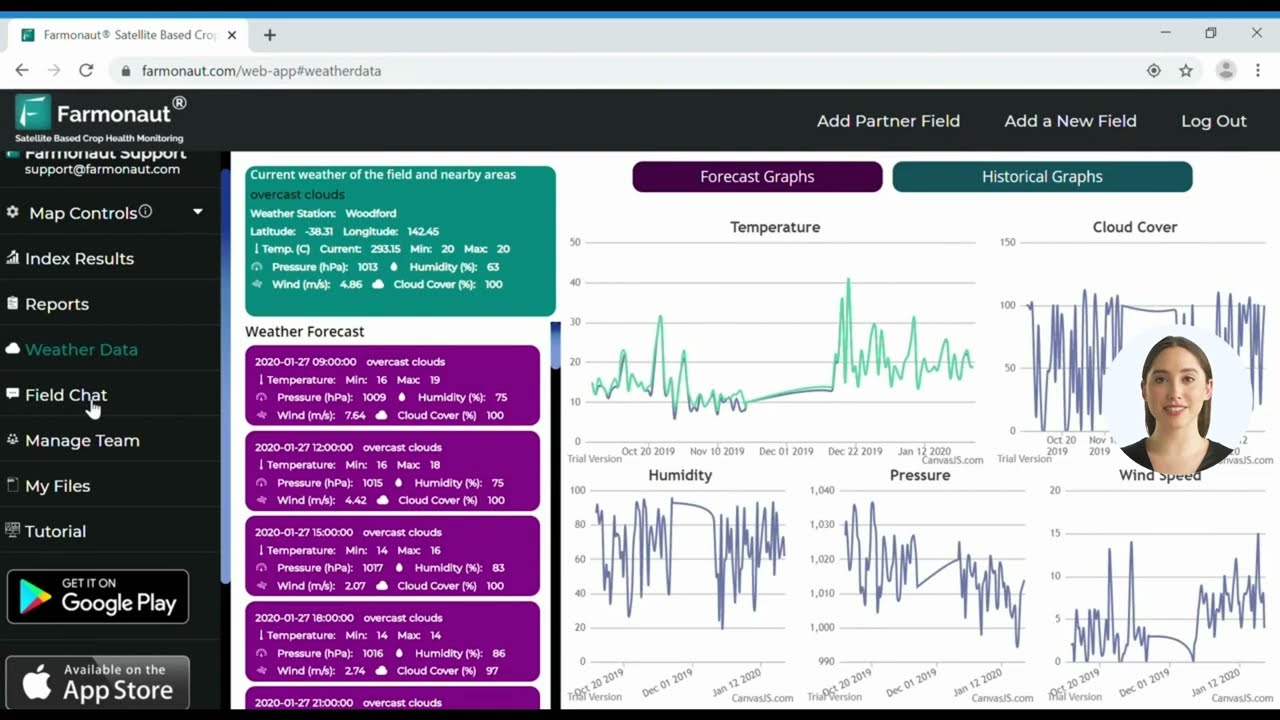
- Digital and AI-Driven Advisory: Satellite monitoring, early warning systems, and traceability boost precision and compliance
- Soil carbon sequestration increases long-term fertility and resiliency
- Reduced emissions support global sustainability goals
- Balanced, data-driven decisions mitigate risks from resource shortages and climate variability
Key Insight
Satellite technology helps Cambodian rice farmers monitor crop health, optimize water management, and strengthen their climate resilience—all essential for future-proofing the agriculture sector.
How Farmonaut Empowers Cambodia’s Sustainable Rice Future
We at Farmonaut are dedicated to supporting sustainable agriculture of Cambodia through advanced satellite-based monitoring, resource management, and real-time advisory tools. Our solutions democratize access to actionable insights on crop health (using NDVI and other indices), soil condition, irrigation efficiency, and environmental impact.
- Real-Time Field Monitoring: Receive dynamic updates on crop vigor, stress, and potential disease outbreaks through our mobile and web platforms.
- AI-Based Advisories: Utilize Jeevn AI for customized strategies based on satellite data—tailored to weather, crop stage, and local risks.
- Blockchain Traceability: Ensure end-to-end visibility and compliance across the rice supply chain, building market trust and opening export doors.
- Environmental Impact Tracking: Monitor carbon emissions and reduce overall environmental footprints with precise management recommendations.



Additionally, our API platform and detailed developer documentation enable seamless integration of satellite insights into farm management systems, rural advisory networks, and financial solution providers.
For institutions supporting Cambodian agriculture, our Crop Loan and Insurance Verification tool empowers banks and insurers to make informed, reliable lending and coverage decisions—boosting access to finance in rural communities.
We are committed to helping farmers in Cambodia track, benchmark, and improve their farming practices for long-term success, sustainability, and food security.
Investor Note
The intersection of satellite, AI, and blockchain technologies with Cambodia’s rice sector opens up new opportunities for agribusiness, data-driven investment, and sustainable rural development.
Frequently Asked Questions (FAQ)
What is the main rice cultivation system in Cambodia?
Most farmers practice lowland wet-rice systems, relying on seasonal rainfall and traditional transplanting, though double-cropping and direct seeding are gaining ground due to improved irrigation and labor-saving advantages.
How does irrigation affect rice farming in Cambodia?
Irrigation is key to higher yields and resilience against drought. Techniques like AWD can boost yields by up to 30% while saving water and reducing climate impact.
Why is integrated pest management preferred?
Integrated Pest Management (IPM) minimizes the use of chemicals, protects beneficial insects, and helps reduce costs, while maintaining grain quality and food security.
What are the primary challenges for Cambodian rice farmers?
Main constraints include small and fragmented plots, insecure land tenure, limited access to credit and inputs, soil degradation, post-harvest losses, and vulnerability to market and climate shocks.
What is Farmonaut’s role in Cambodian rice farming?
We provide satellite-driven insights, AI-based advisories, blockchain traceability, and digital resource management tools to help Cambodian farmers increase productivity, resilience, and market access while supporting environmental stewardship.
Conclusion: Future-Proofing Cambodian Rice Farming
Rice farming in Cambodia is undergoing a crucial transformation. By integrating sustainable practices—from soil and water management to modern pest controls, efficient post-harvest handling, and digital traceability—farmers can unlock higher yields, profitability, and environmental protection. These changes are not just necessary for today—they’re essential for future food security and rural prosperity.
As Cambodia continues to balance tradition and modernization, targeted investment in irrigation, seed systems, farmer cooperatives, and access to technology will fortify the sector against climate risks and global market fluctuations.
Our commitment at Farmonaut is to deliver cost-effective, data-driven solutions that enable this progress while safeguarding the environment. By empowering Cambodia’s smallholders, we can collectively pave the way to a more resilient, secure, and sustainable rice future.
Key Insight
Empowering Cambodian rice farmers with sustainable practices and digital solutions is vital to ensuring national food security, household income, and resilience in a changing climate.
Discussion
Questions, corrections or field experience? Share them below. First-time comments are reviewed before they appear, and your email is never published.
No comments yet. Be the first to add a question or your experience.

 Azure Clouds
 MCSOD
MCSOD Marei Nursery
 eKGIS
eKGIS Mostas Tech
 Native Seeds
 Andex
Andex FCF India
 Unifrutti Gulf
 Deluxe Conseil
 TVS Electronics
 WICO
WICO Chimera Innovation
 SkyHarvest
 Polaris Digitech
 Licence holder · Niger · Gold










