

Stepped Agricultural Areas: Cereal Crops Innovations UAE 2026
“UAE stepped agricultural terraces in 2026 are projected to increase cereal crop yield by up to 30% per hectare.”
Introduction
In the rapidly evolving landscape of UAE agriculture, ensuring food security, sustainability, and optimal use of land and water resources is not just a goal, but an existential necessity. The stepped agricultural areas for cereal crops—modern adaptations of ancient terracing practices—have emerged as transformative solutions. Leveraging terraces, innovative irrigation, and advanced technology, these systems are poised to revolutionize how cereal crops like wheat, barley, and millet are cultivated within and around UAE settlements in 2026 and the years ahead.
This in-depth guide explores the stepped agricultural areas specifically for cereal crop applications under the unique arid climatic conditions of the United Arab Emirates (UAE). Drawing from global best practices, local experiments, and the latest agricultural innovations, we examine implementation techniques, technological integrations, food security impacts, and sustainability results—all tailored to the UAE’s settlement context. Read on to discover how these multi-layered farming systems are reshaping the future of agriculture and food security for the Emirates and other arid regions worldwide.
Understanding Stepped Agricultural Areas for Cereal Crops
What Are Stepped Agricultural Areas?
Stepped agricultural areas (also known as terraced farming systems) involve transforming sloped or undulating terrain into a series of flat, step-like platforms. Each platform or terrace serves as a dedicated bed for cereal crop cultivation such as wheat, barley, or millet. This design is renowned for its ability to:
- Reduce erosion and runoff—an invaluable feature in regions subject to sudden but intense rainfall like parts of the UAE.
- Boost water retention and efficiency, an essential outcome in arid zones with limited freshwater resources.
- Facilitate nutrient management, ensuring the gradual flow and retention of key nutrients for crop growth.
- Maximize arable land—by converting impractical slopes into usable, manageable fields.
Traditionally, terracing is widely used in mountainous environments across the globe, from Nepal to Peru. Its core principles, however, are now being adapted for the unique environmental and settlement conditions in the United Arab Emirates. Modern stepped agricultural areas in the UAE utilize a hybrid of structural engineering, soil science, and smart irrigation to bring vast new acreage under sustainable cereal crop cultivation.
How Do Stepped Agricultural Areas Work?
The basic structure of stepped agricultural areas involves:
- Excavation and Formation: Cutting into slopes and stabilizing the land with retaining walls.
- Soil Management: Amending sandy soils with organic matter or soil conditioners to improve structure and fertility.
- Hydrology Engineering: Designing channels and lining terraces to optimize water capture and distribution.
- Microclimate Management: Arranging terraces to reduce wind, moderate temperature, and provide humidity control—all crucial for the growth phases of cereal crops.
The optimal application of this technique helps minimize erosion, retain moisture, and ensure sustainable management of the arid UAE landscape for continuous food production.

Relevance to UAE’s Settlement and Agriculture: The Stepped System Advantage
Why UAE Needs Stepped Agricultural Areas for Cereal Crops
The United Arab Emirates faces several distinctive challenges in agriculture:
- Scarce, uneven rainfall and limited freshwater sources, especially away from coastal regions.
- Sandy and rocky soils with poor natural fertility and low water retention capacity.
- High temperatures and extreme climatic variability due to climate change.
- Fast-expanding settlements and infrastructure projects, leading to the encroachment on valuable farmland.
Within this context, stepped agricultural areas for cereal crops in UAE settlements present several transformative opportunities:
- Harnessing natural slopes (especially in the Hajar Mountains, the Jebel Ali region, and undulating valleys) for agricultural development previously considered unfeasible.
- Mitigating soil erosion and desertification—chronic threats in arid UAE environments.
- Enhancing water efficiency by trapping rainwater and reducing surface runoff.
- Expanding arable area in the shadow of fast-growing urban settlements.
Localized Terracing: UAE’s Unique Adaptations
Unlike traditional mountainous applications, stepped agricultural areas in the UAE are adapted for:
- Flatter or gradually sloping terrain in and around new settlements, not just steep mountainsides.
- Utilizing engineered structures, biopolymers, and modern irrigation networks to overcome the region’s sandy soils and harsh climate.
- Maximizing food production even as land becomes increasingly limited by urbanization and infrastructure projects.

The intersection of sustainability, food security, and innovation makes the application of stepped agricultural areas for cereal crops one of the most promising pathways for the UAE’s agricultural future.
Modern Innovations in Stepped Agricultural Areas for Cereal Crops (2026 Outlook)
Technological Innovations Driving Stepped Agricultural Areas
“Innovative irrigation systems in terraced UAE fields save approximately 40% more water than traditional flatland cereal farming.”
As we move into 2026, the production potential and sustainability of stepped agricultural areas in the UAE settlement context have been supercharged by several agricultural innovations:
- Geospatial Mapping and Remote Sensing: Advanced satellite and drone technologies map terrain accurately, design optimal terrace layouts, and monitor crop, soil, and water conditions in real-time.
- AI and IoT Sensors: Farmonaut’s Large Scale Farm Management System assists in deploying moisture, nutrient, and temperature sensors throughout the terraces, driving precision irrigation, fertilizer application, and early detection of potential crop threats.
-
Innovative Irrigation Solutions:
- Drip irrigation networks deliver water directly to plant roots on steep terraces, optimizing water use even in the driest micro-climates.
- Automated moisture controls linked to weather and soil data minimize waste and maximize crop health.
- Engineered Soils and Soil Conditioners: Biopolymers and organic soil conditioners dramatically improve retention in sandy UAE soils, allowing terraces to support cereal crops with lower input needs.
- Blockchain-Based Solutions: Farmonaut’s Traceability Solutions help track produce from terrace to market, bolstering food system transparency and food security.

These advances have redefined stepped agricultural area design, placing the UAE at the leading edge of sustainable cereal crop production in arid environments.
Best Cereal Crops for Stepped Terraces
- Wheat: Thrives in improved soils and benefits from stable moisture from advanced irrigation in terraces.
- Barley: Resilient to arid climates and offers acceptable yields under controlled terrace microclimates.
- Millet: Especially drought-tolerant and effective at leveraging the enhanced water regimes in terraced areas.
Irrigation, Water Management, and Soil Retention Techniques in UAE Stepped Agricultural Areas
Water Management: The Critical Edge
Water is perhaps the most limiting factor for cereal crop cultivation in the UAE’s arid settlements. Modern stepped agricultural areas use several integrated innovations to turn this challenge into an opportunity for higher productivity and resilience:
- Rainwater Harvesting: Terraces collect and slow rainwater, increasing infiltration and supplying moisture long after rainfall events end.
- Smart Drip Irrigation: Automated drip systems calibrated with data from Large Scale Farm Management Apps and Fleet Management Tools ensure each meter of terrace receives optimal water—reducing waste, labor, and evaporation.
- Soil Amendments & Retention Aids: Compacted subsoils and soil conditioners cut evaporation losses and anchor nutrient flows, improving cereal crop resilience.
- Satellite Soil Moisture Monitoring: Platforms like Farmonaut empower real-time moisture tracking across every terrace, even on large estates or remote tracts of land.

Key Benefits for Cereal Crops on Terraces
- Stable Soil Moisture: Reduces stress during cereal growth phases, improving yields and quality.
- Lower Water Use: Automated, targeted systems can decrease overall consumption by up to 40% per hectare (2026 projection).
- Minimized Erosion and Nutrient Loss: Each terrace acts as a barrier, preserving precious topsoil and fertilizer inputs.
- Reduced Heat Stress: Microclimate stabilization limits damaging temperature extremes on crop canopies.
The Role of Stepped Agricultural Areas in UAE Food Security and Sustainability
How Terraces Enhance Food Security
UAE’s National Food Security Strategy 2051 mandates increasing local agricultural output, diversifying crop portfolios, and reducing dependency on imports. Adopting stepped agricultural areas for cereal crops is central to this mission:
- Yield Increases: 2026 projections show that terraces may boost cereal yields up to 30% per hectare versus conventional flatland approaches, thanks to improved soil, water, and climate control.
- Water Savings: With up to 40% reduction in net irrigation, more land can be brought under productive use without increasing demand on stressed aquifers.
- Biodiversity and Soil Health: Terraces make it easier to rotate crops, mix cereals with legumes, and integrate cover plants—replenishing fertility and supporting pollinators.
- Desertification Prevention: Stepped terraces trap dust, prevent runoff, and counter the advance of damaging sand encroachment.
- Employment and Economic Multiplier: Expanding stepped systems in and around UAE settlements supports rural economies, skills transfer, and local cereal supply chains.
Sustainability Pathways for UAE’s Agricultural Future
The twin focus on modern technology and ancient techniques represents a best-practice fusion for the region’s future. Key sustainability innovations include:
- Carbon Footprint Reduction: Farmonaut’s Carbon Footprinting Solutions track and optimize resource use at every stage, helping terraces contribute to UAE’s net-zero ambitions.
- Transparent Supply Chains: Leveraging traceability tools to enable food retailers, government buyers, and consumers to verify sustainable origins.
- Climate Adaptation: Automated monitoring, rapid response to weather variability, and adaptable planting strategies deliver resilience in a changing climate.
Innovation Impact Comparison Table: Stepped vs. Traditional UAE Cereal Farming
The table below summarizes the quantitative and qualitative benefits of adopting stepped agricultural areas for cereal crops with modern irrigation and technology, versus conventional flatfield systems in UAE settlements for 2026 and beyond.

Challenges & Future Prospects: Stepped Agricultural Areas in UAE Settlement 2026+
Current Challenges in Implementation
- Initial Construction Costs: Creating terraces and infrastructural supports in rocky or sandy UAE terrain is capital-intensive (though long-term returns are attractive).
- Soil Management: Developing fertile, structured soil beds from loose, sandy substrates demands careful amendment and ongoing management.
- Technical Skills: Scaling up terraced systems requires training for farmers and workers in new technologies and maintenance protocols.
- Water Logistics and Distribution: While water savings are significant, initial establishment of new lines, pumps, and smart controllers adds complexity, especially in remote or sparsely settled areas.
- Monitoring and Traceability: Adopting digital monitoring tools and blockchain traceability services takes time and requires digital infrastructure investment.
Future Prospects and Expansion
- Integration into Urban Planning: New settlements and cities in the UAE are increasingly incorporating terraced landscapes for agriculture within masterplans, aligning with food security and environmental goals.
- Policy Incentives: Subsidies, technical support, and research funding may accelerate the adoption and expansion of stepped agricultural systems.
- Technology Advancements: Next-generation satellite imagery, AI systems, and decentralized irrigation automation promise even greater yield, efficiency, and resilience.
- Biodiversity and Regenerative Opportunities: Nested stepped systems can host multi-layered crops, trees, and pollinator habitats, fostering a holistic approach to landscape management.

Practical Steps for Adoption
- Assess local terrain suitability with geospatial analysis (incorporating Farmonaut’s API data for soil and vegetation mapping).
- Design terraces with erosion control, optimal sun exposure, and direct integration with modern irrigation in mind.
- Train farmers and managers to use AI-based advisory systems and monitoring tools for more responsive, resource-efficient management.
- Pair terraced cereal cropping with agroforestry or cover crops to boost soil fertility and resilience.
How We at Farmonaut Empower Stepped Agricultural Areas for Cereal Crops
At Farmonaut, our mission is to make affordable, satellite-driven agricultural insights accessible for everyone, from farmers to policymakers across the globe and specifically in the UAE settlement context. In the field of stepped agricultural areas for cereal crops, we play a pivotal role by:
- Satellite-Based Monitoring: Providing NDVI and multispectral imagery to track crop health, soil conditions, and water use across even the most complex terraced landscapes.
-
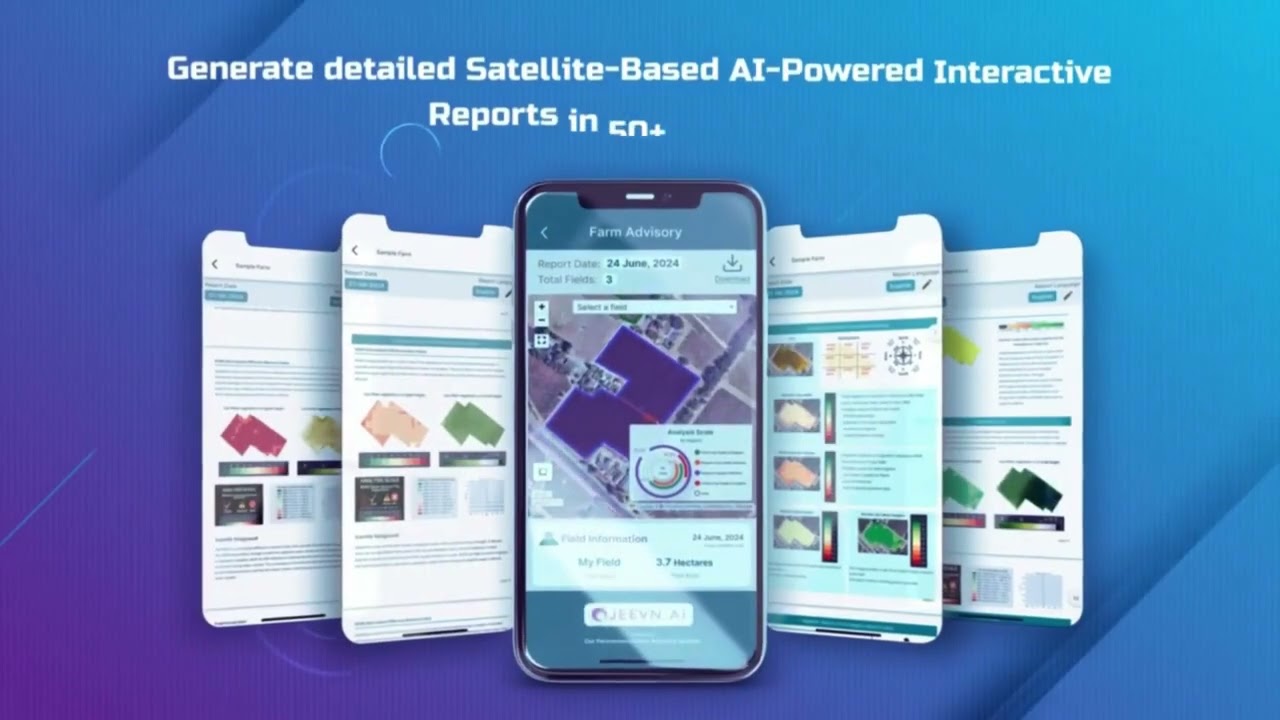
AI-Driven Advisory: Our Jeevn AI Advisory System offers real-time, location-specific guidance through web, mobile app, and
APIs—helping agricultural managers optimize every aspect of their operations on stepped terraces. - Blockchain Traceability: Ensuring every cereal crop batch from stepped agricultural areas can be authenticated and traced to its source, supporting supply chain integrity.
- Environmental Impact Tracking: Our carbon footprint and sustainability solutions enable agricultural businesses to manage emissions, water use, and resource flows in compliance with UAE sustainability targets.
- Resource and Fleet Management: We streamline logistics and fieldwork on terraced farms through satellite-powered fleet and resource management tools—critical for large plantations and fragmented stepped agricultural areas.
- Financing and Insurance Support: Through satellite-based verification for agricultural loans and crop insurance, we help stepped terrace farmers secure finance, reduce fraud, and scale their operations.
Our integrated platform works on web, Android, and iOS apps—accessible to users on-the-go or in-office.



For developers and agri-business system integrators, see our Developer Docs for API-based integration and custom workflows.
For project-wide stepped landscape management (cereal and multi-crop), our Large Scale Agro Admin Platform offers a robust solution for digital transformation and sustainability analytics.
Frequently Asked Questions (FAQ) — Stepped Agricultural Areas, Cereal Crops, and UAE Settlements
What are stepped agricultural areas and how do they help with cereal crops in the UAE?
Stepped agricultural areas involve converting sloped land into a sequence of flat cultivation beds or terraces, reducing soil erosion, optimizing water use, and widening the scope of arable land. In the arid UAE, they boost cereal (wheat, barley, millet) productivity and resource-use efficiency.
How much can yields and water savings improve versus standard flat fields?
In UAE’s settlements, modern terraced systems can increase cereal yield by up to 30% per hectare compared to traditional flat fields. Water usage may decrease by up to 40%, thanks to improved retention and targeted irrigation.
What makes them different in the UAE compared to elsewhere?
Unlike classic mountain terraces, UAE’s stepped areas are designed for both hilly/undulating and low-slope settlement zones, engineered with advanced soil conditioners, geospatial mapping, drip irrigation, and satellite monitoring for resilience against harsh desert climate.
Are these systems compatible with UAE’s settlement layout and infrastructure?
Yes. Terraced beds can be seamlessly integrated within or around new and existing urban settlements, transforming marginal lands into productive zones and complementing sustainable urban planning.
Can Farmonaut’s platform support monitoring and management of stepped agricultural areas for cereal crops?
Absolutely. We provide real-time monitoring, agronomic advisory, resource management, and traceability solutions across stepped and flat agricultural landscapes using satellite, AI, and digital platform tools available on web and mobile apps.
Start Your Stepped Agricultural Area Project With Farmonaut
Ready to unlock the full power of satellite-aided crop management, traceability, and smart analytics for stepped agricultural areas in your UAE cereal farming project?
Explore our affordable subscription plans below and join the future of digital agriculture.
Conclusion: The Stepped Agricultural Areas Revolution in UAE—2026 and Beyond
Stepped agricultural areas for cereal crops are redefining what’s possible in UAE’s arid and resource-constrained environments. By merging traditional terracing knowledge with modern irrigation, digital monitoring, AI-advisory, and advanced soil engineering, we can create resilient and highly productive agricultural systems—integral for food security, climate adaptation, and sustainable development in UAE settlements.
As we look to 2026 and beyond, the continuous improvement and scaling of stepped agricultural areas—with support from platforms like Farmonaut—highlight a bold, new future for cereal crop cultivation across the United Arab Emirates and similar arid regions globally. With the right tools, knowledge, and commitment, every step on each terrace brings us closer to a food-secure, sustainable, and thriving tomorrow.

 Bharat Krushi Seva
 Geno
Geno Hayleys Agriculture
 Linx Agritech
 Adinet
 Save Your Soils
 Grandstream Algérie
 XOS Realty
 Geospatial Lab Africa
 Agro La Gándara
 HIPSAC
 ZOL Zimbabwe
 Juligerm
 AdBio
AdBio MISE Maroc
 NWNS
NWNS
