

Sustainable Agriculture Malaysia: 7 Top Practices 2026
Summary: Sustainable agriculture in Malaysia is entering a transformative era as we step into 2026. By implementing innovative practices and harnessing advanced technologies, the agriculture of Malaysia is not only improving productivity, but also preserving vital natural resources and building long-term resilience to climate variability. This comprehensive guide explores the top sustainable agriculture practices in Malaysia, including cutting-edge approaches to soil and water management, integrated pest and disease management (IPDM), biodiversity conservation, and the game-changing role of drone technologies and satellite-based solutions in boosting crop resilience.
Why Sustainable Agriculture in Malaysia Matters in 2026
Malaysia’s agricultural sector faces a dual imperative: increasing productivity to ensure national food security and economic viability, while preserving natural resources and minimizing environmental footprints amid rapid urbanization and growing climate variability. As global markets demand higher environmental standards and as weather becomes more unpredictable, sustainable agriculture in Malaysia is no longer an alternative—it’s a necessity for smallholders and larger agribusinesses alike.
- 🌱 Boosting crop resilience and yield sustainability in the face of extreme weather events
- 🌏 Preserving soil and water quality for future generations
- 🦋 Supporting biodiversity conservation and healthy ecosystems
- 🌦️ Adapting to variable rainfall, droughts, and floods
- 💵 Enabling economic viability for farmers, especially smallholders
Comparative Table: Top 7 Sustainable Agriculture Practices Malaysia
- ✔ Enhanced soil health results in higher crop productivity and resilience
- 📊 Data-driven irrigation scheduling saves water and reduces stress on sensitive crops
- 🌾 Lower input costs reduce environmental footprints while boosting farm income
- ⚠ Reduced chemical use lowers pest resistance and preserves pollinator health
- 🌳 Increased carbon sequestration helps mitigate climate change
1. Soil Health and Nutrient Management: The Foundation of Sustainable Agriculture Malaysia
Key Focus: Enriching Soil, Improving Crop Resilience, and Reducing Nutrient Loss
Soil health is foundational to sustainable agriculture Malaysia—healthy soils not only support higher crop yields but also build resilience to climate variability. Malaysian farmers are increasingly adopting organic matter enrichment (through compost and manure), cover cropping, and crop rotation to boost microbial activity and strengthen soil structure. These practices enhance nutrient cycling, increase moisture retention, and reduce soil erosion—delivering resilient ecosystems and profits alike.
- ✔ Soil testing: Precision soil and nutrient analysis allows tailored fertilizer regimes, minimizing runoff and leaching into vital Malaysian waterways. This enhances NUE (Nitrogen Use Efficiency) and reduces volatilization.
- 🌱 Slow-release & stabilized fertilizers: Reduce environmental impact, improve yield over time, and reduce the risk of chemical buildup.
- 🌾 Conservation tillage & mulching: Retain soil moisture and enhance organic carbon stocks — especially crucial during drier spells in the Malaysian dry season.

Visual List: Major Benefits of Healthy Soil
- ✅ Supports diverse microbial life
- ✅ Boosts crop disease resistance
- ✅ Improves water retention and drought resilience
- ✅ Reduces fertilizer and water input needs
- ✅ Builds long-term yields and farm profitability
2. Water Stewardship & Efficient Irrigation in Malaysian Agriculture
Key Focus: Preserving Water Amid Climate Variability & Optimizing Crop Growth
Water stewardship is central to sustainable agriculture Malaysia, given periodic droughts and unpredictable rainfall across Peninsular Malaysia, Sabah, and Sarawak. Smallholders and large-scale farms alike are advancing with:
- 💧 Rainwater harvesting: Captures and stores rainfall, lowering dependence on external sources in drier seasons.
- 🚰 Efficient irrigation technologies: Drip and micro-sprinkler systems deliver water directly to crop root zones, reducing water consumption up to 30% while minimizing risk of salt stress.
- 📡 Sensor-based scheduling: Soil moisture sensors and weather forecasting inform precision irrigation timing and quantity—addressing specific crop needs and extreme weather patterns.
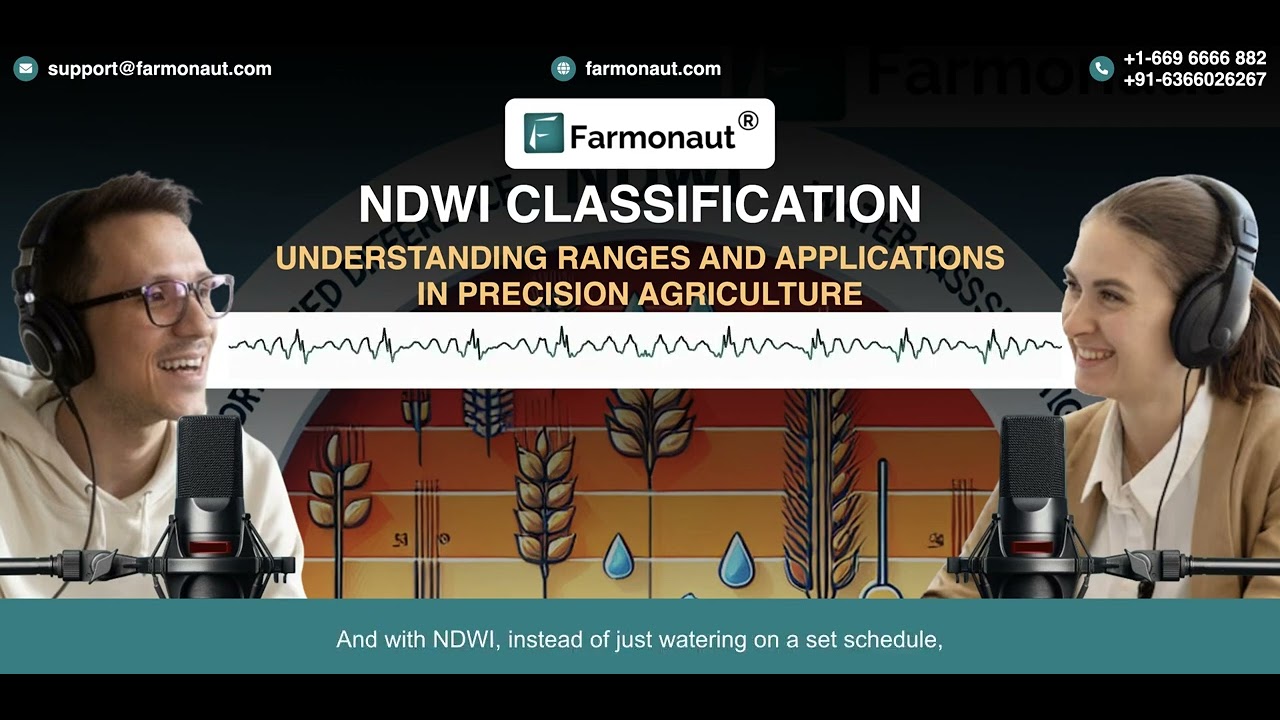
Paddy rice and sensitive crops in Malaysia have greatly benefited from these advances. They reduce runoff, prevent nutrient leaching into rivers, and maintain a critical hydrological balance.

Water-efficient practices not only conserve Malaysia’s natural resources but also support steady yields and resilient farm incomes as weather patterns shift further in 2026.
Visual List: Breakthroughs in Water Management for Malaysia
- 💧 Drip irrigation—up to 30% water savings
- 🌦️ Rainwater harvesting tanks for remote rural fields
- 📲 Real-time mobile alerts for moisture deficiency
- 🎯 Targeted irrigation scheduling based on upcoming weather
- 🛰️ Satellite-based field monitoring—rapid, scalable, precise
3. Integrated Pest and Disease Management (IPDM): Resilience for Malaysian Crops
Key Focus: Reducing Chemical Loads, Enhancing Environmental Regulation, and Preserving Pollinators
Integrated Pest and Disease Management (IPDM) is a cornerstone of sustainable agriculture practices Malaysia. With climate variability fueling unpredictable pest and disease outbreaks, IPDM combines biological, cultural, and precise chemical strategies:
- 🐛 Biological controls & pheromone traps limit chemical dependency and protect beneficial insects.
- 🌾 Resistant cultivars and crop diversification break pest cycles and lower outbreak risk.
- 📊 Data-driven pest scouting: Use of satellite/drone monitoring to identify emerging threats and time interventions precisely.
- ⚠ Judicious chemical use—rotates active ingredients, reduces risk of resistance, and limits harmful runoff.
- 🦋 Preserves pollinators and beneficial insect populations—vital for fruit and palm oil crops across Malaysia.
As pests and diseases become more erratic due to both climate and land use change, Malaysian IPDM adoption has increased to an estimated 65% of commercial farms.
4. Biodiversity Conservation & Agroforestry Integration
Key Focus: Building Long-Term Ecosystem Resilience for Malaysian Farms
Sustainable agriculture in Malaysia emphasizes the importance of maintaining hedgerows, native plant strips, and mixed agroforestry buffers to preserve functional biodiversity. These systems enhance ecosystem services—from pest regulation to pollination, microclimate stabilization, and additional income from timber and non-timber forest products.
- 🌳 Agroforestry: Intercropping tree crops with annuals or livestock improves carbon sequestration and stabilizes soil.
- 🦋 Native plantings: Attract beneficial insects and reduce pest pressure naturally.
- 🏞️ Wetlands & river buffer strips: Critical for flood control in monsoon regions and maintaining water quality.
5. Precision Technologies & Agriculture Drone Malaysia
Key Focus: Harnessing Drones and Satellite Data for Smart, Sustainable Decisions
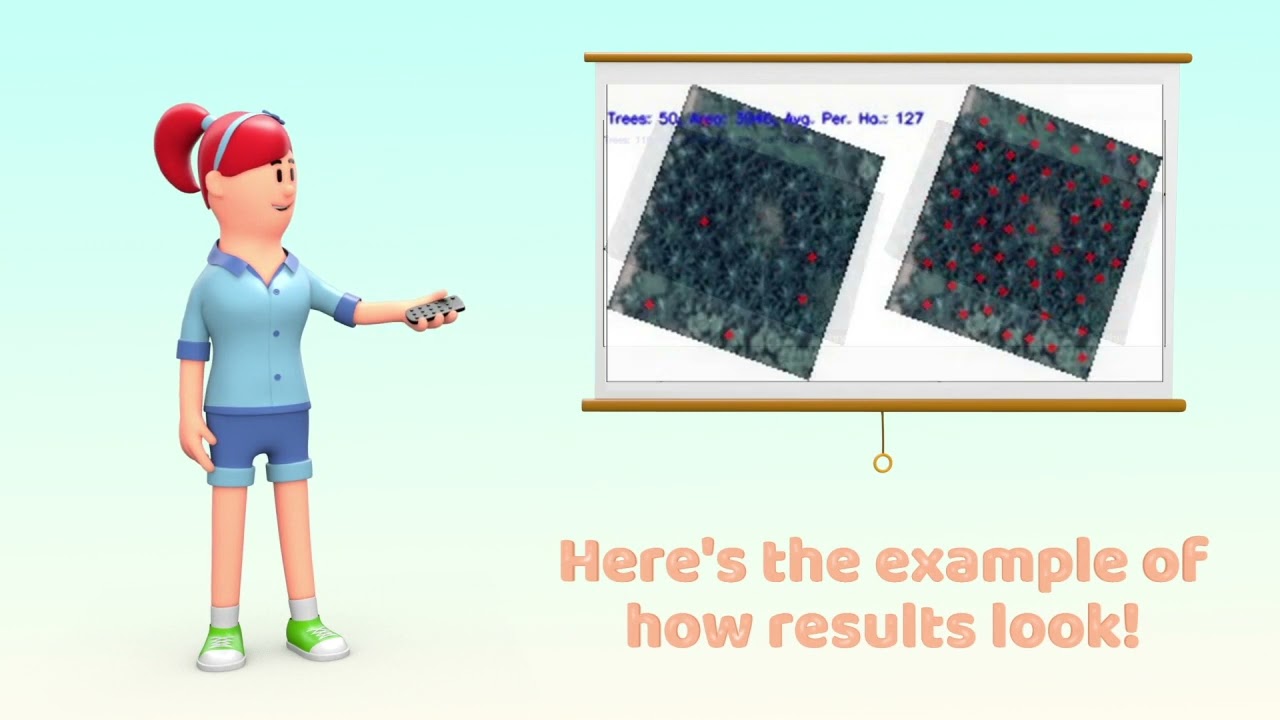
The growth of agriculture drone Malaysia marks a transformative shift in how fields are managed. Farmers are using drones and multispectral satellites for:
- 🛰️ Crop health and stress monitoring—detects problems long before human scouts can, slashing losses and input waste.
- 📸 Field mapping and zoning—enables targeted input application, optimizing resources and reducing environmental footprints.
- 🤖 Drone-assisted fertilizer & pesticide spraying—with automated precision, reducing exposure risk and overall chemical use.
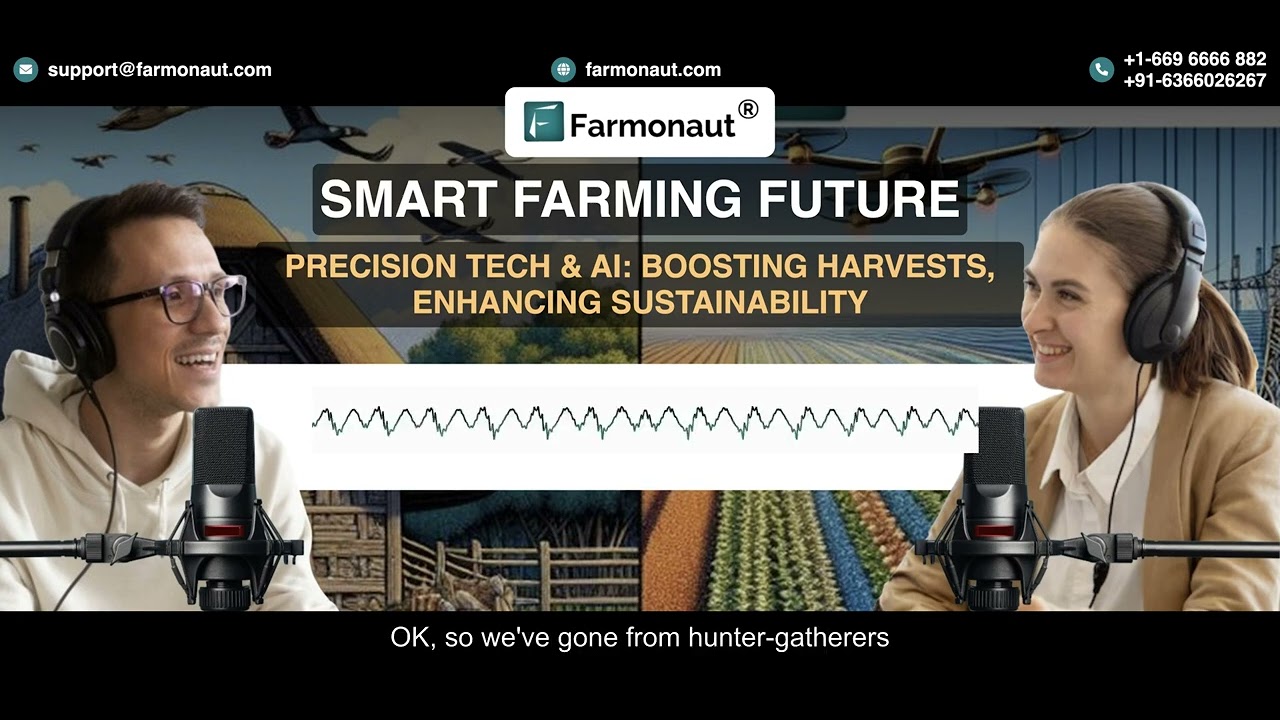
Satellite-driven insights unlock the potential for farm-scale and regional analysis of:
- 📊 Soil moisture deficits—Pinpoint when and where to irrigate, protecting paddy against dry season risk.
- 🌾 Nutrient deficiencies and pest outbreaks—Trigger quick, localized interventions.
- 🌦️ Weather tracking—Plan field activities and input applications for maximum efficiency.

Satellite-backed services such as carbon foot-printing monitor and minimize agricultural emissions, while blockchain-based traceability bolsters consumer trust in eco-friendly farm products—a growing trend in international trade and local Malaysian markets.
- 🚀 Automated drones for field spraying & scouting
- 📲 App-based advisory for real-time farm decisions
- 🛡️ Blockchain for farm-to-market transparency
- 🛰️ High-res satellite imagery for field variability mapping
- 📡 IoT integration—offline & remote farm monitoring
6. Policy & Institutional Support for Sustainable Farmers
Key Focus: National Policies, Premium Market Access, and Research for Sustainability
Progress in sustainable agriculture Malaysia is heavily influenced by:
- 🗺️ Agro-food policy frameworks—Malaysia’s government promotes sustainable land use, research and development, and investment in smart technologies.
- 🤝 Certification schemes and traceability—Enable premium pricing and open export channels for sustainably produced crops.
- 🏛️ Credit and insurance access—Financial innovations, such as satellite-based verification, reduce fraud and bring affordable loans and risk protection to smallholders.
7. Extension Services, Capacity Building, & Financing for Malaysian Farmers
Key Focus: Knowledge Transfer, Training, and Technology Adoption at Scale
Success in sustainable agriculture Malaysia depends on:
- 🌟 Extension services: On-ground experts train farmers in precision irrigation, soil management, IPDM, conservation, and smart tech.
- 🔑 Affordable financing: Collaborations with lenders enable farmers to upgrade equipment—integrating everything from drones to satellite apps.
- 👥 Training and capacity building programs: Continuous learning supports the spread of new sustainable practices to even the most remote rural communities.
Our fleet management solutions assist with logistics and machinery use, reducing overall costs and environmental impact for Malaysian farms of any scale.



Access Farmonaut’s Scalable, Affordable Satellite Solutions
Explore our flexible subscription plans designed for farmers, agribusinesses, and government agencies committed to sustainable agriculture Malaysia:
Real-World Examples in Malaysian Agriculture (2026)
- ✔ Oil palm plantations leverage drones/Satellites for yield prediction and disease mapping. See how Farmonaut supports plantation advisory for sustainable palm oil practices.
- 🌶️ Chili and fruit growers use real-time soil moisture and pest alerts for efficient irrigation and precision sprays—raising incomes and lowering risk.
- 🌾 Paddy farmers in Kedah and Perak apply NDWI and multispectral imaging for adaptive water management, now standard for large and small plots.
Key Challenges and Opportunities in 2026 and Beyond
- ⚠ Challenge: Land fragmentation makes scaling technologies harder. Opportunity: Digital mapping and custom advisory connect fragmented plots into single management dashboards.
- ⚠ Challenge: Aging farmer population. Opportunity: Partnering with youth tech innovators and integrating mobile-friendly apps.
- ⚠ Challenge: Climate change increases risk and event unpredictability. Opportunity: More precise, predictive weather forecasting and early warning systems.
- ⚠ Challenge: Financing barriers for smallholders. Opportunity: Satellite-enabled lending and insurance—cuts fraud, brings affordable risk protection to the grassroots.
- ⚠ Challenge: Complex compliance with eco-certification. Opportunity: Blockchain traceability—seamless, tamper-proof tracking from field to shelf.
How Farmonaut Empowers Sustainable Agriculture in Malaysia
At Farmonaut, we are committed to making satellite-driven insights affordable and accessible to all layers of Malaysia’s agricultural sector:
- 🌍 Enterprise and farm app solutions—available for Android, iOS, and browser, tailored to both large-scale farm management and smallholder needs
- ⏱️ Real-time crop and soil monitoring—enables timely interventions to boost productivity and reduce losses
- 🤖 Jeevn AI-based advisory—offers weather forecasts and actionable recommendations in local context
- 📉 Carbon footprint analysis—helps users stay compliant and unlocks new carbon markets
- 🔗 Blockchain traceability—builds trust and opens export opportunities with transparent, verified supply chains
Farmonaut’s agro admin app and fleet management tool help Malaysian farmers cut costs, meet eco-certification standards, and boost yields—all with a focus on sustainability and environmental conservation.
Sustainable Future: Conclusion & Action Steps
Sustainable agriculture Malaysia is about synergy—bringing together proven best practices (soil and water stewardship, IPDM, biodiversity conservation, and advanced technologies) in an integrated, adaptive approach. As we enter 2026 and beyond:
- 🌱 Adopt data-driven practices—utilize soil, water, and weather data for smarter interventions.
- 🛰️ Leverage advanced technologies like drones and satellite monitoring to boost yield, efficiency, and environmental performance.
- 🌿 Invest in biodiversity, ecosystem services, and landscape resilience.
- 🤝 Engage policy, extension, and training to maximize the benefits of innovation.
- 💡 Choose sustainability for both economic security and environmental stewardship—securing Malaysia’s agriculture for generations to come.
FAQ: Sustainable Agriculture Malaysia 2026
The seven top practices include: crop rotation and cover cropping, organic matter enrichment, precision fertilizer application, water-efficient irrigation, IPDM (Integrated Pest and Disease Management), agroforestry and biodiversity conservation, and the use of precision technologies (drones and satellite monitoring).
Agriculture drones boost sustainable farming in Malaysia by enabling rapid, detailed field mapping, crop health and moisture monitoring, and precision application of fertilizers and pesticides—significantly reducing input waste, environmental footprints, and labor time.
Malaysia’s variable rainfall, periodic droughts, and growing water demand require efficient water management to maintain hydrological balance, enhance crop resilience, and protect rivers and downstream ecosystems—especially for water-intensive crops like paddy.
Yes, platforms such as Farmonaut offer affordable, subscription-based and mobile-friendly solutions for smallholders, enabling access to real-time crop, soil, and water insights, as well as traceability and financing services.
Begin by conducting soil and water tests, then gradually adopt crop rotation, efficient irrigation, and integrated pest management. Use mobile apps, consult local extension services, and explore digital platforms for real-time field monitoring and guidance.
Take the next step toward resilient, sustainable agriculture—explore Farmonaut’s apps and solutions today!
Discussion
Questions, corrections or field experience? Share them below. First-time comments are reviewed before they appear, and your email is never published.
No comments yet. Be the first to add a question or your experience.

 Tucor
Tucor Saraswati Agro
 Geno
Geno Hayleys Agriculture
 Linx Agritech
 Adinet
 Save Your Soils
 Grandstream Algérie
 XOS Realty
 Geospatial Lab Africa
 Agro La Gándara
 HIPSAC
 ZOL Zimbabwe
 Juligerm
 MISE Maroc
 NWNS
NWNS
 Licence holder · Niger · Gold










