

Top 10 Agriculture States in India: 2026 Trends & Outlook
“Uttar Pradesh leads India’s agriculture output, contributing over 15% to the nation’s total food grain production in 2025.”
India’s top agriculture states continue to define the rural economy and national food security, leveraging advancements in irrigation, horticulture, value chains, and sustainable land-use strategies. As we transition into 2026, states like Maharashtra, Punjab, Uttar Pradesh, Rajasthan, Gujarat, Tamil Nadu, Karnataka, Madhya Pradesh, Haryana, and West Bengal consistently demonstrate agricultural vibrancy through crop diversity, sector resilience, and pioneering policy initiatives.
Table of Contents
- 2025 Snapshot of Top Agriculture States in India
- State-Wise Comparative Data: 2025 Estimates
- Maharashtra: Diversified Agriculture Powerhouse
- Punjab & Haryana: The Modern Grain Bowl Cores
- Uttar Pradesh: The Agricultural Titan
- Rajasthan & Gujarat: The Arid and Semi-Arid Strengths
- Tamil Nadu & Karnataka: Southern Diversity and Innovation
- Madhya Pradesh: Pulse-Driven Growth and Forestry Frontiers
- West Bengal: Wetland and Horticulture Hub
- 2026 Outlook: Emerging Trends Across India’s Leading Agriculture States
- Satellite, AI & the Farmonaut Edge
- Frequently Asked Questions
“Maharashtra tops horticulture with over 20% share in India’s fruit production, driving rural livelihoods and export growth.”
2025 Snapshot of Top Ten Farming States in India
India’s top ten farming states are change-makers: powering agricultural output, employment, and sustainable value-chain innovations. Their sector-specific strengths in crops, horticulture, forestry, dairy, and agroforestry ensure food systems resilience, rural transformation, and economic growth. Here’s a quick summary:
- ✔ Crop Diversity: Multifaceted production—grains, pulses, oilseeds, specialty fruits, and vegetables
- 🎯 Horticulture & Value Chains: From orchard expansion to processing centers
- 🌊 Irrigation Innovation: Drip, sprinkler, canal, and micro-irrigation advances
- 🐄 Dairy & Allied Sectors: Leading in milk, livestock, and on-farm recycling
- 🌳 Forestry & Sustainable Land Use: Growing agroforestry and community forest initiatives
Comparative Table: Top 10 Agriculture States (2025 Estimates)
| State Name | Est. Total Agri Output (₹ Cr) | Major Crops | Crop Diversity Index | Horticulture Output (₹ Cr) | Irrigated Area (%) | Main Allied Sectors | Employment in Agri (%) |
|---|---|---|---|---|---|---|---|
| Uttar Pradesh | ₹3,10,000 | Wheat, Rice, Sugarcane | 0.82 | ₹38,000 | 81 | Dairy, Horticulture, Forestry | 54 |
| Maharashtra | ₹2,65,000 | Sugarcane, Cotton, Soybean | 0.88 | ₹62,000 | 23 | Horticulture, Dairy, Agroforestry | 44 |
| Punjab | ₹1,62,000 | Rice, Wheat | 0.74 | ₹27,000 | 99 | Dairy, Agroprocessing, Forestry | 50 |
| Haryana | ₹1,35,000 | Rice, Wheat, Barley | 0.69 | ₹17,000 | 98 | Dairy, Agroprocessing, Forestry | 52 |
| Rajasthan | ₹1,56,000 | Millets, Pulses, Oilseeds | 0.81 | ₹15,000 | 48 | Agroforestry, Livestock, Dairy | 58 |
| Gujarat | ₹1,68,000 | Cotton, Groundnut, Wheat | 0.83 | ₹22,000 | 54 | Dairy, Food Processing, Livestock | 41 |
| Tamil Nadu | ₹1,32,000 | Coconut, Rice, Banana | 0.78 | ₹41,000 | 56 | Horticulture, Dairy, Plantation | 54 |
| Karnataka | ₹1,49,000 | Millets, Pulses, Coffee | 0.84 | ₹29,000 | 50 | Dairy, Plantation, Livestock | 46 |
| Madhya Pradesh | ₹1,85,000 | Soybean, Pulses, Wheat | 0.80 | ₹25,000 | 54 | Agroforestry, Dairy, Forest Products | 62 |
| West Bengal | ₹1,64,000 | Rice, Potato, Banana | 0.77 | ₹34,000 | 67 | Fishery, Horticulture, Agroprocessing | 49 |
The crop diversity index is highest for Maharashtra, reflecting robust diversification across grains, horticulture, sugarcane, cotton, and legumes, which helps enhance climate resilience and farm incomes.
Maharashtra: The Diversified Agriculture Powerhouse
Maharashtra is a leader among the top agriculture states in India, renowned for its broad diversification and high-value horticulture output. The state’s robust performance in sugarcane, cotton, legumes, and fruit clusters (notably bananas) is underpinned by advanced irrigation infrastructures and forward-thinking agro-processing networks.

Key Features of Maharashtra’s Agriculture Landscape:
- ✔ Diversified crop portfolio, including cereals, oilseeds, cotton, legumes, and horticulture
- 🚰 Advanced irrigation networks, micro-irrigation (drip, sprinkler) coverage expanding, enhancing water security in plateau and hilly tracts
- 🏭 Agro-processing clusters: sugar mills, fruit/vegetable processing, boosting value addition across supply chains
- 🌳 Agroforestry and plateau regeneration programs support sustainable land use
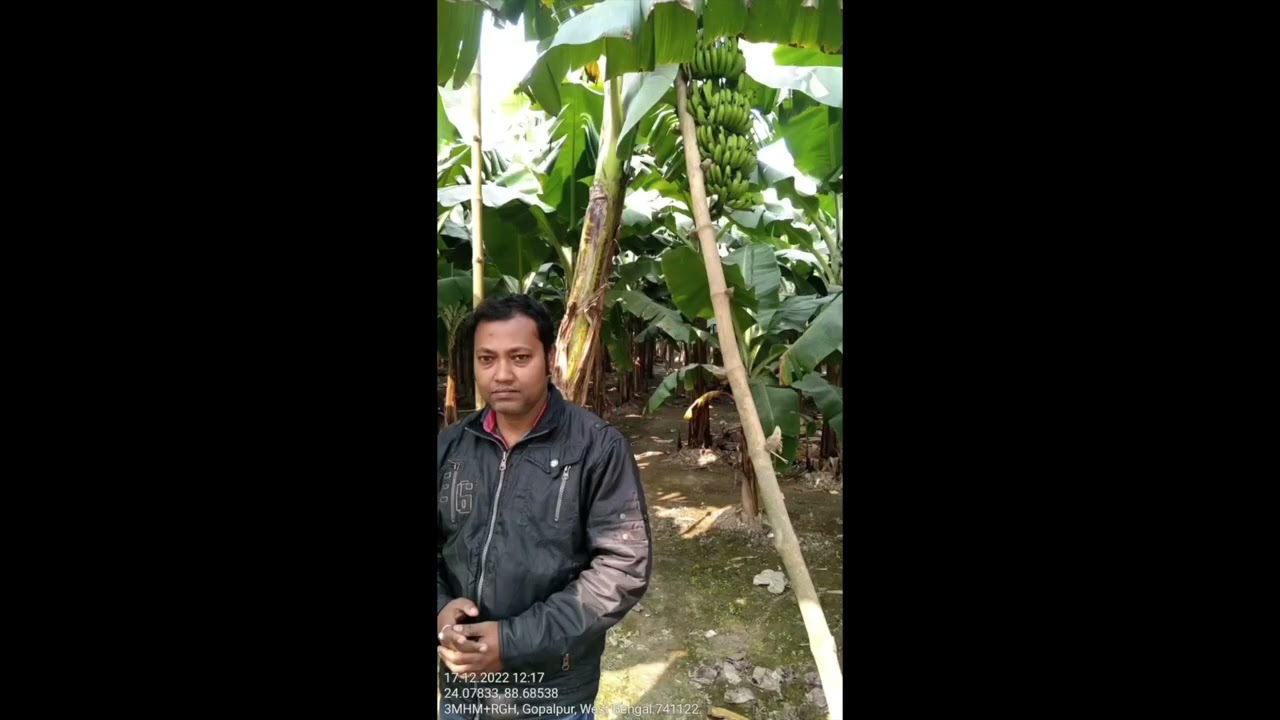
Maharashtra’s farmers are increasingly leveraging digital extension services for precision management, yield forecasting, and access to agri-credit—including using satellite monitoring solutions and satellite-based crop loan and insurance verification platforms.
Horticulture: Fruits, Exports, and Rural Livelihoods
- 🍌 Bananas, grapes, pomegranates drive robust cluster development and international exports
- 🟩 Investment in fruit processing, cold storage, and logistics chains improves market access and farmer incomes
- 🌿 Agroforestry initiatives on hilly tracts support both forest product diversification and land restoration
Key Bullet Points
- ✔ Advanced drip irrigation reduces input costs and enhances productivity
- ✔ Credit access via institutional support, helping farmers weather climate variability
- ✔ Sugar mills and processing industries create rural jobs and boost farm incomes
Punjab & Haryana: Grain Bowl Cores with a Modernizing Edge
Punjab and Haryana are central to India’s foodgrain security, driving rice and wheat output with intensive crop systems, canal networks, and farmer-friendly policy incentives. These states are at the forefront of integrating technological upgrades, precision farming, and post-harvest management.

Punjab & Haryana: Fast Facts & 2026 Outlook
- ✔ Wheat-rice efficiency with highest irrigation coverage (98-99%) and robust input supply
- ✔ Leading in dairy and value chain expansion, dairy farming complements cereal production for nutrient recycling
- ✔ Agroforestry and shelterbelt planting along canals optimize farm boundaries, enhance microclimate, and promote biodiversity
- ✔ Modern post-harvest logistics and storages reduce food loss and boost grain exports

Modernizing wheat and rice value chains, plus digitizing grain logistics, is unlocking investment avenues in supply chains, export quality control, and agri-insurances.
Visual List: Sectoral Strengths
- ⚡ Intensive, high-yielding crop varieties
- 🔗 Robust extension services and agri-technology adoption
- 🍃 Sustainable irrigation networks sustaining multi-crop cycles
Supporting Technologies
- ✔ Precision input management with digital farm monitoring and IoT devices
- ✔ Satellite-based soil health monitoring and field variability analysis

Uttar Pradesh: The Agricultural Titan
Uttar Pradesh stands as the single largest contributor to India’s agriculture output, spanning over diverse agro-climatic zones. The state showcases structural diversity from wheat and rice to sugarcane, pulses, and specialty fruit and vegetable clusters (notably mangoes and potatoes).
Crops, Irrigation, and Allied Sectors Snapshot
- ✔ Mechanization and canal irrigation expansion significantly boost productivity and land intensity
- ✔ Diversification into horticulture, with strong market clusters for mangoes, potatoes, and other fruits
- ✔ Growing forestry and agroforestry, community woodlots, and soil health improvement initiatives
- ✔ Expansion of dairy, animal husbandry, and allied farm enterprises

Focusing solely on input utilization without long-term soil and water management can reduce resilience—holistic farm advisory and real-time monitoring can help address hidden risks.
Expansion Highlights
- ✔ Community forestry, soil, and water conservation programs expanding coverage
- ✔ Technology-led government schemes for mechanization and credit inclusion


Rajasthan & Gujarat: Arid and Semi-Arid Strength with Value Chains
Rajasthan and Gujarat represent the leading edge of arid and semi-arid state agriculture in India. Rajasthan excels in millets, pulses, oilseeds, and fodder crops, while Gujarat emphasizes cotton, groundnut, and horticulture—plus substantial dairy and food processing value chains.
Why Rajasthan & Gujarat Remain Key Top Agriculture States
- ✔ Micro-irrigation, drip and sprinkler systems expand to combat water scarcity
- ✔ Rajasthan is the millet capital and rapidly expanding horticulture in irrigation pockets
- ✔ Gujarat is a leader in dairy value chains, edible oil processing, and resource-efficient farming
- ✔ Both states invest in soil and moisture conservation, sustainable watershed management, and agroforestry
- ✔ Crop diversification initiatives and drought-resilient varieties safeguard rural livelihoods

Visual List: Drought-Ready Approaches
- 👨🌾 Drought-tolerant seed varieties
- 💧 Watershed-based planning and recharging
- 🌾 Integrated fodder and livestock systems
The expansion of micro-irrigation—especially drip and sprinkler systems—has not only saved water but also increased regional yields and farm incomes across western India.
Tamil Nadu & Karnataka: Southern Diversity and Processing Leadership
Tamil Nadu excels as a horticulture and plantation leader, driving cluster-based coconut, banana, tapioca, and spice cultivation. Karnataka emphasizes plantation crops (coffee, cardamom, pepper), pulses, and cereals in Western Ghats and plateau zones, with strong integration of dairy and processing chains.
Sectoral Highlights
- ✔ Integrated farming systems—income risk sharing between crops, livestock, and aquaculture
- ✔ High-value plantation and specialty export commodities: coffee, coconut, spices, cut flowers
- ✔ Investment in processing industries, cold storages, and export logistics
- ✔ Soil conservation and agri-biodiversity protection in hilly and forest-interfacing zones


Diversifying within and across plantation, coconut, and spices reduces risks from weather shocks and price volatility—backed by digital fleet management for logistics and crop health surveillance.



Farmonaut’s platform offers real-time crop, soil, water, and carbon tracking for sustainable and large scale farm management.
Discover Large-Scale Farm Management Solutions
Madhya Pradesh: Pulse-Driven Growth and Forest Interfaces
Madhya Pradesh has rapidly emerged as a powerhouse of pulses and soybean production, combining mechanized expansion of cereals with dynamic forestry and afforestation schemes in forest-interfacing districts.
State Agriculture Drivers
- ✔ Pulses (chickpea, pigeonpea, lentil) and soy cultivation support national food security and farmer incomes
- ✔ Large-scale cereal output—wheat and rice—backed by expanding mechanization and input support
- ✔ Forest interfaces: afforestation, community forestry, and bioenergy crop initiatives aid livelihoods and biodiversity
- ✔ Satellite and AI-based farm monitoring for resource optimization and carbon footprint tracking on mixed-cropping landscapes
West Bengal: Wetland Farming & Horticulture Hub
West Bengal is synonymous with wetland, riverine agriculture, and horticulture leadership. Rice, potatoes, and bananas thrive amid delta systems, while integrated fishery and agroprocessing add vital value to rural livelihoods.

Key Strengths
- ✔ Leader in rice, potato, banana cultivation, especially in irrigated, wetland ecosystems
- ✔ Pioneering horticulture cluster initiatives across fruits and vegetables
- ✔ Integrated fishery, processing chains, and on-farm resource recycling systems
West Bengal’s value chains in rice, fruit, and fishery benefit from traceability technology, process digitization, and premium export certification.
For businesses and governments looking to improve traceability, transparency, and compliance across agri-supply chains, check out Farmonaut’s blockchain-based product traceability solutions.
2026 Outlook: Emerging Trends Across India’s Leading Agriculture States
As rural India builds towards sustainable growth and sectoral modernization, these key themes will transform the top ten farming states and farm sector outlook:
- ✔ Water Security & Irrigation Efficiency: Continued rapid expansion of micro-irrigation (drip, sprinkler), groundwater recharge, and smart irrigation networks, especially in arid and semi-arid zones
- ✔ Value Chain Integration: Scaling up storage, logistics, and processing units; strengthening access to domestic and export markets
- ✔ Horticulture-led Diversification: Major clusters for fruits, vegetables, plantation and spice crops reduce risk and improve incomes
- ✔ Agroforestry & Sustainable Land Use: Policy emphasis on land restoration, community forestry, and carbon-sequestering crops
- ✔ Technology & Mechanization: State-backed digital extension services, remote crop monitoring, and on-farm automation for labor and resource efficiency
- ✔ Environmental Monitoring: Carbon, soil health, and ecosystem-impact tracking via advanced analytics
Visual List: Rural Transformation Drivers
- 🔬 AI and remote sensing for crop management
- ⛲ Smart irrigation for resource conservation
- 🌱 Agroforestry initiatives for ecosystem and income resilience
By 2026, digital resource management and real-time environmental monitoring will be standard for larger agri-clusters and supply chains, supporting compliance, sustainability, and higher farmer incomes.
Satellite, AI & the Farmonaut Edge in 2026
At Farmonaut, we provide affordable, actionable insights for agriculture through satellite imagery, AI-driven advisory systems, and blockchain-based traceability, all from a single integrated platform. Our mission is to make satellite-driven data and decision support accessible to every farm, agribusiness, and policy stakeholder across the top 10 agriculture states in India by 2026 and beyond.
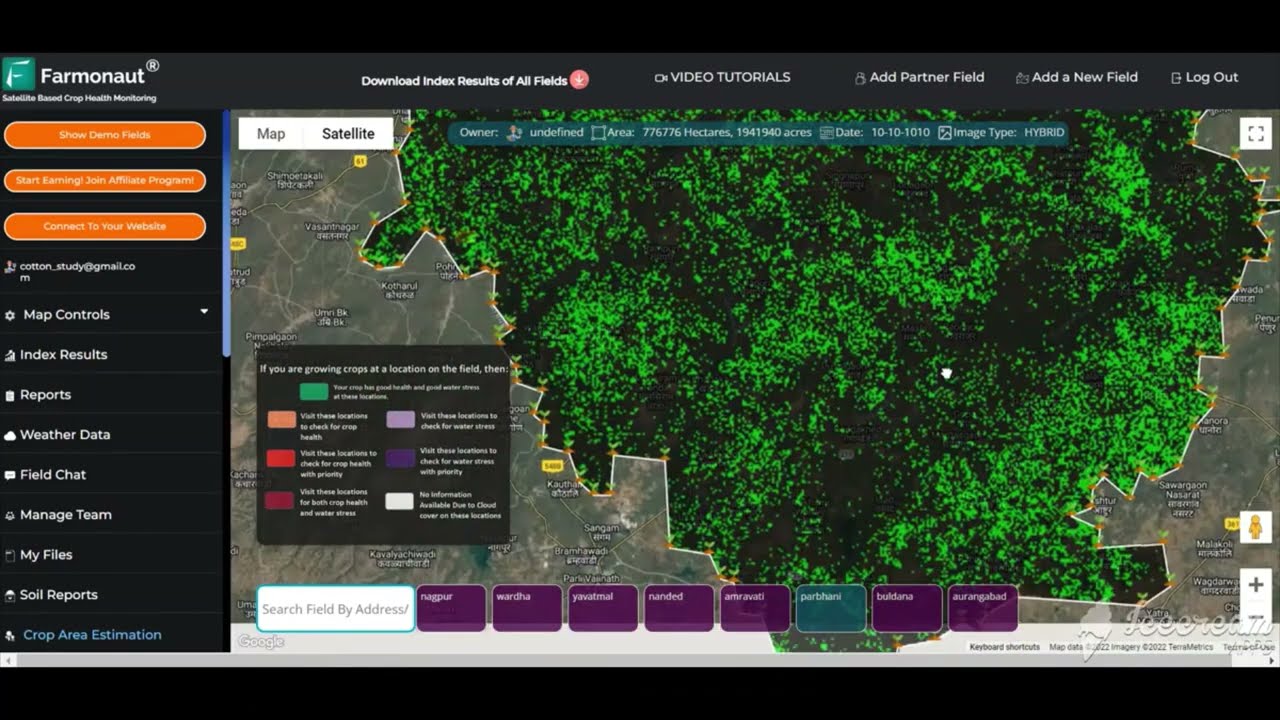
- 📊 Satellite Monitoring: Analyze crop health, vegetation (NDVI), and soil moisture, reducing input waste and enabling early action on crop stress
- 🤖 AI Advisory: Get hyperlocal recommendations, weather forecasts, and input strategies for your field, forestry, or plantation operation
- 🔗 Blockchain Traceability: Bring transparency to supply chains and ensure authenticity from >plot to market
- 🌎 Environmental Impact: Monitor carbon footprints in agriculture and forestry for compliance and sustainability
- 🛡️ Crop Loan & Insurance Support: Our satellite-based verification tools help banks and farmers reduce fraud and access financing.
Use Farmonaut’s API & Developer Docs to integrate dynamic crop, soil, and resource data into your agri-product or supply chain solution.
Many stakeholders underestimate the value of satellite-based real-time monitoring over traditional surveys—it enables earlier and data-backed interventions, reducing risk and boosting returns.
Frequently Asked Questions: Top Agriculture States in India (2026)
Which state will remain India’s agricultural leader in 2026?
How are irrigation technologies evolving in these states?
What role do allied sectors (like dairy and forestry) play in rural livelihoods?
What technology trends should farmers and agribusinesses follow in 2026?
How can I start using satellite and AI-based advisory for my farm?

 Nivia
Nivia Doodlakine
 Exurbia Geospatial
 FieldZero
 Indico Company
 Kubota
 FFBS
FFBS Jontra
 Kalustyan
 Tucor
Tucor Geno
Geno Hayleys Agriculture
 Linx Agritech
 Adinet
