

Table of Contents
- Vietnam Agriculture 2026 Trivia
- Introduction: Vietnam Agriculture 2026
- Key Sectors & Emerging Trends
- Productivity, Technology, and Resilience
- Videos: Smart Agriculture in Vietnam
- Policy, Investment, and Market Dynamics
- Key Callout Boxes: Insights & Tips
- Trends vs. Impact: Sustainable Agriculture Table
- Outlook for Farmers & Stakeholders
- Frequently Asked Questions
- Farmonaut’s Role: Satellite Solutions for Vietnam Agriculture
- Conclusion: The Path Forward for Sustainable Vietnam Farming
“Vietnam’s sustainable agriculture exports are expected to grow by 25% by 2026, boosting global market access.”
Vietnam Agriculture 2026: Farming Trends & Growth Keys
Vietnam agriculture stands at a pivotal point in the global food system—combining centuries-old farming traditions with transformative innovations for a sustainable future. In 2026 and beyond, agriculture in Vietnam faces an intersection of rapid economic shifts, climate challenges, and digital disruption.
As one of Southeast Asia’s most dynamic economies, Vietnam is underpinned by a diversified portfolio of crops and commodities. The nation’s growing domestic demand and substantial farm exports have animated rural communities, while both global market expectations and climate adaptation force continual innovation. Let’s explore the key trends, challenges, and growth keys shaping Vietnam agriculture as we move toward 2026, prioritizing sustainable practices, environmental protection, and technological integration.
- ✔️ Agriculture remains a cornerstone — rice, coffee, tea, pepper, and cashew headlining a diversified export sector.
- 📊 Climate adaptation and technology adoption are driving forces behind sustained productivity growth.
- 📈 Integrated farming systems and agroforestry practices are on the rise for income stabilization and biodiversity protection.
- 🛰️ Digital tools: satellite monitoring, remote sensing, and blockchain are enhancing traceability and farm management.
- 💡 Government-backed initiatives are promoting modernization, market compliance, and sustainable land use.
Key Sectors & Emerging Trends in Vietnam Agriculture
Vietnam’s rural landscape is one of constant renewal—rapid shifts in farming practices, value-added production chains, and environmental stewardship. Examining the critical sectors and their recent developments is essential for understanding how farming in Vietnam is evolving toward 2026.
1. Crop Diversification and High-Value Crop Trends
Rice remains the cornerstone of Vietnam agriculture, but farmers are increasingly turning to high-value crops such as fruits, vegetables, and spices for export. The rise in mangos, durians, longans, and dragon fruit cultivation reflects rural farmers’ drive to capture premium markets through improved postharvest handling, cold-chain logistics, and rigorous international phytosanitary standards.
- 🥭 Mango, Durian, Longan, Dragon Fruit: High-value export expansion.
- ☕ Coffee, Tea, Pepper: Principal pillars feeding global markets.
- 🌱 Cassava & Sugarcane: Vital for industrial bio-based supply chains.
The diversification of crop production reduces both economic and climate-related risks. International certifications (such as GlobalGAP) are now essential for ensuring compliance and market access amid changing global demands.
Crop diversification, supported by improved postharvest logistics, is essential for Vietnam to capture premium export markets, even as rice remains crucial for food security.
2. Livestock and Aquaculture: Boosting Control, Traceability & Resilience
Poultry and pork production in Vietnam face disease pressures, particularly African Swine Fever and Avian Influenza. This has prompted a shift toward tighter biosecurity, genetic improvements, better input sourcing, and cost control.
- 🐟 Aquaculture (Shrimp, Pangasius): Expanding through improved feed efficiency, advanced traceability systems, water quality management, and stricter environmental compliance.
- 🍗 Livestock: Focused on disease control, genetics, and innovation to stabilize income and meet market demands.
- 🌾 Integrated Systems: Models combining crop, livestock, and fish stabilize farmer revenues and reduce agricultural waste.
- ⚠ Disease control remains a major cost and risk factor.
- 📊 Traceability and standards compliance are increasingly critical for export to global markets.
- 💰 Income stabilization through integrated farming reduces rural vulnerability.

3. Forestry, Agroforestry, and Sustainable Land Use
Vietnam’s forestry and agroforestry programs are expanding in importance. Forest protection, rehabilitation, and reforestation not only sustain soil health, watershed protection, and carbon sinks, but are also critical in the conservation of biodiversity, especially in upland regions.
- 🌳 Shade Crops: Bringing tea, cocoa, and spices under denser tree canopy to improve microclimates and diversify income.
- 🌱 Agroforestry: Blending agricultural and forestry practices enhances resilience against climate extremes and market volatility.
- ♻️ Mine Rehabilitation: Responsible mining management and restoration to mitigate ecological disruption for adjacent land uses.
Within this sustainable framework, agroforestry practices are actively promoted to generate climate, economic, and environmental returns—offering smallholders a reliable path to stability.
Integrated agroforestry can significantly enhance soil health, buffer climate risks, and deliver multiple income streams for rural households in Vietnam.
- 🌲 Forest protection helps stabilizing microclimates and water runoff.
- ✔️ Rehabilitation of mining-impacted soils creates productive land for future farming.
4. Mining, Land Use, and Responsible Practices
While mining is not the primary driver in most rural economies, responsible land management at mine sites is gaining traction.
Environmental governance is essential for mitigating negative impact on adjacent agricultural zones, with strong focus on rehabilitation and sustainable use of resources over the long term.

Productivity, Technology, and Resilience in Agriculture in Vietnam
The path to a sustainable, high-yielding Vietnam agriculture sector in 2026 demands a synergy of precision technology, data-driven management, and widespread climate adaptation. Key enablers are transforming rural productivity and embedding resilience into Vietnam farming.
1. Precision Agriculture and Digital Tools
Precision farming is no longer a frontier idea but an increasingly mainstream practice in Vietnam farming.
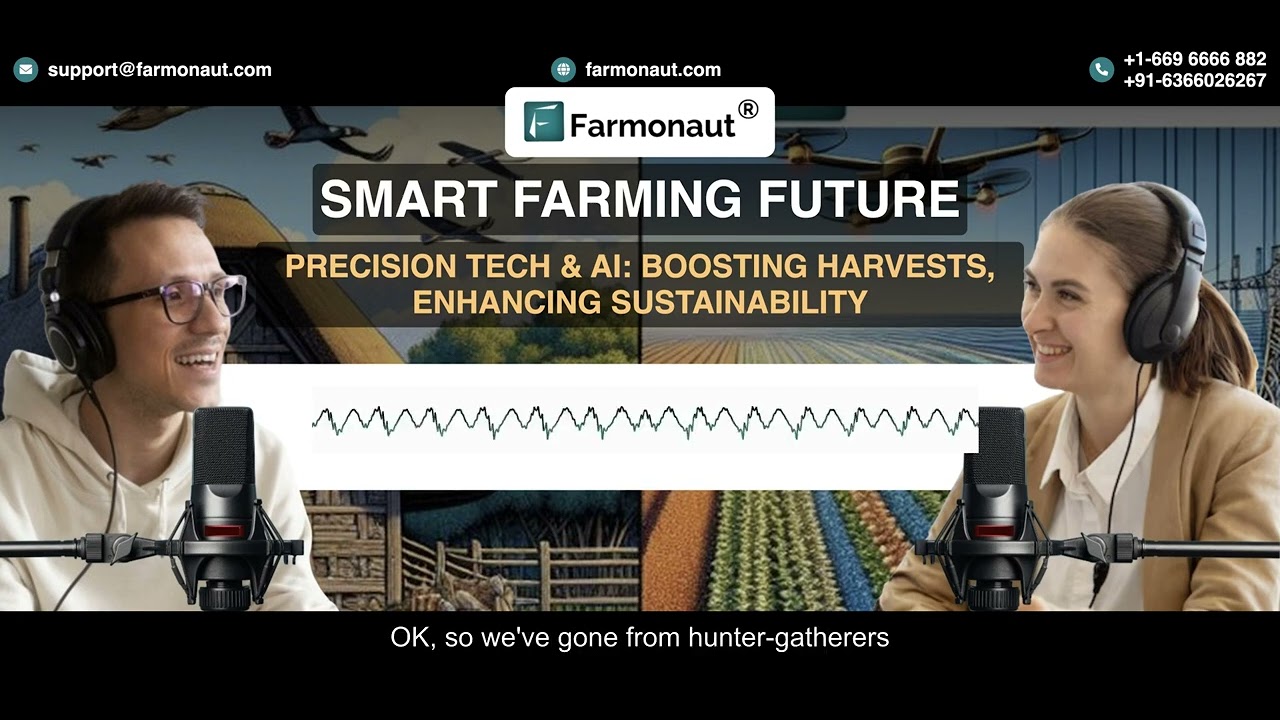
Key technologies—remote sensing, UAVs (drones), soil sensing, weather analytics, and digital farm platforms—empower farmers to optimize input use, diagnose crop health, monitor soil and water conditions, and increase overall productivity.
- 🛰️ Remote Satellite Sensing: Delivers up-to-date feedback on crop health, irrigation needs, and threats.
- 🌤️ Weather Analytics: Aid in adjusting planting windows and anticipating climate events.
- 📱 Mobile Apps: Connect farmers to extension services, buyers, and input suppliers, reducing information asymmetry.
2. Climate Adaptation: Safeguarding Rural Productivity in Vietnam
- 🌍 Erratic weather—droughts, floods, and seasonality—challenges traditional farming methods.
- 🌱 Adaptation strategies include climate-resilient varieties, altered planting schedules, and advanced irrigation (drip, sprinkler, rainwater harvesting).
- 🛡️ Insurance & Subsidies: Risk-pooling and government support buffer smallholders against economic shocks.
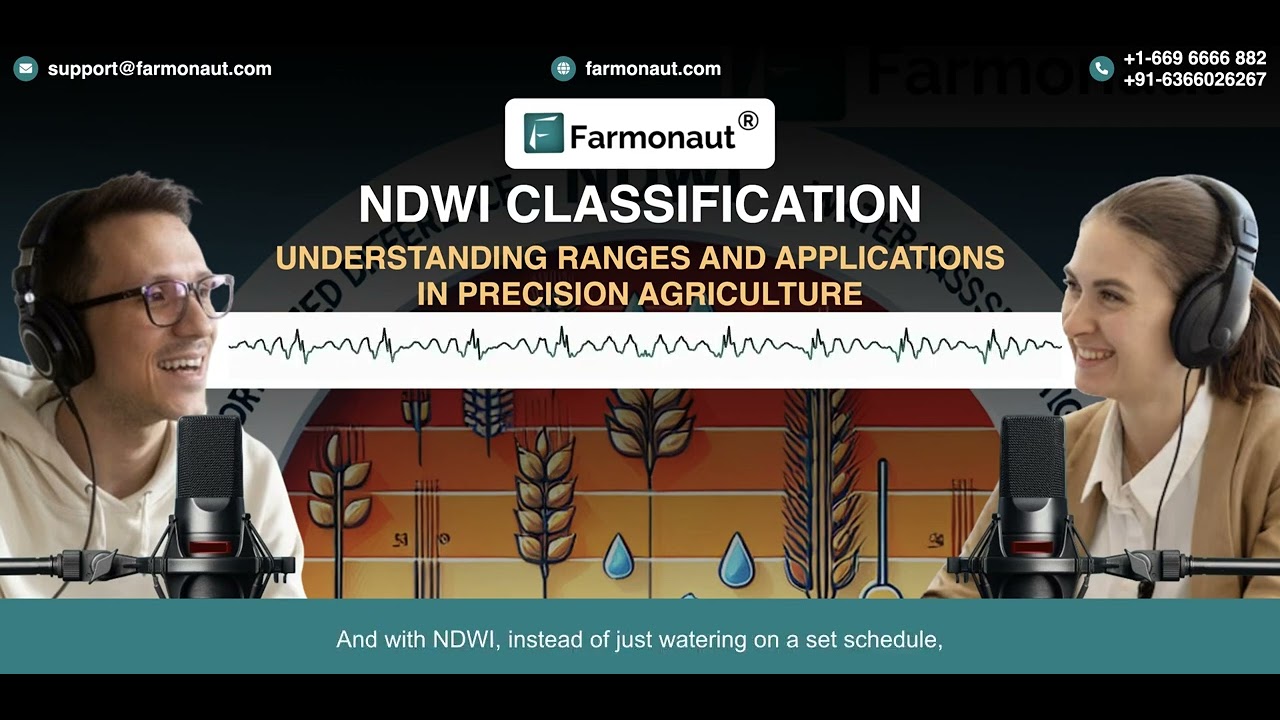
Many farmers rely solely on traditional irrigation. Investing in smart irrigation and weather-based scheduling can dramatically increase yields and reduce water waste.
- 🌾 Climate-resilient crops buffer yields against weather extremes.
- 💦 Smart irrigation reduces costs and environmental impact.
- ✅ Risk insurance hedges against volatility.
3. Farm Economics, Market Chains & Integration for Smallholders
Improving rural income and market access is closely linked to the rise of farmer cooperatives and contract farming arrangements. These models:
- 📈 Provide stable market chains, technical support, and better credit access.
- 🛒 Ensure compliance with international export standards.
- 📦 Allow integration into formal supply chains for guaranteed sales.
Export competitiveness, especially in major crops like rice, coffee, and seafood, hinges on rigorous traceability and adherence to global best practices for food safety and environmental impact.

4. Soil Health, Conservation, and Regeneration
- 🧪 Soil testing provides scientific insights for correct nutrient and input decisions.
- 🌾 Organic amendments (e.g., compost, manure) boost long-term health.
- 🌱 Cover cropping and terracing limit erosion and conserve water on sloping lands.
- 🌱 Reduced tillage helps preserve microbiome and organic matter.
Long-term resilience depends on maintaining, not mining, the land.
Conservation and regeneration practices are a cornerstone in Vietnam agriculture’s path to robust yields and secure, equitable livelihoods.
Policy, Investment, and Market Dynamics in Vietnam Farming
Government commitment to sustainable agricultural development is reflected in a robust policy landscape and increased investment in infrastructure, digital extension, and capacity building. Let’s examine these enablers:
1. Government Priorities and Infrastructure Support
- 🏗️ Infrastructure: Large-scale investment in irrigation, ports, and cold storage enables efficient market chains.
- 💰 Credit and Finance: Targeted credit access for smallholders via cooperatives, alongside digital verification for loans and insurance.
- 📲 Extension Services: Modernized, digital outreach scales best practices to even the most remote rural corners.
Extension and access initiatives are supported by digital tools—like those offered via the Farmonaut App (see below)—enabling real-time environmental monitoring, resource tracking, and AI-driven advisories.



2. Environmental and Social Governance: Raising the Bar
Environmental and social governance (ESG) criteria are increasingly foregrounded:
- 🌳 Sustainable farming and biodiversity conservation are tied to new financing eligibility and foreign investment.
- 🧑🌾 Fair labor practices and inclusive development models are essential for long-term sector stability.
- 🌍 Traceability and transparency—from Blockchain Traceability Solutions to QR-based tracking—are non-negotiable for exports.
Sustainability-linked investment in ESG-compliant agri-projects will likely outpace traditional funding modes in Vietnam by 2026, driving both global market access and local resilience.
3. Trade, Export, and Compliance with Global Standards
- 🌎 Trade agreements and regional preferences open opportunities in the EU, China, and beyond.
- 📉 Market volatility is a persistent challenge—mitigated by diversification and integration into value-added chains.
- 📝 Certification and compliance (GlobalGAP, ASC, etc.) are essential for sustainable export and market access.
Exporters must implement rigorous traceability, quality control, and adapt to shifting phytosanitary protocols as climate change impacts pest/pathogen distribution.
Key Callout Boxes: Insights, Mistakes, and Tips for Vietnam’s Agricultural Shift
The integration of digital platforms and satellite sensing enables Vietnamese farmers to maximize resource use, boost yields, and respond quickly to climate threats.
Combining agroforestry and integrated farming builds climate resilience and diversifies income—crucial in a volatile global market.
Overapplying fertilizers without soil testing damages soil health and lowers long-term yields. Accurate diagnostics safeguard farm sustainability.
Investing in traceability, smart irrigation, and ESG-compliant technologies will be pivotal to accessing export premium in the evolving 2026 global economy.
Joining cooperatives and adopting digital traceability tools can dramatically improve credit access, technical support, and bargaining power for Vietnamese smallholders.
Trends vs. Impact Table: Quantifying Vietnam Agriculture’s 2026 Sustainable Shifts
| Agriculture Trend | Estimated 2026 Adoption Rate (%) | Projected Environmental Benefit | Impact on Rural Productivity (% Change) |
|---|---|---|---|
| Precision Farming | 45% | Up to 20% water use reduction | +18% yields |
| Climate-Resilient Crops | 63% | Lower CO2 emissions, drought resilience | +15% yield stability |
| Integrated Farming Systems | 41% | 30% reduced waste, better nutrient cycling | +22% income stability |
| Organic & Regenerative Practices | 28% | 12% increase in soil organic matter | +8% net profit long-term |
| Smart Irrigation | 39% | Up to 28% water savings | +12% labor efficiency |
| Digital Traceability & Compliance | 50% | Reduced fraud, enhanced supply chain trust | +14% export premium |
- ✔ Precision, integration, and compliance are paramount to Vietnam’s sustainable rural transformation.
- 🌿 Biodiversity conservation underpins soil and farmer resilience in the face of climate change.
- 🚀 Export access and value-added chains are shaped by traceability and international standards.
- 📉 Volatility in markets and climate underscores the importance of insurance and climate-smart practices.
- 💡 Digital platforms and satellite data are revolutionizing rural extension, input management, and decision making.

“Vietnam’s sustainable agriculture exports are expected to grow by 25% by 2026, boosting global market access.”
Outlook for Vietnamese Farmers and Agriculture Stakeholders: 2026 and Beyond
The transformation of Vietnam agriculture into 2026 means greater integration, stronger compliance with global standards, and a rising importance of technology for traceability and resource efficiency.
- ✔️ Smallholders joining cooperatives or contract arrangements gain crucial advantages in technical support, credit, and market leverage.
- 🌾 Diversification—moving toward high-value fruit/vegetable crops, integrated systems, and livestock—aids both income stability and risk management.
- 🚀 Technology adoption: Digital platforms, satellite, and blockchain solutions unlock new productivity potential and meet rising international demands for traceability and compliance.
- 🛡️ Sustainable land management—especially mining-adjacent areas—will be essential to protect soil health, biodiversity, and maintain future productivity.
- 📈 Ongoing government policy support and infrastructure investment will underpin sector resilience and attract next-generation farmers to rural Vietnam.
Stakeholders who embrace change, sustainability, and technology will define the future landscape of agriculture au Vietnam and ensure its enduring relevance in regional and global markets.
Frequently Asked Questions: Vietnam Agriculture 2026
Q1. What are the main trends in Vietnam agriculture for 2026?
The major trends include: adoption of precision agriculture and digital tools, widespread climate adaptation (especially climate-resilient crop varieties), integration into formal value chains, agroforestry expansion, and rapid movement toward sustainable, export-oriented production.
Q2. How important is climate adaptation for farmers?
Climate adaptation is vital for yield stability, income protection, and water/soil resource efficiency. Erratic weather and climate change are already impacting traditional farming cycles. Strategies include drought-resistant crops, improved irrigation, and climate risk insurance.
Q3. Why is blockchain traceability becoming critical in Vietnam farming?
Blockchain-powered traceability provides transparency, secures market access (especially exports), and builds trust throughout the supply chain. Compliance with international standards now requires proof of origin, quality, and sustainable practices.
Q4. Are digital tools available for Vietnamese farmers and agri-business?
Yes, digital solutions like Farmonaut’s web, Android, and iOS apps provide satellite-based crop monitoring, real-time resource tracking, and AI-driven advisory for both individual farmers and businesses.
Learn more:
Farmonaut App
|
Farmonaut API |
Developer Docs
Q5. What role do integrated farming systems and agroforestry play?
Integrated farming and agroforestry boost resilience, stabilize income, and enhance biodiversity by combining crops, livestock, and tree plantings. They’re key for reducing waste, improving soil health, and adapting to unpredictable climates in rural Vietnam.
Q6. Where can I learn more about carbon footprinting or fleet/resource management solutions for agriculture?
Visit the dedicated product pages for Carbon Footprinting
(for tracking CO2 and emissions in farming and mining) and
Fleet Management
(to optimize logistics and reduce operational costs).
Farmonaut’s Role: Advanced Satellite Solutions Powering Sustainable Vietnam Agriculture
As Vietnam agriculture accelerates toward a digital, sustainable, and market-driven future, satellite-driven solutions will play a transformative role. We at Farmonaut are dedicated to democratizing access to cutting-edge remote sensing, real-time monitoring, and blockchain-powered traceability for all segments—from smallholders to enterprises and government stakeholders.
- 🛰️ Satellite-Based Crop Monitoring: We provide multispectral imagery technology for analyzing crop health (NDVI), soil conditions, and irrigation needs—delivering actionable maps, risk alerts, and productivity insights.
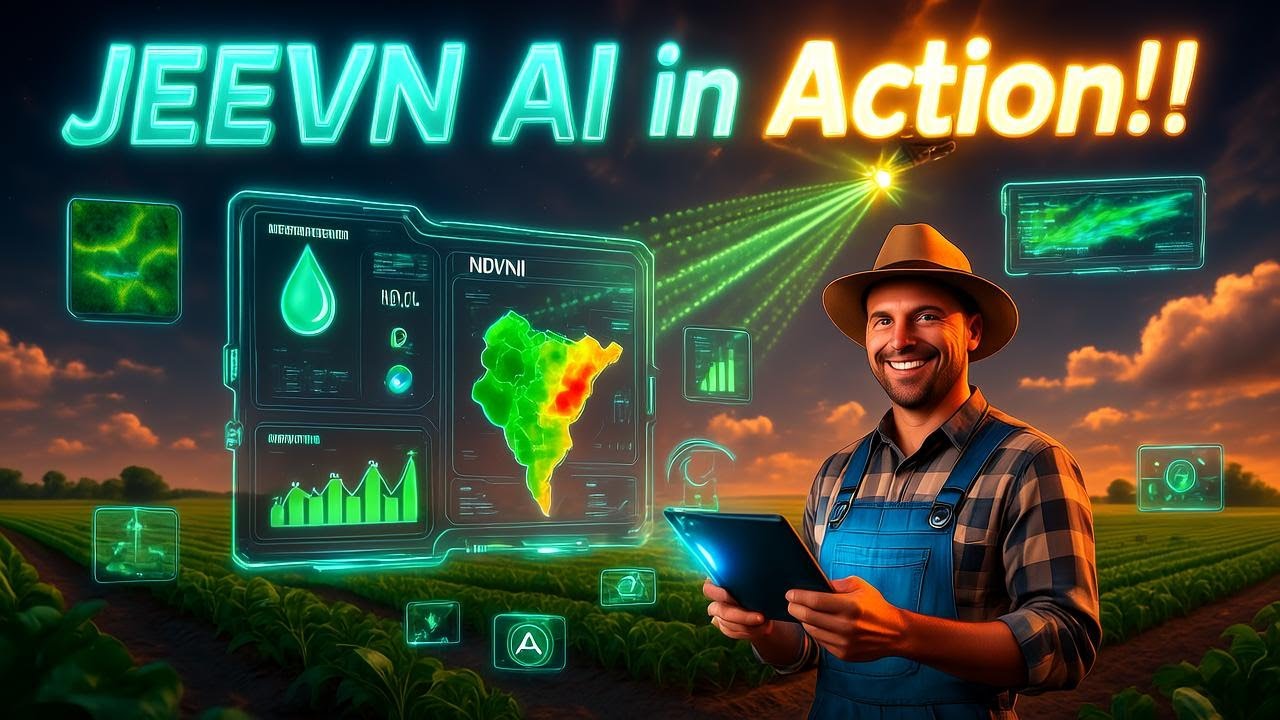
- 🤖 AI/ML Advisory: Our Jeevn AI advisory system generates customized planting, input, and harvesting strategies keyed to local climate and soil data.
-
🔗 Blockchain Traceability: We deliver reliable, secure traceability for agri-food and mining value chains—empowering Vietnamese exporters to meet strictest global compliance.
Experience more:
Farmonaut Product Traceability Solutions -
🌍 Environmental Impact Monitoring: Quantify your agri(bio)-carbon footprint, track resource use, and identify areas for emission reduction with
Carbon Footprinting Tools. -
📦 Fleet & Resource Management: Streamline the logistics of input, harvest, and delivery operations using
Farmonaut Fleet Management Platform.
Our large-scale farm management solutions are modular and scalable, supporting everything from individual plot analysis to enterprise-level resource oversight.
Empower your digital agriculture journey today—with Farmonaut’s
API and
Developer Documentation for seamless system integration.
In short, as stakeholder expectations for sustainability, traceability, and efficiency rise in Vietnam agriculture, we deliver the tools that turn insight into impact—fuelling the region’s next era of agriculture success.
Conclusion: Navigating the Path to Sustainable Vietnam Agriculture in 2026
Vietnam’s agricultural sector is charting a remarkable course—blending ancient crop traditions, diversified portfolios, and next-generation technologies to underpin food security, rural prosperity, and environmental stewardship for decades to come.
- ✔️ The integration of precision farming, climate adaptation, and sustainable practices equips Vietnamese farmers to thrive amid ongoing global volatility and climate uncertainty.
- ✔️ Innovative government policy, digital extension, and a strong commitment to compliance and value-added exports will drive the nation’s competitiveness.
- ✔️ The march toward responsible land stewardship, forest protection, and mining mitigation will protect the foundations of soil health and biodiversity.
- ✔️ Technology adoption, satellite-powered insights, and digital traceability are the new pillars of rural productivity and market access.
To all stakeholders in Vietnam agriculture—from smallholders to exporters, investors to policymakers—adapting to this new landscape isn’t just a challenge, but a tremendous opportunity.
The path forward is green, connected, and sustainably resilient. Now is the time to seize it.
Ready to elevate your farming or agri-business in Vietnam? Tap into the power of satellite, AI, and blockchain with the latest tools from Farmonaut.
Vietnam Agriculture 2026: Cultivating Innovation, Resilience, and Sustainable Growth for a Global Future.
Discussion
Questions, corrections or field experience? Share them below. First-time comments are reviewed before they appear, and your email is never published.
No comments yet. Be the first to add a question or your experience.

 BACF Africa
 Nivia
Nivia Doodlakine
 Exurbia Geospatial
 FieldZero
 Indico Company
 Kubota
 FFBS
FFBS Jontra
 Kalustyan
 Tucor
Tucor Hayleys Agriculture
 Linx Agritech
 Licence holder · Niger · Gold










