

Ylang Ylang Tree Boosts Sustainable Farming Asia 2026: A Vital Resource for Agriculture and Beyond in 2025
“Ylang ylang tree farms in Asia are projected to increase by 30% by 2026 for sustainable essential oil production.”
Contents
- The Ylang Ylang Tree: Overview & Origins
- Agricultural Significance & Cultivation in Asia
- Sustainable Farming Practices: Ylang Ylang as a Key Crop in 2025–2026
- Value Chain & Economic Impact: From Farm to Market
- Essential Oil Production & Distillation Techniques
- Applications Beyond Perfumery & Aromatherapy
- Ecological Benefits, Agroforestry & Landscape Restoration
- Ylang Ylang Tree vs. Other Tropical Trees: Sustainable Farming Benefits (2025–2026)
- How We at Farmonaut Support Ylang Ylang Cultivation & Sustainability
- Challenges and Pathways for 2026 & Beyond
- FAQ: Ylang Ylang Tree & Sustainable Farming
The Ylang Ylang Tree: Overview & Origins
The ylang ylang tree (Cananga odorata) stands out as a vital resource in the sphere of agriculture and sustainable farming, particularly in the tropical regions of Asia like Indonesia, the Philippines, and parts of the Pacific Islands. This tree, renowned for its fragrant and delicate yellow-green flowers, continues to **hold significant value** as we look towards 2026, thanks to its natural adaptability, ecological benefits, and the premium it commands in the essential oil market.
- ✔ Native ecosystem contributor: Thrives in humid, **tropical climates**, creating value in its native regions.
- 📊 Highly prized oil: The ylang essential oil is particularly sought after in global markets.
- ✔ Low-maintenance crop: Farmers benefit from relatively low maintenance requirements compared to other cash crops.
- ⚠ Sensitive to climate variability: Resilient, but facing challenges caused by climate change.
- ✔ Vital for biodiversity: Acts as a vital component in sustainable farming systems and biodiversity enhancement.

Abundant ylang ylang tree flowers in a tropical region of the Philippines (Image ALT: ylang ylang tree).
Agricultural Significance & Cultivation in Asia
The agricultural significance of the ylang ylang tree continues to rise in 2025–2026, largely due to evolving consumer awareness about sustainable agriculture, wellness, and environmentally friendly products. The Cananga odorata is primarily cultivated for its highly prized essential oils used in personal care, organic wisdom markets, and increasingly, for innovative purposes beyond perfumery.
- ✔ Mixed Crop Integration: Ylang ylang trees are commonly grown in agroforestry systems, often intercropped with spices (like nutmeg, pepper), fruits, and timber species to support soil fertility and balanced biodiversity.
- ✔ Low Inputs Required: The tree’s relatively low maintenance requirements and compatibility with organic management practices make it an attractive crop for smallholder farmers in the Philippines, Indonesia, and other tropical regions.
- ✔ Climate Resilience: Ylang thrives in humid, tropical climates, making its cultivation especially relevant in regions facing unpredictable weather patterns due to climate change.
- ✔ Year-Round Yield Potential: With proper management, trees can bear flowers continuously, contributing to ongoing economic benefit.
- ✔ Sustainable Expansion: The predicted 30% increase in ylang farms in Asia by 2026 highlights the robust demand and strategic value of expanding sustainable farming systems centered on this essential tree.

Explore profitable agricultural opportunities, including ylang ylang cultivation, in Asia for 2025 and beyond.
The ylang ylang tree supports both sustainable crop management and income diversification for smallholder farmers, offering resilience against market fluctuations and climate uncertainties in Asia.
Sustainable Farming Practices: Ylang Ylang as a Key Crop in 2025–2026
In 2025, sustainability is the linchpin of forward-thinking agricultural practices, and the ylang ylang tree is at the forefront in Asia. The tree’s adaptability primarily benefits farmers adopting mixed cropping and agroforestry systems—approaches that synergize environmental conservation and robust economic returns.
The integration of ylang ylang into diversified crop systems helps:
- ✔ Enhance Soil Quality: Trees contribute organic matter, regulate temperature, and prevent erosion.
- ✔ Support Biodiversity: Acts as a food and nectar source for pollinators—crucial for yield and ecosystem health.
- ✔ Promote Natural Pest Control: The flowers and essential oil possess antimicrobial and insect-repellent properties.
- ✔ Reduce Dependence on Synthetics: Farms using ylang oil extracts as organic pesticides employ fewer chemical inputs, supporting environmentally friendly production.
- ✔ Conserve Water: These trees are well-adapted to tropical rain cycles and tolerate moderate droughts, a vital trait for climate resilience.



Leverage the power of satellite-driven insights with Farmonaut’s apps to monitor ylang ylang tree and tropical crop health, soil quality, and land use for maximum production and sustainability.
Monitor soil health and optimize crop yield with Farmonaut’s Carbon Footprinting tools. Track carbon emissions and implement best farming practices for true climate resilience.

Discover carbon farming strategies and soil health innovations essential for ylang ylang farming’s future in Asia.
Value Chain & Economic Impact: From Farm to Market
The economic impact of ylang ylang cultivation continues to expand, as more farmers, cooperatives, and entrepreneurs invest in the value chain from cultivation and harvesting to distillation and international market integration.
- Production: Ylang ylang tree production is booming, driving local economies and providing stable income, particularly in the Philippines, Indonesia, and Madagascar.
- Harvesting & Distillation: The flowers are hand-harvested, ensuring high oil quality, which is then extracted using steam distillation—a technique that preserves both fragrance and ecological integrity.
- Global Markets: The market demand for natural, organic oils is booming globally, impacting sustainable income streams for smallholder farmers.
- Supply Chain Integration: The traceability solutions provided by platforms like Farmonaut ensure transparent, ethical routes from farm to market for ylang ylang-based products.
“One hectare of ylang ylang cultivation can enhance local biodiversity by supporting up to 120 different species by 2025.”
The ylang ylang market for essential oil and sustainable agriculture is projected to grow strongly through 2026, driven by increasing organic demand and traceability requirements from global consumers. Use Farmonaut’s crop verification tools for secure loans and insurance in ylang ylang agriculture.
- 💧 Low water usage in humid climates supports sustainability
- 💰 Premium pricing in oil export markets
- 🤝 Smallholder farms and co-ops benefit from fair-trade models
- 🛡 Smart logistics and resource management
- 🌱 Year-round flower harvest ensures steady oil output

Learn how precision tools help in deploying organic pest control and crop-health monitoring on ylang ylang farms.
Essential Oil Production & Distillation Techniques
The ylang ylang tree is **primarily cultivated** for its **fragrant flowers** that yield a highly prized essential oil. Through **steam distillation**, oil is produced in several grades, each with distinct aromatic properties tailored to different industries, including perfumery, wellness, and (increasingly in 2025) for crop protection applications.
- Steam Distillation Stages: Freshly harvested flowers undergo several rounds of distillation, yielding multiple grades of oil from ‘extra’ (used in fine perfumery and aromatherapy) to ‘third’ grade (used in soaps, cleaning products).
- Quality & Yield: Oil yield and grade depend on harvest timing, flower handling, and steam quality. Advanced distillation ensures higher extraction rates with lower environmental impact—crucial for sustainable production.
- Industrial Scale: Modern facilities in Indonesia and the Philippines lead the region in advanced, sustainable ylang oil production.
- ✔ Antimicrobial & Insect-Repellent Properties: The extracted essential oil is increasingly recognized as a natural alternative for organic crop management and post-harvest protection.
- ✔ Cosmetic Innovations: Leading organic brands prefer ylang for all-natural fragrances and therapeutic uses.
Applications Beyond Perfumery & Aromatherapy in 2025 and Beyond
The use of the ylang ylang tree continues to evolve, moving “beyond” traditional perfumery and aromatherapy into **new applications** for agriculture, environmental management, and select industrial uses:
- ✔ Natural Pesticides: Scientific research in 2025 shows ylang oil’s ingredients can control pests like aphids and nematodes, reducing dependence on synthetic chemicals.
- ✔ Antimicrobial Coatings: Its antimicrobial properties are being studied for post-harvest crop protection and even for sustainable packaging in the food industry.
- ✔ Construction Materials: Ylang oil’s fragrance and repellency potential may lead to the development of natural ventilation and insect-repellent coatings for buildings, especially in tropical climates.
- ✔ Personal Wellness: The continued demand for organic, eco-friendly products has expanded the market for essential oil-based wellness goods—balms, lotions, and home-care items.
Many new farmers overlook the importance of distillation timing and flower handling, which can dramatically affect oil quality and market value.

See how natural plant extracts are revolutionizing crop protection, a trend also reshaping the value of ylang ylang in organic agriculture.
Ecological Benefits, Agroforestry & Restoration Initiatives
The ecological role of the ylang ylang tree is critical for biodiversity conservation and landscape restoration in the humid, tropical regions of Southeast Asia and the Pacific. Unlike many single-species cash crops, ylang’s integration with native flora, crops, and timber species in agroforestry systems has wide-reaching impact.
- ✔ Soil Protection: Robust root systems stabilize soil, reduce erosion, and buffer against heavy tropical rainfall events.
- ✔ Biodiversity: Every hectare of ylang cultivation can support up to 120 different species (plants, insects, birds) as of 2025.
- ✔ Pollinator Support: The tree’s fragrant flowers are essential for local bee and butterfly populations, which in turn enhance crop pollination and overall farm productivity.
- ✔ Microclimate Regulation: Canopies provide shade to understory crops, reducing heat stress and supporting multi-layered farming systems.
- ✔ Landscape Restoration: Ylang ylang plays a role in reforestation and degraded land rehabilitation projects, supporting environmental restoration and climate mitigation goals.
- 🌿 Biodiverse habitats: Attracts pollinators & beneficial insects
- 🍂 Improves soil fertility via leaf litter decomposition
- 🌳 Forest-edge planting for ecological corridors
- 🦋 Vital role in food webs for tropical regions
- 🌞 Temperature moderation benefits surrounding crops
Farms utilizing biodiversity-enhancing trees such as ylang ylang report an estimated 15–20% higher overall crop yield and improved climate resilience by 2026.
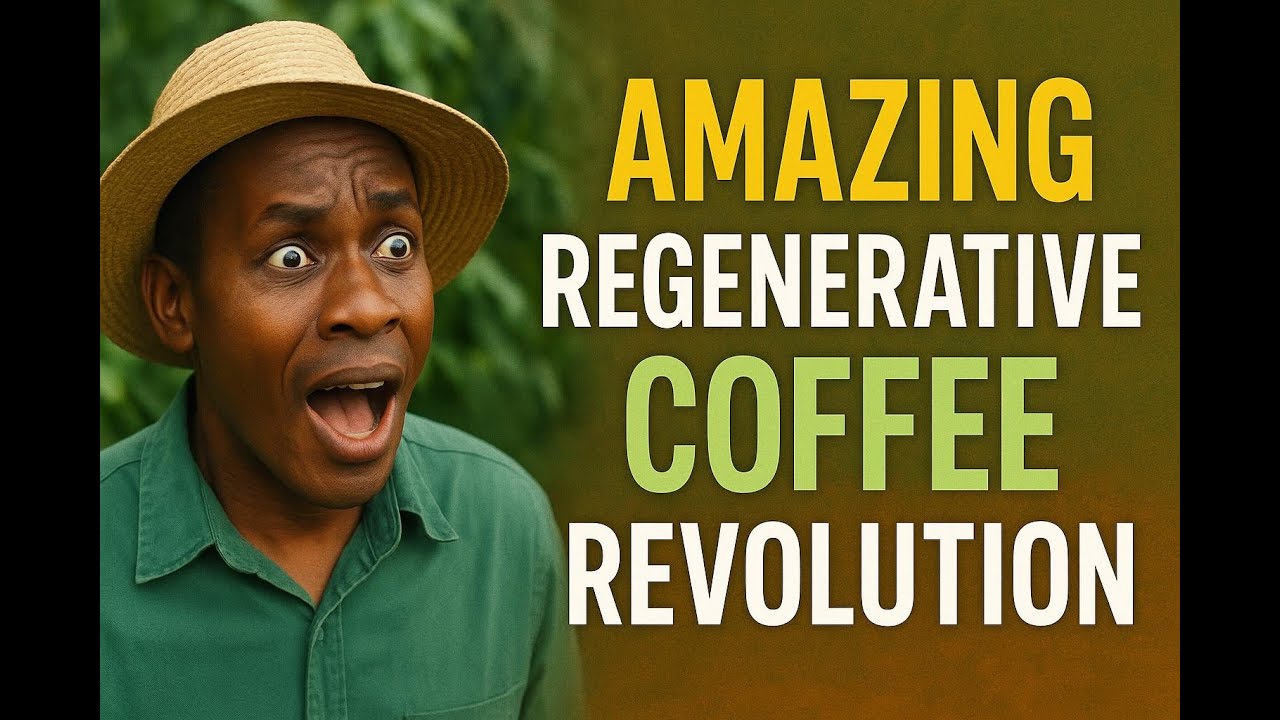
The agroforestry model’s success with crops like coffee foreshadows expanding benefits in ylang ylang farming for Asia’s tropical smallholders.
Ylang Ylang Tree vs. Other Tropical Trees: Sustainable Farming Benefits (2025–2026)
| Tree Species | Estimated Annual Yield (kg/ha) | Water Usage (L/ha/year) | Soil Health Impact | Essential Oil Production (kg/ha) | Ecological Benefits | Climate Resilience Score (1–5) |
|---|---|---|---|---|---|---|
| Ylang Ylang (Cananga odorata) | 10,000–12,000 (fresh flowers) | 350,000–400,000 | High (>8/10): Improves fertility, erosion control | 20–25 | Biodiversity: Up to 120+ species supported | 4.5 |
| Coconut | 7,000–12,000 (nuts) | 1,000,000+ | Moderate (5–6/10): Some soil cover, moderate erosion protection | 0.7–2 (from husks/fiber) | Habitat for fauna, but less floral biodiversity | 4 |
| Mango | 15,000–20,000 | 700,000–850,000 | Moderate (6/10): Decent organic matter | Negligible | Moderate shade, limited pollinator support | 3.5 |
| Banana | 30,000–40,000 | 900,000–1,300,000 | Good (7/10): Mulch, but shallow roots | Negligible | High water requirement, basic erosion control | 3.5 |
Comparative advantages: The ylang ylang tree offers exceptional biodiversity support, lower water usage per hectare, higher ecological benefit, and a unique essential oil yield, making it a highly sustainable choice for tropical agriculture into 2026.
How We at Farmonaut Support Ylang Ylang Cultivation & Sustainability
At Farmonaut, our mission is to empower sustainable agriculture and tropical farming practices using advanced satellite technology. For farmers and cooperatives focused on the ylang ylang tree, we offer a comprehensive suite of cost-effective, scalable digital solutions to optimize crop health, yield, and resource efficiency—all accessible on web and mobile apps.
- ✔ Satellite Monitoring: We provide visual, multispectral data for tracking ylang farm health, soil moisture, and vegetative vigor—critical for timely interventions and climate resilience.
- ✔ AI-Based Advisory: Our Jeevn AI system delivers weather forecasts and tailored agronomic advice, helping manage irrigation, disease outbreaks, and harvest cycles for ylang and other tropical crops.
- ✔ Blockchain Traceability: Unique, farm-to-factory traceability for ylang oil and related products builds trust in global value chains and boosts market access and price premiums.
- ✔ API Integration: For enterprises and agribusinesses, our developer docs make adding field-specific satellite insights into your own systems seamless.
- ✔ Resource Management Tools: From fleet management to environmental impact tracking, our platform helps farmers and co-ops reduce operational expenses and promote sustainability.
See how new technologies are transforming crop management for tropical tree systems.
Our real-time environmental impact tracking tools enable ylang ylang farmers to monitor and mitigate their farm’s carbon footprint, aligning with global climate targets for 2026 and beyond.
Ylang Ylang Tree Challenges and Forward Pathways (2026 and Beyond)
Despite its immense potential, the ylang ylang sector is facing challenges that must be addressed to secure its future as a linchpin for sustainable tropical agriculture:
- ⚠ Climate Variability: Erratic weather and new pest/disease pressures threaten yield reliability.
- ⚠ Pest/Disease Management: Research focuses on developing more resilient tree varieties and organic management strategies for 2026.
- ⚠ Market Fluctuations: Ylang’s economic success depends on market education and premiumization to avoid oversupply and price dips.
- ⚠ Technology Gaps: Smallholders in remote regions require access to affordable, scalable tech such as satellite advisory, resource management, and digital traceability.
Continued innovation—like improved distillation tech, satellite advisory, and blockchain traceability—remains critical for helping the ylang ylang tree contribute to sustainable farming and resilience, even as global markets and climates shift through 2026 and beyond.

Explore precision-tech solutions for resilient crop systems—key for overcoming climate and economic uncertainties.
Diversifying with ylang ylang not only contributes to environmental sustainability but enables greater income stability, especially for smallholder farmers in the Philippines, Indonesia, and the Pacific Islands.
Affordable Farmonaut Subscriptions for Ylang Ylang Growers
FAQ: Ylang Ylang Tree & Sustainable Tropical Farming in 2025–2026
Q1: What makes ylang ylang tree an ideal choice for sustainable agriculture in tropical Asia?
Ylang ylang is well-suited for sustainable farming owing to its high essential oil yield, low inputs, adaptability, and major role in improving soil health, biodiversity, and overall ecosystem services in tropical Asia.
Q2: How does ylang ylang oil compare to other tropical crops in value?
Ylang oil commands a premium in global markets, especially in the perfumery, wellness, and organic pest management sectors, providing diversified income versus traditional cash crops like coconut and banana.
Q3: What technological advancements benefit ylang ylang farmers in 2025–2026?
Satellite-based monitoring, AI weather analytics, and blockchain traceability (like those provided by Farmonaut) are transforming how farmers optimize yield, track sustainability, and access new markets.
Q4: What is the role of ylang ylang in ecological restoration?
The tree’s robust root system and pollinator-friendly flowers make it invaluable for forest-edge planting, soil erosion control, and biodiversity restoration in Asia’s reforestation projects.
Q5: Where can I get more information about digital tools for ylang ylang farming?
Visit Farmonaut’s website or try our mobile/web app for satellite insights, carbon tracking, resource management, and agritech advisory unparalleled in the market.
Useful Resources & Action Links
- 🛰 Get started with Farmonaut’s Satellite API and Developer Docs for integrating field-level monitoring.
- 📱 Try our App for instant crop health and resource tracking!
- ♻️ Implement carbon footprint tracking on your farm for greater marketability and compliance.

Diversification and sustainable value chains—parallels with ylang ylang expansion in Asia—are reshaping non-oil export strategies worldwide.
- Explore Farmonaut’s digital tools—from satellite health monitoring to resource management—to future-proof your ylang operations for 2026 and beyond.
- Enhance your crop traceability and gain an edge with blockchain verification for premium export value.
- Track and reduce your farm’s carbon footprint for better ecological outcomes and regulatory compliance.
- Align with regional and global movements towards environmentally friendly, climate-resilient agriculture.
Summary: The Ylang Ylang Tree – Pivotal for 2026 and Beyond
The ylang ylang tree continues to stand as a vital, multifaceted resource for tropical agriculture, economic empowerment, and ecological restoration in 2025 and beyond. Its multiple roles—from sustainable oil production and climate adaptation to landscape restoration and biodiversity enhancement—position it as a foundational crop for the sustainable, climate-resilient future of Asia’s tropical economies. With the integration of advanced digital systems and precision insights, ylang ylang’s future in 2026 and beyond has never looked brighter.
For those ready to shape the next chapter in sustainable tropical farming, embracing the ylang ylang tree is more than a choice—it’s a strategy for resilience, biodiversity, and lasting value across Asia and the world.
Discussion
Questions, corrections or field experience? Share them below. First-time comments are reviewed before they appear, and your email is never published.
No comments yet. Be the first to add a question or your experience.

 Kisanwala
 Agro La Gándara
 Global Agrifood
 HIPSAC
 ZOL Zimbabwe
 Juligerm
 AdBio
AdBio MISE Maroc
 NWNS
NWNS Red August Group
 Farm Inc
 WeMe Global
 Agrotoken
 Blue BearX
 Insignito
 Croptimum
 DnCubed
 Field Capacity
 Indosistim Teknologi
