

Soursop Tree: 7 Benefits for Tropical Farming 2026
The Soursop Tree: A Valuable Asset in Modern Agriculture and Forestry (2025 Perspective)
Table of Contents
- 1. Botanical and Agricultural Overview of Soursop Tree
- 2. Soursop Tree: 7 Benefits for Tropical Farming
- 3. Comparative Benefit-Impact Table
- 4. Economic and Nutritional Importance of Soursop
- 5. Soursop Tree in Forestry and Environmental Restoration
- 6. Key Challenges and Future Prospects
- 7. How Farmonaut Empowers Soursop Farmers & Sustainability
- 8. Frequently Asked Questions (FAQ)
- Conclusion



1. Botanical and Agricultural Overview of Soursop Tree (Annona muricata)
The soursop tree (Annona muricata), also popularly known as graviola or guanabana, stands out among tropical evergreens. Native to the lush lowland forests of Central and South America, this tree has adapted to the warm, humid environments common across the Americas, Asia, and parts of Africa, especially in southeast regions.
Key Characteristics:
- Distinctive Spiny Fruit: Produces large, heart-shaped, spiny fruits with sweet and tangy pulp—highly sought after in global markets.
- Growth Requirements: Thrives in lowland zones with well-drained soils, abundant rainfall, and is notably sensitive to frost (thus, not suitable above 800 meters altitude).
- Tree Size: Reaches 5–10 meters in height; typically starts fruiting within 3 to 5 years of planting.
- Maintenance: Boasts relatively low maintenance needs compared to other tropical fruit trees; attractive for smallholder farmers.
- Botanical Adaptability: Suits intercropping and agroforestry, integrating seamlessly with coffee, cacao, and shade trees.
By 2026, crop improvements via selective breeding and advanced biotechnology are delivering enhanced yield, increased pest resistance, and improved fruit quality — making soursop cultivation more viable and sustainable for tropical farming systems worldwide. In addition to America and the Caribbean, large-scale plantations and smallholder plots in Asia (esp. Indonesia, Philippines, Malaysia, Vietnam, Southern India, Sri Lanka) and Africa (Nigeria, Ghana, Uganda, Kenya) now optimize soursop cultivation for better profits and ecological outcomes.

Soursop’s adaptability to intercropping empowers farmers to integrate the tree with cash crops, optimize total land use, encourage biodiversity, and improve soil health—all critical for sustainable farming systems.
2. Soursop Tree: 7 Benefits for Tropical Farming in 2026 and Beyond
Let us examine in detail how the soursop tree fortifies modern agriculture—not only as an economic crop, but as a model for sustainability, climate resilience, and rural livelihoods.
Benefit 1: Soil Fertility & Health Enhancement
Soursop trees contribute rich leaf litter and organic matter, boosting soil organic content, improving structure, moisture retention, and fertility over time.
- Enrich the rhizosphere with increased biological activity
- Reduce soil erosion due to ground cover and root systems
- Support soil carbon sequestration, vital for climate mitigation
Benefit 2: Integrated Pest & Disease Management
With natural pest resistance, soursop cultivation lessens dependence on chemical inputs, supporting sustainable agriculture:
- The tree’s leaves and bark have bioactive compounds (annonaceous acetogenins) deterring pests
- Use in agroecological IPM (Integrated Pest Management) strategies

Benefit 3: Drought Tolerance and Water Management
Soursop can persist through irregular rainfall, making it a strong choice as climate patterns become more erratic:
- Moderate drought tolerance: Robust taproots and shade canopy reduce evaporative losses
- Requires less irrigation compared to many alternative crops
Benefit 4: Economic Value and Rural Livelihood Support
Rising global demand for soursop fruit and its products means increased income for growers, especially in the Americas, Africa, and Asia:
- Opportunities for value addition & agro-processing: pulp, juice, supplements, cosmetics
- Empowers rural smallholders via better market access and export diversification
Benefit 5: Flexible in Agroforestry & Land Restoration
Soursop trees integrate well with coffee, cacao, timber and other shade trees:
- Boost agroforestry system resilience
- Assist in rehabilitation of degraded land and improve overall ecosystem function

Benefit 6: Biodiversity and Pollinator Habitat
By including soursop in polycultures or naturalized edges, farmers encourage native pollinators and wildlife:
- Flowers attract bees and insects vital for both yield and ecosystem health
- Contribute to landscape complexity and genetic diversity
Benefit 7: Adaptability to Modern Sustainable Practices
Advances in genetic selection, propagation, and biotech have enabled soursop to thrive in integrated farming systems and smart ag solutions:
- Suits organic, permaculture, and circular economy models
- Enhances sustainability metrics in tropical agroecology
Farmers seeking to scale soursop for export can improve traceability and carbon footprint tracking using modern digital tools. For instance, Farmonaut’s carbon footprint tracking solution enables soursop growers to monitor and certify environmental impact, a key requirement for accessing premium green markets.
3. Comparative Benefit-Impact Table: Soursop Tree Cultivation (2026)
| Benefit Description | Estimated Yield Increase (%) | Soil Health Improvement (1–5) | Water Usage Reduction (%) | Climate Resilience Contribution (1–5) | Potential Income Boost* (USD/year) |
|---|---|---|---|---|---|
| Soil fertility & health boost | 10–25% | 5 | 10–18% | 5 | $520–$900 |
| Pest & disease resistance | 8–20% | 4 | 5–9% | 4 | $350–$660 |
| Drought tolerance & water savings | 6–15% | 3 | 12–22% | 4 | $200–$500 |
| Rural income & market diversification | 12–40% | 3 | 0–5% | 3 | $800–$2500 |
| Agroforestry & land restoration | 7–18% | 5 | 15–20% | 5 | $500–$1050 |
| Biodiversity enhancement | 5–12% | 4 | 3–6% | 4 | $120–$395 |
| Adaptability to sustainable systems | 12–32% | 5 | 10–15% | 5 | $900–$2200 |
*Estimates for smallholder tropical systems with 50–80 trees/ha, factoring in direct and indirect benefits in global demand scenarios for 2026 and beyond.
4. Economic and Nutritional Importance of Soursop: Meeting Rising Global Demand in 2026
The economic importance of soursop extends far beyond local markets, thanks to the global demand for exotic fruits in 2026. The fruit is not only prized for its sweet, tangy pulp—used in drinks, desserts, and supplements—but also for multiple value chains tied to health and nutrition:
- High in vitamin C, B vitamins, and fiber
- Rich in antioxidants, supporting immune health and wellness trends
- Processed products: frozen pulp, juices, teas, snacks, nutraceuticals, and natural cosmetics
- New Market Channels: Demand rise in North America, Europe, and affluent parts of Asia powering better prices
The rise of organic and ethically sourced products further strengthens soursop’s commercial significance, enabling growers to fetch premium prices and enhance rural income across plantations and smallholder farms.
For farmers looking to enter international supply chains, ensuring quality traceability is crucial. With blockchain-based traceability by Farmonaut, soursop producers can provide transparent, tamper-proof tracking of each fruit batch, earning consumer trust and meeting global standards.

Key Agricultural and Commercial Advantages:
- Short time-to-yield: fruiting begins within 3–5 years post-planting
- Low maintenance requirements suit resource-constrained contexts
- Profitability in both fresh and processed fruit value chains
- Support for inclusive rural economic development in Central America, Caribbean, Southeast Asia, and Africa
- Growing popularity among health-conscious consumers
5. The Role of Soursop Tree in Forestry and Environmental Restoration
The soursop tree offers major environmental and agroforestry advantages, crucial for sustainable land management, forest restoration, and climate adaptation in 2026 and beyond.
Agroforestry Superstar:
- Commonly integrated into agroforestry with coffee, cacao, and timber species across tropical America, Asia, and Africa
- Enhances tree cover, carbon storage, and site resilience
- Supports biodiversity—acts as a wildlife corridor and pollinator hub
Soil & Microclimate Regulator:
- Canopy supplies shade, cooling soils and reducing water loss
- Leaf litter acts as mulch, enhances moisture retention and prevents erosion
- Prime candidate for restoration projects aiming to rehabilitate degraded land
Modern monitoring platforms now allow farmers and foresters alike to measure and verify the climate and biodiversity benefits of their plantations. For streamlined, affordable ecosystem monitoring, Farmonaut’s carbon footprint tracking tools offer actionable environmental insights and support eco-certifications.

The soursop tree is increasingly being used for ecosystem services, carbon credit generation, and as part of national adaptation strategies by governments across tropical zones.
6. Soursop Cultivation: 2026 Challenges, Innovations, and Future Prospects
Soursop cultivation faces certain challenges on its path to maximizing sustainable agricultural and commercial potential:
- Pest and Disease Vulnerability: Susceptible to fungal pathogens (Anthracnose), fruit fly attacks, and post-harvest spoilage due to the soft nature of the pulp.
- Perishability: The fruit’s soft, easily bruised pulp complicates long-distance transport and commercial handling.
- Genetic Diversity: Limited access to high-quality planting material and genetic stock can restrict yield and disease resistance.
Opportunities Emerging in 2026:
- Integrated Pest Management (IPM): Broader adoption of biological control agents, disease-resistant varieties, and digital pest monitoring solutions
- Advances in Cold Chain Logistics: Improved refrigeration, quick freezing, and value addition (e.g., frozen pulp) extend post-harvest shelf life
- Biotech for Resilience: Ongoing breeding and biotechnology research for superior cultivars
- Digital Advisory & Planning: Farmonaut crop planning and satellite monitoring enables soursop growers to proactively track plantation health and act on real-time insights
With modern large-scale farm management platforms, collective smallholders and mid-scale plantation managers can now coordinate planting, harvest tracking, and supply logistics for soursop at scale, boosting efficiency and transparency.
Furthermore, new satellite-based verification for crop loans and insurance makes it easier for soursop cultivators to access financial services, reducing risk and supporting farm resilience.

7. How Farmonaut Empowers Soursop Cultivation and Climate-Smart Farming
Satellite and AI-powered insights are revolutionizing sustainable soursop cultivation globally. At Farmonaut, we deliver advanced, affordable digital tools that help soursop growers and rural stakeholders make smarter, data-driven decisions:
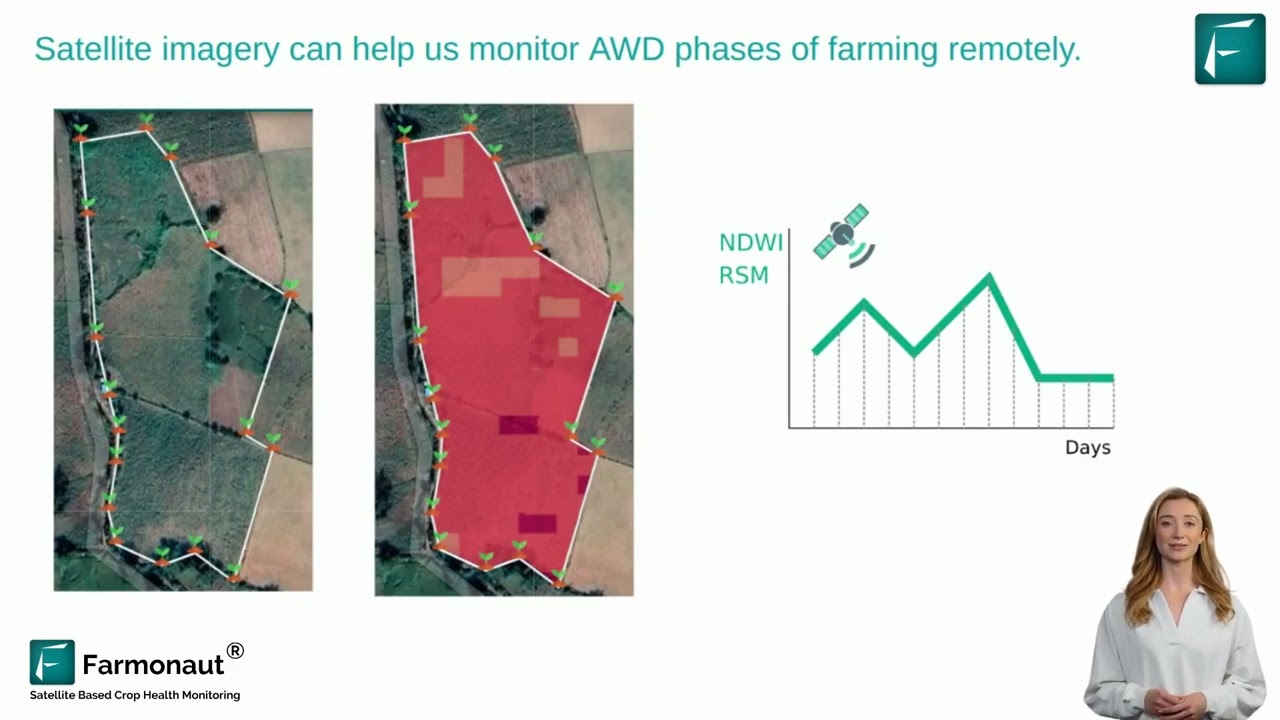
- Crop Health Monitoring: High-resolution NDVI, soil moisture, and vegetation indices, all remotely accessible—ideal for tracking soursop tree health from germination to harvest.
- Climate and Resource Management: Real-time weather forecasts and resource/fleet management solutions enable optimum farm logistics, particularly for dispersed soursop plantations.
- AI-Based Advisory: Our Jeevn AI system delivers ultra-fast, actionable recommendations tailored to soursop-specific growth cycles and regional conditions.
- Blockchain Traceability: Maintain transparent, certified supply chains, crucial for accessing organic and export fruit markets.
- Environmental Impact: Track your soursop farm’s carbon output and adopt climate-smart strategies.
- Scalable Platforms: Individual farmers, agribusinesses, and governments can access our satellite monitoring platform via web or mobile, with support for multi-user operations and expansion as needed.
- API Access: Integrate soursop orchard analytics into your own apps and dashboards using the Farmonaut API.
- Developer Resources: Quickly customize crop monitoring with robust API developer documentation.
With reliable, field-to-space intelligence, soursop growers are better equipped to maximize yield, reduce losses, develop resilience to climate extremes, and access high-value markets in 2026 and beyond.
8. Frequently Asked Questions (FAQ): Soursop Tree & Tropical Agriculture
Q1: What is the optimal climate and soil for soursop cultivation?
The soursop tree thrives in warm, humid, tropical environments—ideally with annual rainfall above 1,000mm and well-drained, loamy soils. It is highly sensitive to frost and unsuitable for elevation over 800 meters.
Q2: How soon can I expect my soursop tree to start fruiting?
With good agronomic practices, soursop typically starts fruiting within 3 to 5 years after planting. Improved varieties may bear fruit even earlier.
Q3: What are common pests and how can I mitigate them?
Primary threats include fruit flies and fungal diseases. Integrated pest management, use of disease-tolerant clones, and digital farm monitoring tools help reduce crop loss.
Q4: Is soursop suitable for intercropping?
Yes. Soursop integrates exceptionally well with coffee, cacao, banana, and timber species in agroforestry systems, supporting higher productivity and biodiversity.
Q5: How does soursop contribute to climate resilience?
The tree’s robust root system and drought tolerance, combined with improved soil health outcomes, boost climate resilience for farms facing erratic rainfall and rising temperatures.
Q6: What digital solutions are available for soursop growers?
Satellite monitoring, resource management, AI-based crop advisory, blockchain traceability and financial verification systems are now affordable and easily accessible via Farmonaut’s platform for soursop cultivators.
Conclusion: The Soursop Tree’s Vital Role in Sustainable Tropical Farming—A 2026 Perspective
In the evolving era of sustainable agriculture, the soursop tree (Annona muricata) stands as a valuable asset for tropical farming systems globally. Its unique ability to enhance soil health, integrate with agroforestry, improve rural livelihoods, and meet rising global demand for exotic fruits underscores its multifaceted role across modern agriculture, forestry, and climate restoration.
As we embrace the challenges and opportunities of 2026 and beyond, soursop cultivation—supported by innovations in digital monitoring, AI advisory, and blockchain—will empower farmers, foster sustainability, and fortify supply chains from the Americas to Asia and Africa.
Whether you’re a grower, exporter, supply chain manager or consumer, integrating soursop into your business or nutrition strategy aligns with both economic and environmental priorities for the century ahead.
Ready to transform your soursop cultivation? Explore all Farmonaut digital solutions for crop and plantation management—for a resilient and profitable future.
Discussion
Questions, corrections or field experience? Share them below. First-time comments are reviewed before they appear, and your email is never published.
No comments yet. Be the first to add a question or your experience.

 Prochecker
 Misteo
 Tres Valles
 LACOS Geoinformation
 Pulsar Supernova
 Magrifly
 LatConnect 60
 WebsEdge
 Blickwinkel
 Agricultural Credit Policy Council
 MCSOD
MCSOD Marei Nursery
 eKGIS
eKGIS Mostas Tech
 Andex
Andex FCF India
 Unifrutti Gulf
 Deluxe Conseil
