

Agricultural Sensor Technology: Australia Market Size 2026
“Australia’s agricultural sensor technology market is projected to reach $254 million by 2026.”
“Sensor adoption in Australian farms is expected to increase by 34% between 2023 and 2026.”
Table of Contents
- Introduction: Why Agricultural Sensor Technology Matters in Australia
- Agriculture Technology Market Size Australia 2026: Key Statistics
- Understanding Agricultural Sensor Technology: How It Works
- Key Market Drivers and Adoption Trends in Australia
- Types of Agricultural Sensors Shaping Australian Farming
- Precision Agriculture: The Transformative Impact of Sensors
- Top Applications: Sensors and Smart Technologies in the Australian Context
- Innovations: IoT, AI, and Drones in Farm Management
- Farmonaut’s Role in Agricultural Sensor Technology & Market Transformation
- 2026 Market Size Table: Growth, Adoption, and Impacts
- Challenges Facing Sensor Adoption in Australia
- What Lies Ahead: The Future of Agricultural Sensor Technology (2026 & Beyond)
- FAQ: Agricultural Sensors Australia Market in 2026
Introduction: Why Agricultural Sensor Technology Matters in Australia
Agricultural sensor technology is revolutionizing the agriculture sector across Australia. As we look forward to 2026, the agriculture technology market size in Australia is projected to grow rapidly, reflecting the increasing adoption of sensors and data-driven tools. These technologies empower farmers to optimize inputs, maximize yields, and manage resources more sustainably—especially vital as the sector faces climate change, erratic weather patterns, and rising input costs.
At the heart of this transformation is a suite of advanced sensor devices that monitor soil moisture, nutrient levels, temperature, crop health, and even livestock. By leveraging technologies like IoT, AI, and satellite connectivity, these innovations are enabling smart, efficient decision-making across the nation’s vast and varied agricultural landscapes.

In this comprehensive guide, we explore how agricultural sensors and related smart technologies are reshaping Australian farming. We’ll examine market size projections, the impact of innovations like AI and drones, and what 2026 holds for the agriculture technology sector. Let’s dive in!
Agriculture Technology Market Size Australia 2026: Key Statistics
Recent news from 2024 and early 2025 show Australia as a leading hub for agri-tech investments. The agriculture technology market size in Australia is projected to surpass AUD 2 billion by the end of 2025—and continue to grow substantially in 2026 and beyond.
- ✔ Market Expansion: Driven by widespread adoption of sensors and smart systems.
- 📊 Growth Rate: The market is growing at a CAGR of ~15% globally and over 12% within Australia.
- 🌦 Climate Readiness: Adoption is accelerating in drought-prone and high-risk regions.
- 🌱 Yield Optimization: Early reports show sensor adoption boosts efficiency and crop yields significantly.
- ⚡ Technology Integration: IoT, AI, and satellite connectivity are making real-time monitoring a reality for all farm sizes.
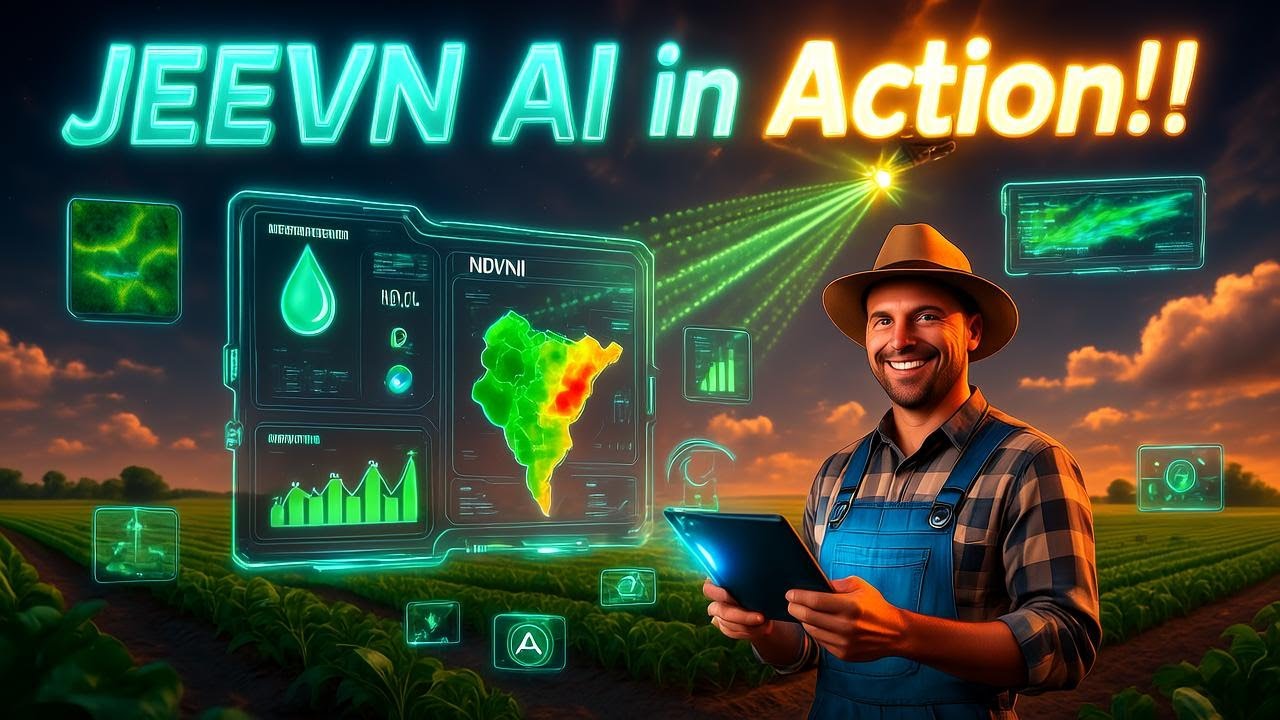
2026 Australian Agricultural Sensor Technology Market: The Numbers
| Year | Estimated Market Size (USD Million) | Adoption Rate (% of Farms Using Sensors) | Projected Impact (Yield/Efficiency Gains) |
|---|---|---|---|
| 2023 | 187 | 24% | 4% increase in yield, 7% efficiency gain |
| 2024 | 221 | 29% | 5.1% increase in yield, 9% efficiency gain |
| 2025 | 243 | 33% | 6% increase in yield, 11.5% efficiency gain |
| 2026 | 254 | 35.7% | 7.2% increase in yield, 13% efficiency gain |
Source: Market projections, 2024–2026 agricultural sensor adoption studies, sector insights
Understanding Agricultural Sensor Technology: How It Works
But what exactly is agricultural sensor technology? Let’s break down the components, functions, and how they’re revolutionizing modern Australian farming.
Definition & Scope of Agricultural Sensor Technology
- Sensors are devices that detect and quantify real-world conditions or parameters such as soil moisture, nutrient levels, crop health, temperature, humidity, and weather patterns.
- Modern agricultural sensors are integrated with IoT, cloud connectivity, or satellite data, collecting continuous, real-time data from fields, greenhouses, or livestock facilities.
- AI and machine learning algorithms process this data, enabling precise farm management decisions—from irrigation cycles to pest intervention and fertilizer application.
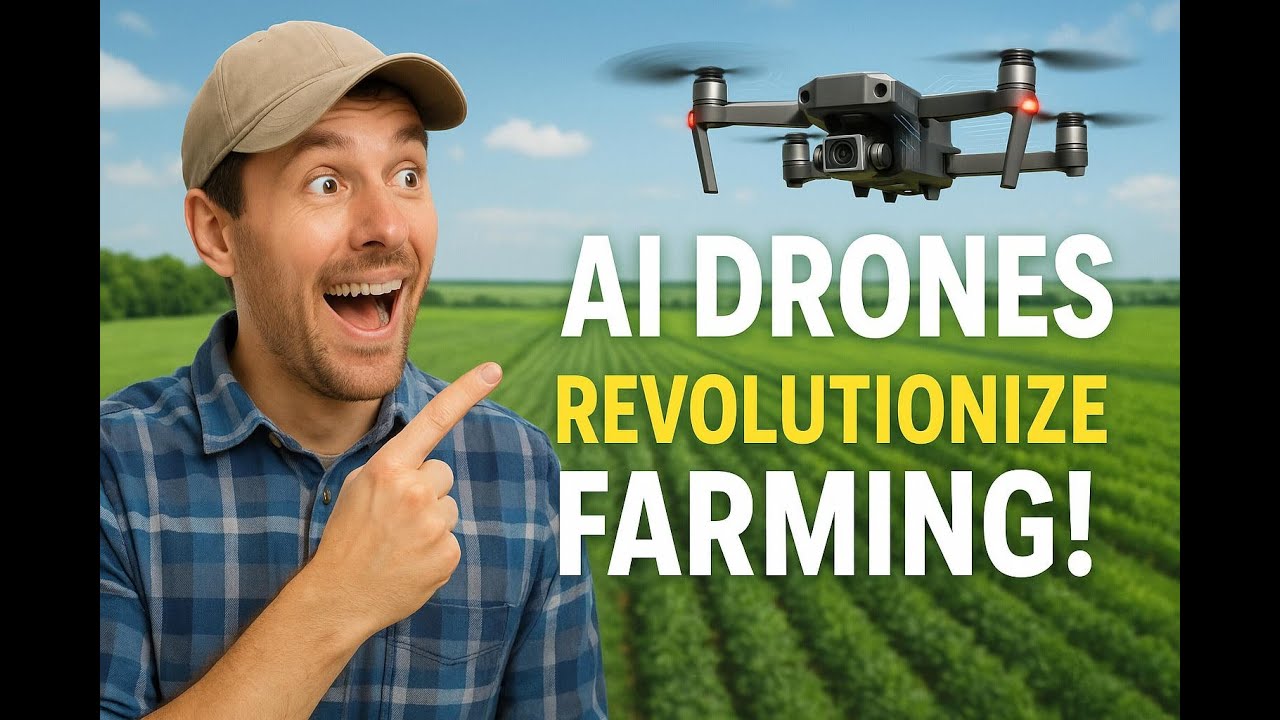
How Do Sensors Work in Australian Farming?
- Sensors are deployed directly in the field (or via drones/satellites) to monitor environmental conditions.
- They transmit data to centralized farm management platforms (using wireless networks, IoT, or satellite links).
- Software platforms analyze incoming data to identify trends, risks, or alerts—and recommend actions.
- Farmers can visualize their entire operation in real time, accessing remote data on phones or computers.
Key Functions of Modern Agricultural Sensors
- 📋 Soil Moisture Sensors: Measure moisture levels to optimize irrigation schedules.
- 🍃 Crop Health Sensors: Use spectral imaging (from drones or satellites) to detect disease, pest stress, and nutrient deficiency—enabling early intervention.
- 🌤 Weather Sensors: Track temperature, rainfall, humidity, and wind patterns for precise planning.
- 📈 Yield Monitors: Collect real-time data during harvest to measure performance and guide future planting.
- 🦠 Livestock Sensors: Monitor animal health, location, and productivity on mixed farms.

Why Is This So Critical Now?
- ⚠ Risk or Limitation: Traditional techniques can’t keep up with unpredictable weather and resource constraints.
- 🔎 Data Insight: Farmers equipped with sensors consistently outpace those using conventional methods in yield, cost savings, and sustainability indicators.
- 🌐 Connectivity Matters: The rollout of rural 5G and satellite internet is making sensor networks viable everywhere.
Key Market Drivers and Adoption Trends in Australia
Every innovation needs a push. Here are the most significant factors driving the Australian market for agricultural sensor technology into 2026:
- Climate Change & Weather Pressure: Droughts, floods, and irregular rainfall are catalyzing the need for accurate, localized data.
- Resource Constraints: With water scarcity and rising costs, every litre and dollar counts.
- Productivity Demands: Both export competitiveness and domestic food security drive innovation.
- Government & Private Investments: Recent news in 2024–2025 highlights significant funding for agri-tech startups and IoT solutions tailored to Australian farms.
- Global Market Integration: Australia’s advanced farming standards encourage local producers to stay globally competitive, emphasizing the role of sensors in certification, traceability, and carbon auditing.

Types of Agricultural Sensors Shaping Australian Farming
Most Impactful Sensor Categories in Australia
- 🌱 Soil Moisture & Nutrient Sensors: Essential for optimising irrigation and fertilizer use
- 🌾 Crop Health Sensors: Enable early detection of stress, pest presence, and disease
- 🌦️ Weather Sensors: Localized weather monitoring for precision farming decisions
- 🚜 Machinery & Equipment Sensors: Track machinery performance and reduce downtime
- 🐄 Livestock Monitoring Sensors: Improve animal health and traceability for integrated farms

Visual List: More Sensor Applications
- 🌐 Geo-fenced Monitoring: Real-time sensors offer per-field insights for targeted management
- 📡 Satellite-Enabled Crop Health: Multispectral data for carbon footprinting and blockchain traceability
- 🛩️ Drone-Integrated Sensors: Multisensor payloads extend monitoring to difficult terrain
Precision Agriculture: The Transformative Impact of Sensors
Precision agriculture represents the practical application of sensor technologies for smarter, more efficient farming in Australia. Here’s how agricultural sensors are revolutionizing field management and regional competitiveness.
Benefits: Precision-Driven Farming Practices
- ✔ Reduced Input Waste: Sensors measure real-time soil conditions, ensuring that fertilizers and water are used only where and when necessary.
- ✔ Early Pest & Disease Detection: Spectral and climate sensors catch problems before they become widespread threats, decreasing pesticide usage.
- ✔ Yield Maximization: Sensor-driven recommendations tailor plant nutrition and protection, leading to higher overall productivity.
- ✔ Data-Driven Decision Making: Farm management software powered by sensor data helps farmers make every input count.
- ✔ Climate Adaptation: Localized, sensor-fed weather models support resilience under extreme and rapidly changing conditions.

Visual List: Key Contributions to Sustainability
- ♻️ Resource Management: Helps Australia meet climate targets by curbing water and nitrogen runoff
- 🔍 Transparency: Integrates with blockchain-based traceability solutions to satisfy food safety and export market requirements
- 🧾 Compliance: Tools like carbon footprinting allow objective measurement for sustainable certification
Top Applications: Sensors and Smart Technologies in the Australian Context
The true power of agricultural sensors is unlocked when combined with digital platforms, machine analytics, and IoT for precision farming. Let’s consider the most impactful, context-specific applications for Australia heading into 2026.
Smart Irrigation & Water Management
With water scarcity a pressing issue, smart irrigation systems utilize moisture, weather, and temperature sensors to deliver targeted watering schedules—minimizing waste and maximizing yields.
Example benefit: Up to 35% savings in input water per hectare following advanced sensor deployment.
Automated Disease & Pest Monitoring
By monitoring crop health with spectral imaging and climate sensors, Australian farms can initiate early interventions to stop disease spread. This not only decreases losses but helps reduce dependency on chemical pesticides.
Livestock Tracking & Health Management
On mixed farms, animal-borne sensors monitor health, location, and behavior, supporting both welfare and regulatory traceability demands.
Farm Machinery Optimization
Embedded equipment sensors help track usage, schedule maintenance, and optimize resource allocation—a key to boosting operational efficiency.
Traceability & Export Compliance
With blockchain-enabled, sensor-fed systems, Australian producers are verifying origin, growing conditions, and sustainability metrics for export markets. Check out Farmonaut’s blockchain traceability solution for advanced supply chain transparency.
Innovations: IoT, AI, and Drones in Farm Management
Australia’s agriculture sector is at the forefront of technological innovation—ranging from IoT-enabled field sensors to satellite-based analytics and AI-driven platforms.
Game-Changing Innovations in Use:
- 🛰️ Satellite Monitoring: Satellite imagery enables scalable, affordable crop monitoring with platforms like Farmonaut.
- 🤖 AI-Based Decision Support: Tools like Jeevn AI provide predictive analytics, actionable insights, and automated advisory for yield optimization and weather risk management. Discover the benefits of smart farming advisory.
- 🚜 IoT and Smart Equipment: Sensors on machinery allow advanced fleet management and real-time diagnostics. Check Farmonaut’s fleet management tools for resource and cost optimization.
- 🛩️ Drones and UAVs: Multispectral drone sensors provide high-resolution data on crop health, soil variance, and livestock at scale.
- 📱 Mobile Connectivity: Farmers manage entire operations remotely via web, iOS, and Android apps—see below to download the Farmonaut App.



Farmonaut’s Role in Agricultural Sensor Technology & Market Transformation
As a leader in satellite-based agricultural insights, we at Farmonaut provide robust, cost-effective monitoring and advisory solutions for Australian agriculture.
Our technology platform combines satellite imagery, AI, machine learning, and blockchain to deliver:
- ✔ Real-time satellite crop monitoring (NDVI, soil, climate data), supporting everything from field-level management to large-scale farm operations. See: Large Scale Farm Management
- ✔ AI-based agricultural advisory through Jeevn AI—tailored to the unique conditions of Australian regions
- ✔ Blockchain-enabled traceability to prove sustainability and product authenticity in global markets
- ✔ API integration for custom agri & geospatial solutions, making advanced sensor data affordable for businesses, individual users, and governments
- ✔ Resource management & environmental impact tracking, enabling compliant, sustainable agriculture
Explore our dedicated crop loan and insurance solutions for secure, satellite-based verification, or fleet management services for optimized machinery use.
2026 Market Size Table: Growth, Adoption, and Impacts
Let’s revisit the data-driven outlook for Australia’s agricultural sensor technology market heading into 2026, highlighting both economic growth and the tangible benefits for farmers.
| Year | Estimated Market Size (USD Million) | Adoption Rate (% of Farms Using Sensors) | Projected Impact (Yield/Efficiency Gains) |
|---|---|---|---|
| 2023 | 187 | 24% | 4% yield, 7% efficiency gain |
| 2024 | 221 | 29% | 5.1% yield, 9% efficiency gain |
| 2025 | 243 | 33% | 6% yield, 11.5% efficiency gain |
| 2026 | 254 | 35.7% | 7.2% yield, 13% efficiency gain |
“Australia’s agricultural sensor technology market is projected to reach $254 million by 2026.”
“Sensor adoption in Australian farms is expected to increase by 34% between 2023 and 2026.”
Challenges Facing Sensor Adoption in Australia
While the outlook is overwhelmingly positive, there are hurdles to mass adoption of agricultural sensor technology in the Australian agriculture industry:
- ⚠ Upfront Investment Costs: Advanced sensors and associated analytics platforms carry initial setup costs—though these are declining with technological advances.
- ⚠ Connectivity Barriers: Remote regions sometimes lack reliable internet infrastructure, limiting real-time monitoring.
- ⚠ Integration Complexity: Combining new sensors with traditional equipment and legacy systems can be challenging.
- ⚠ Data Management Skills: Effective use of big data requires new knowledge and digital upskilling among farmers and managers.
- ⚠ Standardization: Differences in protocols between sensor types and brands may complicate cross-platform data sharing.
What Lies Ahead: The Future of Agricultural Sensor Technology (2026 & Beyond)
By 2026 and beyond, the ongoing digital transformation of Australian agriculture will see:
- ✔ Greater Sensor Network Integration: Fields, pastures, and livestock will be equipped with interconnected sensors, providing granular data for every operation.
- ✔ AI-Driven Farm Automation: Expect AI and machine learning to automate more proactive, real-time management decisions—from irrigation to resource allocation.
- ✔ Sustainable Certification: Sensor dashboards will deliver real-time environmental compliance reports for both local and export markets.
- ✔ Universal Traceability: Blockchain and sensor synergy will guarantee end-to-end product provenance.
- ✔ Farmer Empowerment: Mobile and cloud-based solutions like Farmonaut (web, iOS, Android) will make precision agriculture accessible from anywhere in the country.
FAQ: Agricultural Sensors Australia Market in 2026
What is agricultural sensor technology?
Agricultural sensor technology encompasses electronic and digital devices that monitor farming parameters like soil moisture, temperature, crop health, weather, and livestock. These sensors collect real-time data, enabling farmers to make precise, data-driven decisions and optimize operations.
What is the projected agriculture technology market size for Australia by 2026?
The Australian agricultural sensor technology market is projected to reach USD 254 million by 2026, as smart technologies and sensor adoption accelerate.
Which types of farms benefit most from sensor technology?
All farm types in Australia—from broadacre cropping to horticulture and mixed livestock operations—stand to benefit from sensors, with the most significant improvements seen in water-limited or climate-vulnerable regions.
What are the top drivers for adoption?
Drivers include climate change, rising input costs, government/private investments, resource constraints, and the need for data-driven, sustainable farming practices.
How is Farmonaut contributing to agricultural sensor adoption?
We at Farmonaut offer advanced, satellite-driven crop and resource monitoring, AI-powered advisory, blockchain-based traceability, and cloud mobile apps—making agricultural sensor technology practical and affordable for Australian farms of all sizes.
Conclusion
Agricultural sensor technology is revolutionizing the Australian farming sector. As climate change, resource scarcity, and the demand for yield gains intensify, sensors and smart platforms enable data-driven, sustainable decision-making.
With market size projected to reach new heights by 2026, investments in IoT, AI, and digital monitoring will empower Australian farms to adapt and lead globally. The integration of satellite-driven insights, blockchain traceability, and AI into the daily fabric of agriculture marks a new era for food security and environmental stewardship in Australia.
Ready to enter the era of precision, productivity, and environmental responsibility? Download the Farmonaut App (Web | Android | iOS) and unlock the full potential of agricultural sensor technology for your enterprise.
Discussion
Questions, corrections or field experience? Share them below. First-time comments are reviewed before they appear, and your email is never published.
No comments yet. Be the first to add a question or your experience.

 SFX
SFX BACF Africa
 Nivia
Nivia Doodlakine
 Exurbia Geospatial
 FieldZero
 Indico Company
 Kubota
 FFBS
FFBS Jontra
 Tucor
Tucor Hayleys Agriculture
 Licence holder · Niger · Gold
 Licence holder · Nigeria · Gold + lithium










