

CropX Soil Moisture Sensor: Top 5 Ways to Boost Yields in 2025
“Farms using soil moisture sensors like CropX can reduce water usage by up to 30% while increasing yields by 20%.”
“In 2025, precision irrigation powered by soil sensors is projected to help feed 200 million more people globally.”
Introduction: Transforming Agriculture in 2025
Modern agriculture is undergoing a remarkable transformation, with advanced technologies and data-driven innovations redefining how we produce food in a rapidly evolving landscape facing climate change and ever-growing food demand. Precision farming technologies are more than just a trend—they’re becoming critical for enhancing productivity, sustainability, and resource management.
Among these, the CropX soil moisture sensor stands out as a transformative tool. As we approach 2025, CropX empowers farmers to optimize irrigation, conserve water, and drive crop yields higher than ever before. With the rise of soil and crop monitoring solutions, actionable data—from moisture levels to advanced analytics—is now just a few clicks away. This evolution enables smarter and more resilient agricultural systems.
In this comprehensive guide, we’ll explore “CropX Soil Moisture Sensor: Top 5 Ways to Boost Yields” in detail—covering the technology, real-world practices, management strategies, and future-facing opportunities that are revolutionizing agriculture in 2025 and beyond.

Understanding CropX Soil Moisture Sensor Technology
Before diving into the top yield-boosting strategies, it’s vital to understand the underlying technology, capabilities, and unique value proposition of the CropX soil moisture sensor —a cornerstone for modern precision agriculture in 2025.
What Is the CropX Soil Moisture Sensor?
CropX combines advanced wireless sensors with a cloud-based analytic system to deliver real-time, hyperlocal soil data right from the field. These sensors are strategically placed in the ground to measure moisture at multiple depths—offering a granular view of soil hydration and status that is far superior to traditional gauges.
- Advanced Algorithms: CropX interprets moisture dynamics, soil texture, and evapotranspiration patterns with machine learning models trained on vast datasets.
- Wireless Installation: Ease of installation—no cumbersome wiring, quick setup, and minimal field disruption.
- Cloud Analytics: Data flows instantly to the cloud for actionable recommendations, integration, and historic trend analysis.
Unlike traditional gauges, CropX brings together sophisticated technology with user-friendly operation and data-rich insights.
Why Is Soil Moisture Monitoring Paramount in 2025?
- Water scarcity and resource depletion put rising pressures on farmers globally.
- Climate change intensifies weather patterns—causing frequent droughts or irregular rainfall.
- Increasing global food demand calls for maximizing crops per drop, per acre.

By providing detailed, hyperlocal insights to farmers and agronomists, smart soil sensors like CropX are poised to revolutionize resource management, boost yields, and fortify agriculture’s resilience.
How Do CropX Sensors Work?
- Placement: Sensors are placed in fields at specific locations, measuring moisture and environmental conditions at multiple depths.
- Data Transfer: Measurements are transmitted wirelessly in real-time to central cloud servers.
- Analytics: Machine learning models and AI algorithms process sensor streams, considering soil types, dynamics, crop types, and weather patterns.
- Action: The cloud dashboard delivers actionable recommendations—from irrigation timing to anticipating drought stress.

Monitor your fields via Farmonaut Web or Mobile App
“Farms using soil moisture sensors like CropX can reduce water usage by up to 30% while increasing yields by 20%.”
Top 5 Ways the CropX Soil Moisture Sensor Boosts Yields
Let’s explore the five most impactful ways in which the CropX soil moisture sensor is revolutionizing modern farming and enabling smart resource management across agricultural systems in 2025 and beyond.

1. Precision Irrigation and Water Optimization with CropX Soil Moisture Sensor
Precision irrigation is about delivering the optimal amount of water—no more, no less—based on the exact real-time needs of the soil and crops. The CropX soil moisture sensor is a game-changer for this practice.
- CropX enables accurate scheduling by measuring soil moisture levels at multiple depths and reporting when and how much water crops truly need.
- This reduces over-irrigation (which wastes water and leaches nutrients) and prevents under-irrigation (which stresses plants and lowers yield).
- Automated data-driven decisions ensure efficient water resource allocation.
By integrating CropX sensors into irrigation systems, farmers can conserve precious water resources, lower input costs, and boost their sustainability score.
Key Benefits of Precision Irrigation
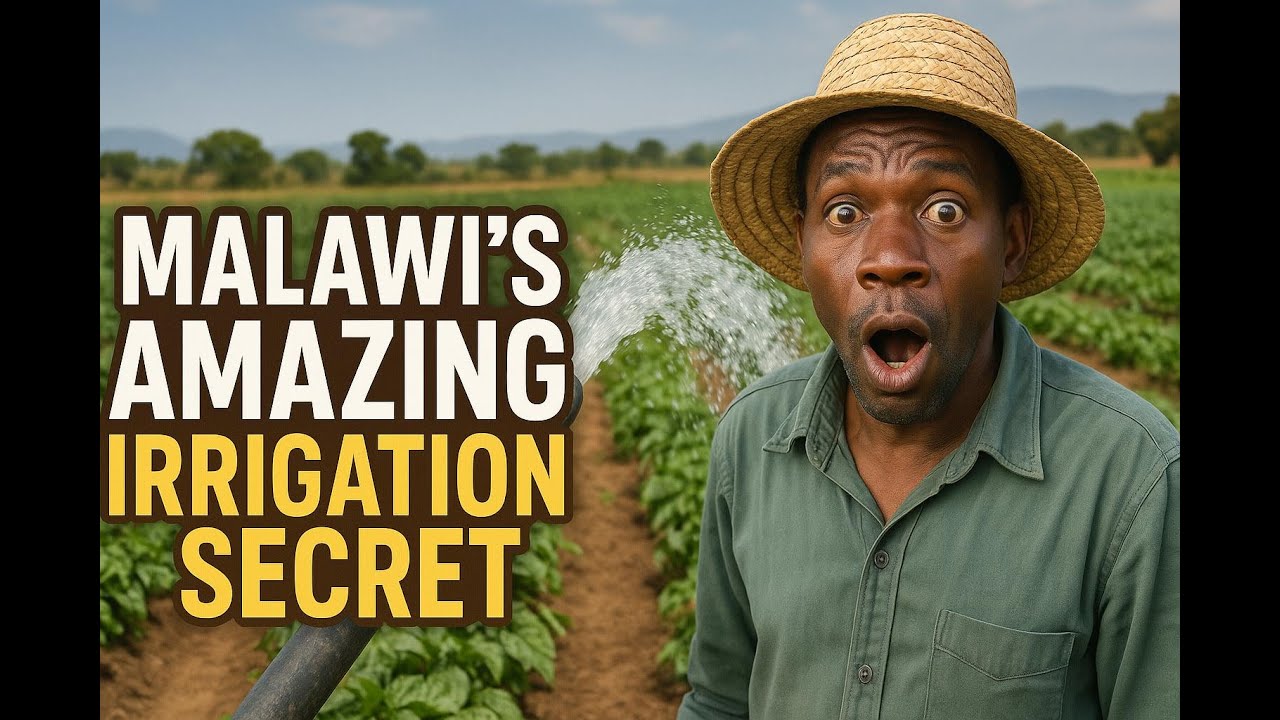
- Reduces water usage by up to 30% — critical in regions facing water scarcity.
- Increases yield and profitability by ensuring peak hydration at vital growth stages.
- Avoids soil degradation and nutrient wastage from run-off.
How Farmonaut Complements Water & Irrigation Management
Our satellite-driven insights empower users to monitor soil moisture, prioritize irrigation zones, and evaluate outcomes remotely. We offer real-time moisture and NDWI monitoring, as well as weather-based advisories to support precision irrigation decisions.
Discover Soil & Irrigation Insights:
- Farmonaut Large Scale Farm Management Platform provides satellite-driven field-level soil moisture and NDWI data. Use it to optimize large farms, cut irrigation costs, and maximize profits.
2. Nutrient Management and Soil Health Improvement through Smart Monitoring
Maintaining soil nutrient balance and overall health is a pillar for increasing agricultural productivity.
- The CropX sensor helps avoid nutrient leaching (where excess irrigation washes away fertilizers)—a major cause of poor growth and environmental harm.
- Detailed analytics reveal how moisture interacts with soil texture, helping farmers anticipate when soil is at peak nutrient absorption capacity for different crop types.
- Tailored irrigation and nutrient scheduling enables farmers to supply fertilizers at the optimal time, boosting crop response.
- Enhanced root development and soil microbial activity—leading to healthier, more resilient soils.
Learn How Data-Driven Nutrient & Crop Health Management is Evolving:

- With Farmonaut’s Carbon Footprinting Platform, growers can monitor their soil’s regenerative capacity and track sustainability metrics driven by advanced analytics.
Soil Health and Traceability
Our blockchain-based traceability solutions provide end-to-end tracking—from soil health status to crop handling—enhancing food safety and export value for farmers adopting smart sensor systems.
3. Early Detection of Drought and Crop Stress Using CropX
Unpredictable droughts and irregular weather conditions threaten yields globally. Early detection using the CropX sensor system enables farmers to take proactive action and prevent yield loss.
- Hyperlocal soil moisture data pinpoints water deficits before visual symptoms appear on crops.
- CropX algorithms send real-time alerts to management platforms or smartphone apps.
- Allows precise targeted irrigation or drought-tolerant seed interventions.
In 2025, such advanced monitoring and machine learning integration are indispensable to protecting food supply amidst climate change.
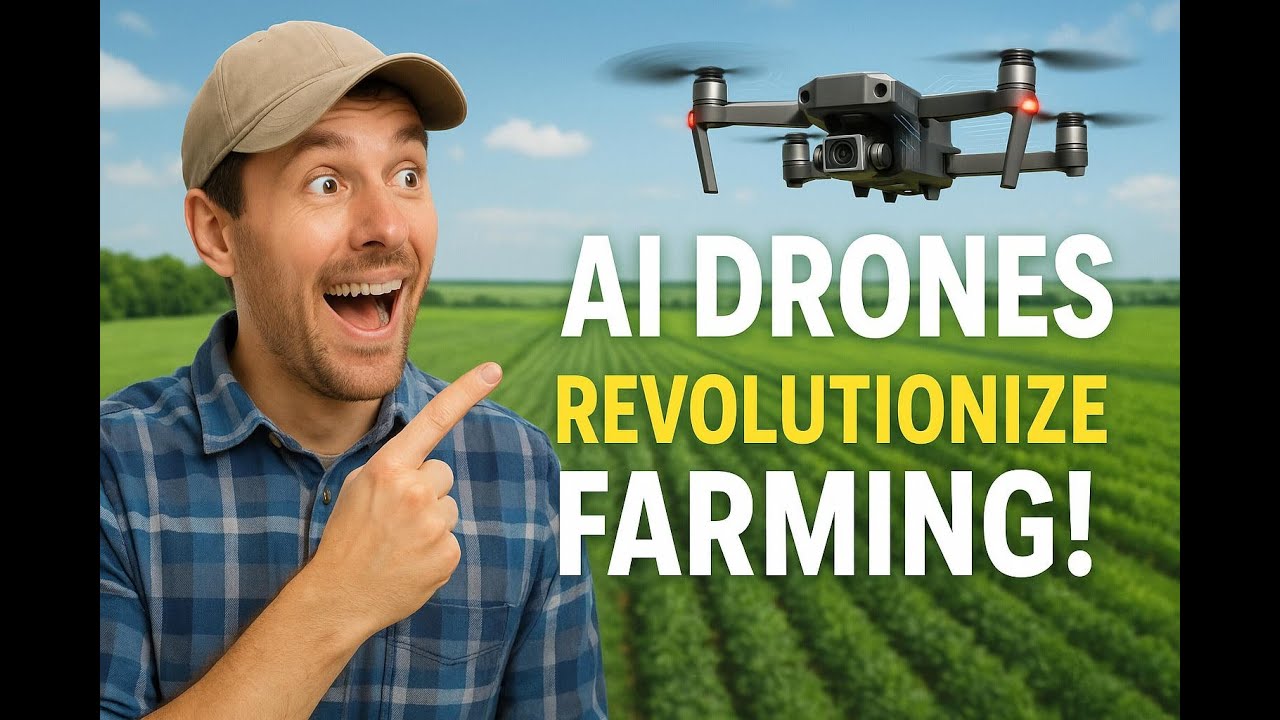
- Explore advanced AI-based satellite crop stress analysis with Farmonaut—delivering alerts on plant stress, health trends, and climate risks for all farm sizes.
4. Automated and Smart Farm Management Integration in 2025
One of the most transformative advances of CropX by 2025 is its seamless integration with automated irrigation systems and farm management software.
- Sensors connect wirelessly to central management systems or apps—automatically adjusting irrigation in real-time as soil conditions change.
- APIs and IoT automation—like Farmonaut’s public API and developer documentation— enable next-level integration, farm scale reporting, and custom analytics for large enterprises or agri-tech teams.
Mobile & Remote Sensing Applications
CropX and platforms like Farmonaut allow remote monitoring, automated advisory, and field resource tracking through apps and dashboards, maximizing labor efficiency, profitability, and scalability for modern agricultural businesses.


5. Sustainable Resource Use and Environmental Protection
The CropX sensor system is not only about productivity—it is also a catalyst for sustainability.
- Reduces runoff (which pollutes rivers and groundwater with fertilizer, nitrates, and pesticides).
- Supports balanced nutrient cycling and maintains long-term soil productivity (no compaction or excessive drainage).
- Enables farms to track their environmental impact and meet stricter regulations globally.
- Promotes climate-smart farming practices, carbon sequestration, and biodiversity restoration.
Adopting CropX aligns with government and industry sustainability goals, making farms more resilient to future climate change.

- Unlock climate-resilient operations with Farmonaut’s Crop Plantation & Forest Advisory Features—utilizing satellite monitoring for soil, forest, and diversified crop systems.
Comparison Table of Crop Outcomes: With vs. Without CropX Soil Moisture Sensor (2025)
| Metric | Without CropX Sensor (2025 Baseline) | With CropX Soil Moisture Sensor (2025 Estimate) |
|---|---|---|
| Precision Irrigation Efficiency (% improvement) | 0% | +30% |
| Water Usage Reduction (liters/acre) | 0 | Up to 20,000 |
| Crop Yield Increase (%) | 0% | +20% |
| Input Cost Savings ($/acre) | 0 | $120–$350 |
| Environmental Benefit Score (1–10) | 4 | 9 |
CropX sensor technology in 2025 translates to tangible improvements in yield, water savings, and sustainability—making the investment highly justified for all modern farms.
Farmonaut Satellite Tech & CropX Integration: Multi-Layered Monitoring
At Farmonaut, we empower modern agriculture globally with affordable, satellite-driven insights that complement and amplify the impact of in-field sensors like CropX. Our Android & iOS apps, web browser platform, and API allow seamless integration for farmers, businesses, and governments wanting end-to-end resource management and compliance with evolving environmental regulations.
Key Benefits:
- Satellite-Based Monitoring (NDVI, NDWI, LAI, soil health, canopy structure)
- AI & Machine Learning for real-time, tailored crop health advisories
- Blockchain-Based Traceability for transparent agricultural supply chains
- Fleet, Resource & Environmental Impact Management for entire operations
Easily scale your operations and monitor every acre from seed to harvest!
- Farmonaut Fleet Management streamlines machinery/utilities, reducing operational waste and enabling responsive resource deployment across crop zones.
- Our Crop Loan & Insurance Verification uses satellite evidence to simplify agri-credit and insurance without field surveys.
Developers and digital agronomy providers can build at scale via Farmonaut’s public API and developer documentation.
Adoption Trends, Challenges, and Solutions for CropX & Digital Farming in 2025
While CropX soil moisture sensors and satellite-based monitoring are advancing at lightning pace, global adoption comes with challenges. Understanding and addressing these is key to democratizing high-tech solutions for every farm.
Common Barriers to Adoption
- Initial Investment Costs: Technology setup can be costly, but ROI is achieved quickly through savings and higher yields.
- Digital Literacy & Trust: Some farmers may need training to adopt app-based platforms or interpret analytics outputs.
- Wireless Connectivity: Rural internet access variability impacts real-time remote sensor integration and cloud analytics.
- Integration Complexity: Linking multiple data sources (sensor, satellite, weather) into a single interface requires APIs and flexible platforms.
Actionable Solutions
- Subscription Models: Farmonaut’s pay-per-use and subscription tiers lower initial barriers, expanding access for smallholders and large enterprises alike.
- User-Friendly Apps: Mobile and browser interfaces make it easy—no agronomy degree required.
- APIs and Modular Platforms: Plug-and-play integrations streamline data flows for diverse farm types, climates, and scales.
The 2025 landscape is one where precision farming is accessible, affordable, and scalable—regardless of farm size, crop, or geography.
The Future of CropX & Precision Agriculture: What’s Beyond 2025?
The innovation journey doesn’t stop here.
- Expanded Soil Diagnostics: CropX is integrating additional sensors for soil temperature, salinity, organic matter, and nutrient concentration—for an all-in-one, in-soil laboratory.
- Deeper AI & Machine Learning Models: Vast datasets train algorithms to predict yield outcomes, pest risks, stress dynamics, and optimal management practices.
- Synergy with Drones and Satellite Remote Sensing: Crops will be monitored from sky to soil, merging satellite NDVI/NDWI with CropX data for unprecedented insight and decision precision.
- Policy-Driven Adoption: Governments, agribusinesses, and climate initiatives will mainstream sensor adoption through incentives, reporting, and ESG frameworks.
In the face of global climate change and mounting food demand, precision farming tools like the CropX soil moisture sensor remain at the heart of resilient agricultural systems.
Frequently Asked Questions (FAQ): CropX Soil Moisture Sensor in 2025
Q: How does CropX differ from traditional soil moisture gauges?
A: Unlike basic gauges, CropX sensors use advanced algorithms and machine learning to analyze moisture at multiple depths, interpret soil texture, and report real-time actionable recommendations tailored to your specific field and crop.
Q: Can CropX sensors integrate with automated irrigation systems?
A: Yes. Their wireless and cloud-connected setup allows for seamless integration into IoT-driven irrigation systems, enabling automated, real-time watering based on live soil conditions.
Q: What size farms benefit from CropX?
A: Farms of all sizes—from small family plots to large commercial enterprises—can benefit. The modular design and flexible analytics scale to meet diverse agricultural needs.
Q: Are CropX and satellite sensors complementary?
A: Absolutely. Combining CropX in-soil sensors with Farmonaut’s satellite monitoring delivers full-spectrum coverage—remote sensing from above, plus precise ground truth data for maximum crop and resource optimization.
Q: How quickly can farmers see a return on investment?
A: Many see ROI in a single growing season, thanks to input savings, improved yields, and reduced crop losses due to drought or water stress.
Conclusion: Shaping the Agricultural Landscape with Precision Soil Moisture Monitoring
The CropX soil moisture sensor exemplifies what’s possible at the intersection of sensors, analytics, and agronomic expertise. As technology and data become the lifeblood of modern farming, investing in advanced moisture monitoring is both economically smart and environmentally responsible.
By 2025, CropX is not just a tool—it’s a catalyst for resilient, profitable, and sustainable food production worldwide.
- Optimizing irrigation for every field and season
- Managing inputs for better yields and soil health
- Adapting dynamically to drought, climate change, and market volatility
As the demands of agriculture increase, those who embrace transformational precision technology will set the standard for the future—or, more importantly, help feed it.
Get Started with Farmonaut
Ready to amplify your farm’s productivity and sustainability with the world’s leading satellite-driven and sensor-enabled solutions?
Explore Farmonaut’s flexible subscription plans, designed for users of every scale and industry:
Use our app to start monitoring your crops, or integrate our API into your agri-tech stack today.
Discussion
Questions, corrections or field experience? Share them below. First-time comments are reviewed before they appear, and your email is never published.
No comments yet. Be the first to add a question or your experience.

 Yaduka Agrotech
 Kalustyan
 Tucor
Tucor Geno
Geno Hayleys Agriculture
 Linx Agritech
 Adinet
 Save Your Soils
 Grandstream Algérie
 XOS Realty
 Geospatial Lab Africa
 Agro La Gándara
 HIPSAC
 ZOL Zimbabwe
 Juligerm
 MISE Maroc
 Licence holder · Niger · Gold










