

Australian Agricultural Innovation: Emerging Technologies Transforming Rural Industries
“Australia’s agricultural research funding has contributed to a 3% annual productivity growth in the sector since 1989.”
Welcome to our comprehensive exploration of the cutting-edge developments revolutionizing Australia’s agricultural landscape. As we delve into the world of agricultural innovation and sustainable farming practices, we’ll uncover how these advancements are reshaping rural communities across the continent. From the sun-drenched fields of Queensland to the fertile lands of Victoria, Australian farmers are embracing new technologies and methodologies to meet the growing challenges of the 21st century.
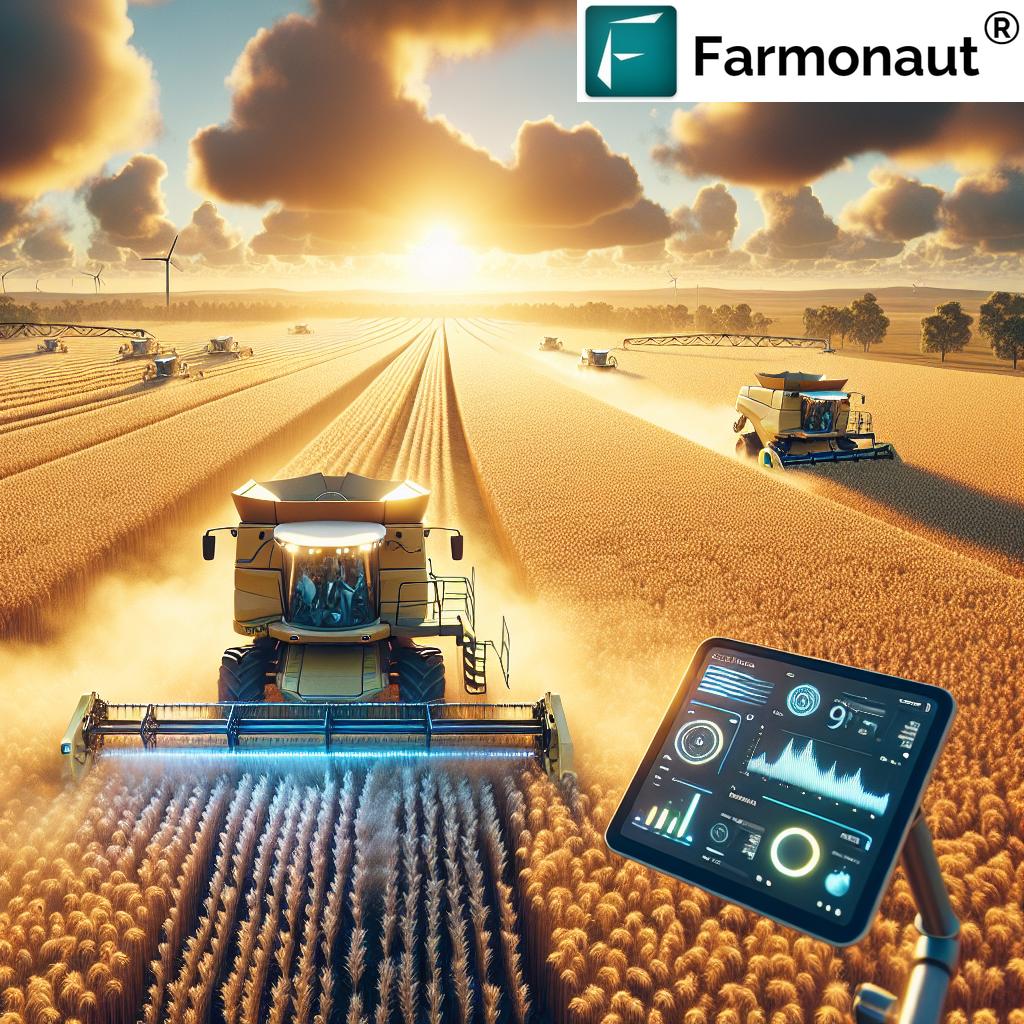
In this blog post, we’ll explore emerging agricultural industries, precision agriculture technology, and cutting-edge agritech solutions that are transforming the way we grow, harvest, and distribute food. We’ll also examine how innovative research in areas such as crop pollination and farm water management is addressing critical challenges faced by the industry.
The Rise of Precision Agriculture in Australia
Precision agriculture has become a cornerstone of modern farming practices in Australia. This technology-driven approach allows farmers to optimize their resource use, increase yields, and reduce environmental impact. Let’s explore some of the key innovations in this field:
- Satellite-based crop monitoring: Advanced imaging technologies provide real-time data on crop health, allowing farmers to make informed decisions about irrigation and fertilization.
- GPS-guided machinery: Tractors and other farm equipment equipped with GPS systems can operate with centimeter-level accuracy, reducing overlap and improving efficiency.
- Soil sensors: These devices measure moisture levels, nutrient content, and other vital soil parameters, enabling precise and targeted interventions.
- Drone technology: Unmanned aerial vehicles (UAVs) are increasingly used for crop scouting, pest detection, and even targeted spraying of pesticides.
At Farmonaut, we’re proud to contribute to this technological revolution with our satellite-based farm management solutions. Our platform integrates cutting-edge technology to provide farmers with valuable insights into their operations, helping them make data-driven decisions to optimize their yields and resource management.

Emerging Agricultural Industries in Australia
Australia’s agricultural sector is constantly evolving, with new industries emerging to meet changing consumer demands and address environmental challenges. Some of the most exciting developments include:
- Ginger cultivation: Queensland’s tropical climate is ideal for ginger production, with the industry experiencing significant growth in recent years.
- Tea tree oil production: This native Australian plant is gaining global recognition for its medicinal properties, creating new opportunities for farmers.
- Pasture seed development: Australian researchers are working on developing drought-resistant and high-yield pasture varieties to support the livestock industry.
- Kangaroo industry: Sustainable harvesting of kangaroos for meat and leather is becoming an increasingly important part of the rural economy.
- Buffalo and goat farming: These alternative livestock options are gaining traction, particularly in regions unsuitable for traditional cattle farming.
These emerging industries not only diversify Australia’s agricultural output but also create new opportunities for rural communities, fostering economic growth and innovation.
Innovative Crop Pollination Research
Pollination is a critical process for many of Australia’s crops, and researchers are developing innovative solutions to ensure robust and reliable pollination in the face of challenges such as declining bee populations. Some notable projects include:
- Robotic pollinators: Engineers are developing tiny drones capable of pollinating flowers, potentially supplementing the work of natural pollinators.
- Pollen delivery systems: New methods for applying pollen directly to crops are being tested, particularly for greenhouse environments.
- Native bee conservation: Efforts to protect and promote Australia’s diverse native bee species are gaining momentum, recognizing their importance in pollination.
These advancements in pollination technology and research are crucial for maintaining and improving crop yields, especially as climate change impacts traditional pollination patterns.

Advanced Farm Water Management Techniques
In a country as dry as Australia, efficient water management is paramount for sustainable agriculture. Innovative approaches to water conservation and use are being developed and implemented across the nation:
- Smart irrigation systems: AI-powered irrigation controllers adjust water delivery based on real-time weather data and soil moisture levels.
- Wastewater recycling: Advanced treatment technologies are enabling the safe use of recycled water for agriculture, reducing pressure on freshwater sources.
- Drought-resistant crop varieties: Plant breeders are developing new crop varieties that can thrive with less water, maintaining yields even in dry conditions.
- Precision water application: Technologies like drip irrigation and micro-sprinklers deliver water directly to plant roots, minimizing waste.
These water management innovations are crucial for the future of Australian agriculture, especially in the face of increasing climate variability and water scarcity.
Agricultural Research Funding and Its Impact
Investment in agricultural research and development (R&D) is a key driver of innovation in the sector. Australia has a strong tradition of supporting agricultural research through various funding mechanisms:
- Government grants: Federal and state governments provide significant funding for agricultural research projects.
- Industry levies: Many agricultural industries contribute to research funds through producer levies.
- Public-private partnerships: Collaborations between universities, government agencies, and private companies drive innovation.
- International collaborations: Australian researchers participate in global research initiatives, bringing new ideas and technologies to the local context.
This commitment to research funding has led to numerous breakthroughs in areas such as crop genetics, animal health, and sustainable farming practices, contributing to the sector’s impressive productivity growth.
Explore Farmonaut’s API for advanced agricultural data integration
Professional Development in the Agricultural Workforce
As the agricultural sector becomes increasingly technology-driven, there’s a growing need for skilled professionals who can navigate this new landscape. Various initiatives are underway to develop the agricultural workforce of the future:
- Agtech-focused education programs: Universities and vocational institutions are offering specialized courses in agricultural technology and precision farming.
- On-farm training: Hands-on experience with new technologies is being integrated into traditional agricultural education.
- Digital literacy programs: Initiatives to improve digital skills among farmers and rural workers are helping to bridge the technology gap.
- Leadership development: Programs aimed at nurturing the next generation of agricultural leaders are crucial for driving innovation and adaptation in the sector.
These professional development efforts are essential for ensuring that Australia’s agricultural workforce remains at the forefront of global innovation and productivity.
“Over 60% of Australian farms now utilize precision agriculture technologies, improving resource efficiency and crop yields.”
Sustainable Farming Practices and Environmental Stewardship
Australian farmers are increasingly adopting sustainable practices that protect the environment while maintaining productivity. Some key areas of focus include:
- Regenerative agriculture: Techniques that improve soil health, increase biodiversity, and sequester carbon are gaining popularity.
- Precision pest management: Advanced monitoring and targeted treatment methods reduce the need for broad-spectrum pesticides.
- Energy efficiency: Farms are implementing renewable energy solutions and energy-efficient equipment to reduce their carbon footprint.
- Waste reduction: Innovative approaches to reducing and recycling agricultural waste are being developed and implemented.
These sustainable practices not only benefit the environment but also often lead to improved long-term productivity and resilience for farms.

The Role of Data in Modern Australian Agriculture
Data has become a crucial resource in modern farming, enabling more precise and efficient operations. Here’s how data is transforming Australian agriculture:
- Predictive analytics: Advanced algorithms can forecast crop yields, pest outbreaks, and market trends, helping farmers make informed decisions.
- Blockchain for traceability: Blockchain technology is being used to create transparent and secure supply chains, enhancing food safety and consumer trust.
- Big data in research: Large-scale data analysis is accelerating agricultural research, leading to faster development of new crop varieties and farming techniques.
- Farm management software: Integrated platforms are helping farmers manage all aspects of their operations, from crop planning to financial management.
At Farmonaut, we recognize the power of data in agriculture. Our platform harnesses satellite imagery and AI to provide farmers with actionable insights, helping them optimize their operations and increase productivity.
Access Farmonaut’s API Developer Docs for seamless integration
Challenges and Opportunities in Australian Agriculture
While the future of Australian agriculture is bright, the sector faces several challenges that present opportunities for innovation:
- Climate change adaptation: Developing resilient farming systems that can withstand extreme weather events and changing climate patterns.
- Labor shortages: Addressing workforce gaps through automation, robotics, and attracting new talent to the agricultural sector.
- Market access: Navigating global trade dynamics and opening new markets for Australian agricultural products.
- Biosecurity: Protecting Australia’s agricultural industries from pests and diseases in an increasingly connected world.
- Digital connectivity: Improving rural internet infrastructure to enable full adoption of digital farming technologies.
These challenges are driving innovation across the sector, spurring the development of new technologies and practices that will shape the future of Australian agriculture.
The Future of Australian Agriculture: A Vision for 2030 and Beyond
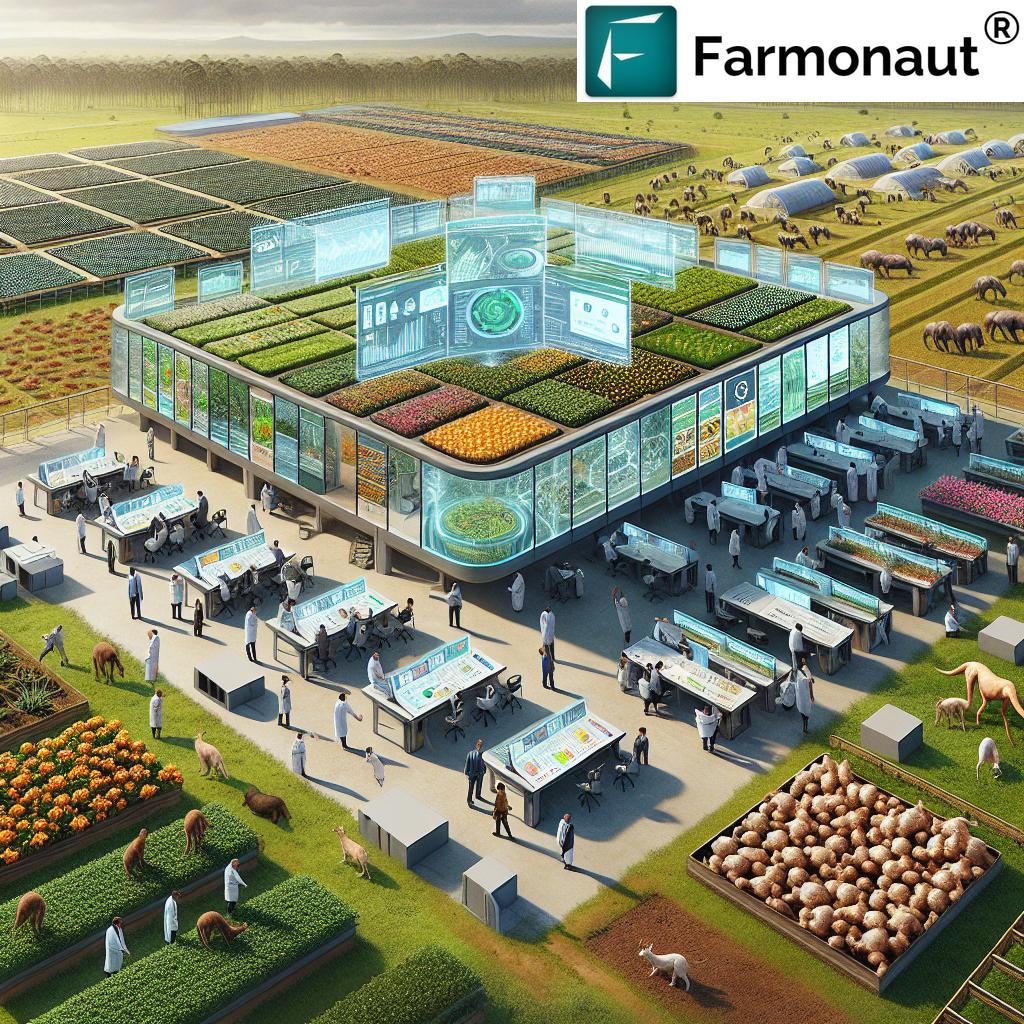
As we look to the future, Australian agriculture is poised for continued growth and innovation. Some key trends and predictions include:
- Increased automation: Autonomous tractors, harvesting robots, and AI-driven farm management systems will become commonplace.
- Vertical farming: Urban and peri-urban areas will see a rise in high-tech vertical farms, producing fresh produce closer to consumers.
- Biotechnology advancements: Gene editing and other biotechnological tools will lead to more resilient and productive crop varieties.
- Circular economy approaches: Agricultural waste will increasingly be viewed as a resource, with new industries emerging to utilize by-products.
- Personalized nutrition: Advances in understanding the links between agriculture and human health will drive the development of functional foods and personalized dietary recommendations.
These developments promise to make Australian agriculture more productive, sustainable, and resilient in the face of global challenges.
Australian Agricultural Innovation Comparison
| Agricultural Sector | Emerging Technology | Estimated Adoption Rate (%) | Primary Benefits | Challenges | Potential ROI |
|---|---|---|---|---|---|
| Crop Production | Precision Agriculture | 60 | Increased Yield, Resource Efficiency | High Initial Costs, Technical Expertise | High |
| Livestock | AI-driven Health Monitoring | 40 | Improved Animal Welfare, Disease Prevention | Data Integration, Rural Connectivity | Medium |
| Horticulture | Automated Harvesting Robots | 25 | Labor Savings, Harvest Optimization | High Investment, Technology Adaptability | Medium |
| Ginger Cultivation | Hydroponic Systems | 15 | Year-round Production, Water Conservation | Infrastructure Costs, Skill Requirements | Medium |
| Tea Tree Oil Production | Advanced Distillation Techniques | 30 | Higher Oil Quality, Improved Yield | Equipment Costs, Market Volatility | High |
| Pasture Seed Development | Gene Editing for Drought Resistance | 10 | Climate Resilience, Increased Productivity | Regulatory Hurdles, Public Perception | High |
Conclusion: Embracing Innovation for a Sustainable Future
Australian agricultural innovation is at the forefront of global efforts to create a more sustainable, productive, and resilient food system. From the adoption of precision agriculture technologies to groundbreaking research in crop pollination and water management, the sector is continuously evolving to meet the challenges of the 21st century.
As we’ve explored in this blog post, the future of Australian agriculture is bright, with emerging industries, cutting-edge technologies, and a strong commitment to research and development driving progress. The integration of data-driven solutions, such as those provided by Farmonaut, is playing a crucial role in this transformation, empowering farmers with the insights they need to make informed decisions and optimize their operations.
By embracing these innovations and continuing to invest in sustainable practices, Australia’s agricultural sector is well-positioned to remain a global leader in food production while addressing critical environmental and social challenges. As we look to the future, it’s clear that the ongoing collaboration between farmers, researchers, technology providers, and policymakers will be essential in realizing the full potential of Australian agricultural innovation.



Farmonaut Subscriptions
Frequently Asked Questions
- What is precision agriculture, and how is it transforming Australian farming?
Precision agriculture uses technology like GPS, sensors, and data analytics to optimize farming practices. In Australia, it’s helping farmers increase yields, reduce resource use, and make more informed decisions. - How is Australia addressing water scarcity in agriculture?
Australia is implementing advanced water management techniques such as smart irrigation systems, wastewater recycling, and developing drought-resistant crop varieties to address water scarcity challenges. - What role does research funding play in Australian agricultural innovation?
Research funding is crucial for driving innovation in Australian agriculture. It supports the development of new technologies, farming practices, and crop varieties that enhance productivity and sustainability. - How are emerging technologies like AI and blockchain being used in Australian agriculture?
AI is being used for predictive analytics and autonomous farming systems, while blockchain is enhancing supply chain transparency and traceability in the agricultural sector. - What are some of the emerging agricultural industries in Australia?
Emerging industries include ginger cultivation, tea tree oil production, pasture seed development, and sustainable kangaroo and buffalo farming.

 Teledarbas
 Dreamz Tech
 Wild Oak Farm
 SFX
SFX BACF Africa
 Doodlakine
 Exurbia Geospatial
 FieldZero
 Indico Company
 Kubota
 FFBS
FFBS Jontra
 Tucor
Tucor
