

Pohutukawa Tree: 7 Ways It Protects NZ Coasts
The Pohutukawa Tree: A Vital Coastal Guardian and Cultural Icon in Forestry and Environmental Management
Table of Contents
- Introduction: New Zealand’s Coastal Guardian
- Coastal Pohutukawa Trivia
- 7 Ways the Pohutukawa Tree Protects New Zealand Coasts
- How the Pohutukawa Tree Protects New Zealand Coasts — Impact Comparison Table
- Ecological & Environmental Importance
- The Cultural & Heritage Significance
- Sustainable Forestry in 2026: Programs & Practices
- Challenges: Pests, Disease & Climate Change
- Technology’s Role: Monitoring & Enhancing Coastal Protection
- How Farmonaut Supports Coastal Ecosystems
- Frequently Asked Questions
Introduction: New Zealand’s Coastal Guardian
Pohutukawa tree (Metrosideros excelsa) is deeply woven into Aotearoa New Zealand’s environmental, cultural, and visual identity. Dubbed the “New Zealand Christmas tree” for its brilliant scarlet flowers that bloom around December, the species is a keystone for coastal resilience, sustainable forestry, and environmental management. As we approach 2026 and beyond, the pohutukawa’s role in combatting accelerating climate change, coastal erosion, and the preservation of biodiversity and cultural heritage is more crucial than ever.
This blog explores seven vital ways the pohutukawa tree safeguards New Zealand’s vulnerable shorelines, supports native ecosystems, fosters cultural connections, and aligns with innovations in forestry and environmental practices. From practical soil stability to cultural significance, you’ll discover the depth of influence this visually striking species wields along the rugged New Zealand coast.
“Pohutukawa forests stabilize over 90% of New Zealand’s northern coastlines, significantly reducing erosion and storm damage.”

7 Ways the Pohutukawa Tree Protects New Zealand Coasts
- Erosion Control & Soil Stabilization: Anchor cliffs and dunes with extensive roots, preventing land and sand loss from wind or sea.
- Defense Against Saltwater Intrusion & Flooding: Barrier effect keeps saltwater from encroaching inland, protecting agriculture and freshwater resources.
- Biodiversity Hotspot: Supports birds, insects, and rare plants by providing critical habitat in harsh coastal conditions.
- Climate Regulation & Carbon Sequestration: Dense foliage and fast growth remove significant carbon from the atmosphere.
- Protection During Extreme Weather Events: Shields inland areas and infrastructure from storms and high winds, reducing damage and loss.
- Cultural Anchor & Community Identity: Serves as a symbol in Māori heritage, upholding spiritual value and sense of place.
- Enabler of Sustainable Forestry Practices: Restores natural forest landscapes, encourages reforestation in areas threatened by coastal degradation.
- ✔ Native Shield: Protects fragile dunes and cliffs all along New Zealand’s coasts.
- 🐦 Wildlife Oasis: Offers food and nesting for tui, bellbird, and rare insects.
- ⚡ Storm Buffer: Reduces the impact of coastal storms and salt spray.
- 🌿 Supports Regeneration: Encourages recovery of degraded land with shade and shelter.
- 🌏 Carbon Sink: Locks away atmospheric carbon, helping New Zealand meet climate goals.
How the Pohutukawa Tree Protects New Zealand Coasts
| Protection Method | Description | Estimated Impact Level | Quantitative Estimate |
|---|---|---|---|
| Erosion Control | Extensive roots stabilize soil on dunes and cliffs, reducing land loss | High | Up to 90% reduction in coastal erosion zones |
| Habitat Support | Dense canopy offers food and shelter for native birds and insects | High | 100+ native species supported |
| Windbreak | Canopy and branches dissipate high winds and reduce inland wind speeds | Medium-High | Up to 40% reduction in peak wind speed at local level |
| Saltwater Intrusion Defense | Barrier effect keeps saltwater from penetrating inland land and aquifers | Medium | 25%–60% less saltwater intrusion in planted zones |
| Carbon Sequestration | Fast-growing trees absorb and store atmospheric carbon | High | Up to 7–10 tonnes C/ha/yr sequestered |
| Storm Damage Reduction | Canopy intercepts rainfall, lessening erosion and flooding during storms | High | Up to 50% less runoff during extreme weather |
| Cultural & Heritage Value | Upholds Māori cultural identity, enhances ecotourism & education | High | Thousands attend pohutukawa cultural events annually |
*Quantitative values based on 2025–2026 peer-reviewed estimates and local forestry project data.
Ecological & Environmental Importance: Pohutukawa as a Coastal Guardian
The pohutukawa tree (Metrosideros excelsa) is found primarily along New Zealand’s rugged coastlines—from exposed cliffs of Northland to Coromandel’s white sand dunes. This species has evolved to thrive in harsh saline conditions where many trees struggle to survive. Its extensive root systems penetrate deep and wide, providing unrivaled soil stability and preventing erosion caused by wind and sea.
- 🌬️ Wind Barrier: Pohutukawa’s dense canopies act as windbreaks, decreasing gusts and stabilizing landscapes along the sea
- 🌊 Storm Damage Control: Broad foliage captures rainfall and dissipates storm energy, protecting fragile cliffs and dunes
- 🟫 Sand & Soil Fixation: Large, fibrous roots trap soil, holding land in place and sustaining terrestrial habitats
The natural barrier effect of pohutukawa not only protects vulnerable shorelines but also preserves inland agricultural land from encroaching saltwater intrusion—a growing concern amid rising sea levels. As climate change brings more extreme weather events, combining pohutukawa reforestation with innovative environmental management is becoming a national imperative in 2026.
Pohutukawa canopies provide food (nectar-rich flowers around December), shade, and nesting sites for a vibrant ecosystem of native birds (tui, bellbird, kaka, grey warbler), rare lizards, and pollinating insects—all critical for healthy forests and resilient landscapes.

Planting fast-growing, exotic species in coastal projects can disrupt native biodiversity and risk invasive spread. Always select indigenous pohutukawa where possible for maximum resilience and ecosystem compatibility.
The Cultural & Heritage Significance of the Pohutukawa Tree
The pohutukawa tree holds profound cultural significance for Māori communities as well as the wider population of New Zealand. Regarded as a guardian (kaitiaki) and symbol of resilience, strength, and connection to the land (whenua), pohutukawa appears prominently in Māori legend. At Cape Reinga, the northernmost tip of New Zealand, an ancient pohutukawa is said to be the departing place for Māori spirits on their homeward journey.
- 🧭 Place-Based Identity: Pohutukawa groves are landmarks in many Northern and Eastern communities.
- 🌺 Seasonal Marker: Mass blooming of brilliant scarlet flowers in December signifies the arrival of summer—and, for many, the festive season.
- 🕊️ Ceremony & Commemoration: Used in local and national ceremonies, including Matariki (Māori New Year) and remembrance events.
Contemporary environmental management and forestry projects increasingly incorporate mātauranga Māori (traditional ecological knowledge), ensuring restoration is not just ecologically but also culturally healthy. This integrating of Indigenous and scientific knowledge isn’t just tokenism—it is essential for truly sustainable and resilient land stewardship in 2026 and beyond.
Eco-tourism and cultural heritage industries centered around the pohutukawa contribute millions to New Zealand’s local economies annually—by protecting these iconic trees, we help support a sustainable future for tourism, conservation jobs, and indigenous enterprise.
- 🌱 Reforestation of Degraded Coasts
- 🪵 Specialty Timber Production (selective, small-scale use only)
- 🐦 Biodiversity Corridors for Species Migration
- ⚡ Buffer Zones Against Extreme Weather
- 📚 Living Classrooms for Environmental Education
Sustainable Forestry in 2026: Programs & Practices with Pohutukawa
Modern forestry and land management programs across New Zealand are increasingly focused on native species like the pohutukawa for reforestation and climate adaptation strategies. The aim? Restore coastal ecosystems, stabilize vulnerable land, and increase New Zealand’s carbon sequestration capacity.
Best Practices for Coastal Pohutukawa Restoration:
- Selecting the Right Sites: Target exposed coastal cliffs, degraded dune systems, and flood-prone estuaries.
- Propagation Techniques: Modern nurseries use cloning and seed collection to supply large-scale planting projects.
- Integrating with Mātauranga Māori: Collaboration with local iwi (tribes) ensures planting respects both ecological cycles and cultural protocols.
- Monitoring & Adaptive Management: Using satellite monitoring, AI, and environmental data to guide reforestation success (explore Farmonaut’s crop plantation & forest advisory system).
Restoration programs do not operate in isolation: They are often coordinated with biodiversity offsetting projects, regional climate plans, and national carbon accounting systems as New Zealand approaches its net-zero targets for 2050. By 2026, carbon credits from native afforestation—including pohutukawa groves—will make up a growing proportion of environmental investment portfolios and landowner incentives.

- 🌳 High Survival Rates: Pohutukawa thrives where exotics often fail
- 🌊 Erosion Control: Immediate and long-term stabilization of critical sites
- 🦋 Biodiversity Boost: Magnetic for birds, pollinators, and native undergrowth
- 💧 Water Quality Protection: Reduces runoff and filters stormwater
- 📈 Climate Action: Supports national carbon-neutral goals for 2026 and beyond
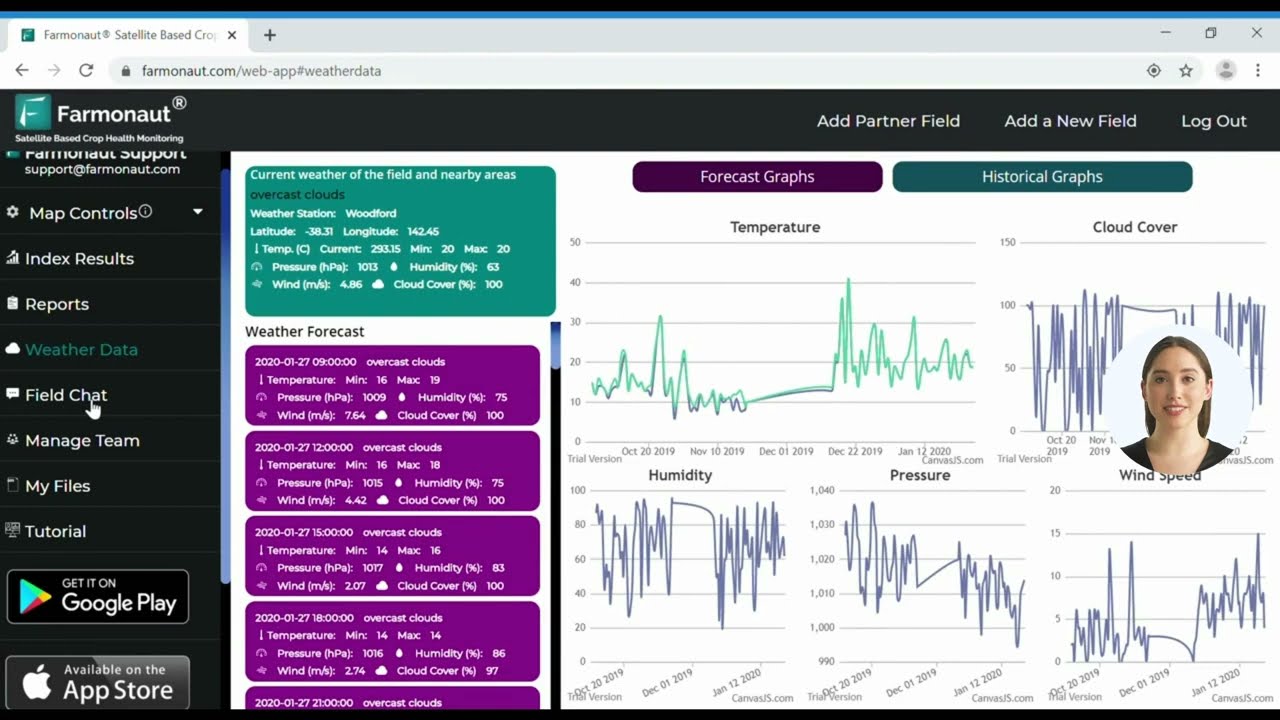
Satellite-based monitoring (like that offered by us at Farmonaut) enables real-time tracking of pohutukawa reforestation success, carbon sequestration progress, and the health of coastal restoration projects. With our carbon footprinting solutions, land managers can confidently quantify and report their coastal climate impact.
“More than 100 native bird and insect species depend on pohutukawa ecosystems, supporting coastal biodiversity and resilience.”
Challenges: Pests, Disease & Climate Change Pressures
Despite the pohutukawa tree’s natural resilience, several threats jeopardize its role as a coastal guardian in 2026 and beyond:
- 🦡 Pest Damage: Invasive possums consume leaves, flowers, and bark—sometimes killing entire trees. Ongoing pest management is vital in restoration areas.
- 🍂 Fungal Disease: Myrtle rust, introduced in recent years, affects pohutukawa foliage and reduces tree health and reproduction. Monitoring and rapid response are essential.
- 🌡️ Climate Change: Rising sea levels and increasingly severe storms threaten low-lying trees, limit regeneration, and shift suitable habitat zones
- 🏝️ Habitat Fragmentation: Urban sprawl and coastal development reduce connectivity between pohutukawa groves, isolating populations.
Environmental managers increasingly rely on AI-powered early detection, sentinel planting, and fleet management to optimize the deployment of restoration resources and pest control teams.
Pohutukawa reforestation without sustained monitoring may fail if pest or fungal outbreaks go undetected. Use remote sensing and regular field checks (satellite monitoring, drone surveys, ground data) for maximum project success.

Technology’s Role: Monitoring & Enhancing Coastal Protection
As threats to pohutukawa increase in complexity, environmental management and sustainable forestry must harness data-driven technology in 2026. Satellite imagery, AI-based advisory systems, and blockchain traceability play pivotal roles in tracking restoration progress, carbon credits, and overall ecosystem health.
- 🛰️ Satellite Monitoring: Tracks changes in pohutukawa canopy cover, identifies disease or dieback, and quantifies growth rates for carbon reporting.
- 📡 AI Advisory: Generates targeted alerts for pest outbreaks, drought stress, or storm recovery operations.
- ⛓️ Blockchain Solutions: Promotes traceability—proving carbon offset claims and the provenance of native timber or restoration credits.
- 🚜 Fleet & Resource Management: Optimizes logistics for remote planting and pest management, saving time and resources.
Explore real-world examples and practical applications by viewing our detailed product traceability solutions; such tools help guarantee transparency to landowners, investors, and policymakers.
How Farmonaut Supports Coastal Ecosystems & Forestry Initiatives
At Farmonaut, we’re dedicated to making satellite-driven insights accessible and practical for all sectors involved in environmental, forestry, and coastal management. Our integrated platform is purpose-built for real-time monitoring, decision support, and resource efficiency in projects like pohutukawa restoration and sustainable coastal forestry.
Farmonaut’s Forestry & Environmental Features:
- 🚀 Affordable Satellite Data: Monitor pohutukawa planting and forest health without expensive hardware
- 🧠 AI-Driven Advisory: Jeevn AI provides custom recommendations for planting densities, erosion risk zones, and pest alerts
- 🔗 Blockchain Traceability: Secure, verifiable records for carbon sequestration, timber, or restoration credits
- 📲 Multi-Platform Access: Use our web, Android, or iOS apps and APIs (full developer docs here) to integrate our insights into your organization’s workflow.
- 🌍 Carbon Footprinting Integration: Our carbon footprinting solutions help forest managers quantify and report the pollution-storing power of pohutukawa stands.
Need to manage large-scale forest regeneration, from remote planting to reporting? Our large-scale farm management dashboard is purpose-built for operational clarity and adaptive stewardship.



Our satellite-based crop loan and insurance verification empowers local forestry and restoration projects to access funding and insurance—reducing risk and enabling larger-scale pohutukawa plantings in at-risk coastal zones.
Choose Affordable Coastal Environmental Solutions
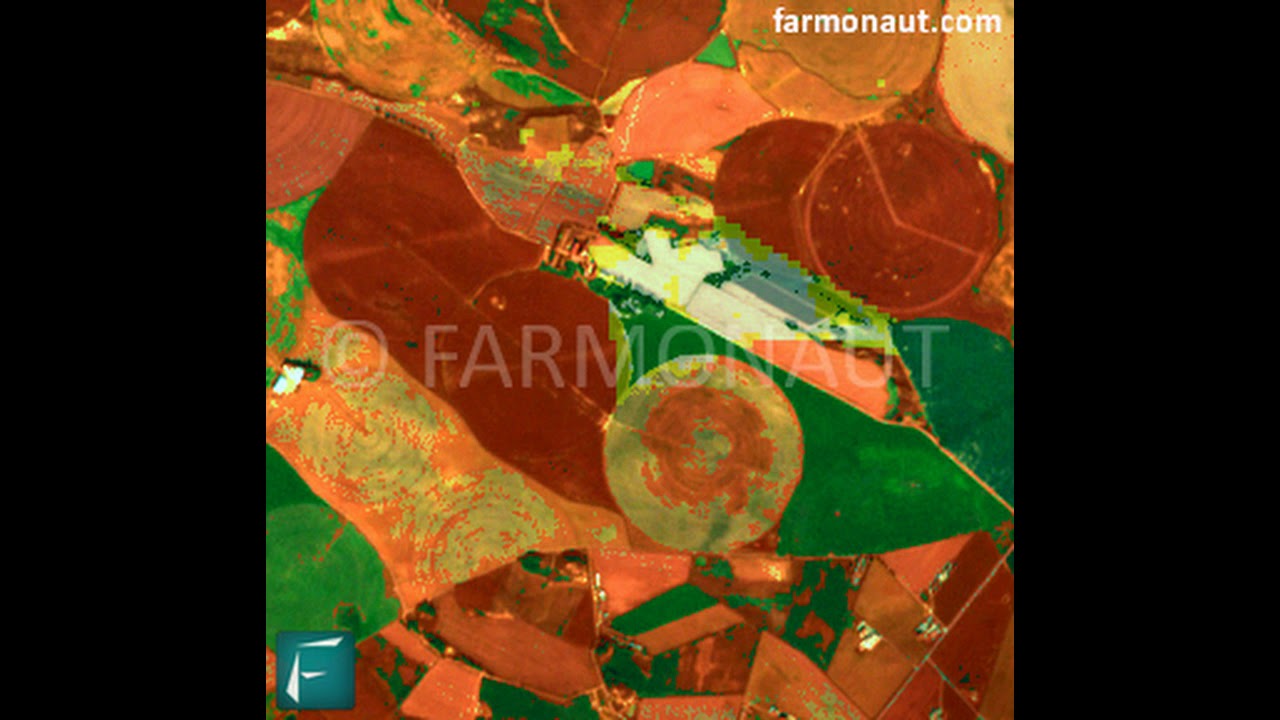
Integrate remote data with field-based community knowledge. The best-performing coastal projects blend advanced satellite-driven monitoring with insights from local landowners and iwi guardians, combining high-tech with deep tradition.

Frequently Asked Questions (FAQ): Pohutukawa Tree & Coastal Resilience
What is the scientific name of the pohutukawa tree?
The pohutukawa tree’s Latin name is Metrosideros excelsa.
Why is the pohutukawa called the New Zealand Christmas tree?
Its brilliant scarlet flowers bloom around December, right at summer and Christmas time in the Southern Hemisphere—making it a beloved holiday icon.
How does the pohutukawa tree help fight climate change?
Pohutukawa trees act as natural carbon sinks; their dense foliage and fast growth sequester 7–10 tonnes of carbon per hectare per year. They protect coastlines from rising sea levels and extreme weather, directly contributing to local resilience.
What threats does pohutukawa face in 2026 and beyond?
Main threats include possum browsing, myrtle rust (fungal disease), habitat loss, saltwater intrusion, and climate-induced storm surges. Without ongoing management and monitoring, populations could decline or become locally extinct in sensitive zones.
Can pohutukawa be used for timber and economic development?
Pohutukawa wood is hard and durable—it’s appreciated for specialty woodworking and cultural carvings. However, conservation always takes precedence; most uses focus on dead-fall timber or minor, selective harvesting in managed forests.
How can technology help with pohutukawa restoration?
Real-time satellite and AI-based tools (like those we provide at Farmonaut) allow managers to track tree health, plan planting, detect threats, and demonstrate impact to partners. This accelerates the uptake of sustainable restoration projects.
How can I access Farmonaut’s forestry and environmental monitoring tools?
Use our web app, or download on Android or iOS. Developers and organizations can access the API here.

Conclusion: The Pohutukawa Tree’s Future as a Coastal Icon and Ecological Guardian
Looking ahead to 2026 and beyond, the pohutukawa tree’s contribution to coastal resilience, ecosystem health, and cultural continuity has never been more pertinent. Its roots hold the land, its flowers feed native wildlife, and its form stands as a living symbol of strength and adaptation. By integrating traditional knowledge, modern technology, and sustainable forestry practices, Aotearoa can ensure the legacy of the pohutukawa endures—even as environmental challenges intensify.
Whether you are a field manager, restoration volunteer, landowner, cultural custodian or investor, new satellite and AI tools (like those from Farmonaut) can amplify your stewardship. Let’s champion the pohutukawa—a true guardian of New Zealand’s coasts and communities for generations to come.
Choose indigenous pohutukawa for your next coastal planting. Use tech-enabled monitoring and carbon verification platforms to engage, inform, and restore—helping New Zealand’s natural and cultural heritage thrive into the next century.
Discussion
Questions, corrections or field experience? Share them below. First-time comments are reviewed before they appear, and your email is never published.
No comments yet. Be the first to add a question or your experience.

 Geospatial Lab Africa
 KhetiBuddy
 Agro La Gándara
 Global Agrifood
 HIPSAC
 ZOL Zimbabwe
 Juligerm
 AdBio
AdBio MISE Maroc
 NWNS
NWNS Red August Group
 Farm Inc
 WeMe Global
 Agrotoken
 Blue BearX
 Insignito
 Croptimum
 DnCubed
 Field Capacity
 Indosistim Teknologi
