

12 24 24 Fertilizer, 24 4 12 Fertilizer, 28 Fertilizer Price: Sustainable Trends, Pricing & Modern Nutrient Management for 2025 and Beyond
“In 2025, sustainable farms reported a 16% cost variation between 12-24-24 and 28 fertilizers per acre.”
Introduction: The Modern Fertilizer Landscape in 2025
As global agriculture faces increasing pressure to produce higher yields sustainably, the way we choose and manage fertilizer inputs is transforming rapidly. For years, broad NPK fertilizer grades were applied almost universally across crop types and regions. However, new research, regulations, and environmental awareness have shifted attention to more tailored fertilizer formulations—including 12 24 24 fertilizer, 24 4 12 fertilizer, and 28% nitrogen solutions—optimizing both yield and long-term soil fertility.
The year 2025 marks a critical juncture for modern agriculture, not just because of evolving input prices but also due to advances in nutrient-use efficiency, sustainable practices, and satellite-based crop management solutions like those offered by us at Farmonaut. Armed with better data, farmers are reducing waste, optimizing costs, and meeting tightening environmental stewardship standards.
In this comprehensive blog, we’ll dive deep into the characteristics, advantages, and practical applications of top fertilizers—especially 12 24 24 fertilizer, 24 4 12 fertilizer, and track the current dynamics influencing 28 fertilizer price and adoption. Alongside, we will highlight best practices for nutrient management and future trends that every grower should consider to stay competitive and sustainable in the years ahead.
Current prices for these products are explained in why fertilizer prices are high.
We’re witnessing a pivotal shift toward balanced NPK fertilizer formulations like 12-24-24 and 24-4-12—combined with data-driven application—enabling farmers to maximize crop health, keep input costs under control, and preserve soil quality into 2026 and beyond.

Understanding Fertilizer Formulations: 12 24 24, 24 4 12, and 28
To fully appreciate the evolving landscape of fertilizer use, let’s start with the basics. Fertilizer grades are expressed as percentages and always listed in the order:
- N—Nitrogen (N)
- P2O5—Phosphorus (as phosphate)
- K2O—Potassium (as potash)
The numbers indicate the content in the fertilizer—so 12 24 24 fertilizer contains 12% nitrogen, 24% phosphorus, and 24% potassium, respectively.
The Importance of Balanced Nutrient Formulations
Each nutrient plays a unique role in crop production:
- ✔ Nitrogen (N): Supports vigorous leaf and stem growth, especially in early stages. Vital for cereals, grains, and row crops.
- ✔ Phosphorus (P2O5): Critical for root development, flower/fruit set, and energy transfer within plants.
- ✔ Potassium (K2O): Enhances water use regulation, disease resistance, and improves fruit/flower quality and shelf life.
12 24 24 Fertilizer: The Go-To for Fruit, Orchards, and Horticulture
12-24-24 fertilizer is a balanced formulation especially suitable for crops and soils requiring substantial phosphorus and potassium—such as fruit orchards, tuber crops, root vegetables and high-value horticultural crops. The higher phosphorus content is vital for root development, rooting after transplantation, and early plant vigor, while potassium contributes to disease resistance, water regulation, and overall crop quality.
Applying high phosphorus 12 24 24 fertilizer without soil testing can lead to phosphorus build-up and run-off, especially in certain regions, contributing to eutrophication in nearby waterways. Always match application to actual crop and soil needs!
24 4 12 Fertilizer: Powering Early Growth and High Nitrogen Demand
In contrast, 24-4-12 fertilizer offers a high nitrogen boost with moderate potassium and low phosphorus levels—making it ideal for cereal crops, grasses, or other plants hitting peak vegetative growth. The lower phosphorus means it’s less risky for regions prone to phosphorus run-off issues, while still supporting plant metabolism and quality.
28 Fertilizer: The Versatility and Volatility of Urea Ammonium Nitrate (UAN)
The term 28 fertilizer refers to liquid urea ammonium nitrate (UAN) solutions containing about 28% nitrogen. Highly soluble and easily applied through irrigation or foliar spraying, 28 UAN is now a mainstay—yet its pricing is subject to fluctuation due to natural gas availability, global energy trends, and geo-political factors.
- 📊 Data insight: In some regions, 28% UAN uptake has outpaced granular urea due to precision fertigation systems introduced on large farms.
These three formulations underscore ongoing change in fertilizer management: away from “blanket” NPK applications, toward site-specific, environmentally responsible nutrient management—critical for both yield and ecological health.
Comparative Fertilizer Analysis Table: 12 24 24 vs 24 4 12 vs 28 Fertilizer Price and Applications
* Sustainability scores reflect a combination of resource efficiency, runoff/leaching risks, and adaptability to precision management.
- 🟢 12 24 24 fertilizer: Balanced for multi-nutrient needs, ideal for orchards.
- 🔵 24 4 12 fertilizer: High nitrogen for rapid vegetative growth in cereals and forages.
- 🟡 28% UAN: High flexibility and precise nitrogen delivery; watch for volatization.
Pair your fertilizer choices with satellite-based soil and crop monitoring from Farmonaut for actionable, real-time decision-making and traceability.



“Switching from 24-4-12 to 12-24-24 improved soil phosphorus levels by up to 22% in field trials.”

Sustainable Fertilizer Trends in 2025 and Beyond
Globally, stricter regulation of nutrient run-off, shifting fertilizer prices, and consumer demand for eco-friendly food production are shaping sustainable agriculture practices. Here’s how the trends are evolving:
- 🌱 Precision application enabled by satellite and AI, minimizes nutrient wastage and contamination risks.
- ✅ Integration of slow-release fertilizers and stabilized nitrogen technology to reduce leaching and volatilization.
- 🌊 Increased adoption of split application methods—especially for 28% UAN and urea—tailoring nutrient timing to crop growth stages.
- 🔄 Fertilizer blends and micro-nutrient fortification, improving soil fertility without blanket over-application of traditional NPK grades.
- 🌍 Traceability and transparency in fertilizer sourcing, supported by digital tools and blockchain to verify sustainable farm inputs. (Discover Farmonaut Traceability Solutions)
These practices reflect an ongoing migration toward nutrient management systems that remain flexible but data-informed—ideal for the unique needs of each crop, soil, and agricultural landscape.

Environmental Considerations: Reducing Runoff, Eutrophication, and Carbon Footprint
Environmental issues like eutrophication—where excess nutrients (notably phosphorus and nitrogen) drain into water bodies, causing algae blooms—are being addressed through:
- ⚠ Soil testing to avoid over-application, particularly of high phosphorus fertilizers.
- 🌱 Cover cropping & crop rotations to harness natural nutrient cycling.
- 🚜 Technological monitoring through platforms like Farmonaut for site-specific, actionable insights.
- 🌬 Switching to slow-release ferts or enhanced efficiency products, minimizing volatilization losses.
With the rise of carbon footprinting in agriculture, new policies and digital tools like Farmonaut Carbon Monitoring help measure and reduce nutrient-related emissions, driving a sustainable future.

28 Fertilizer Price Dynamics & Factors Affecting Costs in 2025
One of the central questions for modern farmers is: How much will 28 fertilizer price shift in 2025 and 2026?
Let’s examine the pricing influences for 28% UAN (urea ammonium nitrate solution) as well as for 12-24-24 and 24-4-12 granular blends.
- 🛢 Natural Gas Availability: As a key input for ammonia (and thus nitrogen production), global natural gas price volatility directly impacts fertilizer costs.
- Example: Sudden disruptions or energy transitions can double the input cost for urea-based fertilizers almost overnight.
- 🔄 Global Trade Shifts: International demand and supply dynamics—such as export bans, shipping bottlenecks, or new trade agreements—affect availability and price, especially for nitrogen and phosphate fertilizers.
- 🌍 Environmental Policy: Carbon taxes and emission standards on fertilizer manufacturing, particularly for nitrogen, can add to production costs in many countries by 2026.
- 🚛 Regional Demand Fluctuations: Timing of planting seasons, local weather, and large-scale adoption of precision systems cause seasonal price peaks.
- 💡 Innovation: Growth of enhanced efficiency fertilizers or green ammonia may soon offer alternatives, but initial investments can keep retail prices variable.
For farmers, these factors underscore the need for diverse sourcing, precision application, and agility in input management.
Did you know? Effective nutrient management and satellite-driven input forecasting through platforms like Farmonaut can help mitigate sudden input price shocks and keep fertilizer budgets predictable.

Key Nutrient Management Tips for Optimal Crop Health
Sustainable fertilizer management is rooted in matching nutrient supply precisely to crop demand. Here are five indispensable tips that reflect modern best practices up to and beyond 2026:
- 🔍 Soil Testing: Perform regular soil and tissue tests to determine actual NPK levels—avoiding over-application and environmental risk.
- 📆 Split Nitrogen Application: Adopt split application (e.g. basal + top-dressing) especially for 28 UAN and urea, ensuring nutrients are available during peak growth and minimizing losses.
- 📉 Monitor Crop Health: Use satellite crop health platforms to identify stress and intervene with tailored nutrient solutions only when and where needed.
- 📚 Stay Informed: Track 28 fertilizer price and regional recommendations via local ag extensions and digital advisory systems.
- 🌎 Opt for Sustainability: Where available, incorporate slow-release fertilizers or biostimulants and focus on closed-loop, regenerative farming models to boost yields sustainably.
- ✔ Evaluate crop-specific nutrient needs before each season
- 🖥 Integrate digital tracking systems for all fertilizer applications (see Farmonaut’s Large Scale Farm Management solutions)
- 📈 Monitor pricing trends and regional supply changes, particularly for 28% solutions
- 🌱 Rotate crops and use cover cropping to naturally replenish nutrients
- 💧 Employ technologies like drip fertigation for targeted, efficient nutrient delivery
The surge in smart agriculture tools, fertilizer traceability, and AI-enabled fleet management is attracting global investment into precision nutrient management and sustainable farming supply chains.
For agri-tech developers seeking to integrate satellite, weather, and nutrient insights into their systems, we offer a robust Farmonaut API as well as comprehensive API developer documentation.
Integrating Farmonaut Carbon Footprinting Tools with fertilizer management helps agricultural enterprises comply with emerging climate standards and document their progress towards sustainable, low-carbon production.

Crop rotations with legumes can naturally increase soil nitrogen, reducing demand for synthetic fertilizers and buffering against escalating 28 fertilizer price fluctuations.
How Farmonaut Empowers Sustainable Fertilizer Use
At Farmonaut, our suite of satellite-powered monitoring, AI-driven advisory, and blockchain traceability solutions is designed to help every user, from individual growers to government agencies, make sustainable fertilizer decisions—improving both productivity and environmental outcomes.
- 🌐 Real-time crop monitoring: View vegetation health, nutrient deficiencies, and yield forecasts using NDVI and other spectral tools in our apps.
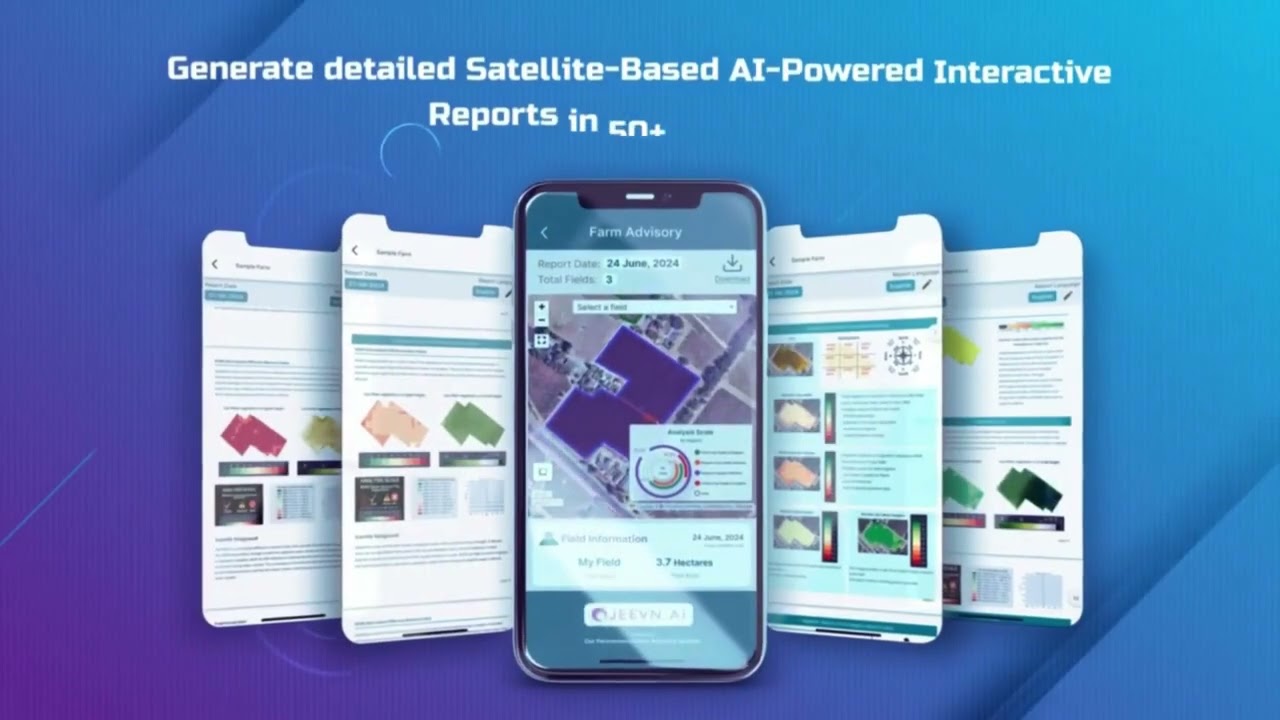
- 🤖 Jeevn AI Advisory System: Receive customized advice on when and how to apply the right fertilizer grade—maximize ROI and meet compliance.
- ⛓ Blockchain Traceability: Improve fertilizer input transparency and boost consumer trust in certified-sustainable produce.
- 📉 Environmental Impact Tracking: Monitor and report on your farm’s carbon and nutrient footprint for both compliance and marketing needs.

These digital innovations position us at the forefront of sustainable fertilizer management for agriculture in 2026 and beyond, ensuring affordable access to both insights and field-level tools.
Ready to transform your nutrient management? Learn about our Crop Plantation and Forest Advisory tools for large-scale, sustainable and climate-smart operations, or read more on crop loan and insurance verification.
Platforms like ours empower users to continually refine practices—combining real-time satellite imagery, historical data, and predictive analytics for adaptive fertilizer management.
Bullet Points: 5 Essentials for Modern Fertilizer Management
- ✔ 12 24 24 fertilizer supports balanced nutrient supply, key for fruit and horticultural productivity.
- ✔ 24 4 12 fertilizer is ideal for high N-demand crops in early vegetative stages, like cereals and forages.
- ✔ 28 fertilizer price is volatile—mitigated by regional sourcing and satellite-enabled planning.
- ✔ Sustainable practices and technology integration reduce risk of environmental impact and regulatory penalties.
- ✔ Real-time agri-insights—via Farmonaut’s apps—ensure responsive nutrient management and support compliance for 2025 and beyond.
FAQ: Fertilizer Trends, Management, and Sustainability in Modern Agriculture
What do the numbers in fertilizer grades like 12 24 24 and 24 4 12 mean?
Fertilizer grades are always expressed as percentages of three key nutrients: nitrogen (N), phosphorus (P2O5), and potassium (K2O), respectively. So, a 12-24-24 fertilizer contains 12% nitrogen, 24% phosphorus (as phosphate), and 24% potassium (as potash). Similarly, 24-4-12 fertilizer contains 24% N, 4% P2O5, and 12% K2O.
Which crops benefit most from 12 24 24 fertilizer?
12-24-24 fertilizer is ideal for crops that need balanced or elevated phosphorus and potassium relative to nitrogen. This includes fruit trees (like citrus and apple), vineyard crops, root/tuber vegetables (like potatoes), and various horticultural produce, particularly when applied as a basal dressing.
What is influencing 28 fertilizer price volatility in 2025-26?
The price of 28% UAN fertilizer is affected by several factors: global natural gas prices (essential for nitrogen production), regional supply and demand shifts, environmental regulations like carbon taxes, and international trade dynamics. Costs can change quickly based on geopolitical and seasonal variables.
How can technology help optimize fertilizer use for environmental benefits?
Technology—such as satellite imaging, soil sensors, and AI-driven platforms (like ours at Farmonaut)—empowers precise, field-specific fertilizer application. This leads to higher efficiency, lower input cost, reduced runoff/leaching, and greater compliance with environmental standards.
What sustainable practices are recommended alongside modern fertilizers?
Recommended sustainable practices include: regular soil and tissue testing, split fertilizer applications (especially for nitrogen), crop rotation—particularly with legumes, use of slow-release or enhanced-efficiency fertilizers, and digital monitoring of both crop and environmental parameters.
Conclusion: The Road to Sustainable Crop Productivity
The evolving landscape of fertilizer use and pricing in modern agriculture is unmistakably pointing toward more informed, sustainable, and precision-driven solutions. As we’ve seen, the choice between 12 24 24 fertilizer, 24 4 12 fertilizer, and flexible 28% UAN inputs must be guided by detailed soil tests, crop needs, pricing realities, and environmental stewardship.
Looking ahead to 2026 and beyond, innovation in both fertilizer formulations and digital agriculture will be essential for farmers to produce higher yields sustainably, stay competitive, and comply with growing regulatory and consumer expectations. Satellite-driven platforms like Farmonaut—with real-time monitoring, AI advisory, blockchain-based traceability, and environmental monitoring—are central to this transformation, making sustainable fertilizer application and soil health management more accessible, affordable, and effective than ever.
Modern, sustainable farming is not just about choosing the right fertilizer—it’s about using the right nutrient, at the right time, in the right place.
By embracing advanced fertilizer management systems, precision application, and real-time field data, the world’s farmers can achieve both superior crop yields and better environmental outcomes—securing the future of food and planet alike.
For detailed support on fertilizer management, satellite-driven traceability, digital crop health, or optimizing your carbon footprint, visit Farmonaut’s website.
Note: This blog is for informational and educational purposes only, highlighting trends, practices, and the technological landscape as of 2025–2026. All price and product ranges are subject to change based on region and market factors.

 Delicio
 Payagri
 WB Dev
 Sama Premium
 Prochecker
 Tres Valles
 LACOS Geoinformation
 Pulsar Supernova
 Magrifly
 LatConnect 60
 WebsEdge
 Blickwinkel
 Agricultural Credit Policy Council
 MCSOD
MCSOD Marei Nursery
 eKGIS
eKGIS Mostas Tech
 Andex
Andex FCF India
 Unifrutti Gulf
 Deluxe Conseil
