

Table of Contents
- Introduction
- Why Choose Careers in Agriculture Science in 2025?
- Comparative Career Overview Table
- 1. Agricultural Scientist
- 2. Soil and Plant Scientist
- 3. Agricultural Engineer
- 4. Agribusiness Manager
- 5. Extension Specialist
- The Future of Careers in Agriscience: Key Trends and Innovations
- Farmonaut’s Role in Modern Agriculture Science Careers
- Conclusion
- FAQs: Agriculture Science & Agriscience Careers in 2025
“By 2025, precision agriculture careers are projected to increase by 15% due to advanced data analytics and smart technologies.”
5 Careers in Agriculture Science & Agriscience for 2025: Exploring Top Opportunities in a Tech-Driven Era
Agriculture remains one of the most vital sectors globally, underpinning not only food security, but also economic development and environmental sustainability. With the world’s population rising and the climate changing unpredictably, the importance of this sector has only grown. In 2025 and beyond, careers in agriculture science, careers in agriscience, and tech-focused farming are undergoing a dynamic transformation, offering new paths for passionate, skilled, and innovative professionals.
This article highlights five prominent agricultural careers for 2025, presenting exciting opportunities driven by cutting-edge technology and science. From enhancing crop health to revolutionizing supply chain transparency, we explore how technology, sustainability, and innovation are shaping the future of agri-professionals—ultimately impacting how we grow, produce, and consume food on a global scale.

Why Choose Careers in Agriculture Science in 2025?
In 2025, agriculture is more than traditional farming—it integrates science, technology, management, and sustainability on unprecedented levels. The sector faces growing concerns around climate change, resource management, and feeding a booming population. These challenges have led to a surge in demand for skilled professionals in agriscience, sustainable practices, and innovative technology applications.
- Technology and Data-Driven Growth: Precision agriculture, AI, IoT, and satellite technologies are revolutionizing everything from soil analysis to supply chain management.
- Sustainability as Core Value: Sustainable practices are no longer optional; they are fundamental to economic viability and environmental stewardship.
- Diverse Career Paths: Professionals can specialize in scientific research, engineering, extension services, management, and data analytics—all deeply relevant for 2025 and beyond.
- Impact on Global Food Security: Careers in this sector directly contribute to feeding the future and safeguarding planetary resources.
Comparative Career Overview Table: 5 Agriculture Careers for 2025
| Career Title | Estimated Median Salary (2025, USD) | Key Technologies Used | Skills Required | Projected Job Growth (2025, %) | Sustainability Impact (Estimation) |
|---|---|---|---|---|---|
| Agricultural Scientist | $80,000 | Biotechnology, Satellite Sensing, Data Analytics, AI, Remote Sensing | Research, Scientific Analysis, Problem-Solving, Technology Integration | +13% | High (Directly supports climate resilience and food security) |
| Soil and Plant Scientist | $74,000 | GIS, Precision Agriculture Tools, Laboratory Analysis, Satellite Data | Soil Chemistry, Crop Physiology, Data Interpretation, Field Diagnostics | +12% | Very High (Critical for land conservation, biodiversity, soil health) |
| Agricultural Engineer | $88,000 | Automation, Robotics, IoT, Drones, Renewable Energy Systems | Mechanical/Electrical Engineering, Systems Thinking, Innovation | +10% | High (Enables resource efficiency, eco-friendly farming operations) |
| Agribusiness Manager | $102,000 | ERP / CRM, Market Analytics, Supply Chain Tech, Blockchain | Business Management, Finance, Leadership, Tech Savvy | +9% | Medium (Promotes sustainable market and resource management) |
| Extension Specialist | $69,000 | Digital Communication, Mobile Apps, AI-Based Advisory Systems | Education, Communication, Technology Training, Community Outreach | +11% | Very High (Drives sustainable adoption and rural innovation) |
1. Agricultural Scientist: The Frontline Innovator in Feeding the Future
An agricultural scientist plays a critical role in enhancing crop yields, developing disease and pest-resistant plant varieties, and improving soil health. These scientists are at the core of transforming farming practices through rigorous research, data-driven methodologies, and technological breakthroughs, directly supporting global food security.
Key Responsibilities
- Engaging in advanced research on soil, crops, and climate adaptations.
- Solving agricultural challenges, such as pest management, drought resilience, and fertilizer optimization.
- Utilizing biotechnology, data analytics, and remote sensing tools to support sustainable production systems.
- Designing strategies for adapting crops to shifting weather patterns, improving resilience.
- Minimizing environmental impact while optimizing productivity—essential for sustainability in agriculture.
Technologies Empowering Agricultural Scientists
- AI & Machine Learning: Analyze vast agricultural datasets to identify optimal practices.
- Satellite Imagery: Monitor crop health and drought stress with tools like Farmonaut’s large-scale farm management and real-time crop monitoring.
- Biotechnology: Develop resilient, high-yielding crop varieties suited to changing climates.
- Blockchain: Implement traceability solutions for agricultural supply chain transparency.
As 2025 approaches, the demand for skilled scientists who can blend critical thinking, laboratory skills, and technology integration is set to rise significantly. These professionals have a substantial impact on ensuring sustainability and food security in a rapidly changing world.
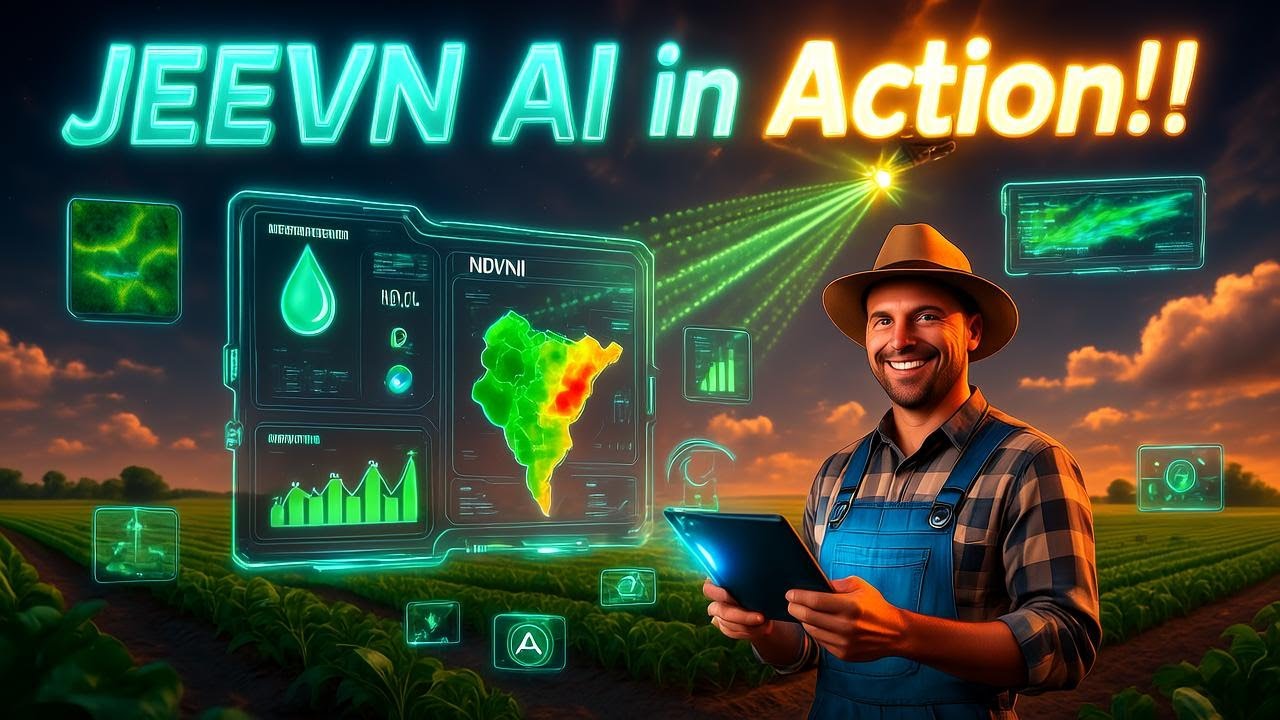
Agricultural Scientist: Example Career Path
- Bachelor’s and Master’s degree in Agriculture Science, Plant Science, or Biotechnology.
- Internships or projects involving crop genetics, soil research, or advanced diagnostics.
- Pursue roles in R&D, agricultural technology companies, or government agencies focused on food security.
Farmonaut’s AI-based advisory systems and satellite-driven platforms provide agricultural scientists with the tools to analyze and monitor soil conditions, crop health, and environmental impact in real time. This empowers research and decision-making, directly contributing to improved yields and resilience.



2. Soil and Plant Scientist: Championing Land Health and Sustainability
Soil and plant scientists specialize in understanding the fundamental interactions between soil properties, plant growth, and environmental factors. Their insights shape everything from crop rotation schedules to nutrient management, combating soil degradation, and preserving biodiversity—key to ensuring sustainable agriculture in 2025.
Key Responsibilities
- Analyzing soil composition, fertility, and nutrient cycling to recommend tailored soil conservation techniques.
- Diagnosing plant diseases and recommending remediation strategies.
- Conducting laboratory tests and in-field trials for optimizing plant health and yields.
- Utilizing GIS and precision agriculture tools to create site-specific management plans.
- Developing sustainable solutions for combating land degradation and climate challenges.

Technologies Empowering Soil and Plant Scientists
- Geographic Information Systems (GIS): Create digital maps for soil, vegetation, and environmental analysis.
- Remote Sensing & Satellite Imagery: Access carbon footprinting, soil health, and crop stress data—essential for modern diagnostics.
- Laboratory and Field Sensors: Test for nutrient levels, soil pH, organic content, and more, supporting data-driven recommendations.
- Precision Agriculture Platforms: Implement targeted nutrient management plans and land use strategies.
With the 2025 push for sustainable farming, soil and plant scientists are among the most sought-after professionals—providing essential skills to preserve land health and optimize production even under climate pressure.
Soil and Plant Scientist: Example Career Path
- Bachelor’s or Master’s degree in Soil Science, Plant Science, or Environmental Science.
- Field and laboratory experience in soil/plant diagnostics, GIS, or precision ag tools.
- Continuous learning in data analytics and digital agriculture platforms.
Through platforms like Farmonaut, soil and plant scientists can access up-to-date remote sensing, monitor soil degradation, and implement custom conservation techniques. This enhances environmental impact and offers direct support to farmers and agribusiness.

“Over 60% of agriscience jobs in 2025 will require expertise in artificial intelligence and robotics integration.”
3. Agricultural Engineer: Architect of Smart, Sustainable Farming Operations
The agricultural engineer sits at the intersection of engineering, sustainability, and innovation. These professionals design and implement advanced machinery, automated systems, and infrastructure to modernize farming operations. Their role is pivotal in integrating technology—from robotics to renewable energy—to make agriculture more efficient, sustainable, and profitable.
Key Responsibilities
- Designing, developing, and improving farm machinery and irrigation systems.
- Implementing smart agriculture innovations such as drones, automated tractors, and IoT sensors.
- Upgrading farm infrastructure to meet modern sustainability standards.
- Integrating solar power, robotics, and data analytics into everyday operations.
- Ensuring that technological upgrades reduce environmental footprint and enhance productivity.
Key Technologies Empowering Agricultural Engineers
- Robotics & Automation: Autonomous tractors, harvesters, drone-based spraying and monitoring.
- IoT and Smart Sensors: Real-time tracking for precision irrigation, nutrient application, and system diagnostics.
- Drones: High-resolution imagery for monitoring field conditions and crop performance at scale.
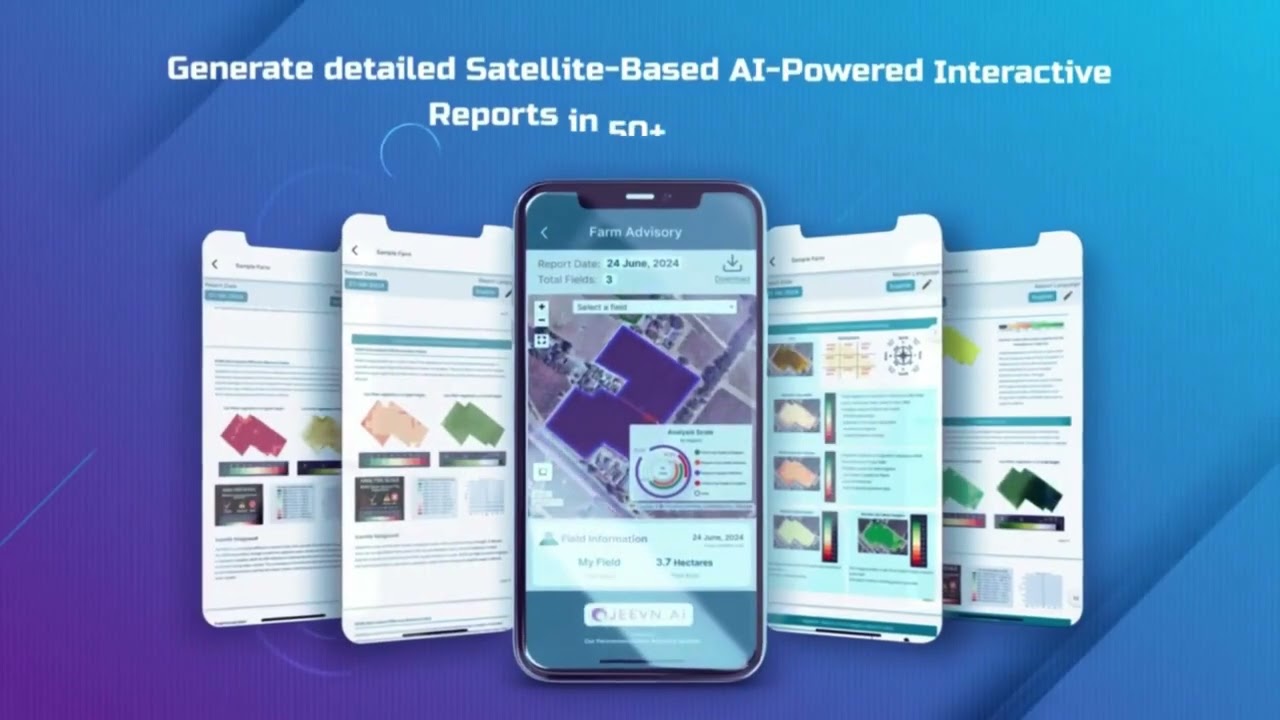
- Satellite Analytics: Integration with platforms like Farmonaut for fleet and resource management of assets and field machinery.
Companies, governments, and individual farmers increasingly rely on agricultural engineers to meet sustainability targets and scaling production efficiently in 2025. As new technologies and advanced analytics become essential, this career offers endless opportunities to drive progress and make a substantial impact.
Agricultural Engineer: Example Career Path
- Degree in Agricultural, Mechanical, or Electrical Engineering with specialization in smart agri-tech systems.
- Internships or research projects in robotics, irrigation automation, or farm building design.
- Work with agri-tech startups, large farms, equipment manufacturers, or consulting firms.
With Farmonaut’s SaaS tools, APIs (see API product), and mobile/web apps, agricultural engineers can integrate real-time field data, manage fleets, and optimize resource deployment for smarter, greener operations.
4. Agribusiness Manager: Powering Economic Growth and Market Innovation
An agribusiness manager bridges the gap between farming science and commercial success. With global supply chains growing more complex and consumer demand for sustainable, traceable products on the rise, agribusiness managers are vital for translating sustainable practices into effective business strategies that benefit both farmers and the marketplace.
Key Responsibilities
- Overseeing operational, financial, and marketing management for agricultural enterprises.
- Analyzing market data and consumer trends to inform business strategies.
- Ensuring regulatory compliance, sustainability certification, and product traceability throughout the supply chain.
- Implementing digital management platforms, ERP, and blockchain solutions for transparency and efficiency.
- Promoting sustainable growth and resilience for farms and agri-enterprises.
Technologies Empowering Agribusiness Managers
- Market Analytics Software: Analyze pricing, supply, demand, and global trends to optimize business operations.
- ERP & CRM Tools: Seamlessly manage logistics, sales, and consumer relations.
- Blockchain Traceability: Ensure product authenticity and transparent resource management.
- Digital Operations Platforms: Platforms like Farmonaut allow for affordable, scalable management of field data, traceability, and operational oversight through mobile/web applications for businesses and governments.
In 2025 and beyond, agribusiness management will continue to be one of the most dynamic, promising careers in agriculture science. With the rise in demand for sustainable products globally, managers play a critical role in shaping future market strategies and supporting economic development within the sector.
Agribusiness Manager: Example Career Path
- Degree in Agribusiness, Business Management, or Agricultural Economics.
- Early career roles in sales, procurement, or supply chain analytics within the agri sector.
- Progression to project or operations management, leadership, and digital transformation roles.
Our API developer documentation enables businesses to build custom integrations between field data, supply chain, and financial systems, elevating innovation and transparency in agri-enterprise operations.
5. Extension Specialist: Driving Rural Innovation and Sustainable Adoption
Extension Specialists are the knowledge bridge between agricultural research and farming communities. Their role has never been more vital: educating farmers on the latest scientific insights, sustainable practices, and new technologies. In 2025, they are increasingly using digital channels, mobile apps, and satellite advisory platforms to impact the rural sector at scale.
Key Responsibilities
- Designing and delivering training, workshops, and demonstrations for the adoption of new agri innovations.
- Disseminating knowledge on climate-smart practices, resource management, and regulatory updates to farmers.
- Providing real-time digital advisory using mobile and web platforms.
- Conducting community engagement projects to accelerate rural development.
- Facilitating access to tools and financial support—such as crop loan & insurance verification using satellite technology—to boost resilience in rural farming.
Technologies Empowering Extension Specialists
- AI-Based Advisory: Real-time, custom recommendations via Farmonaut’s Jeevn AI platform for field operations, crop management, and pest warnings.
- Digital Communication Tools: Chatbots, webinars, video content, and mobile notifications for mass-scale farmer outreach.
- Blockchain and Traceability: Educating communities on product authenticity, certification, and supply chain impact.
- Satellite Imagery: Visual demonstrations using field health data to explain sustainable practices and their benefits to farmers.
Extension specialists are essential in ensuring sustainable growth, technology adoption, and socio-economic development across rural regions. Their influence is amplified through digital transformation and modern agricultural systems.
Extension Specialist: Example Career Path
- Degree in Agricultural Extension, Rural Development, or Agri Communication.
- Experience in teaching, field engagement, and technology-driven learning methodologies.
- Work in NGOs, government agencies, or digital agri platforms supporting rural innovation.
We enable extension specialists to reach wider rural communities and disseminate critical guidance with mobile apps, API integrations, and web solutions. By making real-time satellite insights affordable and accessible, we help scale impact in rural farming faster and more efficiently than ever before.
The Future of Careers in Agriscience: Key Trends and Innovations (2025 & Beyond)
The growing importance of careers in agriscience is fueled by the drive towards resilient, sustainable food systems. As global challenges intensify—climate change, water scarcity, resource mismanagement, supply chain disruptions—skilled professionals are the drivers of systemic innovation. Here’s a look at the key trends defining the sector for 2025 and beyond:
- Data and Digitalization: Satellite imagery, remote sensors, big data analytics, and IoT platforms are transforming decision-making across agricultural systems.
- Climate-Smart Solutions: Precision tools, weather forecasting, carbon measurement, and drought-adaptive practices support climate resilience.
- AI and Automation: From autonomous machinery to real-time AI-powered advisories, cutting-edge tech is central to productivity and sustainability.
- Blockchain and Traceability: Transparency—ensuring authenticity along the supply chain—is foundational as consumers demand sustainable, ethical products.
- Interdisciplinary Careers: The future of agriculture science is collaborative, crossing boundaries with economics, engineering, biology, and digital science to address complex, global challenges.
Tech-Driven Opportunities for Passionate Individuals
Never before have careers in agriculture science and agriscience offered such dynamic and rewarding prospects. Whether you are passionate about crop innovation, soil science, rural empowerment, or digital business management, the sector is set to provide high-growth roles that significantly impact global food security and environmental resilience.
To explore these opportunities hands-on, access our satellite and AI-driven platforms—available via web, Android, and iOS apps—and immerse yourself in next-gen solutions for modern agriculture.
Farmonaut’s Role in Empowering Future Agric Careers
As a satellite technology company, we at Farmonaut are dedicated to making innovation in agriculture science accessible, affordable, and actionable for users, businesses, and governments globally. Our mission aligns with supporting every key player in the agri-sector for 2025 and beyond:
- Satellite-Based Crop, Soil, and Environmental Monitoring: Delivering multispectral satellite imagery and AI-based analysis for precise insights into crop health, soil conditions, carbon footprint, and operational efficiency.
- Jeevn AI Advisory: Providing real-time, field-specific guidance on nutrient management, weather patterns, and resource planning—empowering scientists, farmers, and managers.
- Blockchain Traceability: Secure, transparent records for product journey—enabling supply chain integrity and supporting traceable, ethical practices for managers and regulators.
- API and Developer Tools: Allowing custom integration for field, fleet, and supply chain platforms, enhancing business process automation and analytics capabilities.
- Fleet and Resource Management: Optimizing logistics, monitoring infrastructure, and ensuring efficient use of agricultural machinery.
Check our fleet management solution for detailed use cases. - Environmental Impact Tracking: Accessible dashboards and metrics for carbon footprinting, water use, and emissions compliance—supporting sustainability targets for every sector.
Our modular, subscription-based platform ensures everyone—from smallholder farmers to large agribusiness and governments—can scale their operations and adopt new solutions easily. Our commitment is to keep driving cost-effective, innovative change across the entire agricultural value chain, supporting rapid career growth and meaningful impact for every professional in this field.
Conclusion: Shaping a Future-Proof Career in Agriculture Science (2025 & Beyond)
The future of careers in agriculture science and agriscience has never looked more promising, impactful, or innovative. As we approach 2025, new opportunities—driven by technology, sustainability, and data analytics—are redefining traditional roles and creating exciting new pathways for professionals focused on feeding the world.
Whether interested in advanced research, tech integration, sustainable management, or rural transformation, every career path highlighted in this article offers ample scope for personal growth and global impact. By embracing innovation and leveraging platforms like Farmonaut, today’s agri-professionals are uniquely positioned to secure a resilient, abundant, and sustainable future.
Start your journey, explore our tools, and play a leading role in revolutionizing agriculture, farming, and science for generations to come.
FAQ: Top Questions on Careers in Agriculture Science & Agriscience for 2025
What are the top 5 careers in agriculture science for 2025?
The most prominent 5 agriculture careers in 2025 are: Agricultural Scientist, Soil and Plant Scientist, Agricultural Engineer, Agribusiness Manager, and Extension Specialist. Each offers dynamic, tech-driven opportunities with direct impact on sustainability, innovation, and food security.
How important is technology and data in agriculture careers?
Technology and data play a critical role in every modern agricultural career. From AI and satellite imagery to blockchain and precision tools, advanced technologies support productivity, efficiency, and sustainable practices across the sector.
Which skills are essential for advancing in agriscience careers?
Key skills include: analytic thinking, scientific knowledge, digital literacy (such as satellite and data tools), problem solving, communication, and business acumen (for management roles).
What impact can I make in these careers?
These careers contribute to feeding the future, combatting climate change, protecting ecosystems, and supporting rural development on a global scale.
How can Farmonaut help advance my agriculture career?
By providing affordable satellite insights, AI-based advisory, API integrations, and digital management tools, we empower users—from scientists to business leaders—to make data-driven decisions, optimize resource use, and drive innovation for sustainable agriculture.
Where can I access Farmonaut’s apps and developer resources?
Download our web, Android, or iOS apps for real-time monitoring and management, or explore our complete API developer documentation here for custom integration.
Discussion
Questions, corrections or field experience? Share them below. First-time comments are reviewed before they appear, and your email is never published.
No comments yet. Be the first to add a question or your experience.

 UCAL Fuel Systems
 Kubota
 FFBS
FFBS Jontra
 Kalustyan
 Tucor
Tucor Geno
Geno Hayleys Agriculture
 Linx Agritech
 Adinet
 Save Your Soils
 Grandstream Algérie
 XOS Realty
 Geospatial Lab Africa
 Agro La Gándara
 Licence holder · Niger · Gold










