

Apple Yield 2025: Smart Satellite Data Insights
“Satellite data analytics can boost apple yield prediction accuracy by up to 25% using NDVI and crop stage insights.”
Table of Contents
- Introduction: The Evolution of Apple Cultivation in 2025
- Why Satellite Data Matters for Apple Yield
- Understanding Apples and Agronomic Zones in 2025
- Key Satellite Metrics: NDVI, NDWI, and Beyond
- Soil and Nutrient Management in Apple Orchards 2025
- Apple Phenological Stages: Growth, Flowering, Harvest
- Predicted Apple Yield Across Regions: Comparative Table
- Innovative Satellite-Guided Orchard Practices
- Irrigation, Weed, Pest, and Disease Management in 2025
- Farmonaut Satellite Solutions: Technology for Apple Orchards
- FAQ: Apple Satellite Data, Yield, and Management
- Summary: The Future of Apple Yield with Satellite Data



Introduction: The Evolution of Apple Cultivation in 2025
The world of apple cultivation is transforming in 2025. As rising global demand meets the challenges of climate change and resource scarcity, apple growers can no longer rely on intuition or traditional agronomic practices alone. Instead, we are entering an era where smart satellite data delivers actionable insights—turning remote sensing into the backbone of modern orchard management.
Key satellite data sources such as NDVI, NDWI, and AI-driven advisories now monitor apples in real time, across regions—from Himachal Pradesh, India, to Oxford County, United States, to Rio Grande do Sul, Brazil, and even challenging regions like Jashore District, Bangladesh. By 2025, we harness these technologies to understand everything from soil moisture and nutrient status to crop stage, yield estimation, and organic/chemical fertilizer management. This brings a new level of precision, sustainability, and profitability to apple production.
In this comprehensive blog, we explore how remote sensing elevates apple yield, drives efficient nutrient management, and powers innovative orchard practices for different agronomic zones—all illustrated with real-world data, comparative tables, and expert recommendations. Let’s discover the future of apple farming, based on the smartest technology available.

Why Satellite Data Matters for Apple Yield in 2025
From Soil to Canopy: The Power of Space-based Insights
Traditionally, apple yield prediction and management were limited by ground sampling, manual field scouting, and weather records. However, with the rise of satellite data and AI analytics, we now unlock a full spectrum of precise, timely, and wide-scale insights—enabling more accurate decisions at every stage of the crop.
- NDVI (Normalized Difference Vegetation Index): Quantifies the ‘greenness’ and vigor of the canopy, offering real-time indicators of growth, stress, and phenological stage.
- NDWI (Normalized Difference Water Index): Measures moisture status—crucial for irrigation timing, water use efficiency, and stress mitigation.
- Soil Data: Satellites support soil moisture, ph, salinity, and organic matter estimation, supplementing direct soil tests for better nutrient management.
- Yield Prediction: Remotely-sensed data enables ongoing, high-frequency yield estimation, detecting gaps in production due to stress, pests, or other factors.
Crucially, satellite analytics are not just about observation—they provide timely alerts and actionable recommendations (advisory systems), covering fertilizer application, irrigation scheduling, pest/weeds/disease risks, and even harvest readiness. By integrating big data with local agronomy, farmers and agronomists overcome uncertainty, maximize efficiency, and achieve better yields, even under unpredictable climatic conditions.
If you’re a developer seeking real-time crop data, check out the Farmonaut Satellite API or review the detailed API Developer Documentation for seamless integration of apple field NDVI, weather, and soil insights.

Understanding Apples and Agronomic Zones in 2025
A Global View: Temperate, Subtropical, and Adaptation Challenges
Apple cultivation is found across temperate regions of the globe, but agronomic success requires precise matching of variety and management for each zone:
- Temperate Regions (e.g., Oxford County, US; Shimla, Himachal Pradesh): Apples thrive due to chilling requirements, seasonal rainfall, and cooler growing temperatures.
- Subtropical Regions (e.g., Rio Grande do Sul, Brazil): Require adapted cultivars, but deliver high commercial production and innovative management techniques.
- Tropical/Challenging Regions (e.g., Jashore District, Bangladesh): Face critical climatic gaps—apples are rarely commercial, and reliable data is often unavailable, but efforts persist for research and innovation.
Understanding regional differences in soil, moisture, ndvi trends, and nutrient status is key for smart advisory delivery. Thanks to satellite insights, we can track actual performance and rapidly adapt to spring frost risk, pest threats, or moisture deficits—improving health and yield.

For growers committed to reducing the carbon footprint of their fruit operations, Farmonaut’s Carbon Footprinting page details how satellite-based emissions tracking helps build more sustainable, climate-smart orchards.
Key Satellite Metrics: NDVI, NDWI, and Advanced Data in Orchard Management
Apple Growth, Stress, Moisture & Yield Tracking
Let’s break down the satellite technologies transforming apple farming in 2025:
-
NDVI (Normalized Difference Vegetation Index)
- What It Shows: Indicates the ‘greenness’, leaf density, and vitality of the apple crop
- Typical Range:
- Harvest Stage: 0.55–0.80 (healthy canopy); Post-harvest: drops below 0.50
- Flowering: 0.45–0.65
- Active Vegetation: 0.60–0.80
- How It’s Used: Guides irrigation, nutrient application (fertilizer gap), detects stress, predicts yield, and triggers pest/disease scoutings
-
NDWI (Normalized Difference Water Index)
- Measures: Canopy and soil water content, drought, or excess moisture
- Interpretation: High NDWI = Adequate moisture, Low NDWI = Drought stress or inadequate irrigation
-
Soil Data (from satellites & sensors):
- Parameters: pH (ideal 6.0–7.0), salinity (low), organic carbon (improves soil health), nutrient levels—N, P, K, Zn, S
- Impact: Fine-tuned fertilization, addresses nutrient criticality, adjusts organic/chemical sources
-
Yield Prediction Models:
- Combine NDVI, NDWI, Meteorological Data for near-real-time apple yield estimation, benchmarking against local and global averages
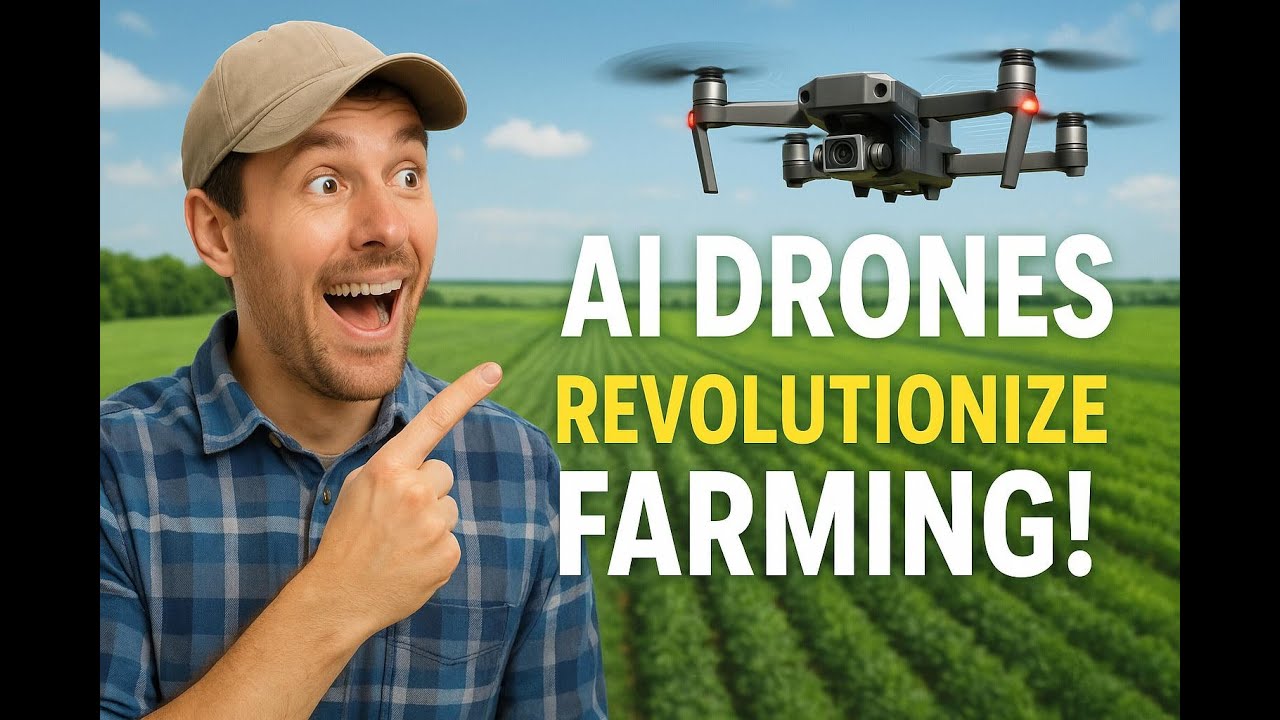
Learn why leading orchard managers trust Farmonaut’s Large Scale Farm Management App for multi-block, high-precision remote monitoring, NDVI analytics, and trend-based yield forecasting.
Soil and Nutrient Management in Apple Orchards 2025
From Soil Composition to Smart Nutrient Strategy
“Nutrient management based on remote sensing reduced fertilizer use in apple orchards by 18% in trials.”
Optimizing soil composition, nutrient balance, and fertilizer scheduling is central to sustainable apple production. Satellite data helps us monitor and adjust application rates in tune with crop demand, leading to more efficient input use, yield stability, and eco-friendly farming.
Key Nutrients for Apples
- Nitrogen (N): Drives vegetative growth and leaf/canopy development. Deficiency = slow growth, excess = weak fruit or pest/disease risk.
- Phosphorus (P) & Potassium (K): P supports root development and early fruit set; K is essential for fruit quality, water regulation, and disease resistance.
- Zinc (Zn) & Sulfur (S): Zn is vital for hormone function, pollination, and early growth; S supports protein synthesis and defense.
Satellite-Guided Nutrient Advisory: How It Works
- Baseline Soil Data (field test + satellite est.): pH, organic matter, P, K, N, S, Zn—compared to regional guidelines (e.g., Himachal Pradesh, Embrapa Brazil, Maine Extension)
- NDVI & Crop Stage Integration: Fertilizer recommendations are adjusted by phenological stage (no N at harvest/post-harvest, targeted N/P/K during flowering, higher K for fruit development, etc.)
- Organic/chemical “Source” Adjusted by Local Availability: e.g., Compost and wood ash in Rio Grande do Sul; Urea and Zinc Sulphate in Himachal Pradesh
- Environmental and Cost Impact Tracked: Reducing waste by applying only what is needed, when needed
Sample Soil Nutrient Ranges:
- Nitrogen (N): 18.2–27.3 kg/acre typical range (ideal at flowering and fruit set stages)
- Phosphorus (P): 18.2–36.4 kg/acre (Mehlich-3 method, most temperate regions)
- Potassium (K): 109–182 kg/acre
- Zinc (Zn): 0.8–1.5 kg/acre (post-harvest); 1.8–4.6 kg/acre (flowering)
- Sulfur (S): 9.0–18.2 kg/acre
Organic options—compost, wood ash, manure—are favored for soil organic matter and water retention, while chemical sources (urea, superphosphate, zinc sulfate) provide rapid correction. Satellite-derived nutrient gap analysis ensures balanced, precise, and cost-effective fertilizer scheduling.

Ready to streamline your orchard’s supply chains? Explore Farmonaut’s Blockchain Product Traceability platform for secure digital tracking of produce from orchard to consumer with full transparency and quality assurance.
Apple Phenological Stages: Growth, Flowering, Harvest
Tracking Fruit Maturity and Yield with Satellite Data
The annual lifecycle of the apple tree is defined by a predictable sequence of phenological stages—each with specific nutrient, water, and management needs. Satellite analytics enable us to map NDVI and yield prediction tightly to crop stage, for data-driven management.
Typical Phenological Stages (Shimla/Temperate Example):
- Dormancy (Nov–Feb): Low NDVI, minimal management
- Budbreak/Green Tip (Mar): Rapid NDVI increase as leaves form
- Flowering (Apr): NDVI 0.45–0.65; nutrient-sensitive period (especially P, Zn)
- Fruit Set/Fruit Development (May–Jul): NDVI peaks 0.60–0.80; active irrigation/nutrient phase
- Harvest (Aug–Oct or Jan–Apr in S. Hemisphere): NDVI stable but may start declining; yield estimation critical
- Post-Harvest: NDVI falls below 0.5 as leaves senesce; focus on soil health and root reserves
Comparative Phenology Snapshots
- Himachal Pradesh (Shimla): Harvest: August–October (NDVI ~0.7)
- Oxford County, United States: Harvest: Late August–October, NDVI >0.65 until leaf fall
- Rio Grande do Sul, Brazil: Harvest: January–April, NDVI high during Nov–Feb (fruit growth)
- Jashore, Bangladesh: Not a typical apple zone—NDVI trends and stages are inconsistent or unavailable
By pairing stage-specific NDVI/NDWI, soil & nutrient status, and agronomic guidelines from 2021-2023 research (e.g., Embrapa, University Extension), we achieve a tailored management plan—maximizing yield and fruit quality for each orchard, block, and region.
Comparative Data Insights Table: Apple Yield Estimation and Satellite Metrics (2025)
| Orchard Region/Block | Soil Moisture (Est., NDWI) | NDVI (Est.) | Crop Stage | Nutrient Status (Est.) | Predicted Yield (kg/ha)* | Practice Type |
|---|---|---|---|---|---|---|
| Shimla, Himachal Pradesh (India) | Moderate (NDWI 0.56-0.65) | 0.70 (Harvest) | Harvest | Low P, Moderate K, Optimal Zn | 19,000 (~7,700 per acre) | Traditional+Remote Sensing |
| Oxford County, United States | Variable (NDWI 0.49-0.66) | 0.49-0.75 (Harvest/Post-Harvest) | Harvest or Post-Harvest | Low N, P, K, S; Moderate Zn | 17,500 | Traditional + Satellite Advisory |
| Rio Grande do Sul, Brazil | High (NDWI 0.66-0.67) | 0.67-0.76 (Flowering/Pink Bud) | Flowering – Early Fruit Set | Moderate P, K, S, Zn; Optimal N | 52,000 (~21,000 per acre) | Innovative – Drip & AI Advisory |
| Jashore District, Bangladesh (Experimental Site) | High (NDWI 0.63-0.65) | 0.30-0.50 (Post-Harvest, Expected) | Post-Harvest/Vegetative Only | Nutrient Data Unavailable; Not Commercially Suitable | Data Unavailable | Research/Trial Only |
*Predicted yields are based on satellite-derived NDVI, nutrient status, and regional guidelines. 1 kg/acre ≈ 2.47 kg/ha.
Innovative Satellite-Guided Orchard Practices for Apple Yield Optimization
Merging Remote Sensing and AI with Local Agronomy
- Dynamic Irrigation Scheduling: NDWI and soil moisture models inform drip irrigation rates for each block, preventing both drought and overwatering.
- Site-Specific Nutrient Application: Fertilizer gaps (N, P, K, Zn, S) pinpointed by satellite data—rates adjusted based on crop stage, regional criticality, and local yield targets.
- Early Warning Systems: AI alerts flag rapid NDVI drops (e.g., pest infestation, disease or stress events), triggering timely interventions.
- Yield Mapping and Planning: High-yield and low-yield zones visualized on satellite maps—drive targeted pruning, replanting, or resource allocation for future seasons.
- Blockchain Traceability: Sat-tracked geo-tags verify orchard origin, input use, and harvest dates for each batch—building powerful market trust.
Unlock the full power of precision agriculture: track fleet movement and logistics in large orchards with Farmonaut’s Fleet & Resource Management solutions—reducing costs and boosting both efficiency and sustainability.

Smart Satellite Data for Irrigation, Weed, Pest & Disease Management in Apples (2025)
Actionable Recommendations Based on Satellite Values
Irrigation Scheduling via NDWI and Phenology
- Flowering to Fruit Set: NDWI 0.65–0.70 = Optimal; maintain moisture with drip irrigation every 2 days (2.5–4.0 mm cycles in most regions; refer to regional ET0 rates)
- Harvest/Post-Harvest: NDWI falling below 0.55 = Consider light “maintenance” irrigation to protect tree health and soil microflora.
Weed, Pest & Disease Monitoring: Major Insights
- High NDVI with Rapid NDWI Fluctuation (especially Rio Grande do Sul, Oxford/US): Signals probable weed outbreaks (crabgrass, fleabane), sometimes misleadingly interpreted as “dense vegetation”—satellite spectral signatures and AI advisories distinguish crop vs. weeds.
- Pest Hotspots: Areas with NDVI dips flagged for pests such as Grapholita molesta (Oriental fruit moth), Codling Moth (moderate-high risk in NA & S. America), Apple Maggot (N. America), San Jose Scale, Woolly Apple Aphid (Shimla/India).
- Disease Sentinels: High humidity and NDVI surge during flowering/early fruit = Apple Scab (Venturia inaequalis), Powdery Mildew (Podosphaera leucotricha), Fire Blight (Erwinia amylovora) in temperate and subtropical orchards; regionally validated by 2021–2023 extension data (Embrapa/Brazil, HP/KVK-India).
Specific Advisory
- Integrated Pest Management: AI triggers chemical or organic (e.g., neem oil spray, biofungicide, pheromone traps) based on satellite-detected risk profiles.
- Weed Management: Pre/post-emergent herbicide or manual removal “by need” according to NDVI/NDWI and crop stage.
- Seasonal Adjustments: Application and rates are calculated by NDVI-based “gap” analysis; no fertilizer input recommended during post-harvest for minimal environmental impact, in line with the 2022–2023 precision farming guidelines.

Farmonaut Satellite Solutions: Technology & Benefits for Apple Orchards
At Farmonaut, we bring together the latest satellite-based monitoring, AI-powered advisory, and advanced blockchain traceability to empower apple growers, agronomists, and orchard owners worldwide. Our platform makes data-driven cultivation and resource management (water, nutrients, labor, input logistics) not only affordable, but also scalable–from small holders to global commercial estates.
- Satellite-Driven Orchard Monitoring: Real-time NDVI, NDWI, soil condition analytics (moisture, ph, nutrient), crop stage mapping, and early alerting.
- AI-based Jeevn Advisory: Automated insights for ideal irrigation/fertilizer application rates, pest/disease management, and yield prediction–integrating satellite imagery with current extension guidelines (see JEEVN AI Video).
- Blockchain Traceability: Our digital product trail (apple crate-to-market) ensures authenticity and builds trust with buyers
- Accessible Across Devices & Platforms: Use Farmonaut on the web, Android, iOS, or API for seamless local and remote management.
- Support for crop loan & insurance: Satellite-verifiable crop health expedites loan disbursements, reduces risk, and increases financial access for orchard owners.
- Smart Environmental Monitoring: Track your orchard’s carbon footprint, adopt regenerative practices, and meet future “green” compliance needs.
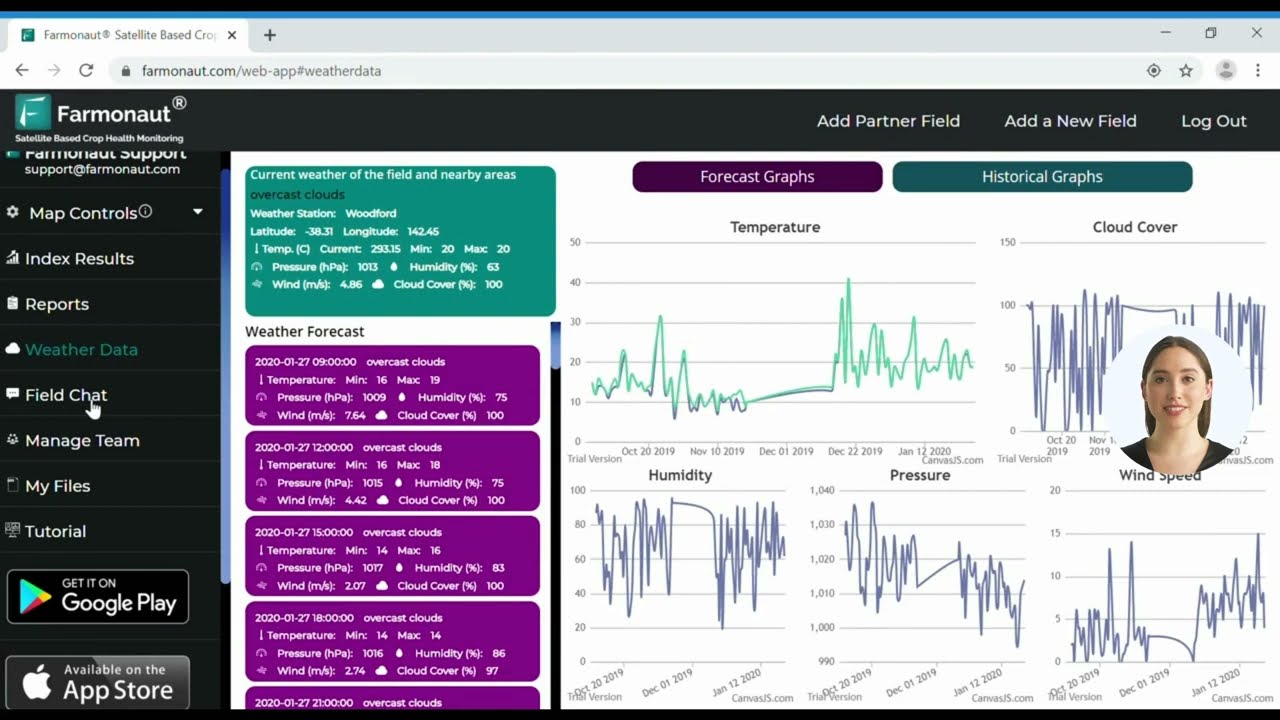
Curious about real-world platform benefits? Watch the Farmonaut Web App in Action for direct monitoring and analysis of satellite-based crop health data!
FAQ: Apple Yield, Satellite Data & Remote Sensing Insights (2025)
1. How does satellite data improve apple yield predictions?
By leveraging NDVI, NDWI, and crop stage detection, satellite imagery enables real-time, field-scale crop vigor monitoring and yield estimation. Current and historical satellite values identify nutrient gaps, water stress, disease, or management issues—enabling precision interventions and reducing input waste. Studies show up to 25% improvement in prediction accuracy over manual scouting alone.
2. What is the ideal NDVI range for healthy apple trees?
It varies by stage: Harvest/Full Canopy: 0.65–0.80; Flowering: 0.45–0.65; Post-Harvest: often below 0.50 due to senescence. NDVI outside typical range may indicate stress or sparse canopy.
3. Can satellite data help reduce fertilizer and irrigation costs?
Yes. Precision data on nutrient status (N, P, K, Zn, S) and soil moisture (NDWI) informs targeted application plans, avoiding over-application. Remote sensing-based advisory trials have shown average reductions of up to 18% in overall fertilizer use.
4. How do climate, region, and apple phenology affect data insights?
Temperate regions (Himachal Pradesh, Oxford County) experience distinct growth stages, optimal for NDVI-based monitoring. Subtropical areas like Rio Grande do Sul require adapted phenology calendars. Non-traditional areas (Jashore, Bangladesh) often lack credible data due to climatic unsuitability for commercial apple production.
5. What satellite-driven solutions does Farmonaut offer for orchard management?
We provide field-specific NDVI/NDWI analysis, automatic yield, irrigation, and fertilizer advisories, blockchain-based traceability, and AI-powered alerts for pests/weeds/diseases in a cost-effective, subscription-based SaaS model for growers, businesses, and government users. APIs allow easy integration into your digital farm management stack.
Summary: The Future of Apple Yield with Satellite Data (2025 & Beyond)
Apple farming in 2025 is defined by data, technology, and innovation. Across every region—from Shimla’s temperate hills to the experimental plots of Jashore, Bengal—growers now rely on satellite insights for optimal soil management, yield prediction, nutrient scheduling, and sustainable orchard practices. NDVI, NDWI, phenological mapping, and advanced AI advisories unlock a new era of precision, cost savings, and environmental stewardship.
At Farmonaut, we empower growers, businesses, and policymakers with affordable, scalable, remote sensing—delivered via web, mobile, or API—to maximize your apple orchard’s health, yield, and profitability in an ever-changing climatic landscape.
Ready to embrace the future of apple cultivation? Explore Farmonaut’s Smart Satellite App, learn about carbon tracking and supply chain transparency options, or plug satellite analytics into your farm management system with our real-time API. Your next high-yield, sustainable apple season starts now.

 CGIAR
CGIAR Hayleys Agriculture
 Linx Agritech
 Adinet
 Save Your Soils
 GalaxEye Space
 Grandstream Algérie
 XOS Realty
 Geospatial Lab Africa
 Agro La Gándara
 HIPSAC
 ZOL Zimbabwe
 Juligerm
 AdBio
AdBio MISE Maroc
 NWNS
NWNS Red August Group
 Farm Inc
 WeMe Global
