

5 Ways Agricultural Practices Improve Soil Fertility
Restoring and Improving Soil Health and Fertility: Advancing Agricultural Practices in 2025
Soil health and fertility are foundational to sustainable agriculture—they directly influence crop yields, food security, and environmental resilience. As our global population grows and climate change intensifies, it is vital that modern agricultural practices aim to restore and improve soil health and fertility. With advancements in science and new technologies, employing both traditional knowledge and innovative tools is the most effective strategy to rejuvenate soils and promote future-ready, sustainable farming.
This comprehensive guide delves into the 5 ways of improving soil fertility in 2025 and beyond, showcasing how integrated systems, organic processes, and smart digital solutions can help maintain and improve the quality of our soil for generations to come.
“Using organic compost can increase soil microbial activity by up to 50%, boosting overall soil fertility sustainably.”
Understanding Soil Health and Fertility
Soil health refers to the soil’s capacity to function as a living ecosystem that supports plants, animals, and humans. Fertility is a key component of soil health—it involves the availability of essential nutrients needed for robust crop growth. Degraded soils, often caused by nutrient depletion, erosion, compaction, and loss of organic matter, impede plant development and can increase a farm’s reliance on chemical fertilizers, further harming the environment.
- ✔ Healthy soil supports biodiversity, retains water, and cycles nutrients efficiently.
- 📊 Soil fertility is critical for maintaining high yields and food security.
- ⚠ Degraded soils require intervention to restore structure and nutrient cycling.
- 🌱 Fertility improvement is essential to adapt to climate change and population growth.
- 🔬 Modern technologies enable precise soil monitoring and targeted management.

Comparative Table: 5 Ways to Improve Soil Fertility and Sustainability
| Practice Name | Description | Estimated Improvement in Soil Fertility (%) | Environmental Benefit | Example Crop/Application |
|---|---|---|---|---|
| Organic Amendments & Composting | Incorporating compost, manure, and plant residues to enrich organic matter and microbial life | 30–65% | Reduces chemical inputs, restores soil structure, boosts biodiversity | Vegetables, Cereals |
| Cover Cropping & Crop Rotation | Rotating crops and growing cover plants (legumes/clover/rye) to protect and enrich soil | 25–55% | Prevents erosion, conserves moisture, suppresses weeds | Corn, Soy, Wheat, Legumes |
| Reduced Tillage & Conservation Agriculture | Minimizing soil disturbance to protect structure and retain carbon | 20–50% | Reduces erosion, enhances water retention, boosts soil organic carbon | Wheat, Maize, Soybean |
| Precision Nutrient Management | Data-driven nutrient application based on soil testing & crop needs | 15–35% | Minimizes fertilizer use & runoff, protects waterways | Rice, Cotton, Sugarcane |
| Biofertilizers & Microbial Inoculants | Applying beneficial bacteria/fungi to enhance nutrient availability | 20–45% | Increases microbial diversity, supports sustainable nutrient cycling | Pulses, Oilseeds, Vegetables |
“Precision nutrient management can reduce fertilizer waste by 20–40%, promoting healthier soil and environmental sustainability.”
5 Key Ways of Improving Soil Fertility for Sustainable Agriculture
Let’s dive deeper into five core methods for restoring and improving soil health and fertility in 2025 and the future.
- 🌱 Increase organic matter for a living, fertile soil ecosystem.
- 🌾 Diversify crop roots and cycles to maintain nutrient balance.
- 🚜 Reduce tillage to preserve structure and carbon.
- 🔬 Apply nutrients precisely to crop/soil demands.
- 🦠 Foster beneficial microbial life for nutrient cycling & resilience.
1. Organic Amendments and Composting
Incorporating organic matter such as compost, manure, and crop residues is at the heart of sustainable soil management. These organic amendments and compost enrich soil with essential nutrients and stimulate microbial activity.
- ✔ Improves structure: Organic matter acts as a binding agent, reducing compaction and enabling better root penetration.
- ✔ Enhances water retention: Soils rich in organic matter hold moisture effectively during dry spells.
- ✔ Boosts nutrient cycling: Microbes decompose organic amendments, releasing plant-available nutrients.
- ✔ Reduces reliance on chemical fertilizers: Replenishes potassium, phosphorus, and nitrogen naturally.
- ✔ Eco-friendly: Restores soils without introducing synthetic chemicals, lowering environmental risk.
Composting—the controlled decomposition of organic residues—transforms waste into valuable fertilizer while cutting down on greenhouse gas emissions and landfill usage.

- 🌿 Plant residues: Crop stubble, pruned branches
- 🐄 Animal manure: Cow, poultry, sheep droppings (well-composted)
- 🏡 Kitchen compost: Fruit, vegetable peels, coffee grounds
- 🪱 Vermicompost: Worm-castings, high in nutrients

For advanced digital monitoring of organic matter and carbon within soils, Farmonaut’s Carbon Footprinting Platform enables real-time assessment of carbon sequestered in soils and crops, supporting regulatory compliance and science-driven land management decisions.
2. Cover Cropping & Crop Rotation: Sustainable Soil Health Practices
Cover cropping and crop rotation are centuries-old techniques with modern scientific backing that foster long-term soil fertility:
- Cover crops like legumes, clover, and rye planted during fallow periods prevent erosion by shielding the soil surface.
- Nitrogen fixation: Leguminous cover cropping fixes atmospheric nitrogen, an essential nutrient for plant growth.
- Suppresses weeds and disrupts pest cycles, reducing the need for chemical interventions.
- Rotation between crops with different nutrient needs diversifies demand and replenishes soil health.
- Improves soil structure and enhances microbial activity, reducing long-term risks of soil nutrient depletion.

For holistic large-scale farm management, innovations such as Farmonaut’s admin platform empower farm owners to remotely monitor ground cover, crop rotations, and environmental changes year-round via satellite insights.

3. Reduced Tillage & Conservation Agriculture: Minimizing Disturbance for Healthy Soils
Minimizing soil disturbance through reduced tillage and conservation agriculture preserves soil structure, organic carbon, and microbial habitats, making it a vital part of the 5 ways of improving soil fertility in 2026 and beyond.
- ✔ Keeps soils intact, reducing the loss of organic matter and limiting wind/water erosion.
- ✔ Conservation tillage (strip till, no-till) helps maintain beneficial fungi and bacteria.
- ✔ Maximizes water infiltration and root penetration, boosting plant health and resilience.
- ✔ Decreases fossil fuel use—less plowing means lower carbon emissions from farm operations.
- ✔ Enhances overall biodiversity, including pollinators and soil arthropods.
- 🔄 Combine reduced tillage with organic mulches to boost outcomes.
- 🌾 Use residue retention to shield soil micro-life from heat & compaction.
- 🌧️ Implement subsurface drip irrigation to support stable moisture and root development.
By implementing minimum or no-tillage techniques, farmers can significantly lower operation costs, maintain soil health, and promote climate resilience across their fields.
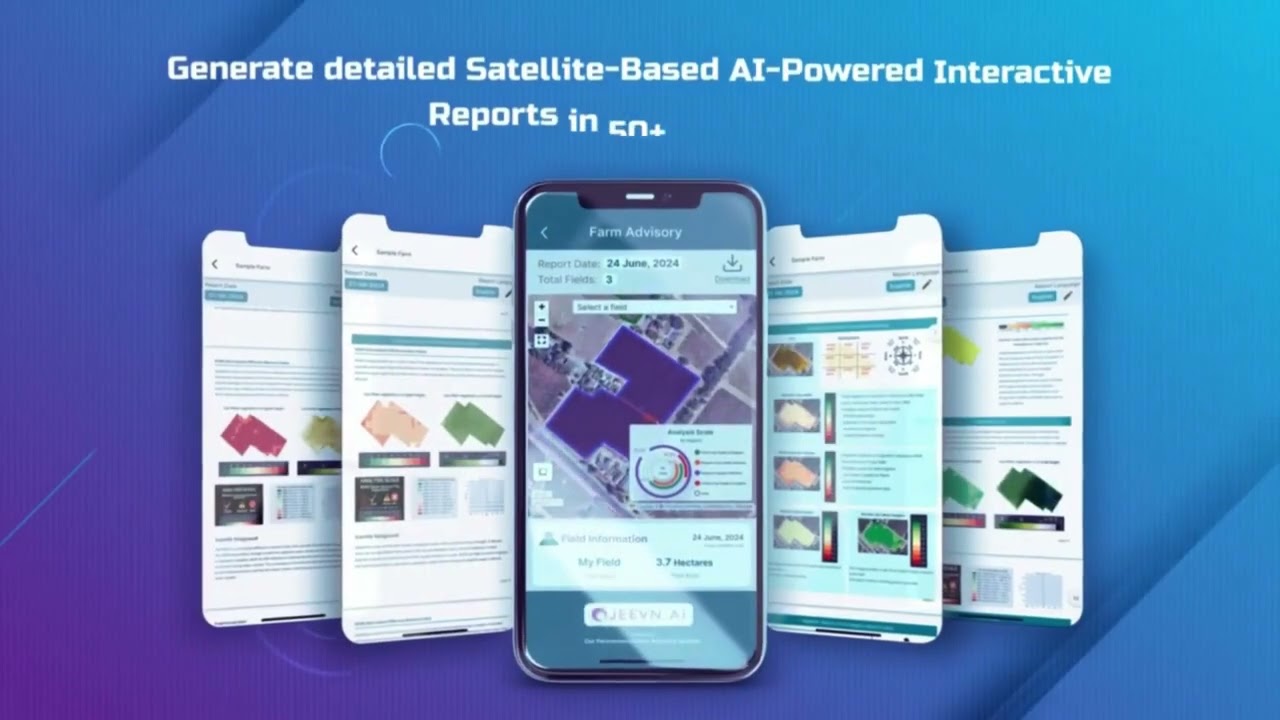
For digital tracking of soil structure, conservation measures, and real-time soil conditions, Farmonaut’s environmental tools offer actionable satellite-based insights for optimizing every step of soil and crop management. Visit Farmonaut Web and Mobile Apps for direct access.



4. Precision Nutrient Management: Smart Inputs for Sustainable Productivity
Recent advancements in soil science and digital agriculture technologies allow for extremely accurate nutrient management. This approach enables farmers to maximize yields while minimizing waste and ecological damage.
- ✔ Soil testing & mapping: Identifies site-specific nutrient needs and imbalances.
- ✔ Sensor-driven application: Applies only what’s needed, reducing fertilizer loss and chemical runoff.
- ✔ Integration with weather data: Times input application for optimal plant uptake.
- ✔ Lowers costs and environmental effects, supporting both small- and large-scale farms.
- ✔ Boosts fertilizer use efficiency by 20–40%, as shown in recent studies and trials.
A way we could improve agricultural practices to decrease environmental effects would be to leverage satellite-driven nutrient management. Farmonaut’s API & satellite solutions deliver real-time field variability maps that help farmers target nutrient inputs exactly where needed and minimize losses. Integrate with your management systems via Farmonaut’s API or review the Developer Docs for advanced customization.
- ✔ Reduces groundwater contamination and preserves river health
- 📊 Data-driven soil/plant decisions eliminate guesswork
- ✔ Optimizes input costs during inflationary periods
- 📊 Supports traceability and regulatory reporting requirements
- ⚠ Requires initial investment (sensors, mapping) but delivers high ROI
5. Biofertilizers & Microbial Inoculants: Harnessing Soil Biology
One of the most transformative advancements is the use of biofertilizers and microbial inoculants—living organisms added to soil or plant roots to enhance nutrient availability, particularly nitrogen and phosphorus.
- ✔ Bacterial inoculants (Rhizobium, Azospirillum) fix nitrogen from the air for legumes & oilseeds.
- ✔ Phosphate-solubilizing fungi release locked-up phosphorus for crops to absorb.
- ✔ Mycorrhizal fungi expand root surface area, enhancing water and nutrient uptake.
- ✔ Reduces need for chemical fertilizers, builds a resilient, healthy soil microbiome.
- ✔ Increases yield and improves produce quality (taste, nutrition, storage life).
Biofertilizers are a core tool in organic farming systems and a crucial element for sustainable soil fertility worldwide.

With Farmonaut’s Crop Health Monitoring technology, agricultural professionals can track the real-time impact of microbial applications on crop vitality and soil zones, helping fine-tune organic practices for maximum fertility returns.
Farmonaut: Digital Tools for Soil, Crop & Environmental Management
As a pioneering satellite technology company, we at Farmonaut empower agriculture with affordable, real-time satellite-based solutions for soil health monitoring, crop vitality assessment, water management, and environmental reporting. By integrating AI-driven advisory systems, blockchain-based traceability, and remote fleet/resource management, Farmonaut enables informed decision-making to restore and maintain soil fertility sustainably across a variety of farming scales.
- 🌐 Satellite-Based Monitoring: Detect nutrient deficiencies, erosion, and organic matter losses from space—eliminate guesswork and protect yields.
- 💡 Jeevn AI Advisory: AI-powered crop and soil diagnostics adapted to local weather, growth stages, and climate change impacts.
- ⚡ Blockchain Traceability: Authenticate your sustainable practices and boost consumer trust with secure data for food and resource supply chains. Learn more at Farmonaut Product Traceability.
- 📈 Fleet/Resource Tracking: Reduce operational costs and soil compaction by managing farm fleets and irrigation schedules efficiently—see Farmonaut Fleet Management Solutions.
- 🌱 Environmental Impact Tools: Track carbon emissions, monitor conservation compliance, and optimize input use to balance productivity and sustainability.
Learn more about farm-scale digital solutions—including API integration for custom needs—on our platform.
Reducing Environmental Impact: The ISFM & Agroforestry Approach
A powerful way we could improve agricultural practices to decrease environmental effects would be to adopt Integrated Soil Fertility Management (ISFM). ISFM combines:
- ✔ Judicious use of organic inputs & mineral fertilizers for maximum efficacy.
- ✔ Improved crop varieties, suited for local soils and climate.
- ✔ Site-specific good agronomic practices (e.g., optimizing rotation, cover, tillage).
ISFM maximizes nutrient use efficiency, enhances soil and crop resilience, and reduces greenhouse gas emissions often associated with excessive fertilizer use—a holistic approach in line with next-generation sustainable agriculture.

Beyond ISFM, integrating agroforestry systems—planting trees within and around crop/livestock fields—offers multiple sustainability benefits:
- ✔ Trees improve soil structure through deep rooting and organic litter deposition.
- ✔ Agroforestry enhances biodiversity, buffers microclimates, and increases resilience to change.
- ✔ Carbon sequestration: Trees and deep-rooting crops help capture and store atmospheric carbon—see Farmonaut’s carbon mapping service.
- ✔ Improved water management and reduced soil erosion during storms.
- ✔ Year-round productivity and environmental services for farming communities.
By using ISFM and agroforestry together, the 5 ways of improving soil fertility become even more effective at tackling environmental risks and ensuring lasting productivity.
Frequently Asked Questions (FAQs): Soil Fertility & Sustainable Practices
- Q1: What is the most important factor in restoring soil health?
- Improving organic matter content (via composting, cover crops, reduced tillage) is foundational for restoring soil health, structure, microbial life, and nutrient cycling.
- Q2: Can these practices work in all climates and soil types?
- Yes, but strategies should be adapted to local conditions: arid farms may focus more on mulching for moisture, while tropical areas benefit most from frequent crop rotations and cover cropping to prevent nutrient leaching.
- Q3: How is digital technology making sustainable soil management easier?
- Satellite, sensor, and AI-based platforms like Farmonaut deliver real-time, field-specific data, making it easier for farmers to optimize inputs and adopt best practices while reducing costs and environmental effects.
- Q4: What are common mistakes farmers should avoid?
- Over-tilling, skipping cover crops, excessive use of chemical fertilizers, and lack of soil testing are frequent errors. These can be avoided with education, monitoring, and integrating multiple sustainable practices.
- Q5: Are biofertilizers better than chemical fertilizers?
- Biofertilizers offer sustainable, long-term fertility by improving soil biology. They may be combined judiciously with mineral fertilizers for best results under the ISFM model.
The Future of Soil Fertility Improvement: Looking to 2026 and Beyond
Improving soil fertility is more than a goal for today, it’s a necessity for the future. Agricultural practices must help us maintain and restore soil health, safeguard food security, and limit environmental risks well beyond 2026. This means combining organic amendments, cover cropping, reduced tillage, precision nutrient management, and biofertilizers—integrating these within ISFM and agroforestry systems, supported by digital satellite insights.
Digital technologies such as remote sensing, AI-driven analysis, and blockchain traceability will become standard for efficient, eco-friendly farm management. As climate events, regulation, and markets evolve, continuous learning, adaptation, and data integration will ensure healthy soils and resilient yields.
For those seeking enhanced access to capital based on real, remotely-verified field conditions, Farmonaut’s Crop Loan & Insurance Services enable lenders and insurers to base decisions on transparent, up-to-date geospatial data, lowering risk across global agriculture.
Key Callouts: Insights, Mistakes, Tips & Notes
Farmonaut Subscription Plans
Whether you’re a farmer, business, or government agency, Farmonaut subscriptions give you access to advanced satellite-driven insights, real-time crop health monitoring, and resource management tools to maximize your productivity and sustainability for years to come.
Conclusion: Advancing Soil Health and Fertility for 2025 & Beyond
The future of agriculture depends on our ability to restore and improve soil health and fertility. By applying the five key ways to improve soil fertility—organic amendments and composting, cover cropping and rotation, reduced tillage, precision nutrient management, and biofertilizers—farmers and agricultural professionals can achieve more resilient, productive systems while minimizing environmental effects.
Integrated approaches such as ISFM and agroforestry, when coupled with digital monitoring, further enhance sustainability, support compliance, and enable smarter management as demands shift in 2026 and beyond. With continued advancements in soil science and technology, we have the knowledge and tools to rejuvenate soils, secure food systems, and advance sustainable agriculture worldwide.

 KJBN Labs
 SFX
SFX BACF Africa
 Doodlakine
 Exurbia Geospatial
 FieldZero
 Indico Company
 Kubota
 FFBS
FFBS Jontra
 Tucor
Tucor
