

Integrated Soil Fertility Management: 7 Secret Hacks to Revolutionize Crop Yields and Sustainability
“Integrated soil fertility management can increase crop yields by up to 50% while reducing chemical fertilizer use by 30%.”
- What is Integrated Soil Fertility Management?
- Key Components of ISFM
- Integrated Soil Fertility Management: 7 Secret Hacks
- Comparison Table of ISFM Practices, Benefits & Impact
- ISFM Benefits for Farmers & Sustainability
- Challenges in ISFM Implementation
- How Farmonaut Enables Smarter ISFM Adoption
- FAQs on ISFM
- Farmonaut Subscriptions
Welcome to our comprehensive guide on Integrated Soil Fertility Management (ISFM)—the transformational approach reshaping modern farming across the globe. As food security, environmental sustainability, and profitability become urgent priorities, ISFM emerges as an indispensable strategy for farmers aiming to optimize soil health, maximize crop yields, and minimize ecological footprints.
In this blog, we’ll walk you through the foundations of ISFM, unveil the 7 secret hacks that can supercharge your fields, and help you explore how combining organic and inorganic fertilizers with precision farming unlocks sustainable agricultural success. We’ll also demonstrate how technology, such as Farmonaut, puts actionable insights into the hands of farmers, enabling scalable, real-time decisions.
What is Integrated Soil Fertility Management (ISFM)?
Integrated Soil Fertility Management (ISFM) is a holistic, evidence-driven approach that involves the coordinated application of organic and inorganic soil fertility practices, improved crop varieties, and sustainable agronomic techniques to enhance the nutrient balance, productivity, and environmental sustainability of agricultural systems.
Rather than relying solely on chemical inputs, ISFM acknowledges the importance of organic matter integration, improved seed germplasm, crop rotation, and knowledge-based implementation. The goal is to maximize the efficiency of nutrient utilization, rejuvenate soil structure, and create resilient farming systems capable of sustaining high yields while protecting our planet’s resources.
Key Components of ISFM
- Balanced Fertilization: Combining organic and inorganic fertilizers (such as farmyard manure and mineral nutrients) for tailored crop nutrition (Research).
- Improved Germplasm: Planting resilient, high-yield, disease-resistant crop varieties that make efficient use of available nutrients (Read more).
- Sustainable Agronomic Practices: Practices like crop rotation, intercropping, agroforestry, and conservation tillage which combat soil erosion, promote biodiversity, and enhance water retention (Learn more).
- Extension Services and Farmer Education: Farmer training and knowledge transfer are critical in enabling ISFM adoption at scale.

Integrated Soil Fertility Management: 7 Secret Hacks
After years of refining integrated soil fertility management concepts and field testing, we’ve identified seven practical and powerful “hacks” for sustainable farm productivity. Let’s explore each, the science behind them, and how they can transform farm livelihoods in regions like the Ethiopian Highlands and Burkina Faso—while supporting global food security.
-
Balanced Fertilization: The Art of Combining Organic & Inorganic Inputs
Hack #1: Instead of using only synthetic fertilizers, master the timing and method of integrating organic amendments (farmyard manure, compost) with mineral fertilizers that directly target crop nutrient needs.
- Combining both input types increases nutrient availability and supports healthy microorganism populations in the soil.
- Many studies show that fields treated with this method boast improved yields (often 10–40% higher) and better long-term fertility.
Example: For maize fields, apply a base dressing of composted manure before planting, and supplement with NPK fertilizer during key growth stages.
Associated benefits: enhanced soil structure and water retention, reduced leaching, and higher nutrient use efficiency. -
Utilize Improved Crop Germplasm and Disease-Resistant Varieties
Hack #2: Select and plant seeds specifically bred for your agro-ecological zone, focusing on high-yielding, disease-resistant, and nutrient-efficient varieties.
- These crops make better use of available nutrition and recover faster from environmental stresses (Source).
- Variety choice is a key factor in sustainable yield growth and resilience against pests, droughts, and disease cycles.
Tip: Partner with local extension services or seed cooperatives to access the latest releases that fit your climate and soil profile.
-
Adopt Sustainable Agronomic Practices
Hack #3: Implement crop rotation (alternating maize with legumes or root crops), intercropping (planting two species together), and agroforestry (integrating trees with crops).
- These rotations break pest cycles, recapture nutrients, and reduce erosion.
- Trees and cover crops improve biodiversity and help sequester carbon in the soil, tackling both productivity and climate change.
Example: Rotate cereals with nitrogen-fixing legumes, which naturally replenish soil fertility.
-
Improve Soil Organic Matter Content
Hack #4: Maximize the return of organic matter—i.e., crop residues, green manures, and compost—by incorporating them into your soil. This increases soil carbon and fosters microbial health.
- Enhanced water-holding capacity and better resistance to drought.
- Strengthened soil structure for deeper root growth and improved nutrient retention.
Tip: Carry out minimum or conservation tillage to avoid disrupting soil structure and to conserve organic inputs.
-
Apply Fertilizers with Precision: Match Timing, Type, and Placement
Hack #5: Use data-driven fertilizer application methods for timing and targeted delivery, minimizing nutrient losses (to leaching or runoff) and maximizing uptake.
- Apply fertilizers close to critical growth periods—like at planting and just before flowering for many crops.
- Banding fertilizers near the seed, rather than broadcasting, improves nutrient availability while reducing nutrient loss to water bodies.
Example: Use localized placement of urea for rice or maize to cut nitrogen loss and boost yields.
Farmonaut’s Large Scale Farm Management system empowers precision fertilizer use by analyzing satellite-based soil fertility maps.
-
Monitor and Manage Soil Health in Real-Time
Hack #6: Regularly assess key soil health metrics—pH, organic matter, nutrient status, and moisture—using satellite-based monitoring tools and on-farm testing.
- Early detection of deficiencies or imbalances informs corrective action and crop-specific strategies (such as lime applications for acidic soils).
- AI-powered advisories, like Farmonaut’s Jeevn AI System, translate data into actionable recommendations for each plot.
Tool Highlight: The Farmonaut Carbon Footprinting service helps farmers monitor and reduce their environmental impact, a vital step in climate-smart agriculture.
-
Leverage Farmer Training, Extension, and Digital Advisory Platforms
Hack #7: Invest in ongoing farmer education, field trials, and ICT-enabled extension services to promote the correct implementation and scaling of ISFM strategies.
- Knowledge of soil fertility practices is often the missing link in adoption—well-trained farmers see much higher productivity gains.
- Apps and digital solutions, like the Farmonaut iOS app, foster rapid knowledge transfer and problem-solving support for all.
Example: In Burkina Faso, farmer training on ISFM led to substantial improvements in yields and soil health (as highlighted by the Poverty Action Lab Study).
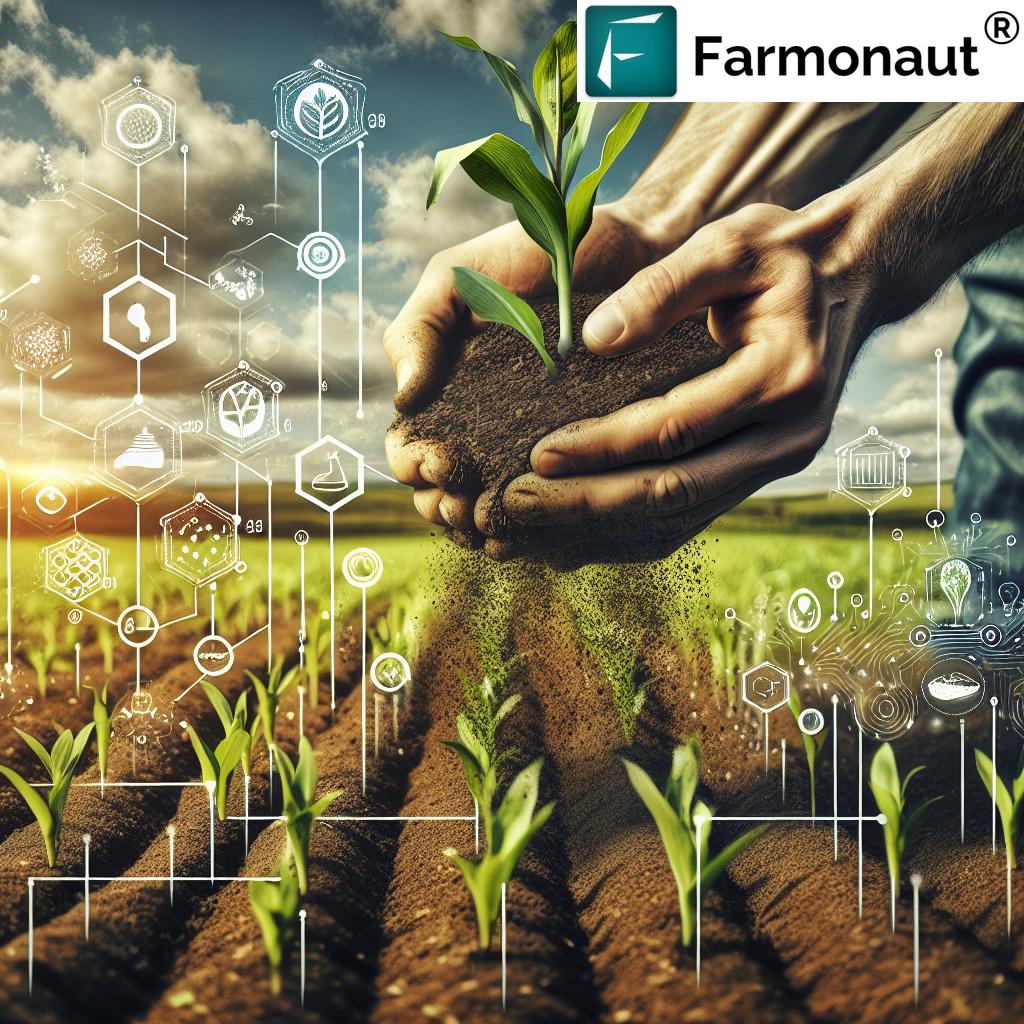
“Sustainable soil practices can cut greenhouse gas emissions from agriculture by nearly 20%, supporting a healthier environment.”
Comparison Table of ISFM Practices, Their Sustainability Benefits & Impact
| ISFM Practice | Sustainability Benefit | Estimated Yield Increase (%) | Environmental Impact |
|---|---|---|---|
| Balanced Fertilization (Organic + Inorganic) |
Reduces over-reliance on chemicals; builds soil organic matter | 15–40% | Decreases nutrient leaching; boosts carbon sequestration |
| Improved Germplasm | Better nutrient use, pest resistance reduces chemical inputs | 10–30% | Decreases pesticide use and increases system resilience |
| Sustainable Agronomic Practices (Rotation, Intercropping, Agroforestry) |
Mitigates soil erosion; enhances biodiversity | 10–25% | Lower carbon footprint; stabilizes ecosystem services |
| Organic Matter Integration | Improves soil structure and water retention | 10–25% | Captures carbon, reduces greenhouse emissions |
| Precision Fertilizer Application | Reduces waste; ensures nutrients reach plants | 10–20% | Minimizes runoff into water bodies |
| Real-time Soil Monitoring | Optimizes nutrient management; prevents degradation | 10–35% | Supports conservation and lower GHG emissions |
| Farmer Training & Digital Extension | Promotes widespread adoption of sustainable ISFM | 15–50% | Empowers communities; raises awareness of environmental issues |

ISFM Benefits for Farmers, Soil Health, and Agricultural Sustainability
-
Significant Yield Boost: By optimizing and synchronizing the availability of nutrients to match crop requirements, ISFM can double productivity or enhance yields by 20–50% on average.
“For example, maize yields in ISFM-managed fields in the Ethiopian Highlands consistently surpassed non-ISFM fields by a substantial margin.” - Soil Health Improvement: The addition of organic matter improves soil structure, fertility, and root penetration, while integrated nutrients maintain a healthy, living soil system.
- Environmental Sustainability in Agriculture: Lower chemical input and better nutrient cycling minimize leaching, runoff, and water body pollution. Increased soil carbon sequestration helps fight climate change.
- Reduced Input Costs: By boosting nutrient efficiency and mobilizing organic resources, ISFM cuts unnecessary fertilizer expenditure and enhances return on investment.
- Erosion and Drought Resilience: Deep-rooted crops, cover systems, and improved soil organic matter content all help prevent erosion and retain soil moisture, vital for climate resilience.
- Improved Farmer Knowledge and Empowerment: Extension services and farmer education ensure rapid adoption of soil fertility practices and build local capacity for ongoing innovation.
How ISFM Supports Global Goals for Sustainable Agriculture
- Food Security: By raising yields and stabilizing production, ISFM is crucial for ending hunger and improving rural incomes worldwide.
-
Climate Change Mitigation: Practices like carbon foot-printing and increased organic matter sequester carbon, helping meet Paris Agreement targets.
(Learn more about Farmonaut’s Carbon Footprinting Tools) - Water Quality Protection: Reduced fertilizer runoff curbs eutrophication and benefits communities dependent on local water bodies.
Explore Farmonaut’s blockchain-based product traceability solution to promote transparency, safety, and sustainability in food supply chains.
Challenges in ISFM Implementation and Adoption
Despite its proven benefits, the transition to integrated soil fertility management can face several obstacles, especially in resource-constrained regions such as Burkina Faso and sub-Saharan Africa. Recognizing and strategizing around these challenges is key to unlocking the full potential of ISFM.
-
Limited Access to Quality Inputs:
Many farmers lack affordable access to organic matter (such as farmyard manure or compost), as well as balanced mineral fertilizers. -
Inadequate Knowledge and Training:
Awareness and technical capacity regarding ISFM and sustainable agronomic practices remain low without continuous extension services and farmer education. -
Economic Barriers and Upfront Costs:
The initial investment in improved germplasm, soil amendment infrastructure, or even digital tools is a hurdle for many smallholder farmers. -
Fragmented Landholding and Policy Support:
Small, scattered fields make economies of scale difficult, and inconsistent policy incentives can slow down ISFM adoption. -
Climate and Market Volatility:
Weather extremes, unpredictable rainfall, and fluctuating markets can discourage long-term investments in sustainable ISFM approaches.
Solution in Practice: Digital platforms like Farmonaut reduce barriers by offering scalable, affordable soil monitoring and AI-based advisory—even for small plots, ensuring that any farmer can access actionable ISFM insights.
View our Satellite API (Developer Docs) for businesses and research organizations looking to automate field monitoring or integrated soil fertility management analytics.
How Farmonaut Technology Empowers Smarter ISFM Adoption
Farmonaut is pioneering affordable, AI-driven, satellite-based digital agriculture tools accessible from your phone or desktop—making precision ISFM possible for all. Our platform brings together science, sustainability, and practical insights:
-
Satellite Crop Health Monitoring:
Real-time NDVI and soil moisture mapping enables strategic fertilizer and irrigation management—key to optimizing nutrient use in ISFM systems. -
AI-powered Jeevn Farm Advisory:
Delivers personalized, plot-level crop/soil recommendations in seconds, directly to the farmer’s device. -
Blockchain Traceability & Transparency:
Buyers and consumers can verify sustainable practices and product provenance across supply chains. - Resource Management: Manage fleets, inputs, and logistical workflows for large-scale ISFM with the Farmonaut Fleet Management Solution. Reduce operational costs and increase transparency.
-
Carbon Footprint Tracking:
Monitor and lower GHG emissions linked to fertilizer use and soil carbon, supporting “climate-smart” ISFM on every farm.
With our affordable subscription model and support for mobile/iOS/web/API access, Farmonaut democratizes access to precision agriculture and empowers the widespread adoption of ISFM globally.



FAQs on Integrated Soil Fertility Management (ISFM)
What is Integrated Soil Fertility Management?
ISFM is an approach combining organic and inorganic fertilizers, improved crop varieties, and sustainable agronomic practices to improve soil fertility, crop productivity, and environmental outcomes.
Why is ISFM important?
It increases yields, enhances soil health, cuts input costs, and reduces environmental harm—enabling sustainable agriculture in an era of climate and resource pressures.
Can ISFM help with climate change?
Yes. ISFM increases soil carbon stocks, reduces fertilizer-related greenhouse gases, and helps farms adapt to drought. Using Farmonaut’s Carbon Footprinting tools, you can measure and minimize your farm’s footprint.
What is the role of farmer education in ISFM?
Farmer education and extension are critical—studies show well-trained farmers adopt ISFM more quickly and succeed with implementation, especially when empowered by digital solutions like mobile apps and remote advisory services.
How do I get started with ISFM?
Begin by testing your soil, choosing improved varieties, combining organic with mineral fertilizers, and rotating crops. Log and monitor field performance on platforms such as Farmonaut for ongoing decision support.
Is ISFM affordable for smallholders?
When implemented efficiently and with support from digital platforms like Farmonaut, ISFM increases cost-effectiveness by improving input use and boosting yields, making it accessible even on a small scale.
Farmonaut Subscriptions & Pricing
Access farm-scale satellite monitoring, AI-powered crop advisories, carbon tracking, and traceability modules in one affordable package. Farmonaut’s flexible subscription model suits every farmer—from individual fields to large-scale agribusiness.
Conclusion: Embrace the Future with Integrated Soil Fertility Management
Integrated soil fertility management is not just a theory—it’s proven, scalable, and transformative for every farmer seeking higher yields, healthier soils, and a sustainable future. By intelligently combining local wisdom with innovative agronomic practices and digital technology, we empower farms across the globe to be more productive, climate-resilient, and profitable.
At Farmonaut, we stand at the forefront of this revolution, equipping the agricultural community with affordable, science-based insights and actionable digital tools. Whether you’re a smallholder in sub-Saharan Africa or managing thousands of hectares, let’s make farming smarter, together.
Start your ISFM journey today—download the Farmonaut app, monitor your soil and crops in real-time, and join a global network of innovative, sustainable farmers making a real difference for the environment and generations to come.

 Godrej Agrovet
 Hayleys Agriculture
 Linx Agritech
 Adinet
 Save Your Soils
 GalaxEye Space
 Grandstream Algérie
 XOS Realty
 Geospatial Lab Africa
 Agro La Gándara
 HIPSAC
 ZOL Zimbabwe
 Juligerm
 AdBio
AdBio MISE Maroc
 NWNS
NWNS Red August Group
 Farm Inc
 WeMe Global
 Agrotoken
 Blue BearX
 Insignito
 DnCubed
 Indosistim Teknologi
 Liquify Digital
 CU Foods
 BeyondTech Global
 Rouge VC
 AgroRisk
 Oath Inc
 Esri North East Africa
 MDCV UK
 Etech Consulting Madagascar
 Vestlandsforsking
 WB Dev
 Sama Premium
 Tres Valles
 Blickwinkel
 Agricultural Credit Policy Council
 eKGIS
eKGIS Mostas Tech
 Andex
Andex Deluxe Conseil
 WICO
WICO Chimera Innovation
 SkyHarvest
 Teledarbas
 Exurbia Geospatial
 FieldZero
